
Standing Seam Metal Roofing in Gresham, OR
Review a standing-seam roof detail
- Home
- Roof Systems
- Standing Seam Metal Roofing
Long metal panels move as their temperature changes. A standing-seam system manages that movement through concealed clips and raised seams, but panel layout, attachment, transitions, and penetrations still need to be detailed correctly. We inspect the panels, seams, clips where accessible, flashings, fasteners, and drainage before planning a repair or replacement. Gresham sees periodic summer heat and freezing nights. Those conditions make panel movement and installation timing worth checking, while the roof inspection confirms surface and detail conditions. A roof inspection records panel condition and transitions before we define the metal-roof scope.
What should the panel inspection cover?
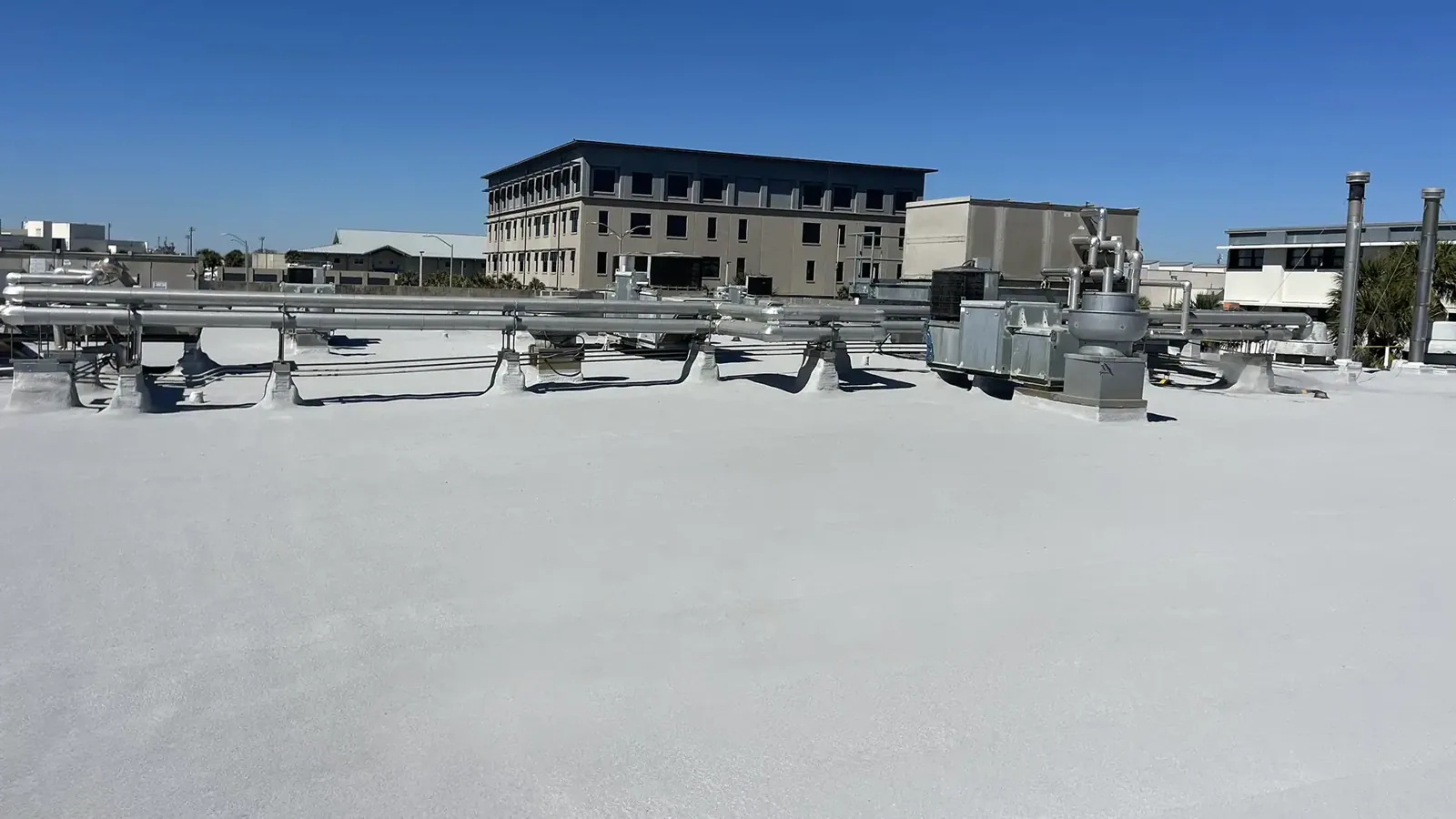
We look for oil canning, loose clips, open seams, damaged ribs, corrosion, coating wear, and fasteners or closures that have backed out. A panel may show waviness without being structurally failed, so we distinguish appearance from attachment or water-entry conditions. The inspection checks eaves, ridges, valleys, rake edges, transitions, and any locations where panels meet walls or other roof systems.
Concealed clips allow panels to move, but fastener spacing and clip type must match the design and support structure. We inspect visible signs of movement and review details or installation records where available. If a repair requires panel removal, we check whether the clip or substrate below remains secure. The scope should explain whether a panel is repaired, replaced, or reattached and how the seam is restored.
Penetrations and rooftop equipment interrupt panel runs. Curbs, pipes, skylights, and support bases need compatible flashing that tolerates panel movement. Sealant alone is not a movement joint. We inspect water paths and flashing edges, then coordinate with the mechanical contractor when a unit, curb, or support needs adjustment. A penetration flashing review can identify roof openings before a panel repair begins.
Why do metal seams or fasteners leak?
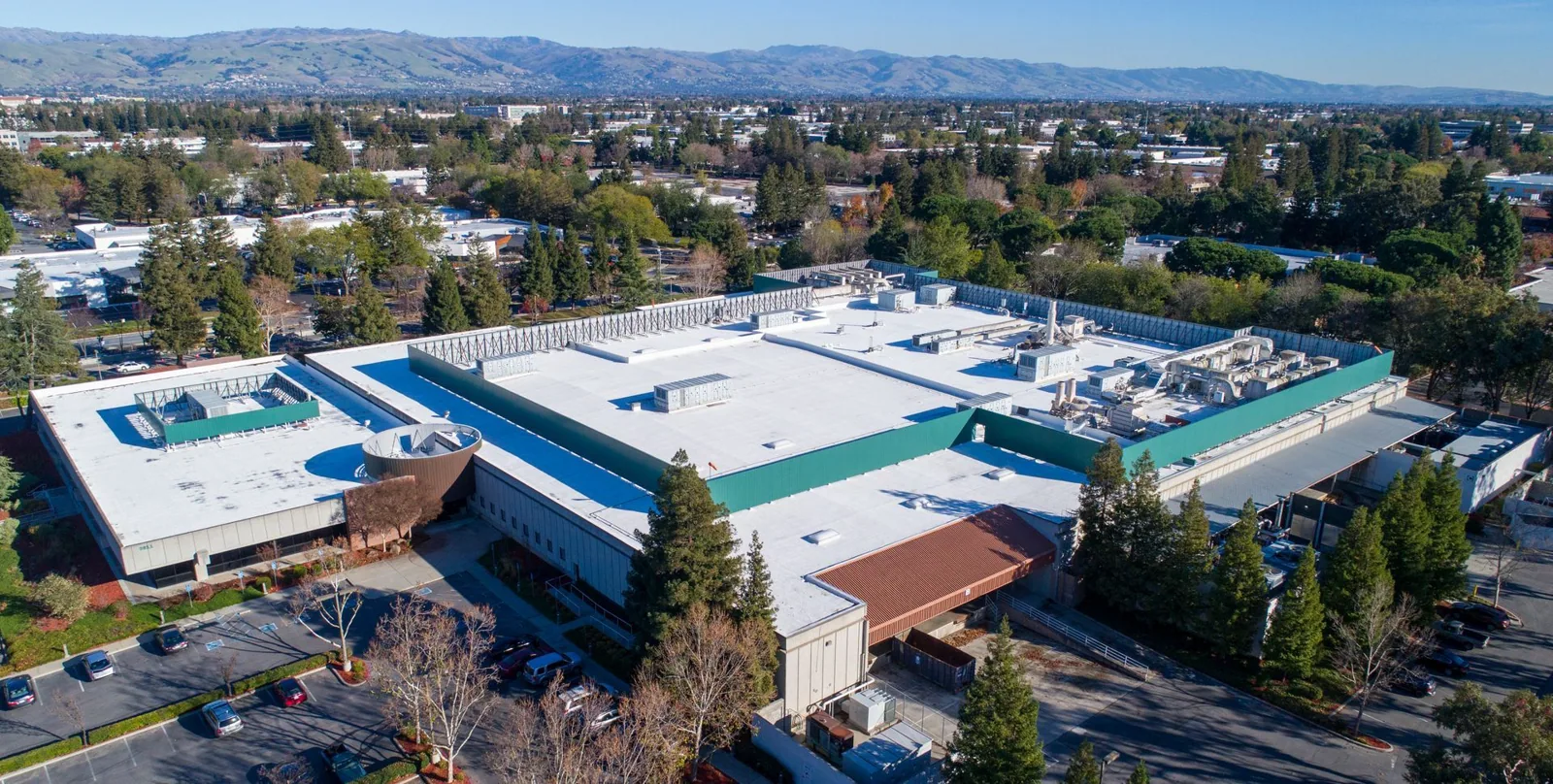
A standing seam can separate if clips loosen, panels shift beyond their intended movement, or a closure detail fails. Wind uplift can stress edges and corners, while thermal movement changes panel position over time. We inspect seam engagement and support conditions where accessible and compare them with the surrounding panel field. The repair method needs to preserve the intended movement rather than lock a floating panel rigidly to the substrate.
Corrosion can begin where water remains at a lap, where incompatible metals touch, or where a coating has been damaged. We identify the panel metal and coating before selecting a repair. A compatible coating may protect sound metal after preparation, but perforation or a failed seam may require panel replacement. The written scope notes material compatibility, fastener or clip replacement, and any substrate repairs.
Water can enter at end laps, transitions, skylights, curbs, gutters, or a fastener penetration. It may travel along the panel rib or under underlayment before appearing indoors. We trace the route by checking slope, seams, interior reports, and adjacent flashing. In the wet season, a drainage check can identify a blocked gutter or outlet that keeps water against a metal detail longer than intended.
When does a standing-seam system fit?
The roof design needs to support the panel profile, slope, clip, substrate, and expected loads. The selected metal and coating determine corrosion behavior and maintenance needs. We check whether a new system can meet the building's geometry, drainage, and attachment requirements. The scope also addresses underlayment, vapor considerations, insulation, penetrations, and edge metal. Metal panels are not interchangeable by profile or gauge.
A retrofit can be an option for some existing exposed-fastener roofs, using a new framing or panel assembly above the existing roof. It changes roof height and may affect edges, drains, curbs, and load. A metal retrofit assessment checks existing structure, moisture, attachment, and perimeter details before the new system is designed. A full replacement may be more suitable where the substrate or existing roof is unsound.
Other low-slope systems may fit a different building slope or detail. TPO and standing-seam metal have different seams, movement, drainage, and repair methods. We compare the full assembly to the deck, use, and maintenance plan. System choice is set by the roof and project requirements rather than a generic material preference.
How do local industrial settings affect metal work?
Gresham's industrial lands support manufacturing, distribution, processing, and high-tech operations. A standing-seam project may involve long panel deliveries, lifts, and cutting or fastening work near occupied production. We coordinate staging, access, noise, and equipment shutdowns with the facility. The building's operations determine the work window, even when the roof assembly is straightforward.
Southshore Corporate Park occupies an industrial corridor along I-84 and the Columbia River, with manufacturing and distribution uses. Troutdale Reynolds Industrial Park includes logistics, manufacturing, and energy operations. Those broad areas help identify delivery and access considerations, but each site's gates, crane pads, and work rules need direct confirmation.
Hot days and freezing nights can affect panel handling and sealant work. Metal surface temperatures can differ from air temperature, so the crew follows product and safety requirements. Gresham’s wetter season runs from fall through spring, making exposed underlayment and transitions important to close before the shift ends. The work plan sets a temporary protection method if panels are removed and weather changes.
What happens during panel repair or replacement?
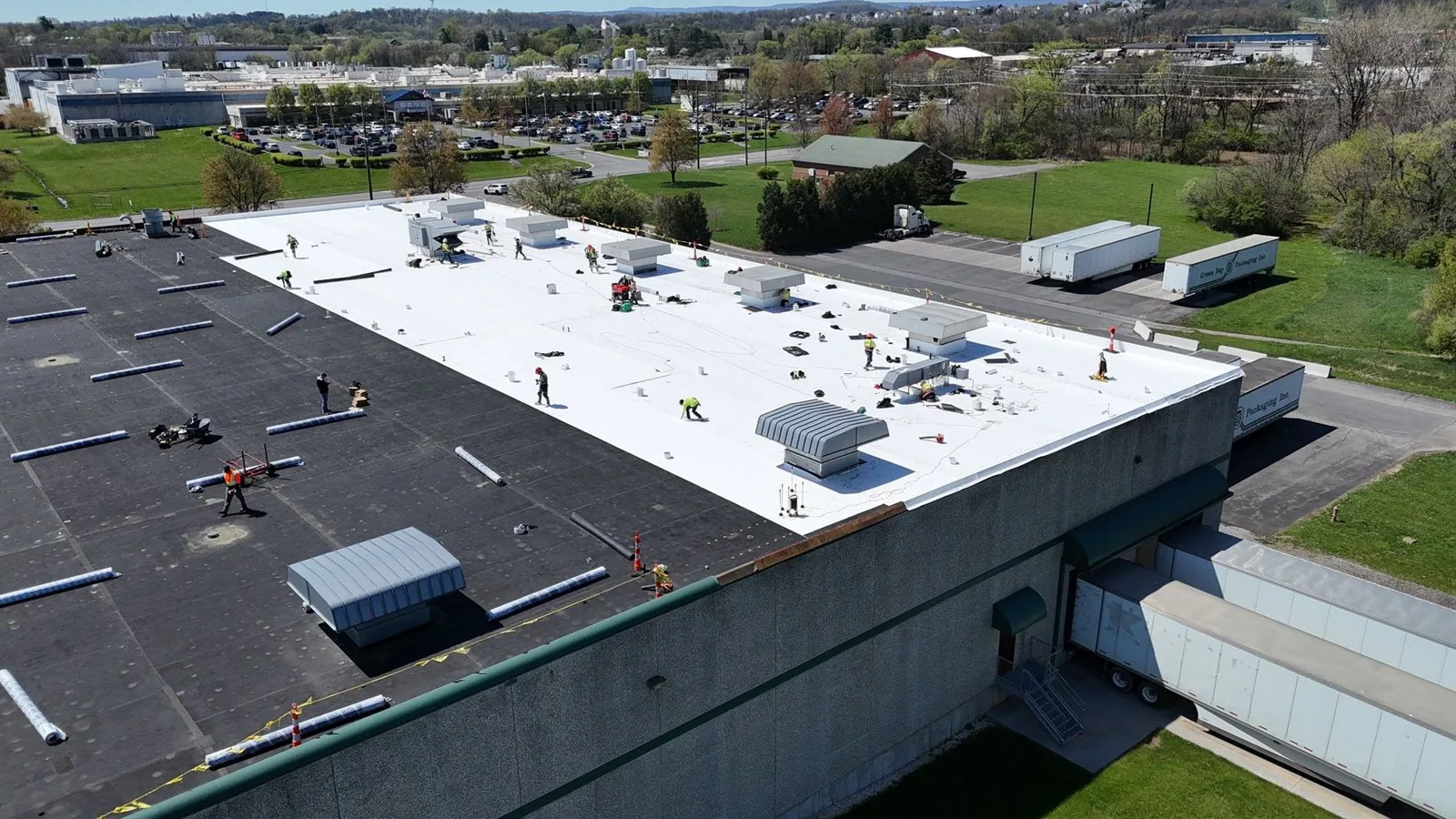
We survey the panel runs, identify profile and metal type, review support details, and mark penetrations, seams, and end conditions. Repairs may replace damaged panels, closures, clips, fasteners, or flashing. The work area is protected while components are removed, and new material is secured using the specified detail. We check panel alignment and seam engagement as the run is restored.
For a new roof, crews prepare the substrate and underlayment, install clips or support framing, place panels, close seams, and detail ridges, eaves, valleys, walls, and penetrations. The sequence has to allow movement and direct water to gutters or internal drains. We coordinate crane placement, panel delivery, and access around the building schedule. Open sections are protected at the end of each shift.
After the work, we inspect seams, fasteners, flashings, and drainage, then photograph repaired areas. A gutter and edge review can verify where runoff leaves the panels. The maintenance record should note coatings, repair locations, and areas where technicians need a protected route. We can arrange a roof walk in Gresham around deliveries and occupied hours.
What should the metal-roof scope specify?
The scope should name panel profile, metal type, coating, gauge, clip or fastener pattern, substrate, underlayment, insulation, and flashing details. It should explain how the assembly accommodates movement and drains at valleys and edges. Confirm which penetrations, curbs, closures, gutters, and damaged supports are included. Concealed deck issues and material substitutions need a documented approval path.
At the Sandy Boulevard freight corridor, panel staging or crane activity can intersect truck routes and loading. Near Springwater Employment Area, active manufacturing may set shutdown and noise windows. We coordinate those needs with the facility before mobilization and include them in the roof sequence. A maintenance plan keeps seams, coatings, and drainage details on the building's inspection calendar.
Standing Seam Metal Roofing FAQs
-
Does oil canning mean standing-seam panels have failed?
Not automatically. Waviness can be a visual condition, while seam engagement, attachment, corrosion, or water entry determines whether repair is needed. We inspect the panel system and record the evidence before recommending replacement.
-
Can you repair a standing seam without replacing full panels?
Sometimes. We check the seam, clip, panel metal, and water path to see whether a localized correction is stable. A panel with perforation, failed coating, or damaged rib may need replacement. The scope identifies which detail is affected.
-
Can standing-seam panels be installed over an old metal roof?
A retrofit may work when structure, attachment, moisture, height, and drainage allow it. We inspect the existing assembly and coordinate design questions before specifying framing or panels. A retrofit changes edge and curb elevations, which need a detail plan.
-
How do you prevent new penetrations from leaking?
We coordinate compatible boots or curbs with the panel profile and allow for movement. Each penetration needs a designed flashing detail and secure attachment. The mechanical or solar team shares equipment dimensions before the roofing crew closes the panels.
Related Roofing Work
Commercial Roof Inspection
Learn More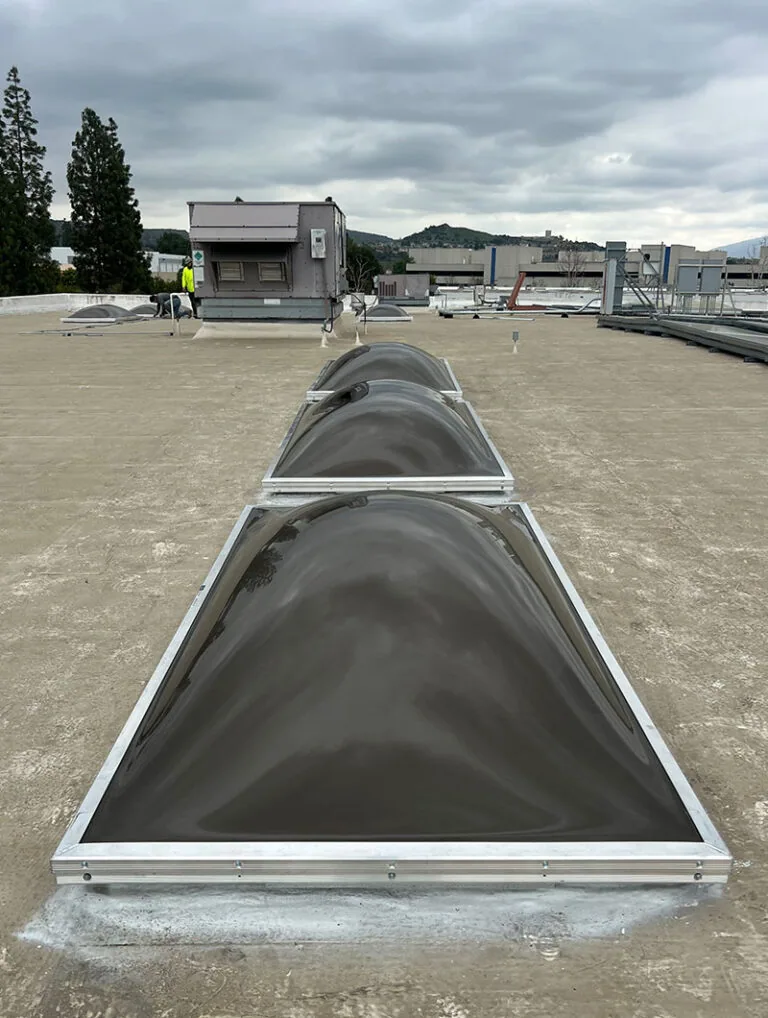
Commercial Skylight and Penetration Flashing
Learn More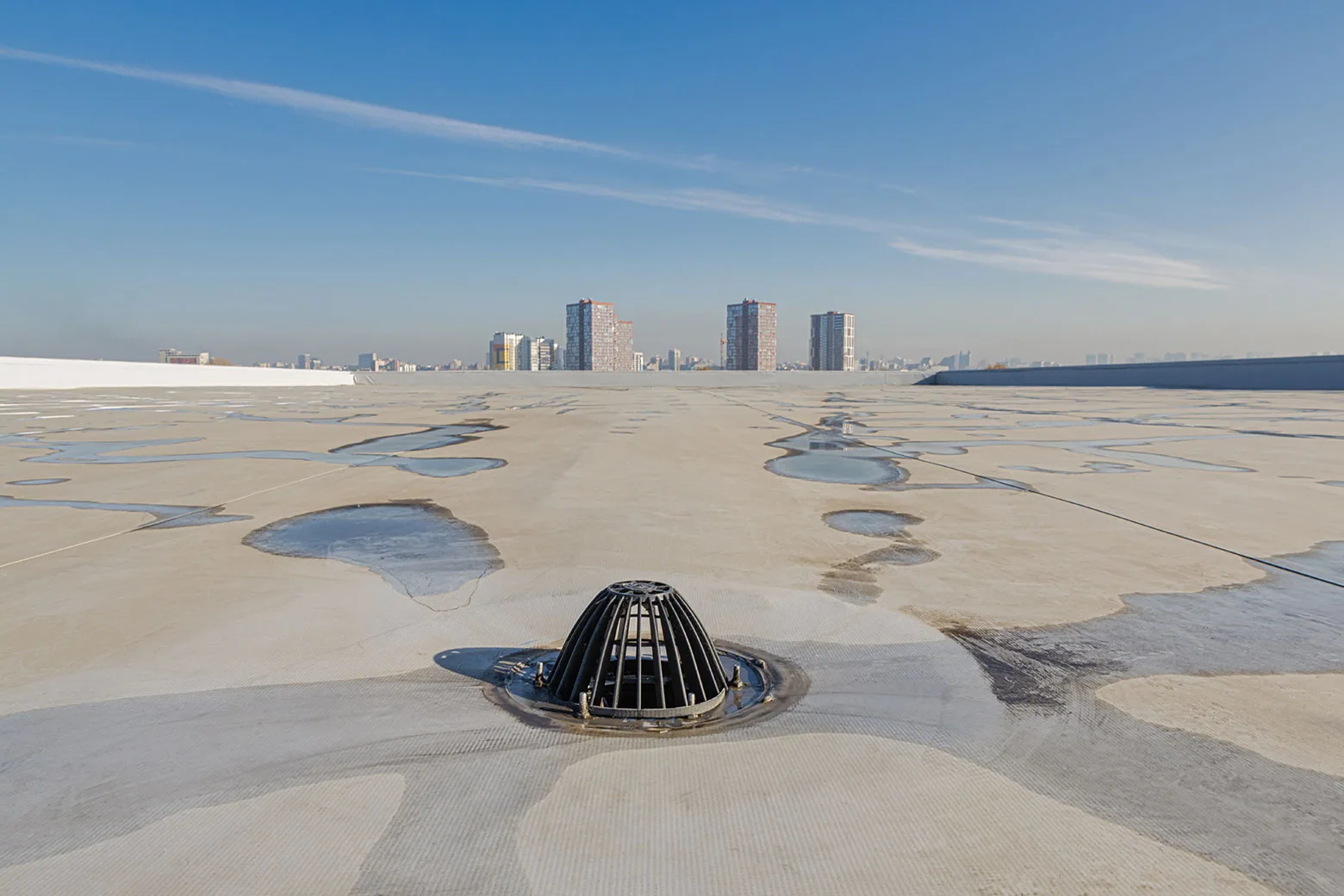
Commercial Roof Drains and Scuppers
Learn More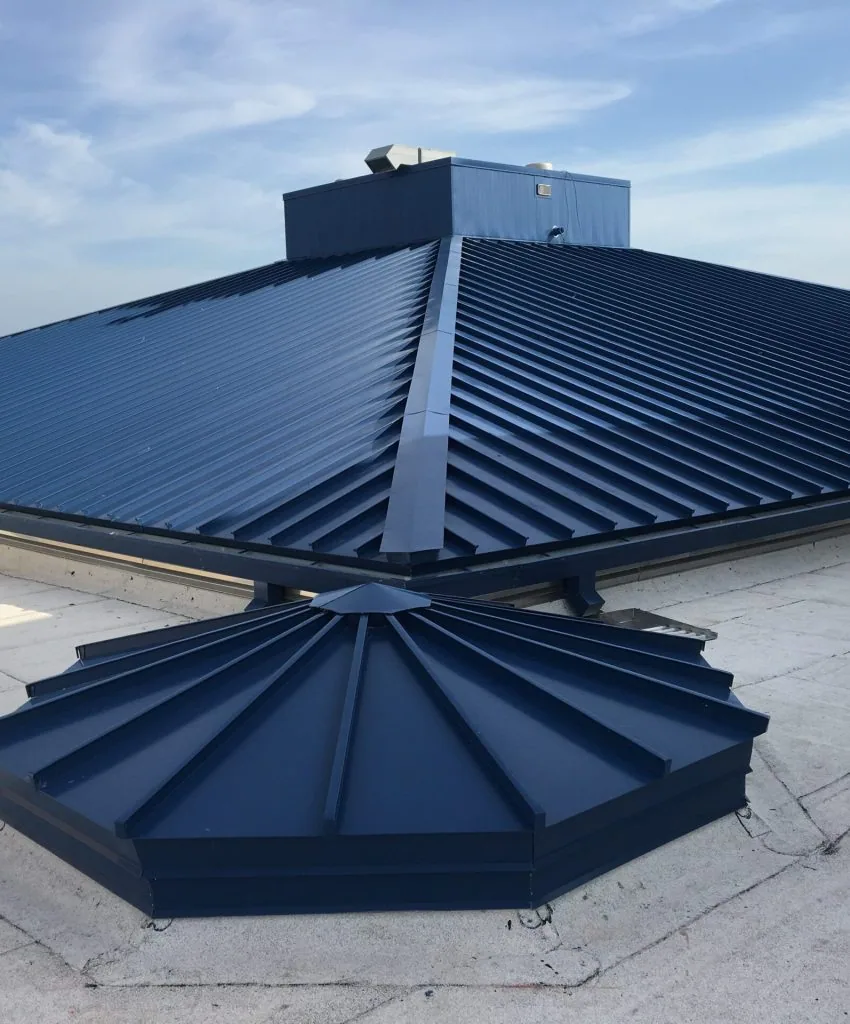
Commercial Metal Roof Retrofit
Learn More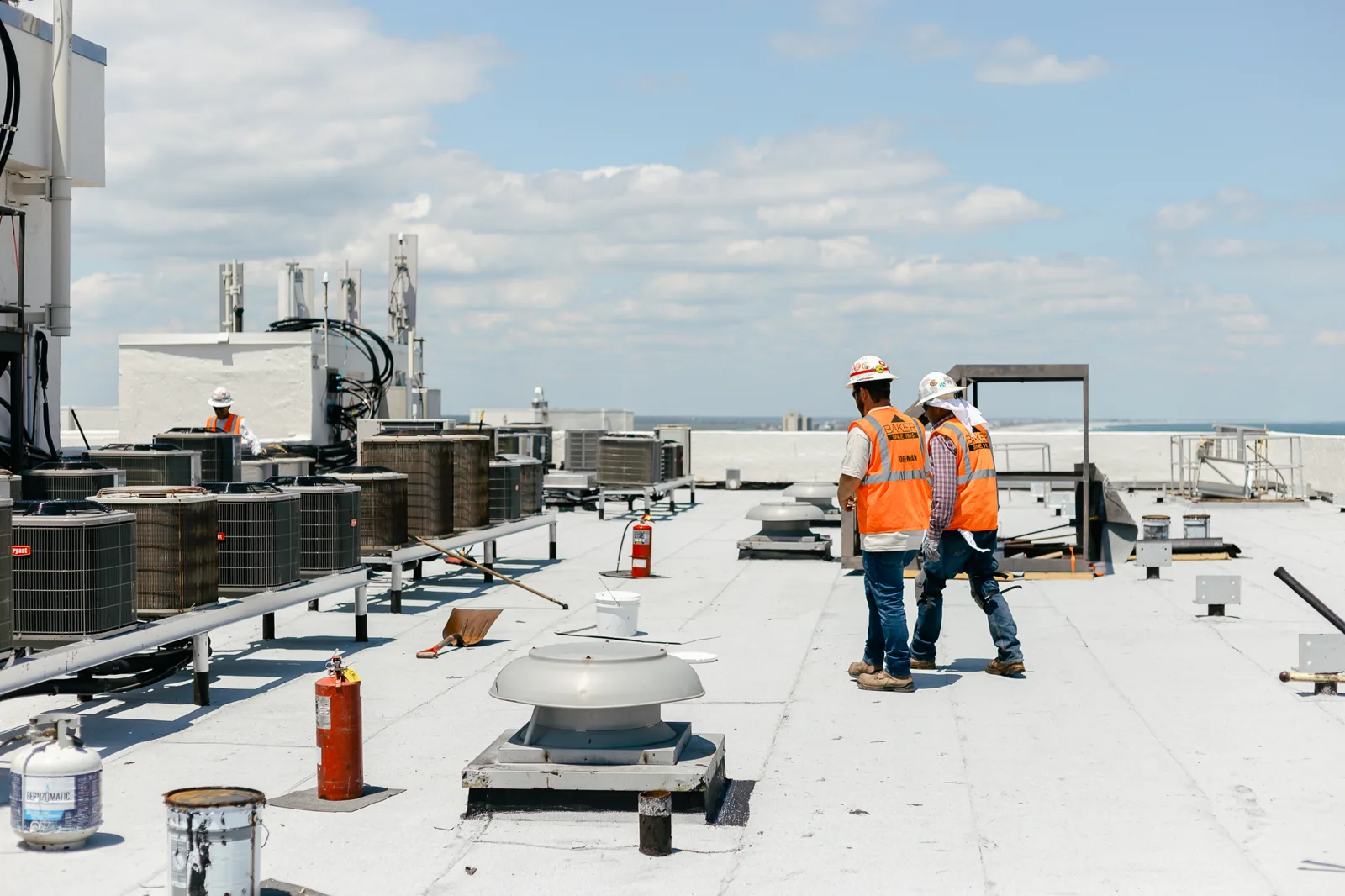
TPO Roofing
Learn More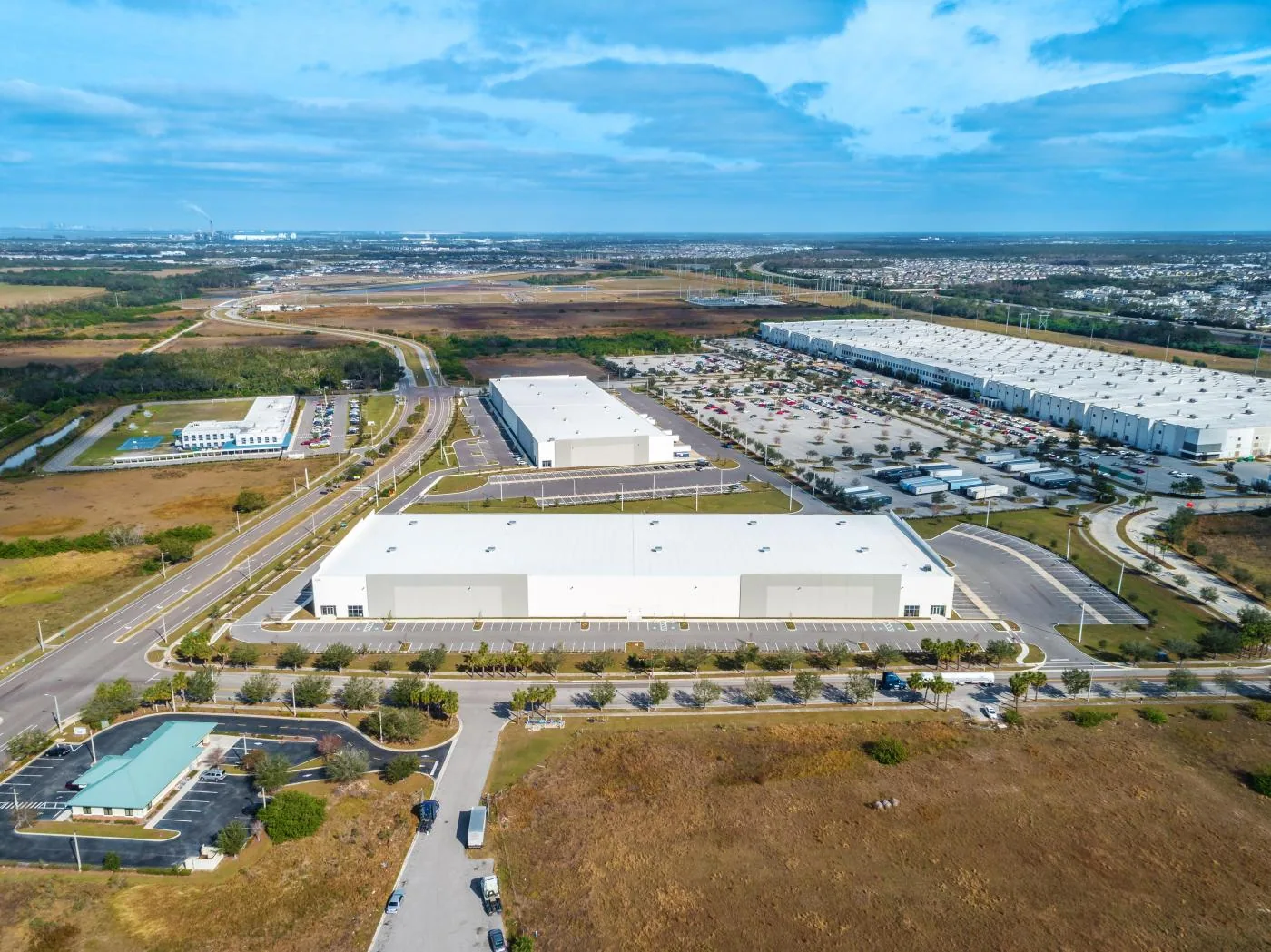
Southshore Corporate Park
Learn MoreReview a standing-seam roof detail
Request a roof assessment in Gresham
We will inspect panels, clips, seams, transitions, and access needs before defining a repair or metal-roof project. Tell us about the building, the roof and what you are seeing. Call 555-555-5555, email [email protected] or send the details through our contact page and we will set up a time to walk the roof.