Commercial Roof Leak Repair in Gresham, OR
Trace the leak and plan the repair
- Home
- Commercial Roofing Services
- Commercial Roof Leak Repair
Food-processing and electronics operations give a roof leak an equipment question before it becomes a ceiling question. We compare the timing, interior evidence, and roof conditions to trace the likely path. The walk checks drain bowls, seams, curb corners, wall transitions, penetrations, and nearby repairs. We record where water is active and what remains uncertain before choosing a repair. Gresham’s wet season can keep a failed detail exposed through repeated rain, so we check drainage carefully and plan temporary protection around the current forecast. We coordinate protection below with the facility contact and plan access for the roof repair that the evidence supports.
Follow the evidence from room to roof
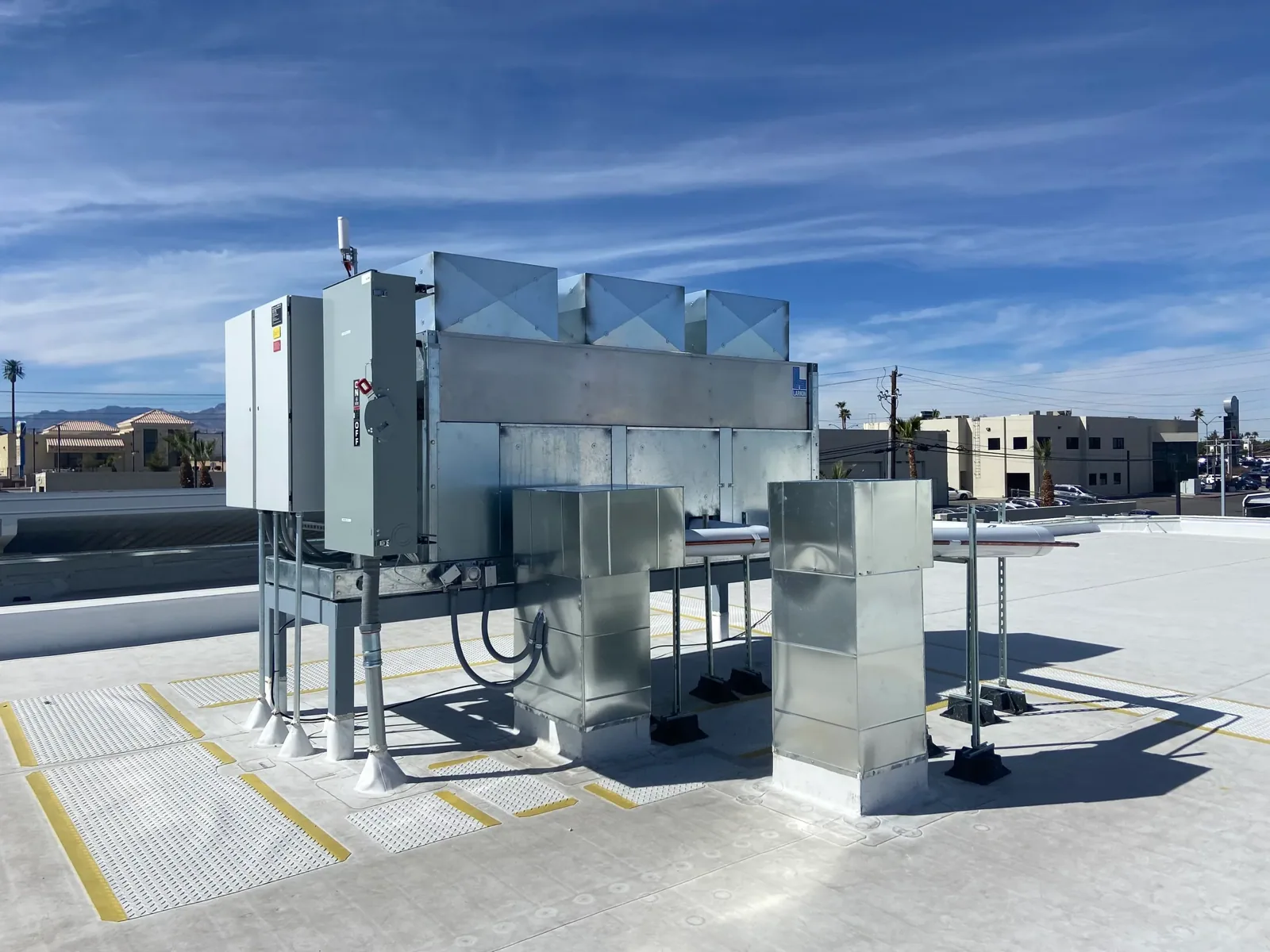
We ask when the leak starts, how long it lasts, which room or equipment is affected, and whether it follows rain, wind, or mechanical use. A wet ceiling tile can mark where water exits the assembly, while the entry point may be a distance away. Water can travel along a deck, insulation joint, conduit, or structural member. The first inspection records those clues without assuming the stain points straight up to the opening.
Above, we review the roof area tied to the interior report. Seams, patches, drains, penetrations, flashing, equipment supports, and wall transitions receive close attention. We look for open laps, damaged sealant, displaced metal, ponding, punctures, and evidence of movement. Prior repairs are checked for compatibility and edge condition. If access is limited by equipment, tenant restrictions, or a locked roof hatch, we note what could not be inspected and arrange a workable access window with the property contact.
A hands-on roof inspection can distinguish a visible opening from an unresolved moisture question. Where hidden wet insulation is possible, an infrared moisture survey may help locate areas for confirmation. Infrared results depend on assembly, weather, and timing; they are not a substitute for a core or targeted opening where the roof condition remains unclear. We explain those limits before recommending further testing.
Limit water entry while the source is checked
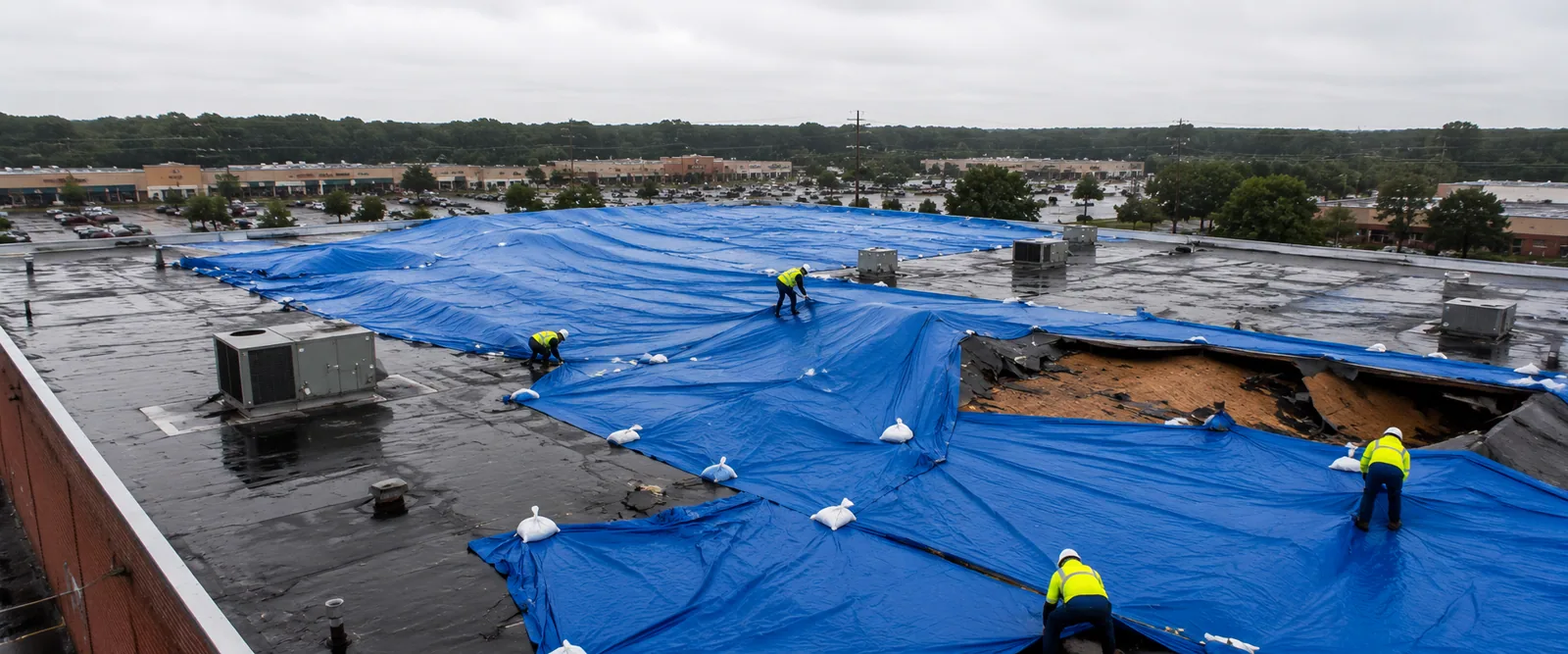
Active water near electrical equipment, stored goods, medical operations, or production equipment needs a prompt safety response. The building contact can isolate vulnerable items and capture the timing and location of new water. We coordinate safe access to the affected roof zone and use temporary protection appropriate to the conditions. The immediate objective is to reduce additional entry and protect the opening until a permanent repair can be completed.
Temporary measures have limits. A tarp or seal over one detail may not address water moving through the assembly from another area. We document where protection was placed, what it covers, and what observation should trigger another visit. If rain continues or the roof has multiple openings, we identify the next areas to inspect rather than implying that one temporary step resolves every leak.
Gresham’s wet season is concentrated from fall through spring. For buildings around Downtown and Civic Neighborhood, access may need to account for active storefronts, offices, and civic uses while a leak is being tracked. In Gresham’s Southshore Corporate Park, manufacturing and distribution operations can shape where temporary protection and equipment staging fit. We plan from the property conditions, not the district name alone.
Check for more than a failed seam
Water can enter through an open lap, split flashing, failed penetration seal, damaged curb corner, drain transition, or loose edge. A mechanical unit may create repeat service traffic. A cable support can hold debris or concentrate movement. A low area can leave details submerged after the rest of the roof dries. We compare the leak location with those conditions and look at nearby paths that could carry water inside.
Roof materials affect the repair. Single-ply membranes need a compatible patch and sound welding or bonding surface. Metal panels move with temperature and need attention to laps, fasteners, sealant, and flashing. Modified bitumen and built-up assemblies have their own surfacing and ply transitions. Coatings must tie into a compatible existing surface. Before closing the opening, we identify the installed system and prepare the detail according to its requirements.
Water below the membrane may extend beyond the surface defect. Wet insulation can reduce thermal performance and affect how well a patch holds. If the investigation confirms a broader wet area, the repair scope may include removal and replacement of affected materials. If the defect is limited and the surrounding assembly remains serviceable, a localized commercial roof repair may be appropriate. The written scope separates confirmed conditions from items that need an opening or additional test.
Coordinate response with the building team
Before repair, we confirm roof access, the interior area needing protection, tenant notification, equipment routes, and the person who can clear the work zone. A leak near a production line may require a different window from a leak above a corridor or storage room. We identify whether the crew needs to move materials through occupied space and who can approve a temporary restriction. These details help the facility keep normal operations organized while the roof is open.
We prepare the repair materials before exposing the defect. The crew removes only the damaged area needed for the approved scope, checks the substrate, and restores the assembly with the selected compatible detail. If hidden damage changes the work, we document it and get the owner’s direction before expanding the repair. Rain protection is maintained during the work and at the end of each shift.
Closeout includes photographs of the opening and completed detail, a note about materials and limitations, and any follow-up recommendation. The record can be added to a condition report so later observations can be compared with this event. If an insurance discussion is involved, we can also assemble roof damage documentation based on observed conditions and repair work.
Know when the leak needs a larger scope
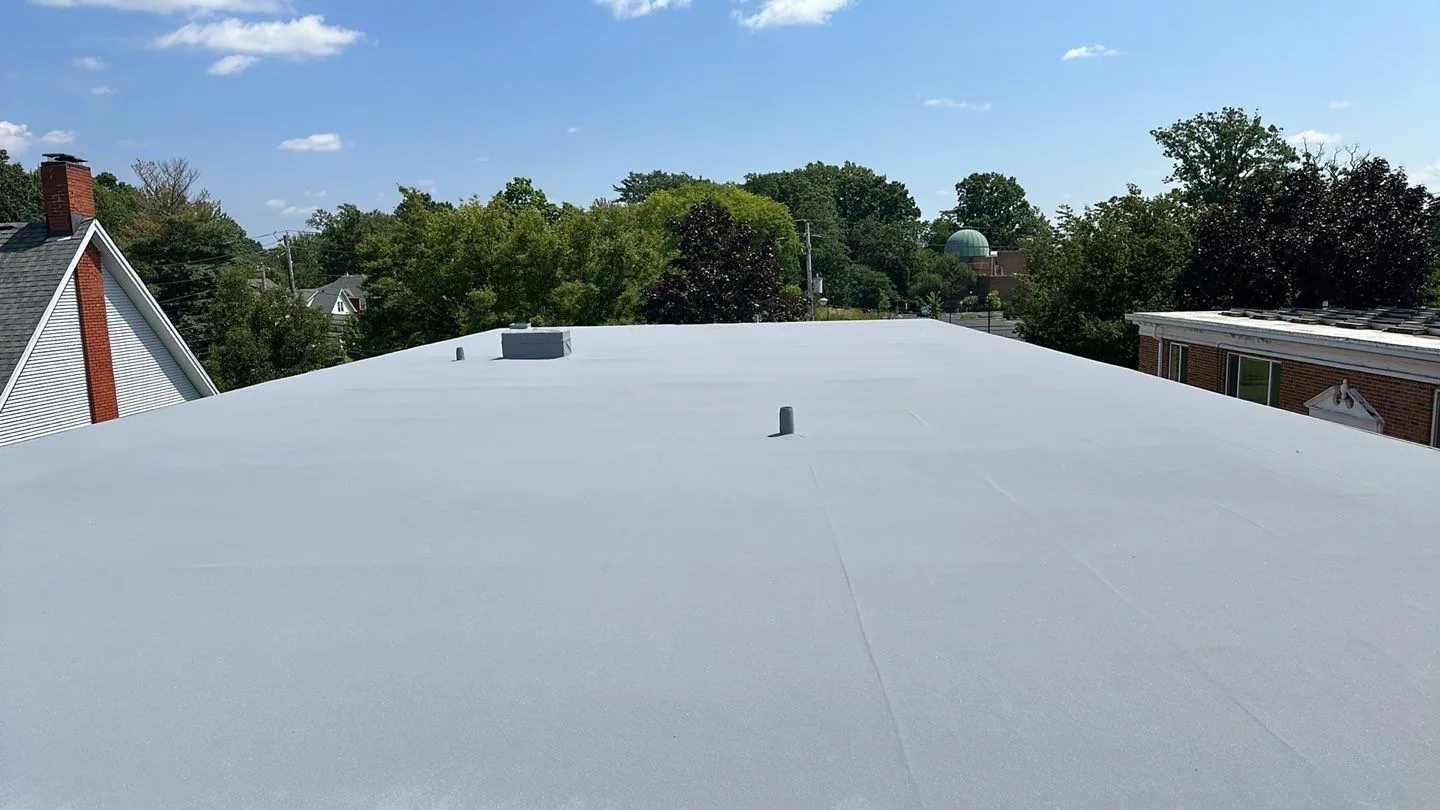
One leak does not automatically require a full reroof. A localized penetration or seam can be repaired when the adjacent roof remains sound and a compatible tie-in is available. Repeated leaks across several roof zones, extensive wet insulation, widespread seam failure, or deteriorated attachment may point to a larger assembly issue. We compare the inspection findings with the prior repair record and explain which evidence supports a repair, testing, recover, or replacement path.
Cost and timing depend on access, roof height, equipment handling, repair materials, removal depth, wet insulation, deck condition, and forecast. A report should state the known scope and what could change after opening the roof. For persistent conditions, a maintenance schedule can track drains, seams, flashing, and repair history between leak calls. If water is entering now, our emergency response is available around the clock. We can stabilize the roof, document the condition, and plan the lasting repair around your next operating window.
Commercial Roof Leak Repair FAQs
-
Why does the leak show up away from the roof defect?
Water can move through insulation, along the deck, or around framing before it reaches the ceiling. We compare the indoor location with nearby roof details and trace the most likely path. If more than one opening could explain the evidence, we document the uncertainty and recommend the test or follow-up that can narrow it down.
-
Should we move equipment or protect inventory before you arrive?
Protect sensitive items and keep people away from active water, especially around electrical equipment. Share the affected room and operating constraints with us so the inspection can be staged safely. We will coordinate roof access and identify whether interior protection or a temporary restriction is needed during the repair.
-
Can a leak be repaired during continuing rain?
The permanent repair usually needs suitable surface and weather conditions under the selected material requirements. Temporary protection may be possible sooner, depending on wind, roof access, and safety. We explain what can be stabilized immediately and what must wait for a safe, compatible repair window.
-
How do you confirm the leak has stopped?
We inspect the completed detail, photograph the repair, and compare follow-up observations with the original leak timing. A roof test may be appropriate when assembly and conditions allow it. Interior materials can retain moisture after the opening is repaired, so the owner should track whether new water appears rather than rely on an old stain alone.
Related Roofing Work
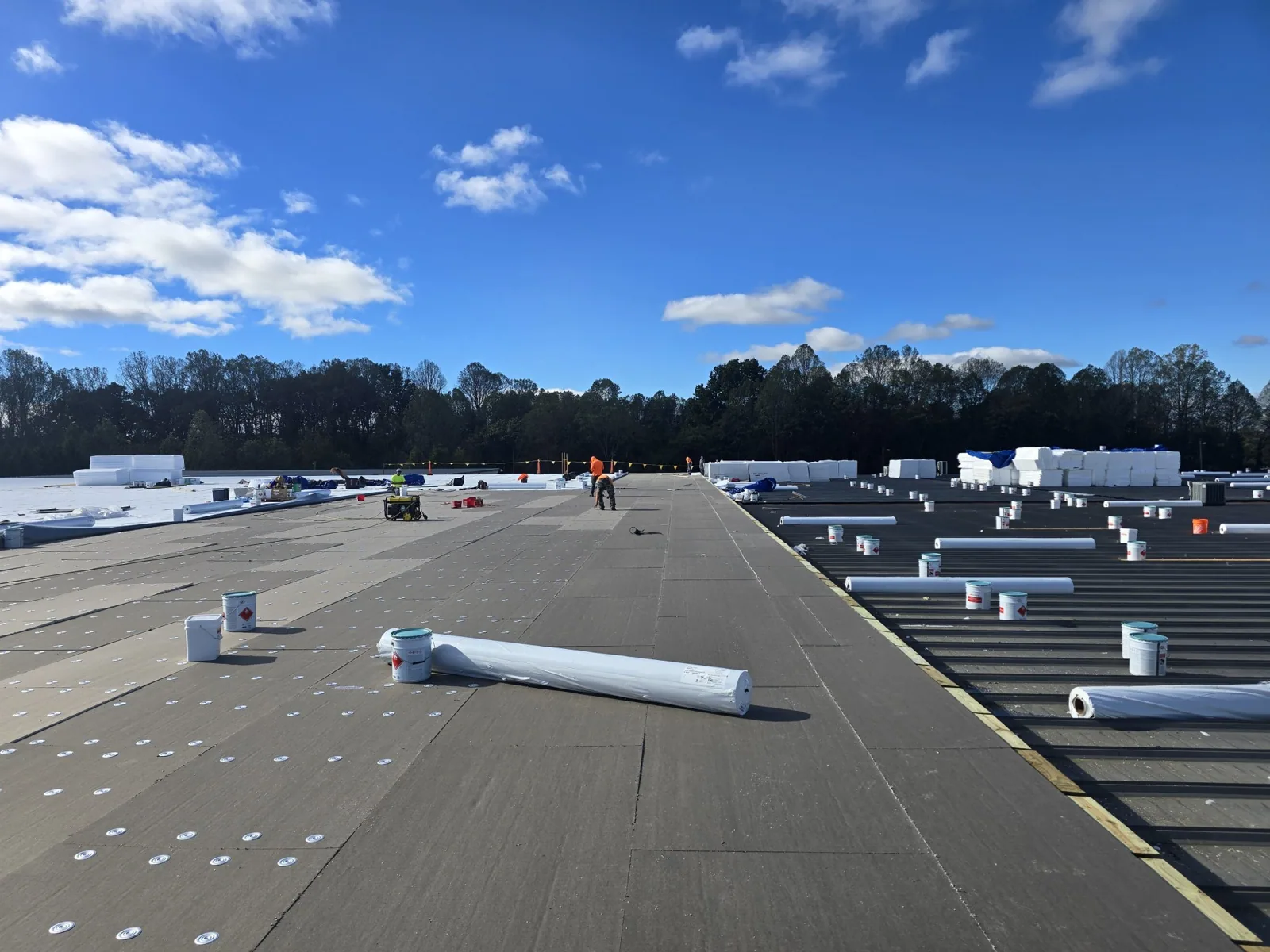
Commercial Roof Repair
Learn More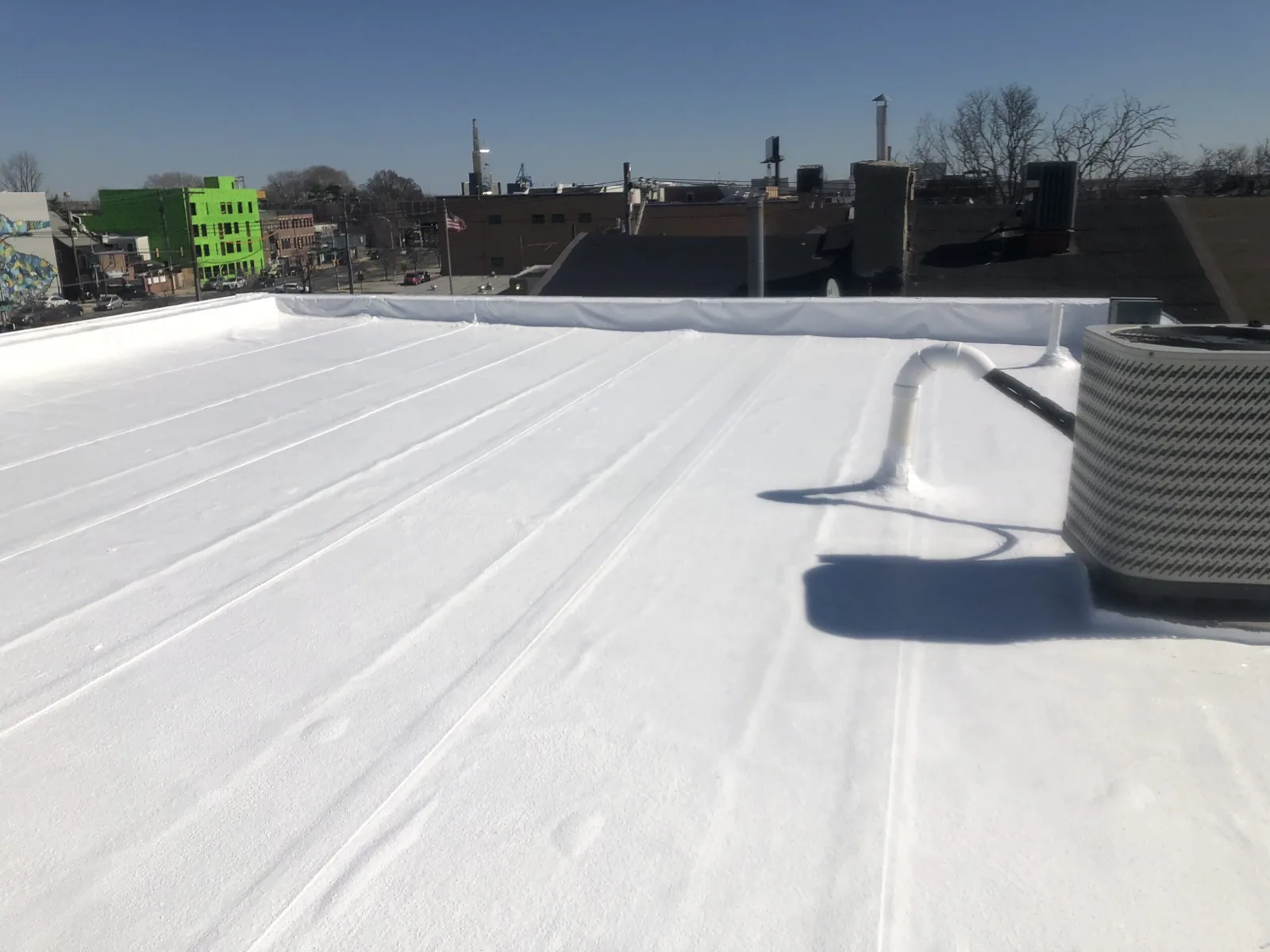
Commercial Roof Inspection
Learn More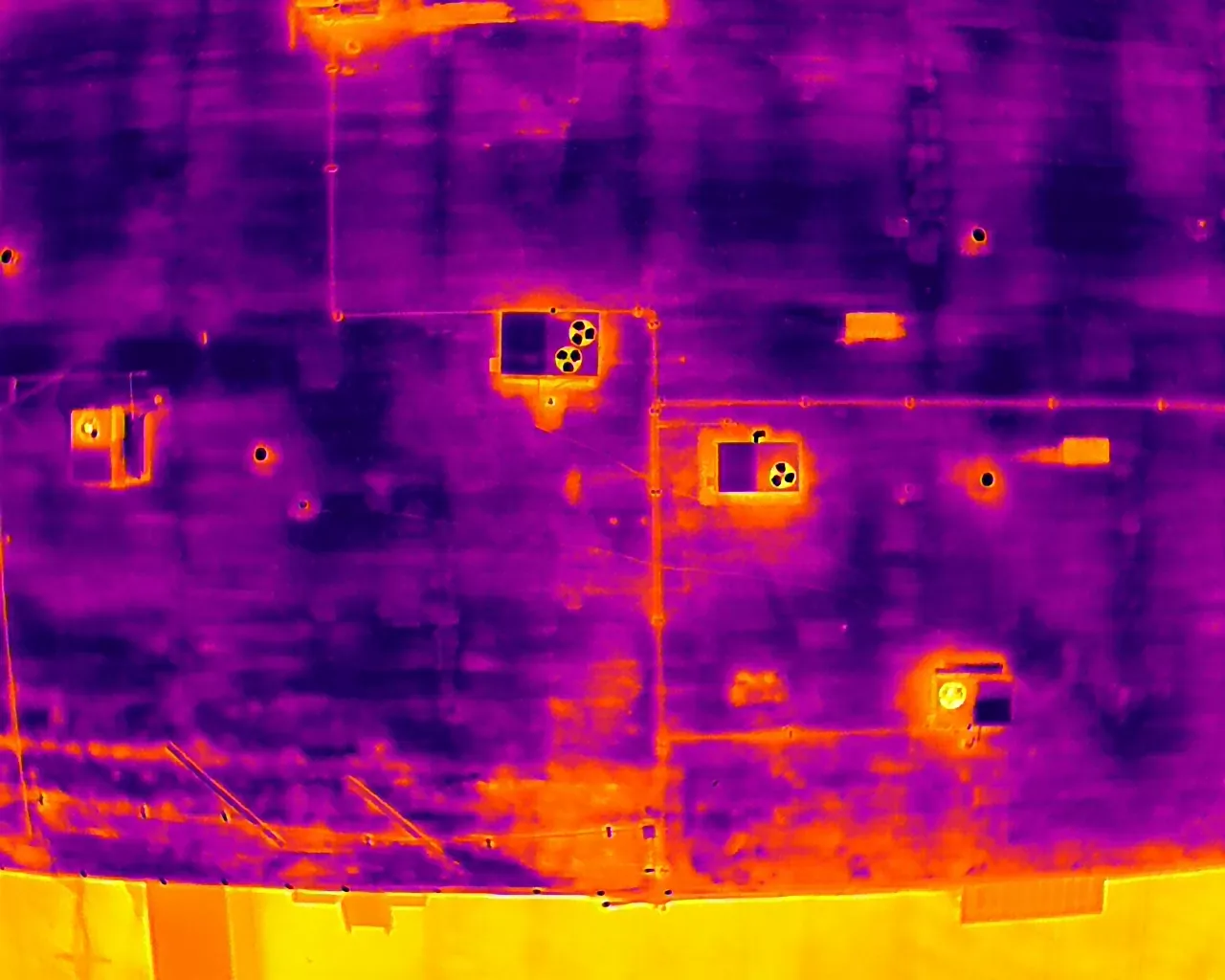
Infrared Moisture Survey for Commercial Roofs
Learn More
Downtown and Civic Neighborhood
Learn More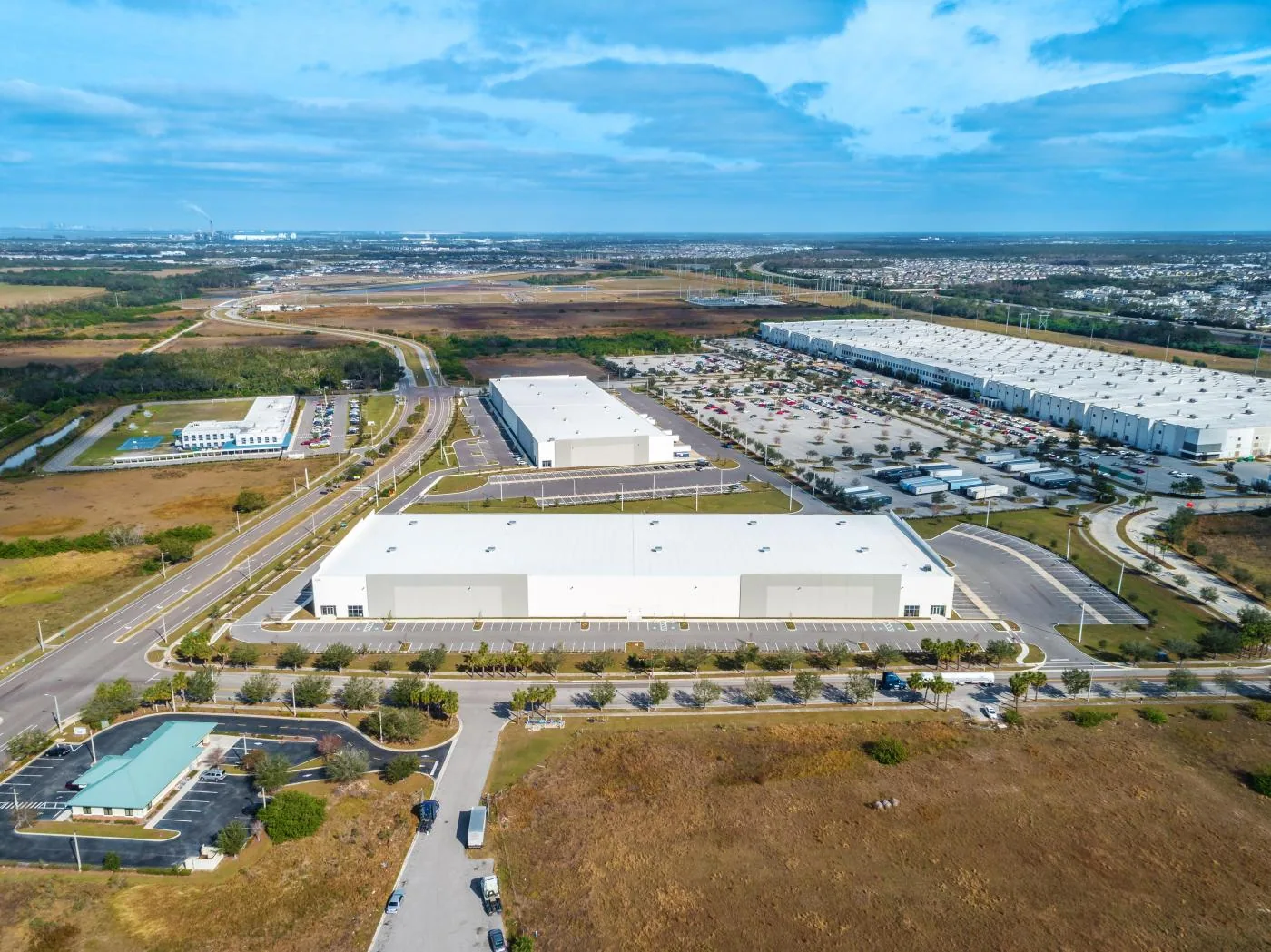
Southshore Corporate Park
Learn More
Commercial Roof Condition Reports
Learn MoreTrace the leak and plan the repair
Request a roof assessment in Gresham
We will inspect the roof and affected space, protect the work zone, and coordinate the repair with your Gresham facility. Tell us about the building, the roof and what you are seeing. Call 555-555-5555, email [email protected] or send the details through our contact page and we will set up a time to walk the roof.