Commercial Roof Condition Reports in Gresham, OR
Get findings your facilities team can use
- Home
- Roofing Capabilities
- Commercial Roof Condition Reports
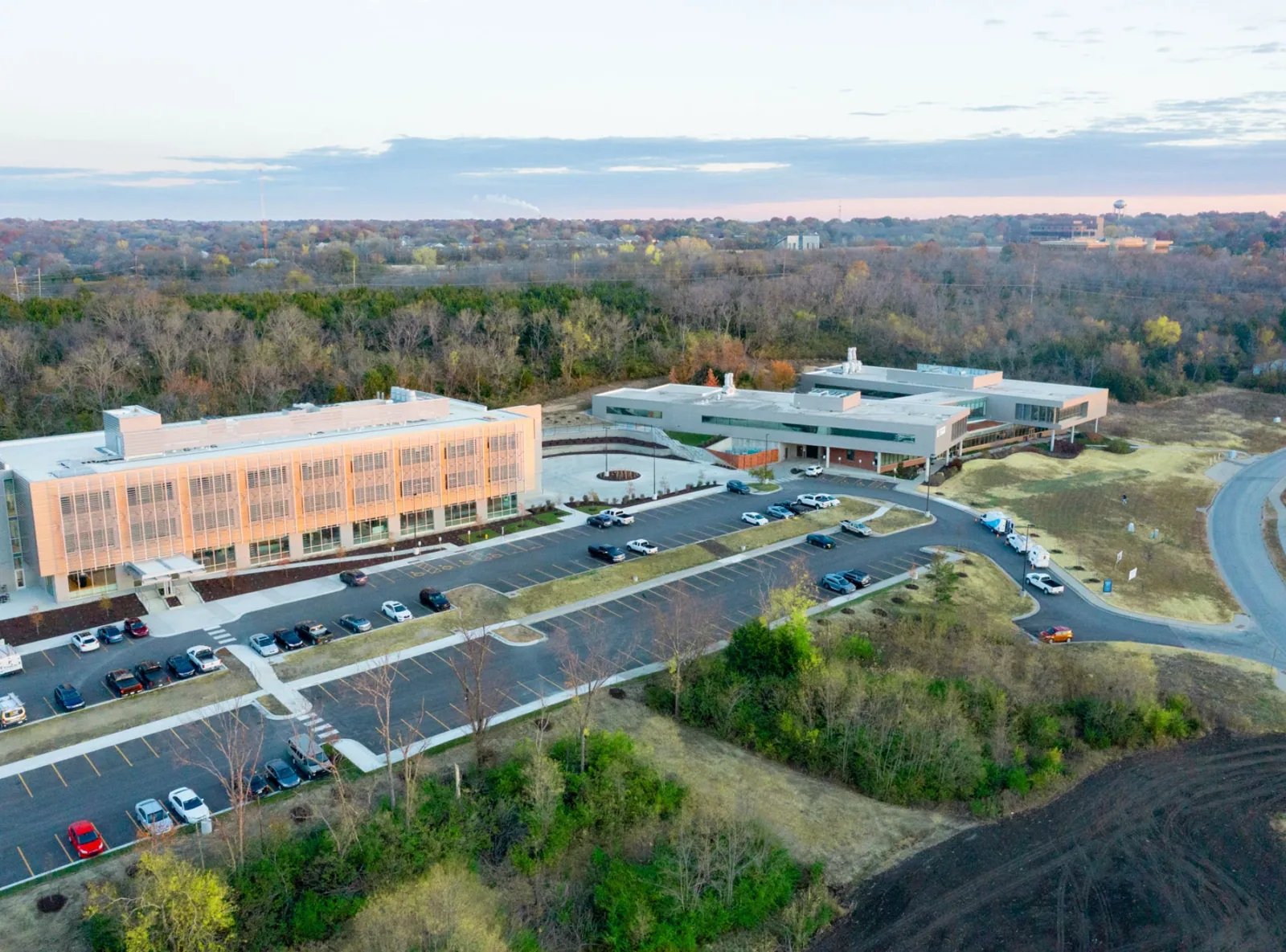
A roof report should help a facility director act, not leave a folder of unlabeled photos. We identify each roof zone, record visible conditions, and connect observations to repairs, testing, or monitoring. In Gresham’s NE Wilkes Road Industrial Cluster, employment properties include industrial and distribution uses that may have multiple access routes and equipment areas. Across Rockwood, commercial properties have different roof layouts and service constraints. A clear report keeps each property’s findings specific.
What does the report cover?
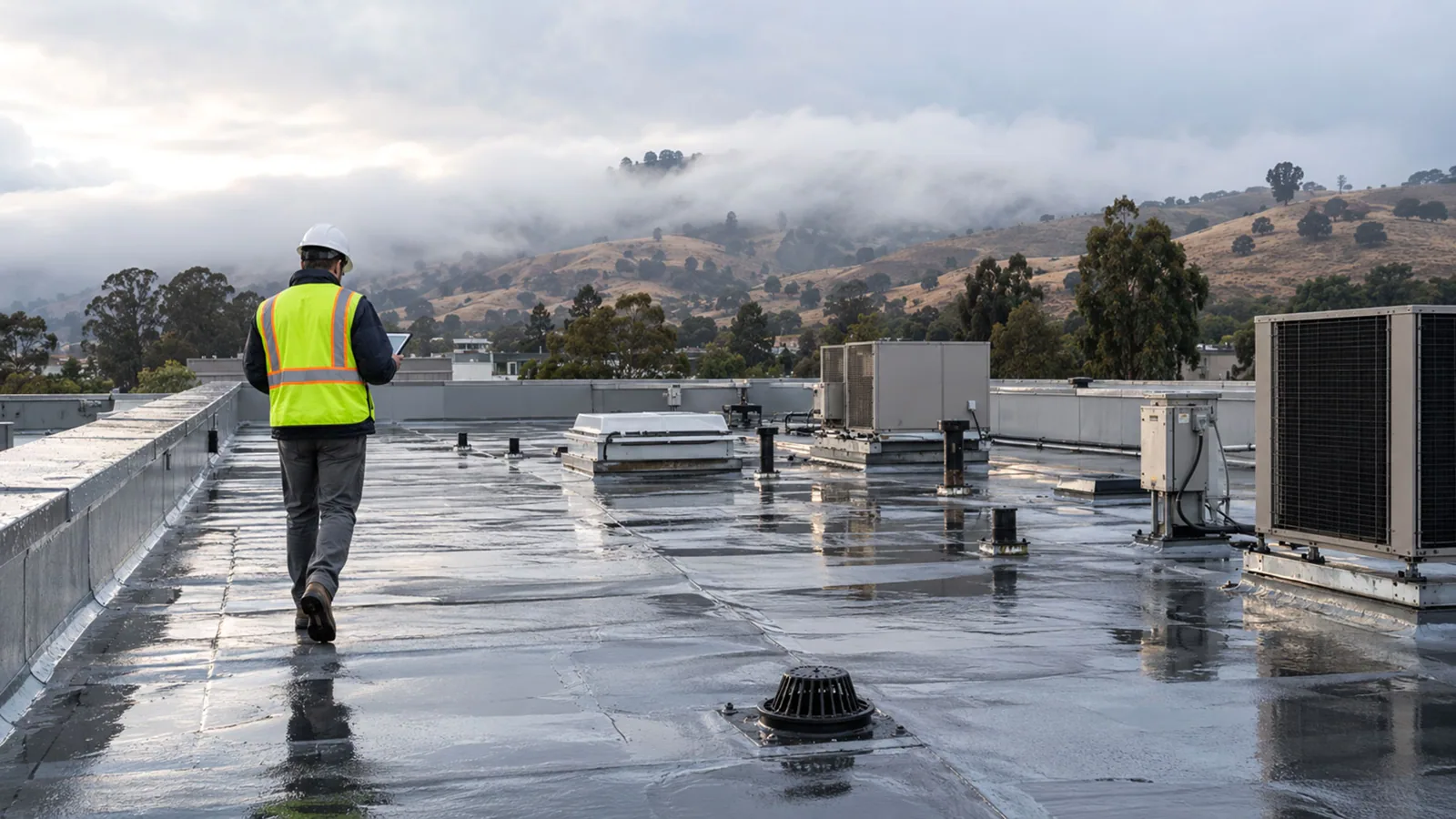
We record the visit date, roof system where known, areas inspected, access limits, weather, and the person who provided building information. Photos identify roof zones and nearby references such as a drain, curb, parapet, seam, or equipment row. A written finding explains what is visible, why it matters to water control or service life, and what action may be appropriate. If no defect is confirmed, the report can still note conditions that deserve a later check.
We separate observations from conclusions. An open lap, loose flashing, or debris-filled drain can be described directly. Concealed moisture, attachment beneath a covered edge, or deck capacity may require another method or a different professional. A recommendation lists what further testing could answer the question and whether it may alter repair quantities. The report does not turn an inaccessible or hidden area into a confirmed condition.
For an owner with several properties, the report should use shared labels while preserving the building’s own roof map and system notes. A central file can index inspection dates, active concerns, and repair history. The asset-management record can connect those reports without flattening differences among sites. This helps staff find the current inspection and see which findings remain open.
How should roof photos support a decision?
Each image should make a condition identifiable without exposing unrelated tenant or security information. A close view shows a split, loose fastener, wet area, or damaged flashing. A wider view places that detail within a labeled roof zone. We caption the image with the observation and direction of view so a later crew can return to the same point. If a photo cannot show scale, a field measurement or marked plan can supply it.
Gresham’s industrial inventory includes food processing, electronics, manufacturing, and distribution operations. Roof photos at a production property may need to show a curb beside equipment or a seam along a service route; the image should not imply that a process line or system was inspected unless access allowed it. In Gresham Vista Business Park, industrial and commercial tenants occupy a broad business area, but each report should identify the owner’s actual building and roof zone rather than rely on a park name as the location.
When the inspection includes a drone or infrared survey, label which method produced each image. An infrared anomaly indicates a temperature pattern that needs follow-up; we confirm moisture with an appropriate test before scoping material replacement. We explain scan conditions and whether confirmation is recommended. A drone inspection can document difficult elevations, while an infrared survey can support targeted evaluation under suitable conditions.
How are findings prioritized?
We group a confirmed active leak separately from developing defects, routine maintenance, and longer-range planning. Each item includes a roof zone, visible evidence, likely consequence, and suggested next action. If a condition needs immediate protection, the report says so and identifies the limit of that measure. If the issue can be monitored, we state what should be compared on the next visit and when it should be reviewed.
Gresham receives most of its annual precipitation from fall through spring at the Portland airport climate station. Portland International Airport averages 157 days a year with measurable rain, most from fall through spring. Before the wet season, check field seams, penetrations, and transitions, then tie repairs to the affected roof zones.
Priority depends on condition and building use. A small opening above a sensitive room may need a faster response than a larger cosmetic defect over an unused area. We note the owner-provided operations information and keep the recommendation grounded in observed roof evidence. A repair proposal can price the approved finding; capital planning can organize larger work across budget periods.
When should a report recommend more testing?
Use another inspection method when it can change the scope or confirm a material question. Infrared scanning may help locate moisture patterns; a test cut may confirm insulation and membrane layers. A drone can document high or obstructed areas, but it cannot inspect every concealed detail. We describe the specific question each method may answer, the location to examine, and any limits created by weather or roof construction.
Where the report notes a suspected wet area, we distinguish a measured signal from a confirmed wet layer. The owner decides whether to authorize invasive testing. The crew needs a plan to protect and close each opening before the work begins. If there is visible deck deflection or possible structural concern, a structural professional should assess capacity. We do not use a roofing inspection to make a structural determination.
For acquisition or financing decisions, inspection scope should match the transaction timeline and access allowed. A due-diligence roof survey can focus on system, visible condition, repair needs, and information gaps. It should state when tenant areas, mechanical spaces, or roof zones were not accessible. The reader then knows what the survey covers and what still needs an owner decision.
How do we turn inspection notes into work?
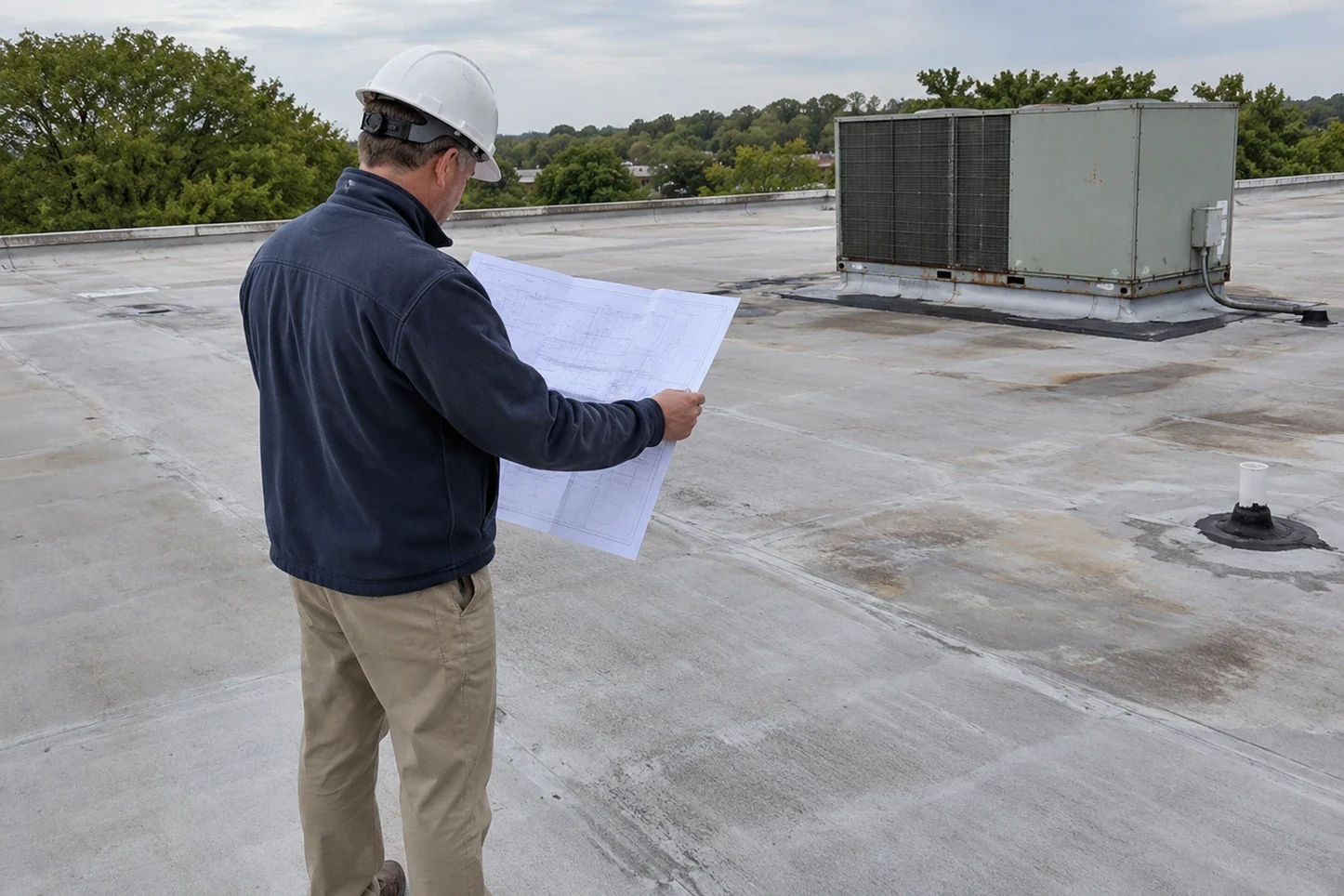
We deliver the report with a roof map, photo labels, findings, recommended next steps, and a summary of limits. The facility team can use it to request a repair price, authorize testing, track maintenance, or put a larger project into a budget discussion. If the property already has a roof-management platform, we can use its zone labels or provide files in an agreed format. Each action should have an owner and status.
Downtown and Civic Neighborhood and Rockwood are among Gresham’s principal commercial centers, connected by the city’s corridor planning. Use roof-zone labels in the report and limit tenant, customer, and security details to the owner’s controlled project file. Access instructions and security-sensitive details belong in the owner’s controlled project record.
After work is authorized, the closeout should refer back to the finding and attach completion photos. If the repair uncovers concealed damage, we describe the new observation and seek direction before extending the scope. The next inspection can then compare the repaired area with the original report and confirm what remains open.
Commercial Roof Condition Reports FAQs
-
Can a report tell us whether the roof is safe?
A roofing condition report documents visible roof conditions and access limits. Structural capacity or a restricted fire or safety area may require review by the appropriate authority or professional.
-
Will every photo include a repair recommendation?
We connect relevant photos to findings and recommended next steps. Images that show no current defect may support a baseline record or a future comparison rather than a repair item.
-
Can we use your report for an insurance or financing file?
The report can document observed roof conditions, dates, photos, and a repair scope. The insurer, lender, owner, or transaction team decides what documentation its process requires.
-
How soon can you deliver the report?
Timing depends on roof access, site size, testing, and whether records or follow-up visits are needed. We confirm the deliverable and expected timing when the inspection scope is set.
-
Do you include an exact replacement date?
Only when the available inspection basis supports a useful planning estimate. Otherwise, we explain current condition and the information needed to refine replacement timing.
Related Roofing Work
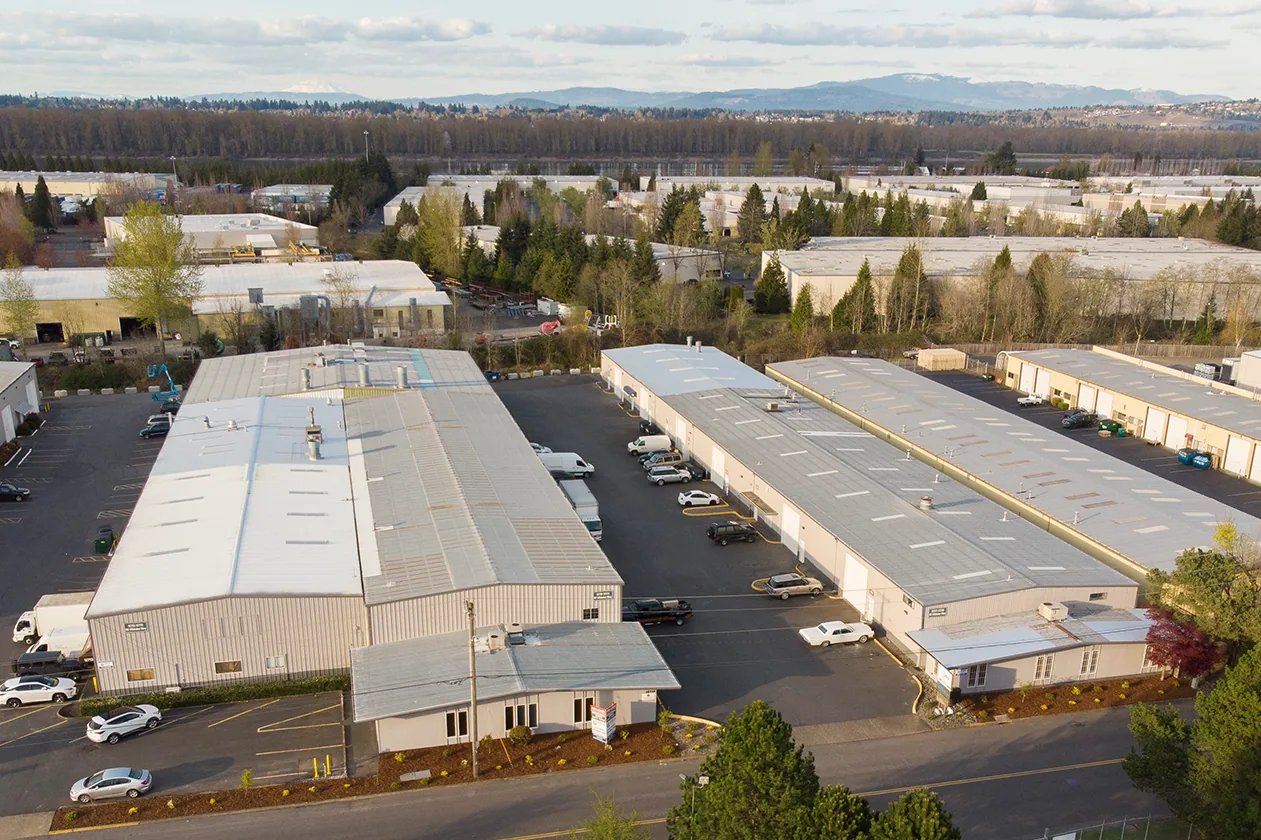
NE Wilkes Road Industrial Cluster
Learn More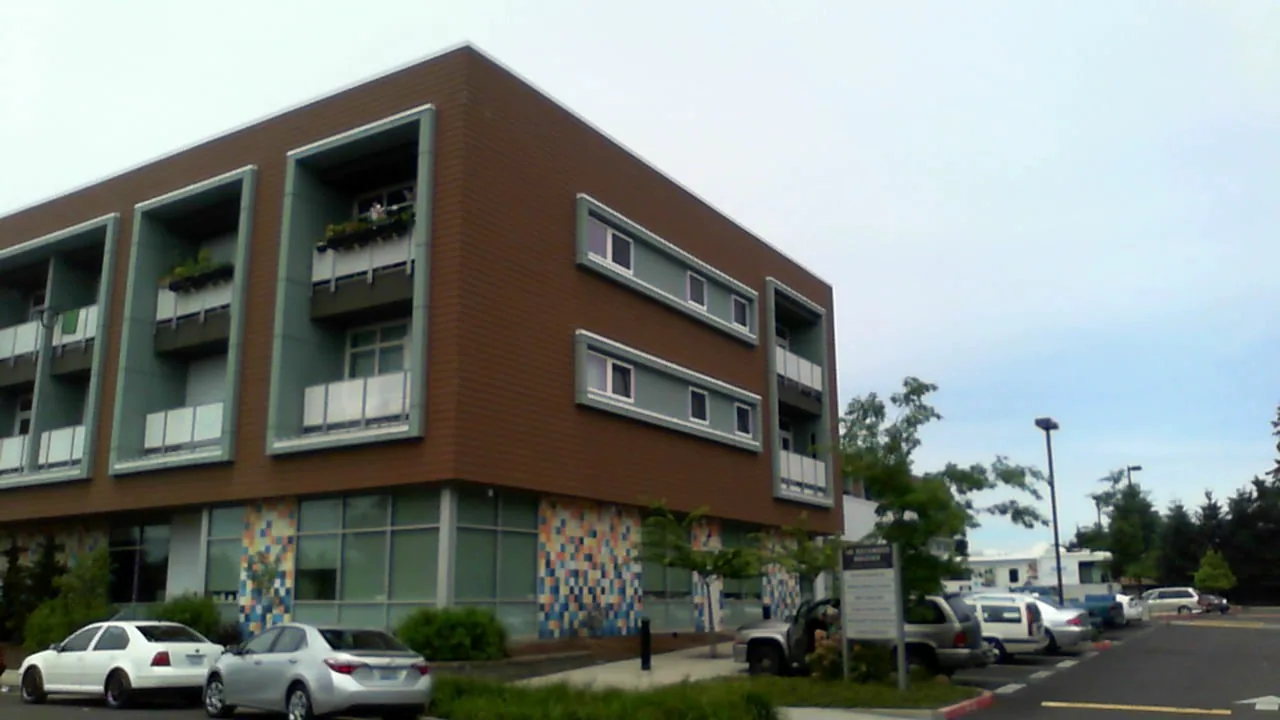
Rockwood
Learn More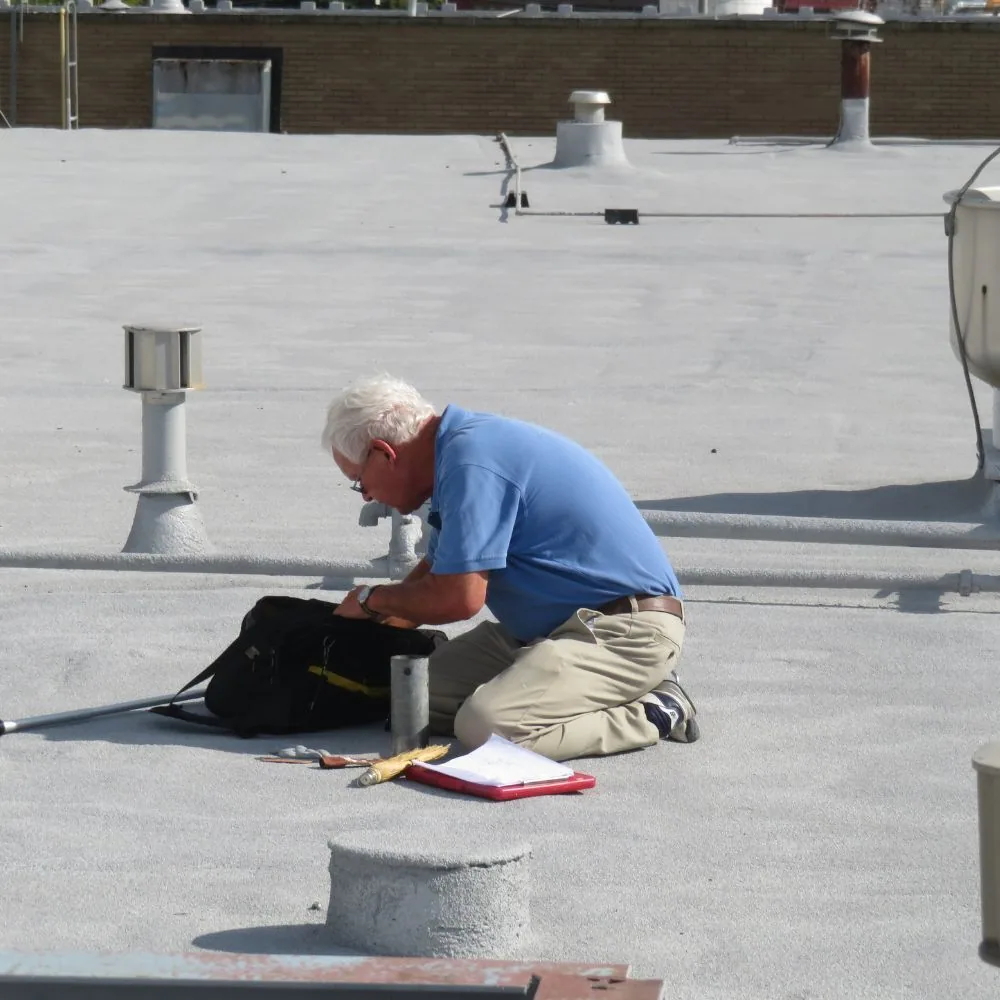
Commercial Roof Asset Management
Learn More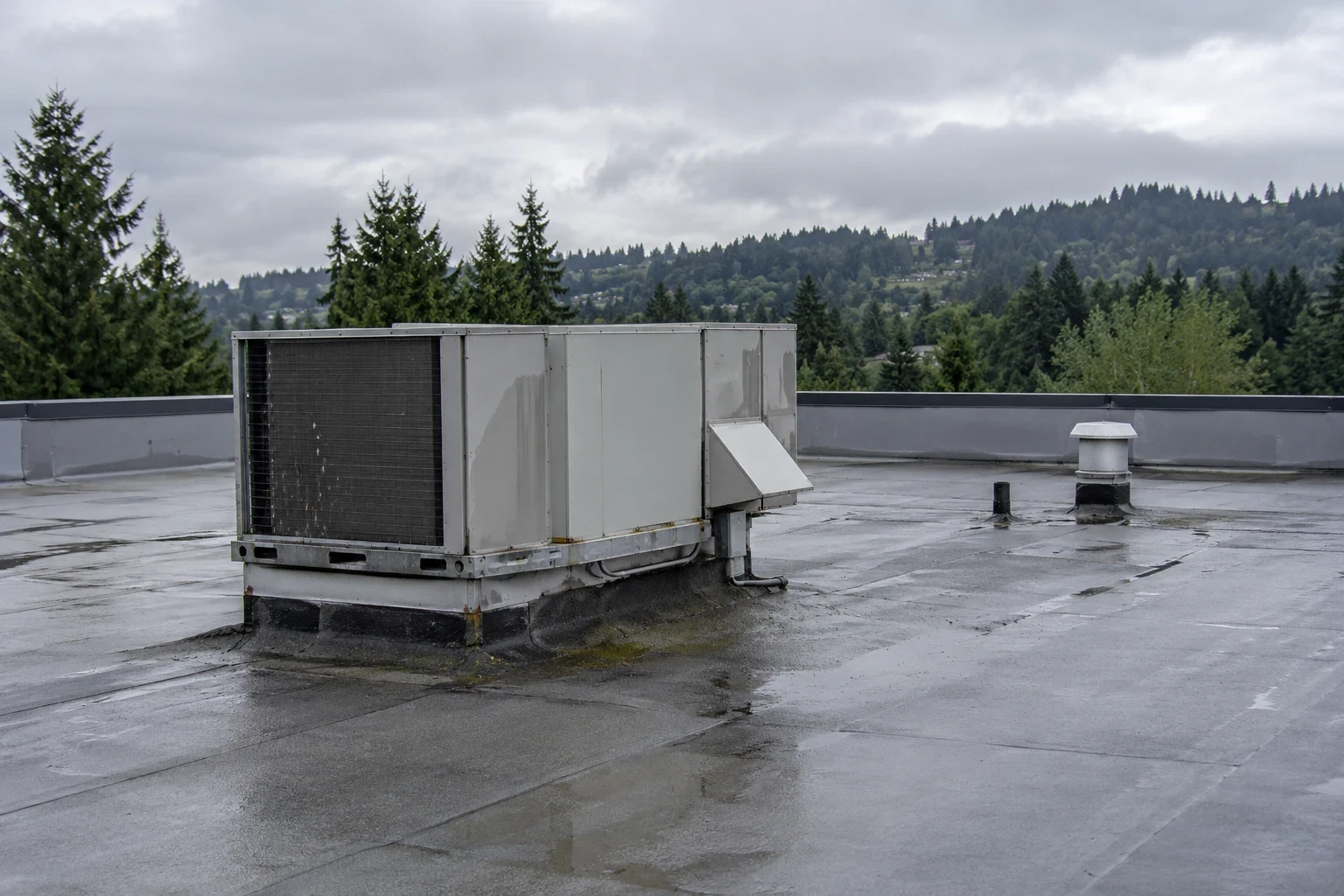
Commercial Drone Roof Inspection
Learn More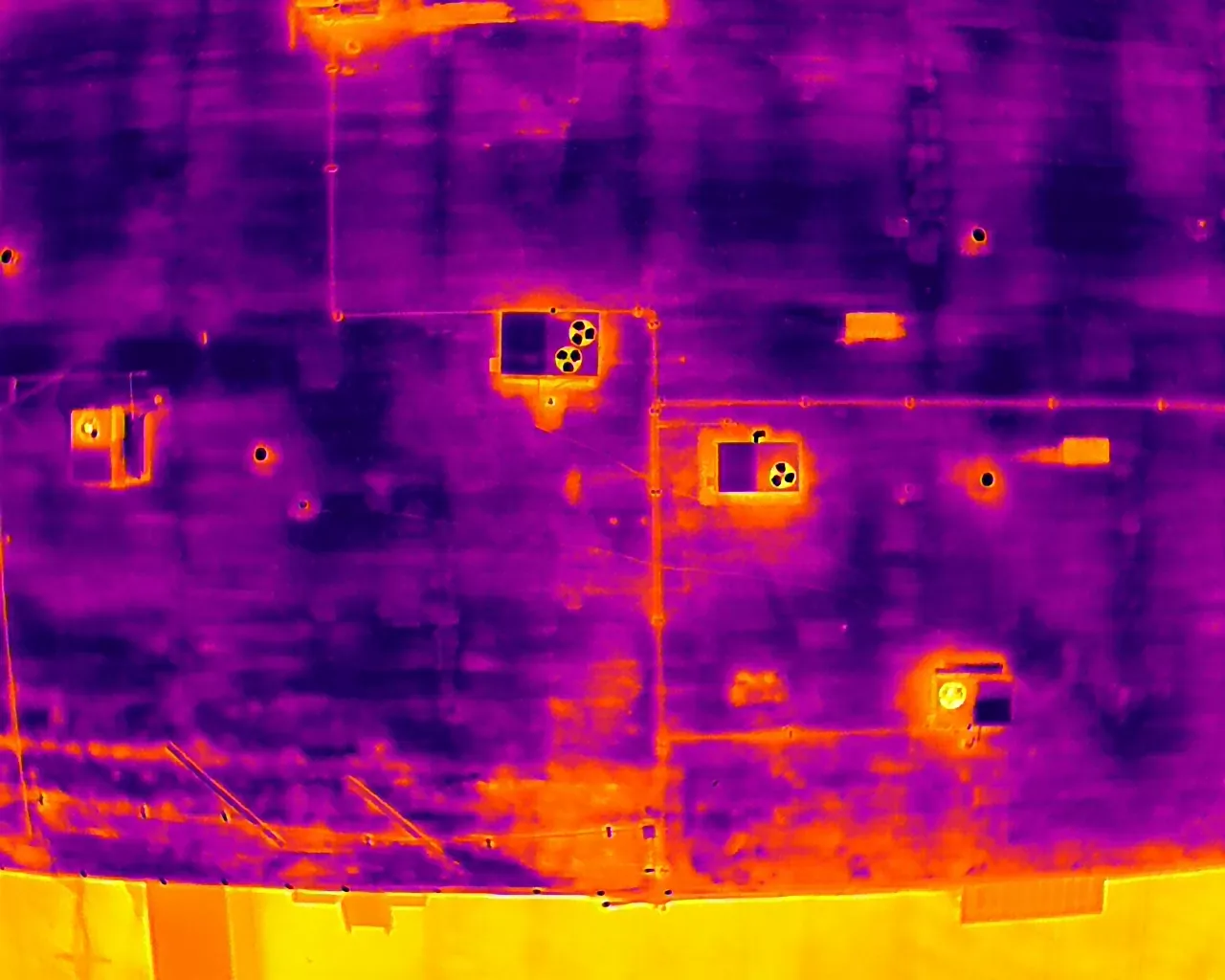
Infrared Moisture Survey for Commercial Roofs
Learn More
Commercial Roof Repair
Learn MoreGet findings your facilities team can use
Request a roof assessment in Gresham
Schedule a Gresham roof inspection. We will confirm access, map the inspected zones, and deliver findings tied to photos and practical next steps. Tell us about the building, the roof and what you are seeing. Call 555-555-5555, email [email protected] or send the details through our contact page and we will set up a time to walk the roof.