Commercial Roof Due-Diligence Surveys in Gresham, OR
Get a roof survey for the transaction file
- Home
- Roofing Capabilities
- Commercial Roof Due-Diligence Surveys
Before a commercial property changes hands or secures new financing, the roof survey should answer a practical question: what is visible, what work may be needed, and what remains unknown? We inspect the accessible roof areas, record the system where known, and document repair concerns with photos and limits. In Gresham’s NE Wilkes Road Industrial Cluster, properties serve industrial and distribution uses, while Downtown and Civic Neighborhood includes a different mix of commercial buildings. Each survey remains tied to the asset under review, not its broader market label.
What does a buyer need from a roof survey?
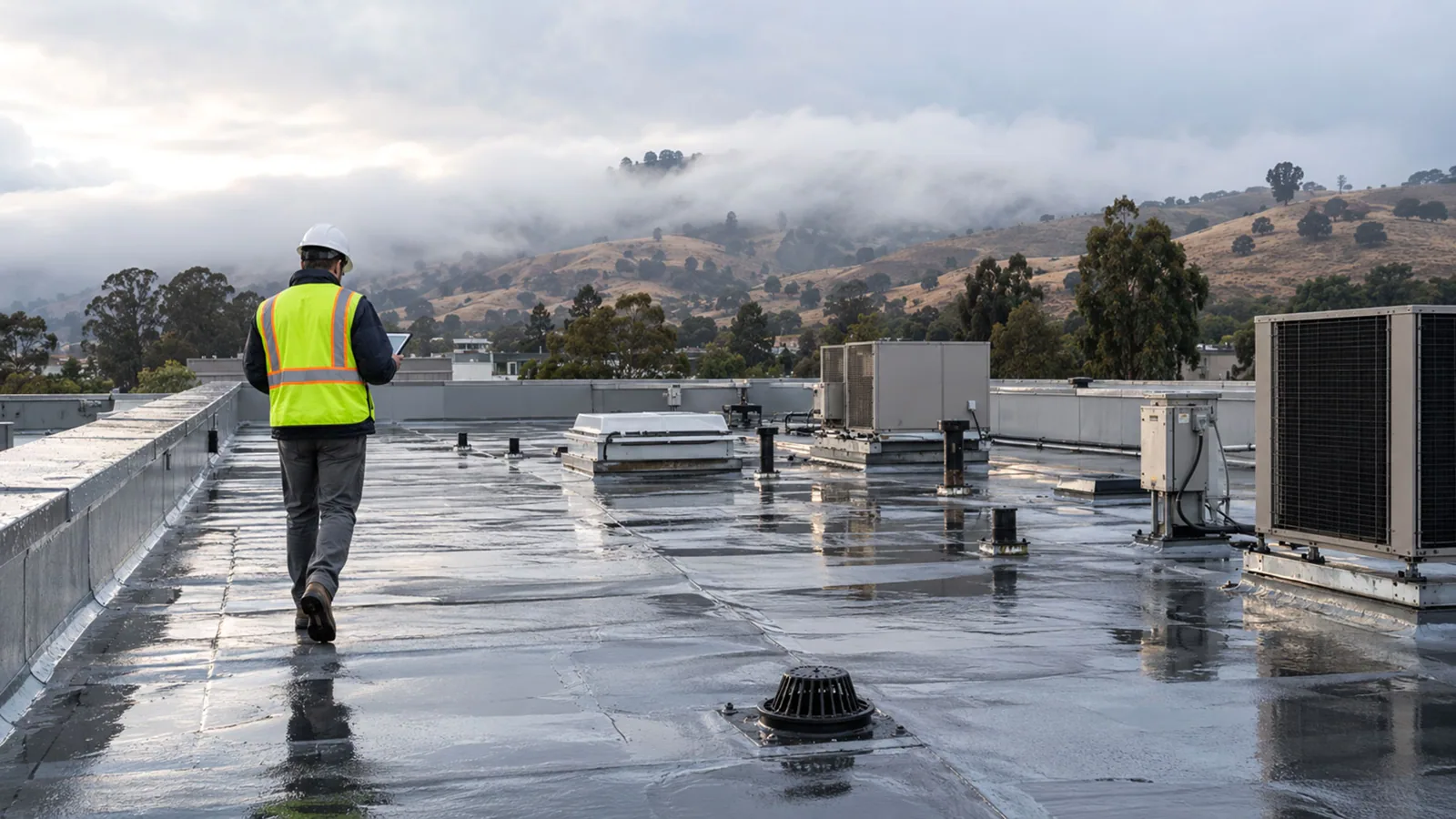
The survey should identify the visit date, areas reached, roof system where known, visible defects, leak evidence supplied by the owner, drainage, penetrations, and prior repairs available for review. Photos need roof-zone labels and enough context for the transaction team to find each item. We list maintenance needs separately from repairs and larger capital concerns. An inaccessible roof, occupied interior, or concealed assembly is called out as a limitation.
We do not convert a short site visit into a structural evaluation or a warranty determination. If the roof has soft areas, visible deflection, or suspected wet insulation, we describe what we observed and whether additional testing or professional review could change the scope. The buyer and seller can decide how to handle those questions within their transaction. A photo-based roof condition report gives the deal team a dated reference with findings and recommended next steps.
Scope also depends on transaction timing. A lender may require a concise condition statement; an acquisition team may need repair pricing or a list of further tests. We confirm the intended use, due date, property access, and deliverable before the inspection. The survey should not imply that every roof zone was inspected if access was limited. If the transaction team needs a repair number by a deadline, we agree which findings require same-day pricing and which depend on testing. This prevents a provisional observation from being mistaken for a construction quantity or an accepted bid.
How is the roof evaluated?
We walk accessible areas and inspect membrane fields, seams, edge metal, drains, scuppers, curbs, penetrations, patches, and equipment supports. On metal roofs, the review follows panel seams, closures, fasteners where visible, and transitions. We compare current findings with available plans, maintenance logs, leak records, and prior reports. Differences between drawings and field conditions are documented for the owner’s review.
Portland International Airport’s NOAA 1991-2020 normals record 36.92 inches of annual precipitation, with most rainfall from fall through spring. That station provides regional climate context for Gresham, not a performance verdict for the building. During the survey, we look at actual drainage, ponding, exposed seams, and water paths. Weather context helps frame questions; the inspection evidence drives the finding.
Drone images may document high elevations or areas obstructed from a safe roof route. Infrared scanning may identify patterns that merit further investigation when weather and assembly conditions permit. Neither method confirms the condition of every concealed layer. If a buyer needs a core or test opening, we state what the test would answer, the proposed location, and how the assembly will be closed after owner approval.
How should findings be presented to a deal team?
Use a short summary that separates immediate repair, maintenance, further investigation, and longer-term planning. Each item should refer to a location, photograph, condition, and recommended action. If a price is requested, show the included work and assumptions. Concealed material, equipment relocation, interior repairs, structural review, and code design may sit outside a roofing estimate unless specifically scoped.
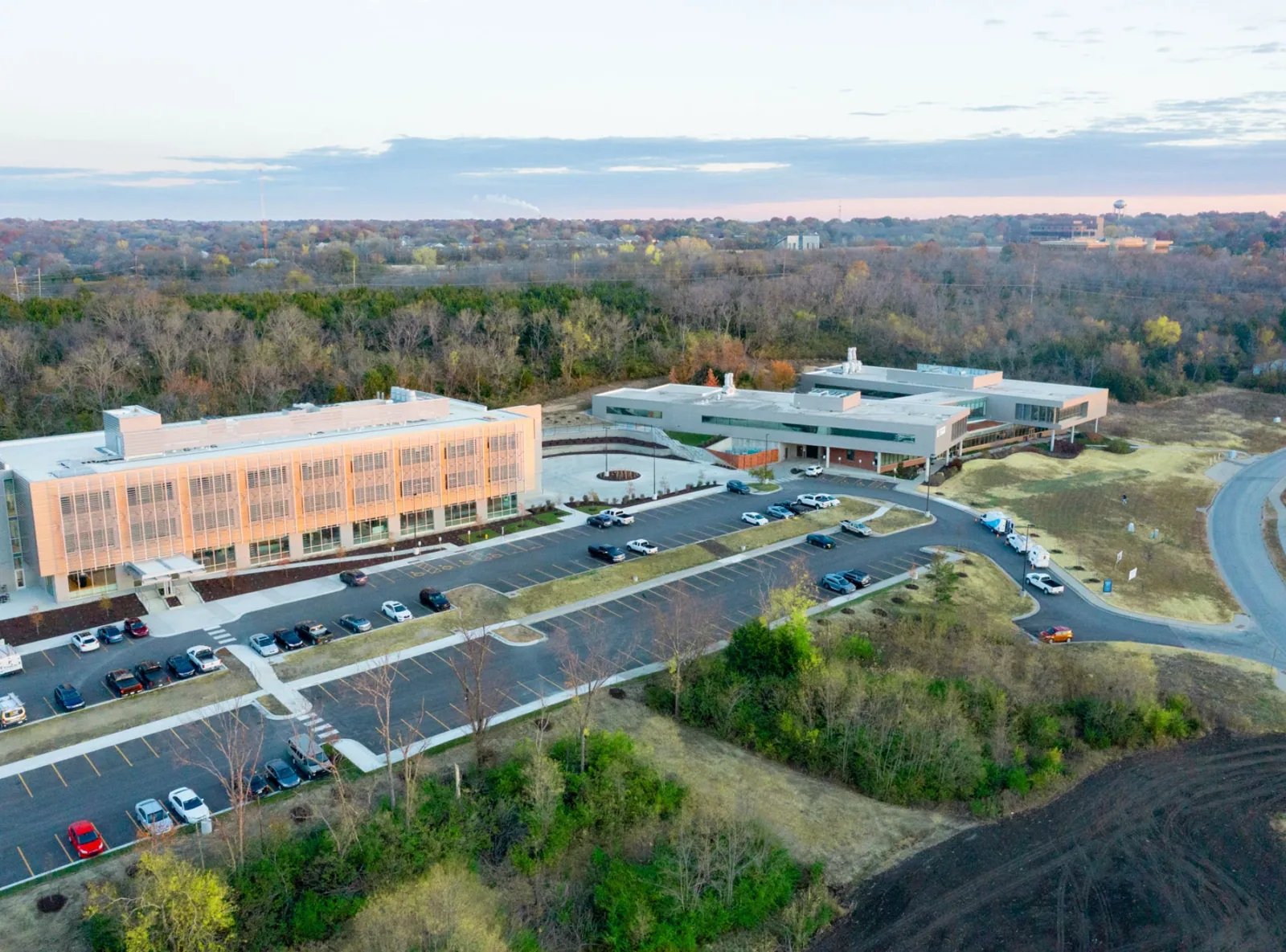
Gresham’s Southshore Corporate Park supports industrial, processing, and distribution activity along the I-84 and Columbia River south-shore corridor. The fact that a property is near an employment area does not establish its roof type, age, or condition. We report what was inspected at the transaction asset and distinguish site observations from general market context.
A capital-planning review can organize repair and replacement options after the survey. If the asset belongs to a multi-property owner, a roof asset record can preserve the transaction findings for facilities staff. The owner should receive the report and supporting files in a format that remains available after the deal closes.
Which conditions deserve a follow-up question?
Repeated leaks, extensive patches, standing water, open seams, damaged flashing, soft insulation, corrosion, and visible deflection may warrant added review. These observations do not all carry the same cost or urgency. We explain whether the repair appears localized, whether the assembly may need testing, and which condition should be assessed by another professional. The report avoids combining independent concerns into a single roof score.
If a coating or recover is proposed, ask what inspection supports the substrate condition, drainage, and compatibility. A new surface layer may not correct moisture or movement below it. If replacement is under consideration, clarify tear-off, insulation, drainage changes, equipment handling, temporary protection, and access assumptions. A replacement scope should identify these boundaries so the transaction team understands what the proposal includes.
A transaction survey can flag where future work may need design, permit, or structural review, but it does not determine those requirements. The buyer should align any follow-up with its project team and the local authority before relying on a repair allowance. We keep that question separate from the roof conditions visible during the site visit.
How does the survey support the next owner?
Deliver the report, roof map, photographs, repair recommendations, testing questions, and access limitations to the buyer or owner-designated representative. Identify the version date and the person who provided property information. If the buyer orders work, preserve the approved scope and closeout separately from the survey. A later inspection can then show what changed after the transaction review.
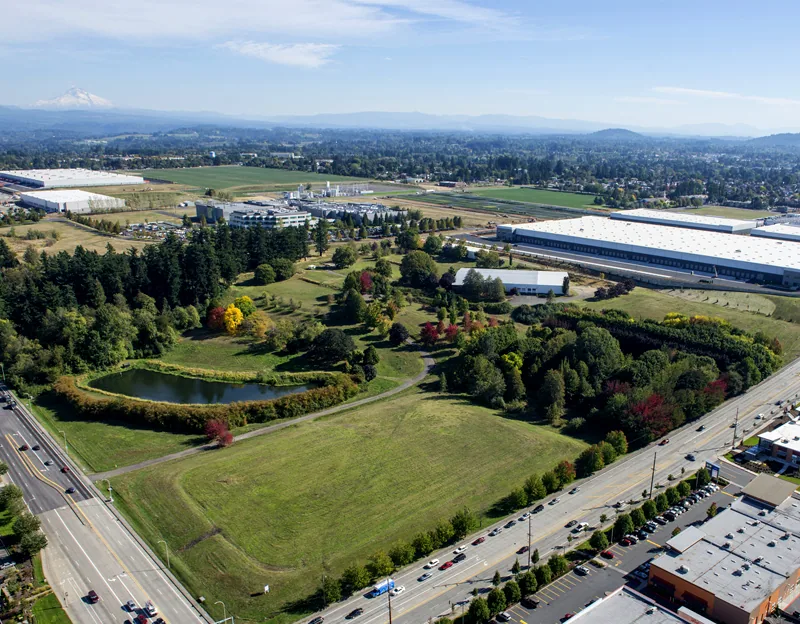
In Gresham, the Rockwood and Downtown commercial centers are connected by the city’s corridor strategy. Broader location context can help schedule service coverage, but maintenance handoff should use the building’s own roof-zone labels and access information. The new facilities contact can update restricted areas, operating hours, and approval authority before the first service visit.
After closing, a maintenance visit can verify open items, clear drains, and update the roof record. If the survey identified uncertain moisture, schedule the agreed test before assuming the roof is dry. The owner can then decide whether the finding belongs in routine repair, a capital project, or a further specialist review.
Commercial Roof Due-Diligence Surveys FAQs
-
Can a roof survey estimate remaining service life?
A survey can describe visible condition and explain planning concerns. It may not support a precise remaining-life figure if system history, hidden layers, or access are incomplete.
-
Will the report include repair prices?
We can provide a separate scope and pricing when requested and when access supports a useful quantity. The proposal states its assumptions, exclusions, and conditions that could change the work.
-
Can you inspect every area during a seller’s walkthrough?
Access depends on the owner’s authorization, safety conditions, tenant operations, and equipment restrictions. The report lists any zone that could not be reached and what review remains.
-
Does an infrared scan confirm wet insulation?
A scan can show patterns for follow-up under suitable conditions. It does not establish every layer or exact moisture boundary without direct confirmation where needed.
-
Can the survey be transferred to the new facilities team?
Yes. The owner can provide the report, photos, map, and service records to its chosen recipient. The new team should update access instructions and record repairs completed after the survey after the survey.
Related Roofing Work
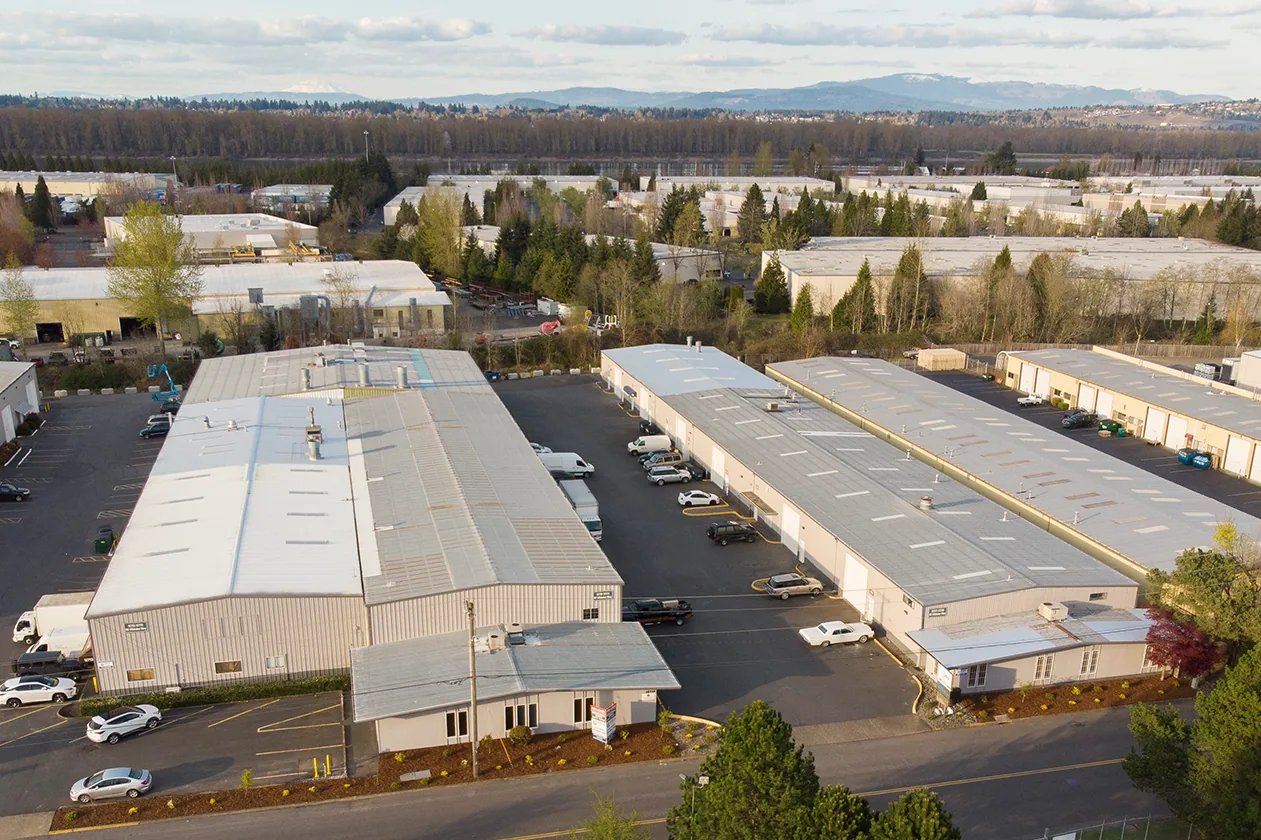
NE Wilkes Road Industrial Cluster
Learn More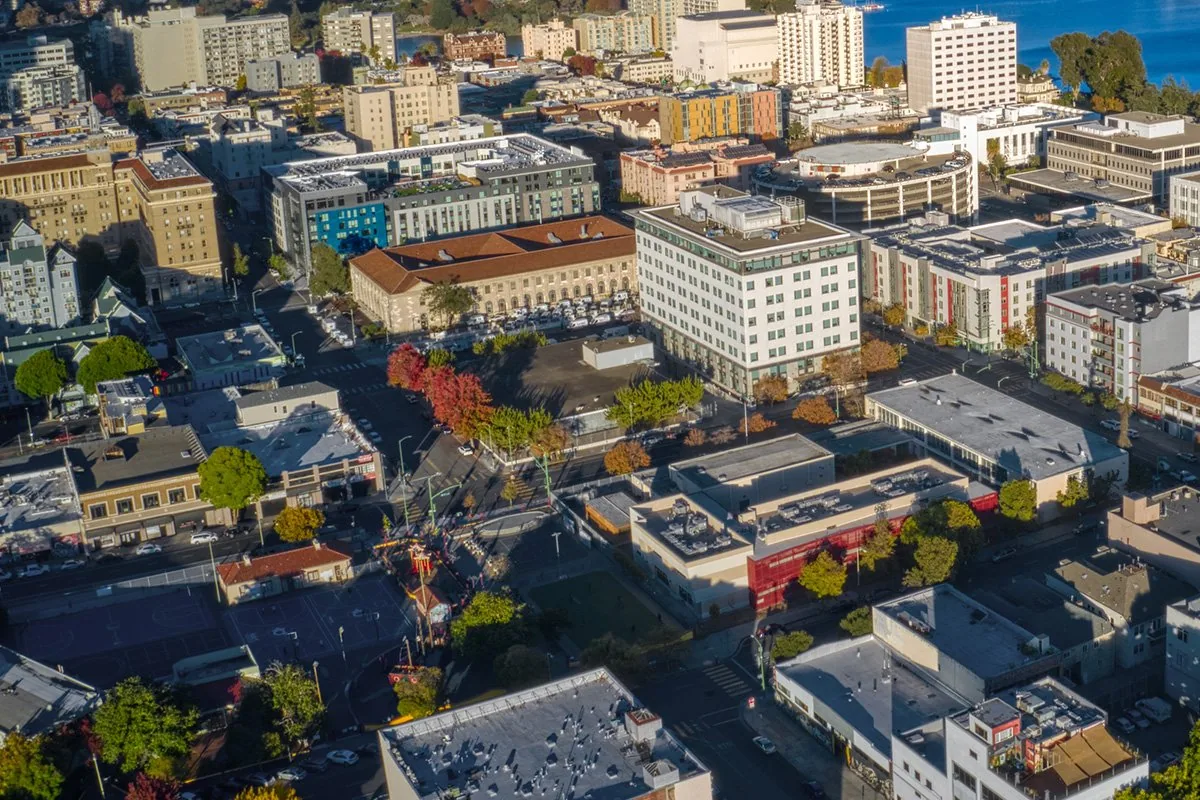
Downtown and Civic Neighborhood
Learn More
Commercial Roof Condition Reports
Learn More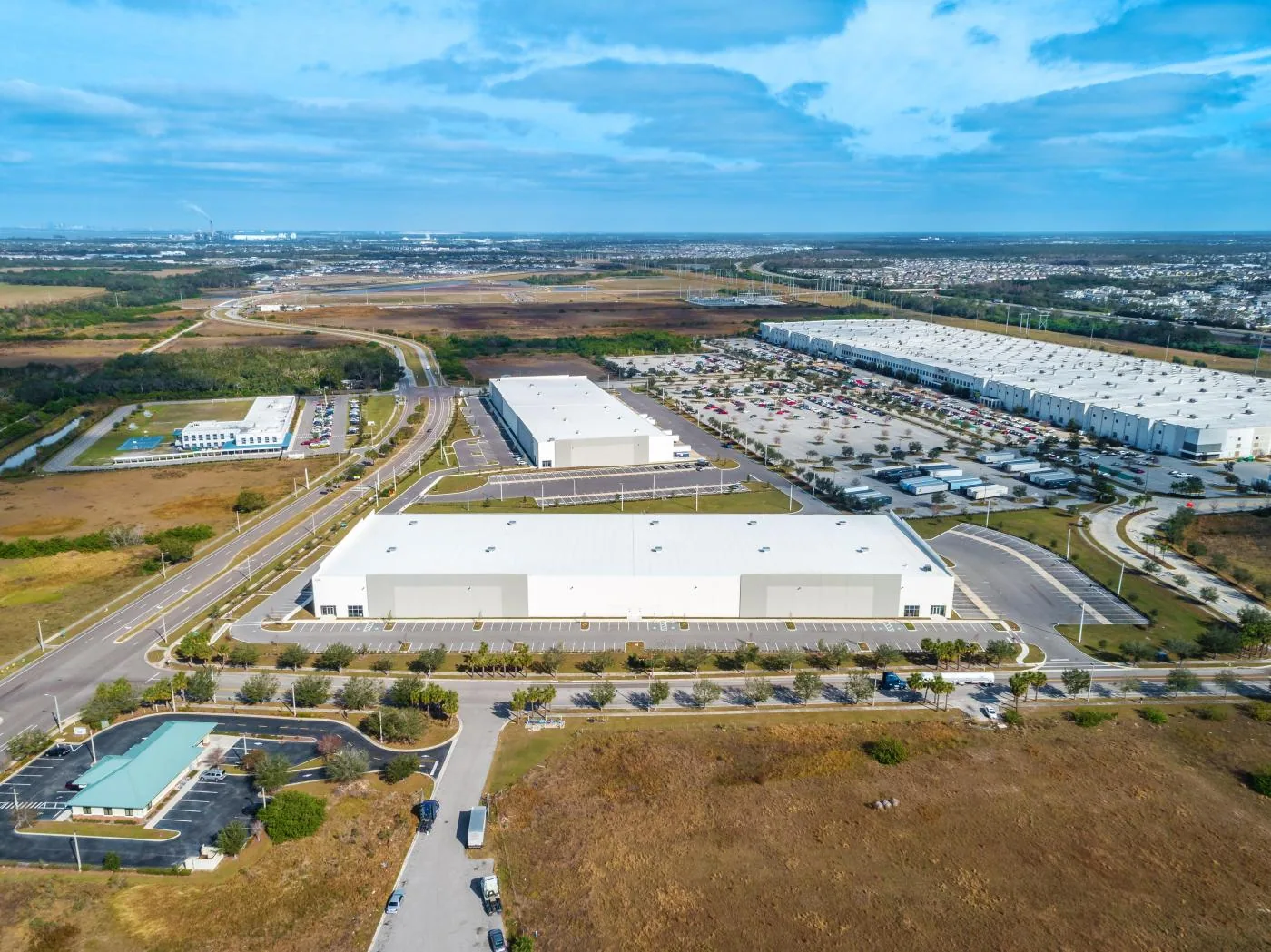
Southshore Corporate Park
Learn More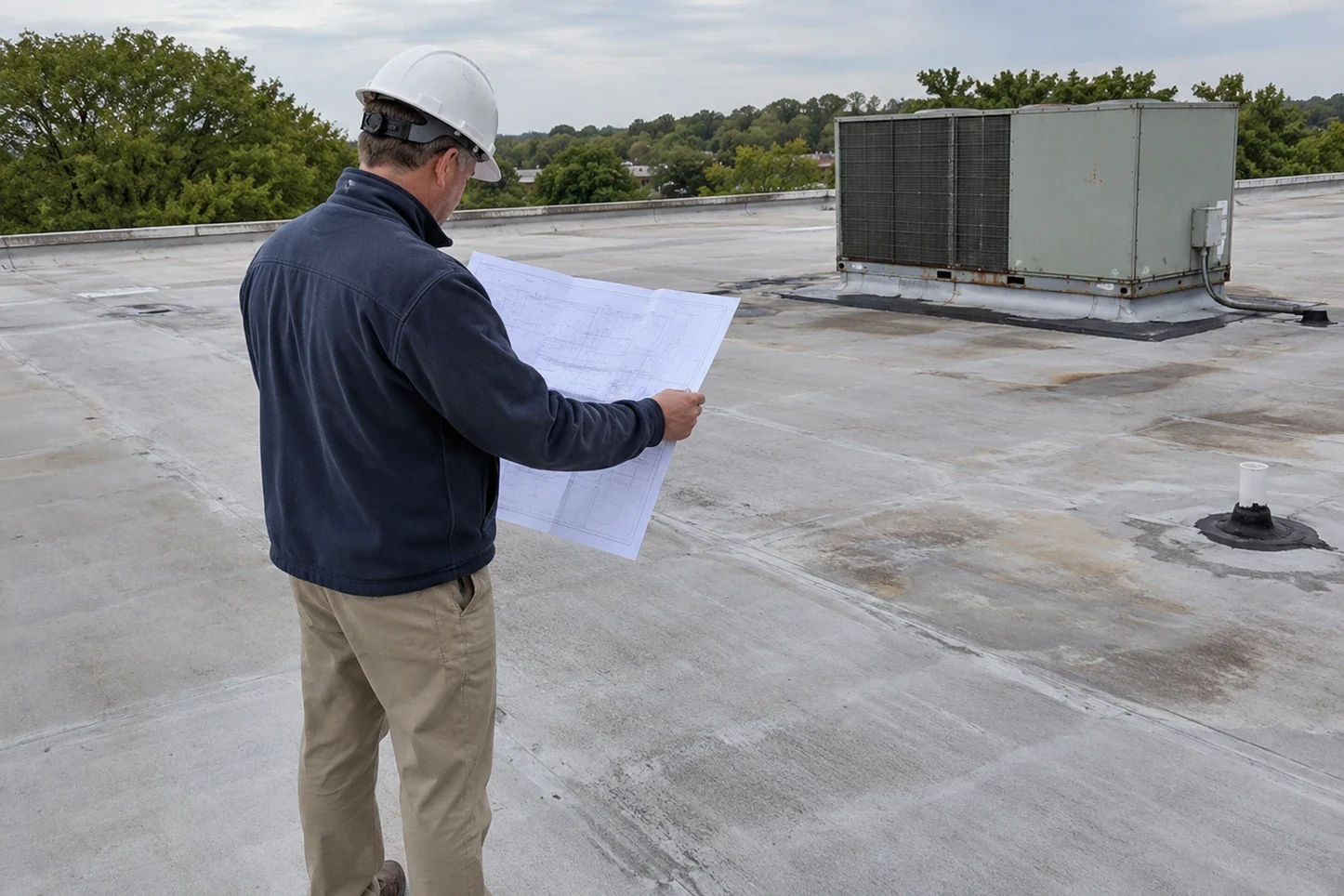
Commercial Roof Capital Planning
Learn More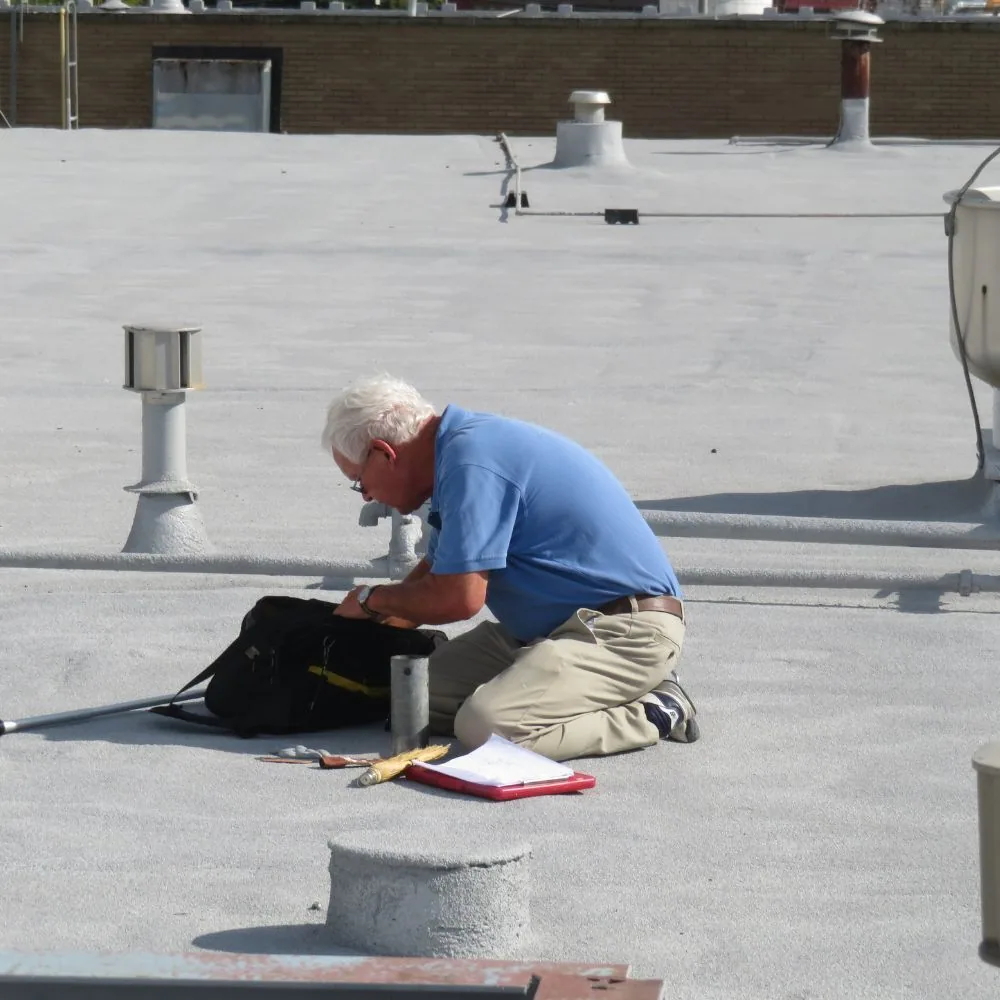
Commercial Roof Asset Management
Learn MoreGet a roof survey for the transaction file
Request a roof assessment in Gresham
Schedule a Gresham due-diligence survey. We will confirm access and transaction timing, inspect available roof areas, and deliver findings tied to photos and repair options. Tell us about the building, the roof and what you are seeing. Call 555-555-5555, email [email protected] or send the details through our contact page and we will set up a time to walk the roof.