Commercial Roof Maintenance in Gresham, OR
Set a roof maintenance schedule
- Home
- Commercial Roofing Services
- Commercial Roof Maintenance
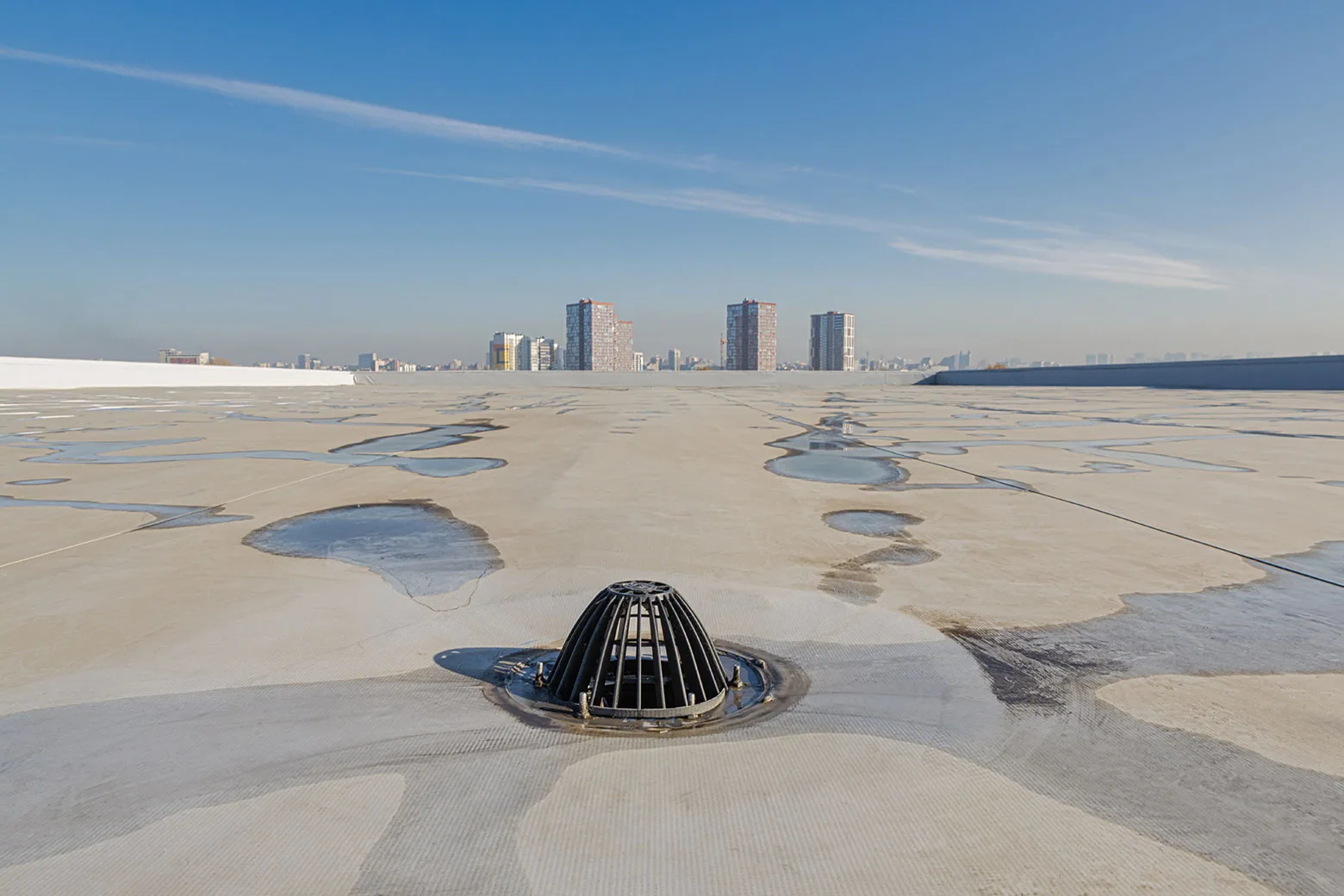
Drain baskets collect leaves and rooftop debris while a facility is busy below. By the time water reaches an interior ceiling, the first warning may have been a blocked outlet or a split at a nearby flashing. A maintenance program puts those details on a schedule, gives the facilities team a condition record, and assigns repair priorities before the next wet-weather call. Gresham's rainy season places recurring demand on drains, seams, curbs, and edge details. Portland International Airport averages 157 days with measurable precipitation each year, with most rain from fall through spring. That regional measure is not a forecast for an individual property, but it is a useful reason to plan roof checks before and during the wet season. We inspect the roof assembly, clear eligible drainage points, document emerging conditions, and recommend repairs in order of urgency. A commercial roof inspection establishes the initial record; scheduled visits keep that record current as the roof and building operations change.
What belongs on the recurring roof checklist?
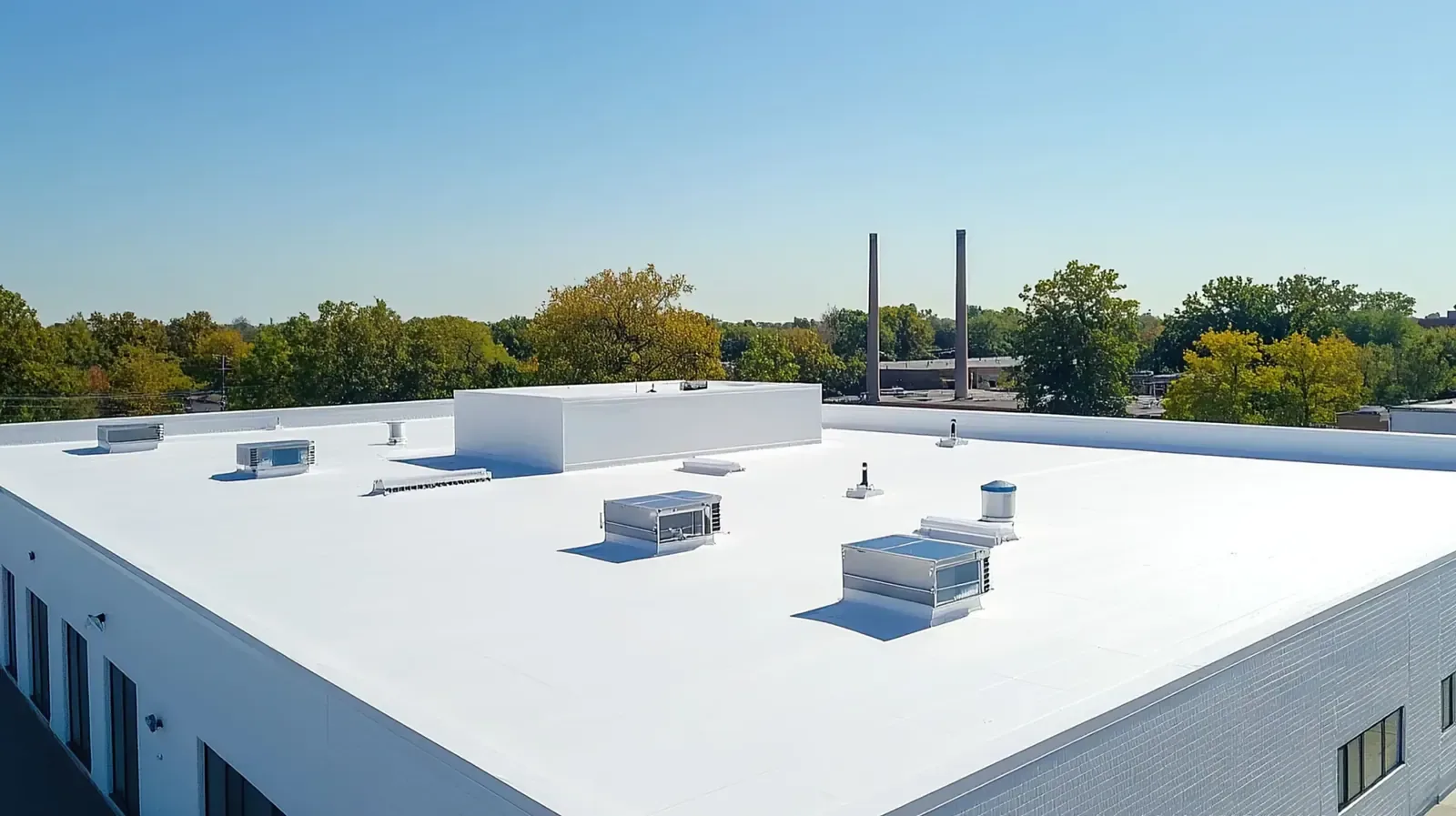
Start where water enters, exits, or changes direction. We inspect drain bowls, strainers, scuppers, overflow paths, crickets, and low areas for debris or signs of slow drainage. The review continues at membrane seams, repair patches, penetrations, equipment curbs, parapets, and edge metal. We note open laps, loose flashing, sealant separation, punctures, and traffic wear. A maintenance visit is not just a debris sweep. It connects each observed condition to a location, a photograph, and an action that a facility director can schedule.
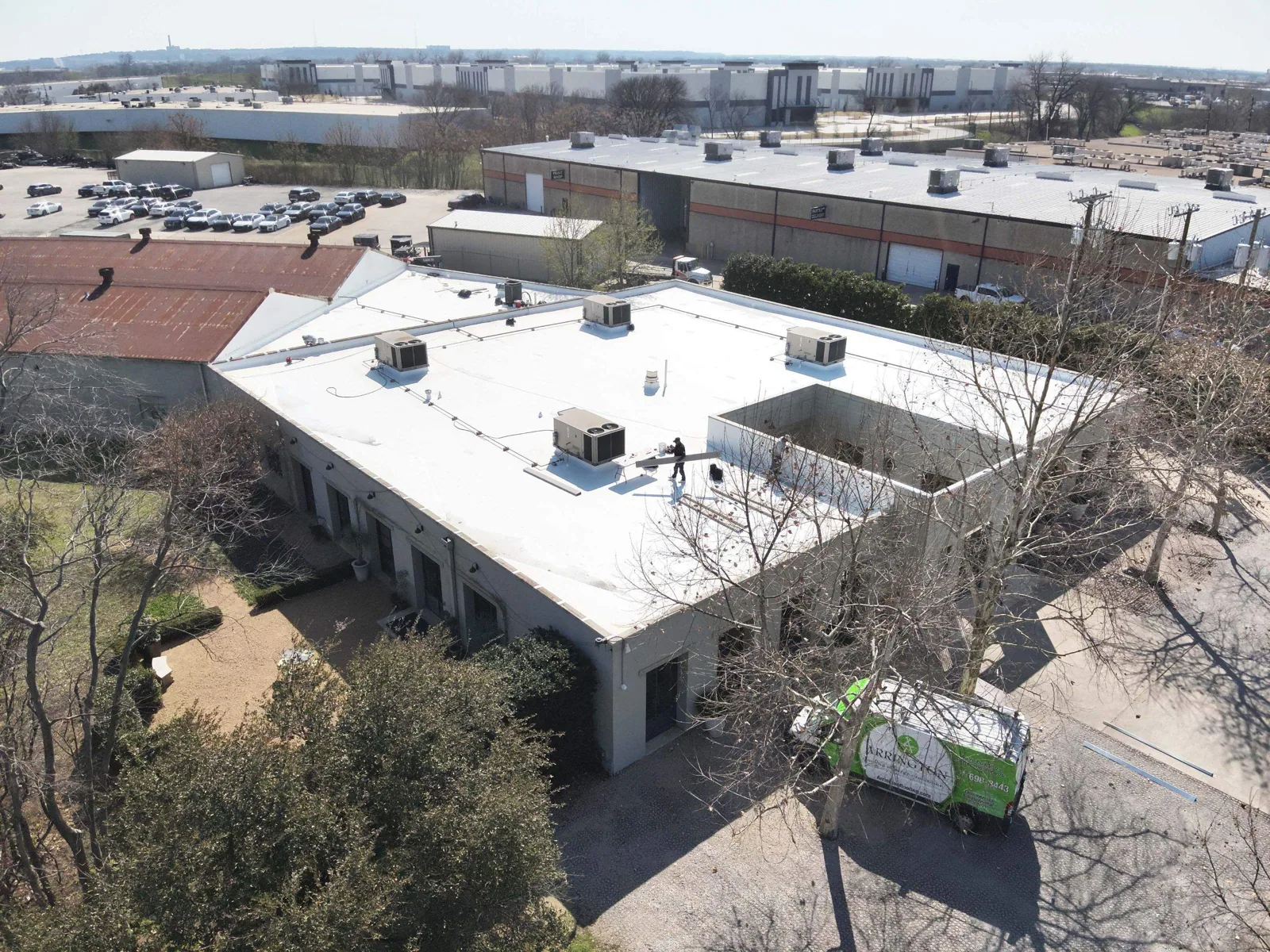
Rooftop equipment can change the checklist. New cabling, replacement units, service platforms, and access paths may create fresh penetrations or repeated foot traffic. We record where technicians travel and where tools or materials are set down, then note protection needs. An equipment contractor can create a small opening that becomes a larger moisture path after repeated rain. Maintenance notes should say whether a repair is needed, who coordinates access, and whether an equipment shutdown or escort affects timing. For any temporary repair, record the roof zone, material, weather limit, and return date before clearing the open service item.
When should east-county roofs be checked?
A practical schedule follows both the roof and the site's calendar. Many facilities arrange a visit before the fall rains, then set another check after the season's heavier weather or after roof work. The right intervals depend on roof condition, drainage, surrounding debris, equipment activity, and past findings. The PDX station's normals count about 32 annual nights when the minimum reaches freezing or lower. Before cold periods, review sealants, drain flow, and water paths while roof access remains safe.
Springwater Employment Area is planned for manufacturing and technology employment, while the I-84 and Sandy Boulevard corridor links east-county industrial and employment lands. The buildings and schedules differ, so a route-based checklist cannot replace an on-site review. Freight access, production shifts, and roof traffic can affect when our crew reaches a drain or equipment zone. We coordinate an access window with the facility and organize observations by roof area, not by a generic calendar reminder.
Which small defects tend to spread?
A separated seam can admit water below the visible opening, especially where a patch or repair edge interrupts the membrane. A loose pipe boot or curb flashing can direct water toward insulation before a ceiling stain appears. Standing water can come from a clogged drain or slope problem; inspect the deck and drainage before deciding whether a correction is needed. We photograph the condition, check adjacent details, and distinguish a repairable defect from a larger assembly concern. If moisture extent is uncertain, a moisture survey or targeted opening may be appropriate.
Cleaning work also needs care. Sharp tools can puncture a membrane, and incompatible cleaners can damage a surface or coating. We use methods suited to the roof system and remove material without pushing debris into the outlets. Before work begins, the facilities contact identifies any restricted roof zones, fragile surfaces, and equipment that must remain accessible. The closeout record lists what was cleared, what was repaired, and what should be watched during the next visit.
How can maintenance connect to capital planning?
Each observation should have a disposition: repair now, monitor, test, or include in a larger project scope. That simple status helps the owner separate a small flashing repair from a roof nearing replacement. Each visit records the roof zone, observed condition, repeat service calls, and next action so facility staff can compare changes over time. When a roof has several years of mixed findings, roof asset management can give the team one record for condition, work history, and upcoming decisions.
Gresham industrial lands include manufacturing, food and beverage processing, high-tech operations, and distribution. The roof program should reflect the building below it. A production area may need a clean closeout and tightly scheduled access; a distribution building may need a clear equipment route and delivery coordination. In Southshore Corporate Park, those uses share an industrial setting near the Columbia River and I-84. We plan each visit with the specific facility, then provide a prioritized list that can be folded into roof capital planning.
What should the service record show?
A useful record identifies the roof area, observed condition, photograph, recommended action, and urgency. It notes recent repairs, access limitations, drain status, and equipment changes that affect the next visit. If a condition could affect operations, the note should name the coordination needed: a unit shutdown, roof access permit, escort, or work zone below. A dated report creates a comparison point for the next inspection. A condition report also helps property teams share consistent information with ownership, maintenance staff, and contractors.
Maintenance does not remove the need for a full evaluation when leaks recur or the assembly is near the end of its useful service. It helps the owner see what has changed and act on repairs while the scope is clear. We can review the service log with the facility director, map the next access window, and set a schedule suited to the roof. For buildings near Rockwood or Gresham Vista Business Park, the service plan still follows the observed roof and actual operating constraints, not the name of the district.
Commercial Roof Maintenance FAQs
-
Can the maintenance visit include clearing roof drains?
Yes, when the outlets are accessible and the roof conditions allow safe work. We remove eligible debris, check the drain bowl and overflow path, and record any damaged strainer or standing-water concern. The report separates routine clearing from repairs that need a separate scope or a plumbing trade.
-
How often should our facility schedule roof maintenance?
The interval follows condition, drainage, debris, equipment traffic, and repair history. A roof with recurring blockages or recent leak activity may need closer attention than a stable assembly with clear outlets. We review the findings with your facilities contact and set the next visit around the building calendar.
-
Does a maintenance plan prevent every leak?
No inspection schedule can remove every risk. Regular checks can catch visible openings, blocked drainage, and damaged flashing before they go unnoticed for a long period. Concealed moisture or sudden damage can still occur. We document limits and recommend further testing when the roof surface does not answer the question.
-
What do we receive after a visit?
You receive a dated record with roof-area notes, photographs, drainage observations, completed maintenance, and prioritized follow-up items. We identify access or shutdown needs for the next scope. The facilities team can keep that report with repair history and use it to plan the next operating window.
Related Roofing Work
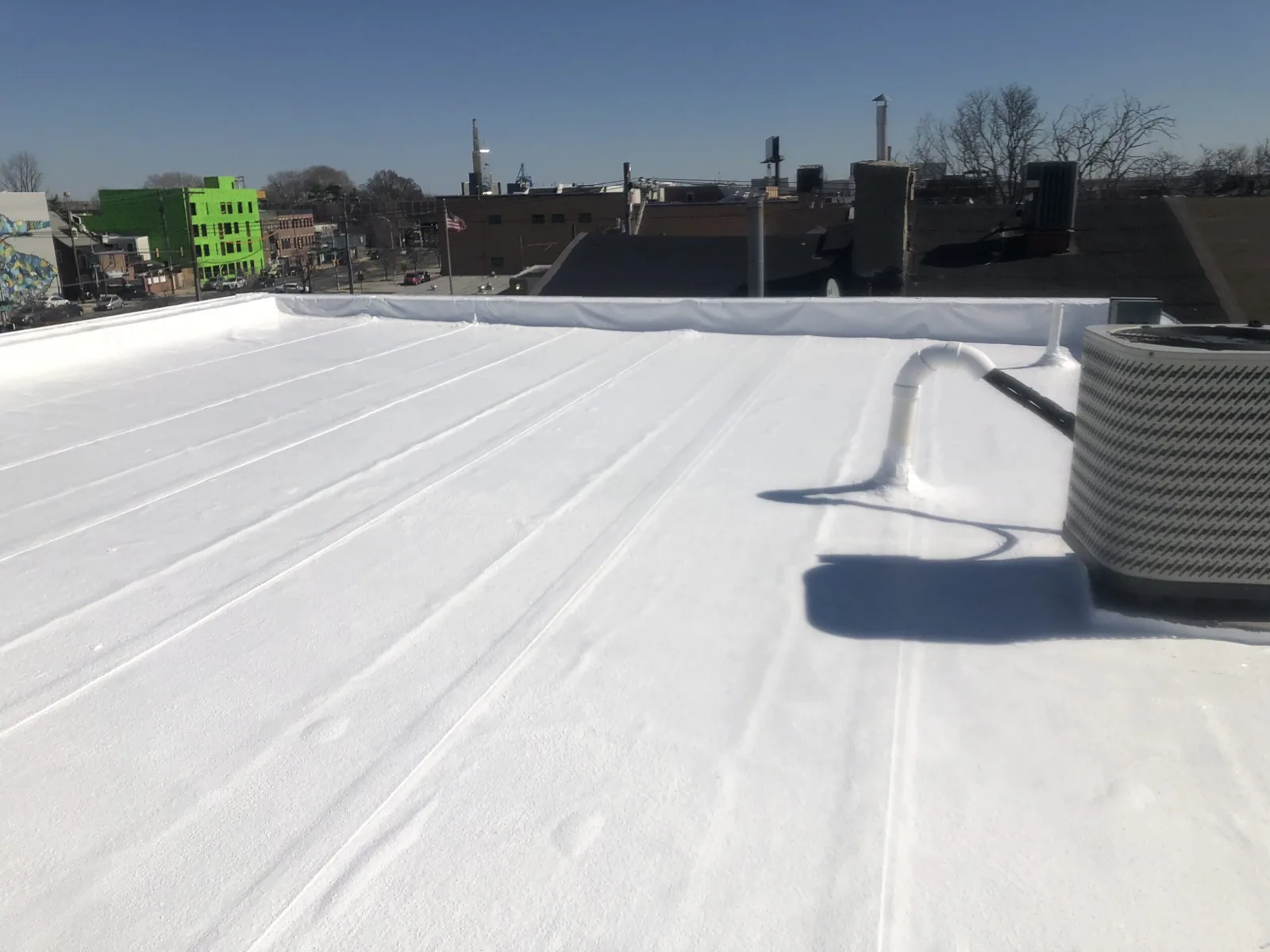
Commercial Roof Inspection
Learn More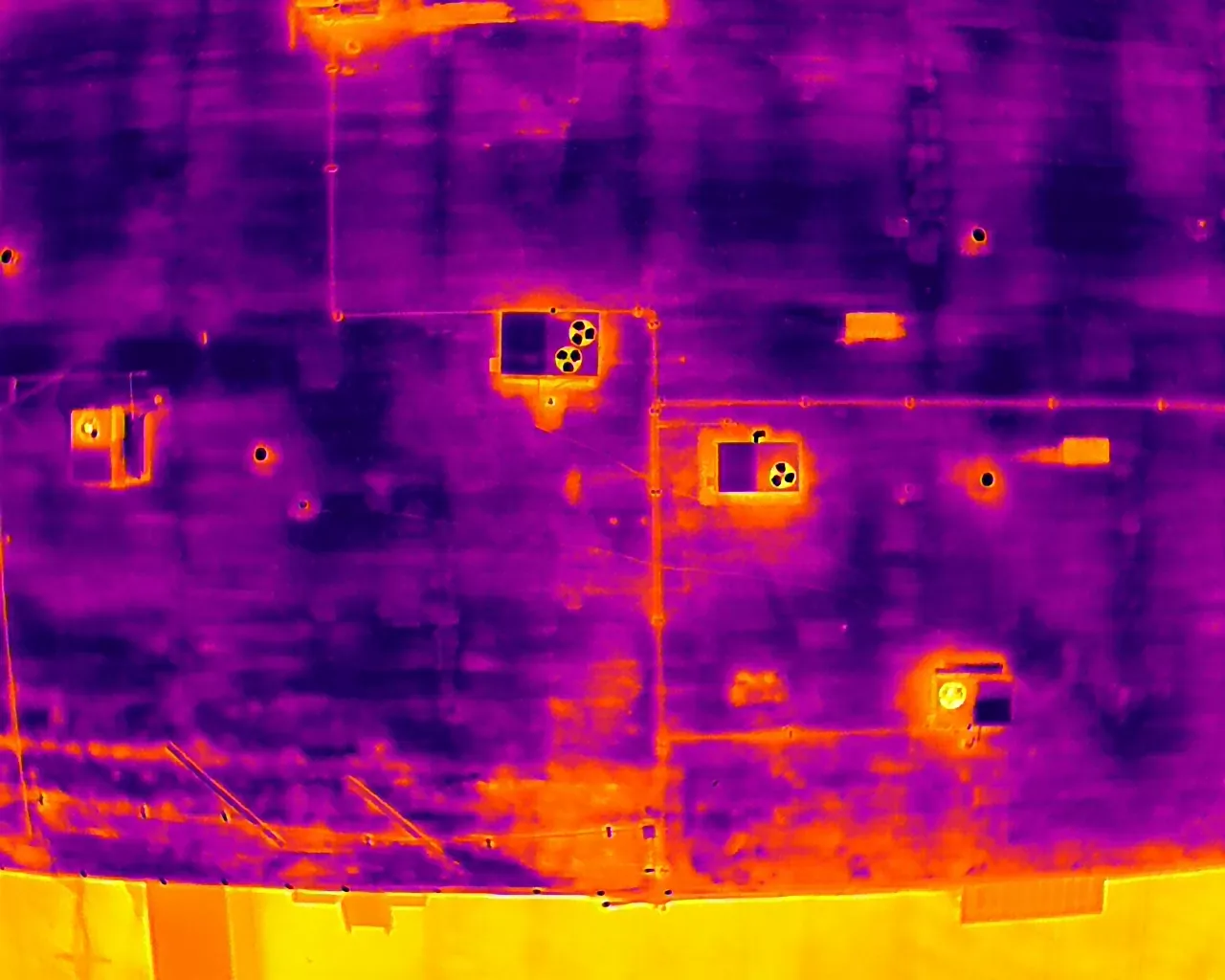
Infrared Moisture Survey for Commercial Roofs
Learn More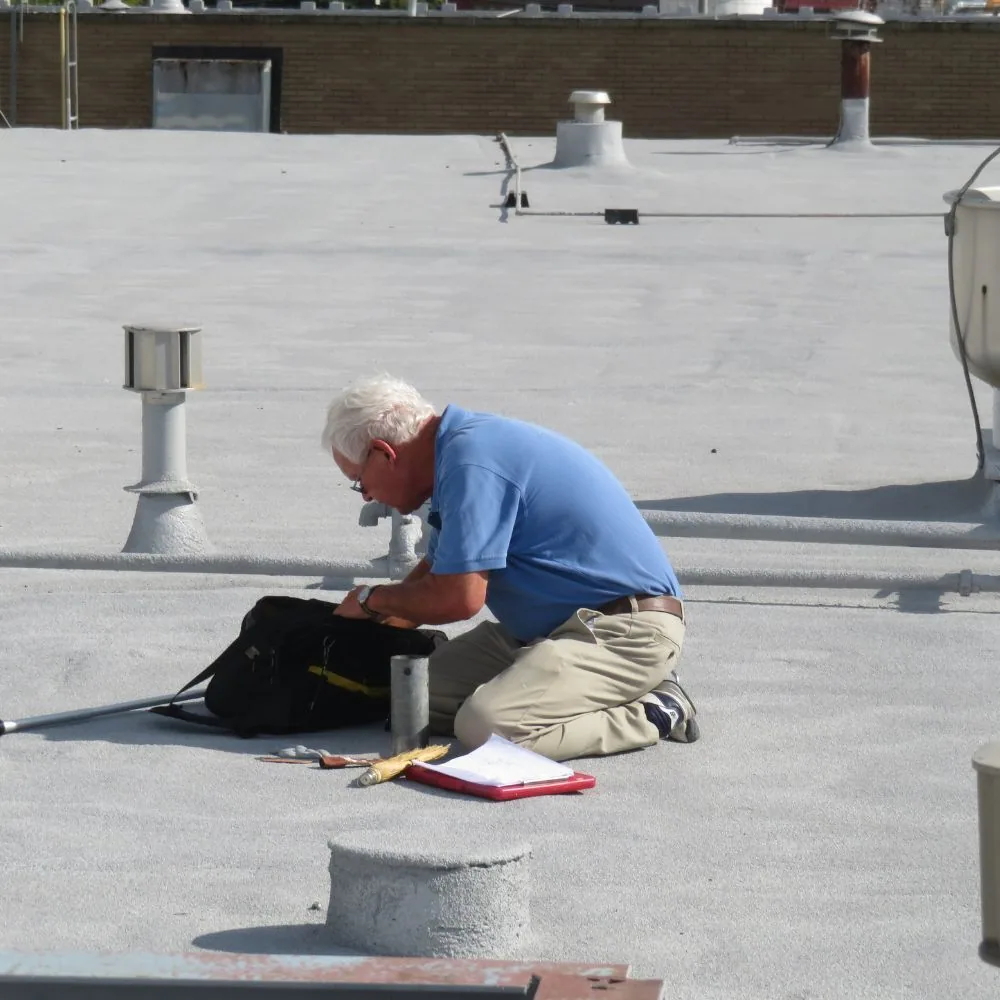
Commercial Roof Asset Management
Learn More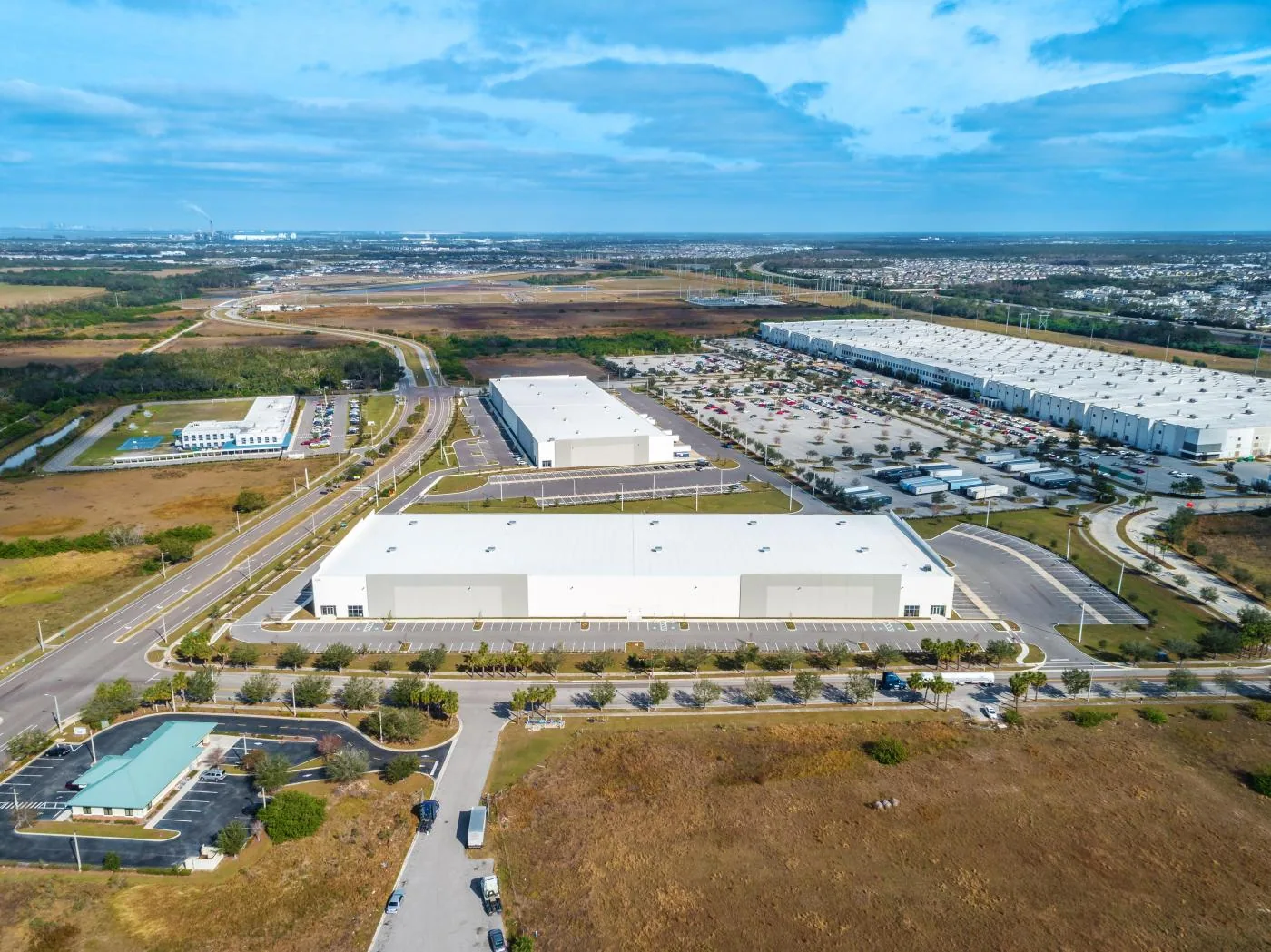
Southshore Corporate Park
Learn More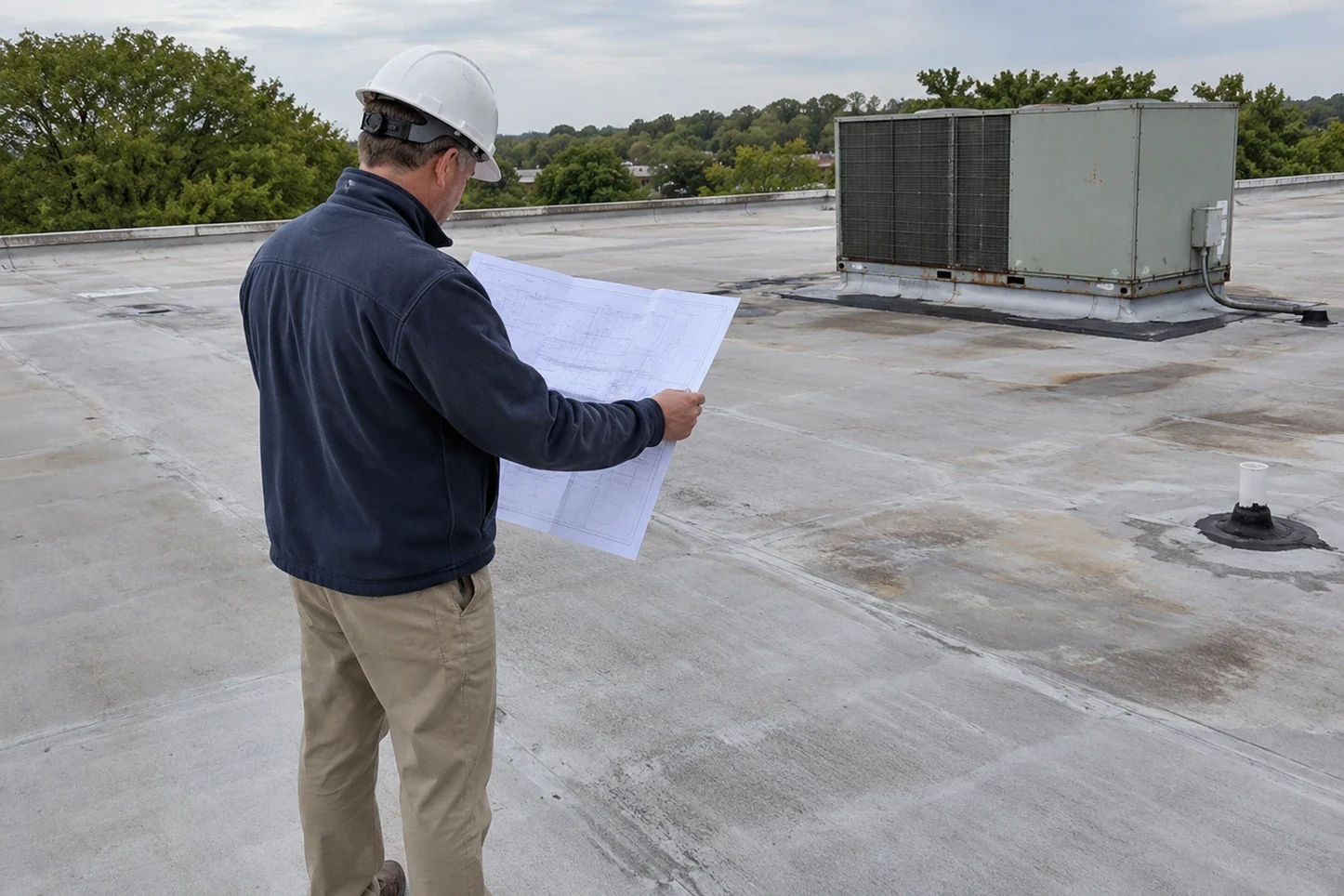
Commercial Roof Capital Planning
Learn More
Commercial Roof Condition Reports
Learn MoreSet a roof maintenance schedule
Request a roof assessment in Gresham
We will review drains, seams, flashings, and access needs, then coordinate service visits with your Gresham facility calendar. Tell us about the building, the roof and what you are seeing. Call 555-555-5555, email [email protected] or send the details through our contact page and we will set up a time to walk the roof.