Commercial Roof Repair in Gresham, OR
Set a repair access window
- Home
- Commercial Roofing Services
- Commercial Roof Repair
A split seam beside an exhaust curb can interrupt a shift well before the leak reaches a work area. We trace the reported condition, inspect the surrounding roof assembly, and identify which detail needs repair. The scope may involve membrane, flashing, fasteners, edge metal, or a drain transition. We check for water below the visible opening. Gresham’s wet season runs from fall through spring, making temporary protection and a dry repair window part of the plan. A commercial roof inspection can establish the roof conditions before repair begins.
Find the detail that opened
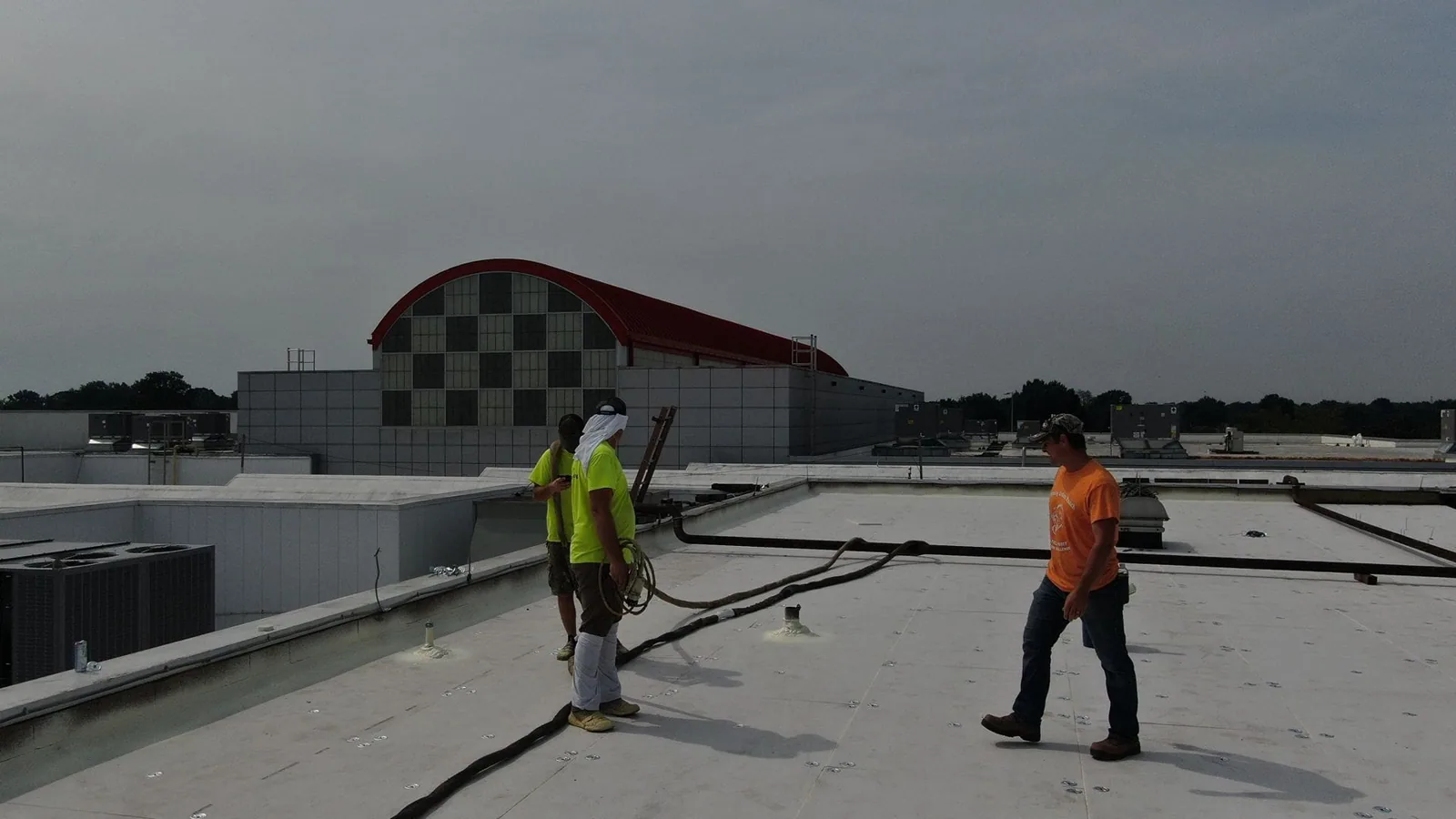
We begin at the reported leak or visible damage, then work outward across the roof. The review follows seam laps, patches, curb corners, drains, wall transitions, penetrations, and edges. A defect at one detail may have a separate cause from a nearby stain. We note membrane type, attachment, prior repairs, and the condition of adjacent material before proposing a tie-in. Photos record the opening and the surrounding field so the repair scope reflects the assembly rather than only the interior symptom.
Access conditions matter to the inspection. Rooftop units, exhaust ducts, cable runs, skylights, and service paths can conceal damage or create repeated foot traffic. We coordinate with the facility contact to reach the affected area without crossing restricted equipment zones. If a tenant or production team needs a notice, the work plan identifies the roof access window and the space below that may need protection.
Gresham’s industrial lands include manufacturing, food and beverage processing, distribution, and high-tech operations. A repair near the I-84 and 181st employment cluster may need to account for freight movement and operating schedules. In Downtown and Civic Neighborhood, a roof team may instead coordinate around occupied commercial and civic uses. We confirm the actual property conditions before setting the repair sequence.
Separate the opening from the water path
Water can enter at a failed flashing and travel along a deck, insulation joint, or low point before becoming visible inside. A ceiling stain alone does not locate the roof opening. We compare the reported timing with rain, equipment use, roof drainage, and interior conditions. If evidence points to more than one possible source, we explain what the initial repair can address and whether testing or an opening is needed to confirm the path.
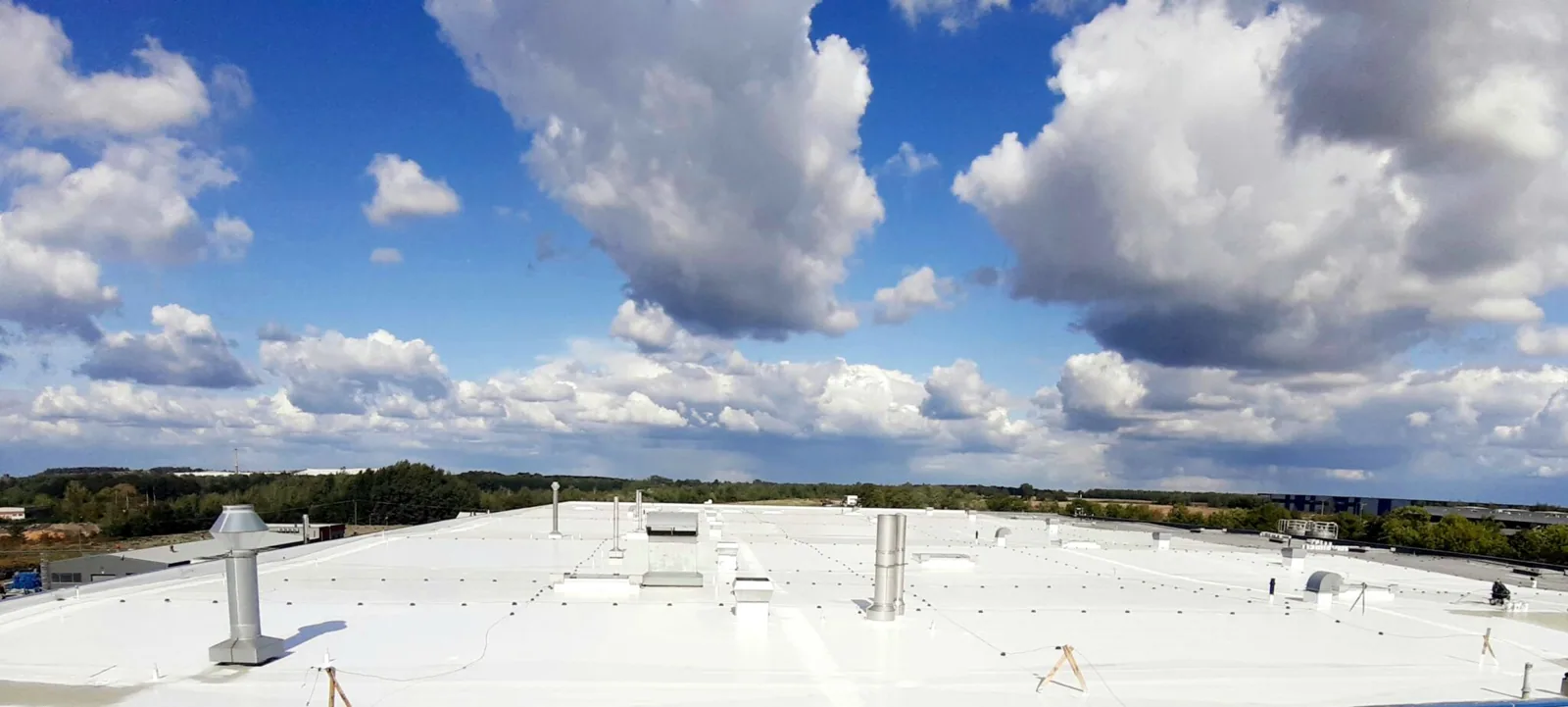
At a single-ply roof, the repair must suit the membrane and seam method. A compatible patch may work when the surrounding sheet is clean, sound, and large enough for the specified overlap. Brittle or contaminated material may need broader preparation. Modified bitumen and built-up roofs need repairs suited to their surfacing and plies. Metal systems call for attention to fasteners, laps, sealant, panel movement, and penetrations. Coating repairs require compatibility with the installed coating and a sound receiving surface.
Moisture below the membrane changes the scope. Wet insulation can reduce the value of a surface-only patch and may need to be isolated or replaced. An infrared moisture survey can help map suspect areas when roof construction and weather support the method. Targeted openings can confirm conditions where readings are inconclusive. We identify test limits and findings so the owner knows whether the repair addresses a proven opening or a broader wet area.
Choose a repair that will tie in
A repair scope names the detail, material, preparation, and limits. Work can include surface cleaning, priming, seam reinforcement, flashing replacement, termination resetting, or drain repair. We use materials suited to the existing roof and follow the product requirements for the selected assembly. A generic sealant over a dirty or moving joint is not a substitute for correcting the detail.
Some roofs have several isolated defects. Others show repeated patch failure, widespread seam separation, or wet insulation across multiple areas. A local repair remains useful where surrounding material can hold a compatible tie-in. When defects are broad, we compare repair with replacement and recover options after checking attachment, moisture, drainage, and roof layers. The recommendation should explain the evidence and the conditions that could change the scope once opened.
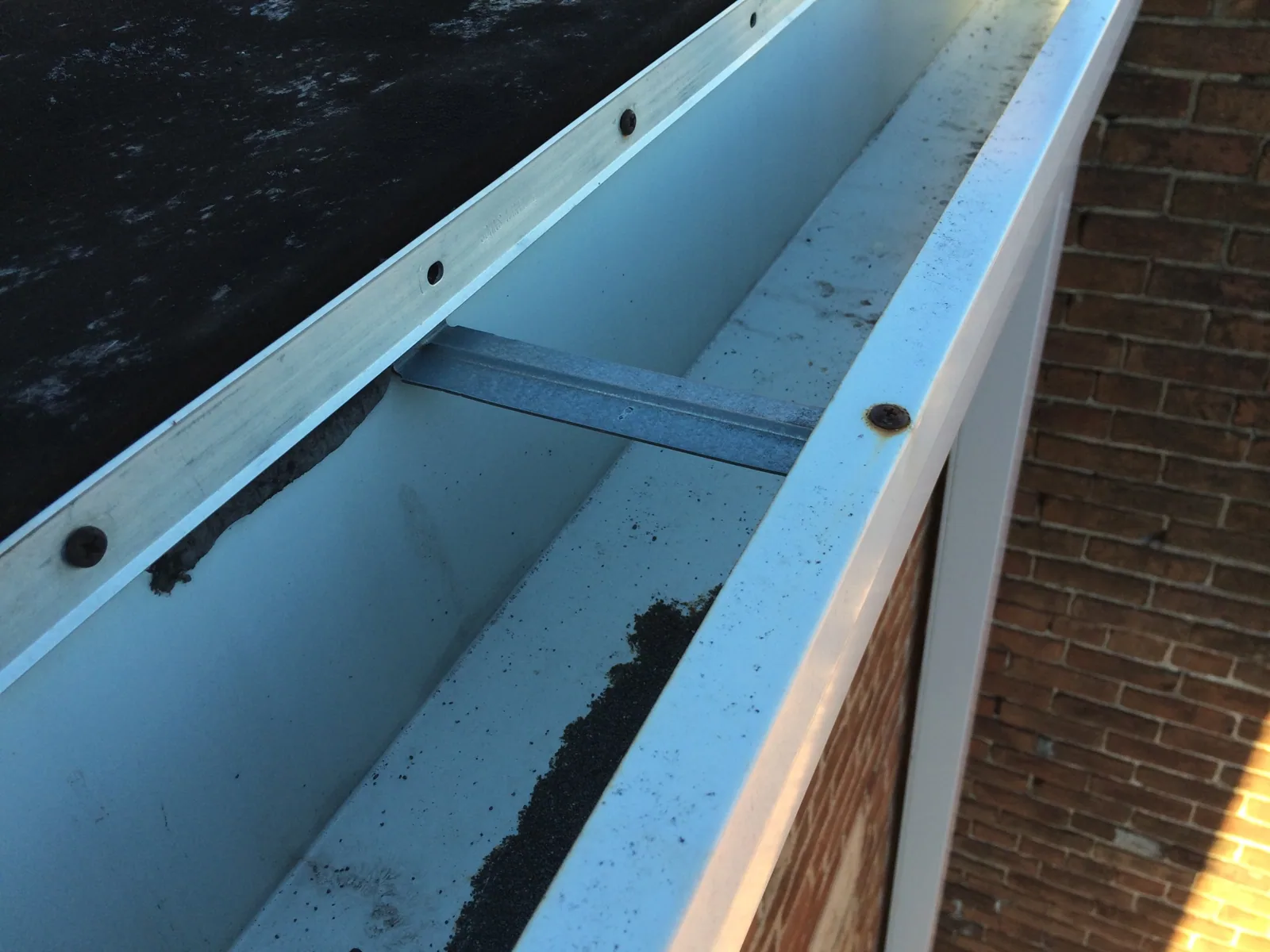
Drainage and edge work may be part of a repair even when the leak appears elsewhere. Water held at a low point can keep a seam or curb under exposure after other areas dry. Wind movement can work at coping, perimeter metal, and loose terminations. We inspect the route from the reported damage to the nearest outlet or edge, and identify related corrections that should happen during the same access window.
Schedule around occupied hours
Before mobilization, we confirm roof access, ladder or hatch arrangements, staging, tenant restrictions, equipment routes, and the area below the repair. A patch may require a controlled work zone when materials pass through occupied space or over a loading area. We coordinate noisy work or temporary interior protection with the building’s operating schedule.
Rain exposure affects how much roof can be opened at a time. Crews prepare materials and protection before removing failed sections, keep the opening limited to the planned scope, and close the assembly before leaving the area. If a hidden condition requires a change, we document it and explain the added work before proceeding. Gresham’s wet season runs from fall through spring, so a dry forecast and a reliable temporary close are both relevant to scheduling.
Closeout records the repaired location, materials used, photographs, and any condition that remains outside the scope. The owner can add that record to a roof condition report or maintenance file. If a leak remains active after the repair, the next inspection can compare the original water path with new observations rather than repeating the same assumptions.
Know when a patch is the right call
A patch is a reasonable choice when the defect is localized, the roof around it is sound, and a compatible repair can bond or fasten securely. The decision changes when the membrane is brittle, the assembly is wet, fasteners have backed out across a field, or earlier repairs have failed repeatedly. We describe those conditions directly and explain what additional testing would resolve. A report should distinguish a completed repair from a broader roof condition that still needs planning.
Cost and timing depend on access, material compatibility, preparation, roof height, equipment handling, weather protection, and whether removal exposes damage below the surface. If the building has recurring leaks, a maintenance plan can track repairs and catch changing conditions between projects. For a Gresham property with urgent water entry, our around-the-clock emergency response can stabilize the area before a permanent repair is scheduled. We can inspect the roof, explain the repair limits, and set the next access window with the facility team.
Commercial Roof Repair FAQs
-
Can you repair one section without disturbing the rest of our roof?
A localized repair can stay within one roof area when the surrounding membrane, attachment, and substrate are sound. We inspect the proposed tie-in and nearby details first. If the opening connects to wet insulation or failed material beyond the visible defect, the scope must address that condition rather than stop at a neat-looking patch.
-
What should we send before the inspection?
Share the leak location, dates it appeared, recent roof work, available roof plans, and access restrictions. Photos of the interior stain or equipment area can help us choose a starting point, but they do not identify the opening by themselves. We will verify the roof assembly and surrounding details on site.
-
Can repair work happen during production?
Often the work can be divided into a controlled zone, provided safe roof access and protection below are available. We coordinate equipment routes, noise, odors, and occupied hours with the facility contact. If the scope requires an outage or a restricted roof area, we identify that before scheduling the work.
-
What if water returns after the repair?
We compare the new leak timing and location with the repair record, then inspect the repaired detail and nearby water paths. A returning stain can reflect a separate opening, migration through the assembly, or moisture already present indoors. The follow-up documents what the evidence supports and what testing may still be needed.
Related Roofing Work
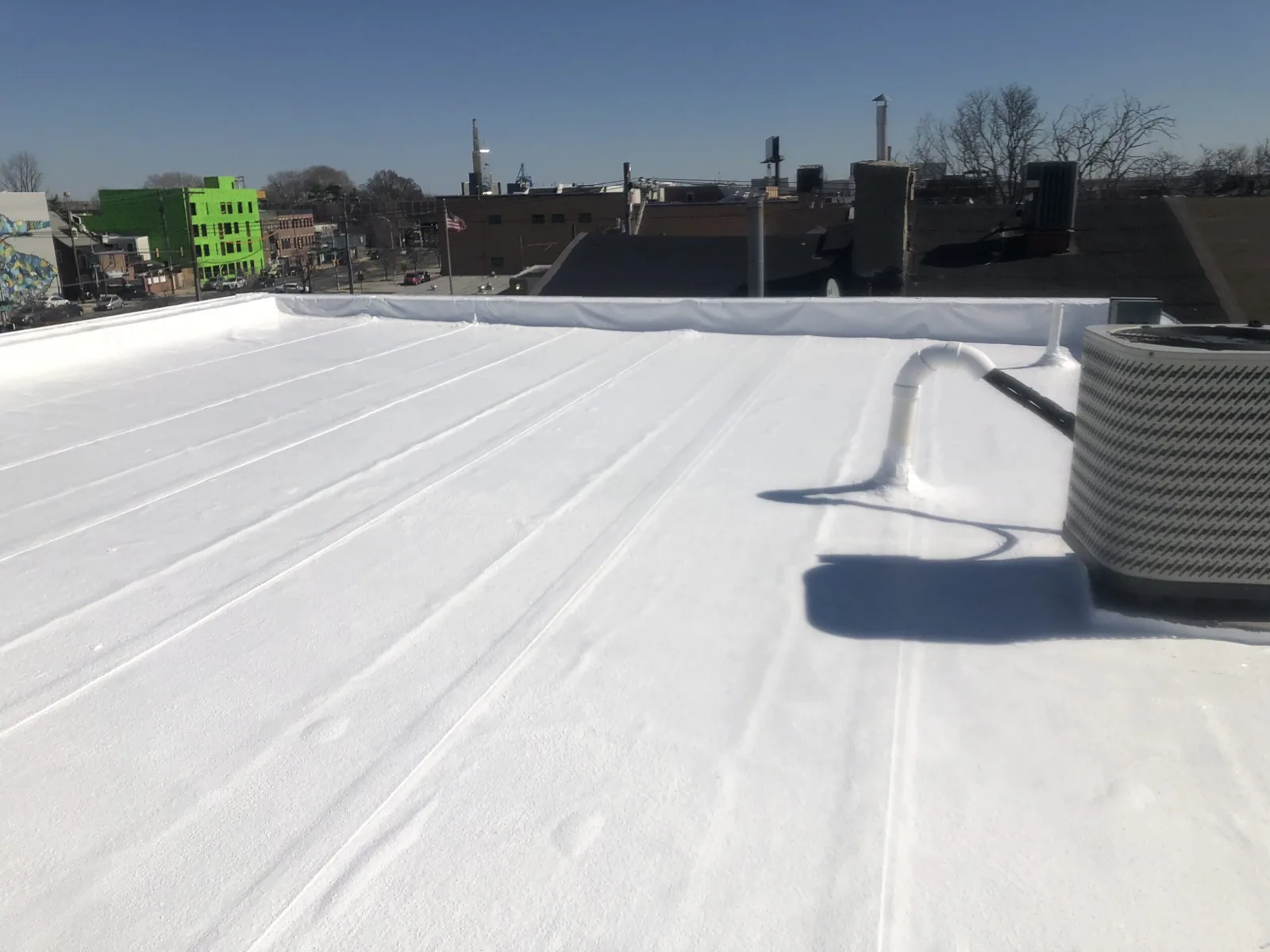
Commercial Roof Inspection
Learn More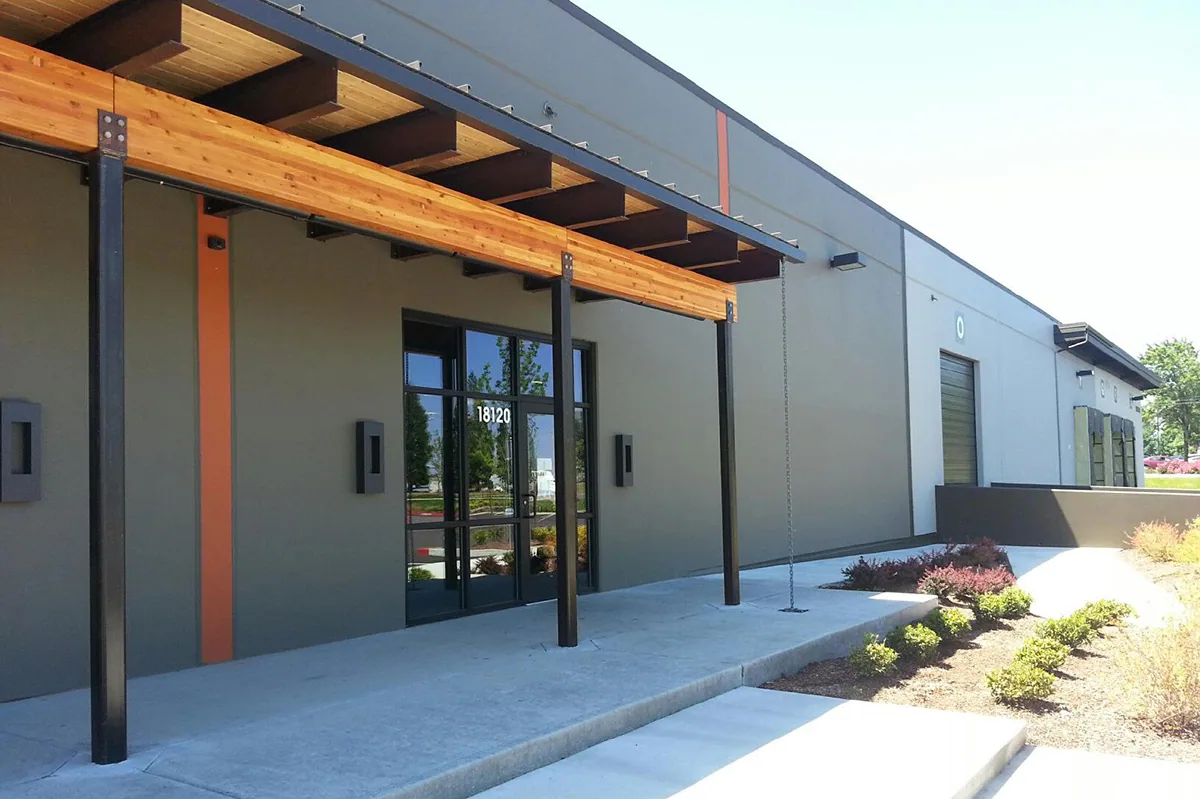
I-84 and NE 181st Industrial Cluster
Learn More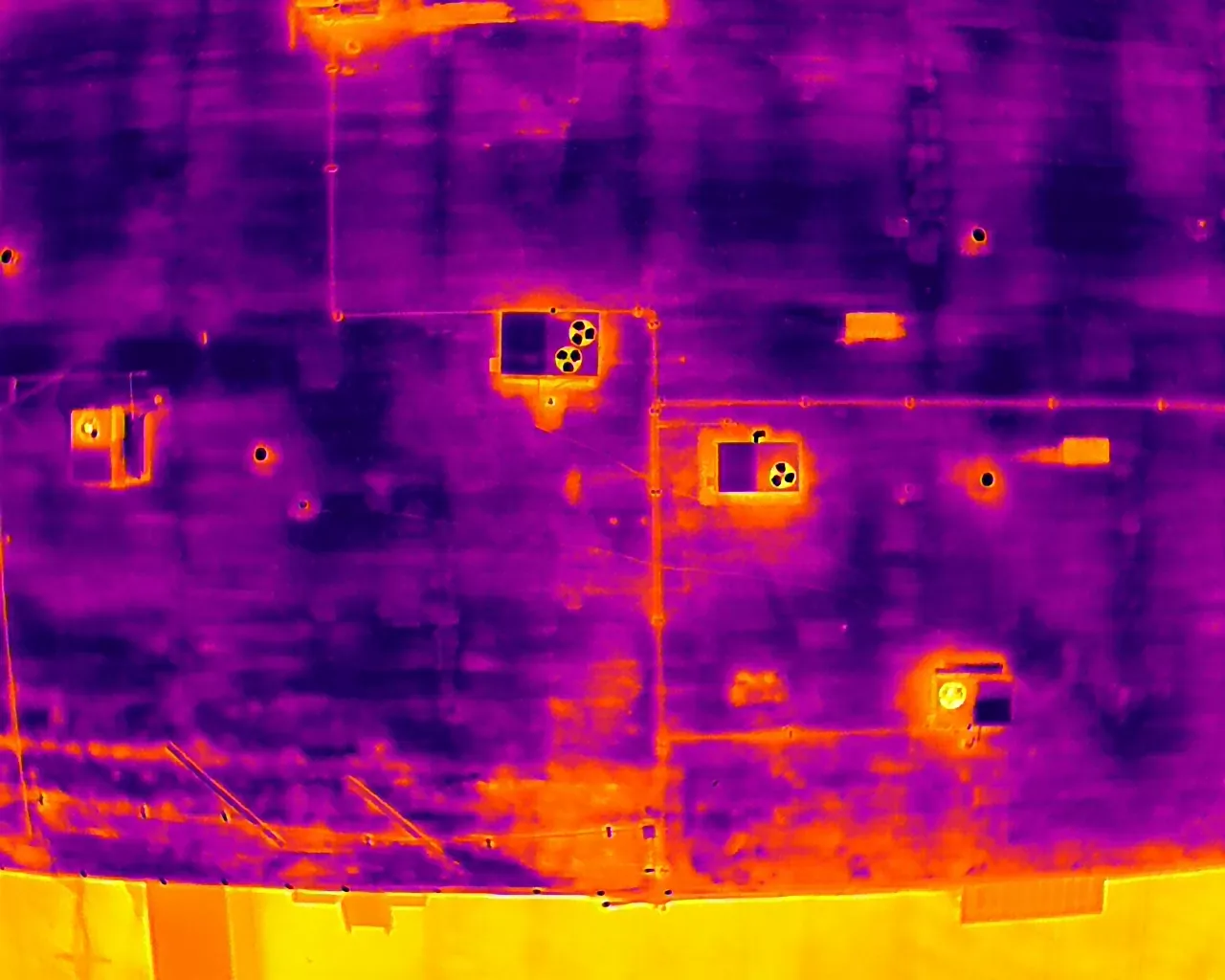
Infrared Moisture Survey for Commercial Roofs
Learn More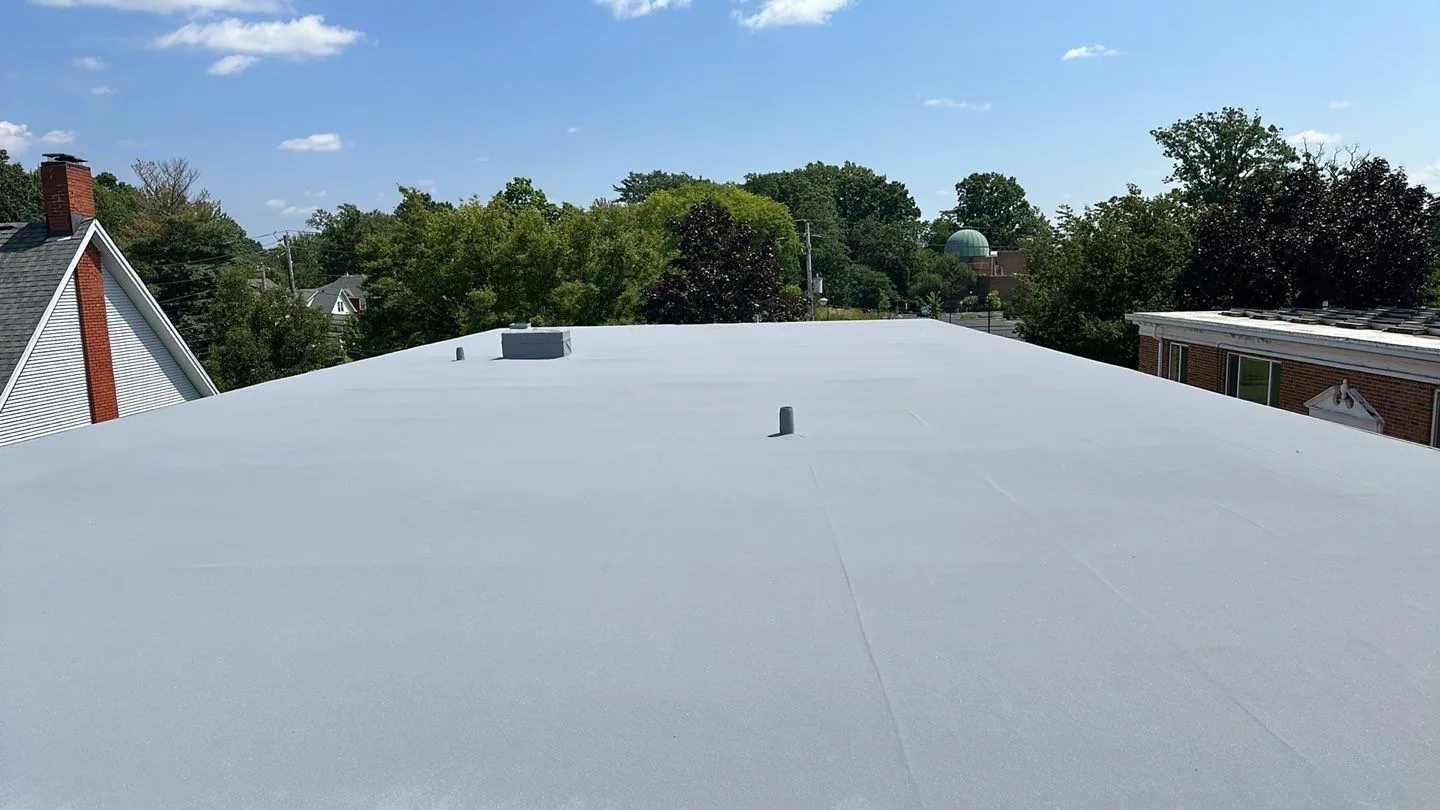
Commercial Roof Replacement
Learn More
Commercial Roof Recover
Learn More
Commercial Roof Condition Reports
Learn MoreSet a repair access window
Request a roof assessment in Gresham
We will inspect the opening, identify the compatible repair, and coordinate the work zone with your Gresham facility. Tell us about the building, the roof and what you are seeing. Call 555-555-5555, email [email protected] or send the details through our contact page and we will set up a time to walk the roof.