
Commercial Roofing for School Districts in Gresham, OR
Plan a district roof review
- Home
- Industries We Serve
- School Districts
A school district manages roofs across buildings with different ages, assemblies, and calendars. A leak needs timely protection, while a replacement must fit funding, procurement, and campus access. We document the condition by school and roof zone so facilities staff can set priorities without assuming every building needs the same work. District campuses sit across a city whose business districts include Downtown and Civic Neighborhood and Rockwood; each campus requires its own access plan. A roof inspection gives the district a current basis for repair decisions.
How can a district plan around the school year?
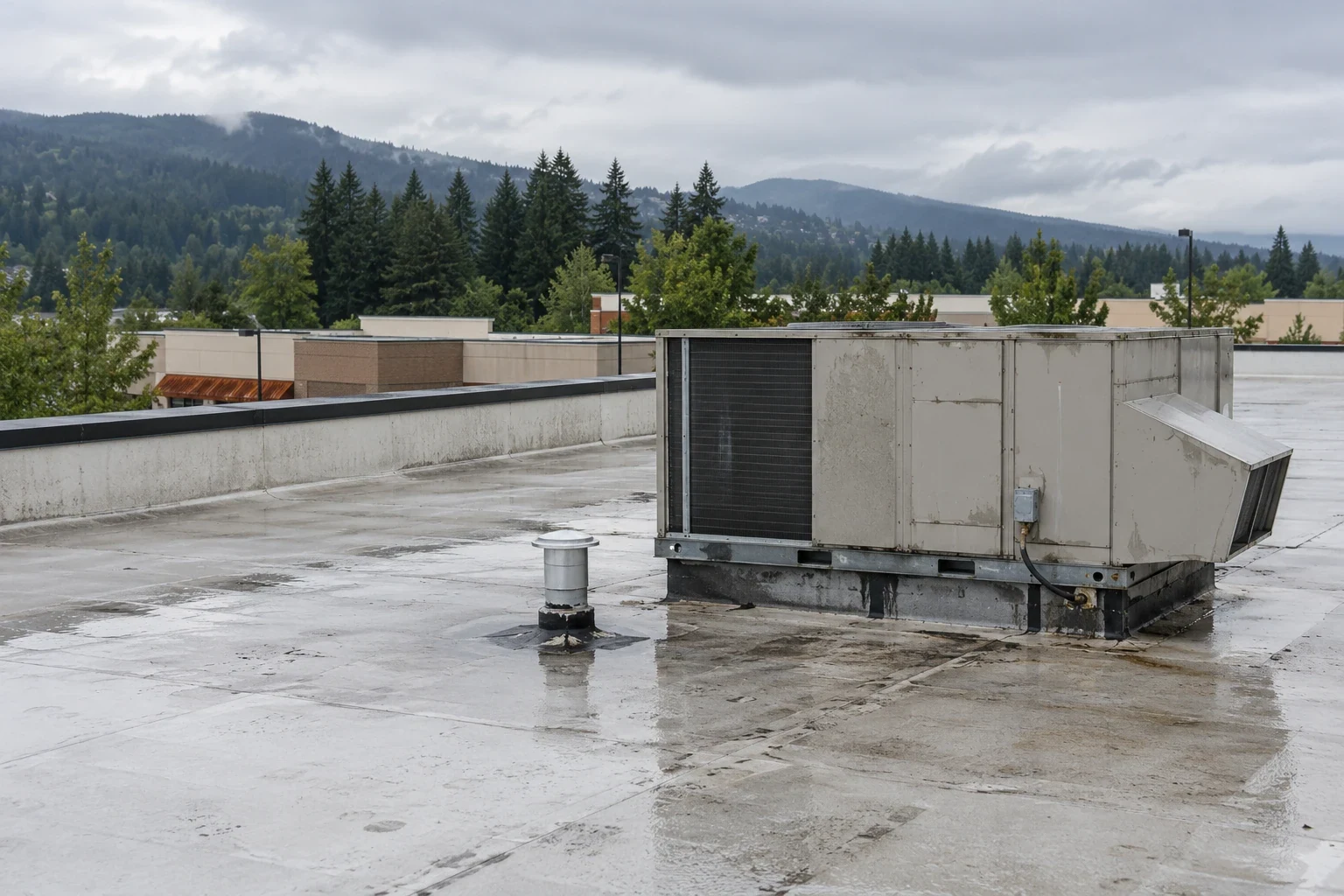
The facilities team identifies academic breaks, testing periods, summer programs, athletics, deliveries, and areas where students will be present. Some repairs cannot wait for a break, so we distinguish urgent protection from permanent work. The school controls student routing, campus notices, and any temporary closure. Contractors use the approved entry, staging area, and marked work zone.
District portfolios may include classrooms, gyms, offices, cafeterias, and additions with separate roof systems. We record those boundaries and inspect each transition. Equipment or electrical work by another vendor can alter a flashing detail. A property management roof program offers a comparable way to keep multi-building access and repair records connected.
What creates repeat roof calls across schools?
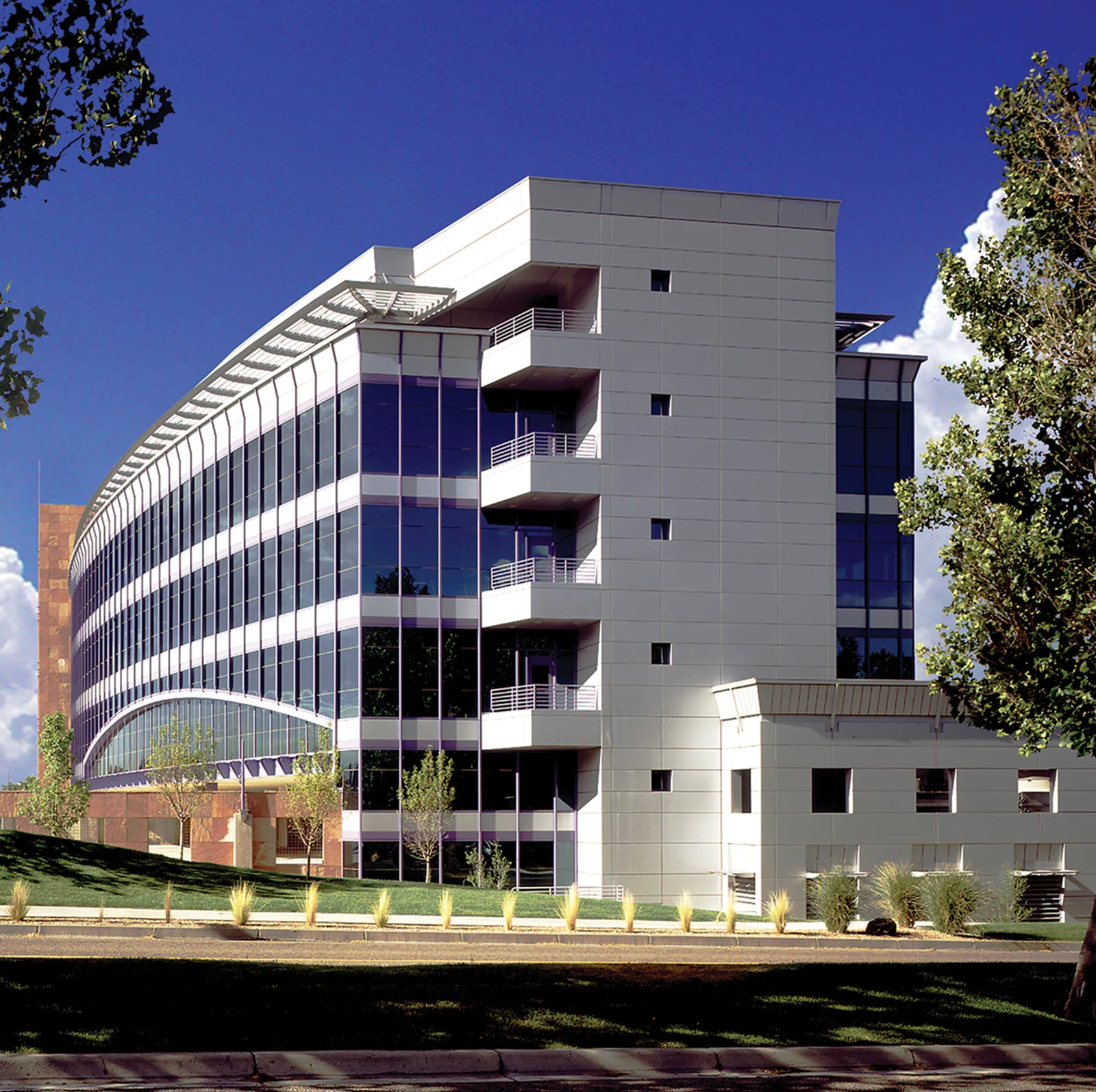
A leak that appears in a classroom may originate near a drain or wall several roof bays away. Water can move beneath insulation, along a deck rib, or through a pipe chase before reaching a ceiling. We compare the room, date, rain conditions, and maintenance history with roof details. If the evidence points to plumbing or condensation, the district can route that question to the appropriate trade.
Repeated leaks at similar locations may involve a drain flange, edge detail, or equipment curb. We inspect each school rather than assuming that a similar symptom means the same repair. A drainage assessment checks the outlet, overflow, and surrounding membrane. Photos and roof-zone labels help facilities staff distinguish one building’s issue from another.
Rain is concentrated in Portland's cool season; sequence campus roof openings so each active wing can be secured before the forecast turns wet. A district can use that seasonal pattern to prioritize drainage reviews and make sure emergency protection supplies and contacts are current.
What should a district roof inventory record?
Keep building name, roof zone, system where known, inspection date, photos, leak work orders, prior repairs, and equipment changes. The report should separate active water entry, maintenance, and capital work. We note which areas were inspected and whether concealed materials or access limits leave a question unanswered. The district then has a useful basis for facilities review.
Thermal imaging may identify anomalies beneath the membrane; a district-approved core can confirm assembly conditions when noninvasive results are inconclusive. We describe why additional testing may matter and where it could occur. The district decides whether to authorize that work and how it fits procurement rules. A condition report can support budget submissions and keep follow-up tied to the correct building.
Oregon’s current structural specialty code is the 2025 edition, adapted from the 2024 IBC. Its adoption schedule ended the prior-code transition for construction provisions on April 1, 2026. Project-specific permit questions should be confirmed with the authority having jurisdiction.
How should the district rank roof projects?
Start with active leaks and conditions that can affect equipment, classrooms, or stored materials. Then consider the area of moisture, repeat repairs, attachment, assembly condition, and the next available work window. A localized repair may be appropriate where the surrounding roof is sound. Broad moisture or failing details across several areas can support a replacement study.
A recover or coating is considered only if the existing assembly can accept it. The review covers moisture, attachment, drainage, edges, and transitions. A replacement sequence identifies building groups, campus access, temporary protection, and work windows. A public agency roof program can help compare procurement and public-access requirements across buildings.
Procurement requirements, bidding, and board approval stay with the district. We can provide the roof observations, scope boundaries, and assumptions needed to compare proposals on the same basis. A project file can identify which buildings were inspected, which assumptions depend on additional testing, the school calendar limits, and the person who approves a change. That makes it easier for facilities staff to explain a deferral or schedule adjustment at the next review. Keep that record with each bid.
How do we keep students away from roof work?
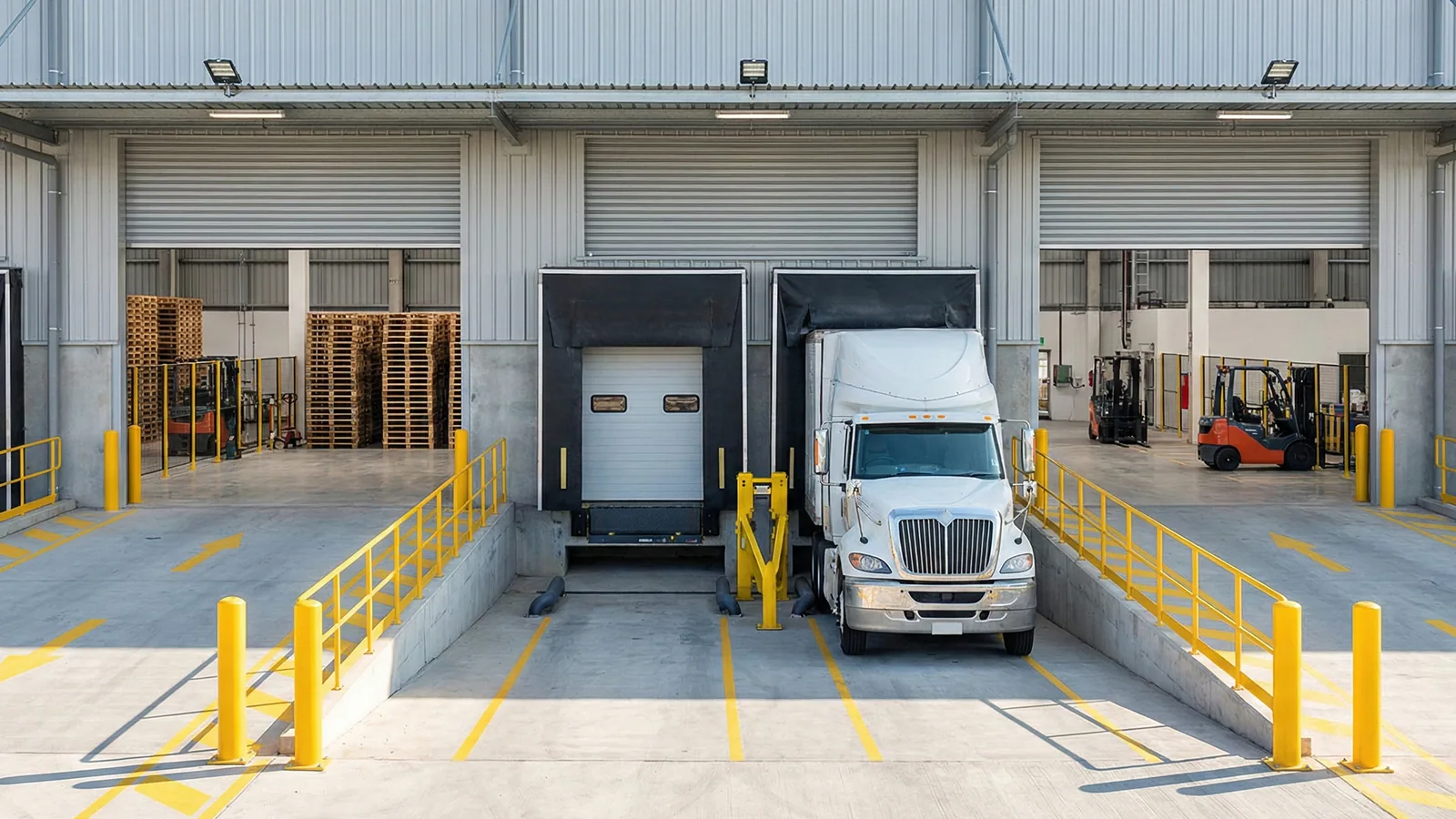
Before mobilization, the district approves crew entry, lift placement, material delivery, student routes, work hours, and the staff contact for each campus. The school identifies playgrounds, bus lanes, and entrances that remain active. The crew marks the work zone and keeps tools and materials within the authorized route.
The crew should plan each shift around a roof section it can dry-in before leaving, especially when school operations continue below. A newly exposed defect pauses the planned sequence: weather protection goes in first, then the district receives condition photos and a revised quantity for approval. At close, debris is removed, drains are checked, and access routes are restored. Facilities staff receive a brief record of completed work and remaining follow-up.
When a project spans several schools, each site gets a separate access and closeout record. A shared schedule helps district staff coordinate, but it does not replace school-specific safety instructions.
What belongs in a district roof program?
Schedule routine checks based on each roof system, age, condition, and repair history. Inspect drains, seams, edge metal, penetrations, and work completed by outside mechanical vendors. Keep dated photos and work orders by school. After rooftop equipment is added or removed, verify the flashing and close any abandoned opening.
A preventive maintenance visit can identify small conditions before a budget cycle closes. The district can group inspections geographically, then preserve findings by school so similar structures are compared without merging their records. Keep unresolved temporary repairs assigned to a contact and include a follow-up date. The district can use common labels for roof zones, work orders, and project closeouts so staff can locate the same condition later. Separate records should show whether a roof was inspected, repaired, or only protected temporarily. Before each budget review, facilities can update the status of open work and list which buildings need a new inspection or a permanent correction.
What should district facilities share before an inspection?
Send school and roof plans, past reports, leak work orders, calendar limits, campus access rules, and any scheduled equipment projects. Identify who can approve testing and repairs. We will inspect the available roof areas, document the evidence, and state what should happen next. Schedule a roof walk so facilities staff can align access and procurement planning.
School Districts FAQs
-
Can roof repairs happen while students are on campus?
Often, with district-approved hours, a separate work zone, safe lift placement, and clear student routes. The school controls campus access and notices.
-
Should the district wait for summer to replace a roof?
A school break may help with access, but an active leak needs timely protection. The work plan should match roof condition, weather, procurement, and the calendar.
-
How do you compare roof needs across multiple schools?
Use consistent building and roof-zone labels, report dates, photos, leak calls, and repair records. Keep each system’s condition distinct when prioritizing projects.
-
Can you prepare a roof scope for district bidding?
We can document observed conditions, work areas, access limits, and repair options. The district sets procurement rules and decides how proposals are solicited and evaluated.
-
What should staff do when water appears in a classroom?
Record the room, time, weather, and recent ceiling or equipment work, then protect the interior and request an inspection. The roof opening may be elsewhere.
Related Roofing Work

Downtown and Civic Neighborhood
Learn More
Rockwood
Learn More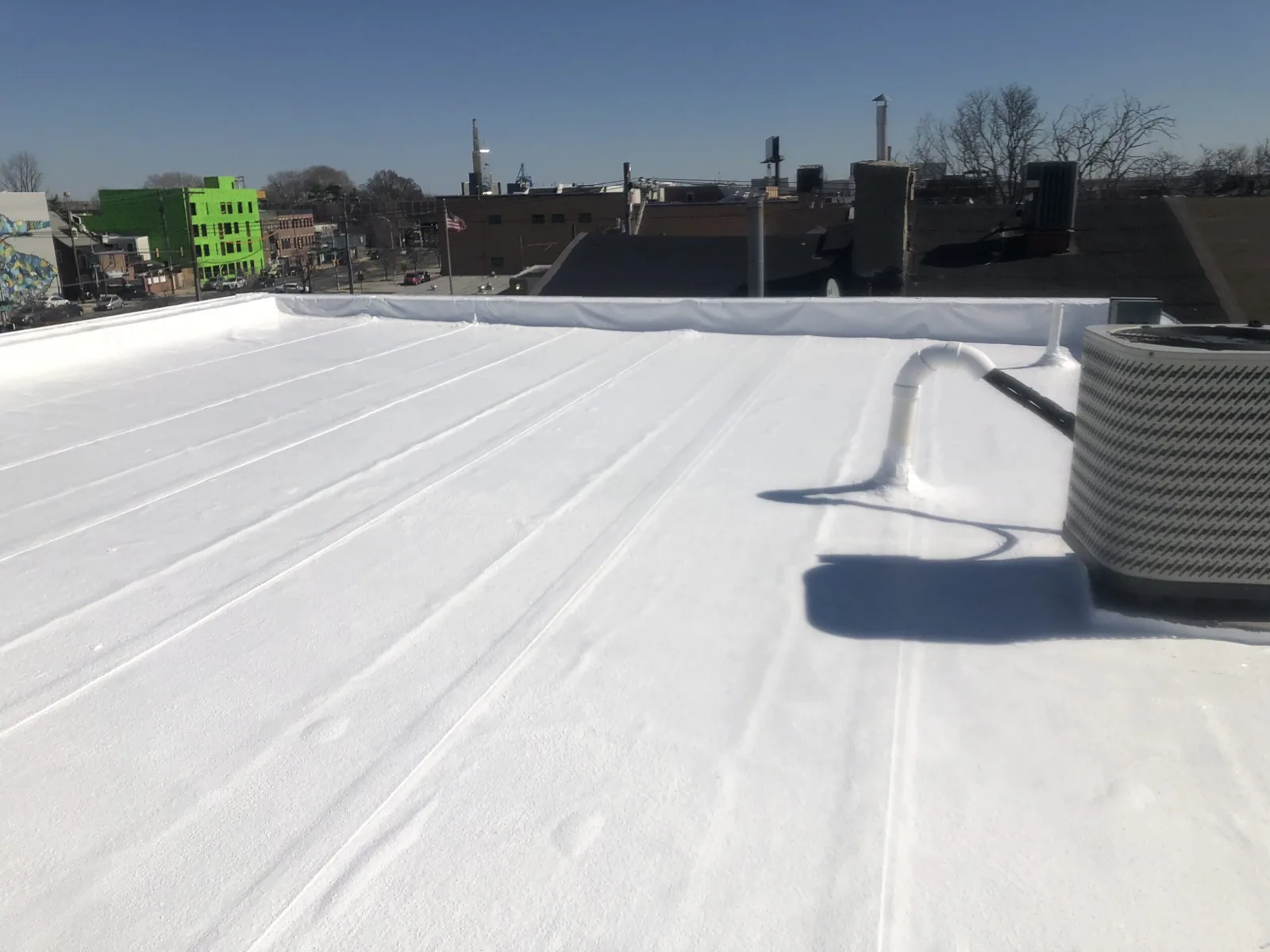
Commercial Roof Inspection
Learn More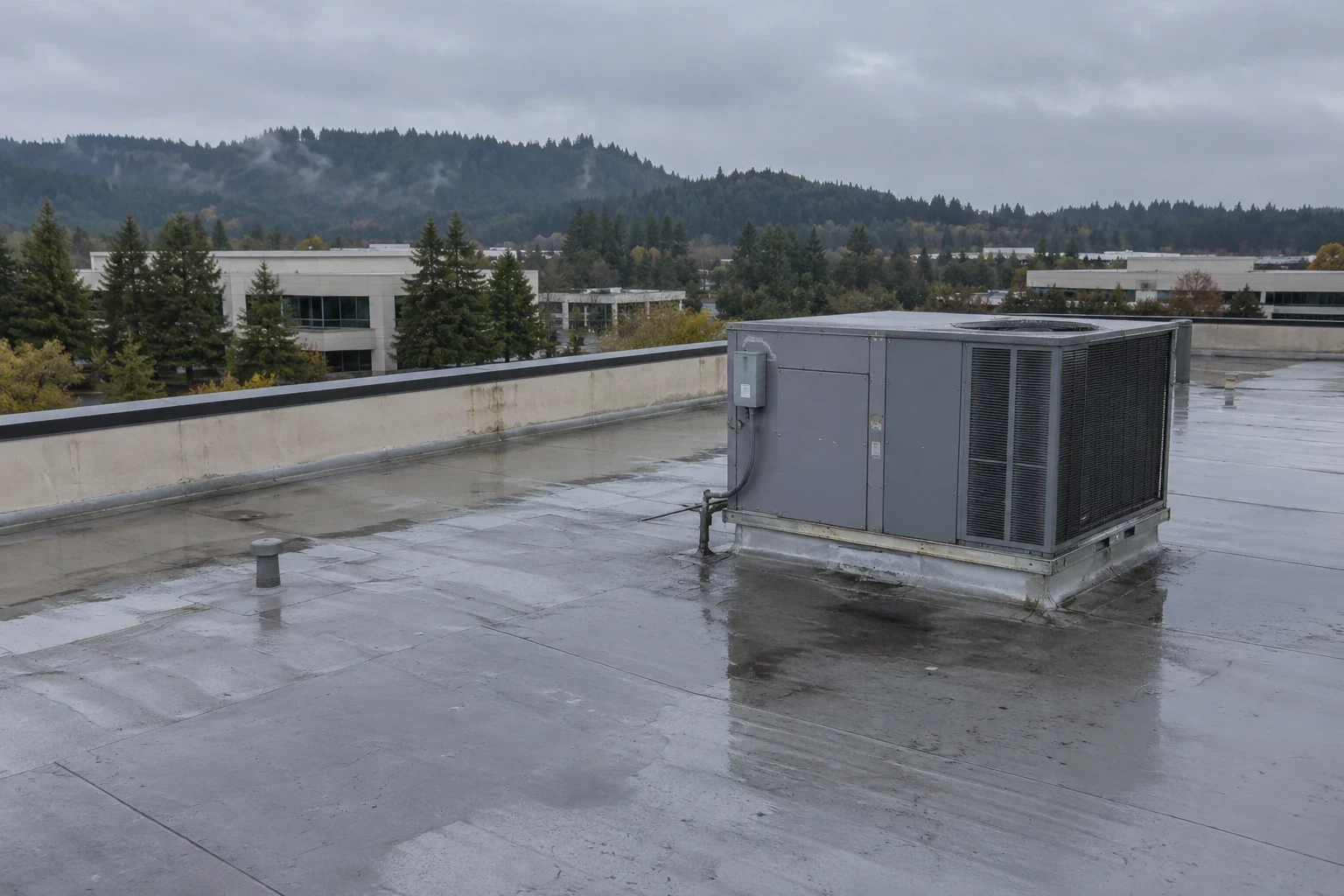
Property Management Companies
Learn More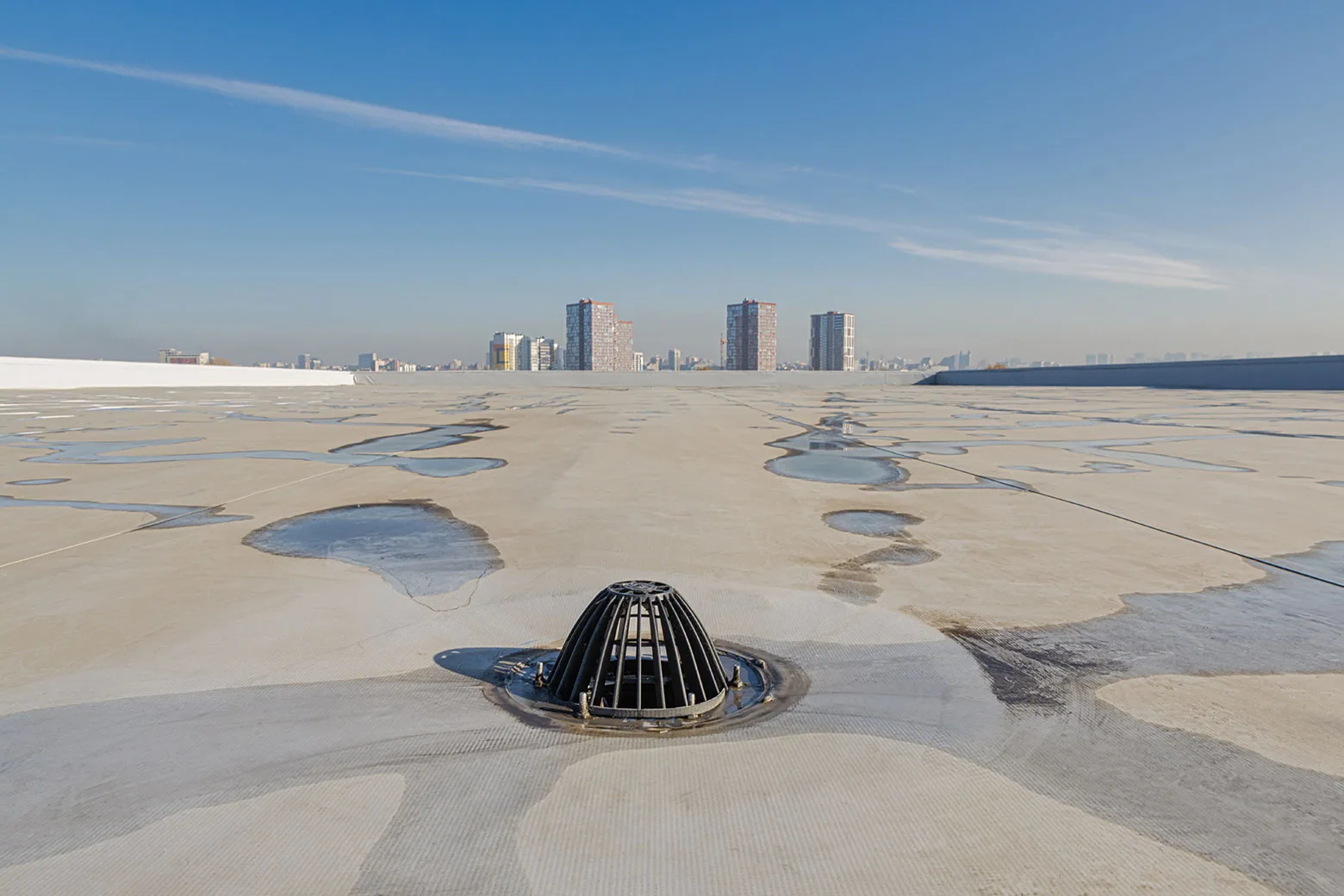
Commercial Roof Drains and Scuppers
Learn More
Commercial Roof Condition Reports
Learn MorePlan a district roof review
Request a roof assessment in Gresham
We will inspect approved school roof zones, document findings by campus, and provide a clear repair or capital scope for district facilities review. Tell us about the building, the roof and what you are seeing. Call 555-555-5555, email [email protected] or send the details through our contact page and we will set up a time to walk the roof.