
KEE Roofing in Gresham, OR
Review a KEE system for the exposure
- Home
- Roof Systems
- KEE Roofing
Exhaust discharge, kitchen grease, and service traffic can change how a low-slope roof performs. KEE is a ketone ethylene ester modifier used in some PVC-based membranes. The product formulation, reinforcement, thickness, and system details determine what the assembly can handle. We inspect the existing roof and identify actual exposures before recommending a KEE system. Gresham's industrial lands include processing, manufacturing, and distribution. Before specifying chemical resistance, identify exhaust discharge and cleaning materials at the actual roof. We ask what reaches the membrane, where equipment sits, and how technicians access it. A roof inspection documents the substrate and transitions. The system review then compares KEE with other membranes using the project's requirements rather than a material label alone.
What should be confirmed before specifying KEE?
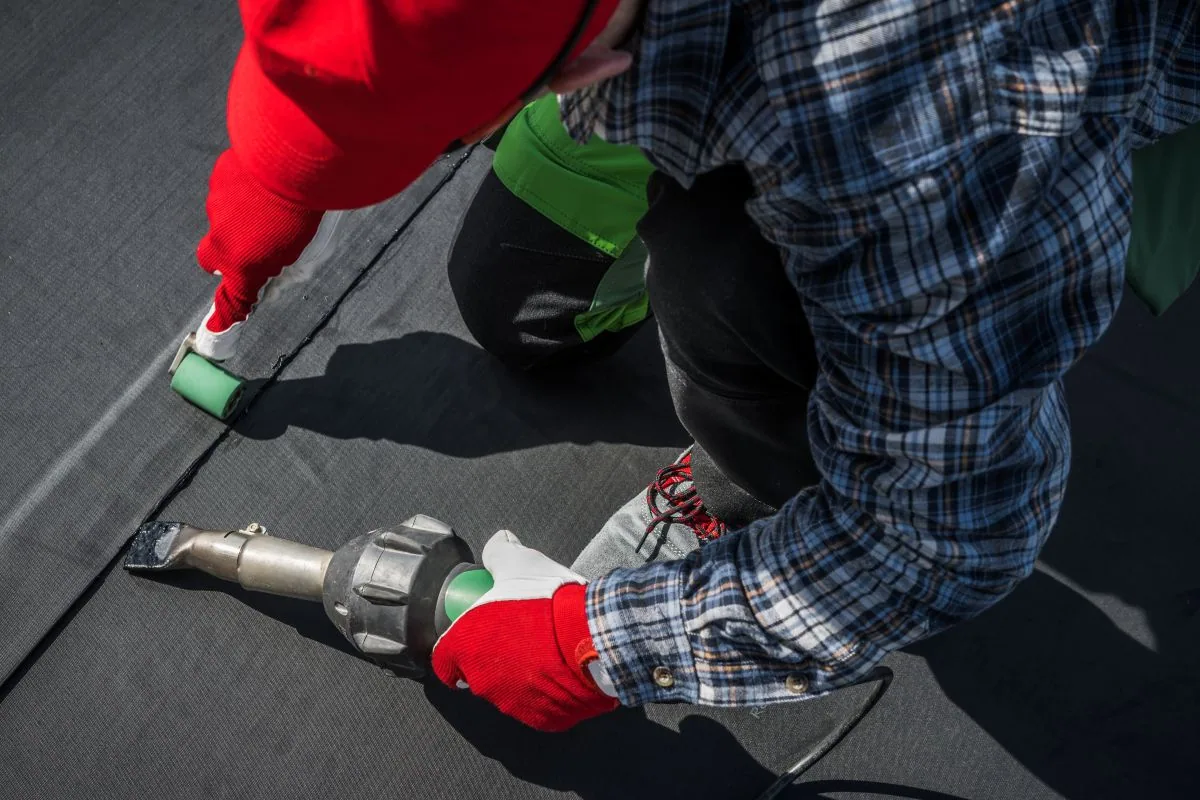
Start with the existing substrate and surface. We identify the membrane, repairs, coatings, seams, flashings, drains, and penetrations. If a previous system or cleaner left residue, that can affect preparation and bonding. Product data and approved assembly details should confirm compatibility with the deck, insulation, attachment, and expected exposure. We compare the membrane label and exposed sheet with the available roof record; if the product or covered layer remains unclear, test an accessible area before selecting a repair method.
KEE membranes are PVC-based, but formulations differ among products. The specification should name the manufacturer system and details, including reinforcement, thickness, flashing materials, and seam method. A KEE designation does not mean every sheet will perform identically or tolerate every chemical. We match the product information with the discharge, maintenance traffic, and operating conditions at the building.
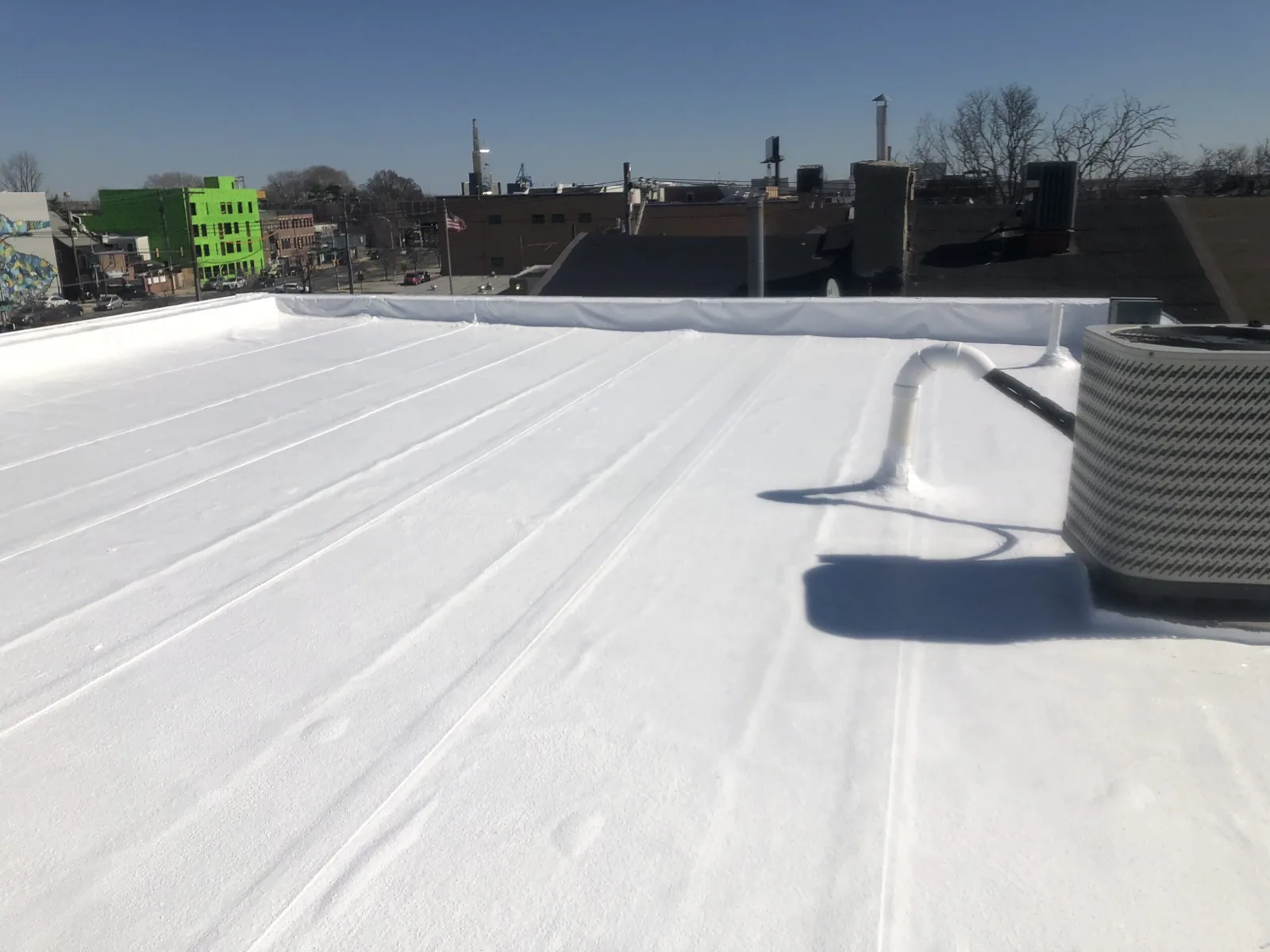
Drain and edge details need the same attention as field membrane. We check the drain bowl, scupper, parapet, curb, pipe boot, and perimeter termination for compatible flashing and secure attachment. A drainage check can determine whether low areas or blocked outlets need correction before the system is installed. The finished roof should keep water moving and preserve access to service points.
How can chemical or mechanical exposure affect the sheet?
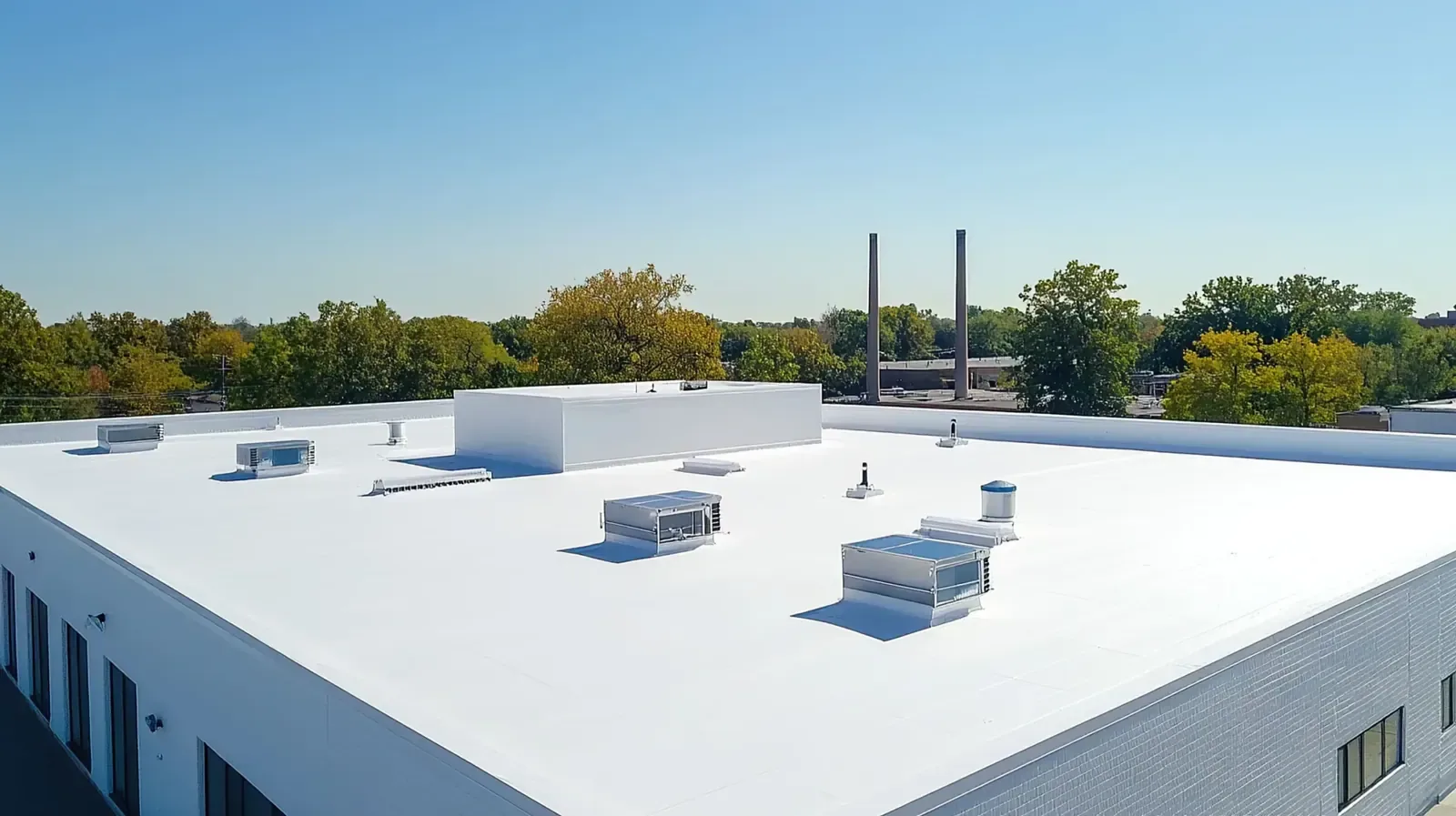
Grease, oils, solvents, cleaning products, and process residues can interact with roof membranes in different ways. We identify the exhaust discharge and membrane contact area, then compare that exposure with the selected product's resistance and limitations. If residue is present, the surface may need a compatible cleaning method or a different membrane selection. The system should be chosen from exposure evidence, not from a generic claim that one plastic handles all industrial discharge.
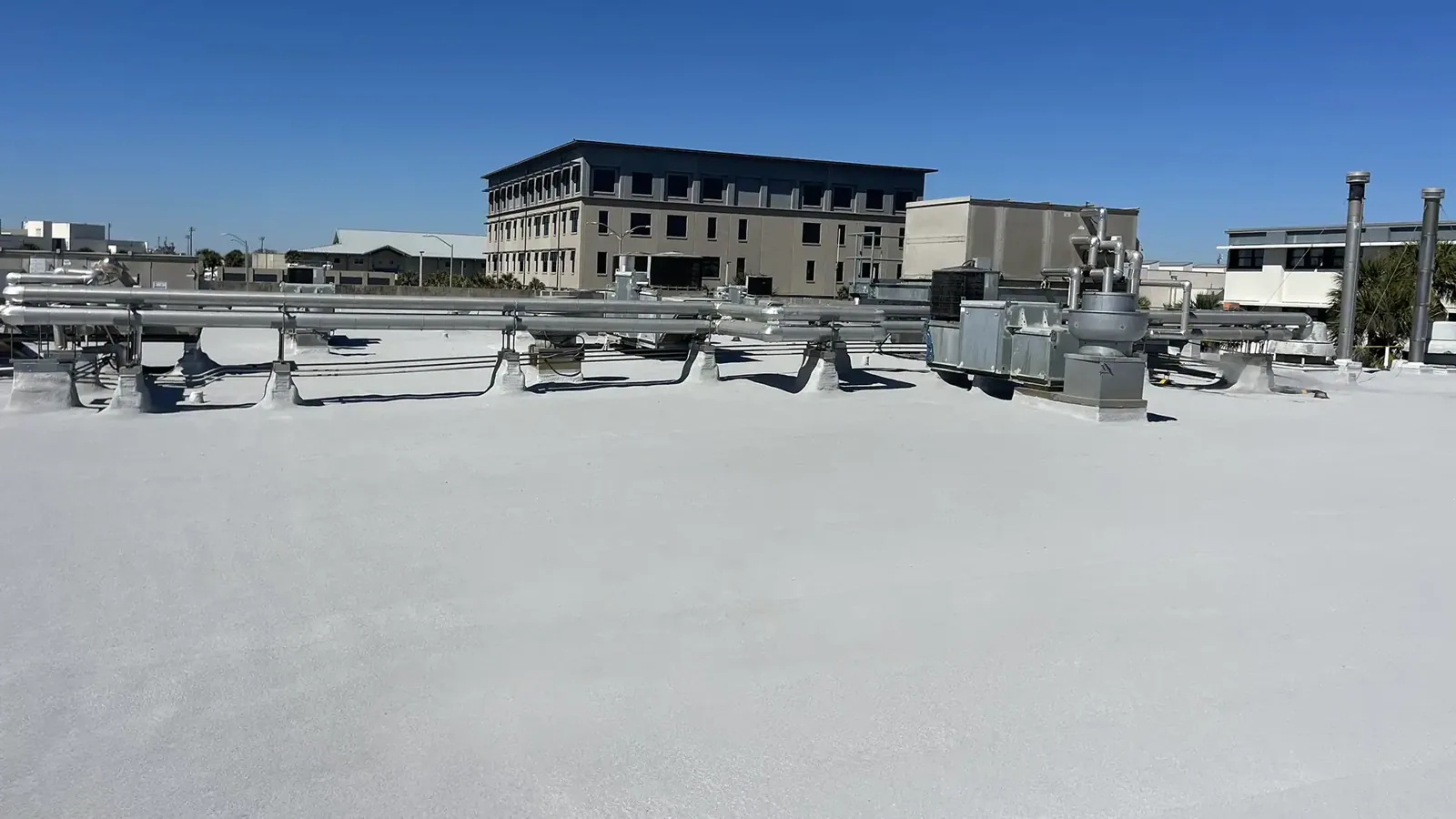
Mechanical wear can occur where technicians pull hoses, move tools, or service units. A walkway or protection layer may be specified at repeated travel routes. Support bases should not crush insulation or puncture the membrane. We inspect curbs and supports with the maintenance team and coordinate any repair with the equipment contractor. We identify who is responsible for each transition.
At seams, poor preparation or inconsistent welding can leave a weak connection. We inspect representative seams and transitions, probe suspect areas, and use compatible repair materials. Water that enters near a drain or curb can move below the field sheet. If insulation moisture is in question, moisture testing can guide targeted openings and repair boundaries.
How does KEE compare with other membranes?
KEE and conventional PVC are both thermoplastic membranes with heat-welded seams, but KEE modifies the polymer blend. The relevant product's data sheet states its formulation and performance claims. TPO is another thermoplastic sheet with its own formulation and system details. EPDM uses different seam and flashing methods. The owner should compare compatibility, attachment, puncture resistance, repair procedures, rooftop traffic, and the project requirements.
A PVC membrane may suit a roof where product-specific chemical resistance and weldable details fit the exposure. A TPO assembly may meet other project needs. We review the product literature and existing conditions rather than transfer a rating from one formulation to another. If chemical compatibility cannot be confirmed, the manufacturer or designer should clarify it before product selection.
Recover eligibility depends on existing roof layers, moisture, deck condition, added weight, and code. Wet insulation or incompatible surfaces can make removal the better path. If replacement is needed, a replacement evaluation defines deck, insulation, cover board, membrane, and flashing work as a complete assembly. A recover assessment documents whether current layers may remain.
Where do Gresham's industrial uses matter?
Gresham's traded-sector strategy identifies food processing, electronics, medical devices, semiconductors, manufacturing, and specialized machinery. Those sectors can use rooftop equipment or ventilation, but the roof's actual discharge and traffic need on-site review. We ask facility staff which units exhaust above the roof, what gets cleaned, and where service personnel walk. Those answers inform surface preparation, walkway protection, and product review.
Gresham Vista Business Park includes food processing, manufacturing, technical services, and logistics. Southshore Corporate Park has industrial and high-tech operations along the I-84 and Columbia River corridor. Roof work in either setting needs a confirmed delivery route and work zone. Park context helps plan access, but the operator sets the site's actual rules.
Portland International Airport averages 157 days with measurable rain, most from fall through spring; plan seams, drains, and daily closeout for the wet season. We schedule cleaning, priming, and welding when the roof surface is dry enough for the specified product. The forecast and surface condition guide the work each day. A shift in weather may change which roof zone is opened or closed.
What does a KEE installation or repair involve?
For a new system, crews remove or prepare the existing assembly under the approved scope, correct deck or insulation conditions, and install the specified substrate and membrane. Seams are heat welded, and flashings are fitted around drains, curbs, pipes, parapets, and equipment supports. We follow the product and project requirements for temperature, preparation, attachment, and inspection. Each work zone is made watertight before crews move on.
For a repair, we confirm that the existing sheet is KEE or compatible PVC-based membrane, clean and prepare the area, and weld compatible material to sound membrane. If the roof system is unknown, records or testing may be needed before repair. We photograph the repair, identify adjacent exposure or traffic concerns, and state whether further testing is recommended. A maintenance schedule can track seams, drains, and equipment transitions.
Occupied sites require delivery, shutdown, and access planning. We confirm air intakes, equipment service routes, loading activity, and the facility's work hours. For a multi-building owner, condition reporting can keep KEE system details and repair history aligned across properties. Each report remains tied to the roof actually inspected.
What should the specification say?
Review the exact membrane product, formulation, reinforcement, thickness, attachment, substrate, seam method, flashings, and approved details. Confirm product-specific resistance for any chemical or residue documented at the site. The scope should cover drainage, curbs, edge metal, walkways, surface preparation, daily dry-in, and concealed conditions. It should also state who approves changes if test results or tear-off expose a different assembly.
Southshore and Gresham Vista have varied industrial and commercial uses, but the site's inspection findings control the roof choice. We can review the exposure, document assembly conditions, and coordinate a product submittal with the project team. If a claim about resistance cannot be traced to the selected product, we leave it out of the recommendation and ask for manufacturer confirmation before installation.
KEE Roofing FAQs
-
Is KEE the same as standard PVC roofing?
KEE is a modifier used in some PVC-based membrane formulations. Product compositions and claims vary. We check the specific product data, reinforcement, thickness, and system details instead of assuming one formulation matches another.
-
Does KEE resist every chemical from a rooftop exhaust?
No membrane should be selected from a broad label alone. We identify the discharge, concentration, contact pattern, and product-specific published resistance. If compatibility is uncertain, the manufacturer or designer should clarify the choice before installation.
-
Can KEE be heat-welded for repairs?
Compatible KEE or PVC-based sheets can be joined using the specified heat-weld method. We confirm the existing material, prepare sound membrane, and inspect the completed weld. Unknown coatings or contamination may require testing first.
-
Can KEE be installed over an old roof?
Only when moisture, substrate, deck support, attachment, added layers, drainage, and code allow a recover. We inspect and test the existing assembly before recommending that approach. Wet or incompatible materials may need removal.
Related Roofing Work
Commercial Roof Inspection
Learn More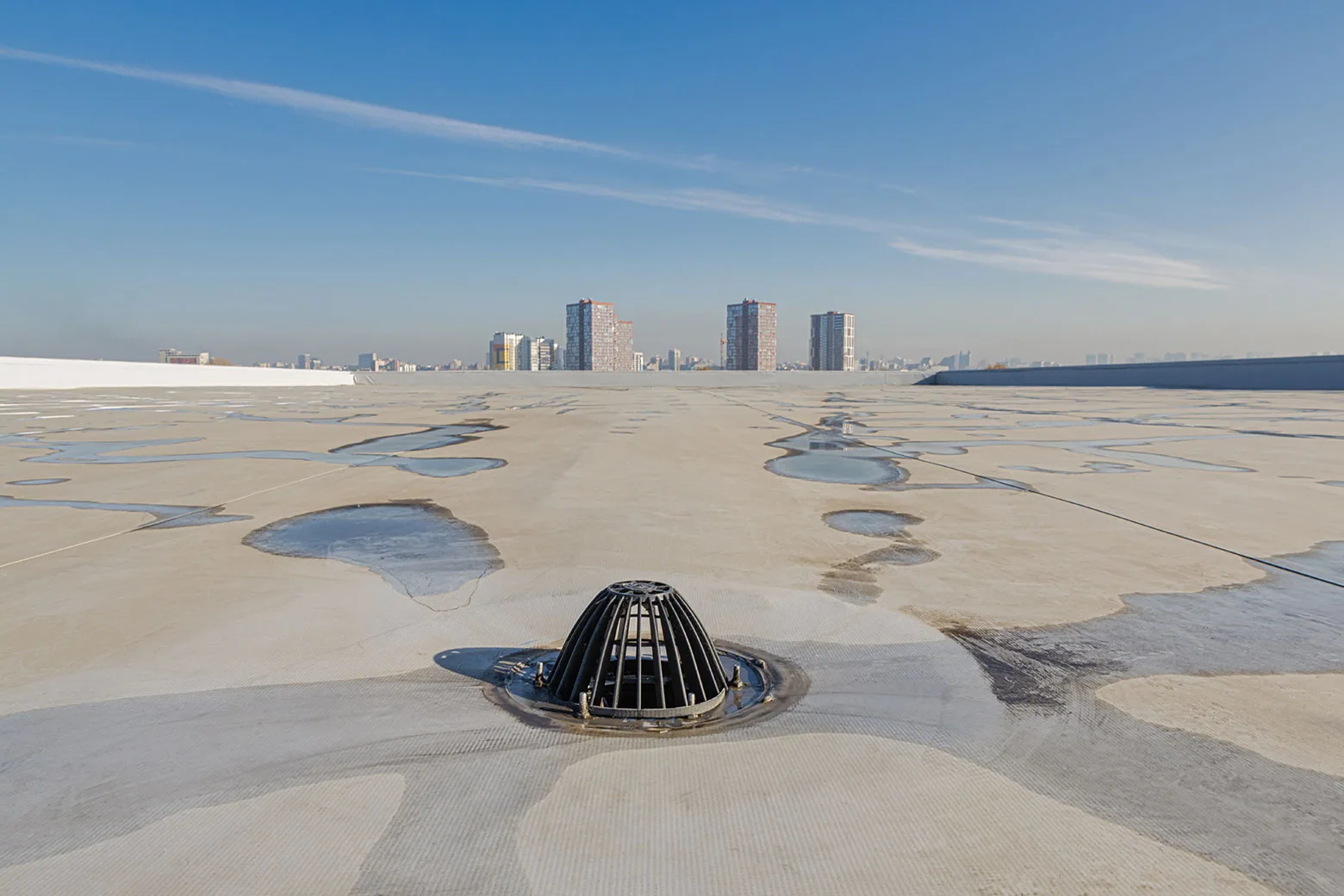
Commercial Roof Drains and Scuppers
Learn More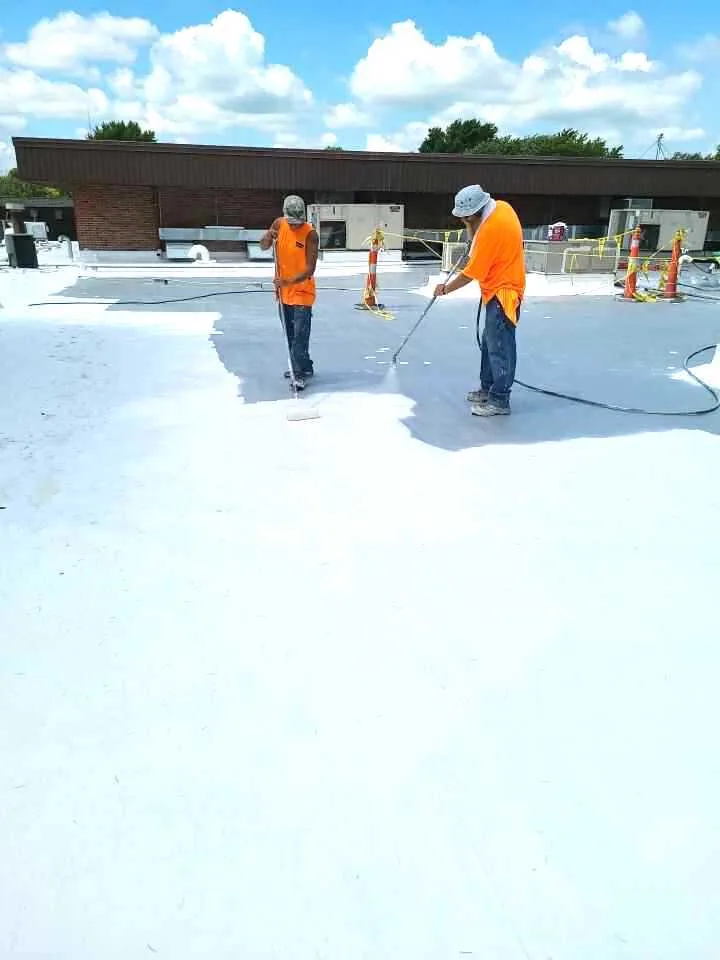
PVC Roofing
Learn More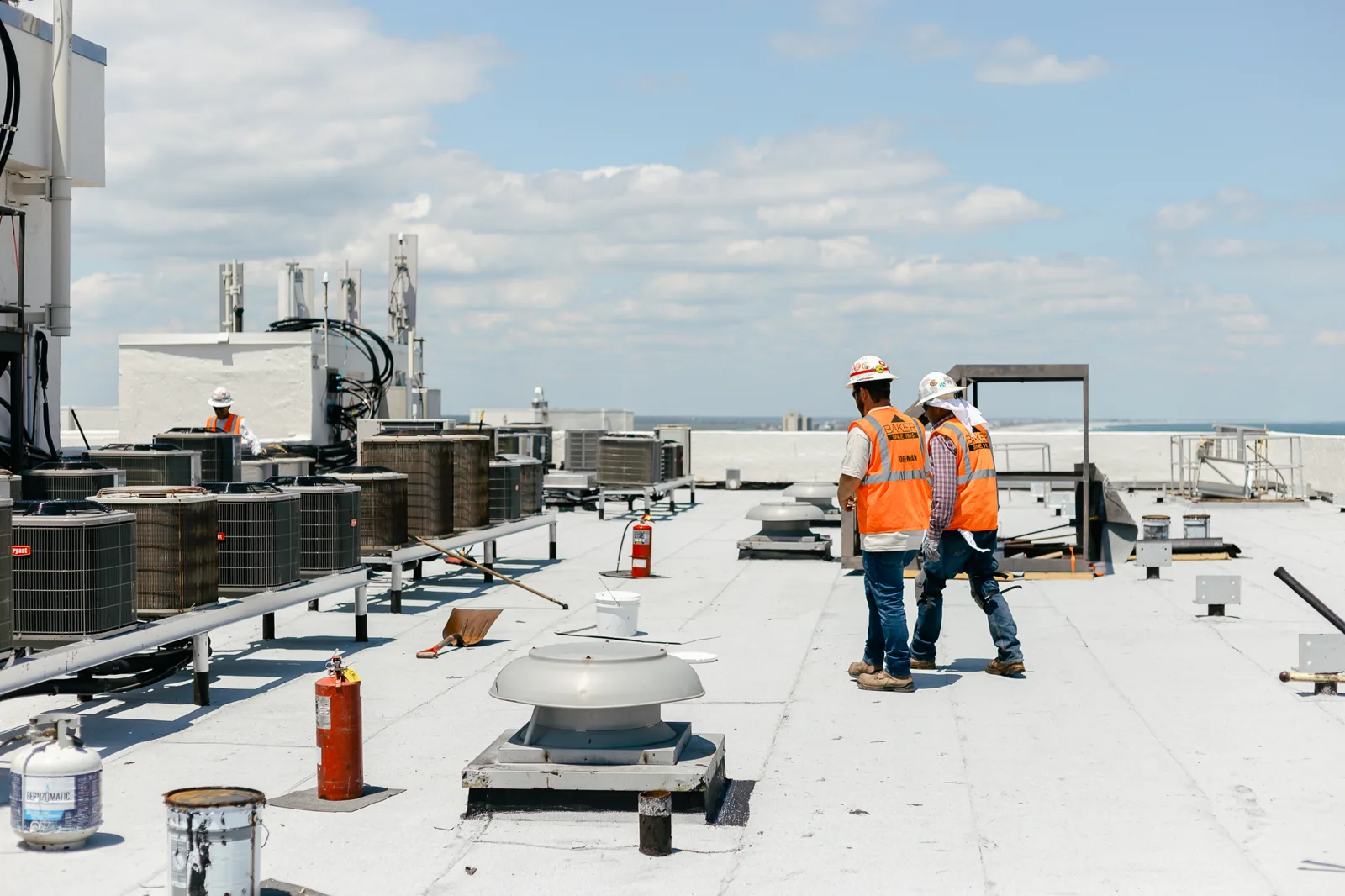
TPO Roofing
Learn More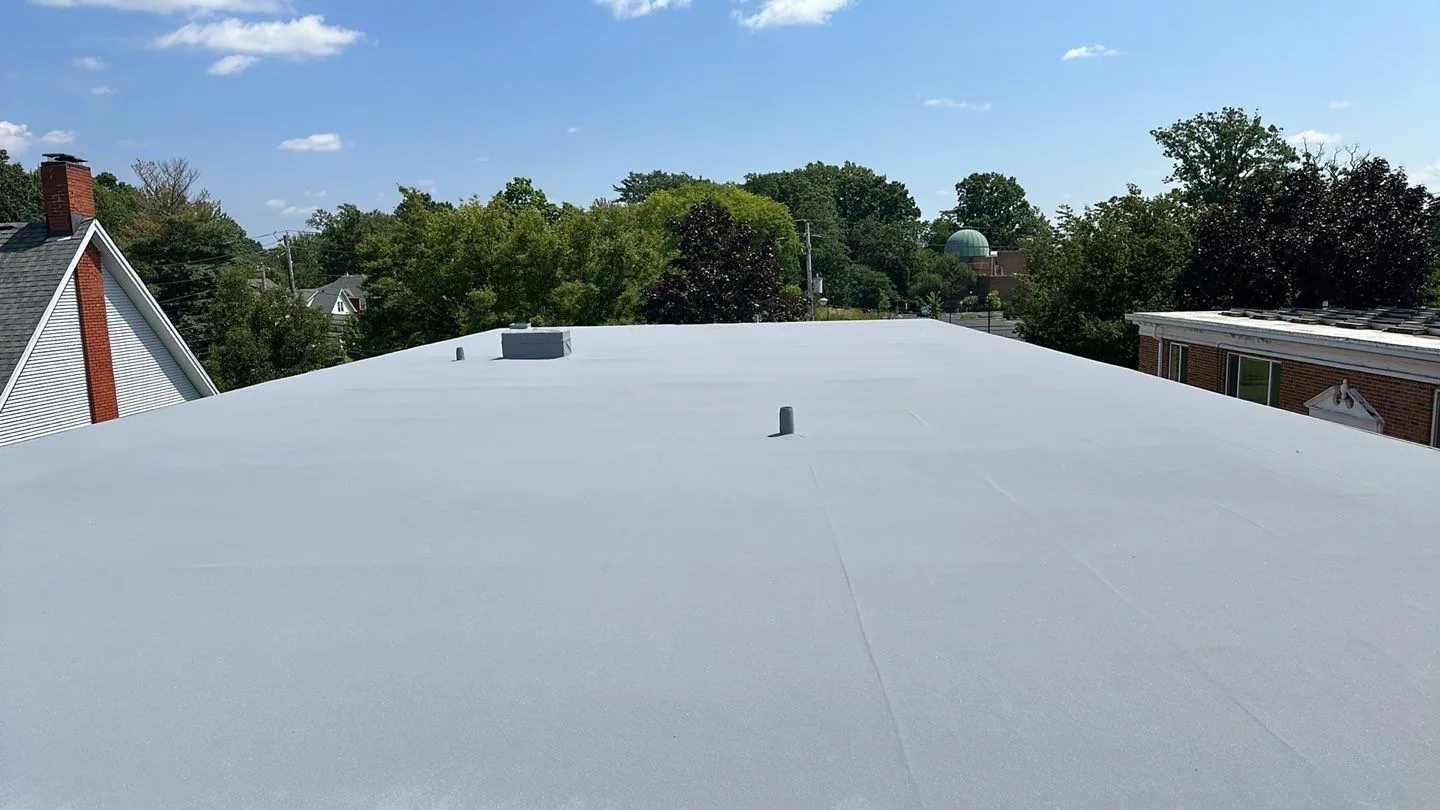
Commercial Roof Replacement
Learn More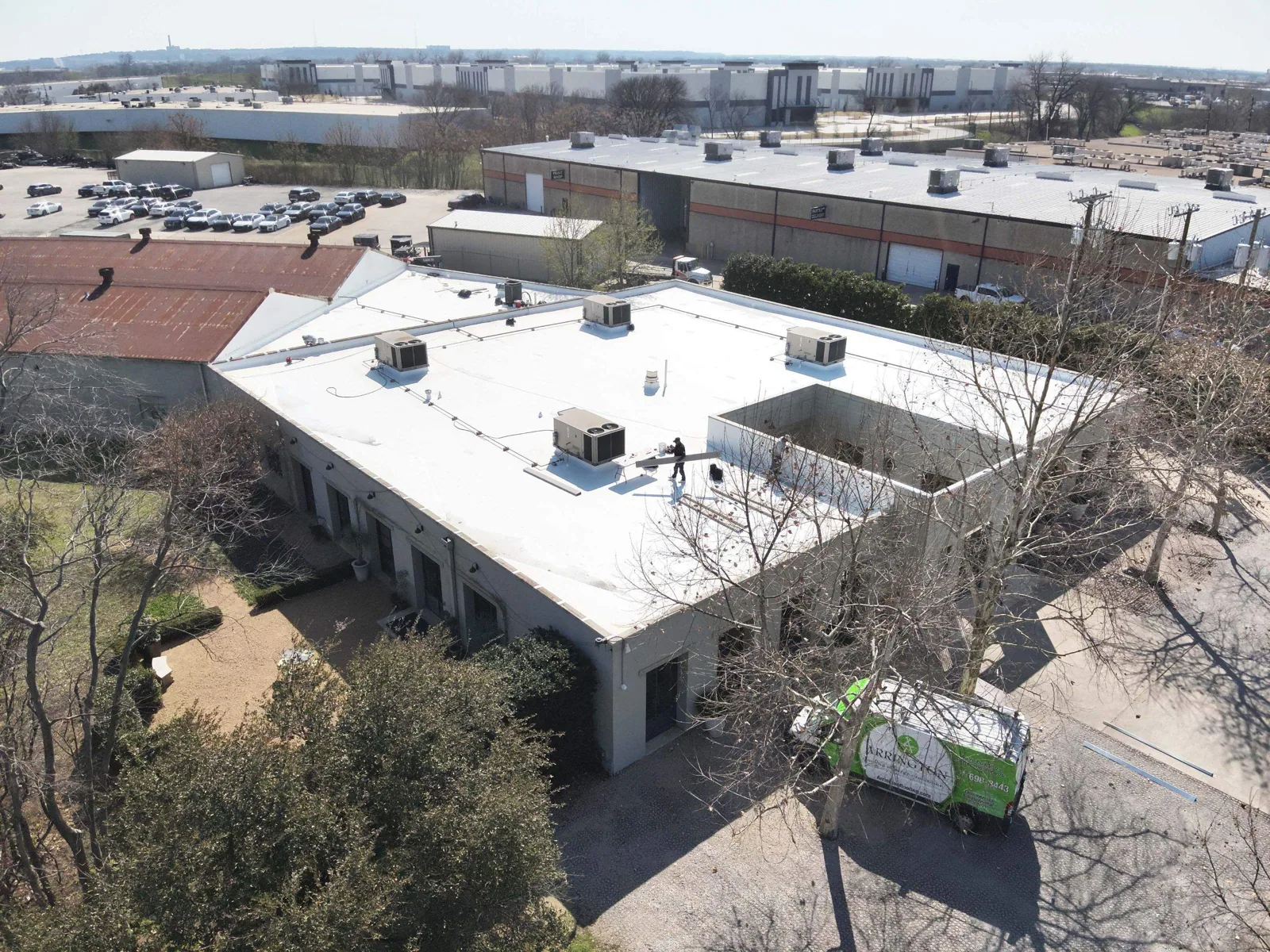
Commercial Roof Recover
Learn MoreReview a KEE system for the exposure
Request a roof assessment in Gresham
We will document the roof and discharge conditions, check product requirements, and coordinate a KEE scope with your Gresham facility. Tell us about the building, the roof and what you are seeing. Call 555-555-5555, email [email protected] or send the details through our contact page and we will set up a time to walk the roof.