
About Commercial Roofing Gresham
Commercial roofing for Gresham and East Multnomah County
- Home
- About
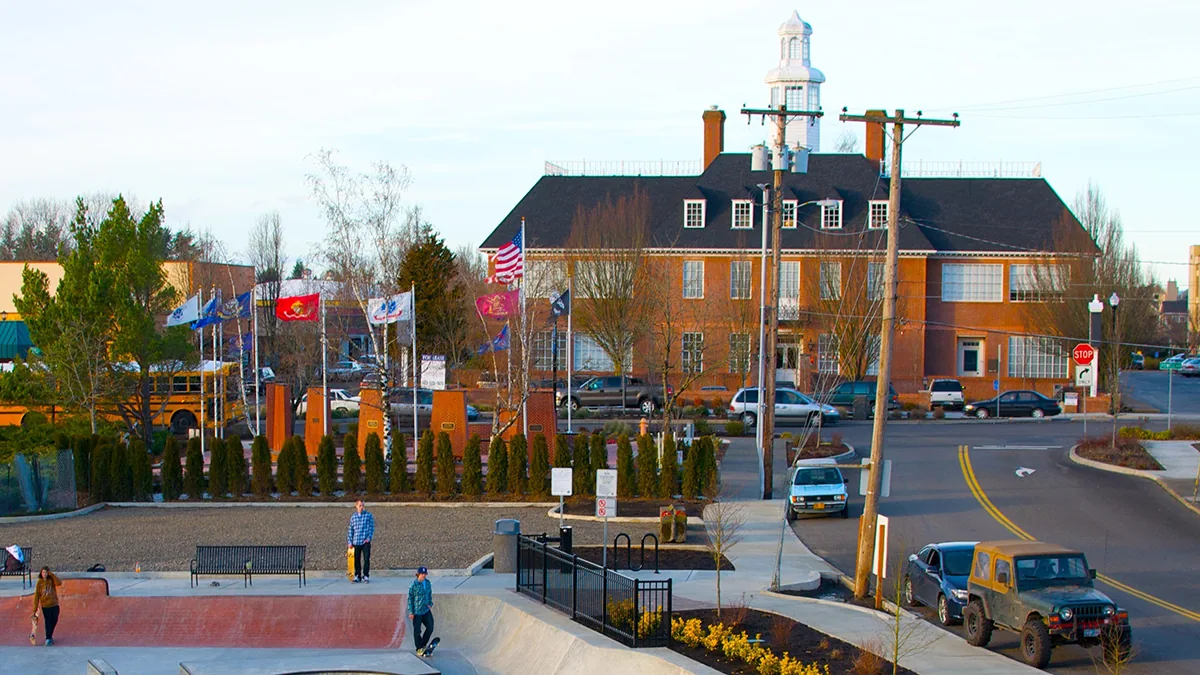
How We Work in Gresham
A production line, clinic, school, or distribution floor cannot pause every time a roof needs attention. We plan commercial roof work around the building below and the assembly above it. That starts with a hands-on inspection of seams, drain bowls, curbs, penetrations, and edge metal. We document what is open, what needs a closer look, and which repairs can wait for a planned access window. Gresham’s mix of industrial, institutional, and commercial properties calls for scopes that fit each building’s use.
Commercial Roofing Gresham works on low-slope and metal roofs across the east Portland metro. Our work includes repair, replacement, recover overlays, restoration, inspections, moisture surveys, and preventive maintenance. We also prepare condition reports and insurance claim documentation. A decision is easier to schedule when the owner can see the condition and identify the work zone.
Start with the roof that is there
Roof records do not always match the surface now in place. We look for membrane type, attachment, repairs, transitions, drainage, and the details around rooftop equipment. A seam opening may call for a different response than wet insulation or a drain bowl that cannot clear water. A commercial roof inspection records visible conditions and the next questions. An infrared moisture survey can help identify concealed wet areas when weather and roof construction suit the method.
The inspection also considers how the building operates. An equipment route may cross a tenant area. A loading dock may need to stay clear. A clinic, school, or manufacturer may have occupied hours that leave only a narrow window for access. We identify who approves entry and who can clear each work zone.
Match the scope to the condition
A sound area does not need the same treatment as a failed detail. We separate repairable conditions from broader assembly concerns. A localized opening may be suited to a commercial roof repair. A roof with recurring failures or widespread deterioration may warrant a replacement plan. An overlay or restoration is considered after review of the existing roof, moisture, drainage, and attachment.
Material compatibility matters at every tie-in. TPO, PVC, EPDM, modified bitumen, built-up roofing, standing-seam metal, and coating systems each have their own seams, flashing, and repair requirements. We identify the installed material before selecting a repair or new assembly. Deck and insulation condition, drainage, equipment, energy goals, phasing, and access also affect the choice.
When water is active, response comes first. Our emergency roof repair service is available around the clock, including weekends and holidays. We limit further entry, make the area safer, and record conditions for the permanent scope. The written recommendation separates temporary protection from lasting repair and sets out follow-up.
Keep the building in operation
Occupied work begins with a conversation about doors, docks, tenant notices, safety controls, and production or patient schedules. We identify staging and access needs, then coordinate the work zone with the property contact. Noise, odors, hot work, material movement, and rooftop equipment affect the sequence. Some jobs move in sections. Others need a shutdown or weather window. We put those constraints into the scope so the building team can plan the next outage.
During a repair or reroof, the roof must be protected at each shift change and when weather interrupts the work. Crews close open areas, secure materials, and keep temporary protection aligned with the scope. If removal exposes a condition that changes the repair, we document it before work moves forward.
Plan for Gresham’s operating conditions
Gresham’s industrial lands include distribution, food and beverage processing, semiconductor and other high-tech work, aircraft frame assemblies, building components, hydraulics, tubing, and packaging. Those uses bring different equipment and access needs. Southshore Corporate Park sits at Gresham’s edge beside I-84 and the Columbia River, with manufacturing, distribution, processing, high-tech, and support businesses. Freight and production schedules can shape roof access.
Portland International Airport averages 157 days with measurable precipitation each year and 31.7 days with freezing overnight minimums. That pattern puts clear drains, sound penetrations, temporary dry-in, and freeze-thaw details on a Gresham roof inspection list.
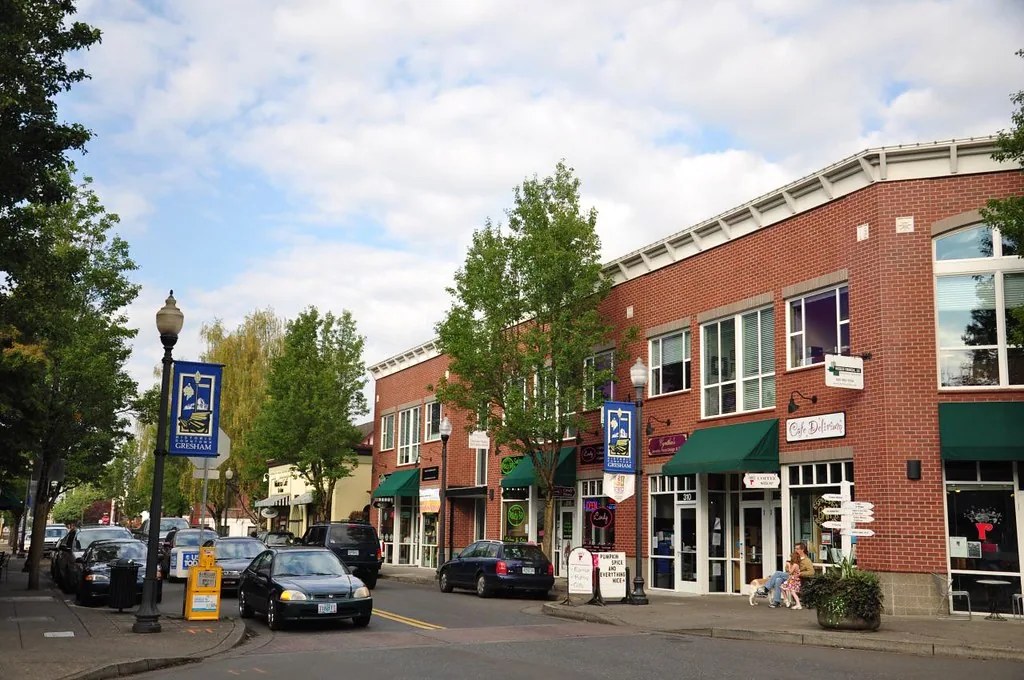
Gresham’s Downtown, Civic Neighborhood, and Rockwood are three principal commercial centers. Their uses differ from industrial properties near the freight network. An inspection in Downtown and Civic Neighborhood can account for access around commercial and civic activity, while work near the I-84 and 181st employment cluster may require a different delivery and equipment route plan.
Leave the owner with a usable record
After a survey, the owner needs information for a decision. A condition report can show roof areas, visible defects, photographs, priorities, and items for further investigation. We distinguish a visible condition from a confirmed cause. That matters when an interior leak appears far from the roof opening or water has moved through insulation.
A written scope lays out work, sequence, and cost or schedule drivers. These may include tear-off depth, wet insulation, deck repairs, edge details, equipment handling, crane access, disposal, and weather protection. It can separate urgent stabilization from capital work and identify findings that may change the recommendation.
Where a weather event has damaged a roof, photographs and dated observations can support an insurance discussion. Documentation does not determine coverage. We can prepare roof insurance claim documentation that connects observed conditions with the repair scope, without promising a carrier decision.
Use maintenance to manage the next decision
Preventive maintenance is useful when it records what changed since the prior visit. A roof walk can check drains, scuppers, seams, flashings, curbs, edge metal, and accessible rooftop equipment. Debris removal and small repairs may reduce the chance that a manageable condition becomes an interior interruption. A maintenance program gives the property team a repeatable way to log findings, track repairs, and prepare for seasonal access.
The record also supports capital planning across more than one property. An owner can compare condition, urgency, and likely scope without treating every roof as the same age or assembly. We can help organize inspections and repair priorities through multi-site roof programs. The work still begins at each building, where drainage, penetrations, materials, and operating needs determine the next step.
When a roof reaches the end of its useful repair life, timing can account for tenant commitments, production cycles, and weather. A phased project may keep an occupied building active, subject to roof design and site conditions. We identify where work starts, what stays protected, and when a zone can reopen.
Where We Work
Commercial roofing across Gresham and the communities around it, including:
Questions Owners Ask Us
-
What should our first roof meeting cover?
Bring any roof plans, repair invoices, leak dates, and access restrictions you have. We will compare that history with the roof's visible condition, ask which interior areas are affected, and learn when equipment or tenant access can be arranged. The first walk should end with a defined inspection scope and a clear record of what still needs confirmation.
-
Can work continue while our facility stays occupied?
A phased sequence often makes that possible, but roof access, noise, odor, material movement, and safety controls determine the plan. We coordinate the work zone and occupied hours with your facility contact. If a task needs a shutdown or restricted equipment window, we identify it before scheduling that phase.
-
How do you decide between repair and replacement?
We compare the number and spread of failures with the condition of the surrounding assembly. A repair is reasonable when the defect is limited and sound material can receive a compatible tie-in. Widespread moisture, recurring openings, or failing attachment may change the scope. The report explains the evidence behind the recommendation and any remaining uncertainty.
-
What changes the schedule for a commercial roof project?
Weather, access, material availability, tear-off findings, equipment handling, and occupied-hour limits can all affect sequence. Rain protection has to be ready before an area is opened. We identify the work windows and decision points in the scope, then adjust if concealed conditions materially change the plan.
Talk to Us About Your Roof
Request a roof assessment in Gresham
Tell us about the building, the roof and what you are seeing. Call 555-555-5555, email [email protected] or send the details through our contact page and we will set up a time to walk the roof.