
Commercial Roofing for Property Management Companies in Gresham, OR
Coordinate a property roof review
- Home
- Industries We Serve
- Property Management Companies
A property manager carries roof decisions across tenants, ownership, vendors, and budgets. A useful roofing scope gives each person a clear next step: protect an active leak, approve a repair, schedule access, or plan capital work. We start with the building, the reported condition, and who can authorize the work. Gresham links historic Downtown and Civic Neighborhood with Rockwood through commercial corridors, while individual properties follow their own lease and access rules. A commercial roof inspection gives the manager a documented condition to share with ownership.
How can a manager coordinate several stakeholders?
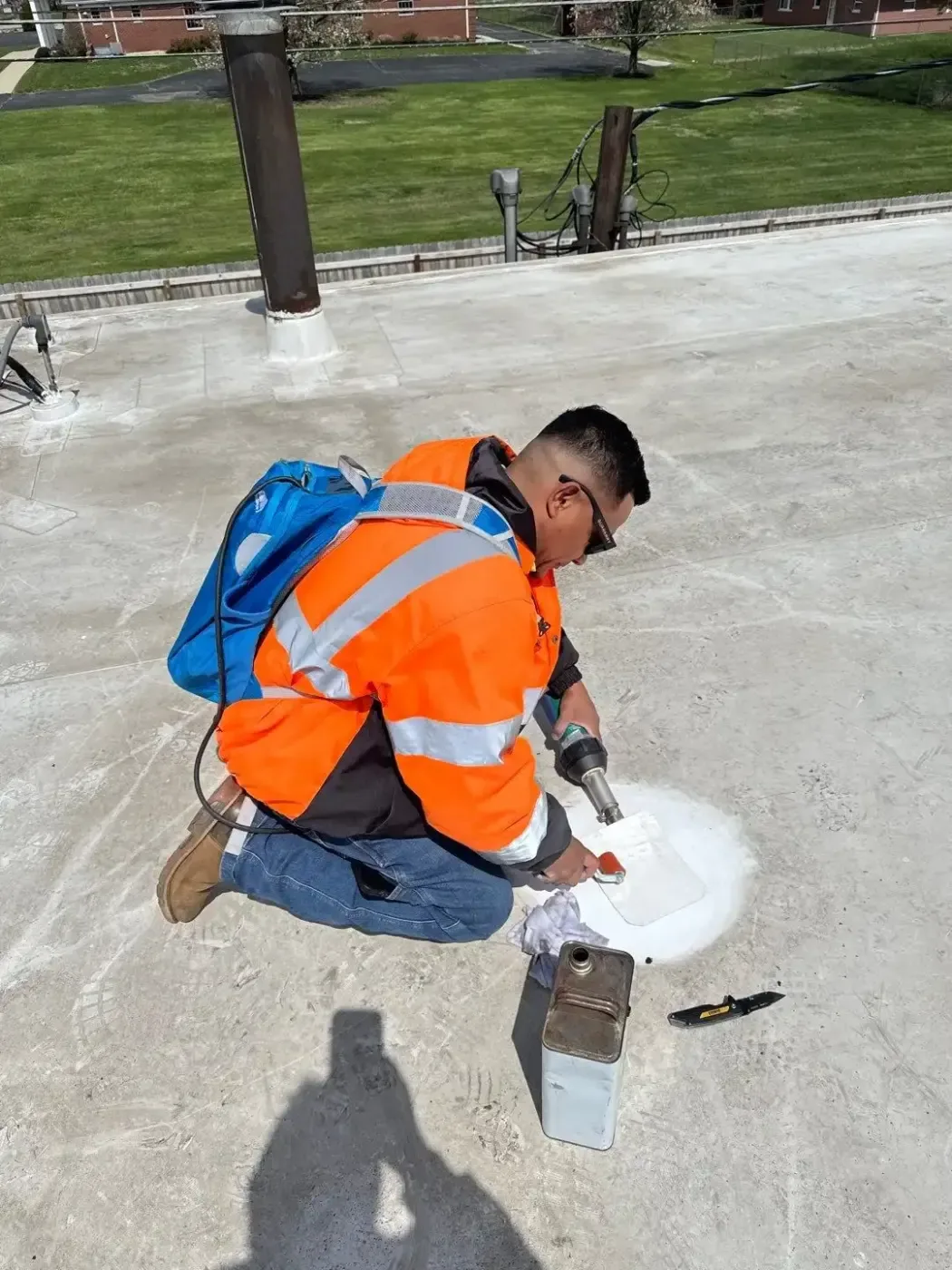
Before the roof walk, identify the property contact, tenant representative, building engineer, and person with repair authority. Confirm notice periods, business hours, loading routes, roof keys, and areas that cannot be entered. We plan the visit around those controls and record access limits so a follow-up crew knows what was approved.
Responsibility can differ between a leased suite, common area, and rooftop unit. We map the physical roof detail and identify which vendor owns each equipment connection. Lease interpretation stays with the owner and property team; the inspection clarifies where water enters and what roofing work is required. A real estate owner roof review can help align the property record with investor reporting and capital decisions. If the portfolio includes civic or public-service buildings, a public agency roof plan may require additional procurement and access coordination.
What makes a roof issue recur across tenants?
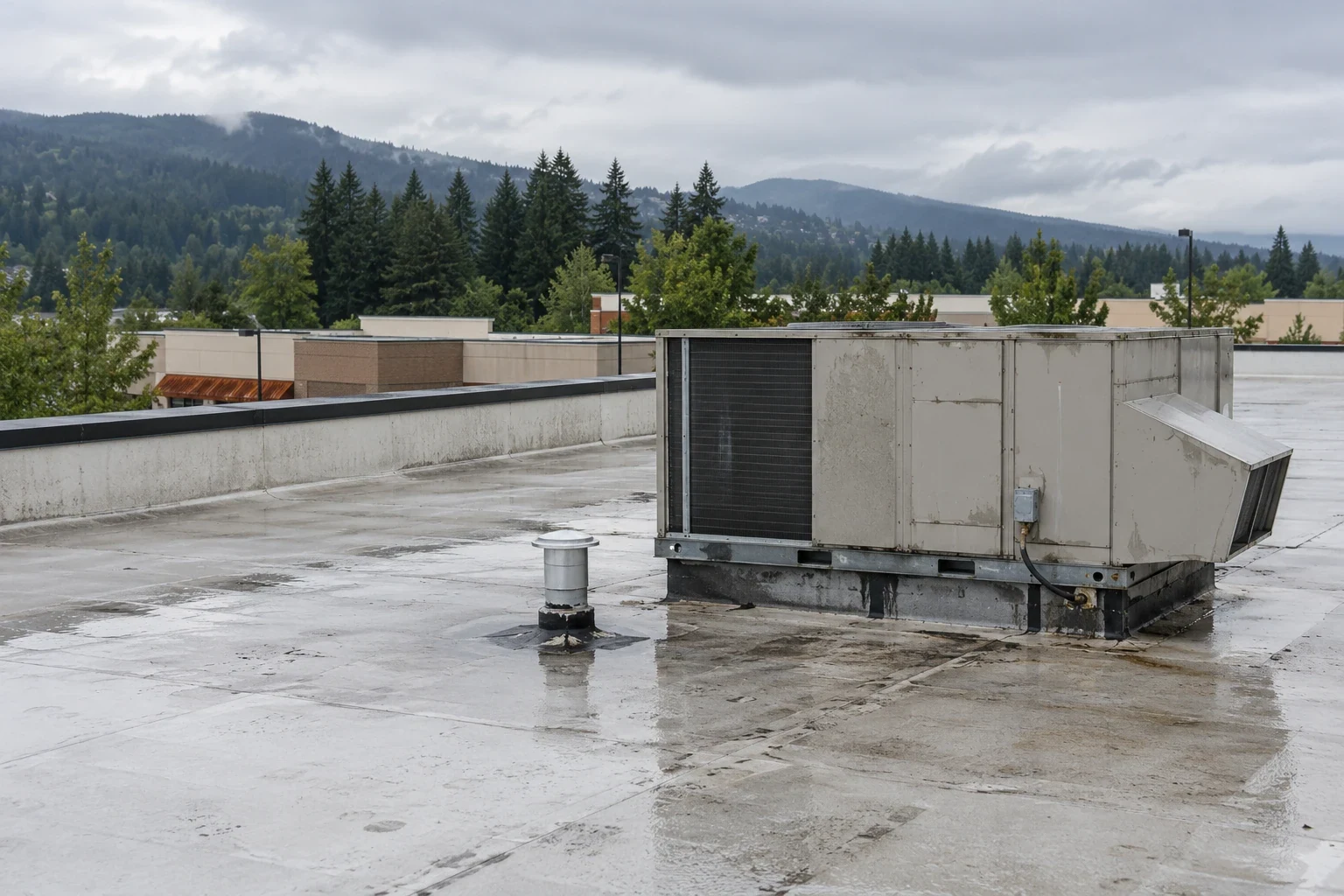
Several tenants may report water from one roof opening. A leak can travel beneath the membrane, along framing, or through a wall before appearing in a suite. We compare each report by room, date, weather, and recent service work, then trace likely paths from drains, seams, curbs, and transitions. One tenant’s ceiling mark should not automatically create a patch request without checking the roof above it.
Shared drains and equipment can affect more than one lease area. A blocked outlet may cause water to collect near several bays; a failed flashing can continue to leak after debris is removed. Our review records outlet condition, overflow path, adjacent seams, and ponding evidence for the manager’s work queue. A drainage assessment records what needs maintenance and what needs repair. If an HVAC or sign vendor recently worked on the roof, that date belongs in the service request.
Portland International Airport climate normals show frequent precipitation from fall through spring. The manager can reduce confusion by naming the temporary protection contact and setting a daily close expectation before work starts.
What should the property file contain?
We record the roof system where known, roof zones, active leak evidence, drains, seams, curbs, edges, and visible prior repairs. Photos are labeled so a manager can match the finding to a suite or common area without guessing. The report separates immediate exposure from routine maintenance and longer-range capital concerns. Ownership can then approve work with a clear boundary.
A useful property file keeps roof plans, leak reports, repair scopes, equipment changes, warranty documents supplied by the owner, and closeout photos together. Where a ceiling report and roof inspection do not line up, compare moisture readings with roof-zone records and seek owner approval for a focused test opening if needed. We explain what is known and what requires further access. A photo-based condition report can be shared with the ownership team and retained for the next budget cycle.
When several properties use similar roof systems, consistent labels help compare risk, but the findings stay specific to each building. The manager can use those records to plan site visits and avoid repeating the same discovery work.
How should a manager prioritize repair requests?
Start with active water entry and any condition that could damage equipment or building contents. Then consider how widespread the issue is, whether prior repairs have failed, and whether moisture is present in the assembly. A local repair may be enough when surrounding material is sound. Repeated failures or wet insulation across several zones can justify a larger repair or replacement study.
A recover or coating is considered only when the existing system and substrate are suitable. We review attachment, moisture, drainage, edge height, and penetrations first. A replacement plan should identify the work boundary, tenant impact, access, and required approvals. Where a property has a complex roof portfolio, roof capital planning can organize current findings into practical next steps without treating every building as equally urgent.
The manager should distinguish emergency protection from permanent repair authorization. That lets the contractor secure an opening while ownership reviews a broader scope. Each work order can state who approved the temporary measure and what decision remains.
How do we communicate work to tenants?
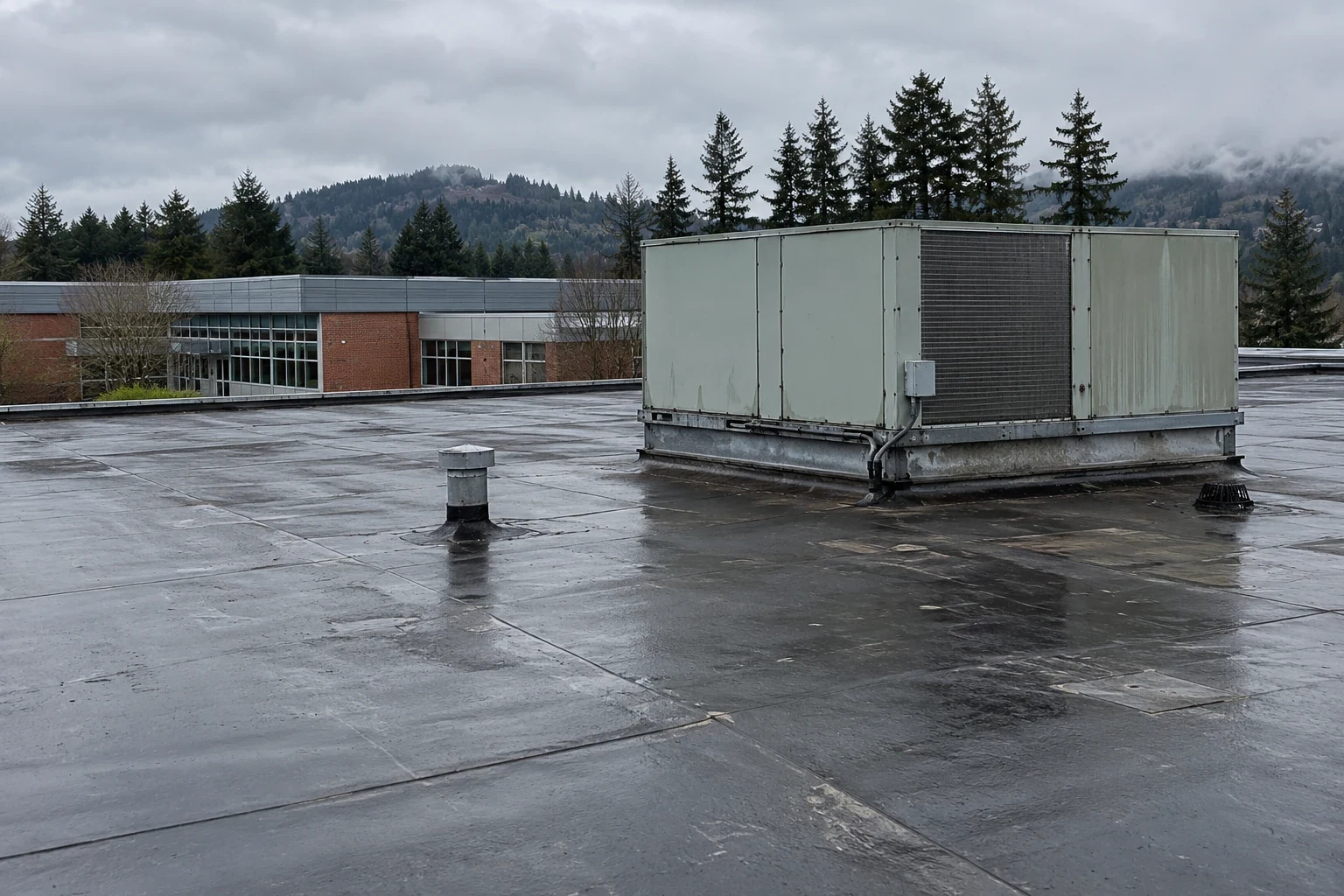
The manager approves the work window, tenant notice, staging, lift placement, and any temporary restriction. We provide the affected roof area, expected noise or access changes, and a daily stopping point. The property team can then deliver the notice in its preferred format. The roofer keeps the work zone marked and does not redirect tenant traffic without approval.
We open only the area that can be protected and made watertight before the crew leaves. If removal uncovers a larger affected section, the crew makes the area weather-safe, documents the finding, and gets written direction before increasing the work order. At completion, we check nearby drains, remove debris, and provide a concise closeout. The manager receives a list of completed work and any unresolved item to track.
For a multi-building portfolio, a recurring contact and shared naming convention can reduce email back-and-forth. Each property still gets its own inspection record, work scope, and approval history.
What belongs in a recurring roof program?
Set inspection timing based on roof age, assembly, condition, manufacturer guidance, and the property's operating schedule. Routine visits can check seams, drains, edge metal, penetrations, and work completed by other vendors. Clear ordinary debris and report repairs that need authorization. After rooftop equipment changes, verify that the flashing and abandoned openings are complete.
In Gresham, commercial activity is distributed across linked centers and employment areas. That local context does not replace a property-by-property maintenance history. A preventive maintenance visit can update photos, record new conditions, and help schedule work before the wetter season. The manager can include unresolved follow-ups in the next ownership report.
What should we receive before a roof walk?
Send the roof plan, leak work orders, prior reports, tenant access rules, equipment service dates, and the contact authorized to approve repairs. Identify any lease or common-area question for the ownership team to resolve separately. We will inspect the roof, document conditions, and recommend a clear work boundary. Schedule a roof walk so property staff can coordinate access and prepare the right stakeholders for the next decision.
Property Management Companies FAQs
-
Can you work directly with tenants?
The property manager sets the communication route. We can provide the affected area, access needs, and expected work window so management can issue consistent notice.
-
How do you separate tenant and owner roof responsibilities?
We document the physical roof condition and proposed repair boundary. The owner and manager apply lease terms to that evidence and decide who authorizes the work.
-
Can one inspection cover multiple buildings?
A portfolio visit can be organized by location and access route, but each roof receives its own findings and photos. That keeps assemblies and priorities distinct.
-
What if the leak report is incomplete?
We begin with the available location and inspect likely roof paths. Room, date, weather, and recent equipment work help narrow the water path if staff can provide them.
-
How should owners compare repair proposals?
Compare the roof zones, repair method, included details, temporary protection, access, and exclusions. A photo-backed condition report helps connect the proposal with the observed issue.
Related Roofing Work

Downtown and Civic Neighborhood
Learn More
Rockwood
Learn More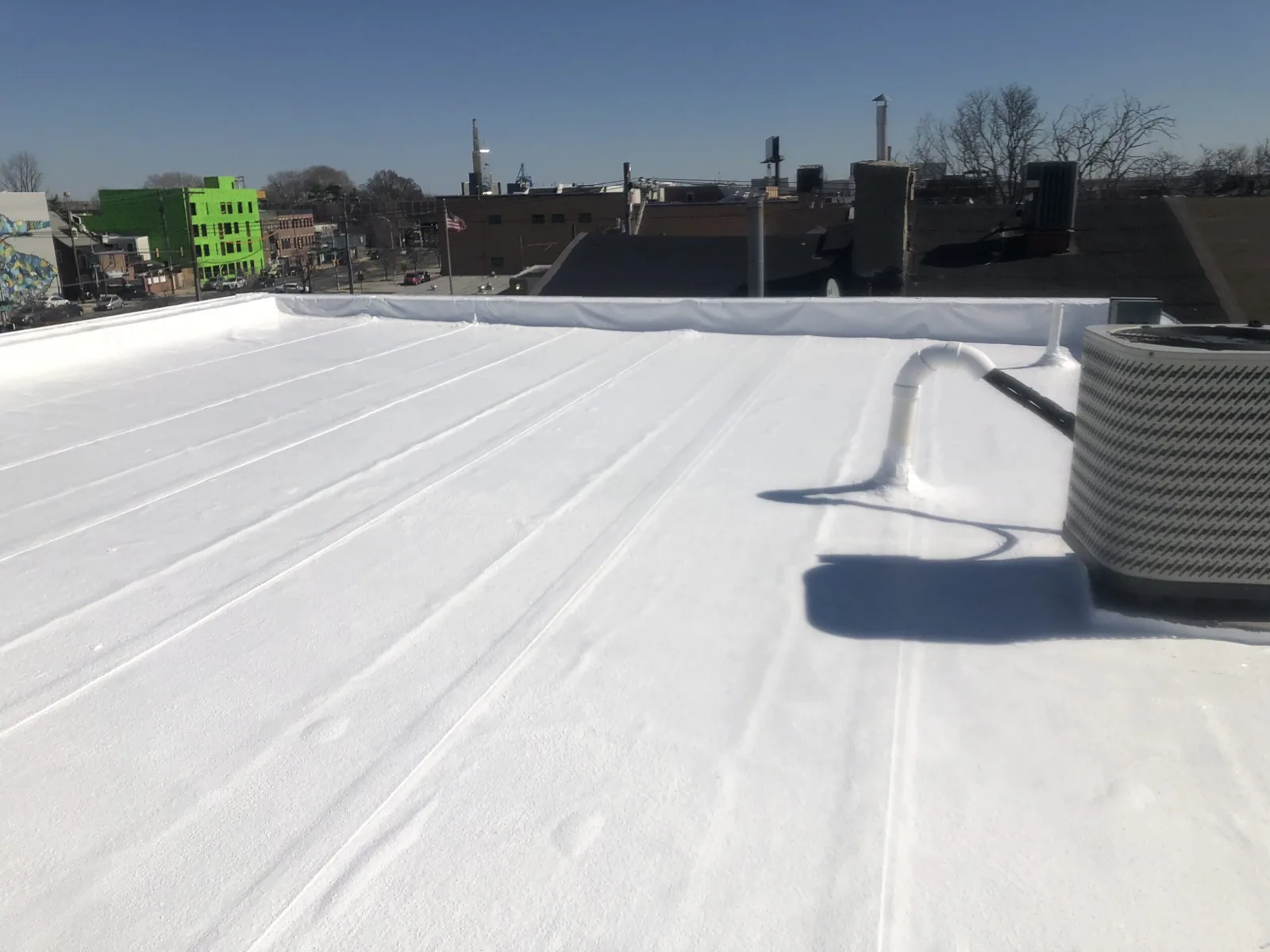
Commercial Roof Inspection
Learn More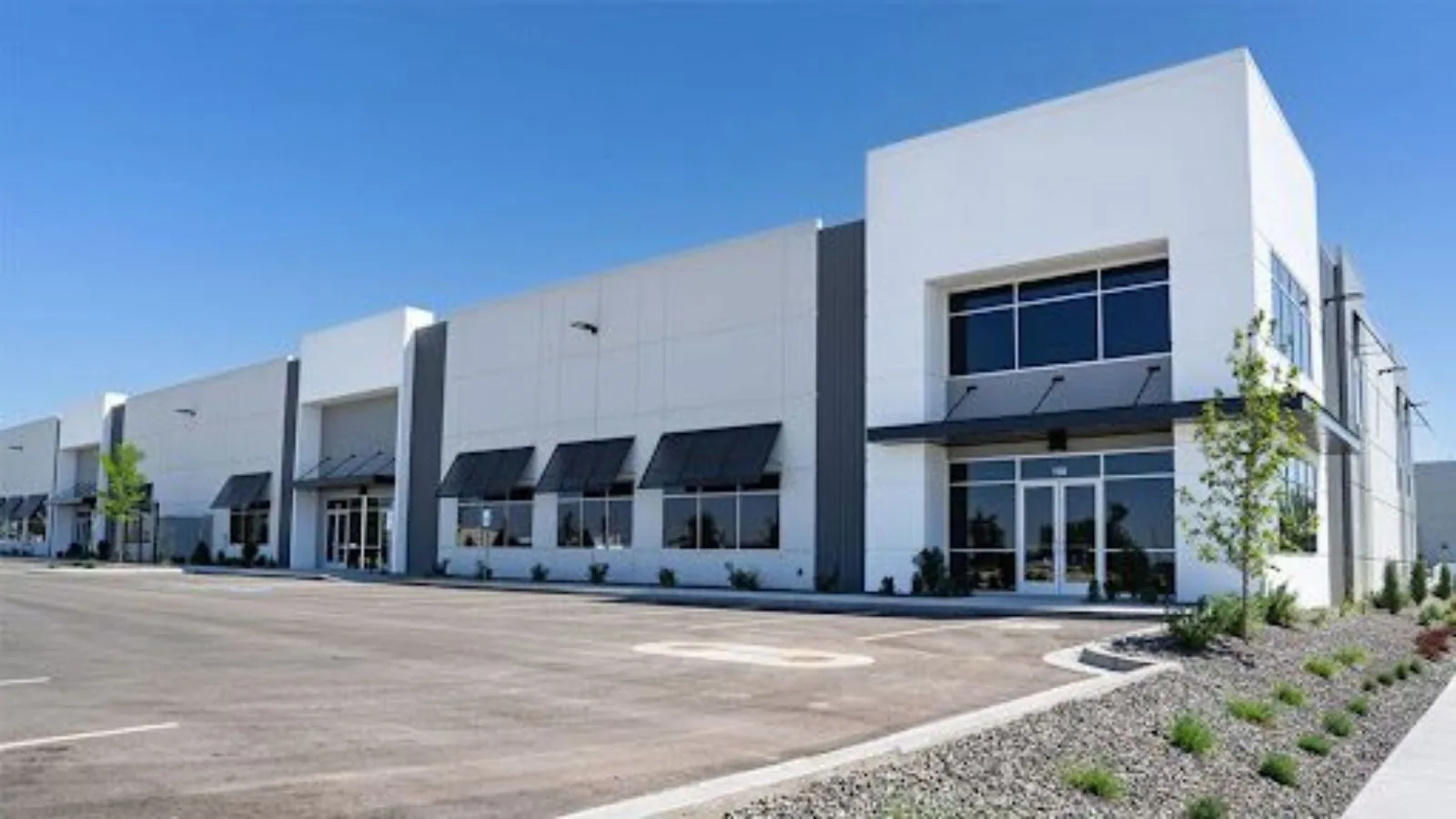
Real Estate Investors and REITs
Learn More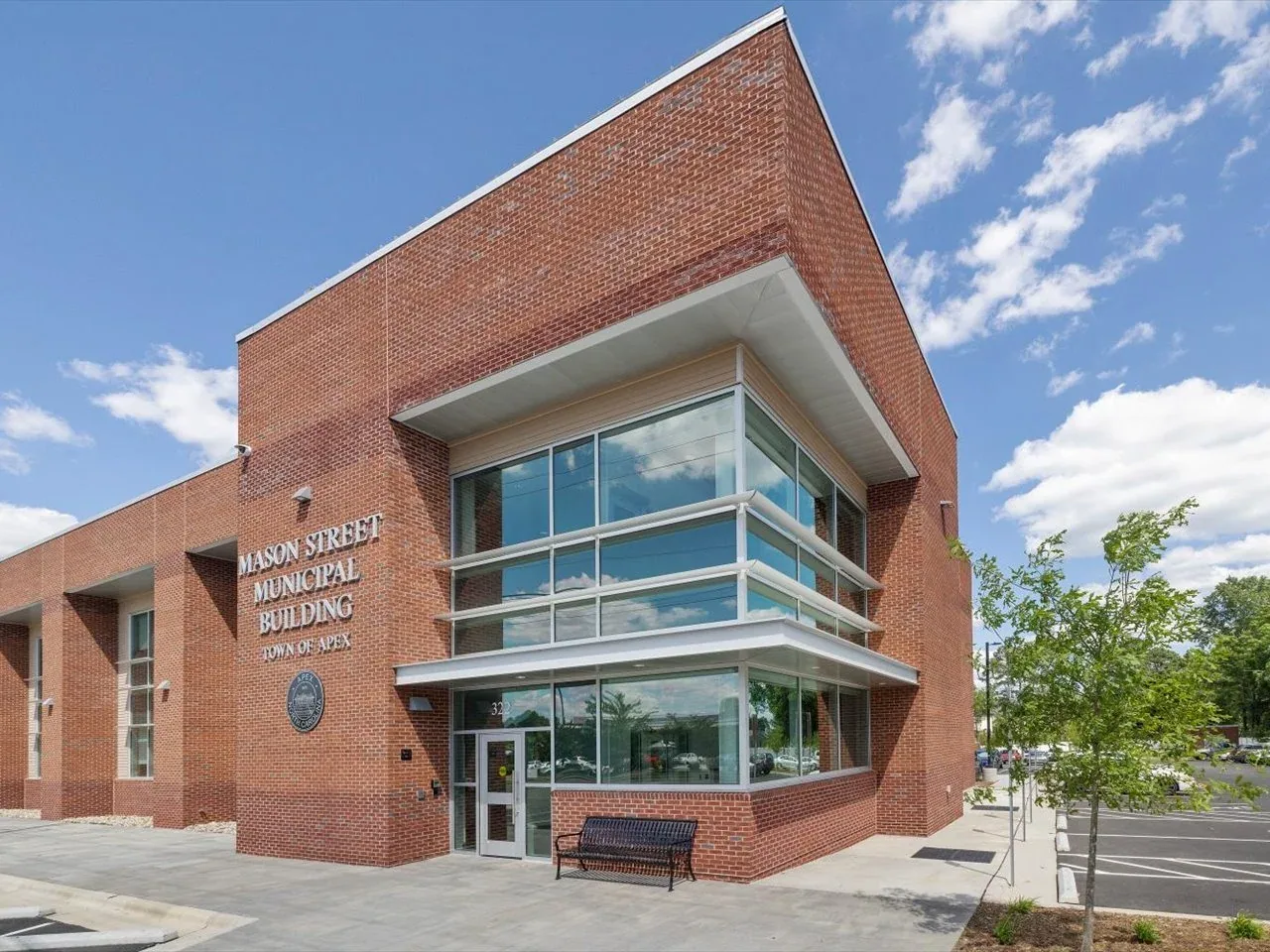
Public Agencies
Learn More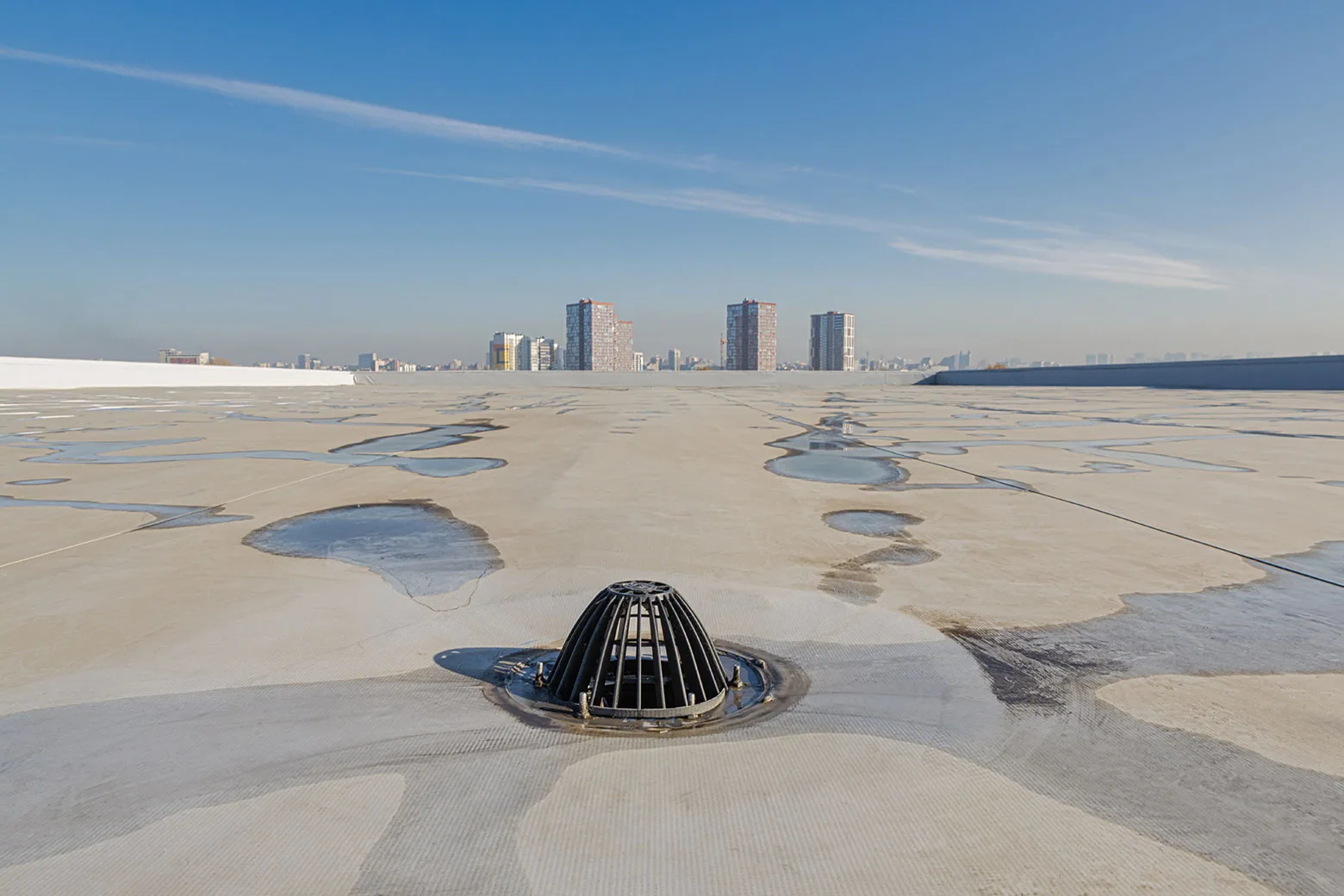
Commercial Roof Drains and Scuppers
Learn MoreCoordinate a property roof review
Request a roof assessment in Gresham
We will inspect the roof, organize findings by building and tenant area, and provide a clear scope your team can review with ownership. Tell us about the building, the roof and what you are seeing. Call 555-555-5555, email [email protected] or send the details through our contact page and we will set up a time to walk the roof.