Built-Up Roofing in Gresham, OR
Review the built-up layers
- Home
- Roof Systems
- Built-Up Roofing
Gravel, coating, or a smooth cap sheet may cover several layers of an older roof. Built-up roofing, often called BUR, uses multiple reinforcing plies with bitumen to form a low-slope membrane assembly. We inspect the surface, seams, flashing, drains, and repairs, then verify the layers where a test cut is needed. In Gresham, rain is most frequent from fall through spring, making drainage and closeout details important. The seasonal pattern helps set work timing, while inspection confirms whether a BUR assembly is dry. We record the actual condition, identify where moisture may be concealed, and compare a repair with restoration or replacement. A roof inspection provides the starting record before a BUR scope is defined.
How do the plies work together?
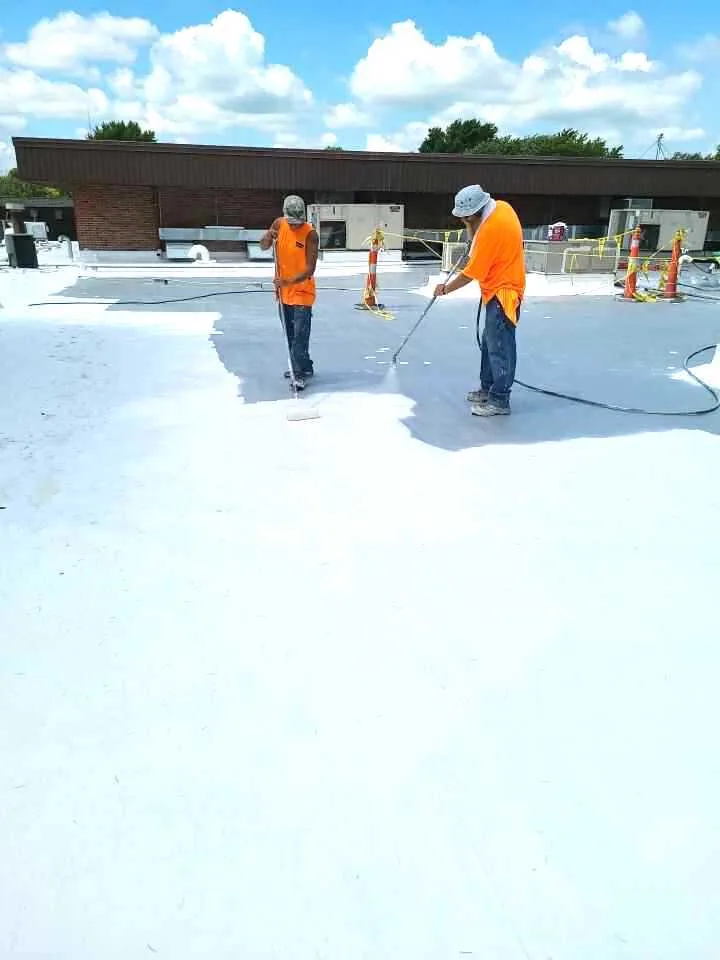
Each ply reinforces the bitumen layer beneath or above it. The number and type of plies, cap sheet, surfacing, and application method determine how the system was assembled. We inspect exposed edges, roof openings, drains, patches, and termination points for evidence of the existing construction. If the layers are hidden, a test cut can confirm the assembly and show whether water has reached insulation or the deck.
Surfacing protects the bitumen from exposure and traffic. Aggregate can become displaced at drains or rooftop routes; a coating can wear unevenly or split over a moving seam. We check where the surface has thinned, cracked, or collected debris. If granules or gravel have accumulated at an outlet, the drain may be restricted. Maintenance should clear eligible debris without damaging the exposed plies.
Flashing at walls, penetrations, curbs, and skylights connects the field roof to vertical surfaces. We inspect how the plies turn up, where metal counterflashing terminates, and whether prior patches overlap securely. A perimeter metal inspection can address the coping or edge condition at the same time. The final scope should show whether the field roof and its transitions are being treated together.
What can lead to leaks in a multi-ply roof?
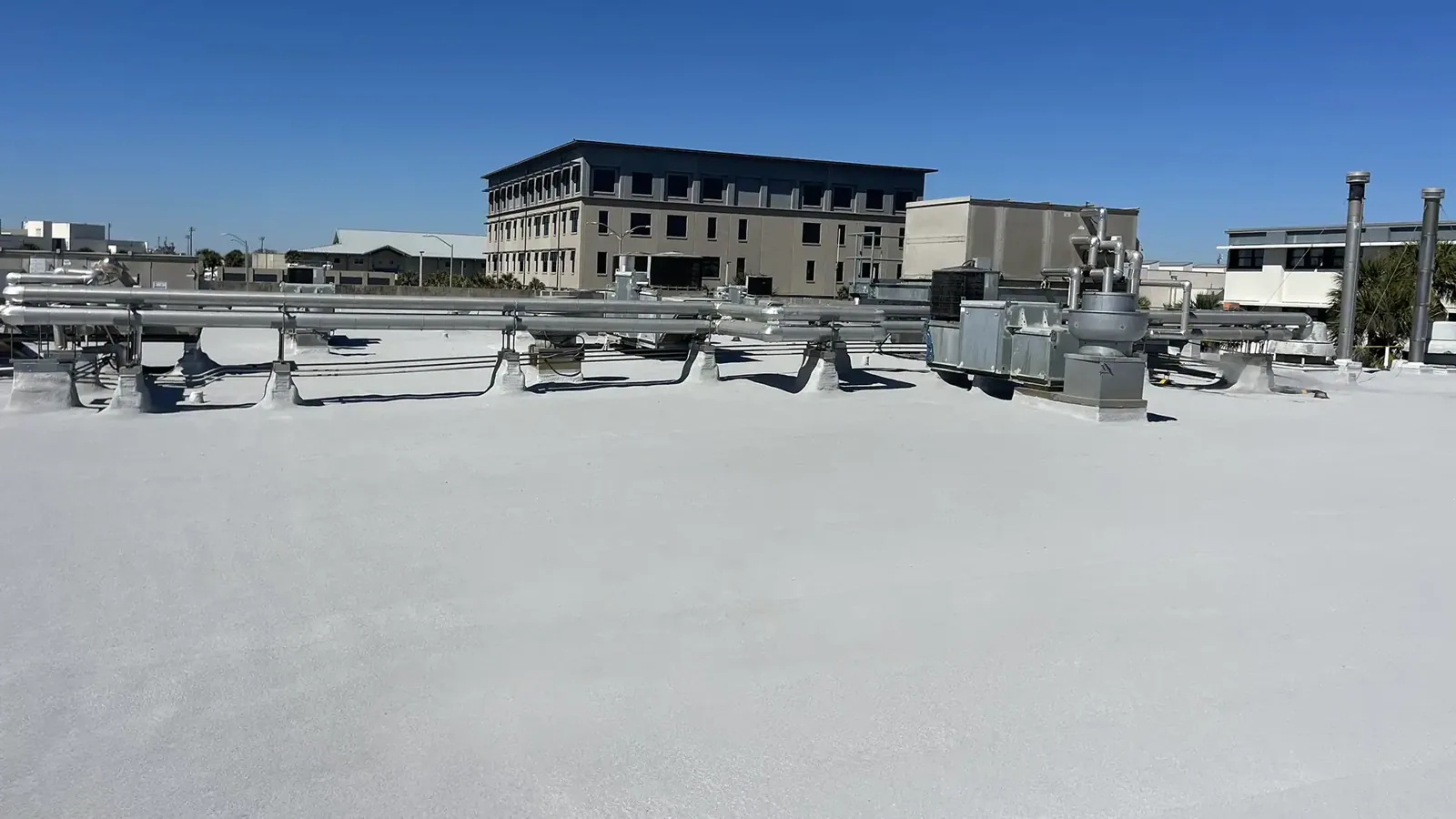
Cracks in the surface, open lap edges, displaced aggregate, or split flashing can expose underlying bitumen. Water may then follow a ply interface and travel away from the visible defect. We compare interior marks with roof details, ponding areas, previous repairs, and equipment transitions. The first opening we see is not automatically the full repair boundary. A targeted test cut or moisture scan can help establish how far the condition extends.
Blisters can form when moisture or air becomes trapped between layers. Cutting a blister without understanding its cause can leave a weak patch or release water into the assembly. We inspect the surrounding surface and test as needed before proposing a repair. If wet materials are present, the scope states what must be removed, dried, or replaced and how the deck will be checked.
Water that drains slowly leaves more time for exposure at seams and penetrations. The Sandy Boulevard freight corridor links industrial lands where roof maintenance may compete with loading schedules. We coordinate access and debris removal while checking drains and scuppers. A drainage correction can include clearing, flashing repairs, or a design change if the roof profile holds water.
Can a BUR roof be restored or does it need replacement?
A repair is appropriate when deterioration is limited and surrounding plies remain sound. It may involve removing loose surfacing, drying the area, rebuilding damaged plies, and restoring protection. A coating or reflective cap sheet may be considered when the existing roof is compatible and dry enough. We test adhesion and identify the preparation required before recommending restoration.
Repeated leaks, widespread cracking, multiple saturated areas, or degraded insulation may make full removal a stronger option. A recover can be considered only when the existing assembly, deck, added weight, drainage, and applicable code allow it. The owner should compare the risk of leaving concealed materials with the disruption of removal. A recover evaluation establishes the conditions required for another layer; a replacement plan addresses removal and new insulation.
Modified bitumen also uses bitumen with reinforcing plies, but it is manufactured as sheet membranes with different layer configuration and installation methods. Modified bitumen roofing and BUR should not be treated as interchangeable names. A TPO sheet uses a different seam method. We identify the system on the roof and compare compatible repair materials before ordering product.
How does the Gresham climate affect BUR work?
Gresham’s wet season runs from fall through spring, which affects when a test cut, repair, or replacement can remain open. We plan each work section around a watertight close and check current conditions before applying bitumen, adhesive, or coating.
Gresham's industrial work spans production, logistics, and processing uses that can keep a roof active throughout the day. Roof work may need to protect process areas, air intakes, and rooftop equipment while materials or aggregate move across the roof. We coordinate staging and operating hours with the facility contact. At Gresham's Northerly Industrial Area, parcel sizes and uses vary, so the access plan is confirmed at each building.
Troutdale Industrial Lands also contain manufacturing, distribution, and employment uses within the broader east-county market. If waste or aggregate must leave the roof, we coordinate the route and delivery window with the facility. A safe work zone and clearly assigned contact keep roof sequencing aligned with loading and other operations.
What does BUR repair or replacement involve?
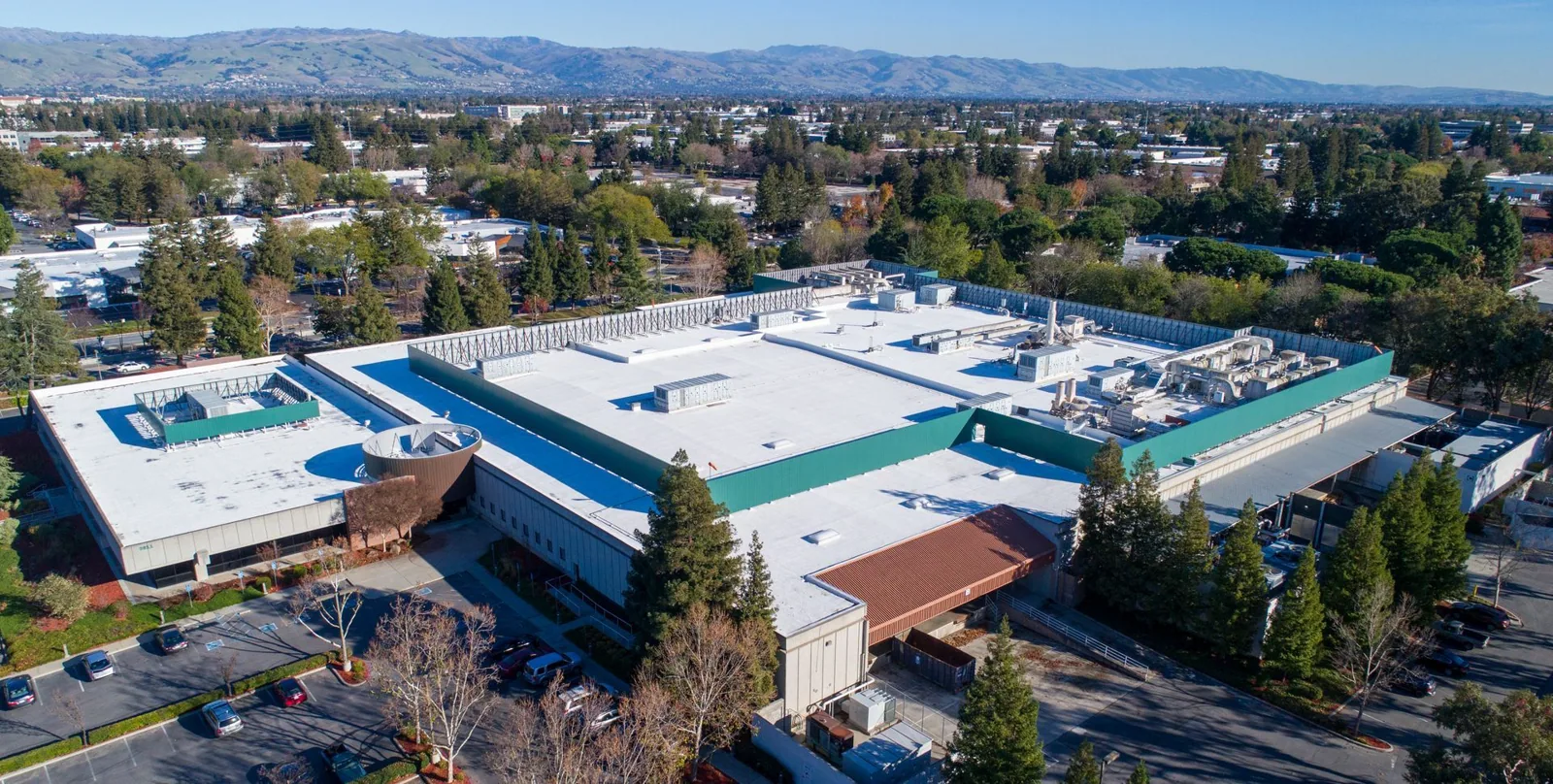
We identify the roof layers and existing surfacing, then select a repair method compatible with the assembly. For localized repair, crews remove loose material, prepare the surface, rebuild plies or flashing, and restore surfacing. If testing reveals wet insulation, the owner receives photographs and a revised scope before the opening is expanded. Each work area is closed watertight before the crew leaves.
Replacement begins with an approved tear-off or recover plan, deck review, insulation layout, and details at drains, curbs, parapets, and penetrations. Installation method and fire controls depend on the selected system. We coordinate equipment shutdowns, staging, debris removal, and occupied hours before starting. The facility receives updates when weather or concealed conditions change the sequence.
After work, we document repaired areas, completed flashing, drainage checks, and any remaining items. Maintenance visits can keep drains, surfacing, and seams on the facility's schedule. The service log should identify the specific areas repaired so later inspections can compare like with like.
What should a BUR proposal include?
The proposal should name the verified assembly, surfacing, repair or replacement limits, and any test cuts or moisture findings. It should describe plies, bitumen or adhesive method, cap layer, flashing, drains, edge metal, insulation, and the daily protection plan. If an open flame or heated material is used, the work plan should state the required fire controls. It should also say how concealed damage is documented and approved.
In Southshore Corporate Park and near the I-84 corridor, the facilities team may need a specific material route or loading window. We map those conditions with the roof itself and identify who approves each access area. Keep the photographs and system notes with the building's roof record after closeout. We can schedule the roof review with your Gresham facilities contact and set the next work window.
Built-Up Roofing FAQs
-
Can you identify a BUR roof without a test cut?
Surface details and exposed edges can provide clues, but surfacing may conceal layers. We verify records or use a targeted opening to confirm construction and substrate conditions.
-
Can a coating restore an older built-up roof?
Some BUR roofs accept a compatible coating if the surface is sound and dry. We check adhesion, moisture, plies, and flashing. A coating will not fix wet materials below.
-
What does gravel surfacing do on a BUR roof?
Aggregate protects bitumen from weather and some traffic. Displaced gravel can clog drains or hide a defect, so we inspect the surfacing and outlets before repair.
-
Does BUR replacement require a building shutdown?
Not necessarily. We plan tear-off, fire controls, deliveries, and work zones with the facility. The scope identifies any restricted areas and daily dry-in steps.
Related Roofing Work
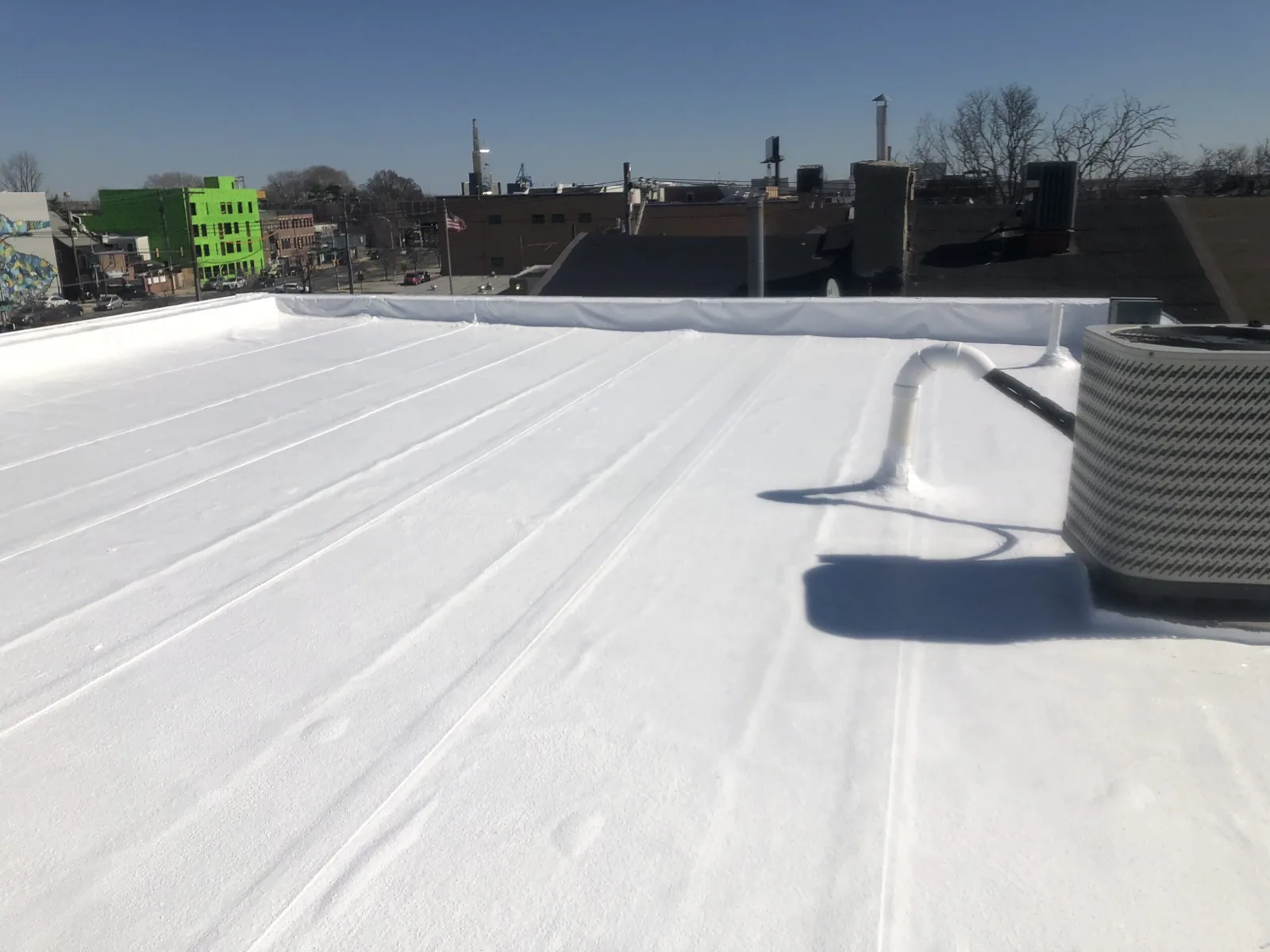
Commercial Roof Inspection
Learn More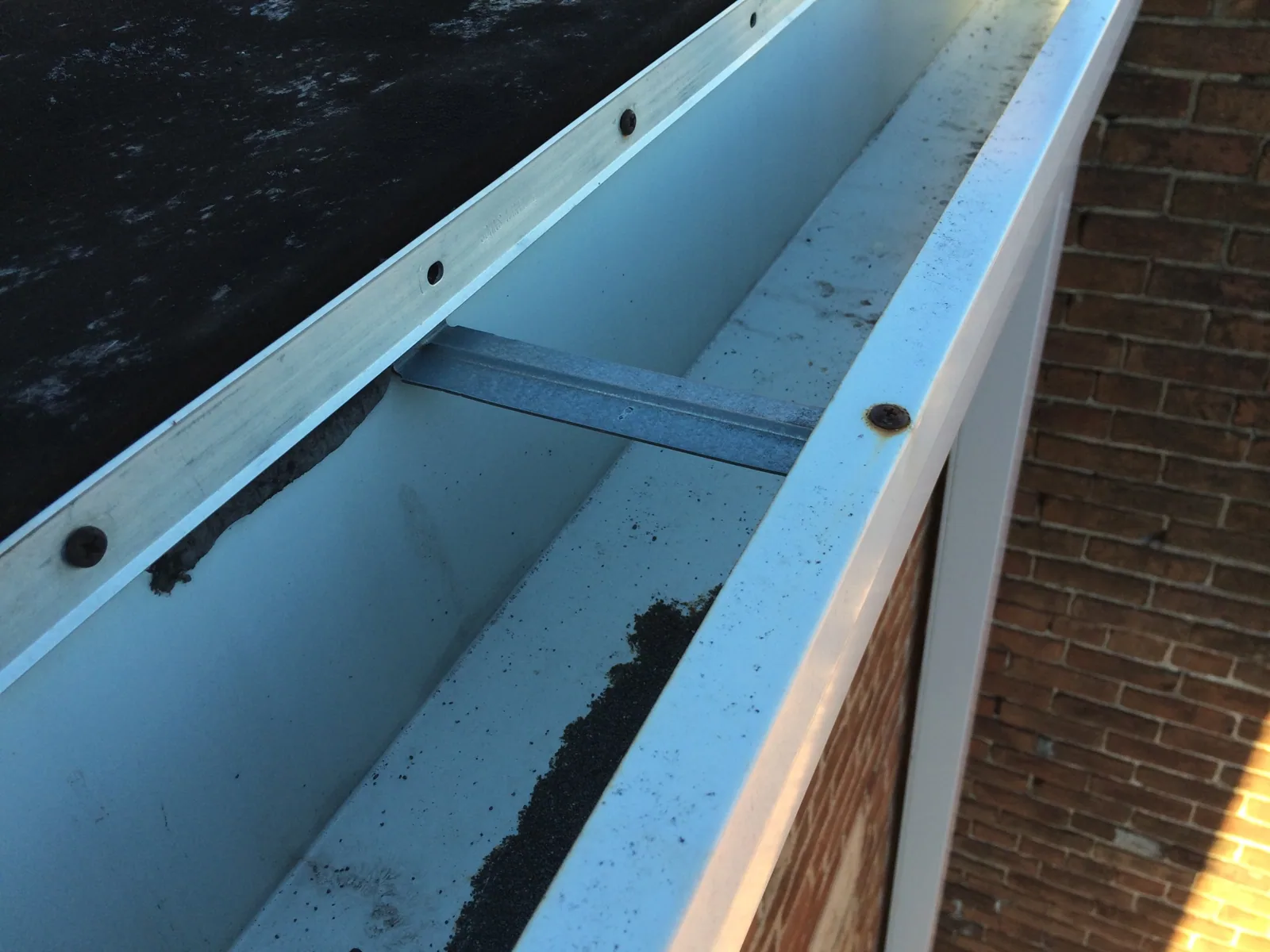
Commercial Roof Edge Metal and Gutters
Learn More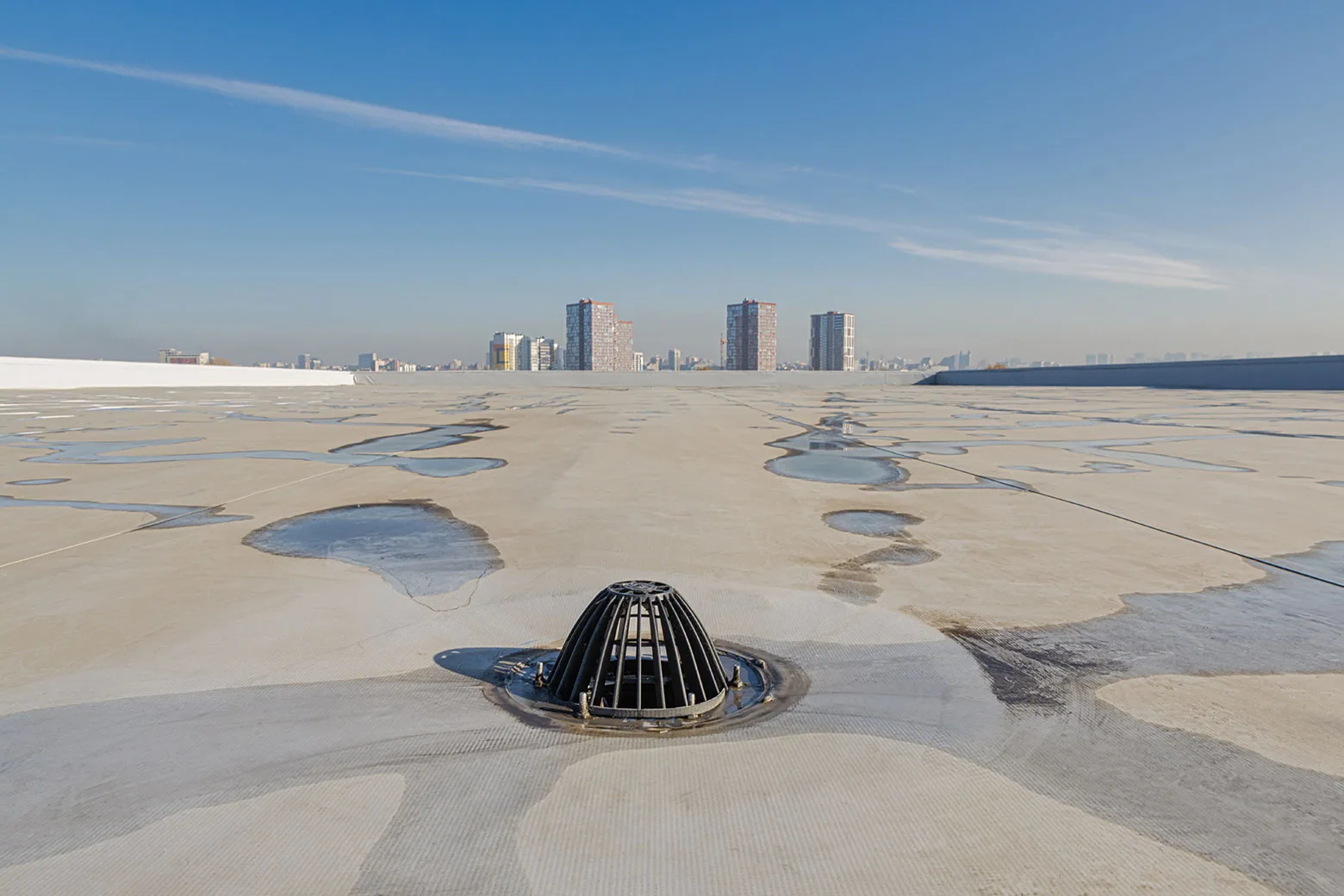
Commercial Roof Drains and Scuppers
Learn More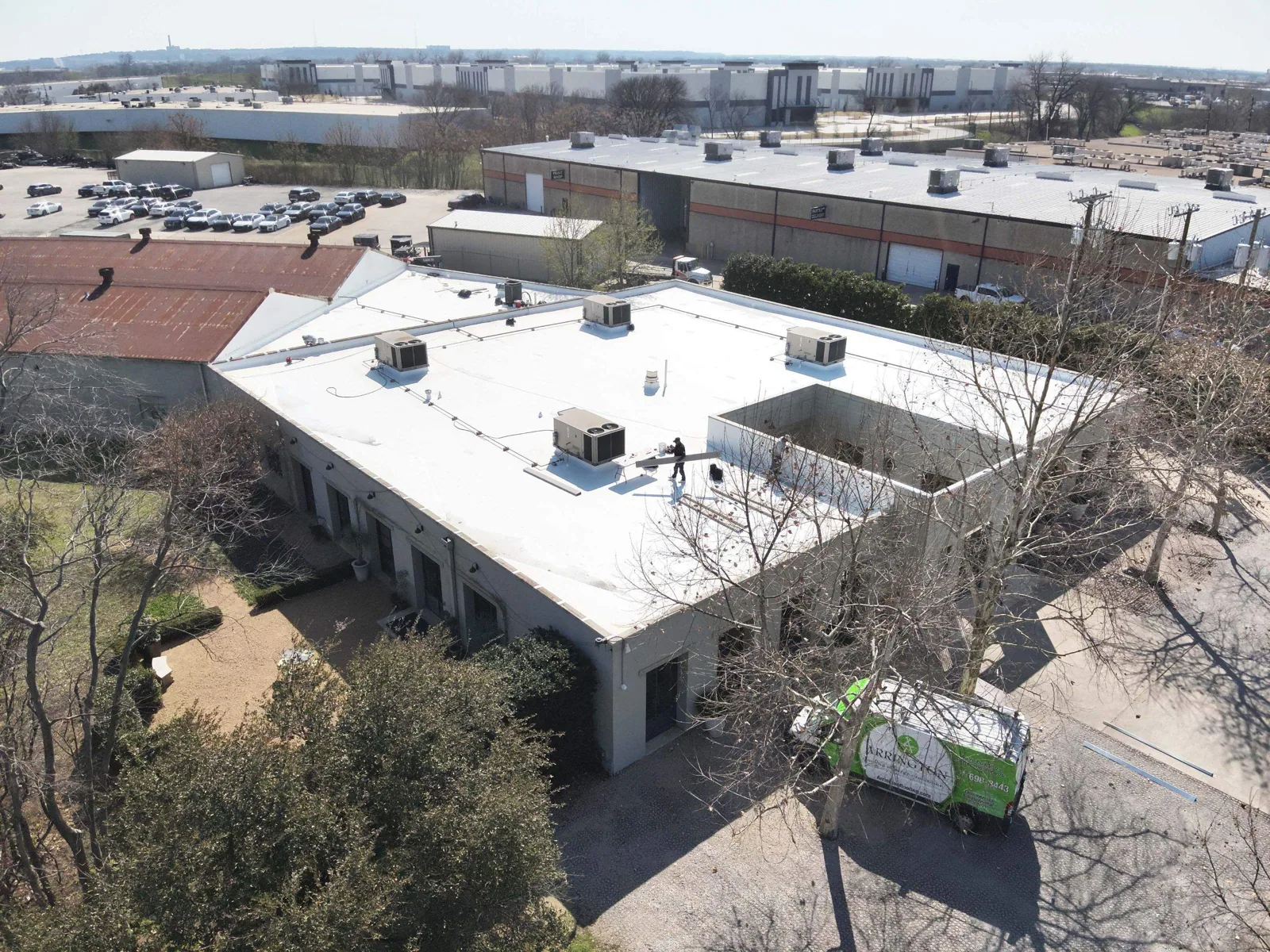
Commercial Roof Recover
Learn More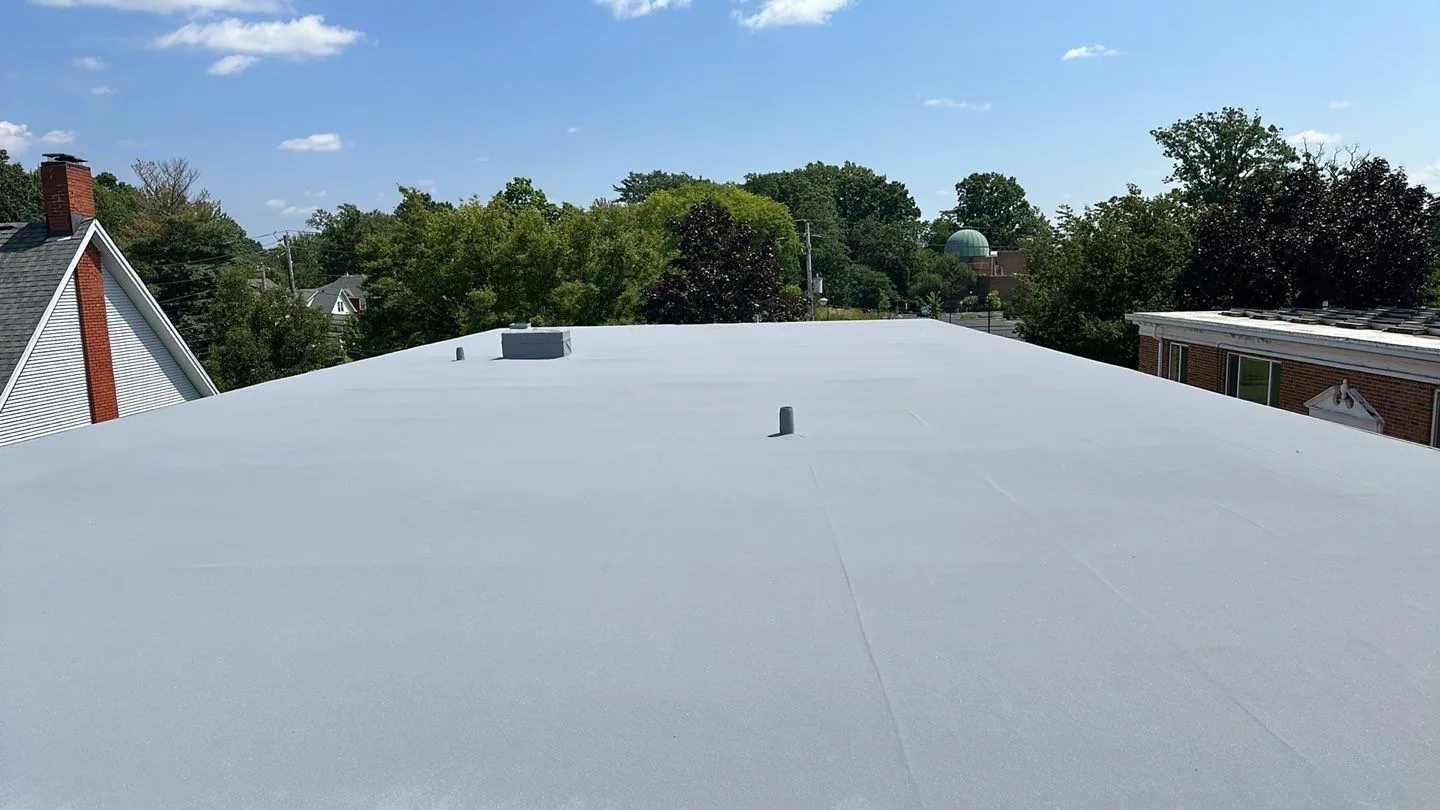
Commercial Roof Replacement
Learn More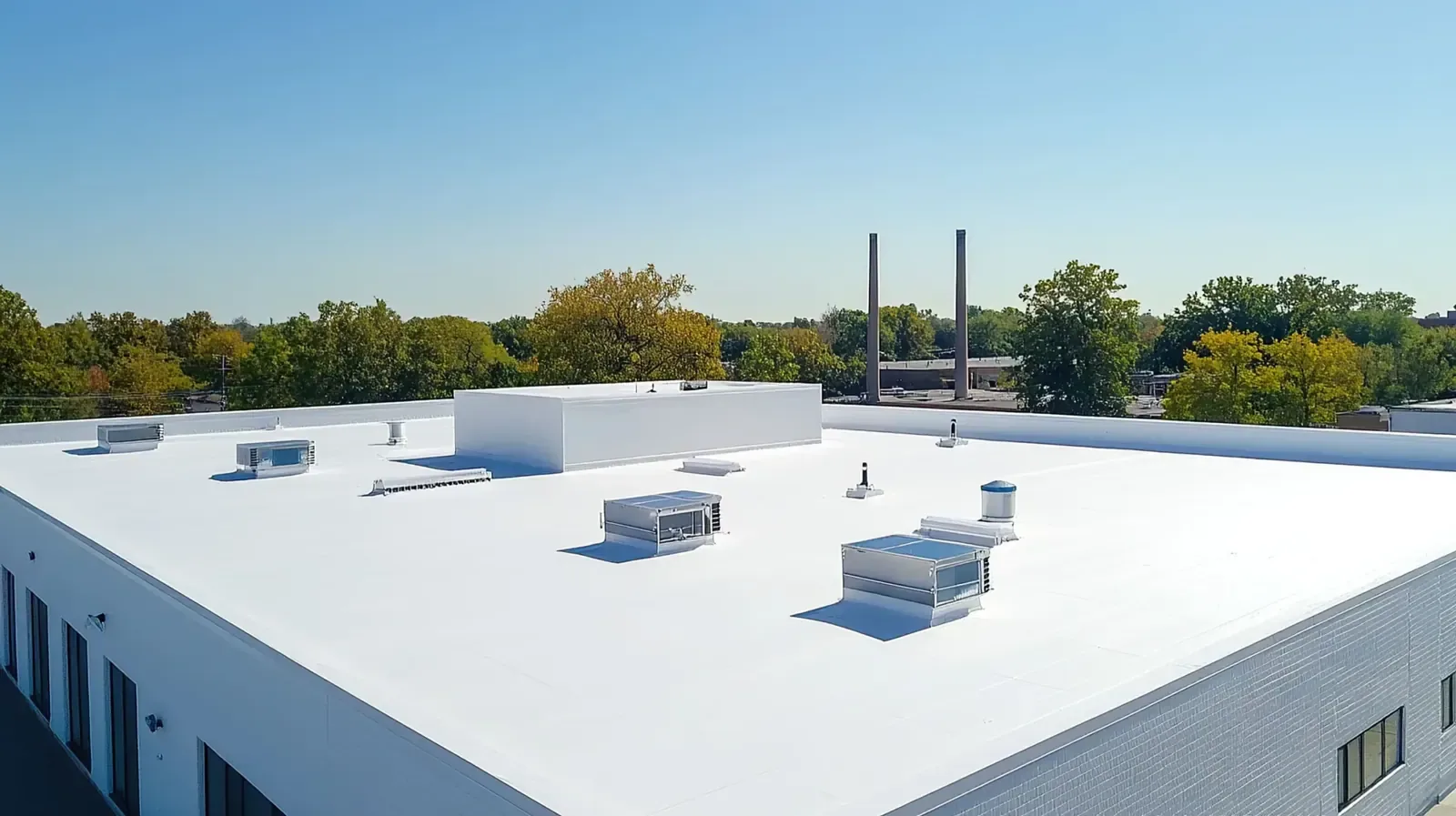
Modified Bitumen Roofing
Learn MoreReview the built-up layers
Request a roof assessment in Gresham
We will inspect surfacing, plies, flashing, and drainage, then prepare a BUR repair or replacement scope for your Gresham facility. Tell us about the building, the roof and what you are seeing. Call 555-555-5555, email [email protected] or send the details through our contact page and we will set up a time to walk the roof.