Commercial Roof Edge Metal and Gutters in Gresham, OR
Inspect the edge and discharge details
- Home
- Commercial Roofing Services
- Commercial Roof Edge Metal and Gutters
A loose coping cap can rattle in wind, open a seam, and let water reach the parapet beneath it. At the roof edge, small parts work together: membrane termination, cleats, coping, gutters, downspouts, and the wall below. We inspect those connections as one drainage and attachment detail, then scope repair or replacement by condition. In Gresham, rain spans much of the cooler season. Portland International Airport averages 157 measurable-precipitation days annually. That wet-season pattern makes secure edges and clear discharge paths regular maintenance priorities. We check for separated joints, corrosion, loose fasteners, damaged coatings, overflow marks, and water tracking behind the metal. A roof inspection documents the assembly, and a drainage review follows water from the roof to its outlet.
What should the roof edge inspection cover?
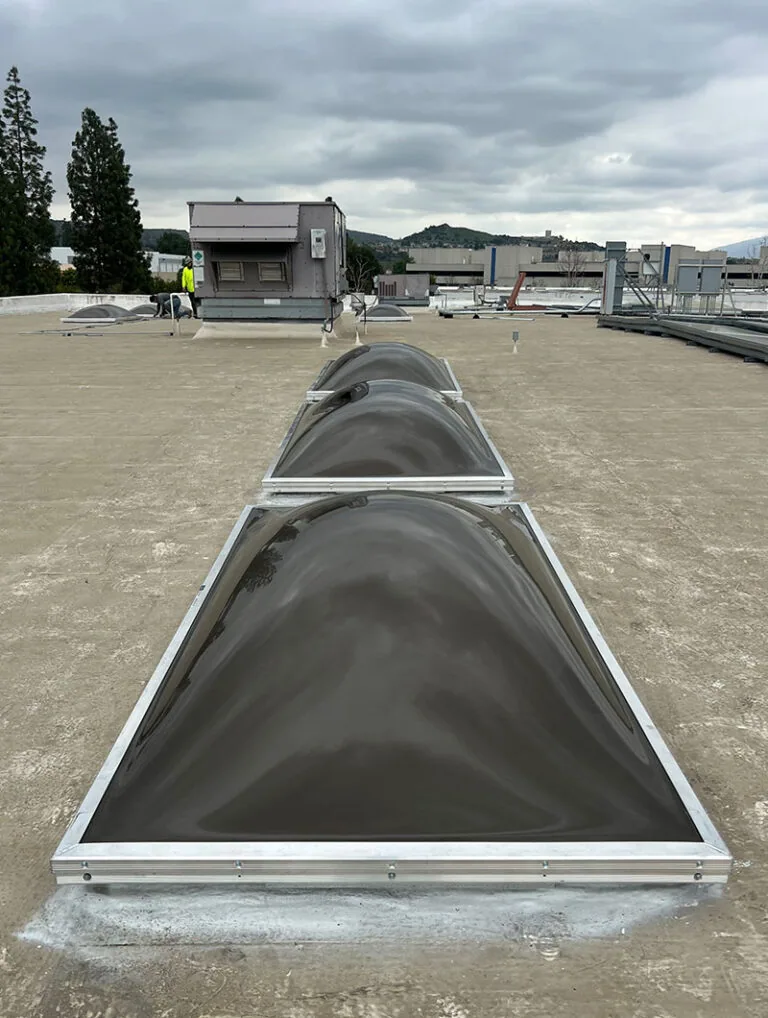
At a parapet, we check the coping profile, cleats, joints, end dams, corners, and attachment. The metal needs to stay secure while allowing the roof assembly to terminate without an open water path. A bent cap, missing splice plate, or failed joint seal can admit water behind the coping. We also inspect the membrane flashing below and the wall-side transition. Replacing the cap alone will not correct a loose cleat or damaged flashing under it.
At a gutter edge, we look for sagging, standing water, open seams, loose hangers, corrosion, and an outlet that discharges against the building. A gutter may be clear while a downspout is disconnected or blocked at grade. We trace the full visible route and note where water spills, stains the wall, or reaches a walkway. If the discharge connects to a site storm system, a plumbing or civil drainage question may need another trade.
Wind and rain stress perimeter details differently from the middle of a roof. A corner may need different attachment than a straight run, and a gutter must carry water without pulling its hangers loose. We document each elevation or roof edge separately so the scope names the condition and repair location. A wind-damage assessment can include loose metal or displaced termination when the inspection supports it.
How can a small edge gap reach the interior?
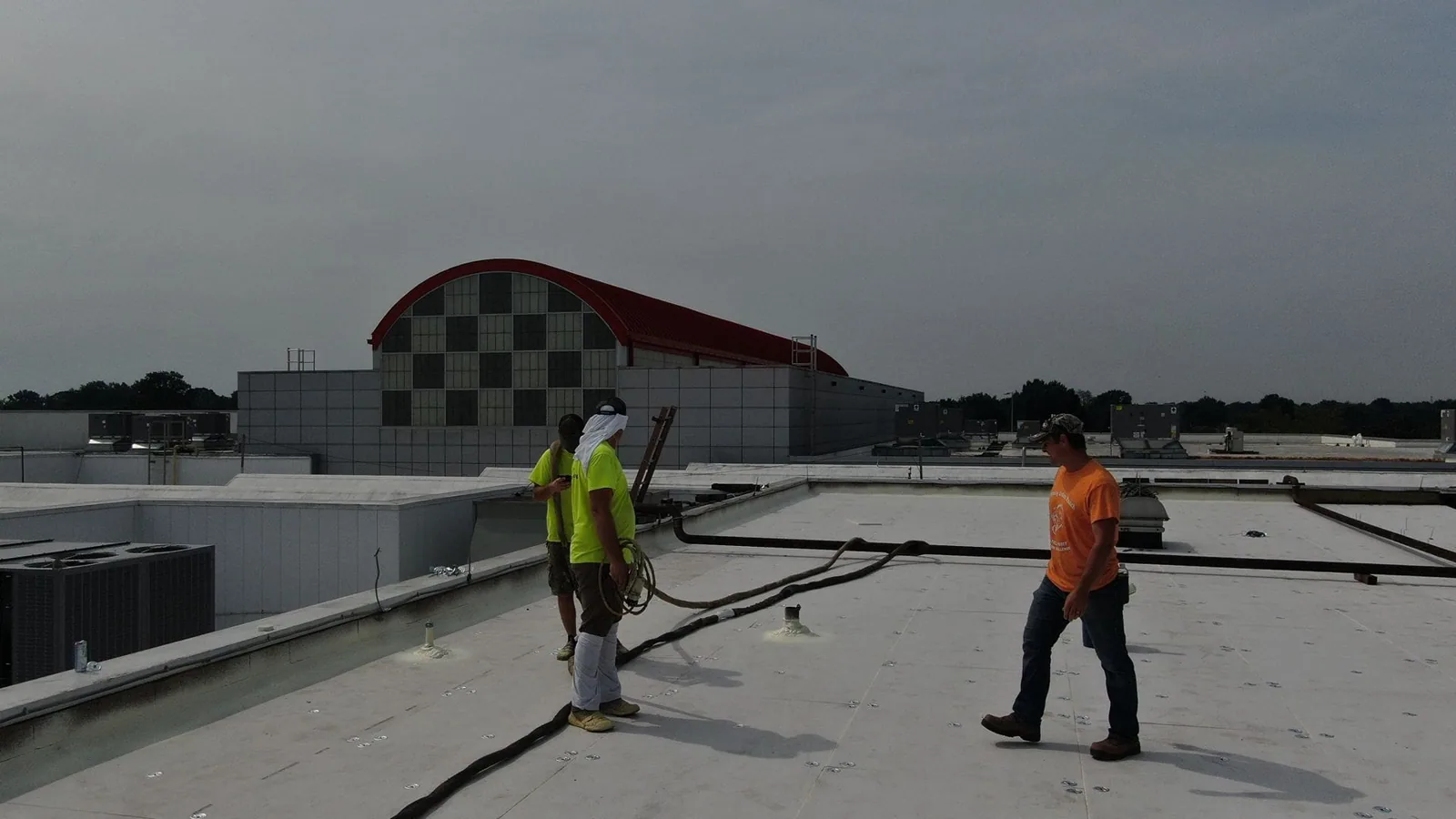
Water can enter a coping joint, track behind the parapet flashing, and move down a wall before a ceiling stain appears. A gutter overflow can wet fascia, masonry, insulation, or the wall assembly. We look for water marks on both sides of the edge and compare them with roof-side seams and interior reports. The repair needs to close the path and direct runoff to the outlet. Applying sealant across a moving joint without correcting the metal connection can leave the opening in place underneath.
Corrosion changes the repair options. A coating may protect sound metal after proper preparation, but perforation or failed seams may require replacement. We identify the metal type where possible, check thickness and attachment, and select compatible materials. Dissimilar metals can corrode when they contact in the presence of moisture, so the new detail should not introduce a compatibility problem. The proposal lists which sections are repaired, replaced, coated, or retained.
Gutter capacity and slope also matter. Debris can restrict flow, but water may still overflow if the section is undersized, pitched incorrectly, or connected to a blocked outlet. We assess the visible system and distinguish roof work from downstream site drainage. If standing water near the roof edge has reached the membrane, a drain and scupper correction may be needed as part of the same project.
What does the east-county setting change?
Gresham's commercial centers include Downtown and Civic Neighborhood, along with Rockwood. Their buildings and property lines vary, so edge work must be planned around each roof's access, sidewalk, loading area, and occupied space. We identify lift or ladder access, areas below the repair, and any pedestrian or vehicle routes that must remain open. If a gutter discharges toward a public path, we address temporary water control during the work.
The I-84 and Sandy Boulevard freight corridor serves industrial and employment lands from Gresham through Fairview and Troutdale. On an active warehouse or manufacturing property, a lift setup can cross a loading route or equipment path. We agree on staging and delivery windows with the facility before moving metal to the roof. We confirm each property’s access hours and gate rules with its facility contact.
Frequent rain makes a temporary edge opening important to close before the shift ends. The Portland airport station's climate normals show most precipitation falling from fall through spring. We plan the sequence to secure the membrane termination and coping in manageable sections, protect unfinished joints, and keep discharge routes available. If the forecast changes, the crew closes the active zone before opening another section.
Should the metal be repaired or replaced?
A repair can work where the metal remains sound, attachment is secure, and the failed joint can be rebuilt. Replacement is more likely when corrosion has perforated a section, cleats have failed, profiles no longer fit, or multiple joints have opened. We inspect representative details along the run and identify how far the condition extends. The scope should distinguish isolated pieces from continuous replacement so the owner can see where the work changes.
New coping or edge metal must integrate with the roof membrane and wall. We verify the cleat arrangement, joint width, corners, end conditions, and securement needed for the assembly. A reroof can change edge height, insulation thickness, and flashing termination, so the detail must be coordinated with the new roof rather than reused without checking. Recover work and full replacement can each require new perimeter metal when finished elevations change.
For gutters and downspouts, the scope should note the section, hangers, outlets, end caps, seams, and discharge points. We also define what debris will be removed and whether a downstream leader needs separate inspection. The facility should know if water will be temporarily redirected during the repair. A maintenance schedule can track joints and outlets after closeout.
How do you protect the building during edge work?
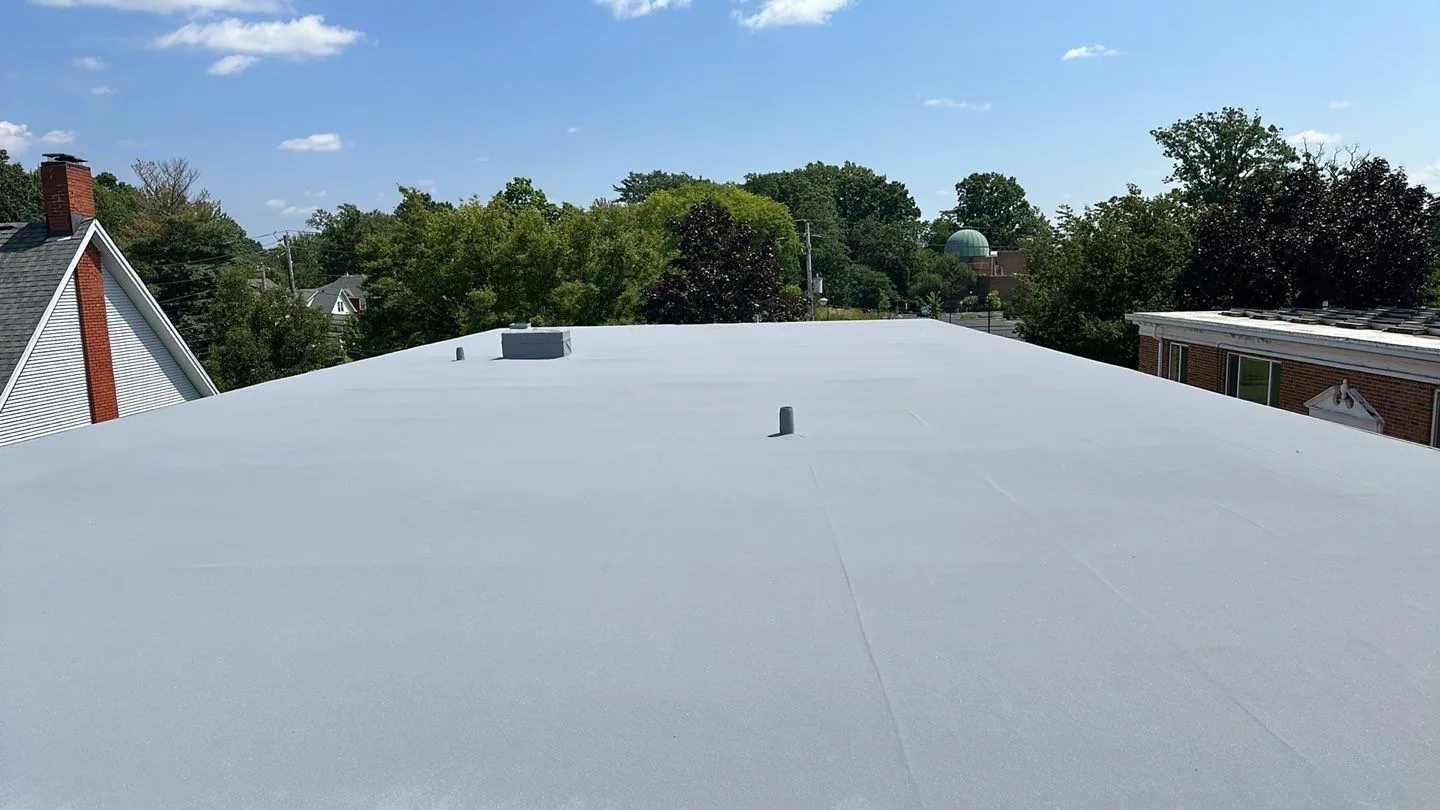
We map the elevation, roof access, staging, and area below before removing metal. Loose components are secured or taken down in a controlled order. The crew protects the roof edge while exposing cleats or flashing, then installs the compatible repair or replacement detail. Each section is made watertight before the next is opened. The facility contact can identify doors, walkways, air intakes, or equipment that require temporary protection or a restricted work zone.
Closeout checks include attachment, joint closure, membrane termination, gutter pitch, outlet connection, and visible water discharge. We photograph repaired conditions and list anything that needs another trade or later observation. If multiple buildings share similar details, a multi-site roof program can keep condition records organized by property. We can schedule the roof walk in Gresham around deliveries, occupied hours, and the next safe access window.
Commercial Roof Edge Metal and Gutters FAQs
-
Can loose coping be resealed without replacing the full run?
Sometimes. We check whether the cap, cleats, joints, corners, and flashing below remain sound. A localized repair is reasonable when attachment is secure and the failure is limited. Corrosion, repeated separation, or loose cleats may require more than sealant at the visible seam.
-
Why does our gutter overflow when it looks clean?
The gutter may have inadequate slope, a restricted downspout, a damaged outlet, or more flow than the section can carry. We inspect the visible path and note where water spills. A downstream blockage may need a plumbing or site drainage specialist to confirm the cause.
-
Will new edge metal be needed with a roof replacement?
Often, because added insulation or a different assembly changes the roof height and termination. We measure the edge and coordinate the membrane, cleat, coping, and wall details. The replacement scope should define new perimeter metal and transitions before installation starts.
-
Can gutter repairs happen while our building remains open?
Usually, if access below the repair can be managed. We coordinate lifts, ladders, walkways, loading activity, and any temporary discharge changes with the facility. The crew secures each section and closes the work zone before moving to the next area.
Related Roofing Work
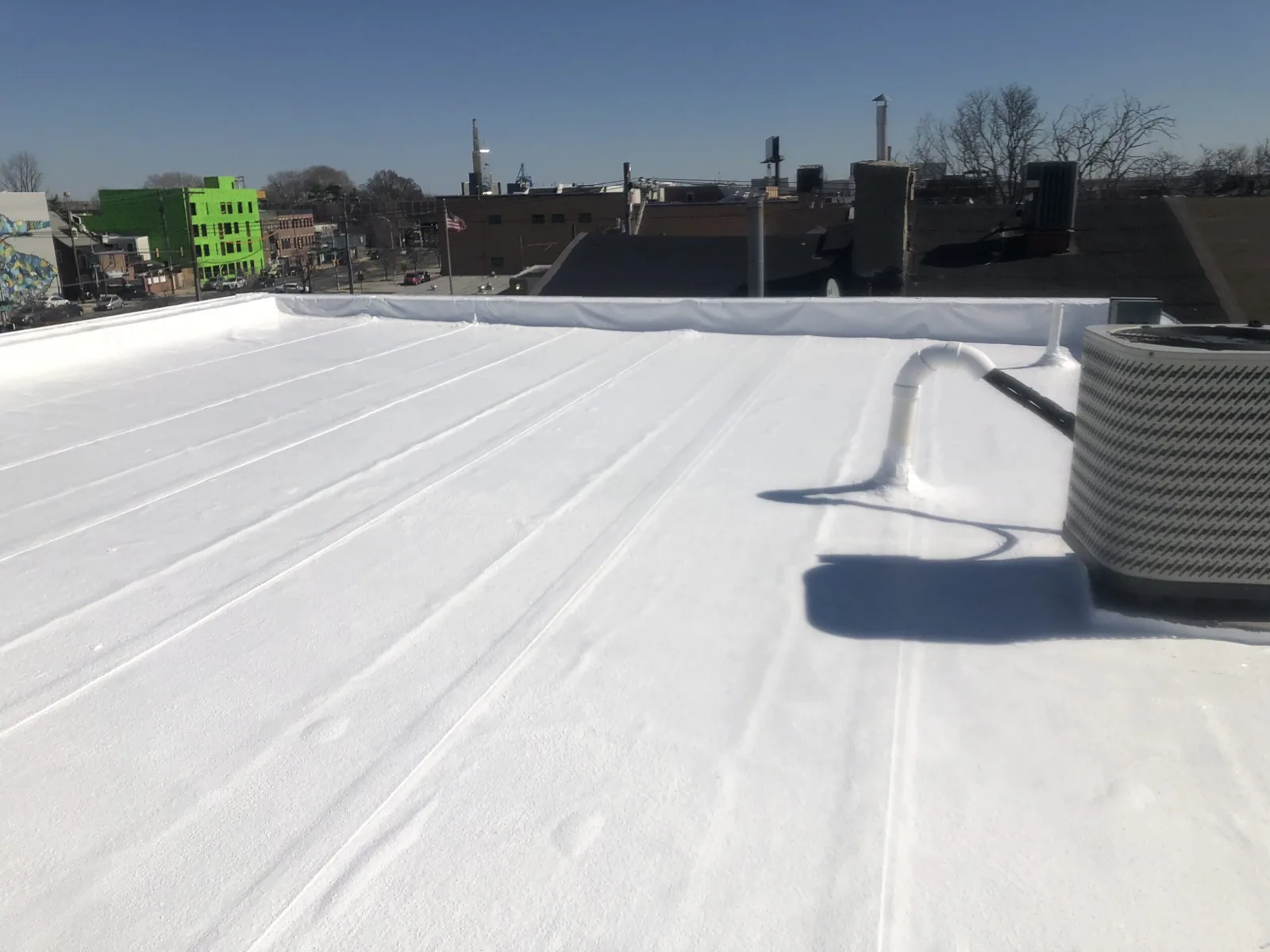
Commercial Roof Inspection
Learn More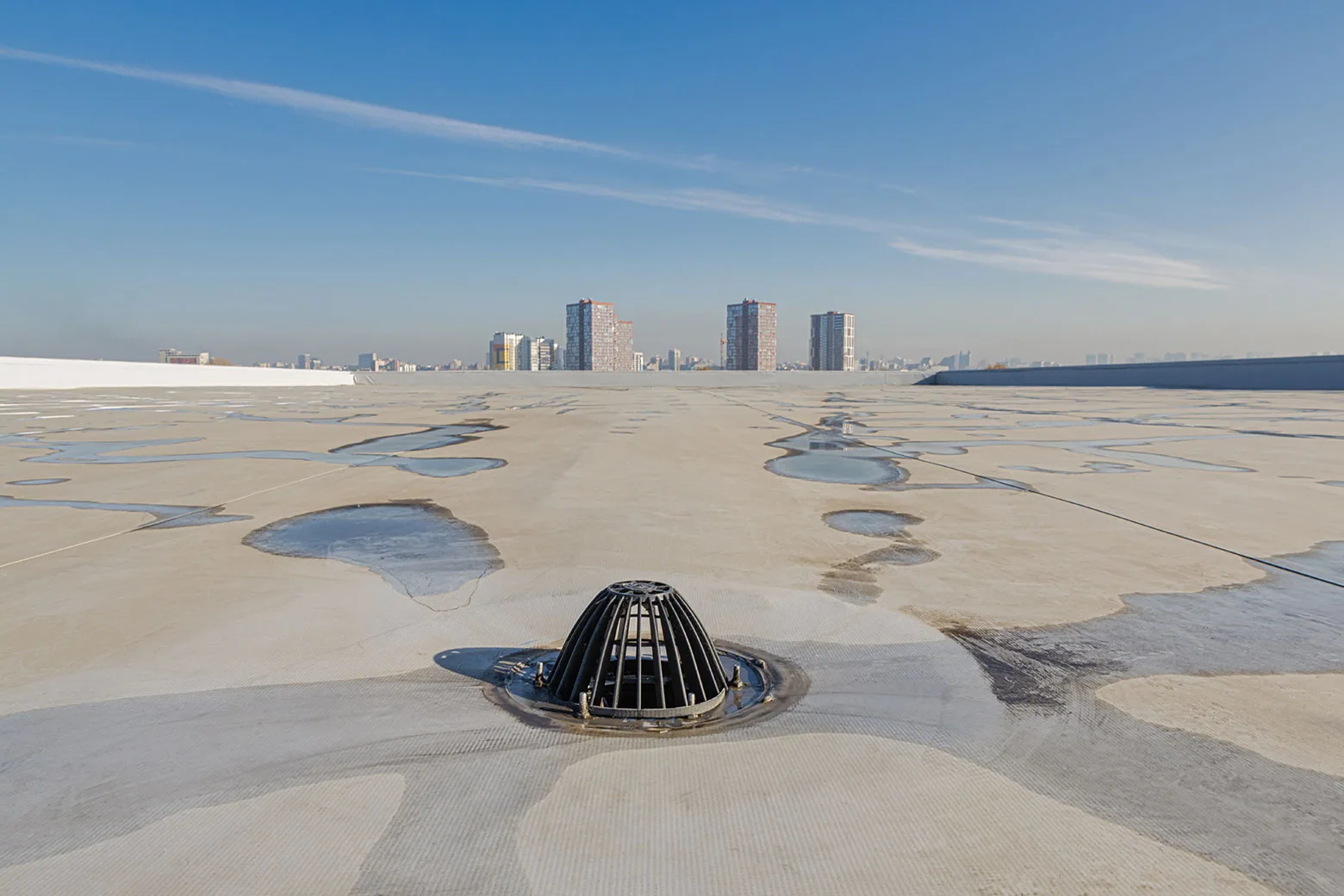
Commercial Roof Drains and Scuppers
Learn More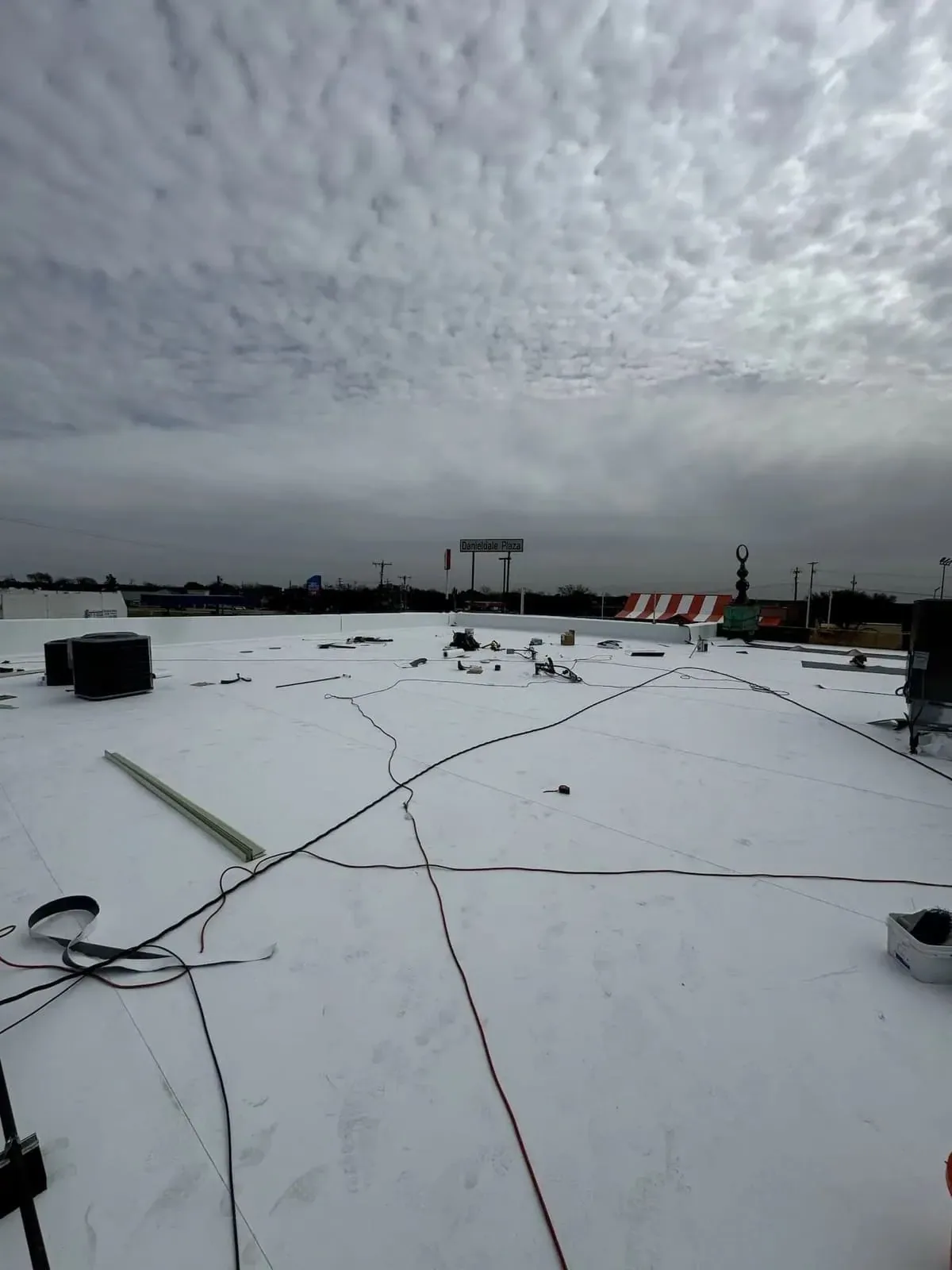
Commercial Wind Damage Roof Repair
Learn More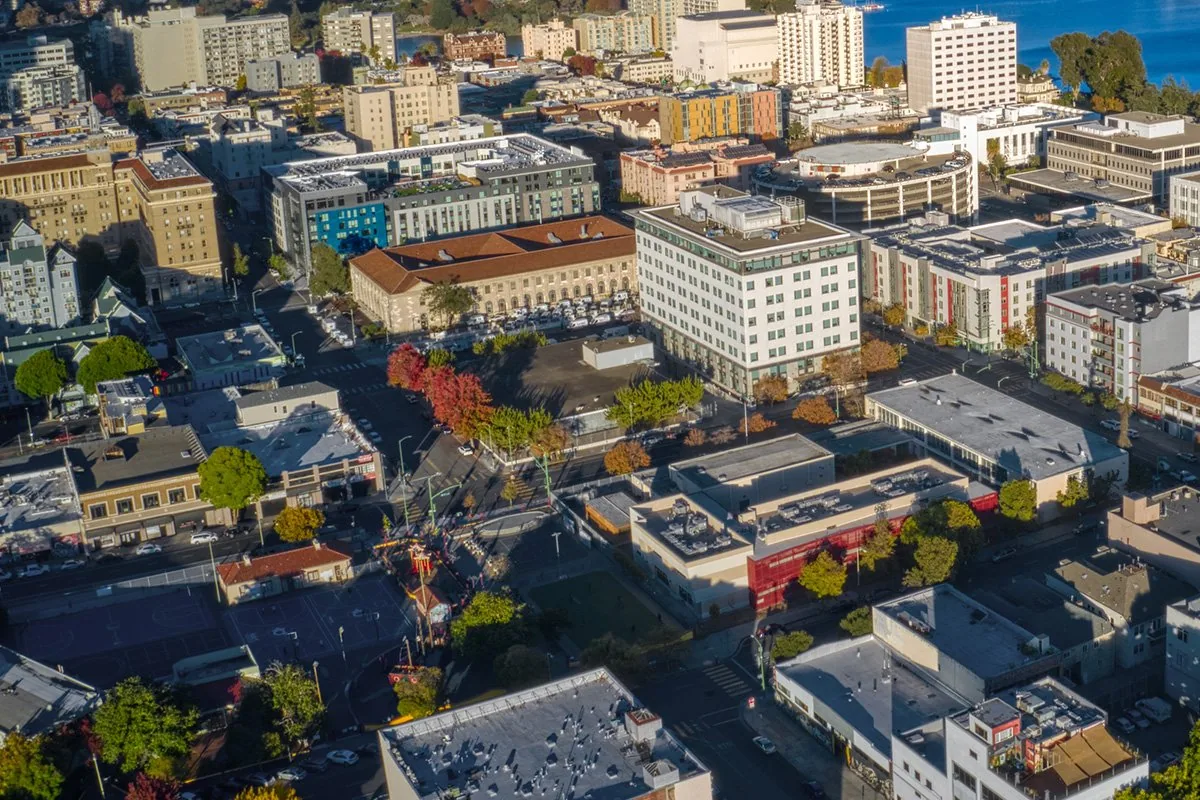
Downtown and Civic Neighborhood
Learn More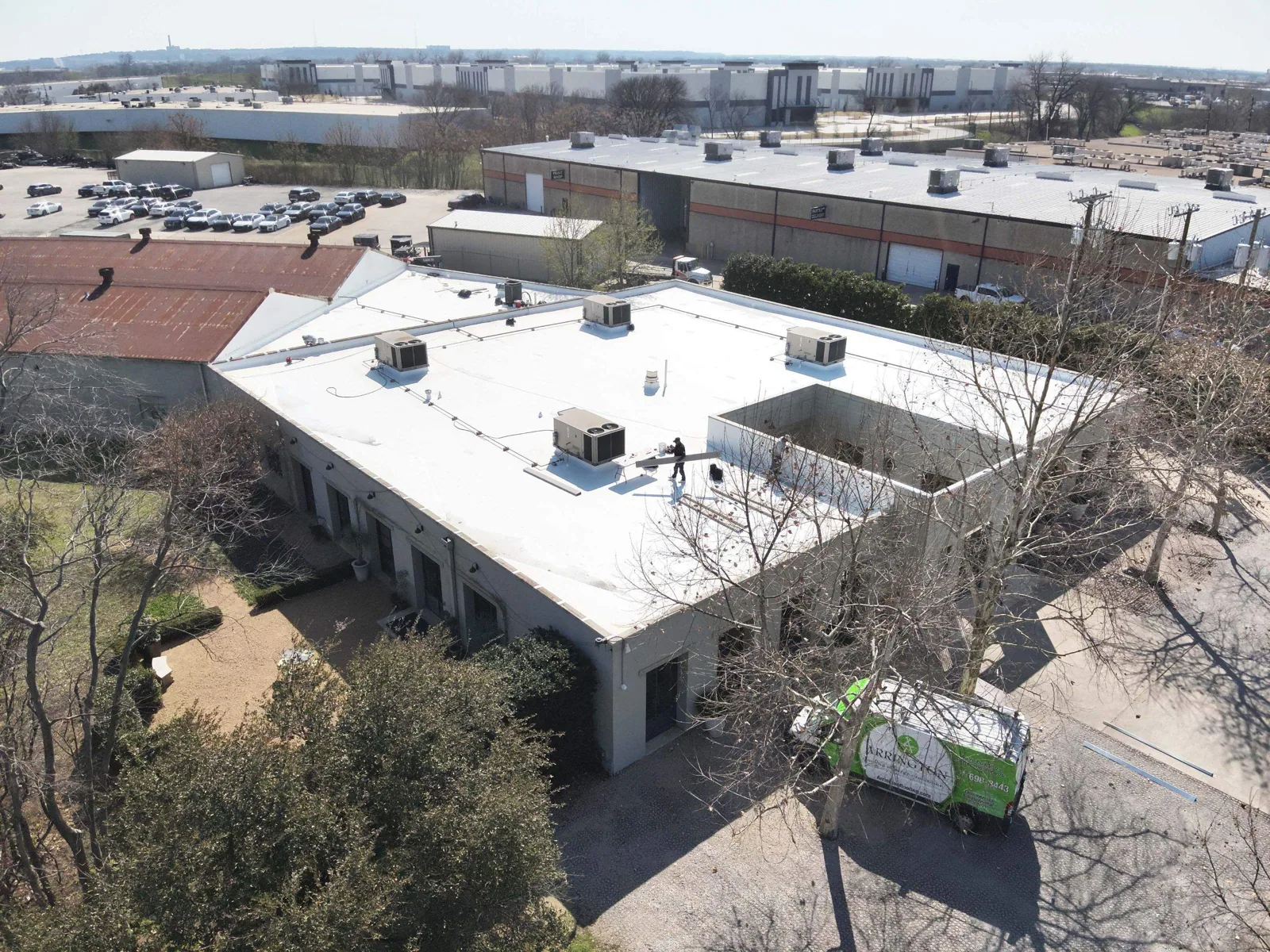
Commercial Roof Recover
Learn More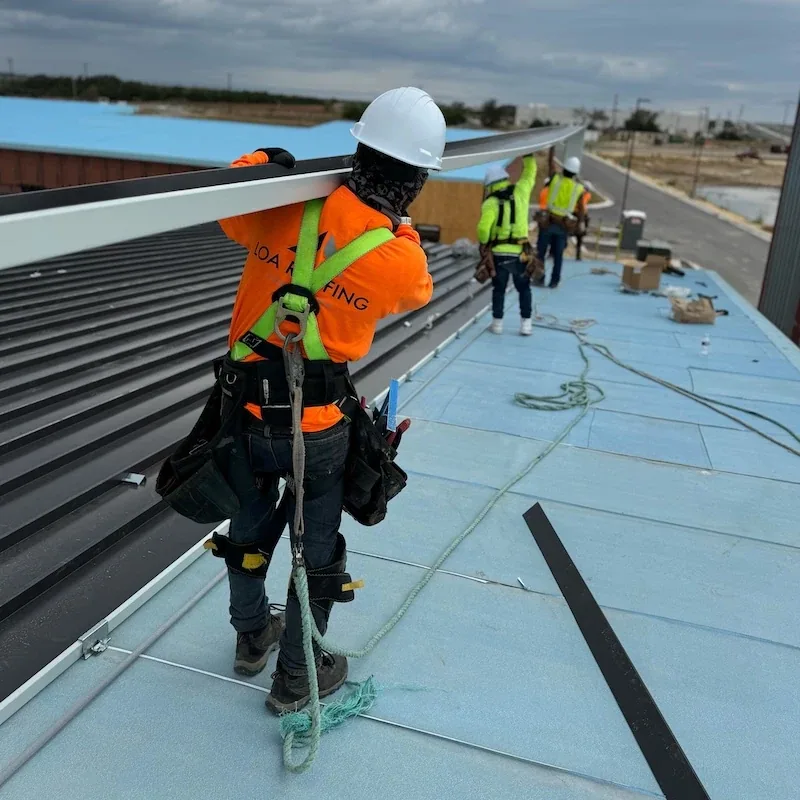
Commercial Roof Maintenance
Learn MoreInspect the edge and discharge details
Request a roof assessment in Gresham
We will review coping, membrane termination, gutters, and downspouts, then coordinate access around your Gresham facility. Tell us about the building, the roof and what you are seeing. Call 555-555-5555, email [email protected] or send the details through our contact page and we will set up a time to walk the roof.