
Office Building Roofing in Gresham, OR
Arrange an office roof walk
- Home
- Property Types We Roof
- Office Building Roofing
An office roof has to protect people, equipment, and workdays that continue below it. Rooftop units, exhausts, antenna mounts, skylights, and tenant improvements can change the leak path long after the original membrane was installed. We start by confirming the roof assembly, the reported issue, and the building's access rules. In Gresham, commercial activity spans historic Downtown, Civic Neighborhood, and Rockwood, with corridors connecting these centers. Each property has its own tenant schedule and roof constraints. A commercial roof inspection gives the owner a documented basis for deciding what needs attention now.
How should roof work fit an occupied office?
Tenant access and occupied hours affect how a project is staged. Noise, odors, lifts, material delivery, and temporary access restrictions need to be discussed before the crew arrives. We coordinate with the property contact on notice periods, loading access, roof keys, and any quiet or high-traffic times. If several suites share a roof, we identify who will relay updates and how occupants should report a new leak.
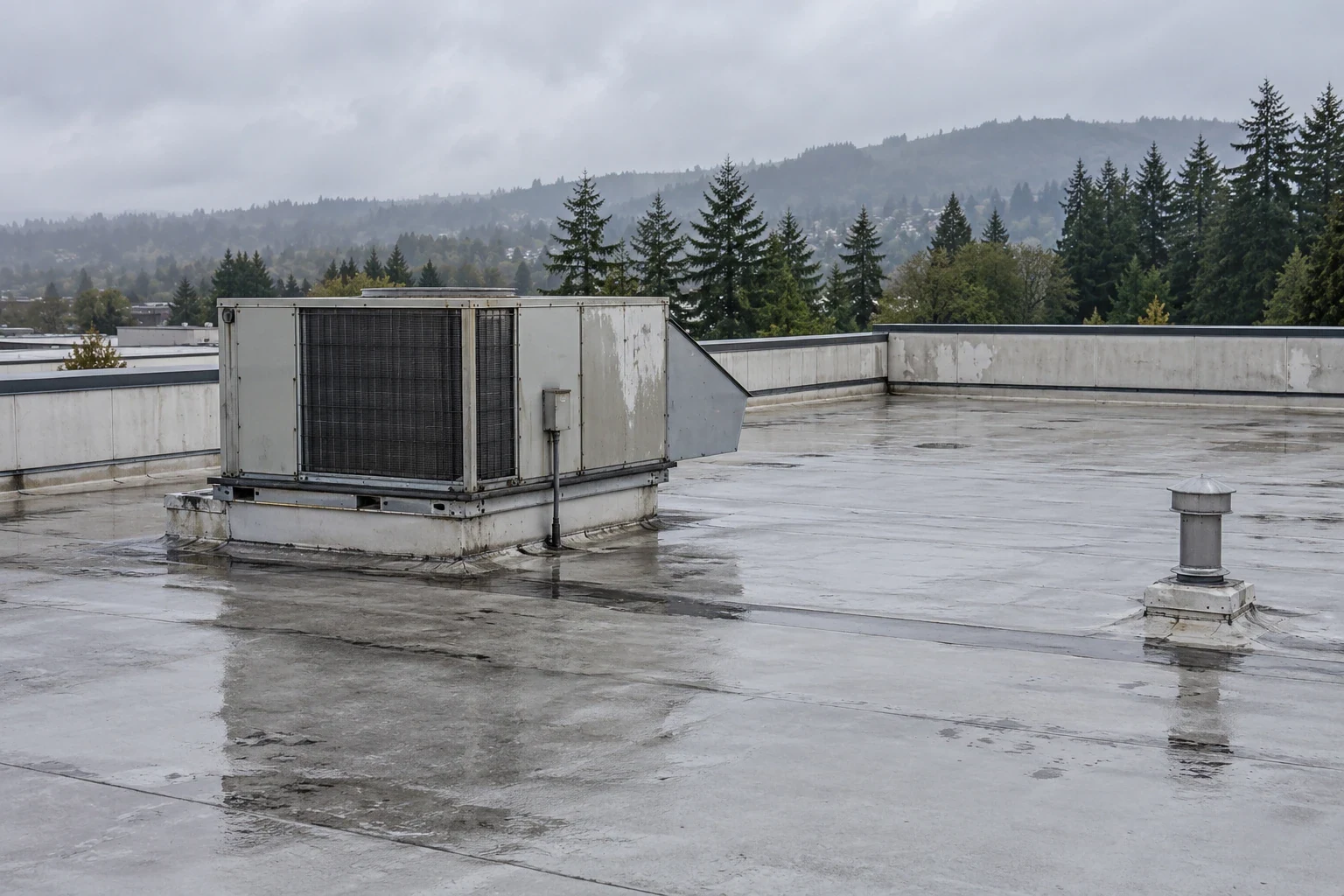
Roof details can cross trade boundaries. HVAC curbs, exhausts, satellite equipment, and conduit supports may be serviced by vendors who are not part of the roofing scope. We mark those interfaces and confirm who can disconnect or move equipment. Flashing can only be completed correctly when the roofing detail and the equipment connection are both understood. The curb and equipment review helps clarify what must happen before membrane work begins.
What causes office roof leaks to recur?
Leaks often return when a repair addresses the interior stain instead of the roof entry point. Water can travel along a deck flute, insulation joint, conduit, or wall transition before it appears in a ceiling tile. We compare the reported room and timing with roof seams, drains, penetrations, and changes in elevation. A repair boundary should follow the evidence, not simply the nearest visible mark.
Office roofs also accumulate changes. A new unit may sit beside an older curb; a removed line can leave a patch that no longer matches the membrane; a maintenance route can wear a walkway or seam. Drain bowls may collect leaves and roof debris, particularly after wind and rain. We inspect the surrounding surface and overflow path before deciding whether the issue is a blockage, a failed flashing, or both. A drainage and scupper check can identify where water is being held or redirected.
Portland International Airport's climate normals show most regional precipitation falls from autumn through spring. For an office owner, that seasonal pattern makes open laps, damaged edge metal, and blocked drains worth resolving before repeated wet weather. We document urgent openings separately from details that can be budgeted for a planned project.
What should an office roof assessment include?
We review the visible roof layers, seams, penetrations, drainage, parapets, edge metal, and wall transitions. Where records are available, we compare current conditions with prior reports and repair history. Photographs should identify the roof zone and the detail in question, giving the property manager something more useful than a list of general concerns. We record active leaks, probable entry paths, maintenance items, and areas that merit monitoring.
The interior report is part of the inspection. A room number, stain location, recent ceiling work, and whether the leak appeared during rain can help direct the roof walk. If moisture may extend below the membrane, a survey or test cut can help map affected materials. We explain the limits of a visual inspection when the assembly hides the condition. The resulting photo-based condition report can support an annual budget, tenant communication, or a repair authorization.
When is a repair enough, and when is replacement due?
A discrete puncture or failed flashing with dry adjacent insulation may be repaired locally. If the same seam, drain, or transition has failed repeatedly, the owner should compare the cost and disruption of continued repairs against a larger scope. Broad wet insulation, loose attachment, widespread brittle membrane, or an aging assembly with many compromised details can point toward replacement. We inspect the roof before recommending either path.
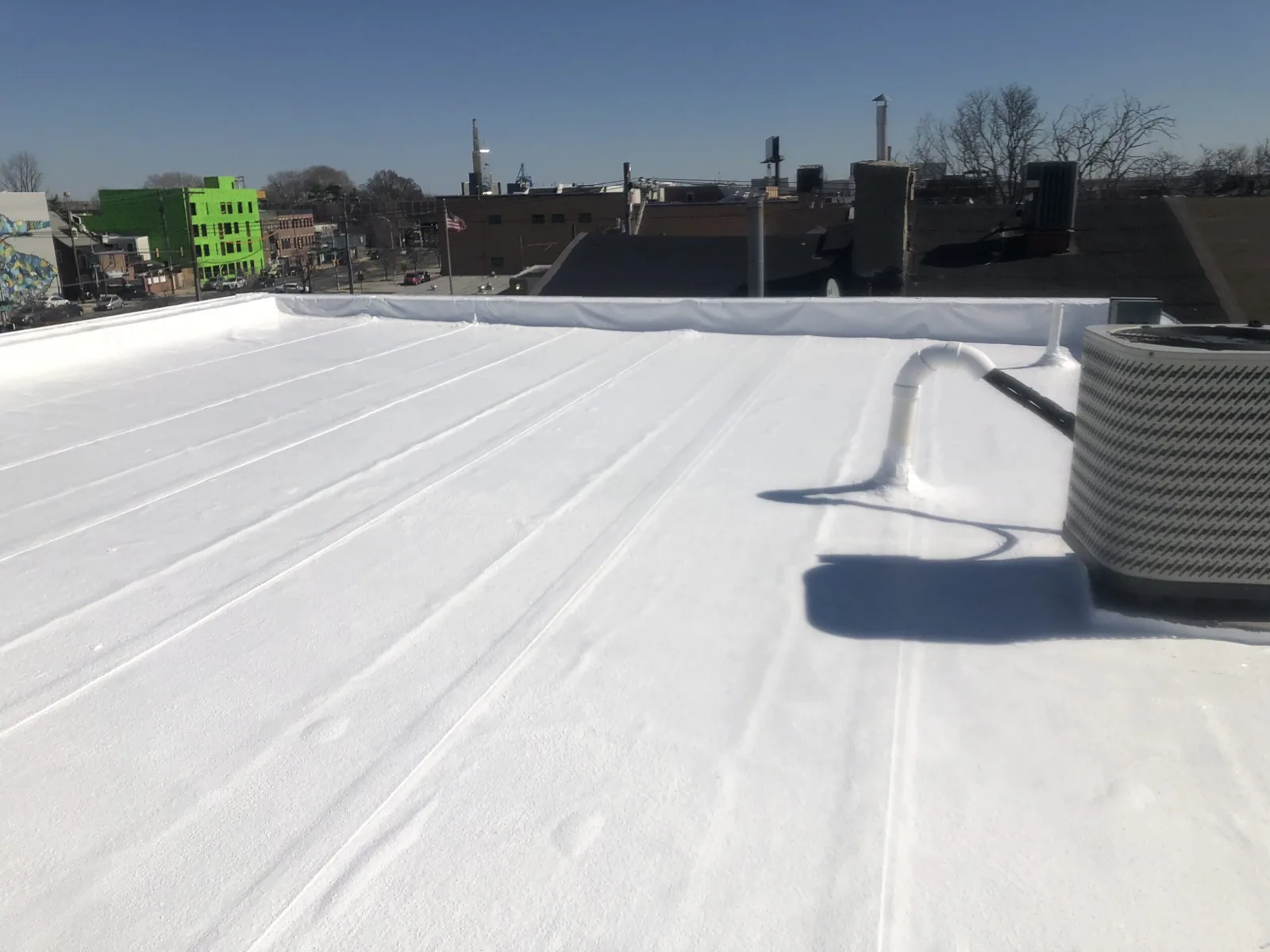
A recover can be considered when the existing roof is suitable to receive another layer and applicable requirements allow it. That decision depends on moisture, attachment, edge height, drainage, and the number of existing layers. Coating may be an option for a compatible, sound surface, but it does not correct saturated insulation or unresolved drainage. A medical office roof review can also help owners compare the different access and occupant coordination needs among office uses. The proposal should state exactly which roof zones and details are included.
Replacement planning should account for tenants, entry canopies, rooftop equipment, and the safest routes for people and materials. We divide work into manageable areas, protect exposed edges at each close, and identify when noise or access restrictions are expected. A replacement scope sets out those decisions before mobilization. A larger care campus may need a hospital roof plan with phased access and equipment coordination.
How do we keep a project predictable for tenants?
Before work starts, the owner and contractor confirm work hours, notice requirements, staging space, lift locations, and the person who can answer tenant questions. We ask whether any suites have sensitive equipment, client-facing events, or deliveries that affect roof access. A simple daily plan identifies the work zone and where people should stay clear. Property staff can then give occupants a specific update rather than a broad warning.
During repairs, the crew opens only the area it can protect and close within the agreed shift. If hidden damage changes the scope, we stop at a safe limit, document what was found, and review the options with the owner before continuing. At completion, tools and debris are removed, drains remain clear, and temporary protection is checked. The closeout record lists the completed work and any follow-up items.
What belongs on a recurring office roof visit?
A maintenance visit should check seams, wall flashings, drain bowls, overflow routes, roof edges, and equipment transitions. The technician clears ordinary debris and reports conditions that require a repair authorization. Roof traffic is also reviewed: service vendors can leave loose fasteners, damaged walk pads, or unsealed penetrations. New rooftop equipment should be inspected after installation to confirm the flashing and support details are complete.
Downtown and Civic Neighborhood and Rockwood are among Gresham's principal commercial centers, but roof age and tenant layout vary by building. A maintenance record should therefore follow the property, not assume that a nearby office has the same assembly. Keep photos and repair records with the roof plan. If a ceiling leak returns, log the weather, affected room, and any recent work. Those details help the next inspection start with a useful lead.
What should an office owner provide before a roof walk?
Share roof plans, prior repair records, known leak locations, access rules, and the tenant contact who can coordinate notice. Tell us about scheduled HVAC work, deliveries, or building events. We will inspect the roof, explain the observed condition, and separate urgent exposure from work that can be planned. Schedule a roof walk so we can coordinate the occupied hours and prepare a clear next step for the property team.
Office Building Roofing FAQs
-
Can office tenants remain in the building during roof repairs?
Often they can. We coordinate work zones, deliveries, noise windows, and entry routes with property staff, then provide a clear daily boundary where roof work affects access.
-
Can you identify the roof opening behind a ceiling leak?
We compare the interior location and timing with roof details and likely water paths. If the assembly conceals moisture, a survey or targeted opening may be needed to confirm the repair area.
-
Should we coat an office roof instead of replacing it?
A coating can suit a compatible, sound roof. We first check membrane condition, moisture, drainage, and details; coating cannot correct wet insulation or a failed assembly.
-
How should we prepare for a roof replacement?
Confirm tenant notice, work hours, staging, lift access, rooftop equipment contacts, and the person authorized to approve discoveries. Those decisions reduce avoidable interruptions.
-
How often should an office roof be checked?
Follow the roof system guidance and property maintenance plan. Schedule an additional review after a leak, equipment installation, or roof work that changes penetrations or drainage.
Related Roofing Work
Commercial Roof Inspection
Learn More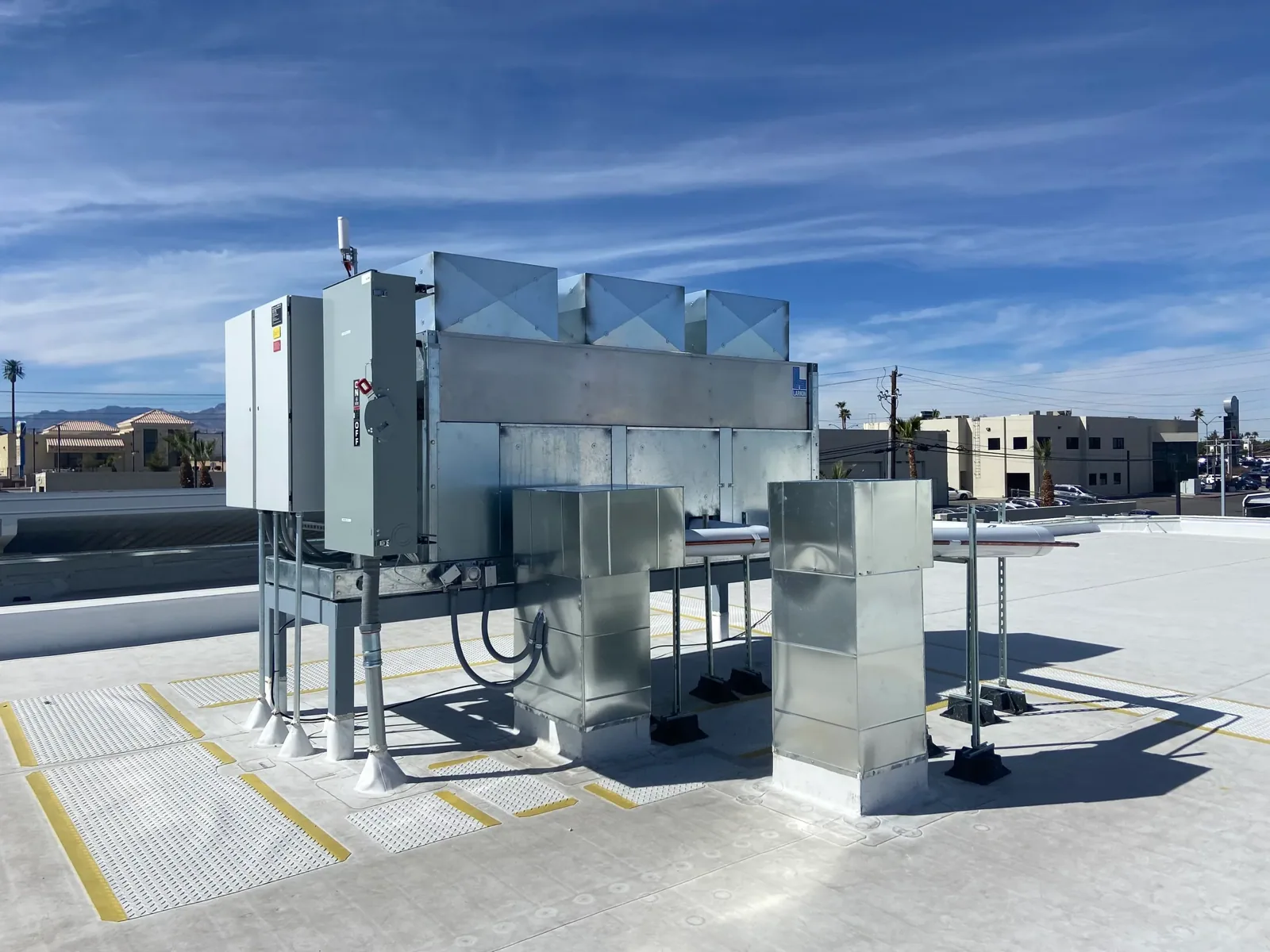
Rooftop Equipment Curbs and Supports
Learn More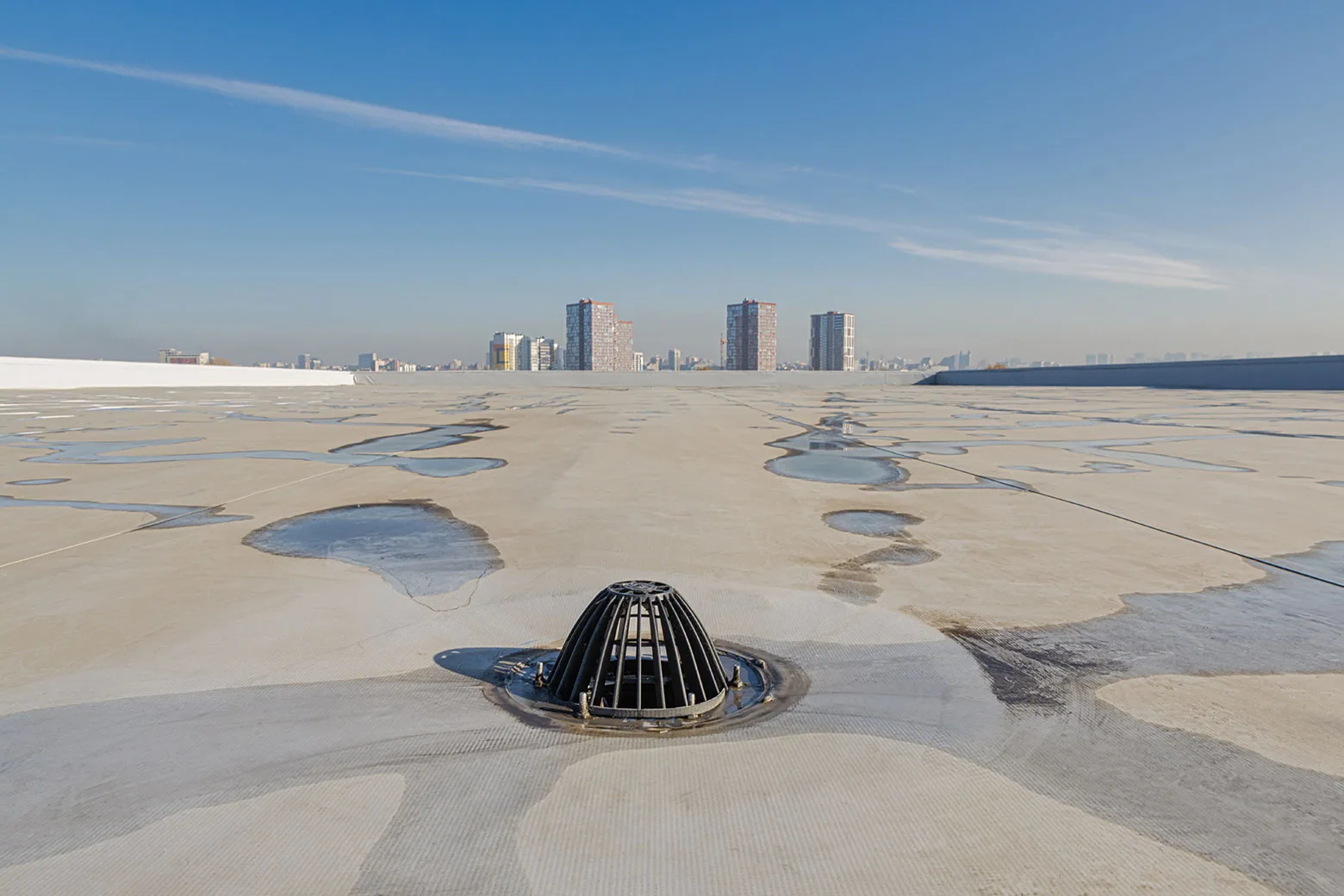
Commercial Roof Drains and Scuppers
Learn More
Commercial Roof Condition Reports
Learn More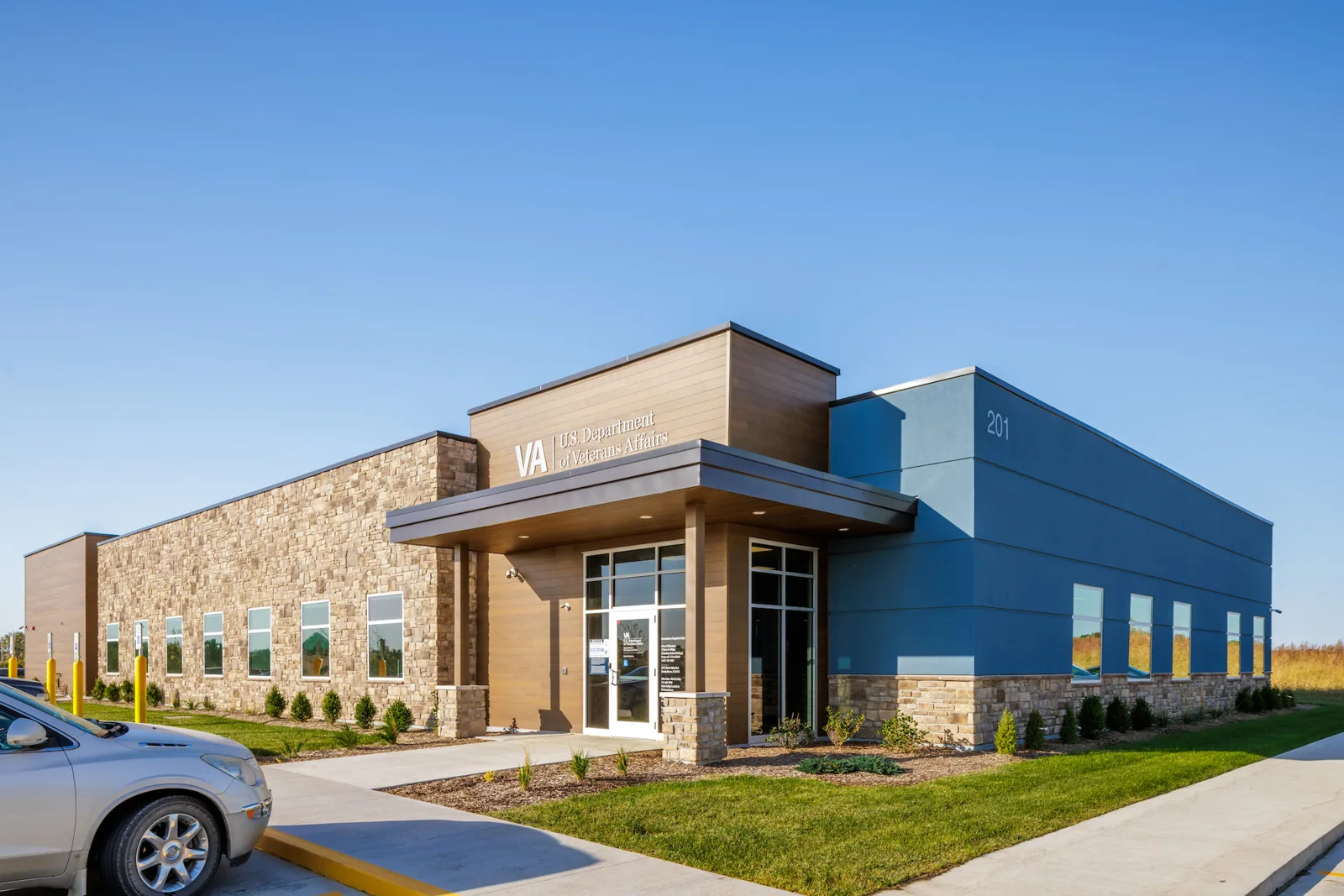
Medical Office Roofing
Learn More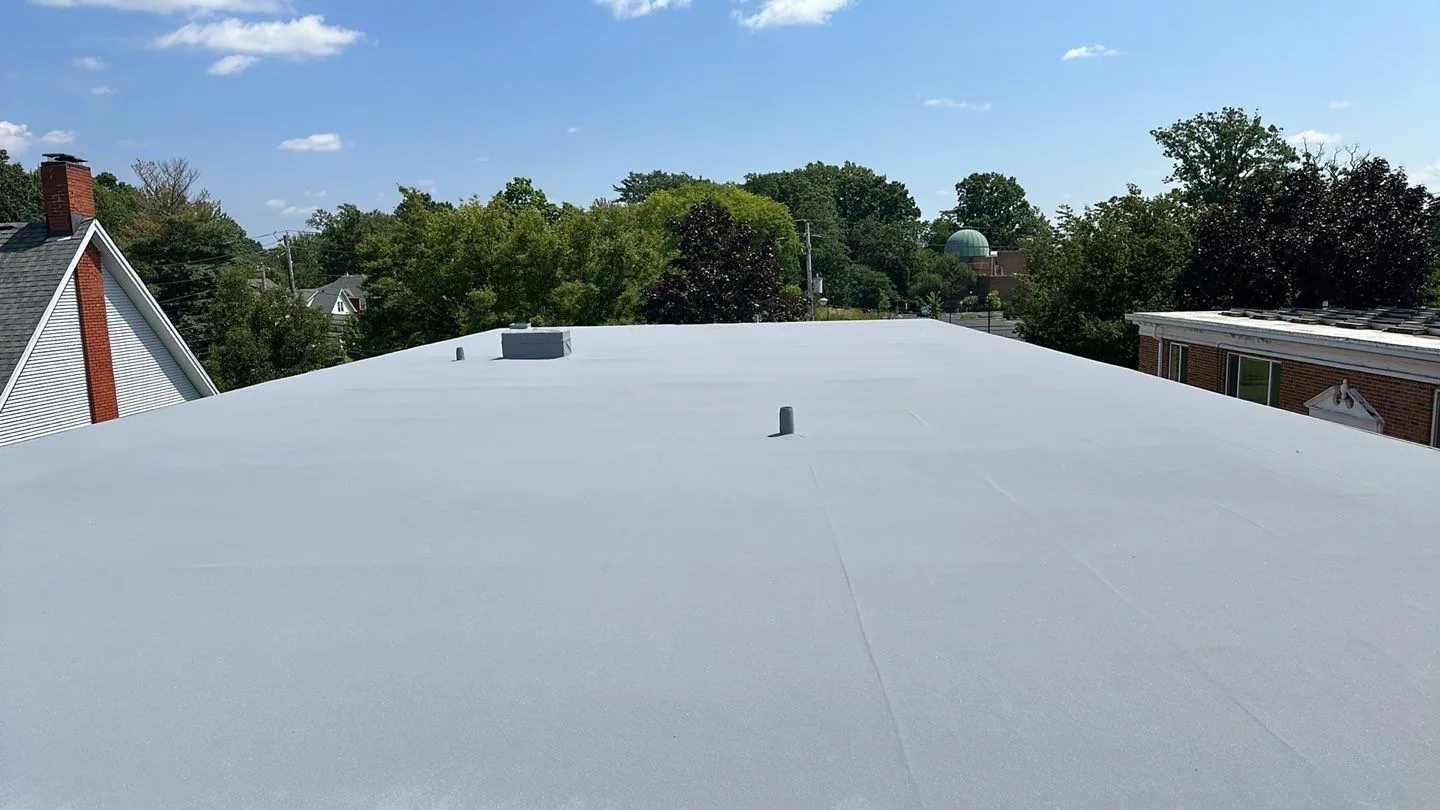
Commercial Roof Replacement
Learn MoreArrange an office roof walk
Request a roof assessment in Gresham
We will inspect the roof, document the observed conditions, and coordinate repair or replacement planning with your Gresham property team. Tell us about the building, the roof and what you are seeing. Call 555-555-5555, email [email protected] or send the details through our contact page and we will set up a time to walk the roof.