
Hospital Roofing in Gresham, OR
Coordinate a hospital roof review
- Home
- Property Types We Roof
- Hospital Roofing
Hospital roof work has to fit a building that cannot simply pause. Multiple departments, mechanical systems, controlled access, and patient movement can all affect the route from a roof opening to a completed repair. We first confirm who controls access, which areas are sensitive, and how a work zone can be isolated. Gresham's Downtown and Civic Neighborhood and Rockwood are principal commercial centers, but each facility sets its own operating rules. A commercial roof inspection starts with the assembly and the specific operational constraint, not a generic repair assumption.
What changes when the building stays in service?
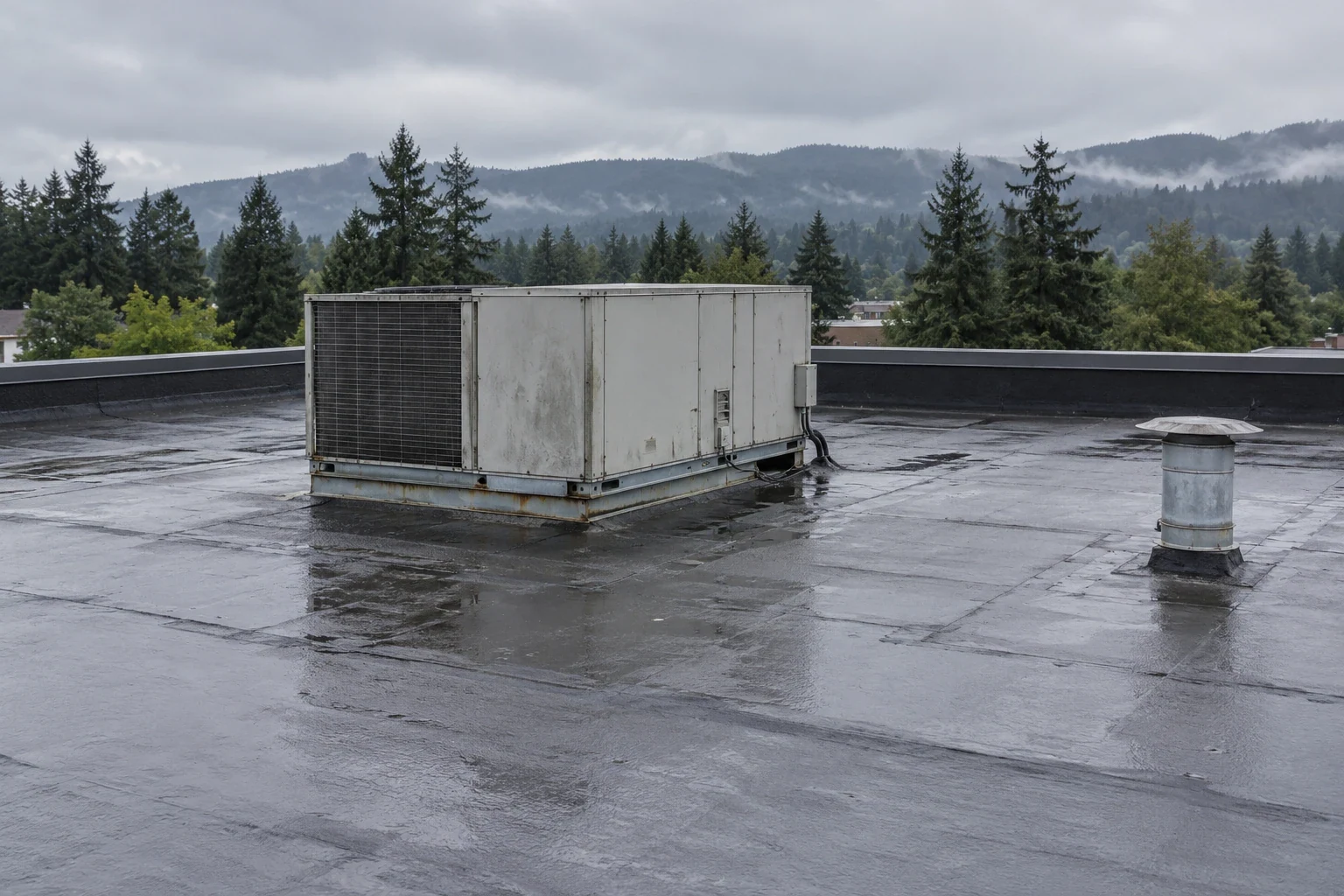
Roof access may require an escort, check-in, designated lift, or clearance from facilities staff before a crew moves material. The hospital contact identifies areas where noise, vibration, odors, or overhead work need added review. We agree on work hours and the person who can authorize a route or staging change. That planning is separate from clinical decisions and does not require roofing staff to handle patient-care systems.
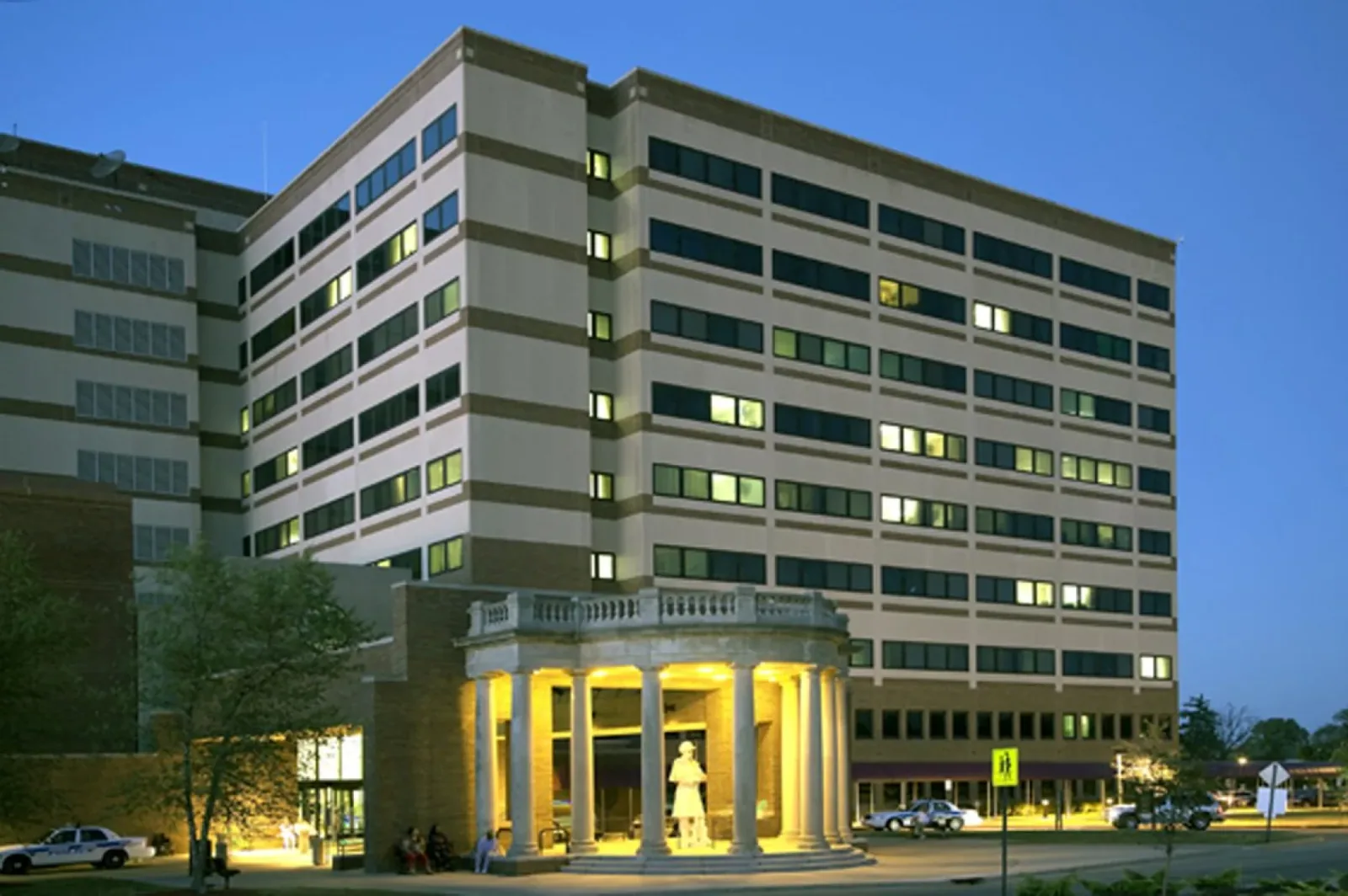
Large roofs may have several assemblies and distinct access points. An addition can join an older wing at a wall transition; separate mechanical zones may have different curb details and service schedules. We mark the boundaries and inspect each roof section with its construction history in mind. A medical office roof review addresses a smaller clinical setting, while hospital planning must account for more departments and interfaces.

How do we trace a leak through a complex roof?
A ceiling stain rarely marks the exact opening above it. Water may travel across a deck, along a pipe, or through insulation before appearing in a room. The report should include where water showed, when it appeared, and whether ceiling or mechanical work happened nearby. We compare that information with roof seams, penetrations, drains, expansion joints, and transitions between building sections. If evidence points to a plumbing or condensation issue, the right next step may involve another trade.
Drainage paths can cross roof zones and collect debris at bowls or scuppers. We inspect outlets, overflow routes, low areas, and flashings around them. If a roof section ponds because of a blocked outlet, a maintenance correction may solve the immediate issue. If the flange or adjacent membrane is compromised, a repair must restore the connection. A drainage review separates those causes and records which areas need follow-up.
Portland International Airport's climate normals show frequent measurable precipitation across the regional wet season. On a large facility, open details should be protected as soon as they are found, even when the final repair needs additional coordination. We set a temporary protection plan before broader work begins.
What should a hospital roof survey record?
The inspection records membrane condition, seams, penetrations, walls, edge metal, drains, roof hatches, and interfaces between wings. Photographs identify the roof zone, detail, and observed condition. We mark active water entry separately from deterioration that can be scheduled. If drawings or prior reports exist, we compare them with current conditions and record additions or repairs that changed the assembly.
Facility staff may have work orders from several departments. We connect each interior report to its building area and roof section where possible, then list what remains uncertain. Concealed moisture can require additional testing. A visual review cannot confirm every hidden layer, so we state when a survey or test opening would improve the repair boundary. The roof condition report gives facilities and capital-planning staff a photo record of findings, priorities, and recommended follow-up.
Access and safety information belongs in the project plan: escort contact, equipment route, restricted areas, roof traffic, and approved staging. The hospital can then coordinate internal notices before a crew arrives.
Which repair path fits the condition?
A localized puncture or failed flashing with dry surrounding insulation can often be repaired without disturbing the whole roof. Multiple recurring failures, widespread wet materials, weak attachment, or a deteriorated assembly may call for replacement. A recover or coating can be considered only after inspection confirms that the substrate, drainage, and details are suitable. The recommendation should show how the observed condition supports the chosen scope.
For replacement, phasing is central. Work can be divided by roof zone so the contractor protects each area at the end of the shift and limits exposure to a manageable footprint. Transitions between old and new work need a planned tie-in, especially where wings connect or equipment crosses the boundary. A replacement sequence identifies those interfaces, temporary protection, access needs, and decisions required before mobilization.
Where the roof stays in service above sensitive rooms, the plan should name who receives updates, when noisy tasks occur, and how a changed condition is approved. A written scope also distinguishes roofing work from equipment or utility work by other trades. For a smaller outpatient operation, an office building roof assessment shows how access planning changes with building use.
How can repairs be staged safely?
We confirm the approved entrance, escort, lift area, material route, work hours, and the facility contact responsible for each shift. Before an opening is made, the crew verifies the weather window and the area it can close. Materials are staged away from drains and exit routes. If hidden damage expands the scope, the crew secures the boundary and contacts the owner before proceeding beyond authorization.
During the work, the hospital monitors internal access while the roofer controls the roof work zone. The two plans should identify any area where a leak response or equipment service could intersect with construction. At shift end, the contractor closes the roof, removes debris, checks nearby drainage, and confirms that routes are clear. A daily handoff records completed work and the next scheduled step.
For a large repair, the sequence may need to pause between sections while the facility checks access and operating impacts. We document the tie-in point and temporary protection so the next work period can resume without reopening an area that has already been closed.
What should ongoing roof management include?
Routine reviews should inspect drains, seams, penetrations, walls, expansion joints, and areas touched by recent mechanical projects. Roof records should be organized by building wing or zone so staff can connect a repair to the correct assembly. After wind or rain, a focused check may be appropriate if staff observe a new ceiling mark or debris accumulation. Record the location and timing before temporary interior repairs make the water path harder to trace.
Gresham's principal commercial centers include Downtown, Civic Neighborhood, and Rockwood. That area context helps place the service visit, but the maintenance interval comes from the facility's roof system, exposure, condition, and records. A preventive maintenance visit can clear debris, identify small changes, and present repair needs before they grow into a larger project.
What should facilities share before requesting work?
Provide any available roof plan, leak work orders, access rules, escort contact, and scheduled mechanical work. Identify the person who can approve a repair and the staff member who coordinates affected departments. We will inspect the roof, explain what can be confirmed, and identify any test or trade coordination needed before the scope is final. Schedule a roof walk to set the access plan and review a practical path from immediate protection to permanent repair.
Hospital Roofing FAQs
-
Can a hospital remain open during roof repairs?
Roof work can often proceed by controlled zone when access, notice, and protection are planned with facilities staff. The approved work area and hours should be confirmed before mobilization.
-
Can you coordinate with hospital facilities teams?
We coordinate roof access, staging, work hours, and changes to the work zone with the designated facilities contact. The hospital retains control of clinical operations and building systems.
-
How do you find a leak with several roof additions?
We compare room reports with each roof section, transition, drain, and penetration. If concealed moisture remains uncertain, a survey or test opening can help define the affected area.
-
Can a hospital roof be replaced in phases?
Yes, when the assembly and project conditions support phased work. The sequence defines section boundaries, temporary protection, tie-ins, access, and end-of-shift closure.
-
What should we do after an interior leak report?
Record the affected room, time, weather, and nearby maintenance work, then arrange an inspection. Protect the interior while the water path is traced and avoid assuming the roof opening is directly overhead.
Related Roofing Work

Downtown and Civic Neighborhood
Learn More
Rockwood
Learn More
Commercial Roof Inspection
Learn More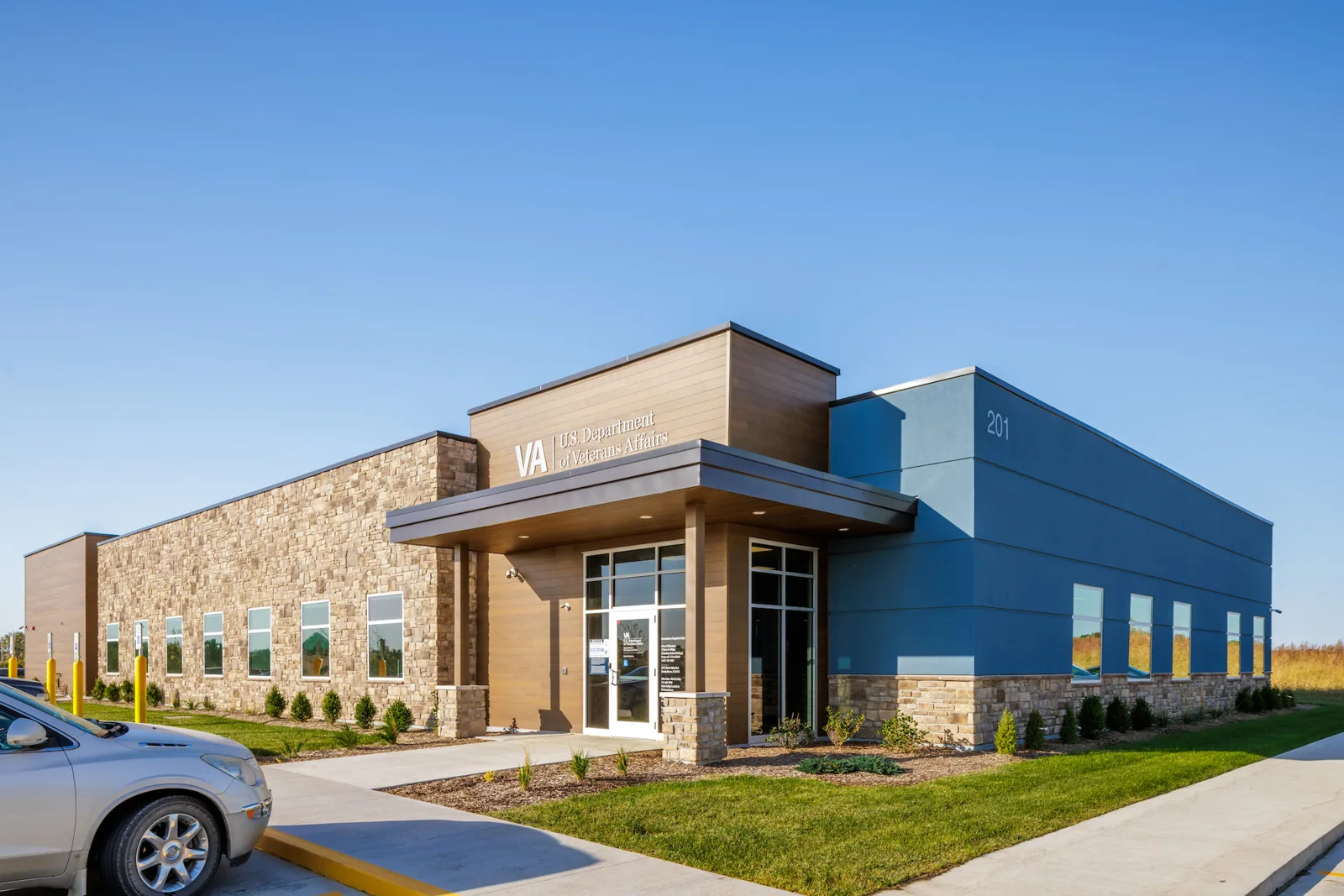
Medical Office Roofing
Learn More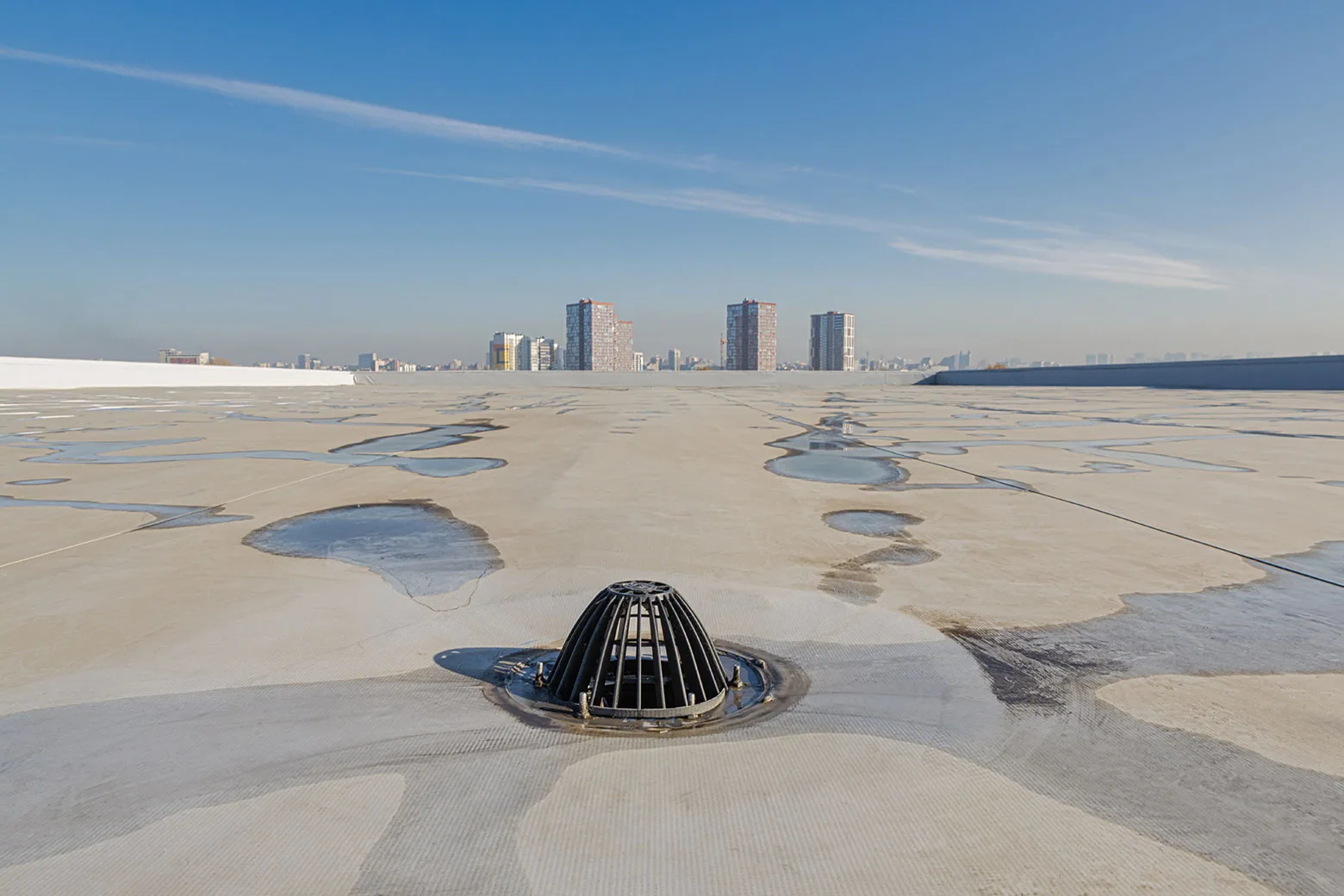
Commercial Roof Drains and Scuppers
Learn More
Commercial Roof Condition Reports
Learn MoreCoordinate a hospital roof review
Request a roof assessment in Gresham
We will work with your facilities contact to confirm access, inspect the assembly, and outline a repair or phased replacement sequence for the Gresham property. Tell us about the building, the roof and what you are seeing. Call 555-555-5555, email [email protected] or send the details through our contact page and we will set up a time to walk the roof.