Infrared Moisture Survey for Commercial Roofs in Gresham, OR
Map suspected roof moisture
- Home
- Commercial Roofing Services
- Infrared Moisture Survey for Commercial Roofs
A roof surface can look intact while moisture sits in insulation below it. Infrared screening can help locate areas that release or retain heat differently from surrounding roof sections. We use the survey to identify patterns for closer review, not to declare every colored image a confirmed leak. Roof construction, prior repairs, surface shade, wind, and recent weather affect what the camera records. Gresham’s wet season is concentrated from fall through spring, making drainage and moisture concerns worth checking before repair decisions. The roof still needs property-specific evidence. We connect the image set to the roof layout, then recommend direct inspection, a core, or another test where the next decision depends on confirmation.
Screen the roof before opening it
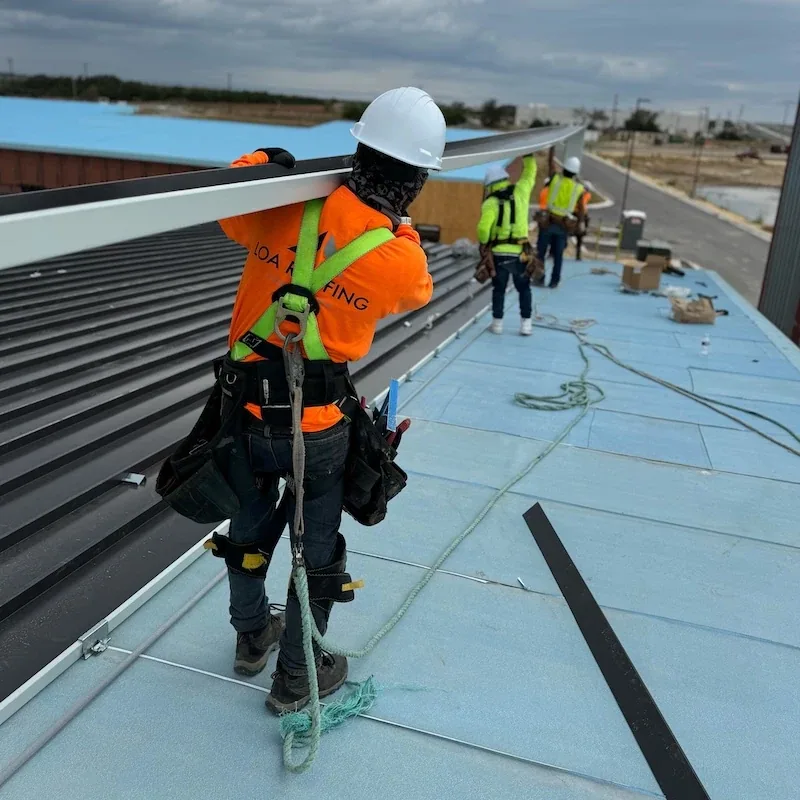
Before a survey, we review the assembly information, repair history, leak reports, and the purpose of testing. Infrared screening is most useful when the suspected moisture pattern can be compared across an appropriate roof surface under suitable conditions. We identify the building areas to cover and note any features that may alter the reading, such as equipment, shading, material changes, or prior patches.
The camera records surface temperature differences. Those differences can be consistent with retained moisture, but they can also result from insulation type, structural changes, heat below the roof, reflective surfaces, wind, or uneven solar exposure. We compare patterns with roof details and interior reports. The interpretation identifies suspect areas and competing explanations instead of treating a thermal image as a moisture meter.
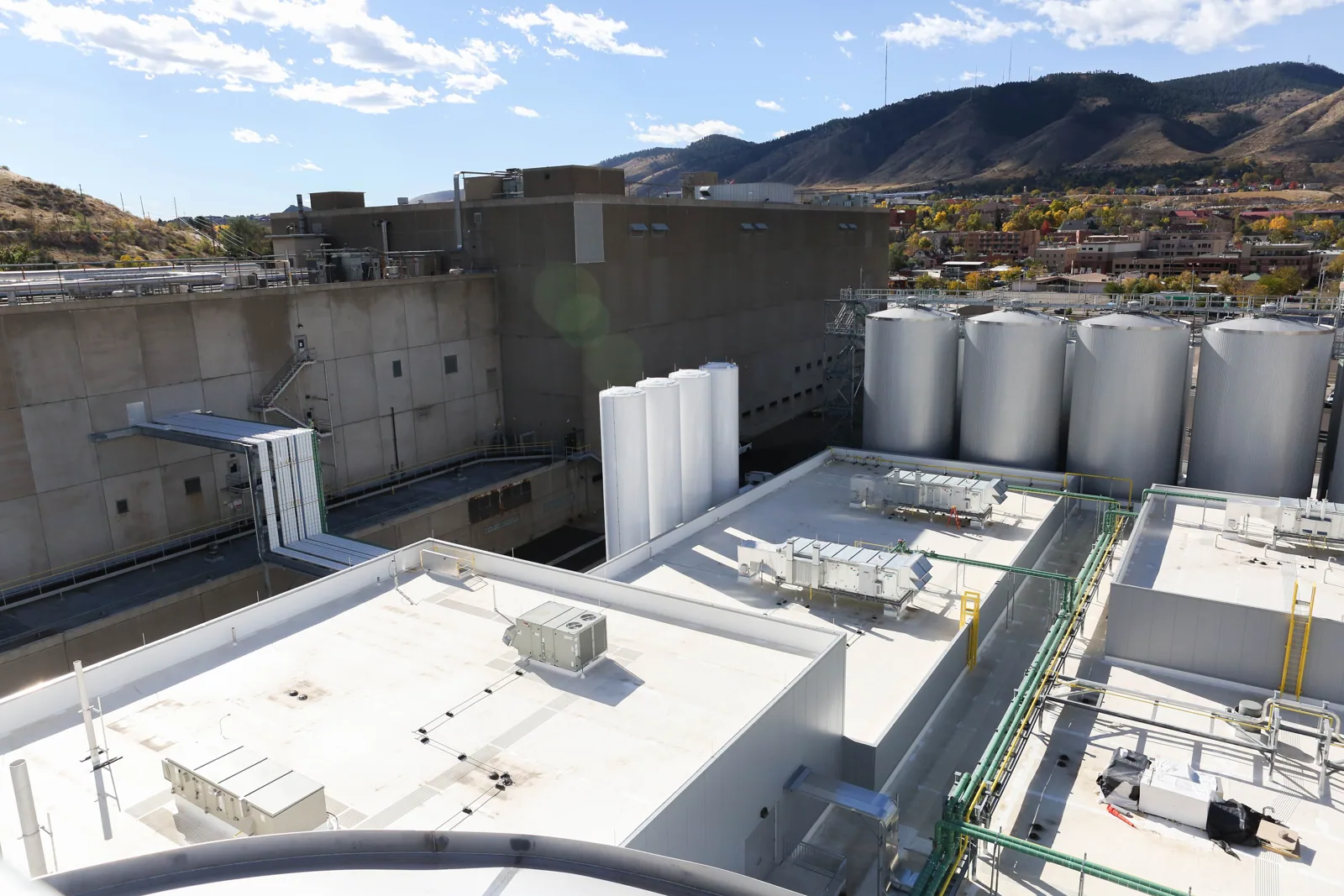
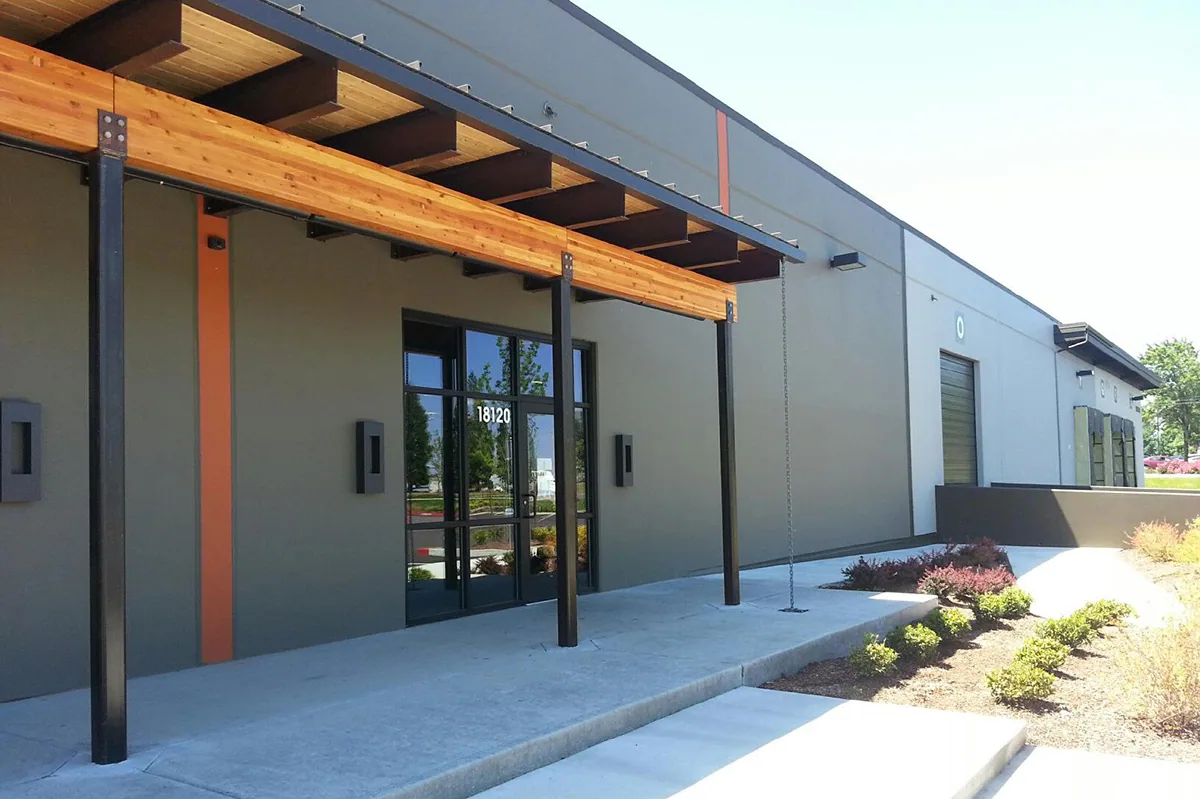
Large buildings near I-84 and NE 181st may have multiple roof zones and operating areas. We coordinate access and identify which sections can be measured safely. In Portland’s Columbia Corridor, freight and industrial buildings also vary in roof layout and use. A planned survey should state its coverage, conditions, and areas that could not be evaluated.
Confirm the pattern at the roof
After imaging, we map suspect zones and compare them with seams, drains, curbs, penetrations, and known leak locations. A pattern that follows a roof detail may point toward one investigation path. A broad temperature variation across material transitions may need a different explanation. The field review checks what is visible and selects points for verification where a test can affect the scope.
A core sample exposes a small section of the roof assembly. It can confirm material layers and whether insulation at that point is wet, but it represents only the sampled location. We identify the test point with the owner, protect the opening, and restore the assembly afterward with a detail compatible with the roof. If the sampling plan covers several roof zones, we explain the reason for each location and avoid implying that a few cores describe every square foot.
Other evidence may include interior moisture, prior repair areas, roof plans, or a separate hands-on inspection. Where results are inconclusive, we name that limitation and recommend the next test only if it can resolve a specific question. A survey is useful when its findings narrow uncertainty. It should not become a reason to remove sound material without confirmation.
Connect moisture findings to a repair scope
Confirmed wet insulation may need removal and replacement to restore the roof assembly. The affected footprint, insulation type, deck condition, and tie-in details influence the repair. A small verified area may support localized work; broader findings can change the plan toward a recover or replacement evaluation. We separate areas supported for removal from thermal variations that still need verification.
Dry findings matter too. They can help keep a repair focused when a thermal pattern is explained by another feature. A report records the roof zone, image reference, test point, result, and remaining question. A condition report gives the facility a usable record for future work rather than relying on a collection of unlabelled images.
At Southshore Corporate Park, manufacturing, distribution, processing, and high-tech uses can place sensitive operations below roof areas. We coordinate openings and temporary protection with the facility contact, especially where production must continue. We can also connect survey findings to a repair scope or larger replacement review where the confirmed condition requires it.
Choose a workable survey window
Weather and roof surface conditions affect infrared collection. The survey needs a useful temperature contrast and a surface free of conditions that obscure the pattern. Recent rain, wind, cloud cover, stored heat from below, or a reflective surface can change what the camera sees. We evaluate timing and roof suitability before setting the visit. If the conditions do not support a reliable reading, we reschedule or use another inspection method.
Rain is most frequent across the Gresham service area from fall through spring. The facility and survey team should confirm current roof conditions and access availability. We note conditions relevant to interpretation so the building team can assess the image set.
Large roof areas may require access planning and a sequence that avoids active operations. We coordinate roof hatches, escorts, production schedules, and any restriction on taking images. Aerial imagery can help orient a broad roof map, but an overhead view does not establish concealed moisture. If the roof is difficult to reach, a drone image set may complement the survey by documenting visible surface features before direct verification.
Leave a map the building team can use
The deliverable should connect each suspect pattern to a roof zone and a recommended confirmation step. We label images, show the building reference, identify test points, and state what the survey can and cannot establish. If a finding supports immediate action, the owner receives a separate repair recommendation. If more evidence is needed, we describe the reason and the result that would change the scope.
For an owner managing several properties, consistent naming can help compare records while keeping conclusions specific to each roof. The roof asset record can include the image map, core results, repair notes, and dates. A multi-site inspection program can coordinate access and reporting across facilities, but no survey result transfers from one building to another.
We can schedule a moisture survey in Gresham, review the conditions with your facility contact, and coordinate any core openings around occupied hours. The next decision may be a local repair, a broader moisture removal scope, or continued monitoring. The report states which path the evidence supports and what remains unresolved.
Infrared Moisture Survey for Commercial Roofs FAQs
-
Does infrared prove that insulation is wet?
No. The camera identifies surface temperature patterns that may be consistent with retained moisture. Roof materials, shade, wind, heat below, and recent weather can create other patterns. We verify suspect areas with a core, direct inspection, or another suitable method before treating a thermal image as confirmed moisture.
-
When should the survey be scheduled?
Survey timing follows roof construction, surface conditions, recent weather, and the temperature contrast needed for the method. We review suitability before booking and may move the visit when rain, wind, or other conditions would weaken interpretation. The report notes the collection conditions that matter to the results.
-
How many core samples will you take?
The number follows the roof areas and questions that need confirmation. We propose test points, explain what each one addresses, and coordinate approval before opening the roof. A core represents its sampled location, so we do not use one result to characterize sections it did not test.
-
Will the survey tell us whether to replace the roof?
It can help map suspect areas, but the replacement decision also considers membrane, attachment, deck, drainage, repair history, and confirmed moisture extent. We combine the survey with roof inspection findings and explain how the evidence affects repair, recover, or replacement options.
Related Roofing Work
I-84 and NE 181st Industrial Cluster
Learn More
Commercial Roof Inspection
Learn More
Commercial Roof Condition Reports
Learn More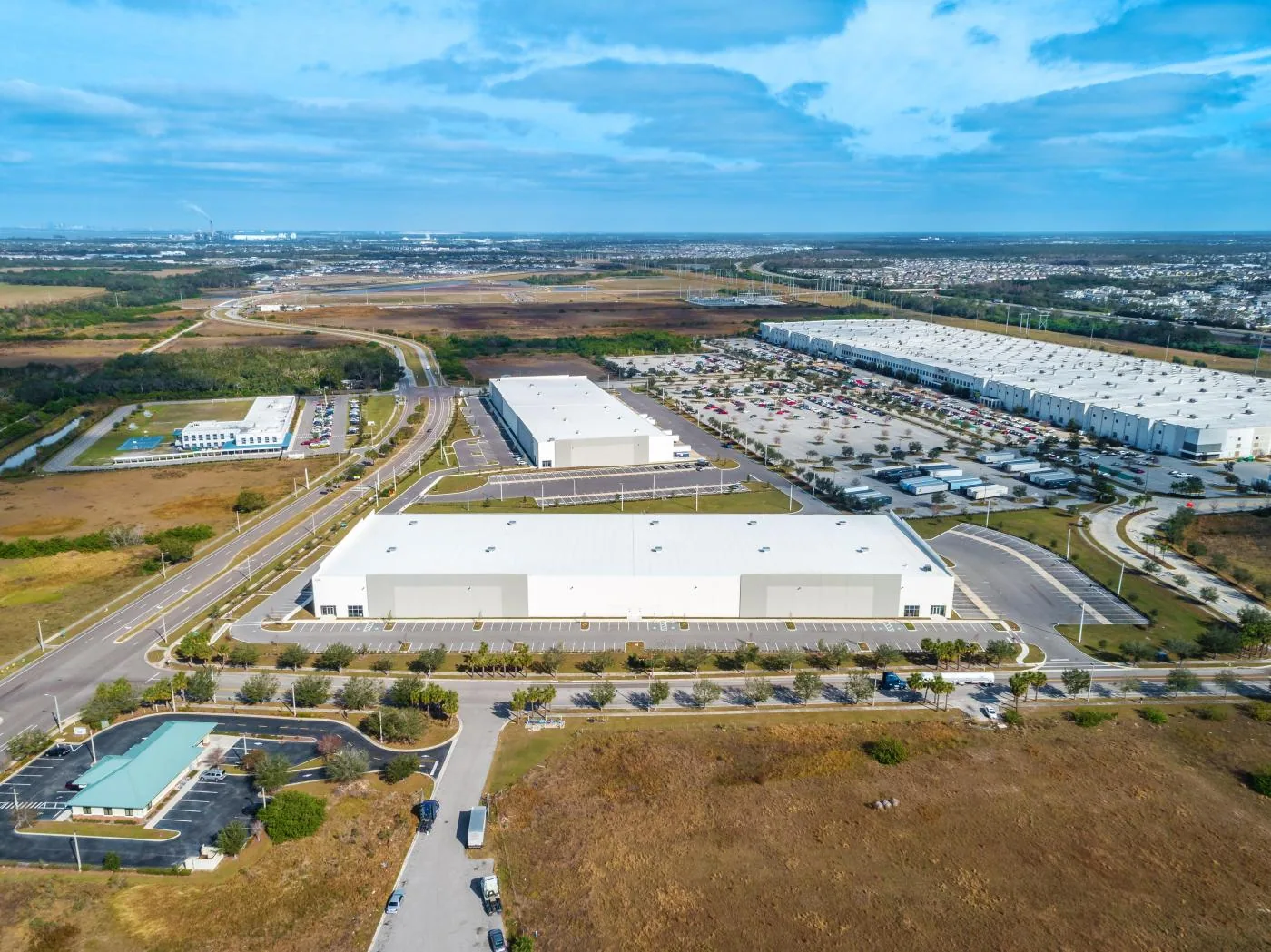
Southshore Corporate Park
Learn More
Commercial Roof Repair
Learn More
Commercial Roof Replacement
Learn MoreMap suspected roof moisture
Request a roof assessment in Gresham
We will review the roof assembly, set a suitable survey window, and identify the verification needed for your Gresham building. Tell us about the building, the roof and what you are seeing. Call 555-555-5555, email [email protected] or send the details through our contact page and we will set up a time to walk the roof.