Commercial Roofing in I-84 and NE 181st Industrial Cluster, Gresham, OR
Schedule a roof survey near I-84 and 181st
- Home
- Service Areas
- I-84 and NE 181st Industrial Cluster
Gresham identifies the I-84 and NE 181st Avenue convergence as its largest freight-related industrial concentration. The land includes business park, light-industrial, and heavy-industrial uses for different manufacturing and freight operations. NE 181st Avenue and I-84 are National Highway System routes serving the cluster. Those facts make roof access and delivery coordination important questions, but they do not describe a particular property's construction or operating calendar. We inspect the building's roof, drainage, penetrations, and edges, then map the work area with its site contact. For an owner with a nearby facility in NE Wilkes Industrial Cluster, the reporting format can match while roof conditions and access rules remain separate.
Protect freight access while the roof is open
A large industrial concentration may include separate property entrances and operating controls. We confirm the delivery point, equipment route, approved roof access, and site contact before mobilization. A national highway designation describes the road network, not permission to enter a parcel. The owner confirms current traffic, escort requirements, loading windows, and the locations that must remain clear.
Before removal begins, we identify which roof zone can be completed and protected during the shift. If an intake, exhaust, or production area sits below the work, the building team tells us what must stay operational and who can approve a temporary shutdown. The sequence includes debris control, temporary dry-in, and a handoff at the day's close. If a freight lane or service route changes, the site contact can revise the staging plan before material arrives.
Gresham's industrial plan includes manufacturing and freight uses across areas with different parcel types. The Northerly Industrial Area has its own relationship to NE 181st and I-84. We verify route and work-zone details at each property rather than assuming one cluster-wide staging area is available.
Check the roof beyond its open field
We inspect drains, scuppers, parapets, curb corners, roof edges, skylights, expansion joints, and penetrations. Each transition interrupts the membrane and can become a leak path if flashing separates or movement opens a seam. We note past repairs and roof traffic paths, then photograph defects with the surrounding equipment or drain visible. That context lets another facility contact locate the issue later.
When the inspection follows a leak report, we record the interior area and timing and compare those details with roof zones above and nearby. Water may move through insulation or along a deck before reaching the ceiling. A test opening may be necessary to identify hidden layers or moisture. We explain what it will determine and how we will close the area; the owner approves the location and work before the membrane is cut.
Warm summer days can affect material handling and crew timing on open roofs. We plan around actual site conditions, protect exposed sections, and inspect the membrane and details before recommending repair.
A commercial roof inspection can establish what is accessible and visible. For water entry, a leak assessment maps the reported condition and the limits of the proposed fix.
Set the scope from observed conditions
A puncture, seam opening, or loose flashing may be a local repair when nearby material remains sound. We verify the existing membrane and detail, prepare the surface, and identify where the repair ties into the roof. The scope says which zone is included and what other conditions need separate review. That makes the proposal easier to compare against later inspection findings.
Widespread separation, wet layers, or repeated leaks may call for restoration or replacement planning. A recover needs secure attachment, dry layers, a compatible surface, working drainage, and enough height at edges and curbs. A coating has substrate and preparation limits. If the assembly is not suitable to remain, removal and replacement may be the better system-level option. We explain which findings support each path and which test remains outstanding.
Repair work addresses a confirmed local defect. A restoration review considers whether the surface can accept a coating. Replacement planning compares tear-off depth, insulation, disposal, and phasing to protect operations. Cost and timing depend on measured area, layer count, detail density, access, staging, safety controls, and protection below. If removal reveals an unexpected deck or wet insulation, we document it and review the change before expanding the approved work. The facility contact can name who is available to make that call during the shift.
Keep drains and temporary protection working
The roof needs a clear outlet during normal use and while work is underway. We inspect drain bowls, strainers, scuppers, overflows, and any low points where water remains. Debris, displaced components, or damage around the outlet can redirect water. The report describes what is observed and recommends another evaluation if recurring ponding suggests an issue beyond routine clearing.
At heavy-use roofs, service routes and equipment changes can affect the membrane. We ask whether new units, supports, or penetrations were installed since the last inspection. We inspect the surrounding flashing and note whether the path is protected against future foot traffic. A planned maintenance route may help reduce repeated wear, but it should follow the building's equipment locations.
The cluster's business park, light-industrial, and heavy-industrial designations allow varied uses. Roof work in one area may not suit another property's equipment or schedule. For a site near Southshore Corporate Park, the facility contact still needs to confirm site-specific drainage, intake locations, and access permissions before a crew arrives.
Keep capital and maintenance records together
Closeout records should identify the inspection date, roof zones reached, system where known, repair details, photos, and any unresolved question. If the crew found an extra layer or moisture, record the location and owner decision. Mark inaccessible portions clearly. A roof map must describe this building and not imply that all properties in the cluster share the same assembly.
Industrial sites may have separate facility, property, and safety contacts. The owner can assign one person to retain the roof record and coordinate service access. Our roof condition report can document conditions and follow-up by zone. A planned maintenance visit can inspect drains, seams, flashings, edges, and equipment routes after a repair or before the wet season.
Update the file when rooftop equipment changes, a new curb is installed, or another contractor crosses the membrane. The next team can then distinguish a new issue from an older repair. Consistent records also help an owner compare properties across Gresham's industrial areas without turning a portfolio average into a claim about any one roof.
I-84 and NE 181st Industrial Cluster FAQs
-
What does the I-84 and 181st industrial cluster include?
Gresham's industrial-land plan identifies business park, light-industrial, and heavy-industrial uses at the freight-related concentration around the highway and NE 181st Avenue. Each property has its own roof and access conditions.
-
Can you coordinate a reroof with freight deliveries?
We confirm receiving windows, staging, roof access, and routes that must stay open with the facility contact. The property's current rules determine the plan.
-
Does a highway route mean a roofer can use it for site access?
No. We use the approved entrance and staging area for the specific property. The owner or site lead confirms access and any escort or traffic requirements.
-
How do you decide if a roof needs replacement?
We inspect the extent of damage, moisture, attachment, drainage, and details. The written findings compare repair and renewal paths and identify testing that could change the recommendation.
-
Will the report include roof areas that were not reached?
Yes. We identify inaccessible areas and any needed follow-up so the record distinguishes what was inspected from what remains unknown.
Related Roofing Work
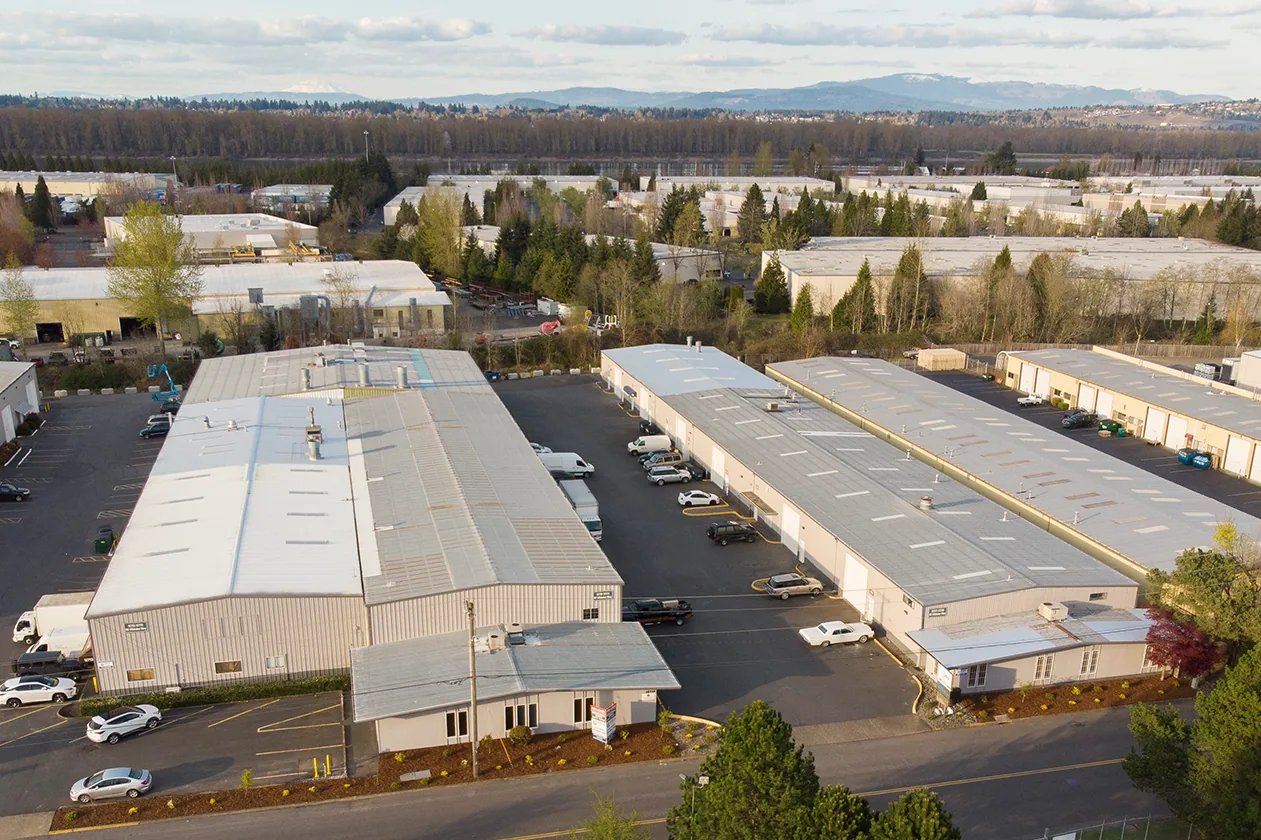
NE Wilkes Road Industrial Cluster
Learn More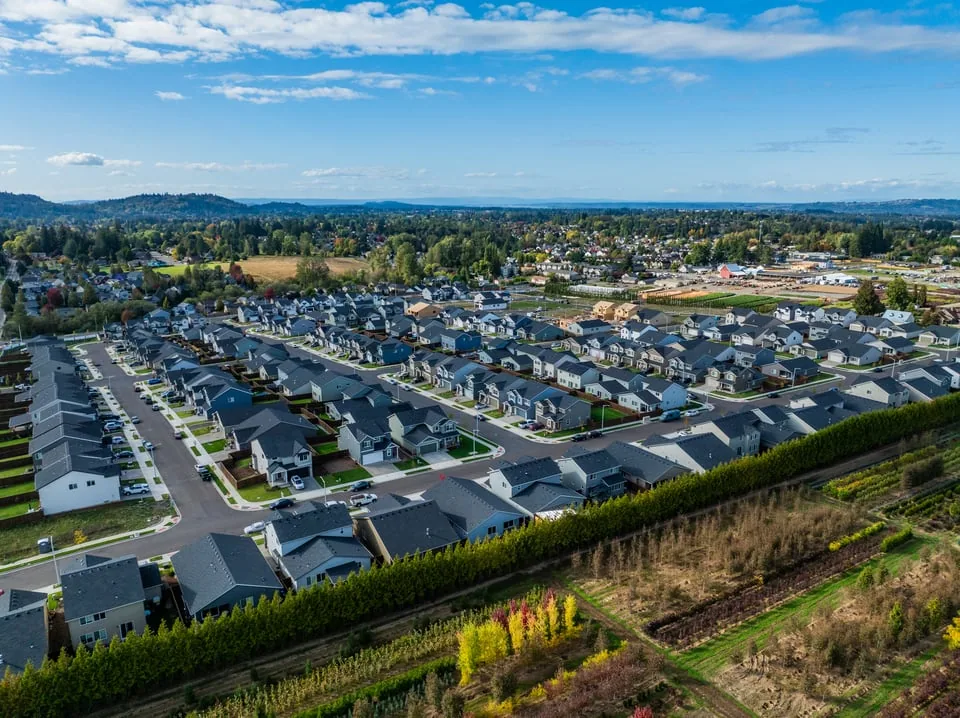
Gresham Northerly Industrial Area
Learn More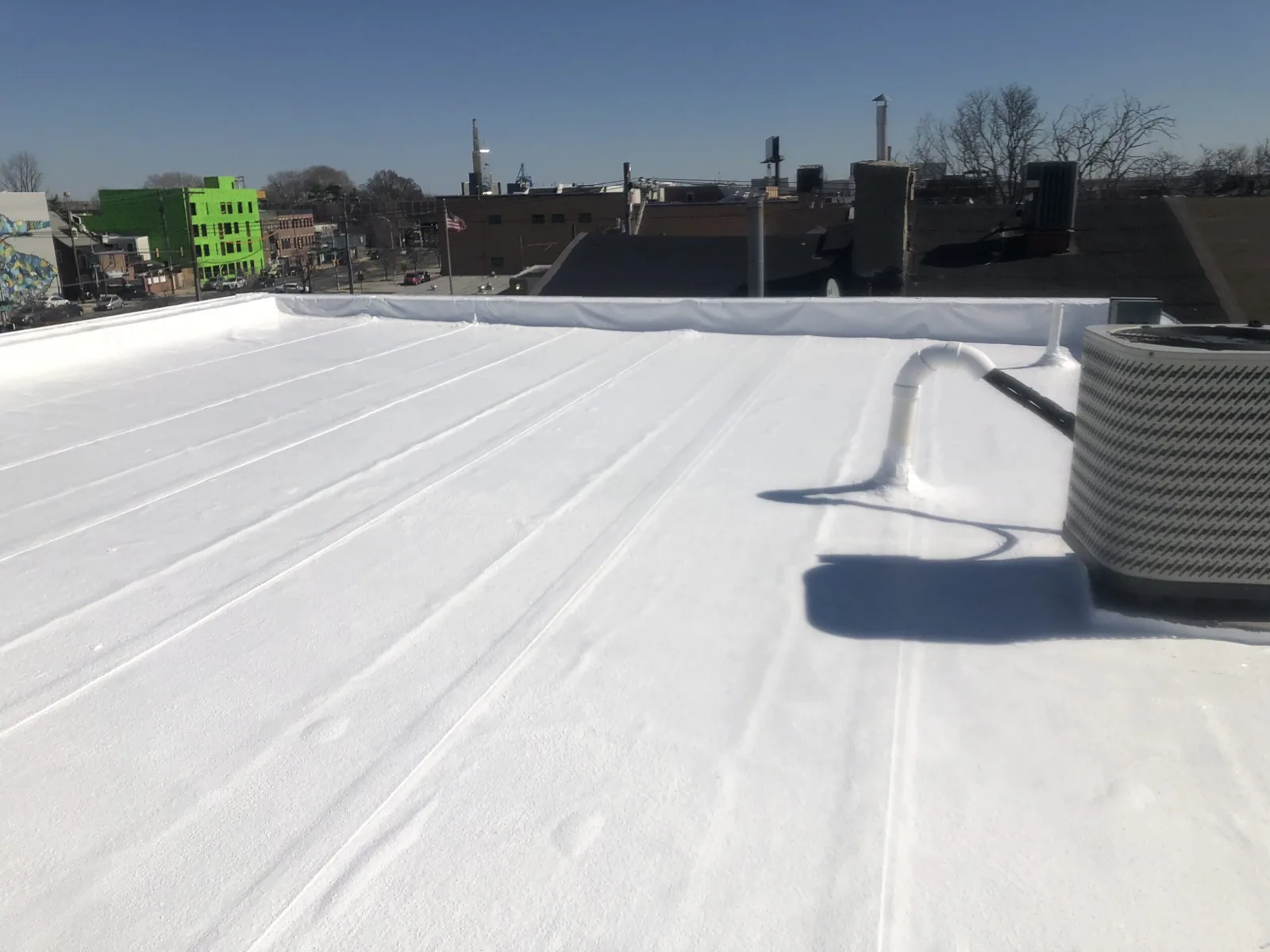
Commercial Roof Inspection
Learn More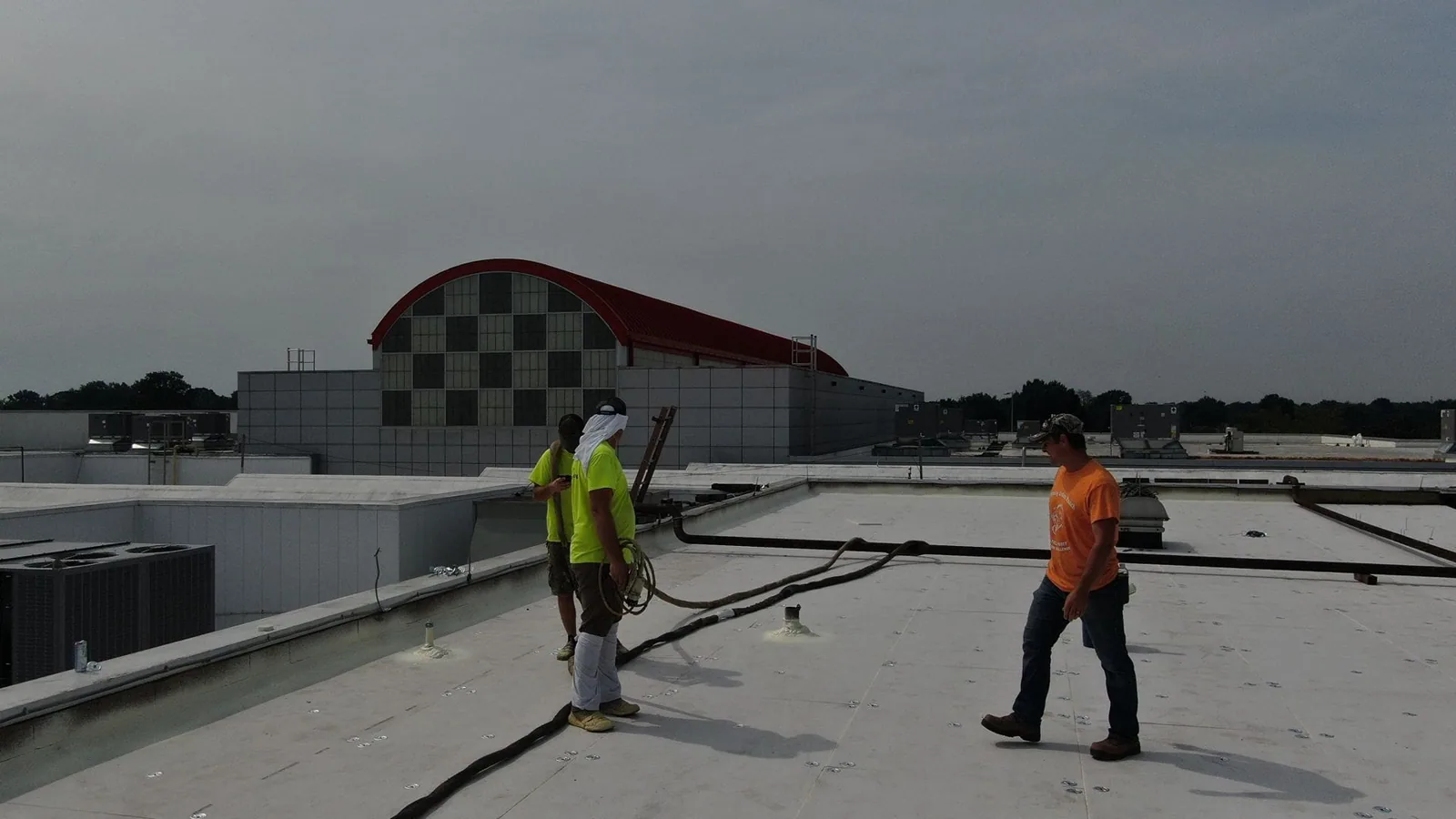
Commercial Roof Leak Repair
Learn More
Commercial Roof Repair
Learn More
Commercial Roof Coating
Learn MoreSchedule a roof survey near I-84 and 181st
Request a roof assessment in Gresham
We will inspect the roof, confirm facility access and operations, and prepare a documented scope based on what the assembly shows. Tell us about the building, the roof and what you are seeing. Call 555-555-5555, email [email protected] or send the details through our contact page and we will set up a time to walk the roof.