Commercial Roof Coating in Gresham, OR
Check coating suitability on site
- Home
- Commercial Roofing Services
- Commercial Roof Coating
A coating is a roof system decision, not a layer of paint for a leak. It can restore a suitable roof surface when the existing assembly is sound, dry enough, and prepared for the selected product. We inspect the membrane or metal, test adhesion where needed, repair defects, and check drainage before recommending a coating. A saturated assembly, loose substrate, failing deck, or unresolved leak path may call for another scope. In Gresham, measurable rain is common through fall, winter, and spring. The Portland airport station averages 157 precipitation days a year in its 1991-2020 normals, so dry conditions and surface preparation affect scheduling. We record what the roof can support and what repairs must precede the application. A commercial roof inspection helps establish the roof's condition before comparing recover, replacement, or coating options.
Which roofs are candidates for a coating?
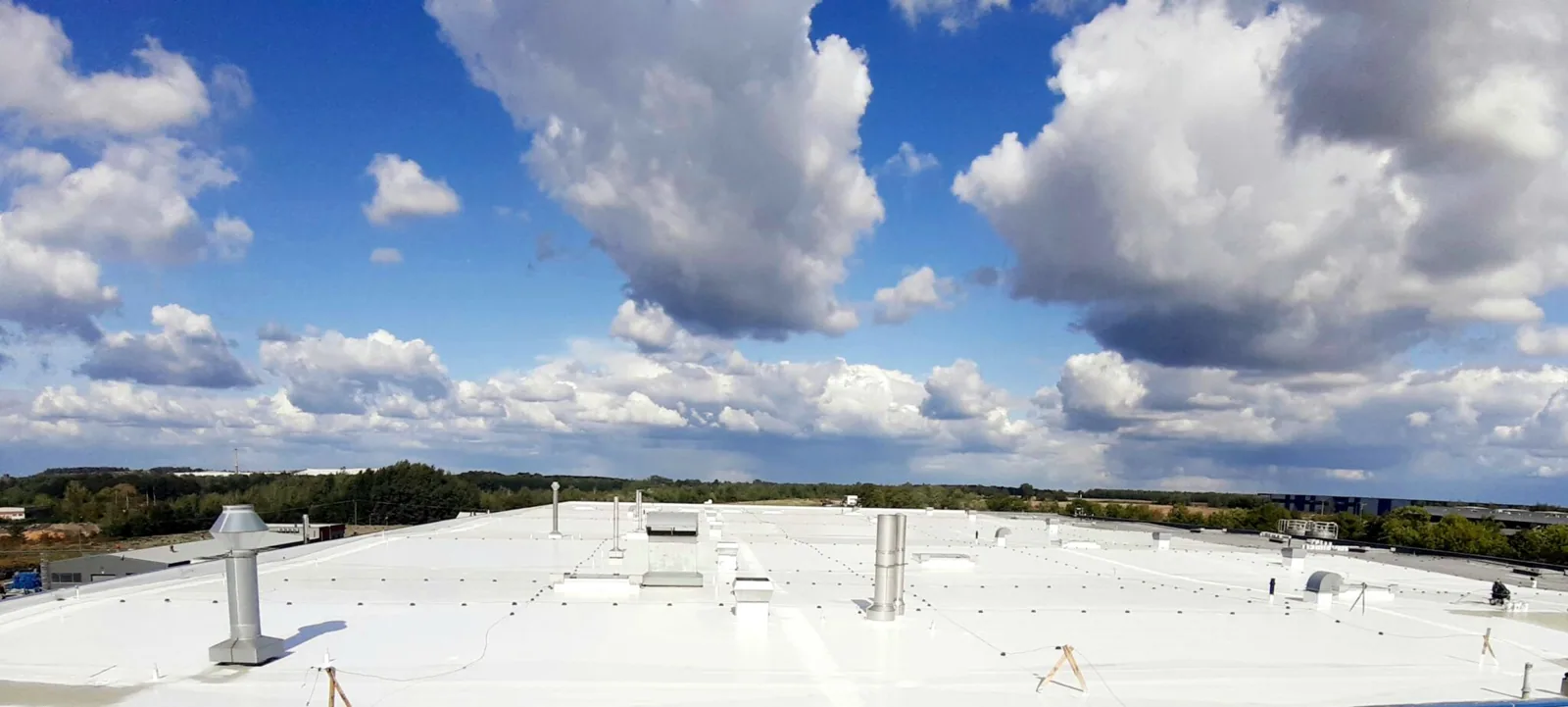
A coating can suit a roof with a stable substrate and a surface that can be cleaned, repaired, and prepared to meet the system requirements. Existing silicone, acrylic, asphaltic, or single-ply surfaces each present different compatibility questions. We identify the roof material, condition, repairs, and previous coatings before specifying a product. The manufacturer’s application instructions govern surface preparation, primer, reinforcement, temperature, and cure conditions. We do not assume one coating bonds to every roof.
Coating does not rebuild a deck or dry concealed insulation. If a moisture survey shows wet areas, those sections may need to be opened and corrected before restoration. Blisters, open seams, loose flashings, corrosion, and ponding conditions also need a disposition. A moisture survey may help locate suspect areas, while targeted openings verify the assembly where surface readings are inconclusive. We include the repair scope needed to create a sound receiving surface.
What can make a coating fail early?
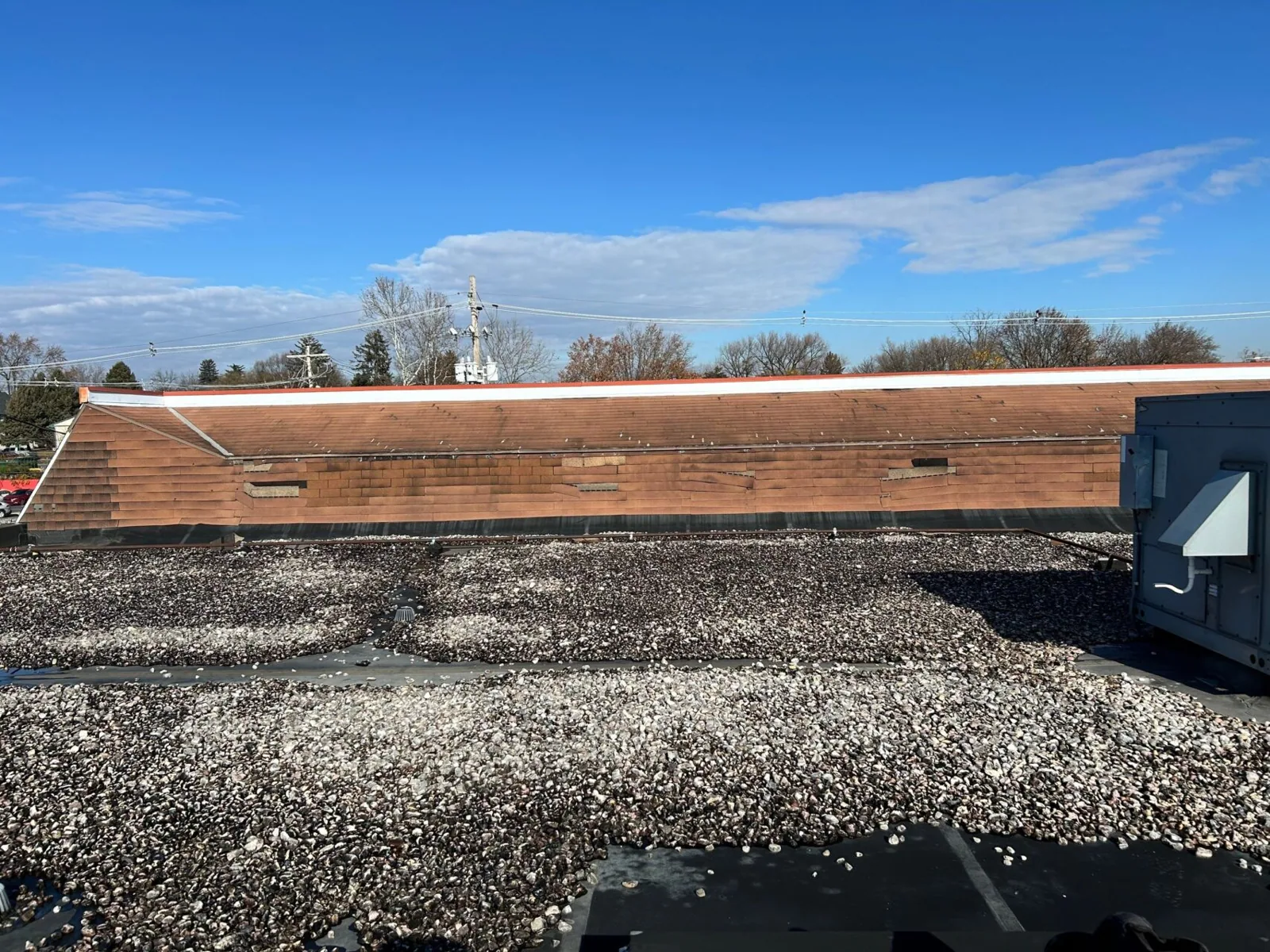
Adhesion problems often begin before the coating reaches the roof. Dirt, oils, chalking, trapped moisture, incompatible residue, and a weak existing surface can interfere with bonding. We inspect and clean the roof using a method suitable for the substrate, then complete adhesion testing when the system requires it. Failed test areas need a different preparation or a different system. The application plan should state the test locations and what result will allow work to proceed.
Details need reinforcement where movement or water concentration is greatest. Seams, penetrations, drains, equipment curbs, wall transitions, and edge conditions may require fabric, sealant, or flashing repairs before the field coating is applied. Coating over an open seam can hide the opening without correcting it. We specify detail work as part of the assembly, then check coverage and continuity at each transition. The closeout record should identify the product system and locations of repair.
Drainage is a separate question. A coating follows the existing roof profile; it does not automatically create slope or raise a drain bowl. The Gresham Northerly Industrial Area includes varied industrial parcels and operations, but a broad district fact cannot tell us how one roof drains. We examine each low point and outlet, then scope corrections if the design supports them. If standing water remains after restoration, the owner needs to know that before approving the work.
How should weather shape the application window?
Rain, dew, and surface temperature can limit when a coating can be installed. The Portland airport’s annual precipitation normal is 36.92 inches, concentrated mostly between autumn and spring. We schedule cleaning and application around the selected system's required dry time and the actual forecast, and we check the surface temperature, moisture, and preparation before applying material.
The same station averages 14.6 days a year with highs at or above 90 degrees Fahrenheit and 31.7 days with minimum temperatures at or below freezing. Those values describe regional conditions, not the roof surface at the jobsite. Hot surfaces can shorten working time; cold conditions may delay cure or violate application limits. We follow the product requirements and plan access so crews can complete each section without leaving an exposed transition. If conditions change, the work sequence changes with them.
At Springwater Employment Area, planned manufacturing and technology employment creates a mix of building operations and access constraints. Nearby industrial properties along I-84 also coordinate delivery traffic and equipment routes. We work with each facility contact to set a staging area, roof access point, and work zone. A coating project can be quieter than a tear-off, but cleaning, repairs, and rooftop movement still need an operating plan.
What happens before the first pail reaches the roof?
We document roof areas, identify incompatible or damaged surfaces, and agree on what will be cleaned, repaired, primed, reinforced, and coated. Where needed, sample areas confirm adhesion and product choice. The scope names the coating system, required preparation, detail treatment, target application conditions, and the method for checking coverage. If the existing membrane has unknown layers or moisture, we call out testing or openings before finalizing the recommendation.
Preparation can include washing, removing loose material, drying, repairing seams, resetting flashings, and reinforcing transitions. Those steps take time and produce their own access needs. The facility identifies restricted areas, exhaust intakes, sensitive equipment, and hours when rooftop work should pause. We stage material where it will not block freight routes or emergency access. At a site near the Sandy Boulevard freight corridor, delivery coordination may matter as much as the application sequence.
The crew completes the roof in planned zones, maintaining a wet edge and avoiding overspray or tracking onto finished areas. We monitor conditions and record application details as required by the system. At the end, we inspect coverage, seams, penetrations, drains, and terminations, then list any touch-ups or follow-up items. A roof condition report keeps the before-and-after record with the building's maintenance files.
How can the owner compare restoration and replacement?
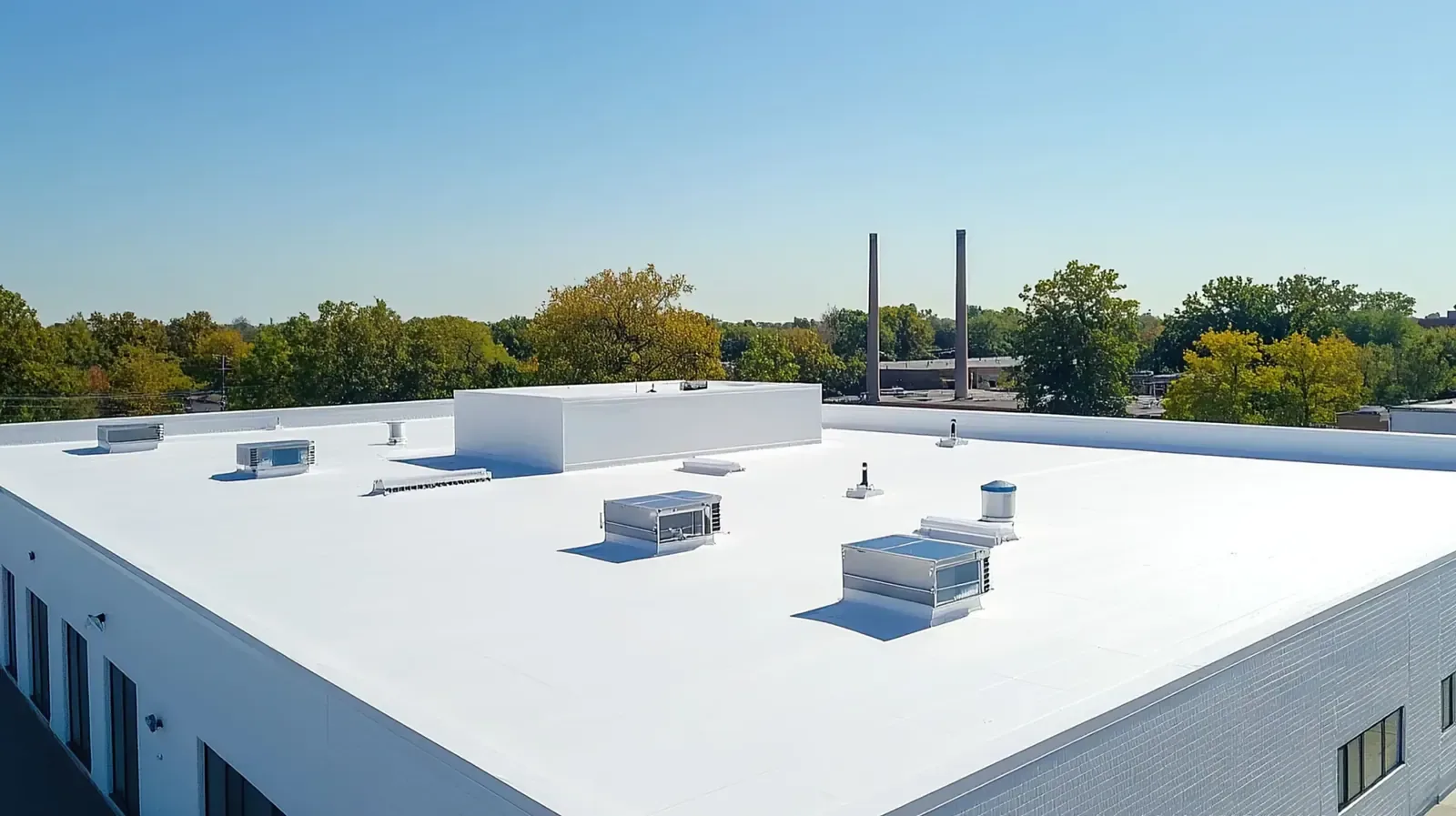
Compare the work each option actually includes. A coating scope should state moisture testing, substrate repair, seam and flashing work, surface preparation, primer, reinforcement, number of coats, application checks, and exclusions. A replacement scope should describe tear-off or recover assumptions, insulation, cover board, membrane, flashing, drainage details, and disposal. These are different assemblies. Their costs and disruption depend on roof condition, equipment, access, repair needs, and the amount of preparation required.
Gresham's industrial lands include food processing, high-tech operations, and distribution. A coating schedule may need to protect ventilation intakes, rooftop equipment service, and product handling below. We coordinate with the facility about odors, work zones, access windows, and temporary restrictions, then document the sequence. For a portfolio owner, roof capital planning can compare coating candidates with roofs that need replacement. We can inspect your roof in Gresham and identify the tests and repairs needed before a restoration decision.
Commercial Roof Coating FAQs
-
Can a roof coating stop an active leak?
Only after the leak path and damaged detail are corrected, and only if the roof assembly is a suitable coating candidate. We inspect seams, penetrations, drains, and interior evidence, then identify repairs before applying a system. Coating over a wet or open area can conceal rather than resolve the condition.
-
Can you coat over an existing coating?
Sometimes. We identify the existing product and check adhesion, surface condition, moisture, and compatibility with the proposed system. A test area may be needed. If the existing coating is loose, contaminated, or incompatible, the scope must address removal or another restoration approach before new material is applied.
-
How long does a coating project take?
The schedule follows preparation, repairs, roof area, access, and the product's application and cure requirements. Weather can interrupt cleaning or coating even during a planned work window. We divide the building into zones, coordinate occupied hours, and confirm conditions before advancing each section.
-
Will coating correct ponding water?
Not by itself. A coating follows the roof's existing shape and does not automatically change slope or outlet height. We check the low areas and drains, then identify whether the design can correct them. The owner should receive a clear statement about any standing water that will remain.
Related Roofing Work
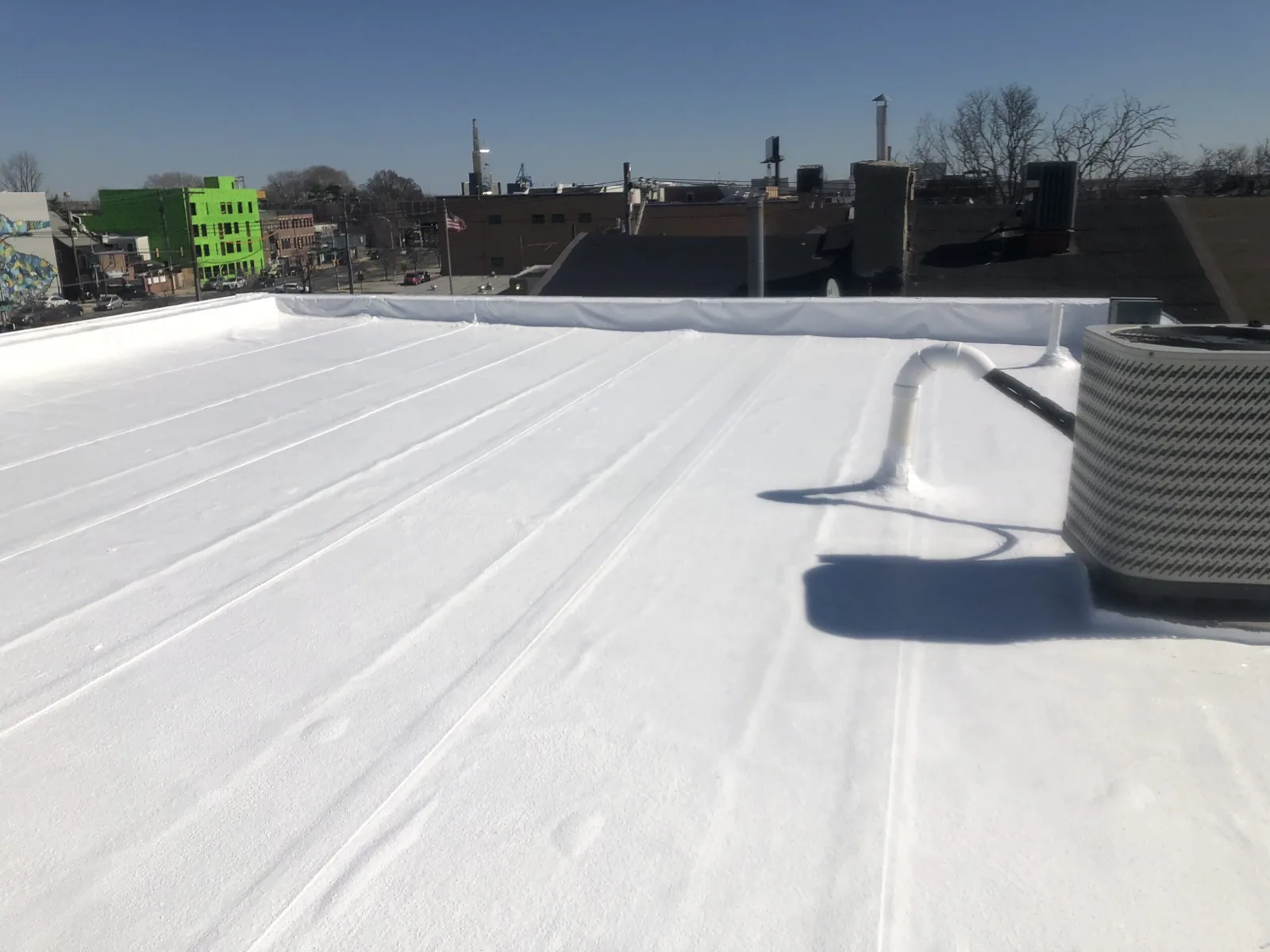
Commercial Roof Inspection
Learn More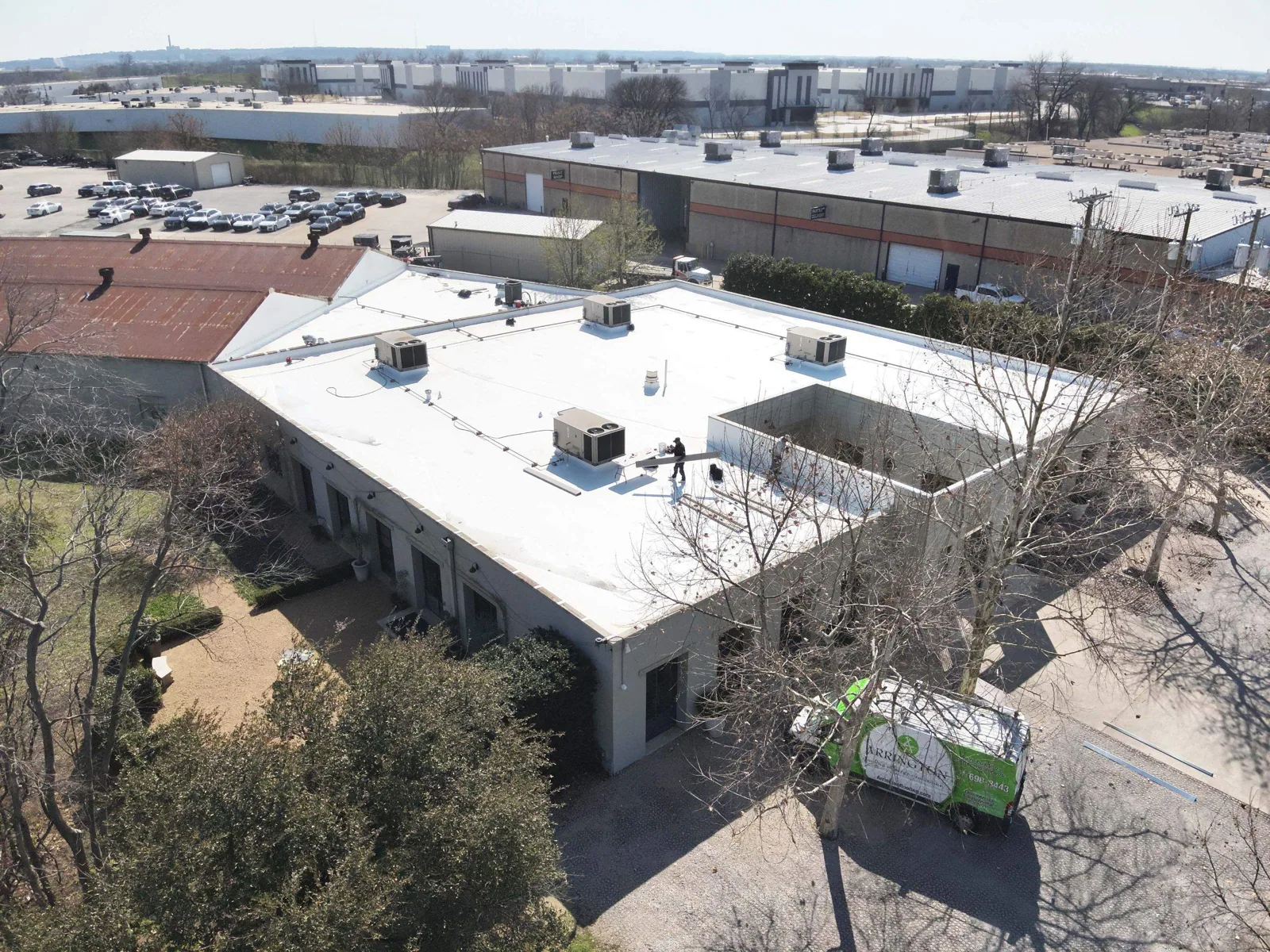
Commercial Roof Recover
Learn More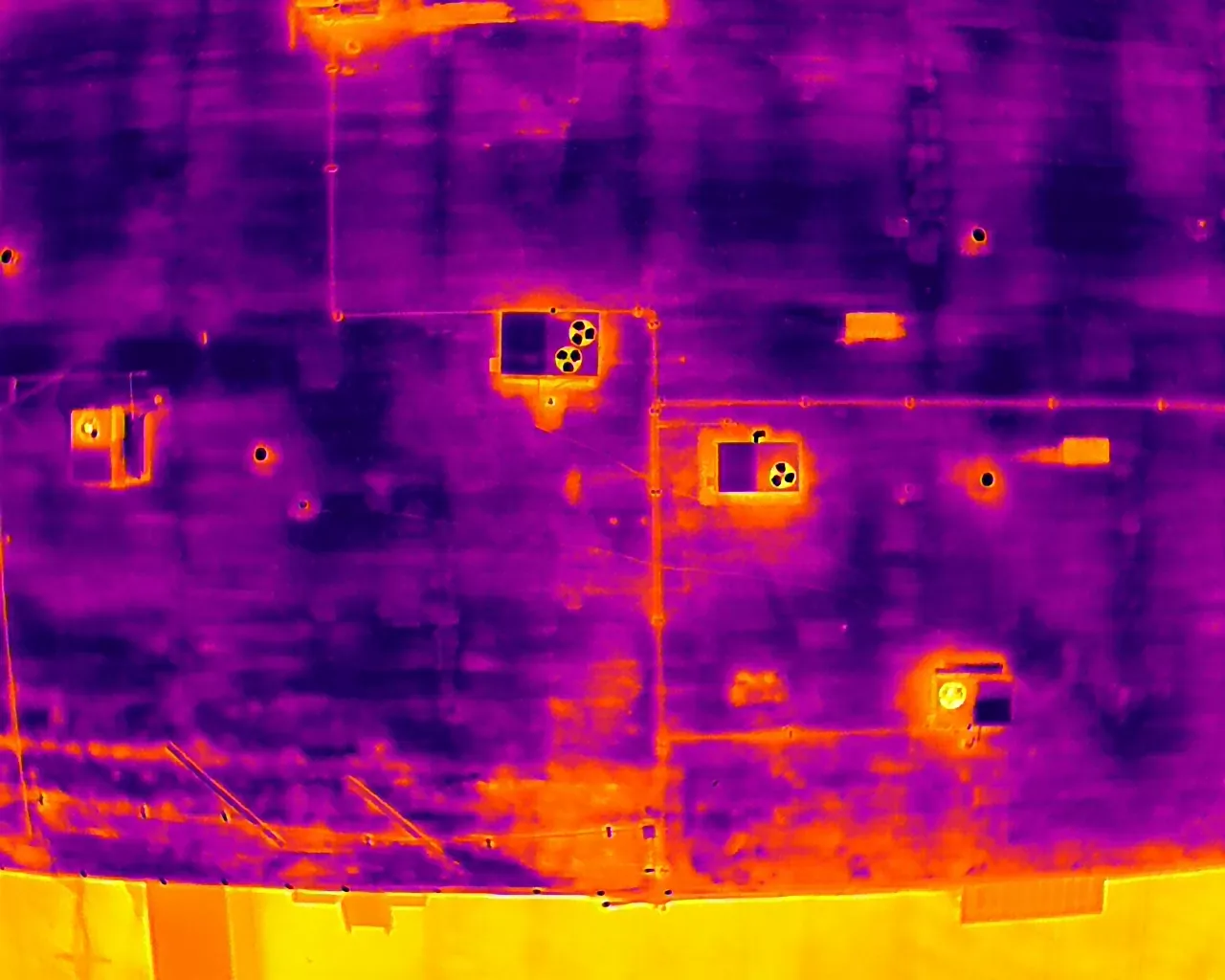
Infrared Moisture Survey for Commercial Roofs
Learn More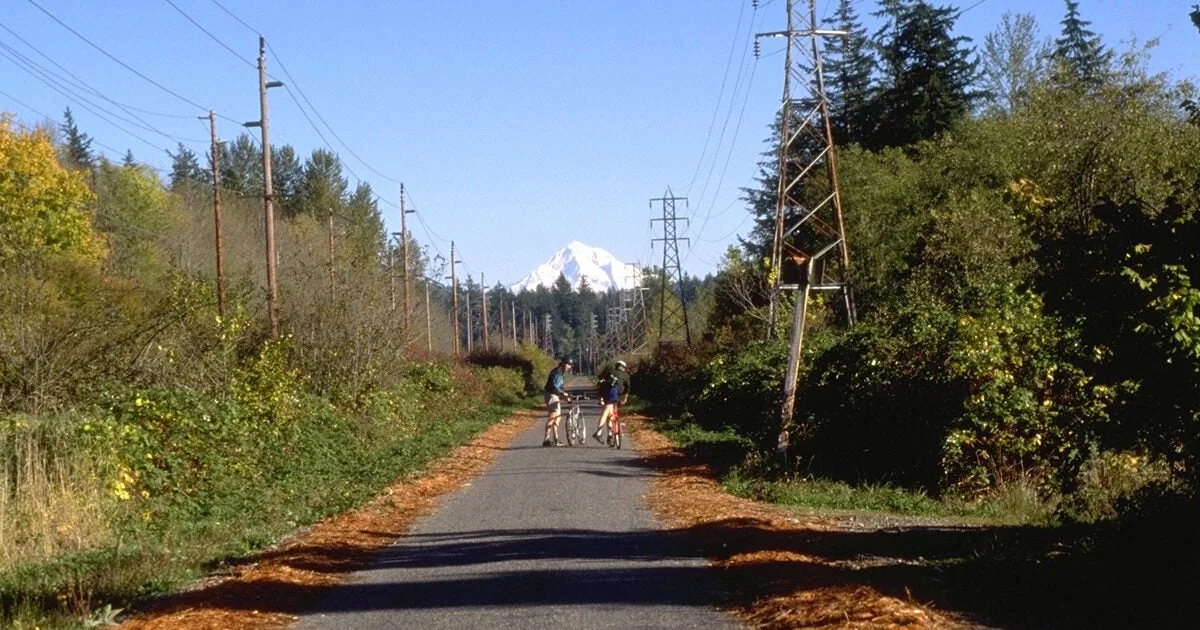
Springwater Employment Area
Learn More
Commercial Roof Condition Reports
Learn More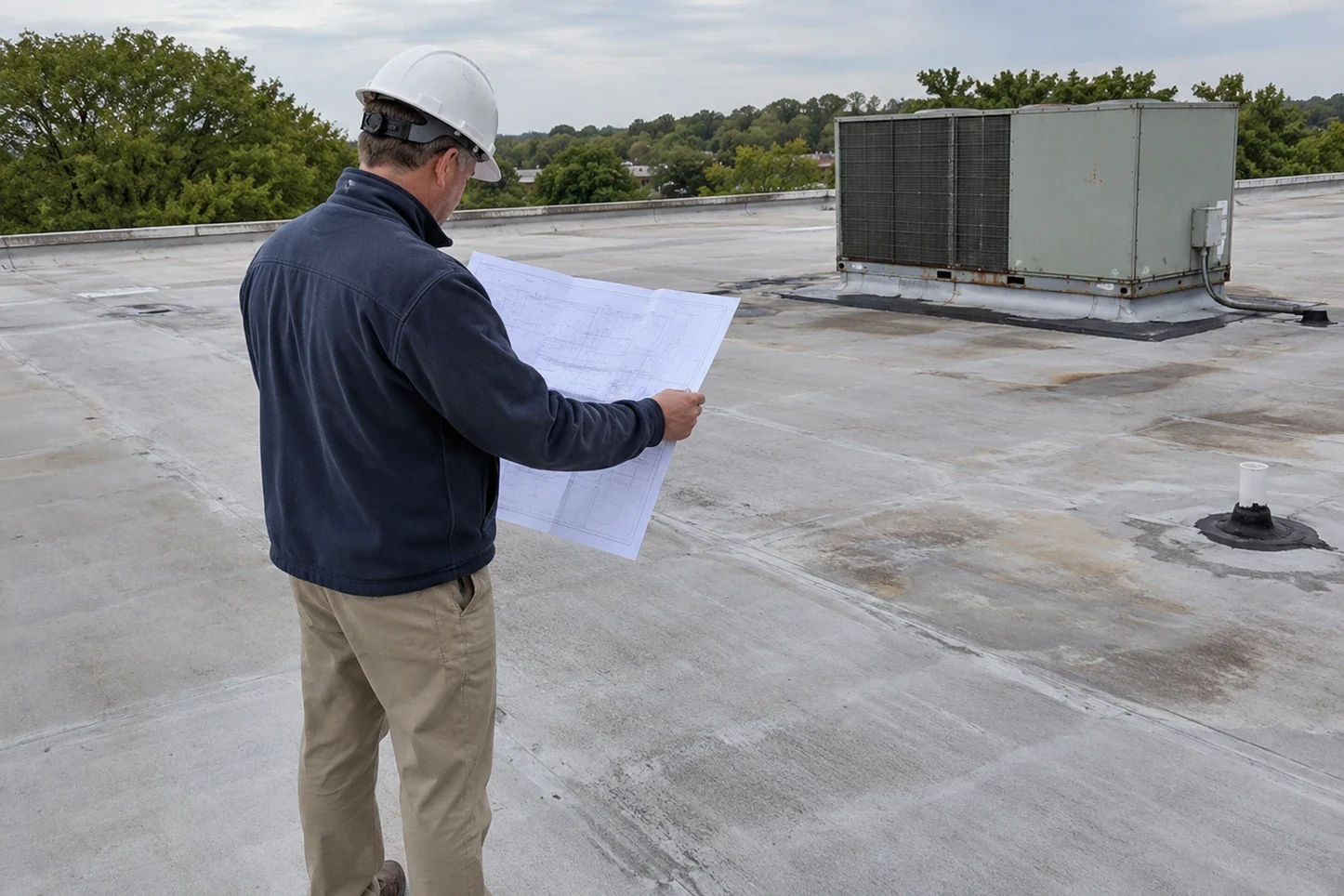
Commercial Roof Capital Planning
Learn MoreCheck coating suitability on site
Request a roof assessment in Gresham
We will inspect the roof surface, test preparation needs, and coordinate an application plan with your Gresham facility. Tell us about the building, the roof and what you are seeing. Call 555-555-5555, email [email protected] or send the details through our contact page and we will set up a time to walk the roof.