Commercial Wind Damage Roof Repair in Gresham, OR
Review wind damage at the roof
- Home
- Roof Damage Repair
- Commercial Wind Damage Roof Repair
After a wind event, the first roof question is whether the building can stay in service while the damaged area is assessed. A displaced edge, lifted metal panel, or torn membrane can admit water even when the opening is not visible from the floor. We inspect the roof system, locate affected details, and separate immediate protection from permanent repairs. In Gresham, commercial properties near Sandy Boulevard East County Corridor keep loading, deliveries, and tenant access in view while crews set a safe work zone. A roof inspection gives the owner a recorded starting condition.
Which roof details move first in strong wind?
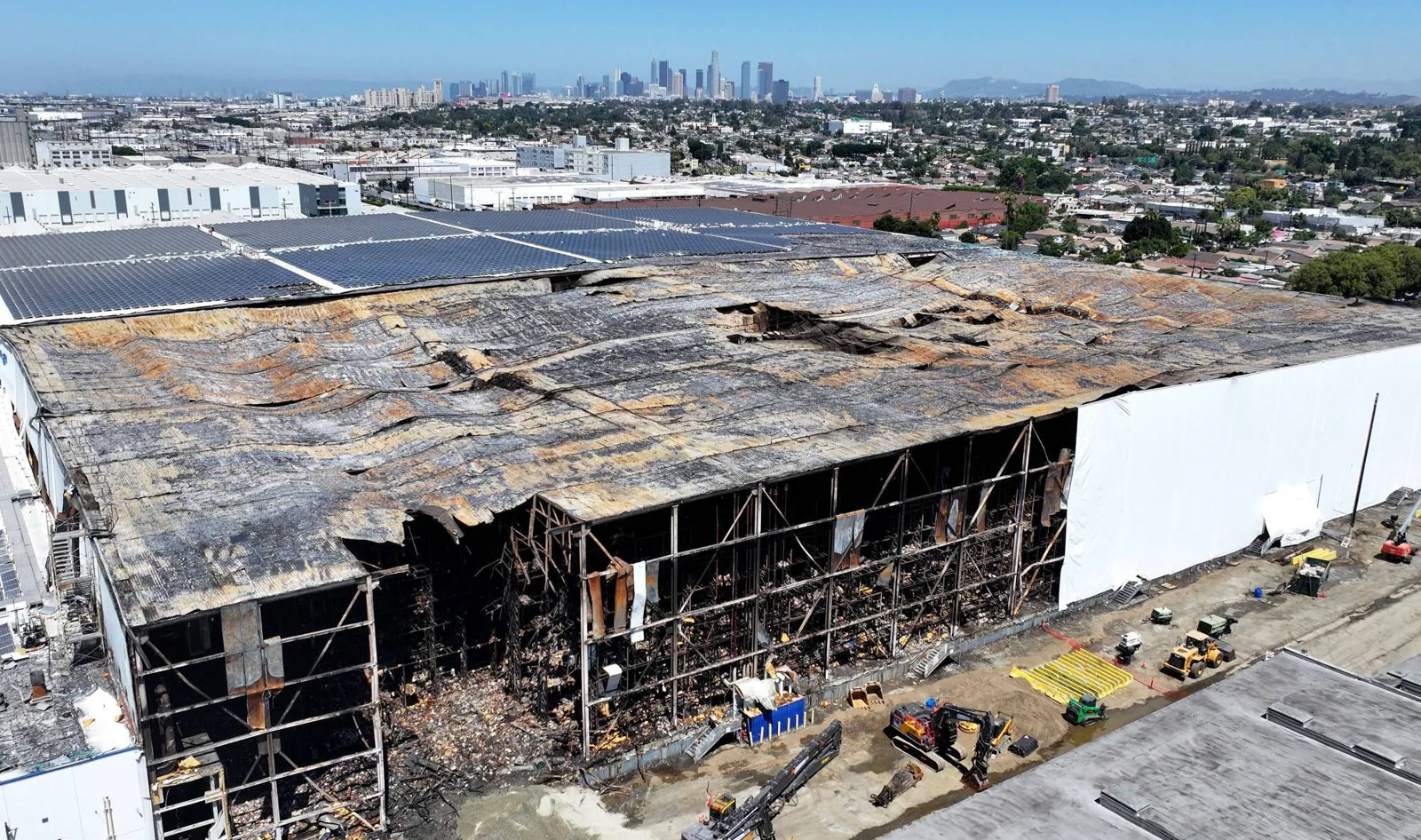
Wind pressure changes at corners, perimeters, parapets, and transitions. Those zones put different demands on edge metal, fasteners, membrane attachment, coping, and flashing. We look for a lifted termination, opened lap, bent cleat, loose counterflashing, or panel movement, then compare the damaged detail with nearby areas. We document the loose edge, then inspect adjacent seams, fasteners, and transitions before setting the repair boundary.
Low-slope roofs can hide disturbance beneath ballast, rooftop equipment, or temporary materials. A safe route across the roof matters as much as the inspection itself. In the NE 181st Industrial Cluster, active freight operations may also affect when a lift, ladder, or work zone can be established. We coordinate access with the facility contact and identify equipment routes before moving material. If the damage is above an occupied area, the owner can arrange interior protection while the roof findings are confirmed.
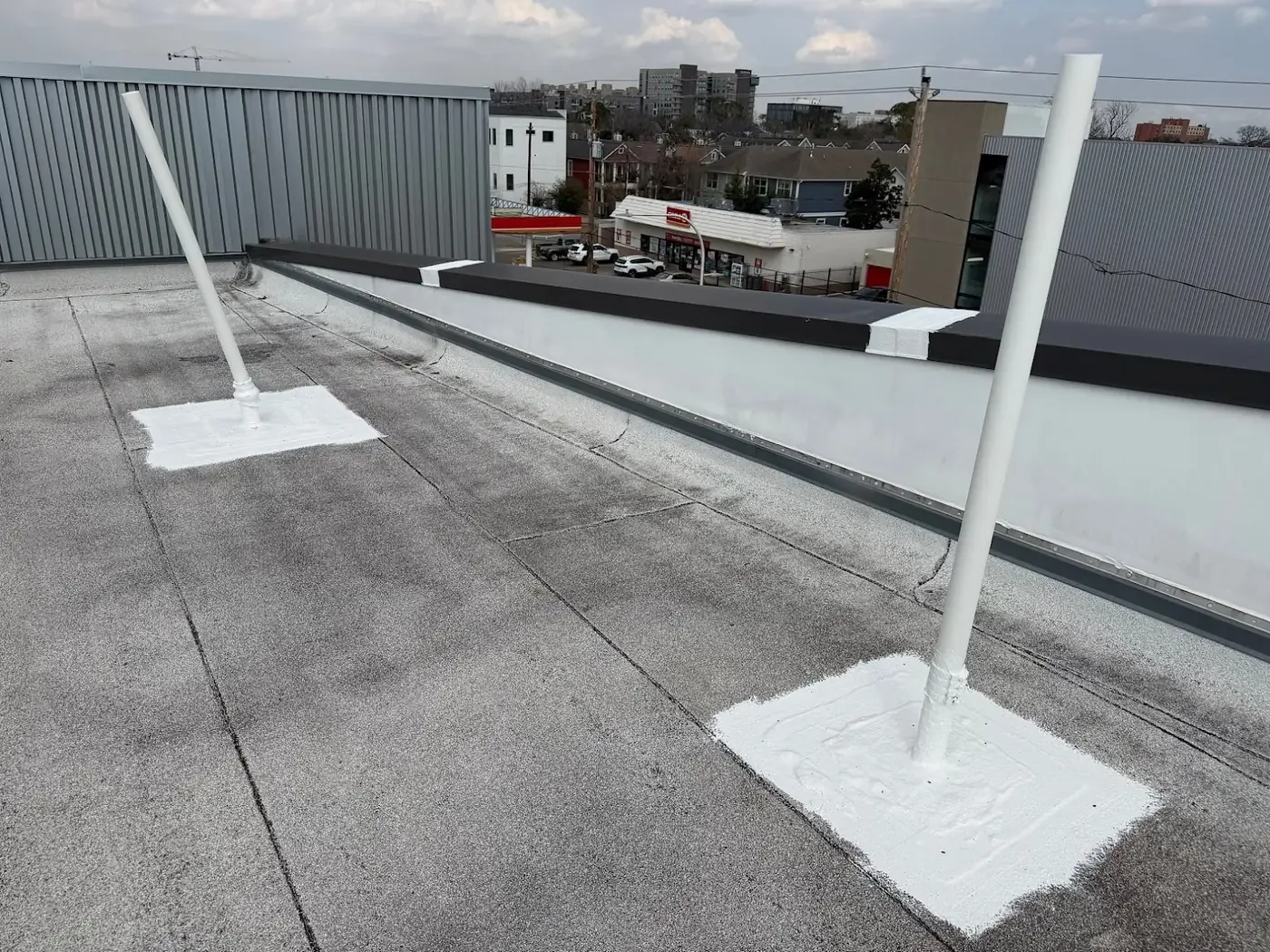
How can wind create a leak without removing the roof?
A membrane may remain in place while a corner or seam lifts enough to break its watertight bond. Water can then move under the surface and appear far from the entry point. At an edge, a failed cleat or termination bar can let repeated movement work the flashing loose. On a metal assembly, wind-driven rain may pass through a displaced closure or exposed fastener. We trace the route from the visible roof condition toward the interior report instead of treating the ceiling mark as the repair boundary.
Gresham’s weather record at Portland International Airport counts measurable precipitation on 157 days in a typical year, with most rain falling from autumn through spring. That wet-season pattern makes prompt protection important when a seam or transition is open. A focused flashing repair may address a wall or curb transition, while a seam repair follows the membrane’s actual lap and attachment.
Wind damage can also loosen rooftop equipment supports, skylight curbs, drains, and screens. We note whether a roof opening is active, whether water is present, and whether another trade must secure the equipment. A roofing repair should not conceal a structural or mechanical hazard. When the assembly cannot be closed safely during the visit, the report identifies the temporary measure and the condition that remains exposed.
What should the first roof assessment record?
The report begins with the building, inspection date, weather context, roof system where known, and access limits. Each photo should identify its roof zone and show enough surrounding detail to find the location later. We record lifted or displaced components, visible punctures, open seams, bent edge metal, disturbed flashing, and any interior leak report supplied by the owner. Conditions that cannot be confirmed without opening the assembly stay marked as uncertain.
Before cleanup or temporary work changes the scene, the property contact can preserve photographs taken from the ground and note when water was first observed. A sequence of dated images may help distinguish a new change from an older maintenance condition. The crew records any temporary cover, sealant, or fastening it installs, including the area treated and what the measure does not resolve. The written condition report ties those observations to a repair boundary, so the owner can review the proposed work without confusing it with hidden conditions.
When is a patch enough, and when is broader work needed?
A localized repair can be appropriate when the wind has disturbed one isolated detail and nearby material remains attached and serviceable. The crew removes loose material, prepares the substrate, reinstalls compatible components, and seals the transition using a method suited to that roof system. We note the repair limit and any adjacent item that requires later review. A patch over loose flashing or a moving panel may only move the opening a short distance.
Broader work deserves review when multiple edges have released, seams show repeated separation, insulation is wet across a larger zone, or the roof assembly cannot accept a durable tie-in. The owner may compare a series of repairs with a replacement evaluation. Recover or coating options require a sound, compatible substrate and adequate drainage; they are not automatic solutions for wind-disturbed assemblies. A replacement assessment identifies the areas, transitions, tear-off assumptions, and temporary measures that affect the project.
Cost and timing depend on roof height, access, material compatibility, the amount of wet or damaged assembly, weather, and the need to coordinate other trades. We separate emergency stabilization from planned permanent work so the owner can authorize what is urgent and evaluate the remaining scope. A repair proposal should state the affected roof zones, materials, sequence, exclusions, and any conditions that would require written approval before expanding the work.
How do crews protect an occupied building during repair?
Before mobilization, we confirm the roof access point, fall-protection setup, occupied hours, loading or service conflicts, and the person authorized to approve changes. A facility may need to keep a dock open or maintain equipment service while a crew works overhead. We agree on a work zone, move materials along a defined route, and keep the repair area separate from tenant circulation. When operations continue below, the property contact can identify sensitive rooms and arrange notice or interior safeguards.
Temporary protection is installed only where it can be secured and checked. The crew removes loose debris, prepares the substrate, and limits the open work area to what can be protected and closed by the end of the shift. If hidden damage appears, we stop at a safe boundary, protect the opening, photograph the condition, and request approval before adding work. This sequence avoids leaving an unplanned opening exposed while the owner considers a scope change.
What should facilities teams check after the repair?
A follow-up visit can check repaired laps, edge metal, flashing, and nearby penetrations after the first period of wet weather. The inspection should note whether any temporary material remains and whether water entered beyond the original report. If another wind event occurs before a planned follow-up, staff can photograph new movement from a safe location and report the affected room or roof zone. They should not climb onto a wet or damaged roof to obtain a closer image.
Portland International Airport’s long-term normals also record periodic freezing nights. Water held at an edge, drain, or open seam can experience different movement as temperatures change, so drainage and attachment remain useful points to check. We review nearby roof drains and scuppers if ponding or overflow appears in the inspection record. A maintenance visit can update the roof map, confirm the repair area, and list separate items for future planning rather than bundling unrelated work into the wind repair.
Commercial Wind Damage Roof Repair FAQs
-
Can you tell from the ground whether the roof needs repair?
Ground photos may show displaced panels or loose edge metal, but they rarely establish the repair boundary. We inspect safely and record what needs closer testing.
-
Will a temporary tarp stop every leak until permanent work starts?
A temporary cover can reduce exposure when safely attached and checked. We record its limits and the permanent repair still needed.
-
Should we repair one lifted edge or replace the whole roof?
We check attachment, seams, moisture, drainage, and nearby details, then scope a local repair or broader evaluation with stated assumptions.
-
Can roof work happen while freight and tenant operations continue?
Often, with an agreed access window and work zone. Delivery schedules along the Sandy Boulevard East County Corridor can affect staging, so we coordinate with the facility contact.
-
What should our team send before the inspection?
Share the leak location, event timing, roof plans, repair records, access instructions, and ground photos. Name who can approve a test opening or added work.
Related Roofing Work
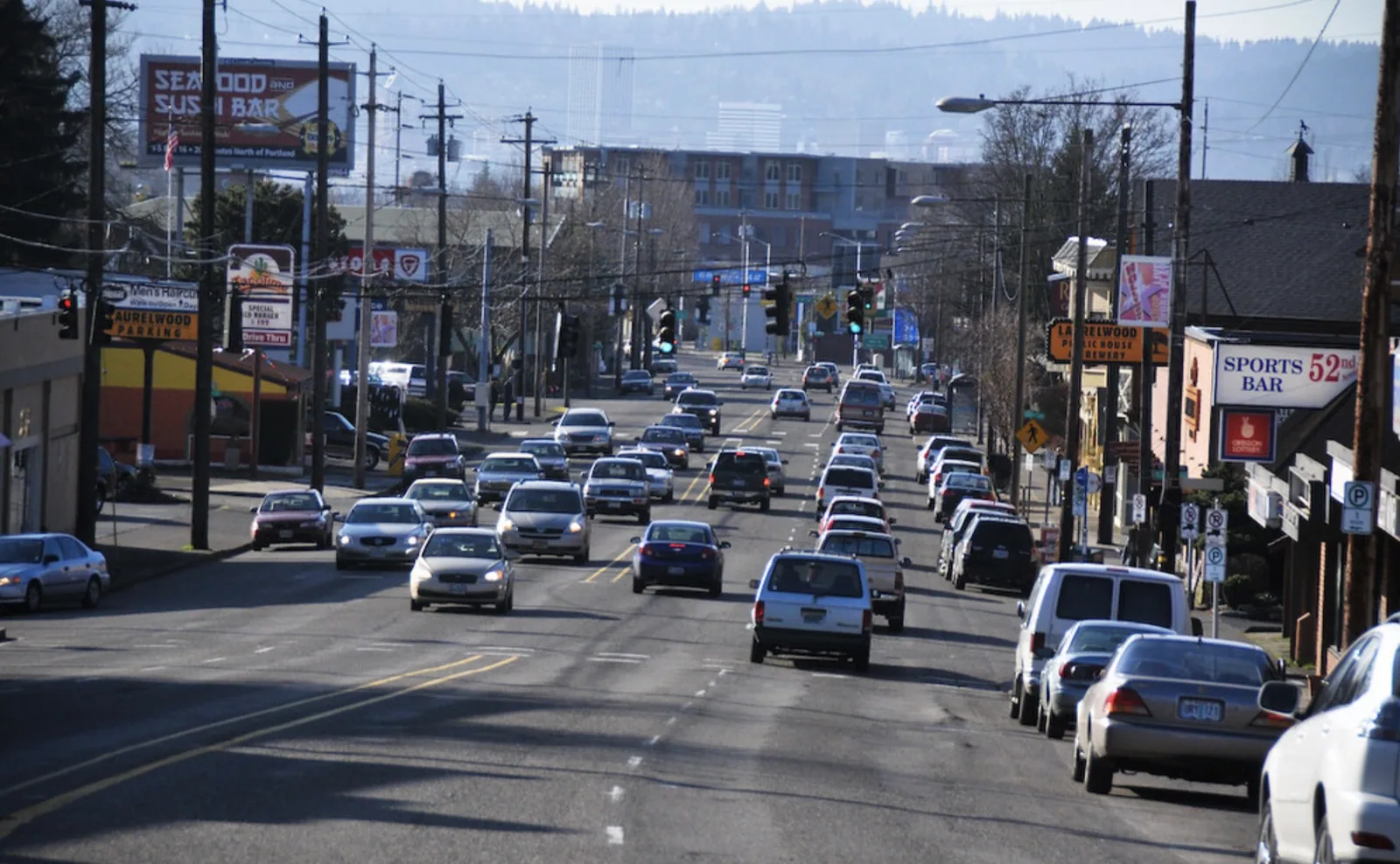
Sandy Boulevard East County Corridor
Learn More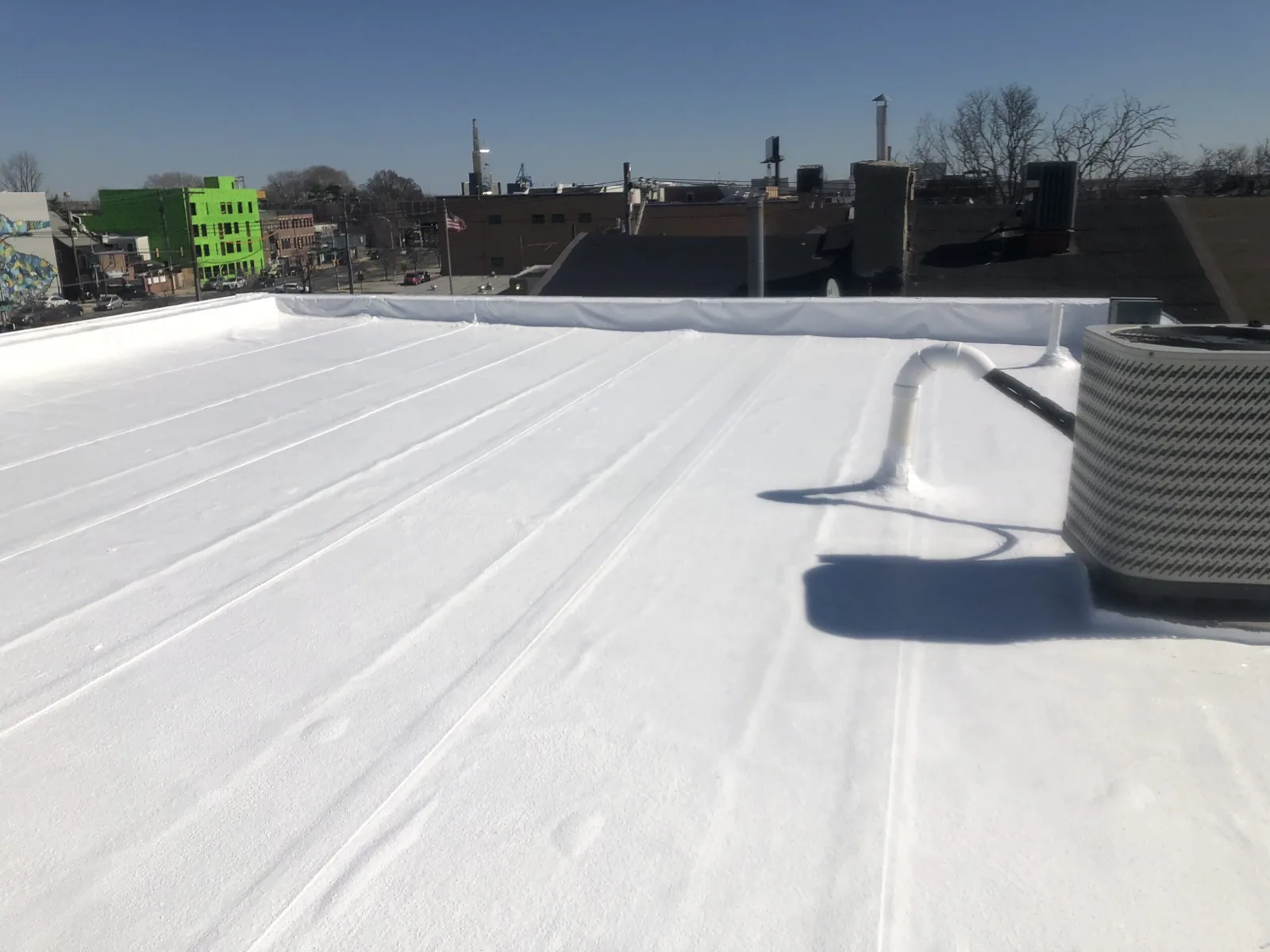
Commercial Roof Inspection
Learn More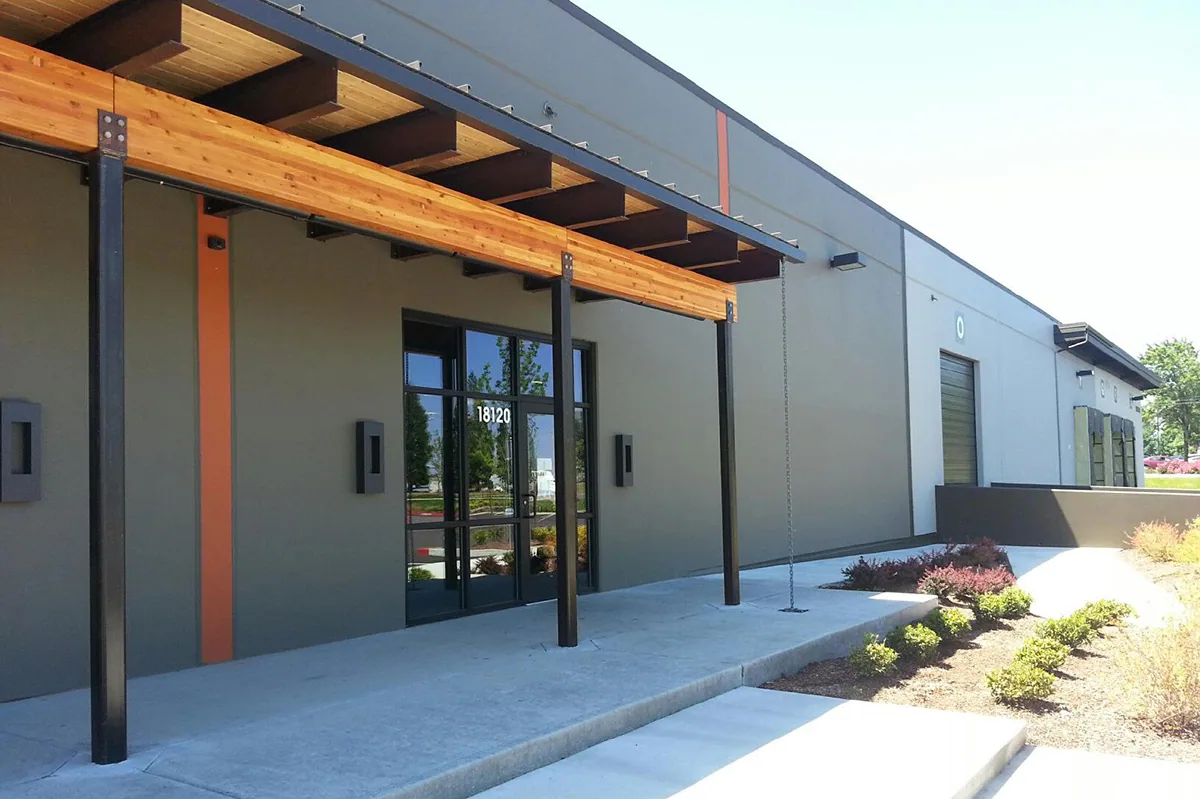
I-84 and NE 181st Industrial Cluster
Learn More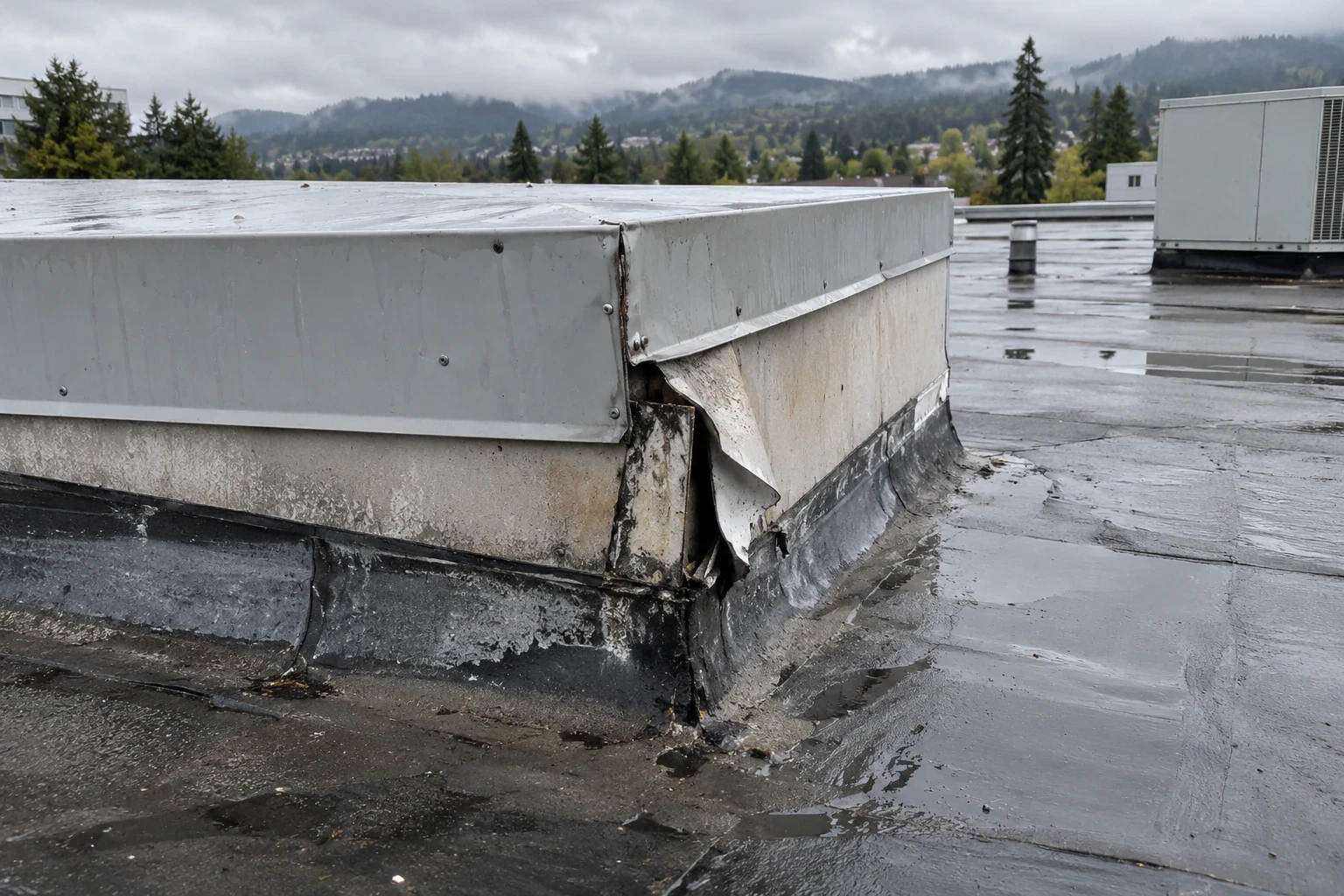
Commercial Roof Flashing Repair
Learn More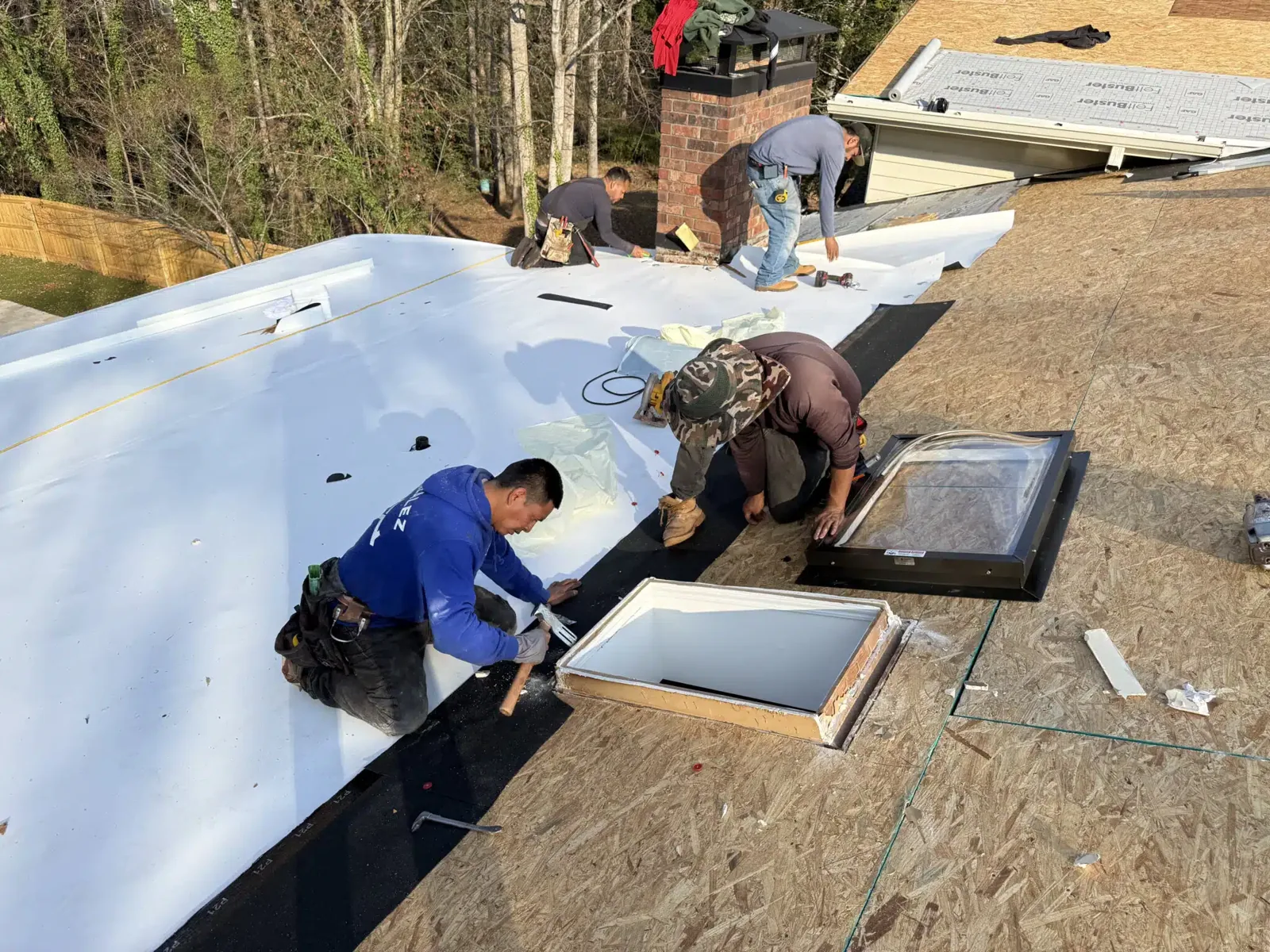
Commercial Roof Seam Repair
Learn More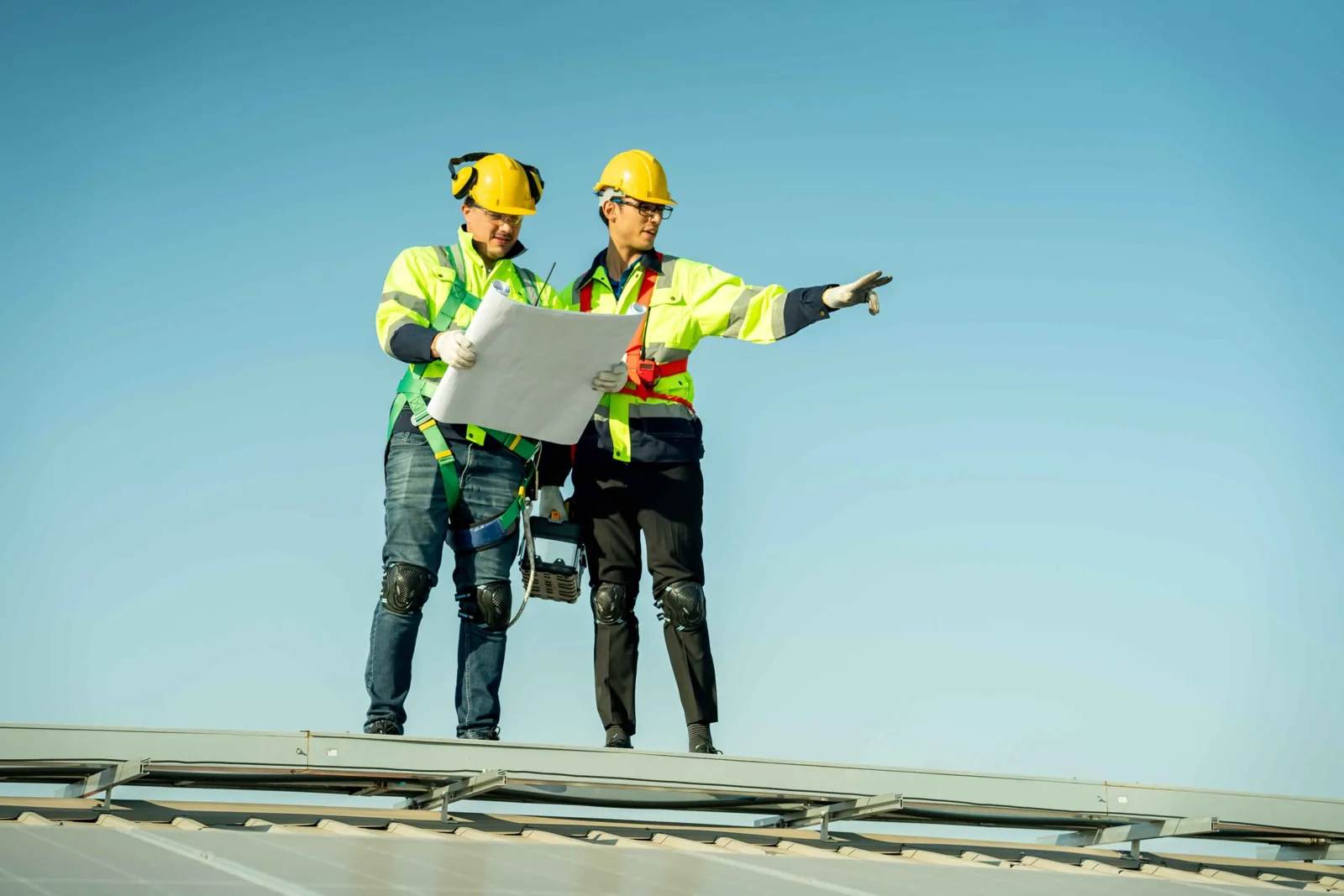
Commercial Roof Condition Reports
Learn MoreReview wind damage at the roof
Request a roof assessment in Gresham
Schedule a roof walk in Gresham. We will coordinate access, occupied hours, and a safe work zone, then record the repair boundary and next operating window. Tell us about the building, the roof and what you are seeing. Call 555-555-5555, email [email protected] or send the details through our contact page and we will set up a time to walk the roof.