
Commercial Roofing in Gresham Vista Business Park, Gresham, OR
Review a Gresham Vista roof
- Home
- Service Areas
- Gresham Vista Business Park
Manufacturing, technical services, food processing, logistics, retail, and office uses share Gresham Vista Business Park. The park spans 221 acres and includes more than 1.7 million square feet of industrial space. That range of operations calls for roof work planned around each building and its actual assembly. We inspect seams, drains, penetrations, curbs, and edge details, then coordinate access and work areas with the facility contact. A commercial roof inspection can establish the roof condition before repair, recover, or replacement is selected.
Plan around the activity below
A business park includes distinct property operations. A manufacturing space may depend on ventilation or equipment access. Food processing can require care around intakes and interior production zones. Logistics work can put loading activity below the roof route. Office or retail uses may bring visitors and tenants through areas where material must be staged. We confirm those conditions with the site contact and build a work plan around the building’s actual schedule.
At the first walk, we ask where roof access is approved, which areas remain occupied, and what equipment or inventory needs protection. We identify roof sections, material paths, staging space, and any escort or notification requirements. The roof is inspected at drains, scuppers, seams, flashing, wall transitions, and rooftop units. Where the surface is covered by equipment or previous repair, we note what could not be confirmed and whether an opening or additional test would change the recommendation.
The park’s multi-use paths and protected open space are part of its site context, but they do not define roof conditions. We coordinate vehicle and material movement with the property team and keep work within the approved site zone. For buildings near Gresham’s Southshore Corporate Park or the Northerly Industrial Area, access needs may differ; our scope remains specific to Gresham Vista’s individual roof.
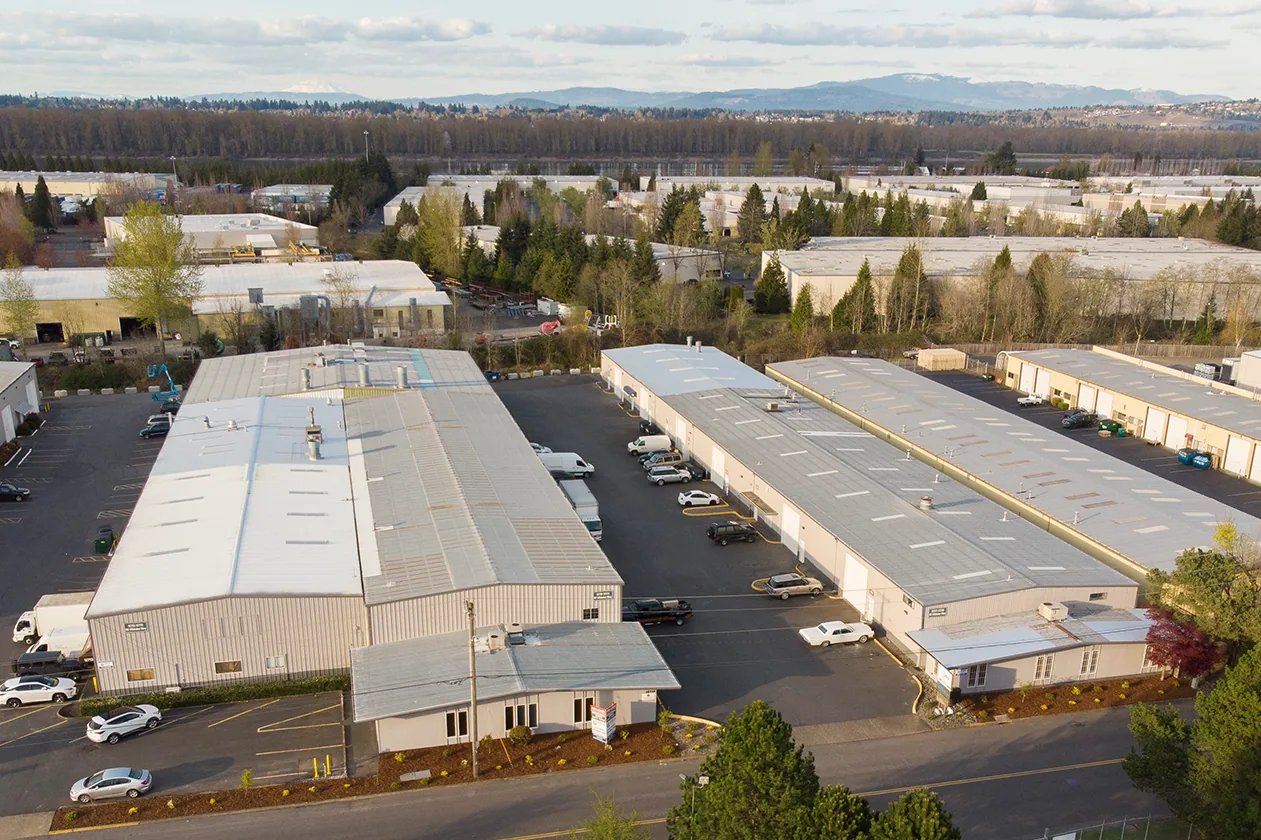
Trace water at the assembly details
Rain exposure makes drains and transitions useful starting points. We inspect drain bowls, strainers, scuppers, overflow outlets, and the nearby membrane. A restriction may be debris; a recurring low area may relate to roof profile or deck movement. We document what is visible and separate a cleaning need from a repair or design question. Roof coating or a new membrane cannot correct drainage by itself if the underlying slope and outlet elevations remain unchanged.
At the field, we look for seam separation, patches with lifted edges, punctures, surface wear, loose terminations, and signs that equipment service routes cross the roof. Flashing around curbs, exhausts, pipes, and skylights can fail differently from the membrane field. We identify the material and prior repair method before proposing a tie-in. A leak report helps direct the search, but the indoor stain may be offset from the opening if water moves along insulation or deck.
If hidden moisture could change the scope, an infrared moisture survey can screen suitable areas. The image pattern needs confirmation when the assembly or weather creates uncertainty. A targeted opening or core can show conditions at a specific point. We explain how much of the roof each test represents and do not extend one result across the business park’s separate buildings.
Account for the east Portland metro climate
The Portland airport’s annual normal is 36.92 inches, with measurable rain on 157 days and most precipitation from fall through spring. For Gresham Vista properties, that wet-season pattern makes drainage performance, recurring leaks, and protection of open roof sections regular maintenance priorities.
For the airport station, 31.7 annual days have a minimum reading at or below freezing, and snowfall averages 4.2 inches. Gresham is not treated as a heavy-snow market. We inspect details that can hold water and review flashing or seams where occasional freezing could matter. Actual exposure depends on roof design, drainage, material, and condition at the property.
Gresham Vista’s scale and mixed use bring roof decisions that may involve different teams across the park. The property record should identify the specific building, roof area, operating contact, and scope. We do not infer roof age, system, or condition from a business listing. A repair can address a confirmed localized defect; repeated failure or wet insulation may call for a broader plan.
Choose the work from confirmed conditions
A repair is suitable when the opening is limited and adjacent material can accept a compatible detail. The scope may address a membrane seam, penetration flashing, metal fasteners, drainage component, or perimeter termination. We record preparation and repair limits so the owner can tell what was completed and what remains outside the work.
If failures recur across a roof zone, we review moisture, attachment, drainage, prior patches, and the condition of the assembly. A recover evaluation checks whether the existing roof can support another layer and whether drains, curbs, and edges can be adjusted. A replacement scope may be more appropriate where the existing assembly or substrate cannot support repair or recover. We identify the evidence and assumptions behind each option.
Project cost and duration vary with access, material, roof height, equipment handling, wet insulation, deck repairs, disposal, and weather protection. Food processing or occupied office space may require a specific access period or added protection below. The written scope notes those operating factors and the decisions that could change after the roof is opened.
Coordinate the crew and the work zone
Before mobilization, we confirm roof entry, staging, equipment route, building contacts, and occupied hours. The facility team can identify a loading window, visitor route, sensitive intake, or area where work should pause. Materials and removed roof components are moved through the agreed route. We coordinate notices and keep the active work zone distinct from areas that remain in service.
During repair or reroofing, crews protect open sections at shift end and when weather interrupts work. If removal exposes an unexpected condition, we document the area, explain how it affects the scope, and coordinate direction before expanding the work. At closeout, photographs connect the completed repair or new detail to the roof section. A condition report can keep those records with the facility’s roof history.
A property operator managing several roofs can use multi-site roof coordination to schedule surveys and track priorities. Each inspection still measures a specific roof; building-level differences stay in the record. We can coordinate a roof walk at Gresham Vista, confirm the facility’s access window, and return a written plan for the next stage.
Gresham Vista Business Park FAQs
-
Does the park’s industrial space tell you what roof system is installed?
No. The Port’s business park profile describes total industrial space and a mix of uses, not roof materials or conditions on a specific building. We inspect the assembly, review available records, and identify tests needed where layers or attachment are uncertain.
-
Can you schedule work around logistics or production?
Yes. We coordinate access, staging, deliveries, and occupied hours with the building contact. The sequence depends on roof area, weather protection, equipment routes, and the activity below. If a phase requires a shutdown or restricted access, we identify it before mobilization.
-
How do you handle a roof shared by several operations?
We confirm which operator controls roof access and which building contacts need notices. The work plan assigns a route and zone for each task, then identifies protection needs for occupied spaces. A multi-tenant setting does not change the repair standard, but it can change communication and staging.
-
What affects replacement timing at Gresham Vista?
Roof condition, removal depth, wet insulation, equipment handling, material availability, weather, and access all affect schedule. A walk helps identify what can be planned before tear-off and which findings could change the sequence. We coordinate the work window with the facility instead of assigning a date from the park profile.
Related Roofing Work
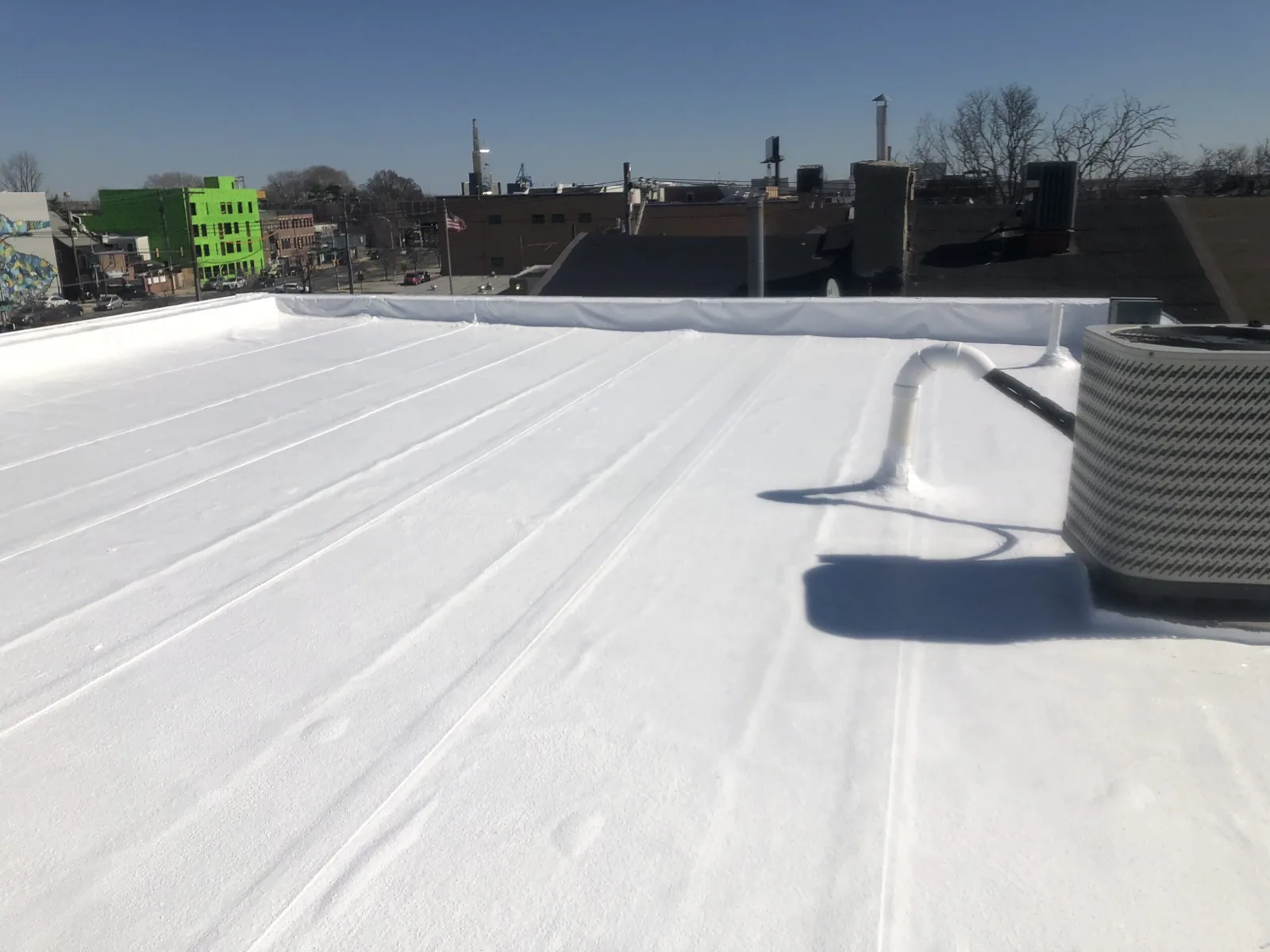
Commercial Roof Inspection
Learn More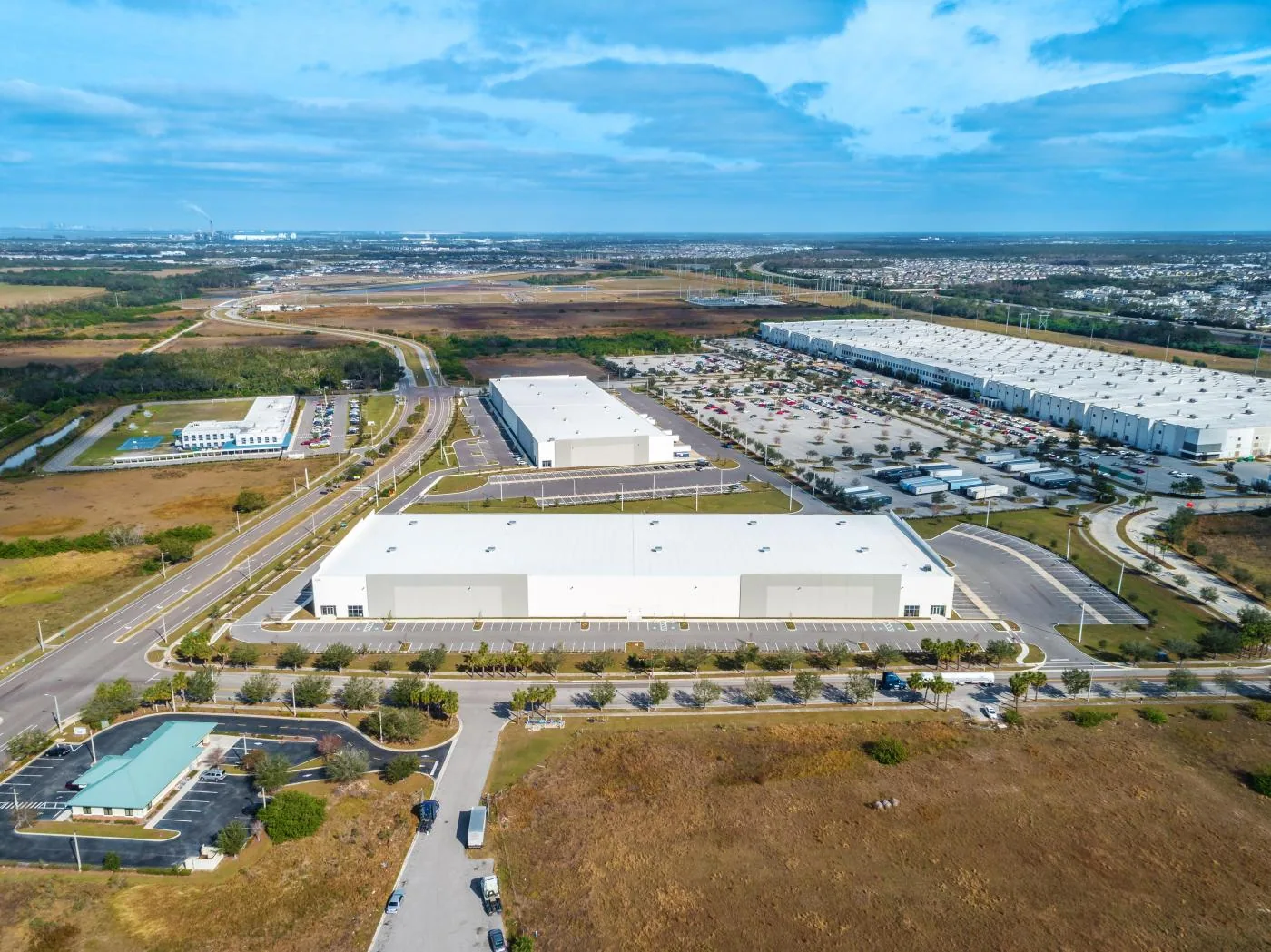
Southshore Corporate Park
Learn More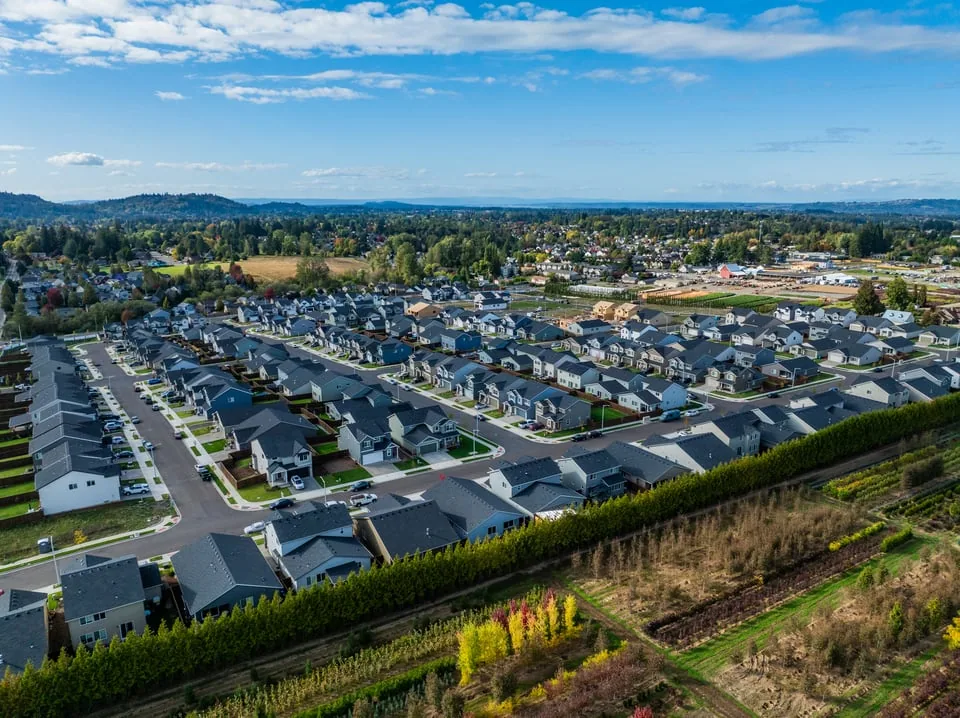
Gresham Northerly Industrial Area
Learn More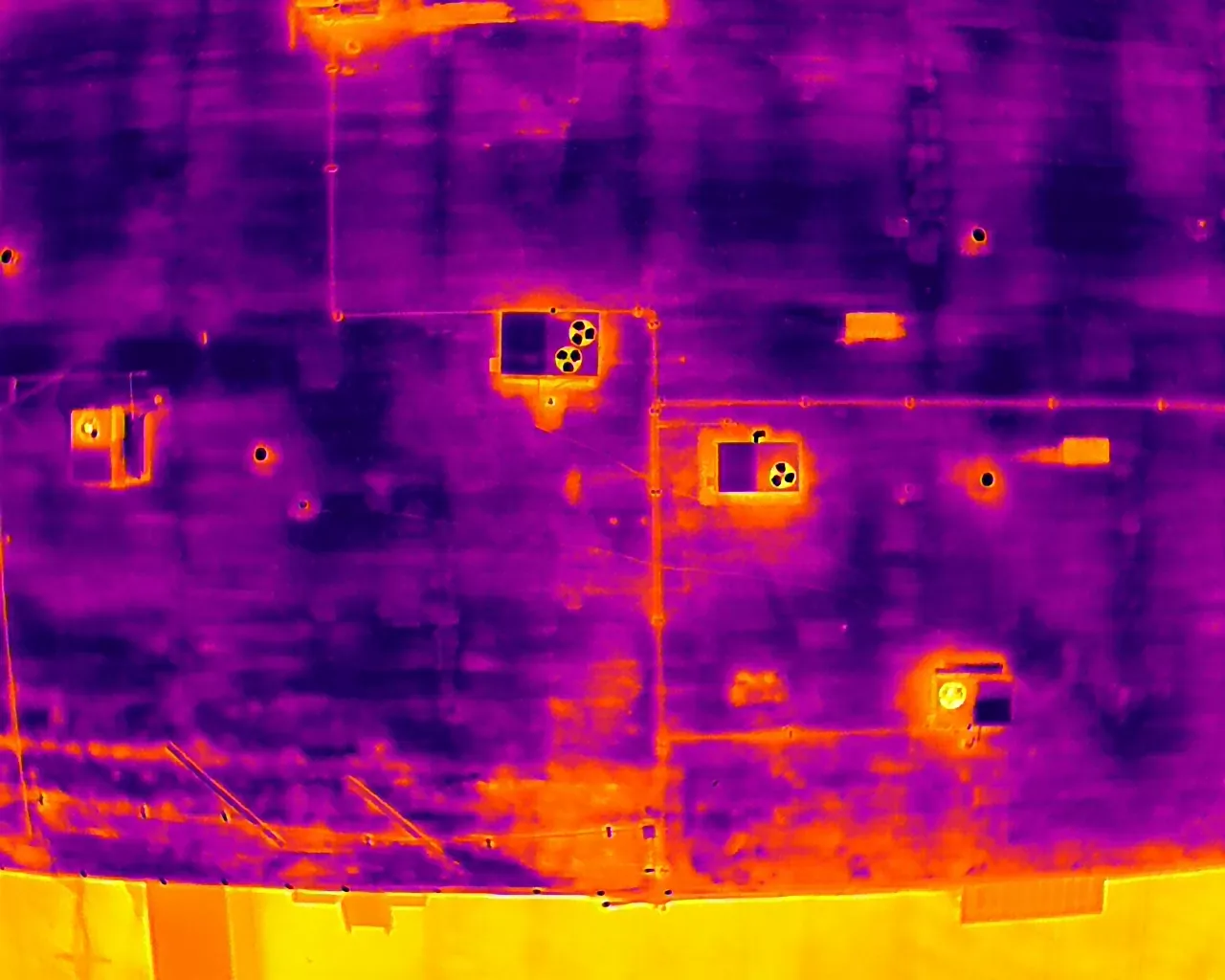
Infrared Moisture Survey for Commercial Roofs
Learn More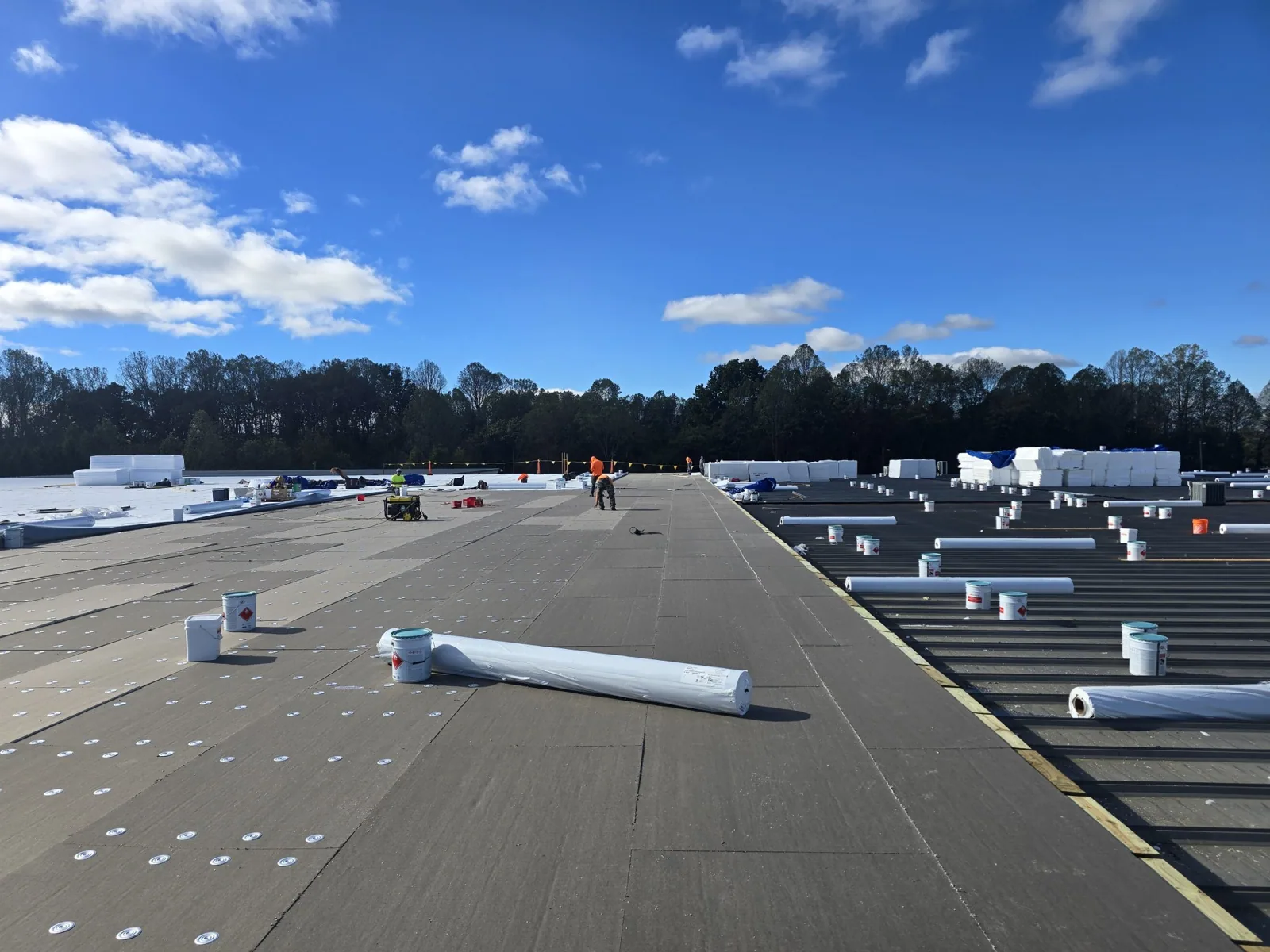
Commercial Roof Repair
Learn More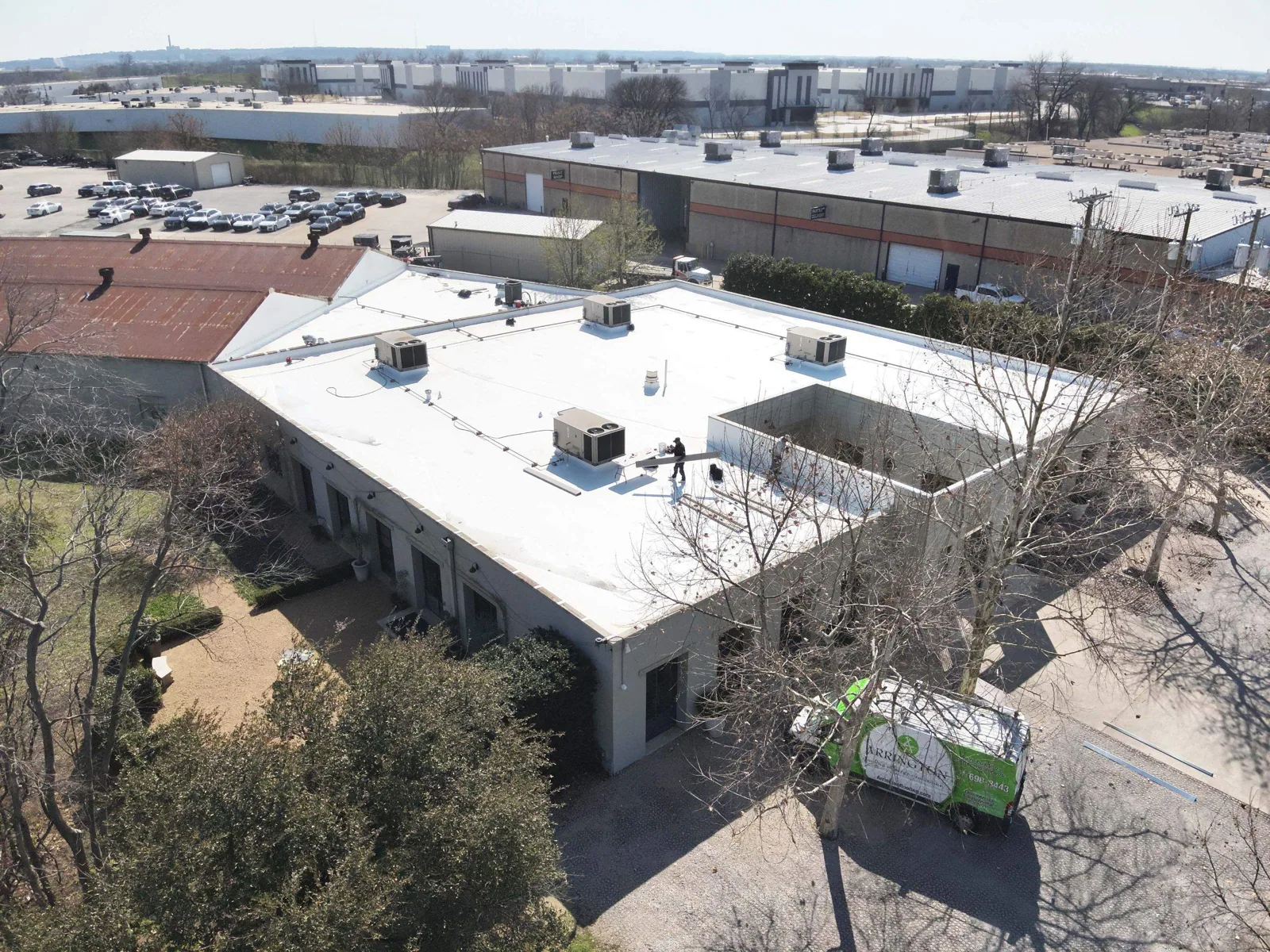
Commercial Roof Recover
Learn MoreReview a Gresham Vista roof
Request a roof assessment in Gresham
We will inspect the assembly, coordinate access with the facility contact, and outline the work supported by the roof findings. Tell us about the building, the roof and what you are seeing. Call 555-555-5555, email [email protected] or send the details through our contact page and we will set up a time to walk the roof.