Commercial Roofing in Southshore Corporate Park, Gresham, OR
Coordinate a roof walk at Southshore
- Home
- Service Areas
- Southshore Corporate Park
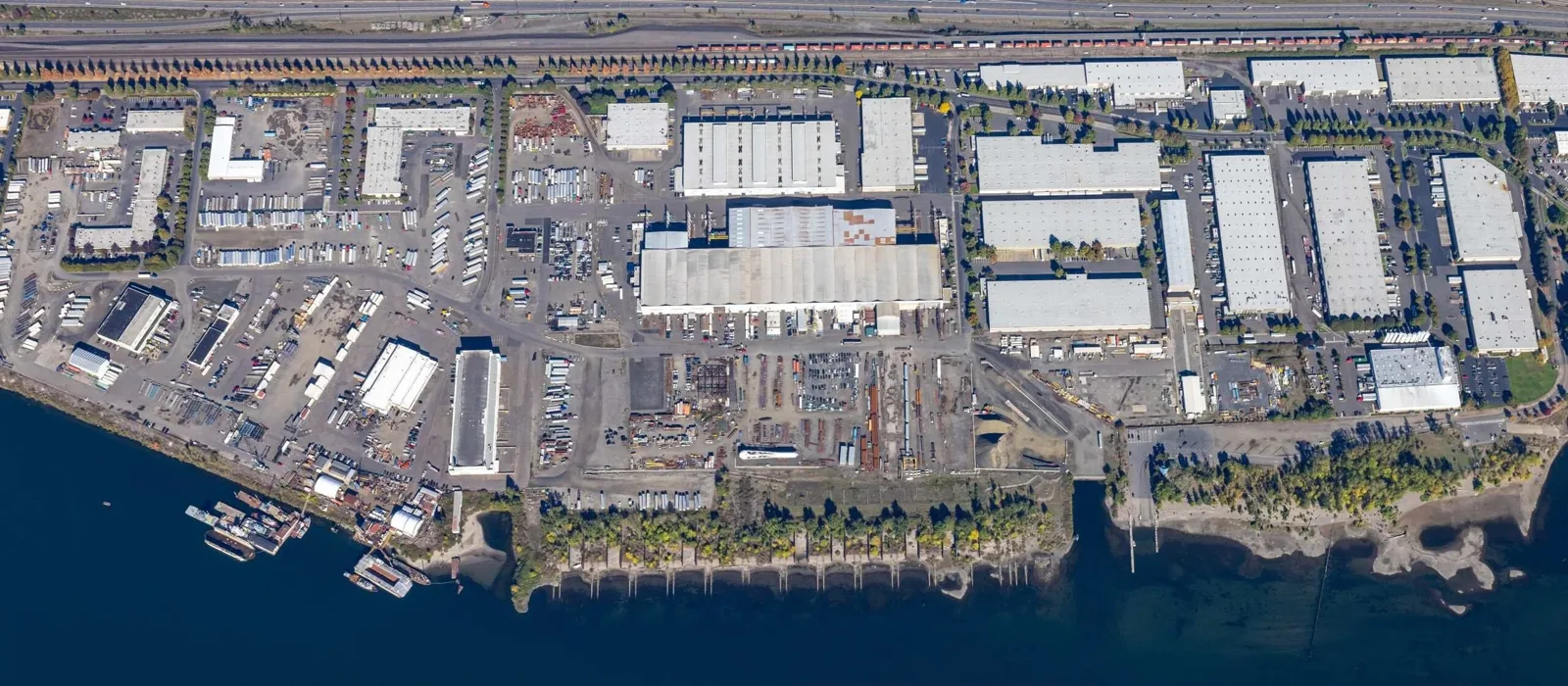
Southshore Corporate Park is a master-planned industrial business area extending across Gresham and Portland along the I-84 and Columbia River south-shore corridor. Its uses include manufacturing, distribution, processing, high-tech firms, and support vendors. Roof work has to account for the building's operations as well as its membrane. We inspect drains, seams, curbs, edges, and existing repairs, then map the access route and work zone with the facility contact. A loading schedule or operating process may limit when materials can arrive or when equipment can be isolated. The survey identifies those constraints before a repair, recover, or replacement scope is set. For owners also managing a site in Springwater Employment Area, we keep each building's roof condition and access plan specific to that property.
Plan staging around freight and production
Southshore Corporate Park has 21 lots ranging from five to 17 acres, supporting industrial and distribution development across the park. Those parcel dimensions describe the park layout, not a specific building or its roof area. Before mobilization, we confirm where a truck can unload, what route reaches the roof, and whether a lift or crane needs a reserved work zone. The site lead identifies active shipping lanes, controlled doors, and times when a staging area must remain clear.
Manufacturing, distribution, and processing can continue while roof work is underway if the work area and operations are coordinated. We ask which units must remain online, whether odors or debris could affect intake points, and who can approve temporary shutdowns. A roof opening is assigned a closure step. At the end of the shift, the field lead checks temporary protection, drainage, and material security before handing the area back to the facility.
Freight access changes with each work area. The owner or site contact supplies current rules, and we revise the staging plan when a route or operating window changes. The I-84 and 181st industrial cluster has its own property access conditions.
Start with the assembly, not a product label
Industrial roofs may carry several generations of work. A membrane can cover older insulation, cover board, a vapor layer, and a deck. We identify the visible system where possible and review owner records before recommending a tie-in. The roof walk maps drains, scuppers, parapets, curbs, skylights, expansion joints, and equipment supports. Each transition gets a condition note and a photograph with enough surrounding area to locate it again.
If interior staff reports a leak, we compare its location with roof details above and along likely water paths. The entry point can be separated from the stain by a deck joint, framing member, or insulation layer. We check for seam openings, loose flashing, punctures, trapped debris, or signs of water retention. If moisture cannot be confirmed from the surface, a test opening or infrared survey may help answer a specific question. The facility authorizes the test location and closing method before the roof is opened.
Oregon's adopted 2025 Structural Specialty Code is based on the 2024 IBC, with construction provisions mandatory beginning April 1, 2026 after a transition period. A reroof can involve code and permit questions based on its scope. We identify where the project team needs to confirm current requirements rather than assuming the same path applies to repair, recovery, and full replacement.
A commercial roof inspection records accessible conditions across the roof. For an active leak, leak tracing connects the interior report with roof observations and a defined repair limit.
Match the work method to the roof condition
A localized opening with sound material around it can support a focused repair. The crew removes only what the approved detail requires, prepares a compatible tie-in, and documents the completed patch. A repair proposal identifies the location, materials, access assumptions, and any adjacent item that needs separate attention. If the membrane type or attachment is uncertain, we identify the check needed before selecting the repair method.
A recover or coating review has different prerequisites. We look for wet insulation, poor attachment, incompatible old coatings, surface contamination, and changes to edge or curb height. An overlaid system cannot resolve trapped moisture or a failing deck. When the existing roof does not support a recover, removal and replacement can reset the assembly with new insulation or drainage adjustments. The inspection report keeps those alternatives tied to observed conditions rather than a preference for one product.
Repair planning can resolve isolated failures; a replacement scope compares removal depth, insulation, disposal, and operational phasing. Drainage work may be included when outlets, overflow paths, or low areas contribute to the reported condition. Budget and duration are shaped by the surveyed area, existing layer count, transitions, haul path, temporary cover, and the approved access window. Hidden conditions remain unknown until the roof is opened.
Keep the roof ready for a long wet season
Portland International Airport averages 36.92 inches of annual precipitation in the 1991-2020 normals. Most rainfall falls from autumn through spring. Use the wet-season pattern to set daily dry-in limits and prioritize drain, seam, and edge checks. On a commercial roof, the practical checks are drain capacity, overflow routes, seam condition, edge details, and how much area can be protected before a shift ends.
Standing water after a storm can point to debris, a blocked drain, settlement, or a drainage design issue. We document how deep and widespread ponding appears and whether it changes after outlets are cleared. A roof walk does not by itself prove the cause. If recurring ponding needs engineering review, the scope states what the roofing inspection can establish and where another professional's analysis may be needed.
At Portland International Airport, minimum temperatures reach freezing on about 32 days in a typical year. On a Southshore roof, check surface temperature and moisture before adhesive work, then protect exposed insulation and keep outlets usable at daily closeout.
Leave a roof file the next facility team can use
Closeout records should show the roof zones inspected, the system where confirmed, repair locations, materials used, and any areas not reached. Photos need labels that match the roof map. If removal reveals an extra layer, wet material, or a different attachment than expected, the record should identify the change and the decision made. File manufacturer literature separately from technician observations so the owner can distinguish installation requirements from what the inspection recorded on site.
Southshore's industrial and business uses may involve more than one operations contact. A facility manager can assign a person to approve roof access, receive the closeout, and keep maintenance records with the asset file. Our roof condition report can provide a dated baseline. It can also list open items and recommended follow-up without treating unobserved areas as clear.
During a planned maintenance visit, we test outlet flow, examine membrane joints and perimeter tie-ins, and note wear along the paths used to service equipment. Update the file when rooftop units move or another trade creates a penetration. That history gives later crews a better starting point without conflating one building's condition with another's.
Southshore Corporate Park FAQs
-
Does Southshore Corporate Park have one standard roof type?
No. The park includes varied industrial and business uses, and the roof system depends on each building's design and work history. We identify the existing assembly during the survey before recommending materials.
-
Can roofing work be scheduled around loading and production?
We coordinate access, deliveries, equipment shutdowns, and work zones with the site contact. The schedule follows the operation's actual limits and the conditions on the roof that day.
-
What do you look for before recommending a recover?
We check moisture, attachment, substrate condition, surface compatibility, drainage, and how added height affects edges and penetrations. If the existing layers cannot remain, we compare removal and replacement options.
-
How does Gresham's rain affect roof replacement planning?
Portland International Airport averages 157 days with measurable precipitation, most from fall through spring. We use current weather and roof conditions to plan exposed areas, temporary protection, and daily closure.
-
Can you document a roof across several lots or buildings?
Yes. Each building gets its own map, roof zones, photographs, and access notes. Portfolio reporting can use consistent fields without assuming the buildings share the same system or condition.
Related Roofing Work
Springwater Employment Area
Learn More
I-84 and NE 181st Industrial Cluster
Learn More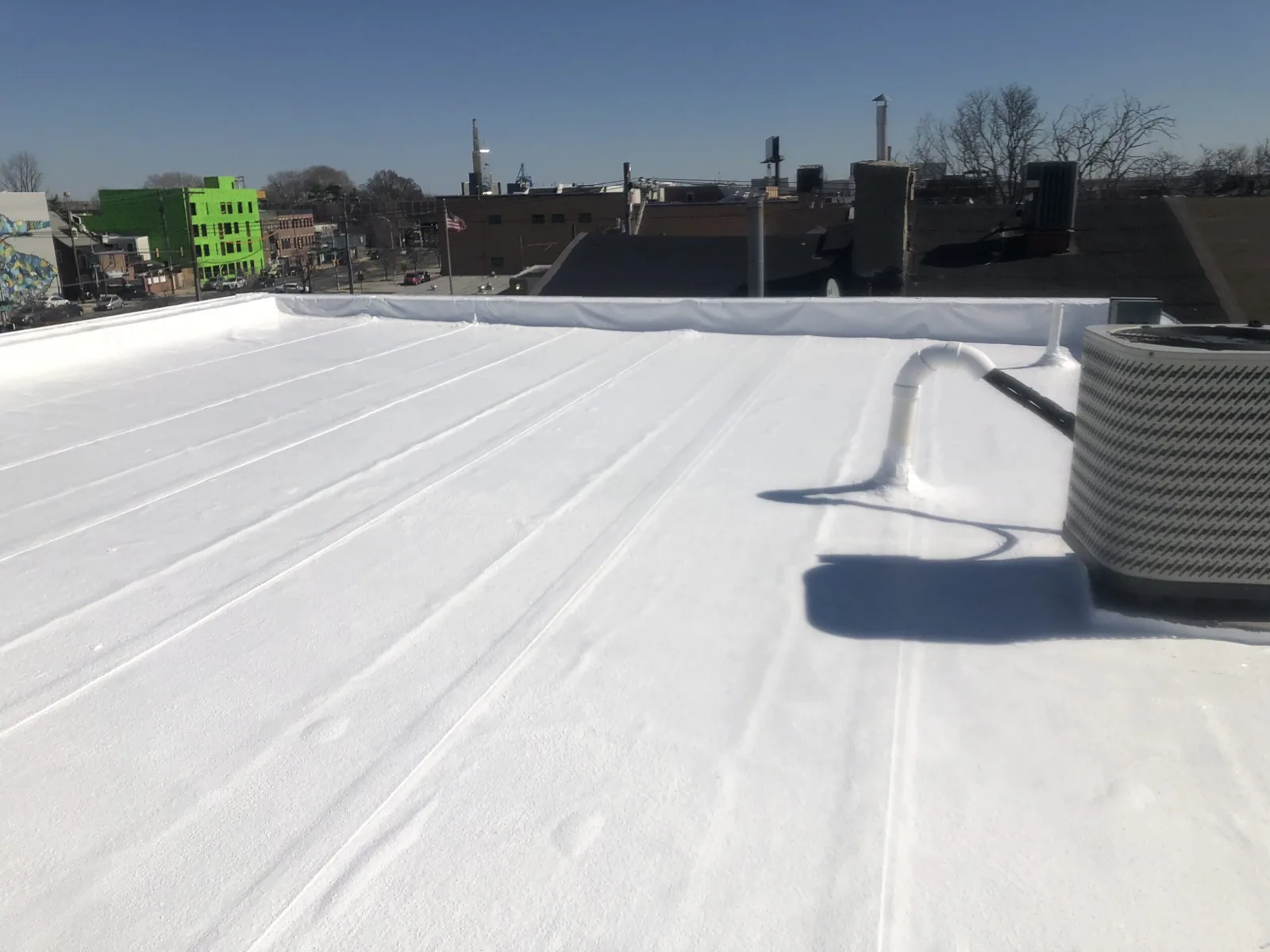
Commercial Roof Inspection
Learn More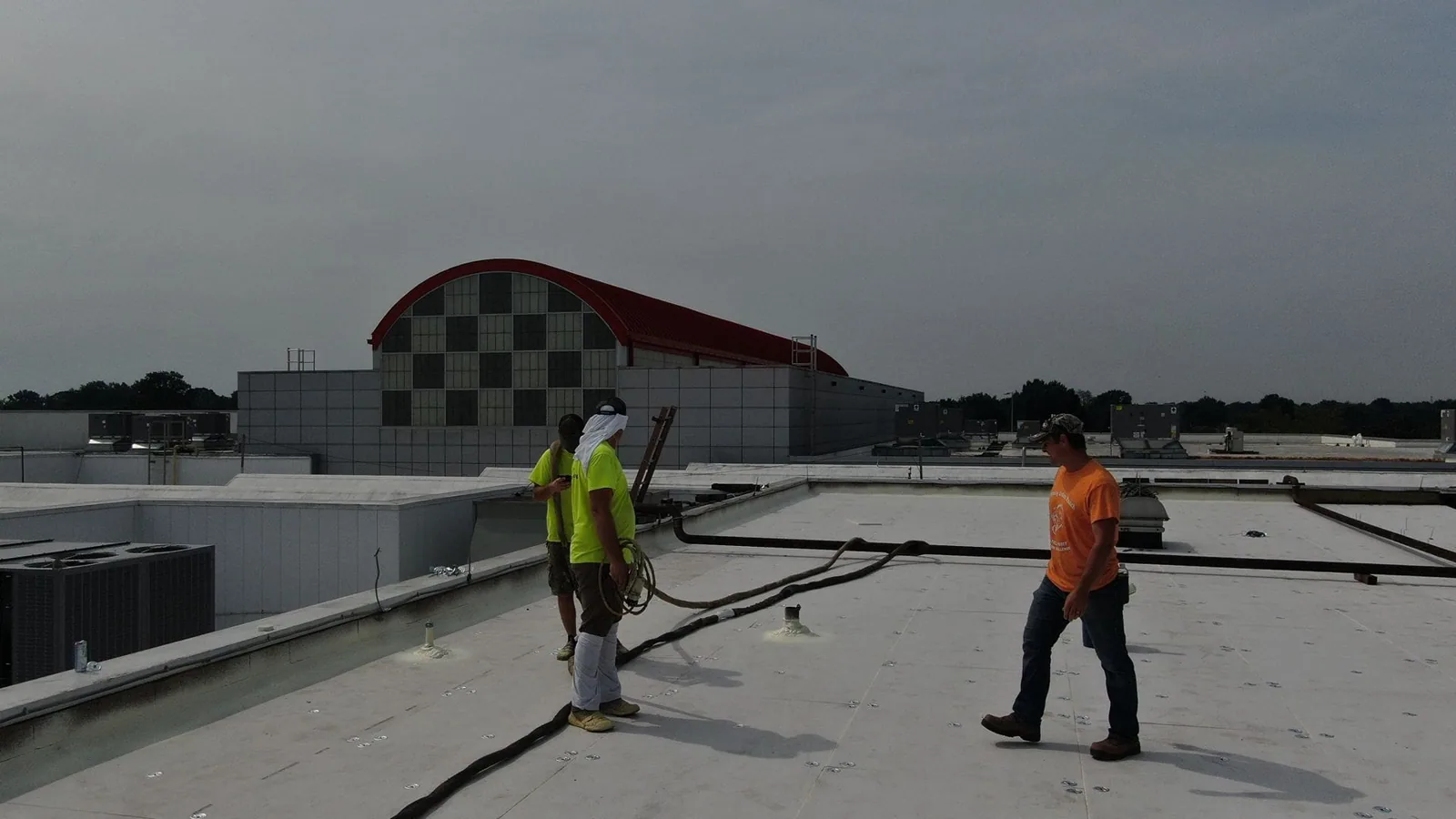
Commercial Roof Leak Repair
Learn More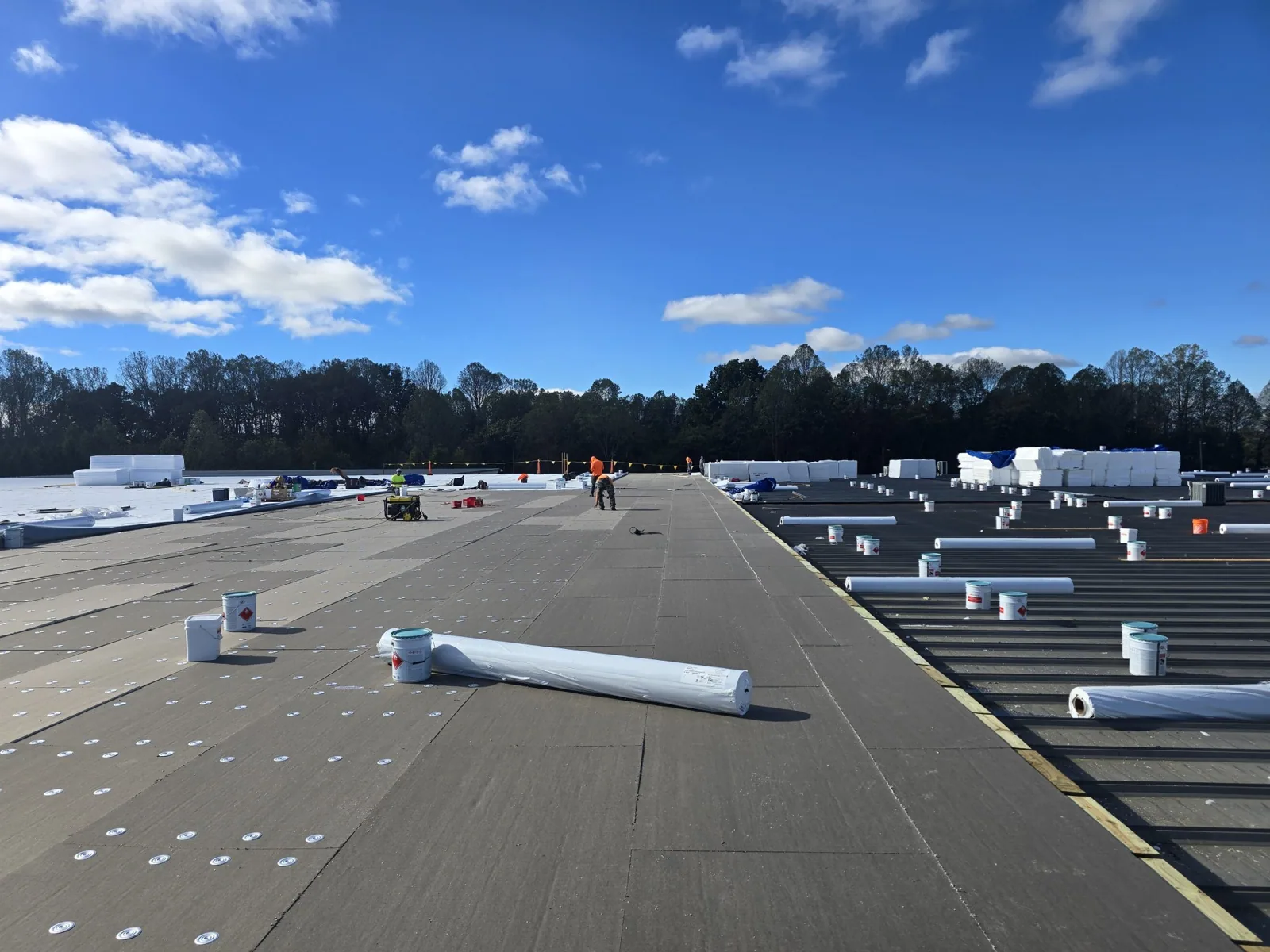
Commercial Roof Repair
Learn More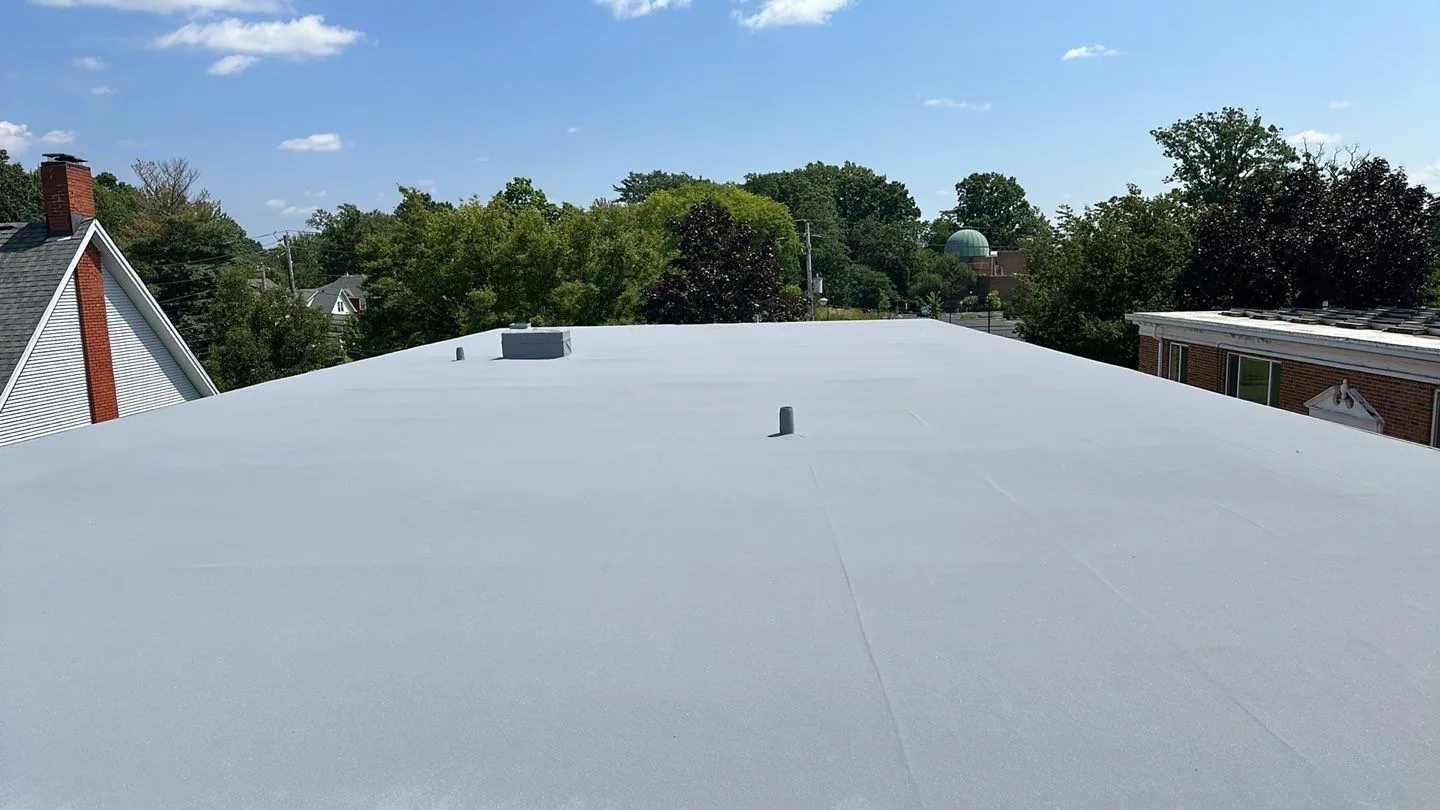
Commercial Roof Replacement
Learn MoreCoordinate a roof walk at Southshore
Request a roof assessment in Gresham
We will review roof conditions, staging, access limits, and operating windows, then prepare a documented repair or replacement scope for your building. Tell us about the building, the roof and what you are seeing. Call 555-555-5555, email [email protected] or send the details through our contact page and we will set up a time to walk the roof.