
EPDM Roofing in Gresham, OR
Inspect the EPDM assembly
- Home
- Roof Systems
- EPDM Roofing
Rooftop equipment and service paths can obscure roof details. EPDM is a synthetic rubber membrane for low-slope commercial buildings. Its seams and flashings rely on compatible adhesives, tapes, primers, and secure terminations rather than heat-welded sheet. We identify the membrane, inspect its seams, patches, drains, and curbs, and check for moisture before recommending repair or replacement. Gresham’s rainy season runs from fall through spring, putting laps and drain details under regular exposure. A roof inspection documents current conditions; our EPDM review focuses on how the membrane and its bonded details are performing.
What should an EPDM inspection cover?
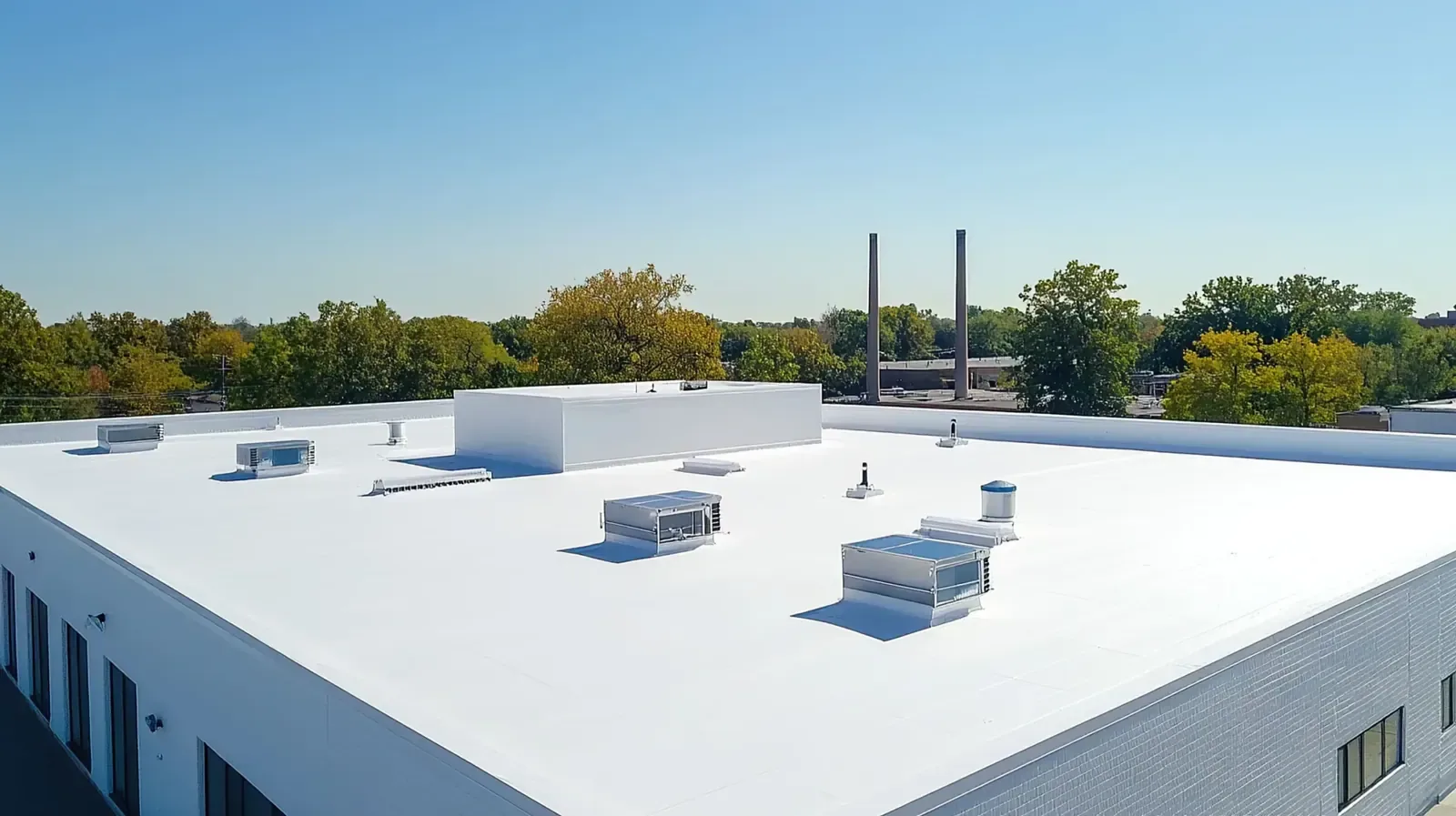
We check field seams, flashing tapes, patches, perimeter terminations, pipe boots, curb corners, and drain details. The surface may have shrinking, open joints, blisters, punctures, or exposed adhesive. We inspect both the visible condition and the substrate around it. A repair made over loose or contaminated membrane will not bond as intended. The work plan identifies how the area will be cleaned, primed, and joined to sound material.
EPDM can be installed in large sheets, but roof geometry determines where seams and transitions occur. Equipment curbs, parapets, skylights, and expansion joints require detailed flashing. We look for water paths at corners and wall transitions, plus traffic wear where technicians cross the membrane. A penetration review can address pipe and curb details, while Equipment support work coordinates the roof with mechanical access.
Adhesive and tape repairs require appropriate surface preparation and product compatibility. A prior coating, residue, or patch can affect bonding. We review maintenance records or product information where available, then test or verify compatibility if the existing material is uncertain. The repair record should name the material used and the areas completed so the next inspection does not treat a patch as original membrane.
Why do EPDM seams and flashings separate?
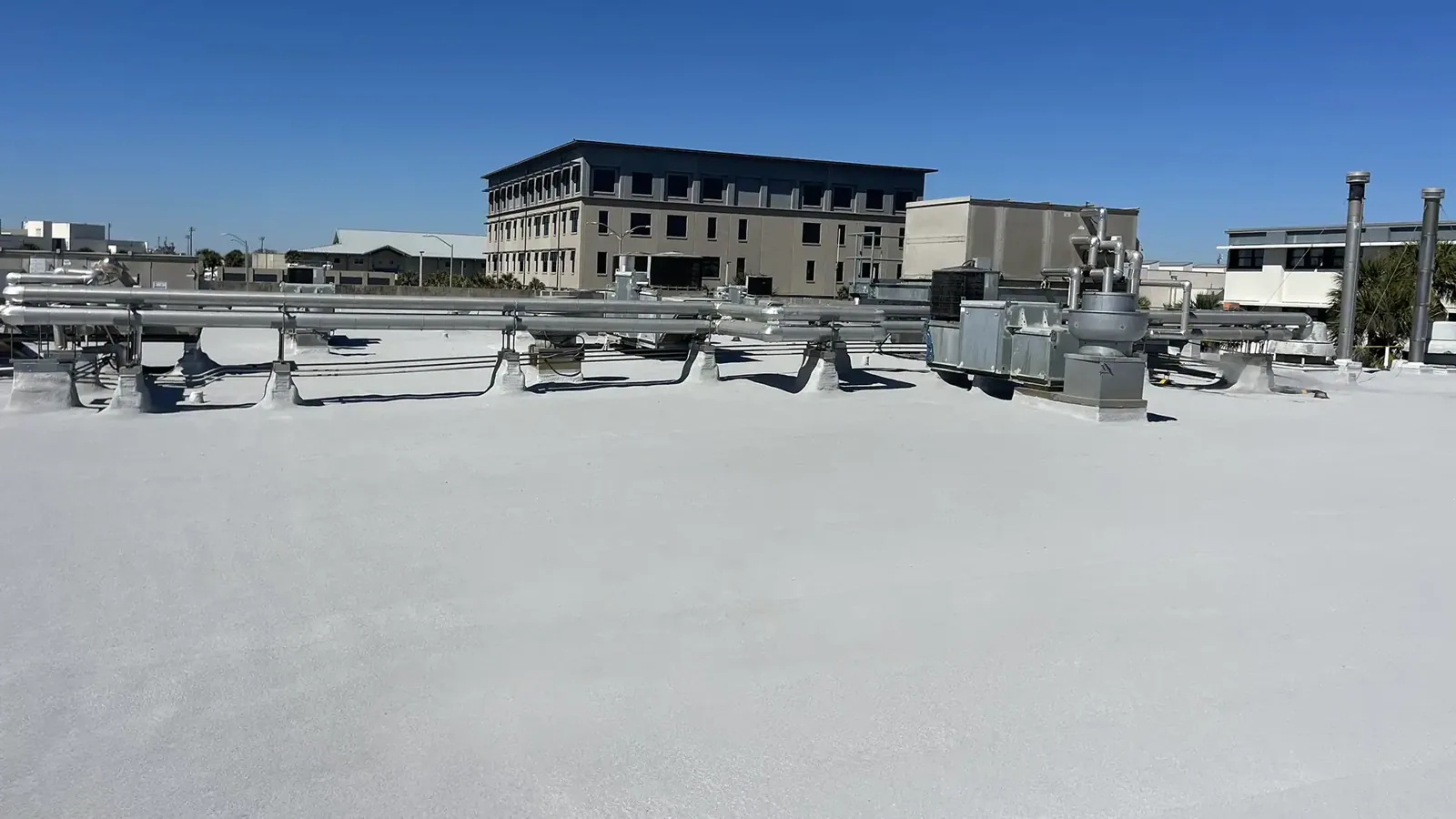
Adhesive can lose bond when the surface is dirty, wet, aged, or improperly prepared. Movement at a curb or wall can stress a flashing tape, while repeated foot traffic can abrade the membrane. We look at the edge of a failed area and nearby details to find the cause. A surface patch should extend into sound material, with the correct primer and compatible seam product. Sealant applied over a loose lap may not restore the joint.
Water can move under the sheet after entering at a seam, penetration, or drain. A ceiling mark may appear well away from the roof opening. We review slope, interior reports, patch history, and membrane condition before locating the repair. If the insulation may be wet, a moisture survey can identify areas for further confirmation. The result is a map for testing, not proof that every anomaly is wet material.
EPDM expands and contracts with temperature. Perimeter attachment, field sheet layout, and flashing details must accommodate the system's movement. At corners and edges, secure termination helps limit pullback. We inspect existing edges and document whether the issue is isolated or part of a broader system condition. If several seams are failing or the membrane has widespread deterioration, a replacement review may be more useful than repeating local patches.
Can an EPDM roof be repaired or recovered?
A repair may be suitable when the membrane remains stable and the defect is limited. We clean and prepare the surface, install compatible tape or membrane, and check edges and transitions. If water has reached insulation, the scope may need to open the assembly and replace wet materials. Repeated repairs, widespread seam separation, or shrinkage at terminations can indicate a larger replacement question.
A recover depends on the existing layers, moisture, deck, attachment, added weight, and code. Some older assemblies have incompatible materials or surfaces that cannot accept a new system. We inspect the roof and confirm test results before deciding whether it can remain. A recover assessment makes those limits explicit. If removal is necessary, a replacement scope can address insulation, cover board, drainage, and perimeter details together.
When comparing systems, EPDM differs from heat-welded thermoplastics. TPO and PVC use welded seams; EPDM repair uses system-compatible adhesive or tape details. System choice depends on roof geometry, rooftop activity, exposure, detailing, and maintenance practices. We explain the installation and repair differences that matter to the building without assuming a single membrane fits every Gresham facility.
How does the Gresham service area affect the work?
Southshore Corporate Park supports manufacturing, distribution, processing, and high-tech businesses along the I-84 and Columbia River corridor. An EPDM repair or replacement there may need to fit freight access, roof equipment service, and occupied work areas. We coordinate staging and delivery with each facility rather than treating the park as one operating site. The roof survey identifies the sheet layout and the route crews will use.
The Sandy Boulevard freight corridor serves industrial and employment lands through Gresham, Fairview, Wood Village, and Troutdale. For an active property along that route, lifts or waste removal may intersect loading operations. The site contact identifies gate access and delivery timing. We set a work zone, protect nearby equipment, and close each roof area at the end of the shift.
Rain is most frequent in Gresham from fall through spring. That timing affects surface preparation and adhesive dry time. We check membrane and air conditions against product requirements before bonding a seam or flashing. If the surface is damp or conditions fall outside the system limits, work shifts to another area or pauses. A Sandy Boulevard service-area walk can be coordinated with nearby building access, but each property receives its own inspection.
How are EPDM repairs installed?
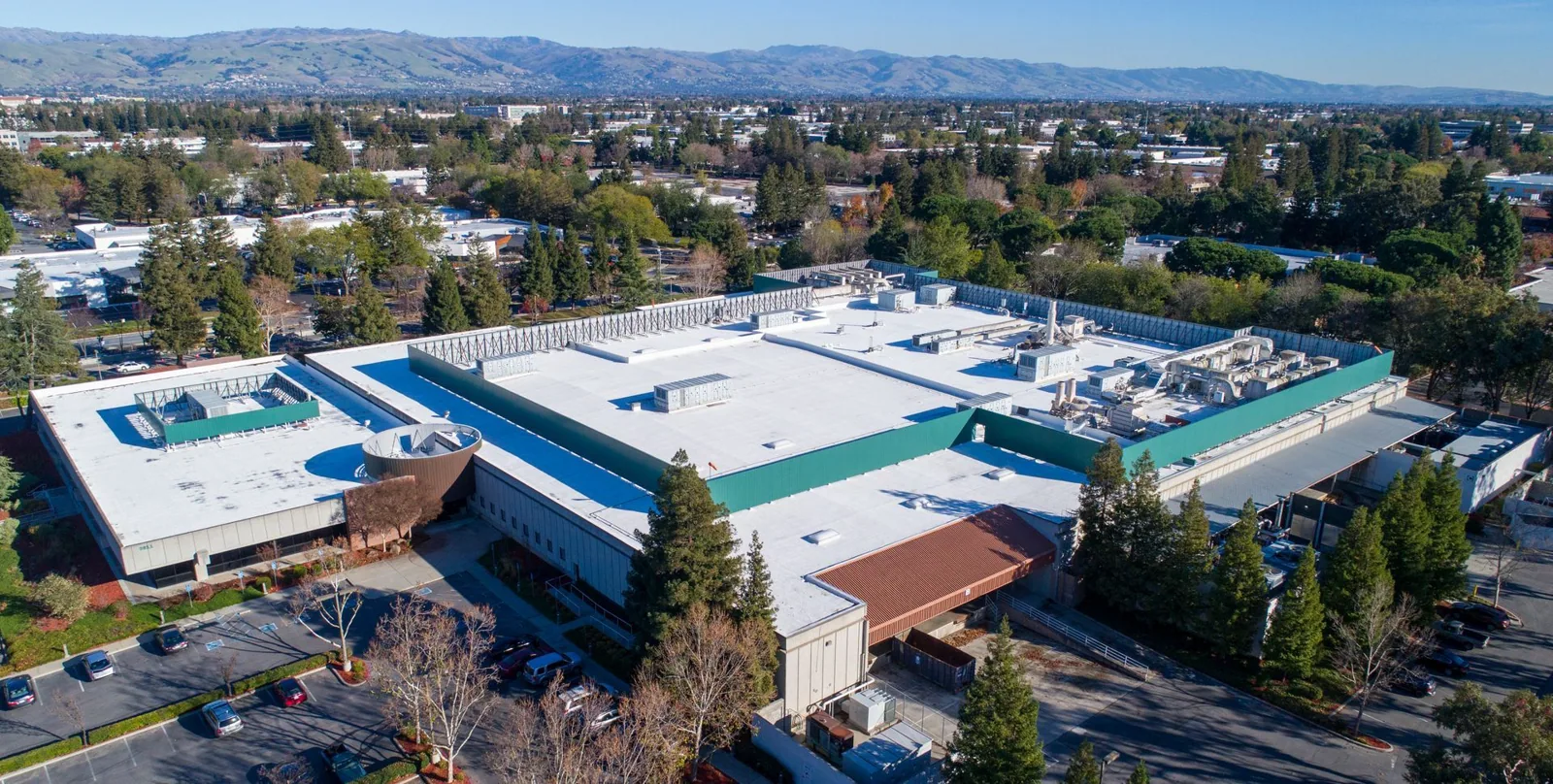
We identify the membrane and repair boundary, remove loose or failed material as scoped, and clean the surface. Primer and adhesive or seam tape are applied according to the selected product requirements. The new membrane or flashing is positioned, pressed, and rolled to establish contact. We inspect the repair edges, corners, and tie-in to the field sheet before documenting the work.
A replacement follows the approved assembly. Crews prepare or remove existing layers, repair the deck, install insulation and cover board where specified, and secure EPDM with the designed attachment. Flashings are completed at penetrations, drains, walls, curbs, and edges. A daily closeout protects the open roof and keeps water moving through available outlets.
Maintenance checks seams, flashings, patches, drains, and rooftop traffic. The service log should distinguish original EPDM from newer repair materials. A scheduled maintenance visit can identify changes before the next wet season. The closeout record keeps photographs and follow-up items with the roof history.
What should the EPDM scope explain?
The proposal should identify membrane type, attachment, insulation, cover board, seam products, flashing, edges, drains, and repair areas. It should state how surface preparation will be handled, how wet insulation or damaged deck changes the scope, and which equipment or tenant restrictions apply. For replacement, it should define tear-off or recover assumptions and the daily protection plan. These details make it possible to compare the work itself rather than the membrane name alone.
Cool temperatures can affect adhesive and sealant work; the product requirements determine when a seam repair may proceed. We include a weather decision point in the work sequence and identify what remains protected if conditions change. We can inspect the EPDM roof in Gresham, map its seams and details, and coordinate the next access window with your facility.
EPDM Roofing FAQs
-
Can an EPDM seam be repaired with a new strip of membrane?
Yes, when the sheet is known and the surface is clean, dry, and sound. We prepare it and use compatible primer, adhesive, or tape. Nearby areas are checked for moisture.
-
Why does EPDM pull back at a parapet?
Movement, age, attachment, or a short termination can stress the parapet detail. We inspect the edge and flashing height. Broad shrinkage may require a larger scope.
-
Can an EPDM roof receive a coating?
Some coatings are compatible with EPDM when preparation and product requirements allow. We check membrane condition, repairs, and adhesion. Coating does not correct wet insulation.
-
Can maintenance staff walk on an EPDM roof?
Access follows roof condition and designated paths. We mark protection needs and areas to avoid. Keep tools away from seams, drains, and flashings.
Related Roofing Work
Commercial Roof Inspection
Learn More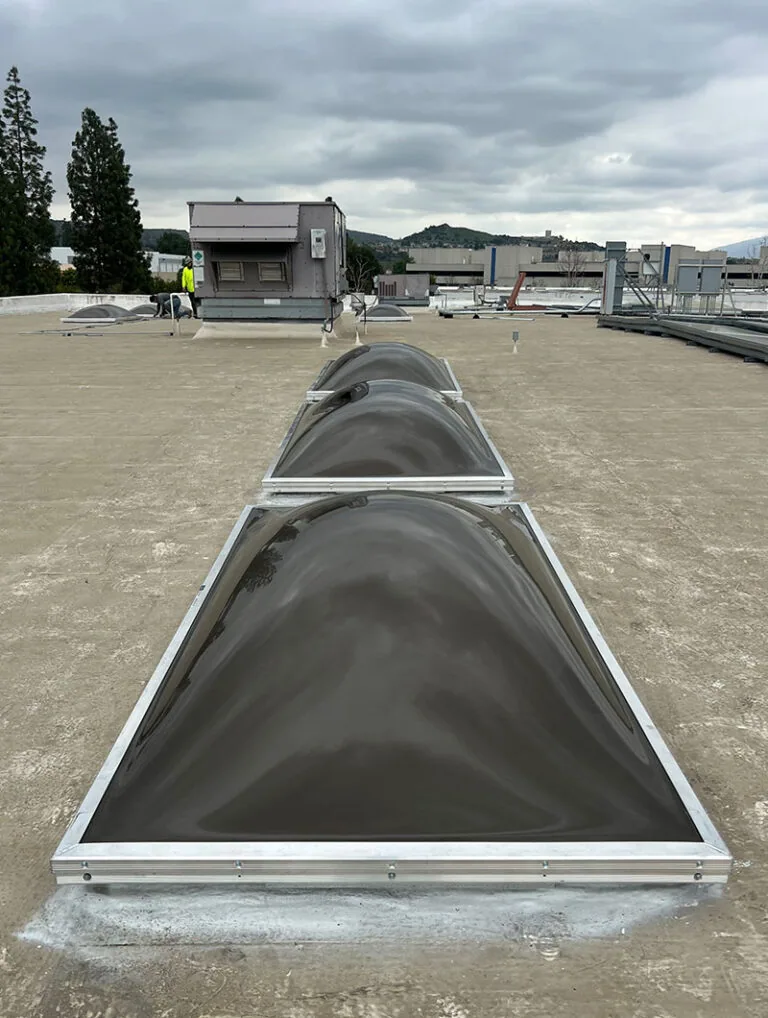
Commercial Skylight and Penetration Flashing
Learn More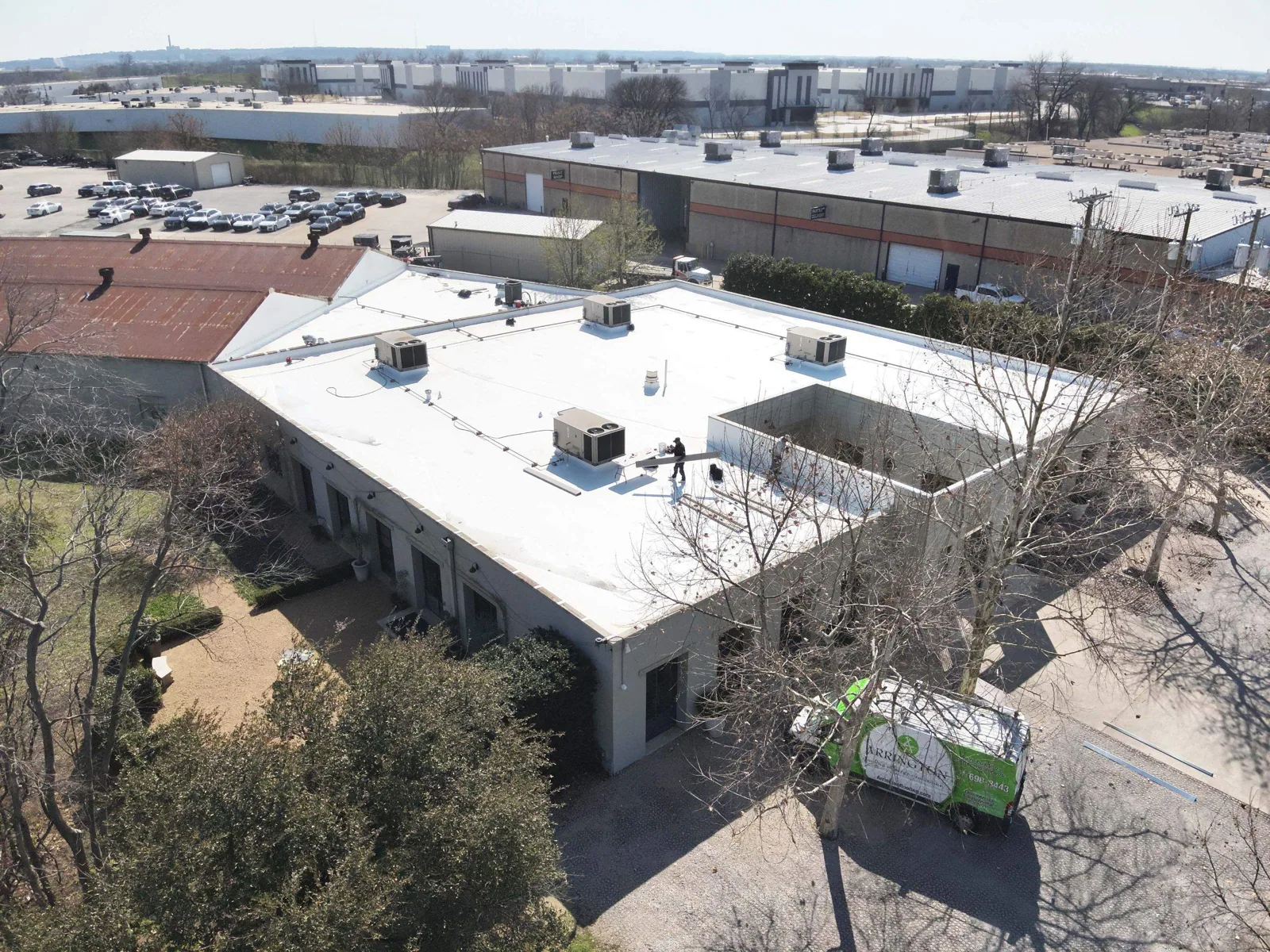
Commercial Roof Recover
Learn More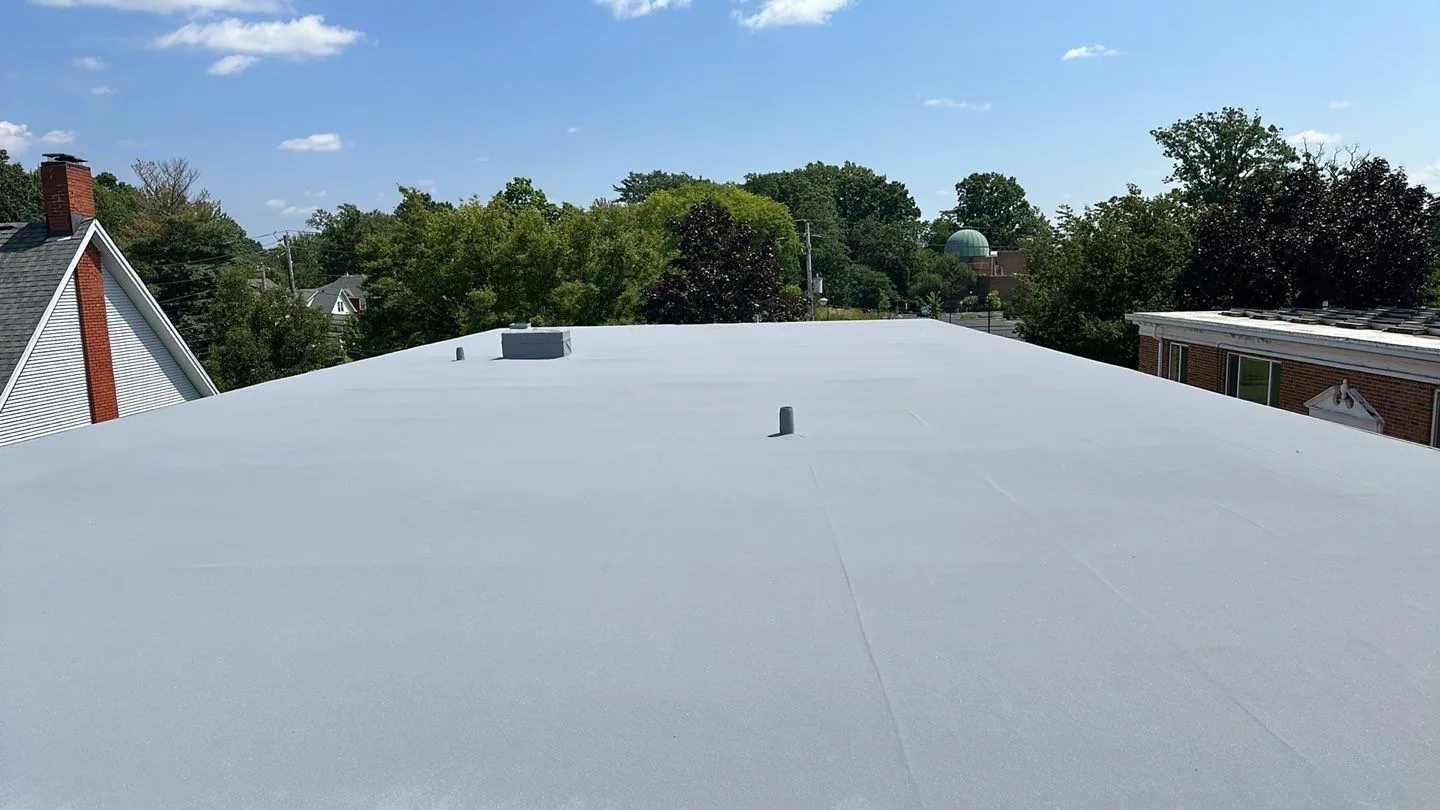
Commercial Roof Replacement
Learn More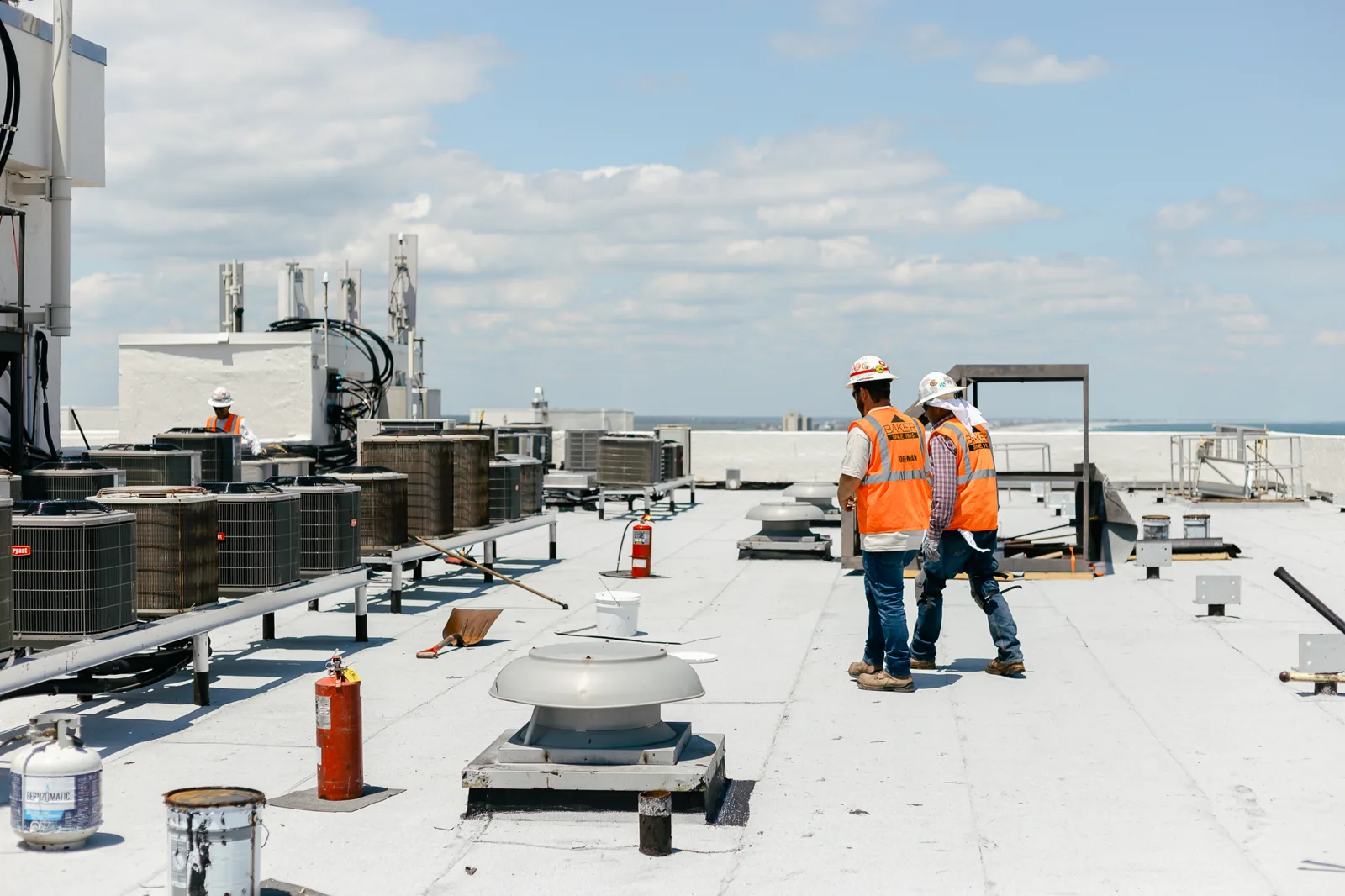
TPO Roofing
Learn More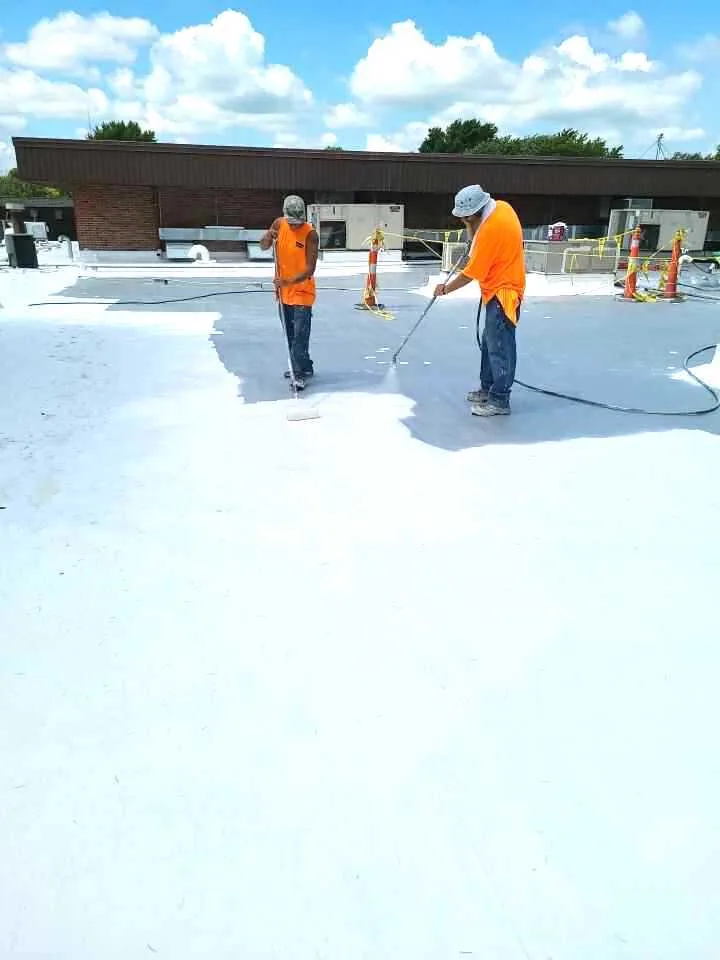
PVC Roofing
Learn MoreInspect the EPDM assembly
Request a roof assessment in Gresham
We will review seam condition, flashings, drainage, and roof traffic, then prepare a repair or replacement scope for your Gresham building. Tell us about the building, the roof and what you are seeing. Call 555-555-5555, email [email protected] or send the details through our contact page and we will set up a time to walk the roof.