
Data Center Roofing in Gresham, OR
Plan a data center roof review
- Home
- Property Types We Roof
- Data Center Roofing
A data center roof is part of the facility's operating envelope. Cooling equipment, electrical pathways, exhausts, and controlled roof access make every repair a coordination task as well as a roofing task. We begin with the roof assembly, leak history, equipment map, and the facility's access process. Gresham's industrial lands support manufacturing, electronics, and other high-tech work, including operations that depend on tightly managed building systems. In Southshore Corporate Park and Gresham Vista Business Park, industrial roof work has to fit the site and its active operations. Industrial facilities may share roof details with manufacturing buildings, though access and equipment needs differ. A commercial roof inspection records conditions before a repair or capital scope is chosen.
What makes roof work different at a data center?
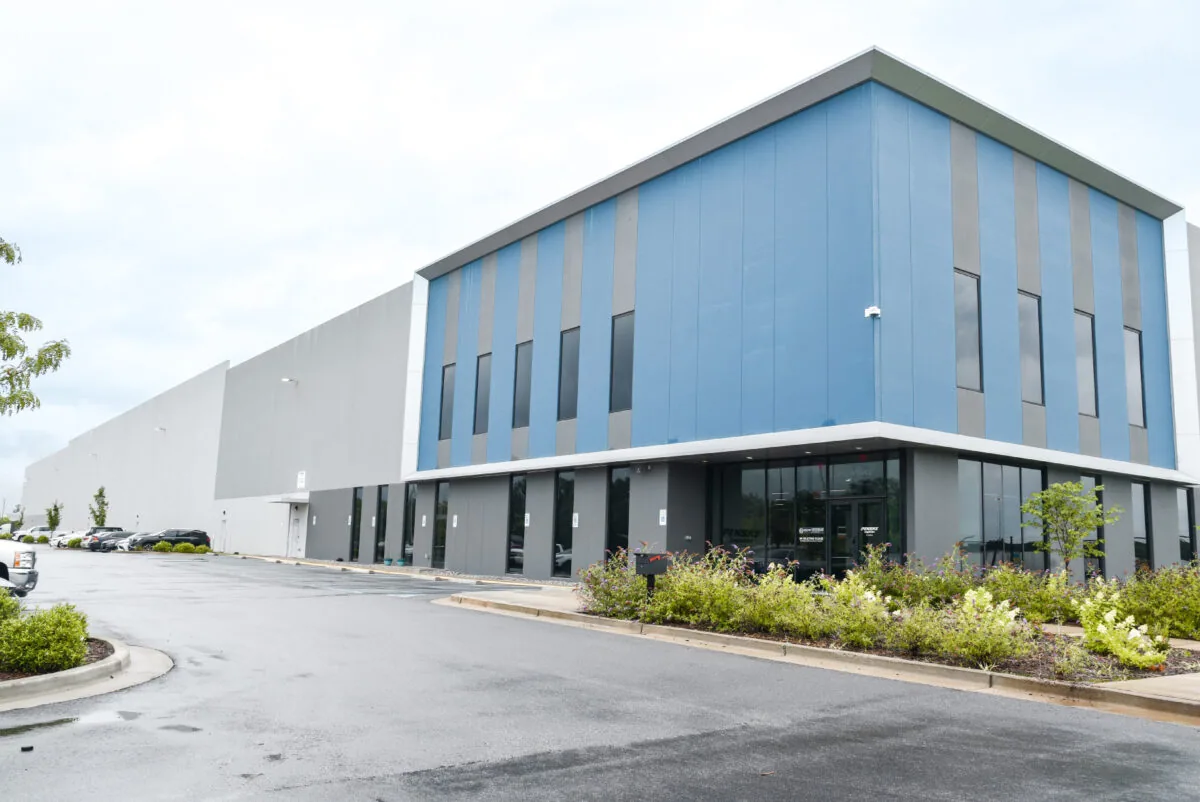
Cooling loads can keep rooftop equipment running continuously. A service visit may require an approved escort, a specific route, advance notice, or a work window that avoids critical maintenance. We confirm those requirements before staging material. The facility team identifies restricted areas, equipment that cannot be interrupted, and any monitoring process affected by roof access. Our crew follows the site's controls and keeps the work zone compact.
Where can water travel before it reaches a room?
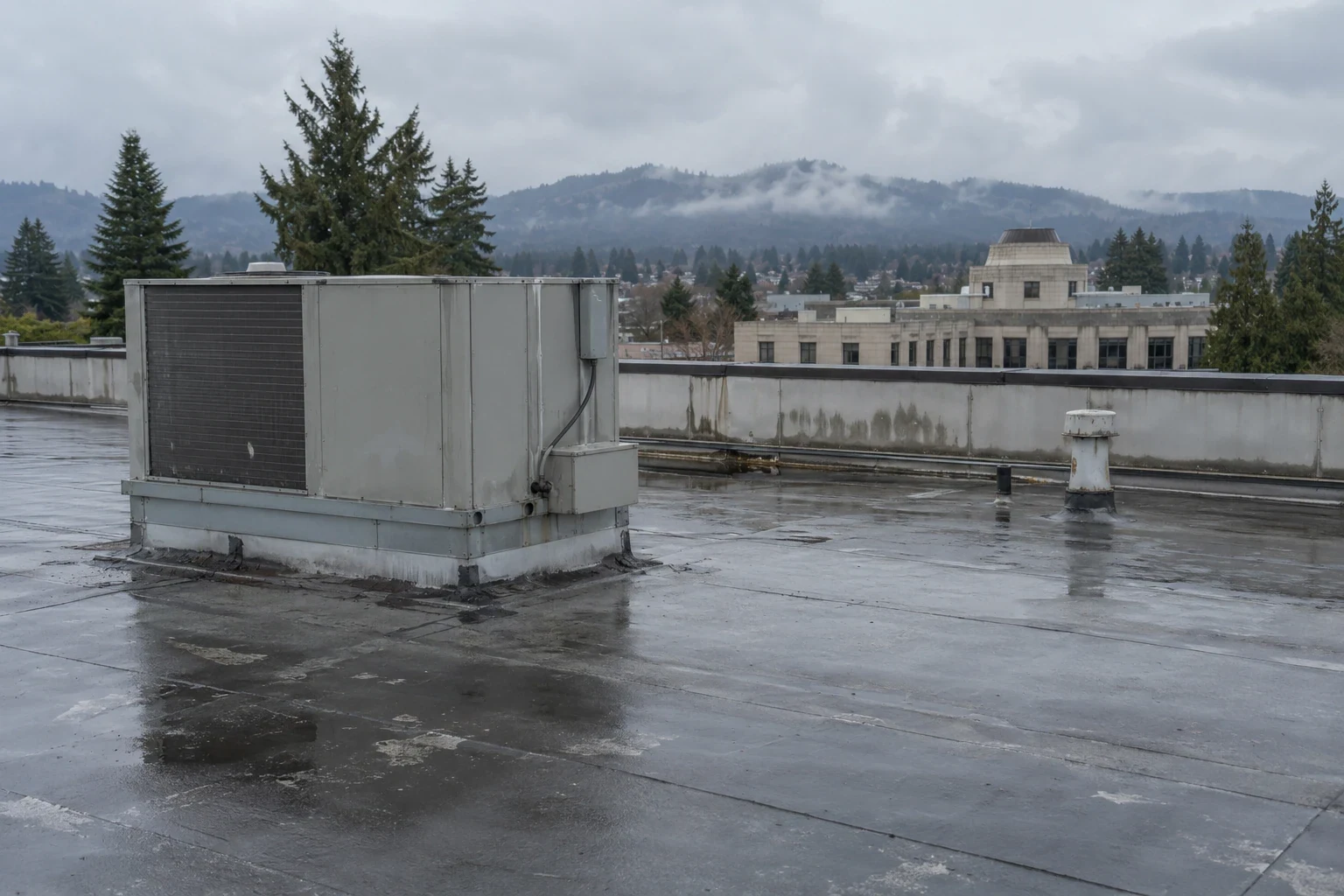
A leak seen below a data hall may start far from the visible ceiling mark. Water can follow a deck flute, pipe, conduit, or insulation interface before it appears indoors. We trace the likely path from the interior report back to drains, seams, wall transitions, and equipment bases. If the roof is a multi-layer assembly, we identify which layer is wet and whether moisture has spread beyond the point of entry. A repair that only closes the nearest visible opening can leave the source active.
Drainage deserves close attention around dense equipment layouts. Cables and pipe supports can complicate access to drain bowls. Debris screens, strainers, and overflow paths must remain reachable for maintenance. We look for ponding, blocked outlets, low seams, and membrane stress around supports. A drainage evaluation helps determine whether water is accumulating because of debris, slope, settlement, or a damaged flashing transition. Those causes call for different remedies.
What should the roof walk document?
The walk begins with safe access and a current roof plan. We note membrane type where identifiable, approximate repair history, drainage pattern, equipment clearances, and transitions to walls or rooftop enclosures. Photographs are tied to roof zones so the facilities team can match findings to its asset records. We mark active leaks separately from aging details that need planned attention. That distinction helps the operator prioritize without treating every open seam or surface mark as an emergency.
We also record conditions that affect the next visit: ladders or hatches that need approval, routes that cross restricted zones, equipment clearances, and areas where materials cannot be staged. If moisture is suspected under the membrane, visual review may not be enough. Infrared or other moisture survey methods can help guide test cuts, but results need interpretation alongside the assembly and weather history. A photo-based condition record gives the owner a clear next-step list.
Should the roof be repaired, restored, or replaced?
The right choice depends on the existing assembly, moisture extent, attachment, drainage, and the number of details nearing failure. A localized puncture with dry surrounding insulation may call for a targeted repair. Repeated seam failures across multiple roof zones can justify a broader evaluation. If the roof is dry and the membrane remains a suitable substrate, a recover or coating may be possible after a condition review. We do not select a system from the building label alone.
Replacement is usually the clearest way to address widespread wet insulation, failed attachment, or an assembly that cannot support another layer. It also creates a chance to review insulation, edge conditions, and equipment transitions together. Where operations cannot tolerate a large open area, we plan work in controlled sections and protect each area at the end of the shift. A replacement plan identifies sequencing, access, tie-ins, and the facility decisions needed before mobilization. For a suitable existing roof, a warehouse roof assessment can help compare the same assembly choices across adjacent industrial uses.
How do we protect uptime during a roof project?
Planning starts with the facility contact who controls roof access and the person responsible for critical equipment. We agree on check-in, escort, work hours, lift or material routes, and notification before any activity near rooftop units. The contractor identifies the work area and the facility confirms whether it conflicts with scheduled maintenance. A short coordination call can prevent a crew from arriving when the roof is unavailable.
Before opening the assembly, we verify the weather window and the day's stopping point. Materials are staged so drains and emergency paths remain clear. The crew limits exposure to the area it can close and make watertight that shift. If a hidden condition expands the repair, we stop at a safe boundary, protect the opening, and present the additional finding for approval. The facility should know who can authorize that decision while the roof is open.
What belongs on a data center roof service schedule?
Maintenance should follow the roof manufacturer's requirements and the facility's own access controls. A practical visit checks seams and flashings, clears drains, looks for loose or displaced equipment supports, and records changes in rooftop traffic. It also confirms that new cabling or mechanical work did not leave an unsealed opening. We report the condition found rather than assuming a prior repair remains intact.
A service log can tie photos and repairs to roof zones, equipment changes, and follow-up dates. If staff report a ceiling mark or moisture alarm, include the room, time, and any nearby equipment work in the request. Those details help focus the first visit. The team can then distinguish an active roof issue from condensation or a plumbing condition that needs another trade.
What information helps us scope the work?
Share the roof's approximate age if known, prior repair records, leak locations, current drawings, and the facility's access requirements. Tell us whether cooling or electrical work is scheduled nearby and who can approve a temporary opening or change in scope. We can then plan the inspection route and identify which facility staff should attend. A roof walk can proceed even when some records are missing; we will document what can be confirmed and flag questions that need follow-up.
For an occupied operation, the proposal should make the boundary clear: roof area, repair method, protection plan, access window, and any work that requires another trade. Schedule a roof walk and we will coordinate access, identify the immediate exposure, and map a sequence that respects data center operations.
Data Center Roofing FAQs
-
Can you repair a data center roof without interrupting cooling?
We plan around the site access rules and equipment schedule. The facility contact confirms restricted zones and any required trade support before work near a unit begins.
-
How do you find a roof leak when the interior mark is far away?
We compare the room report with seams, drains, curbs, and deck direction. Moisture surveys or a targeted test opening can help define a concealed wet area.
-
Can a data center roof be recovered instead of replaced?
That depends on moisture, attachment, drainage, and the existing layers. We inspect and document those conditions before recommending an overlay.
-
What should our staff prepare before an inspection?
Share the access and escort process, roof plan, leak locations, photography rules, and any scheduled HVAC or electrical work so the route can be coordinated.
-
How often should a data center roof be inspected?
Follow the system guidance and facility maintenance plan, with focused checks after roof work, reported leaks, or changes to rooftop equipment.
Related Roofing Work
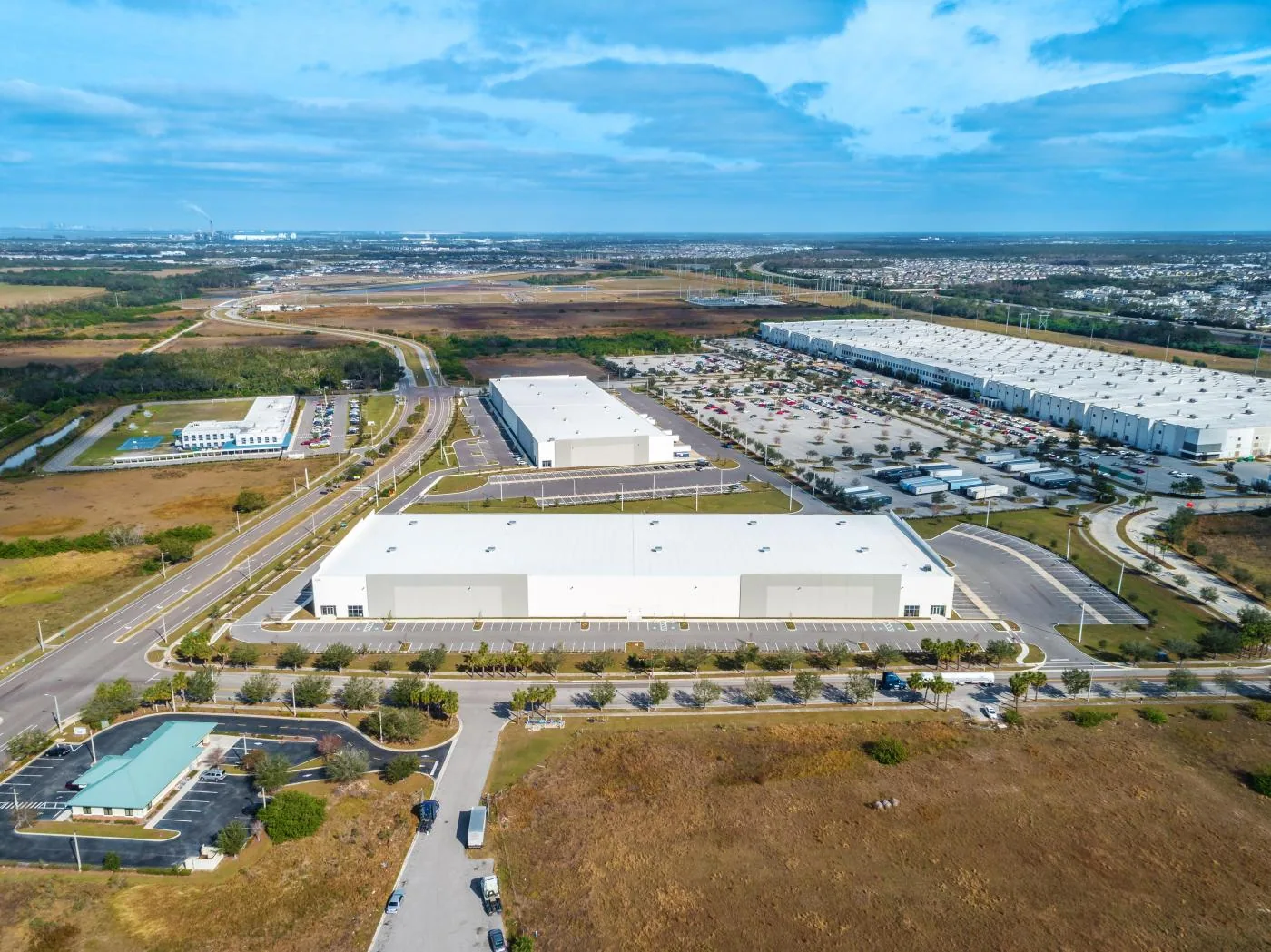
Southshore Corporate Park
Learn More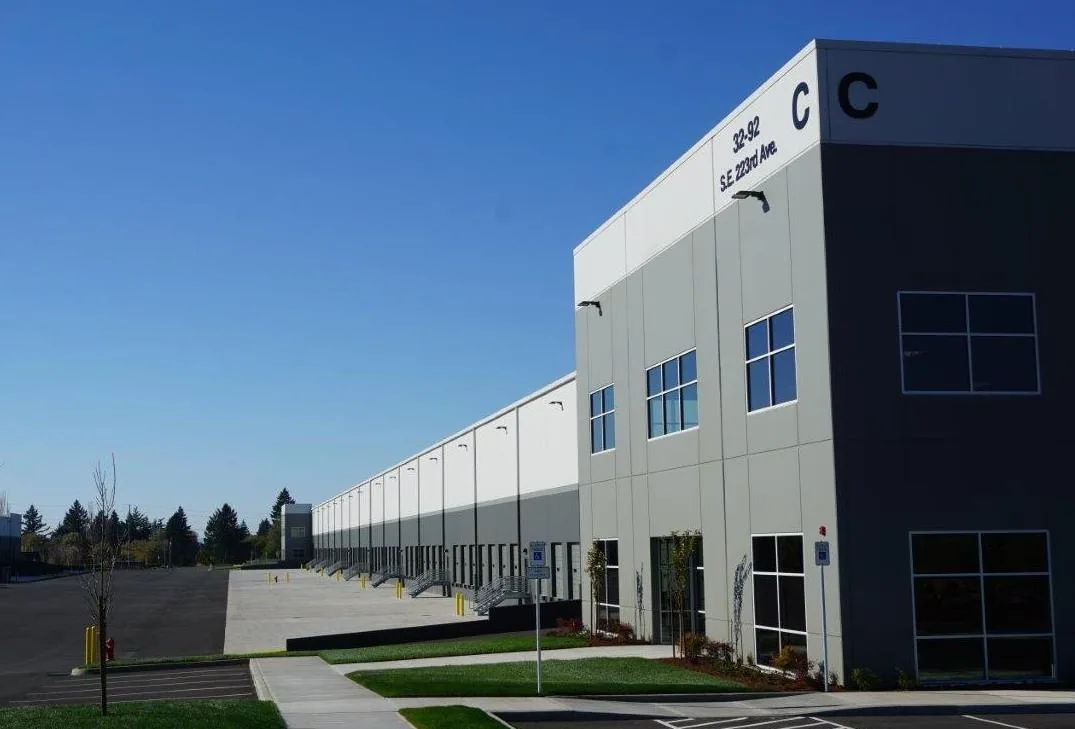
Gresham Vista Business Park
Learn More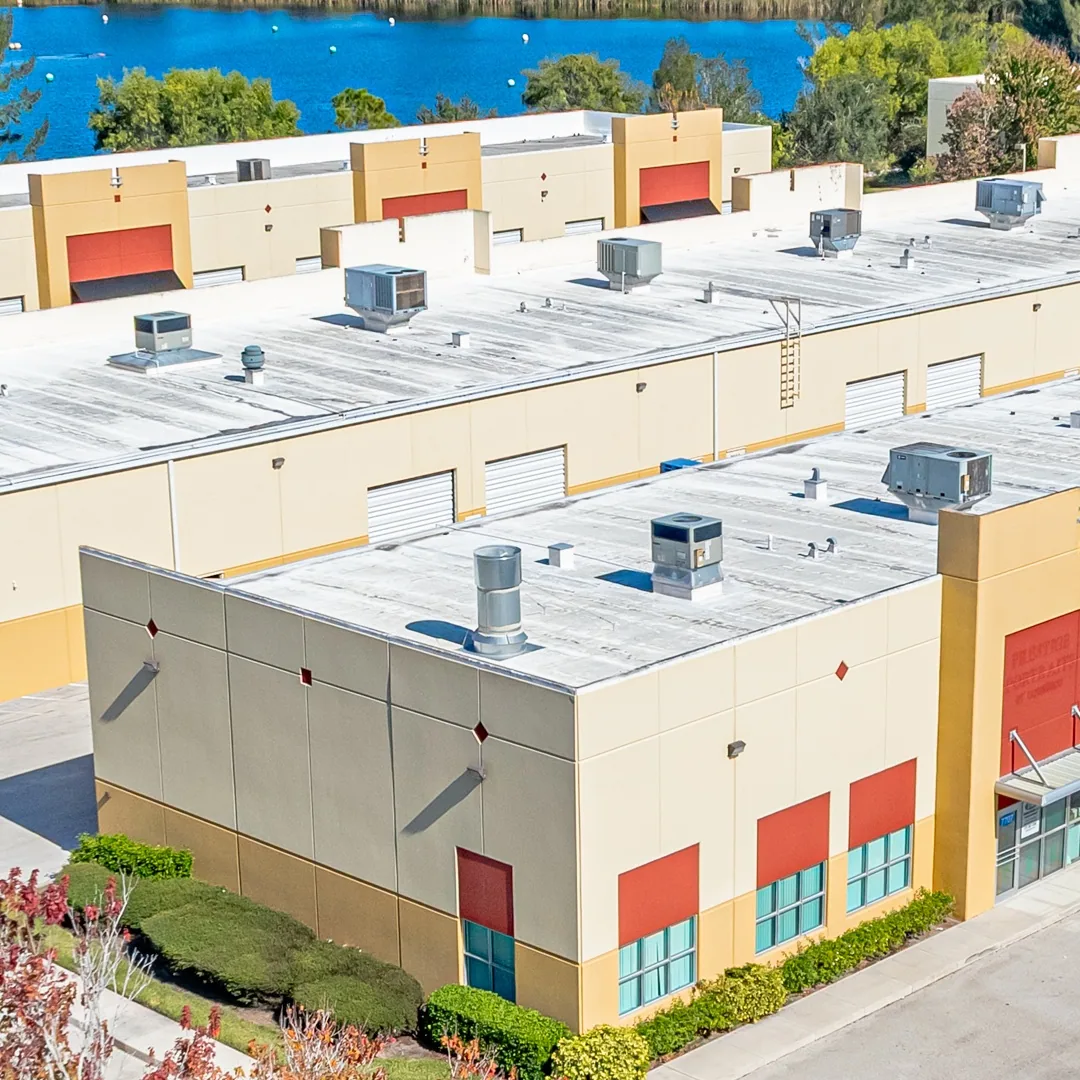
Manufacturing Plant Roofing
Learn More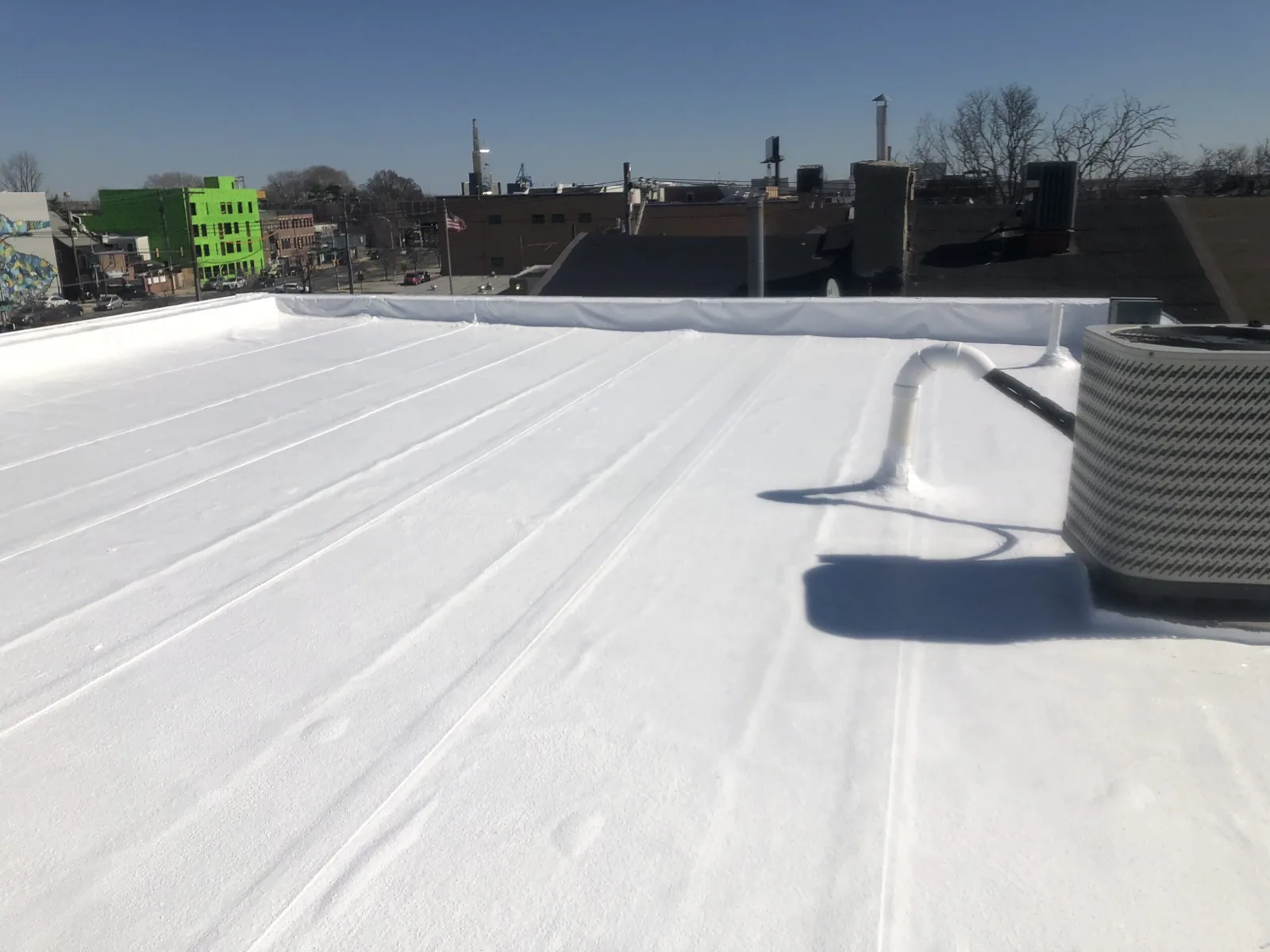
Commercial Roof Inspection
Learn More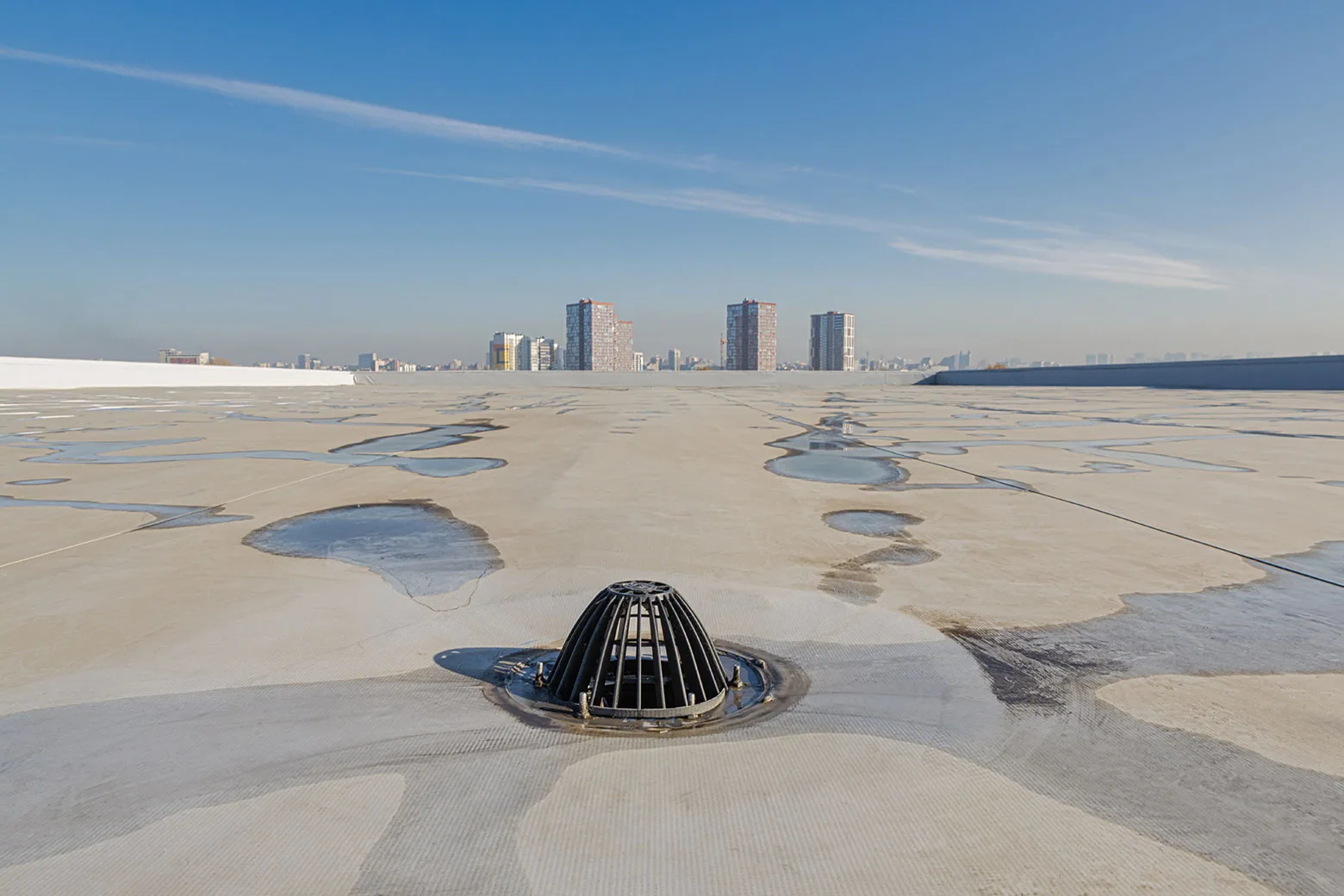
Commercial Roof Drains and Scuppers
Learn More
Commercial Roof Replacement
Learn MorePlan a data center roof review
Request a roof assessment in Gresham
Schedule a data center roof walk in Gresham. We will coordinate access with your facilities contact, inspect the assembly and equipment details, and provide a clear repair or capital recommendation. Tell us about the building, the roof and what you are seeing. Call 555-555-5555, email [email protected] or send the details through our contact page and we will set up a time to walk the roof.