Commercial Roof Drains and Scuppers in Gresham, OR
Trace the roof's drainage path
- Home
- Commercial Roofing Services
- Commercial Roof Drains and Scuppers
A blocked drain bowl can keep rain on the roof long after the gutter below looks clear. The first review checks the complete path: slope, drain or scupper opening, leader, overflow, and where the water discharges. We remove accessible debris, look for damaged components, and note low spots or backup signs. Gresham's wet season makes that path worth checking before a facility faces repeated ponding or an interior leak. The airport climate record places most rainfall from fall through spring, a seasonal pattern relevant to outlet checks before wet weather. The station describes regional climate, not an individual roof. We use it as context for inspecting drainage details and planning service before persistent rain. A roof inspection documents the assembly, while a maintenance visit can keep outlets clear and surface changes on the service log.
Where should a drainage inspection start?
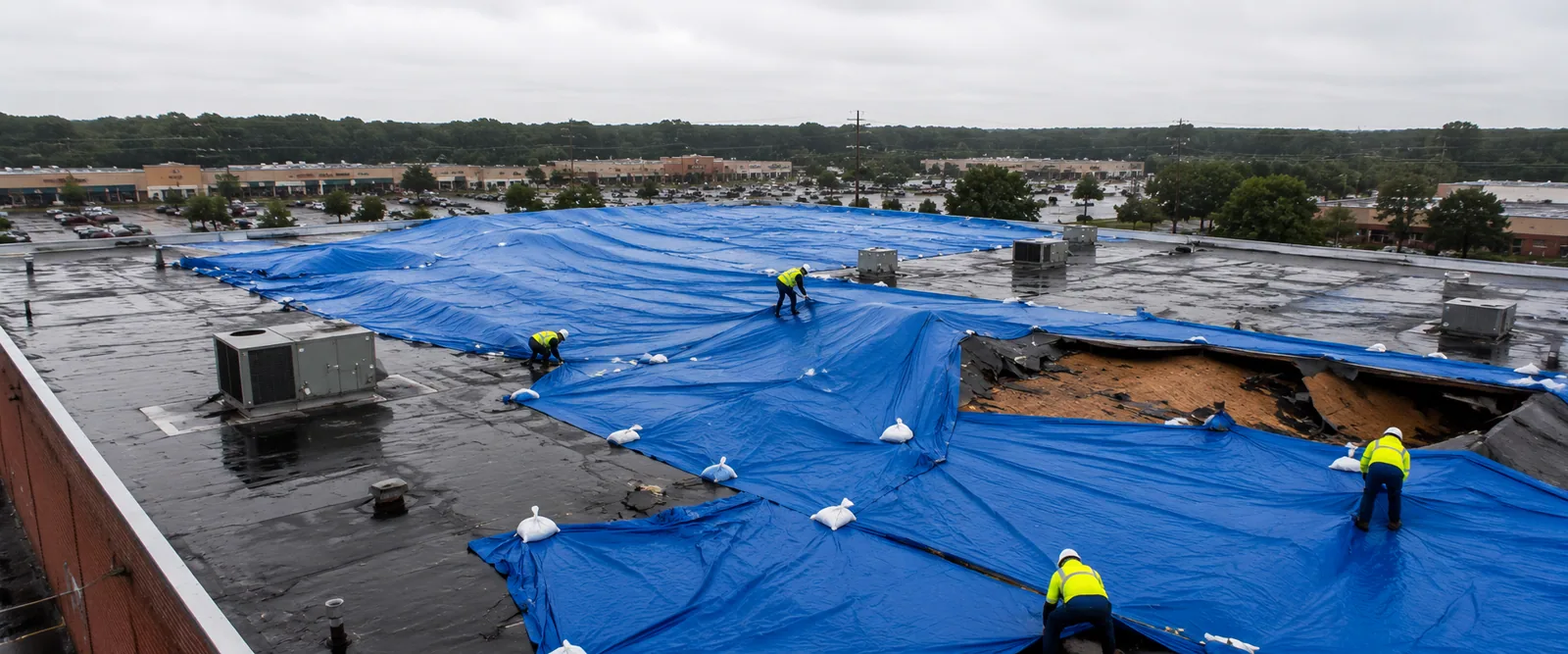
At the outlet, we check the drain bowl, strainer, clamping ring, flashing, and connection to the roof surface. At a scupper, we inspect the opening, sleeve, edge, and discharge route. We look for leaves, sediment, discarded fasteners, or material that restricts flow. The review also checks whether an overflow outlet is present and unobstructed where the assembly requires one. After clearing the bowl or scupper, we recommend a plumbing inspection when slow drainage or backup points to a blockage farther down the line.
Next, we trace the roof surface toward each outlet. A cricket or tapered insulation may direct water around equipment or a curb; a settled area may hold water despite an open drain. We note where water lines, sediment, or algae suggest repeated pooling. Those signs help target further evaluation, but they do not alone establish a structural problem. We record the dimensions and surrounding details, then explain whether cleaning, a localized correction, or design review is needed.
What causes standing water near a drain?
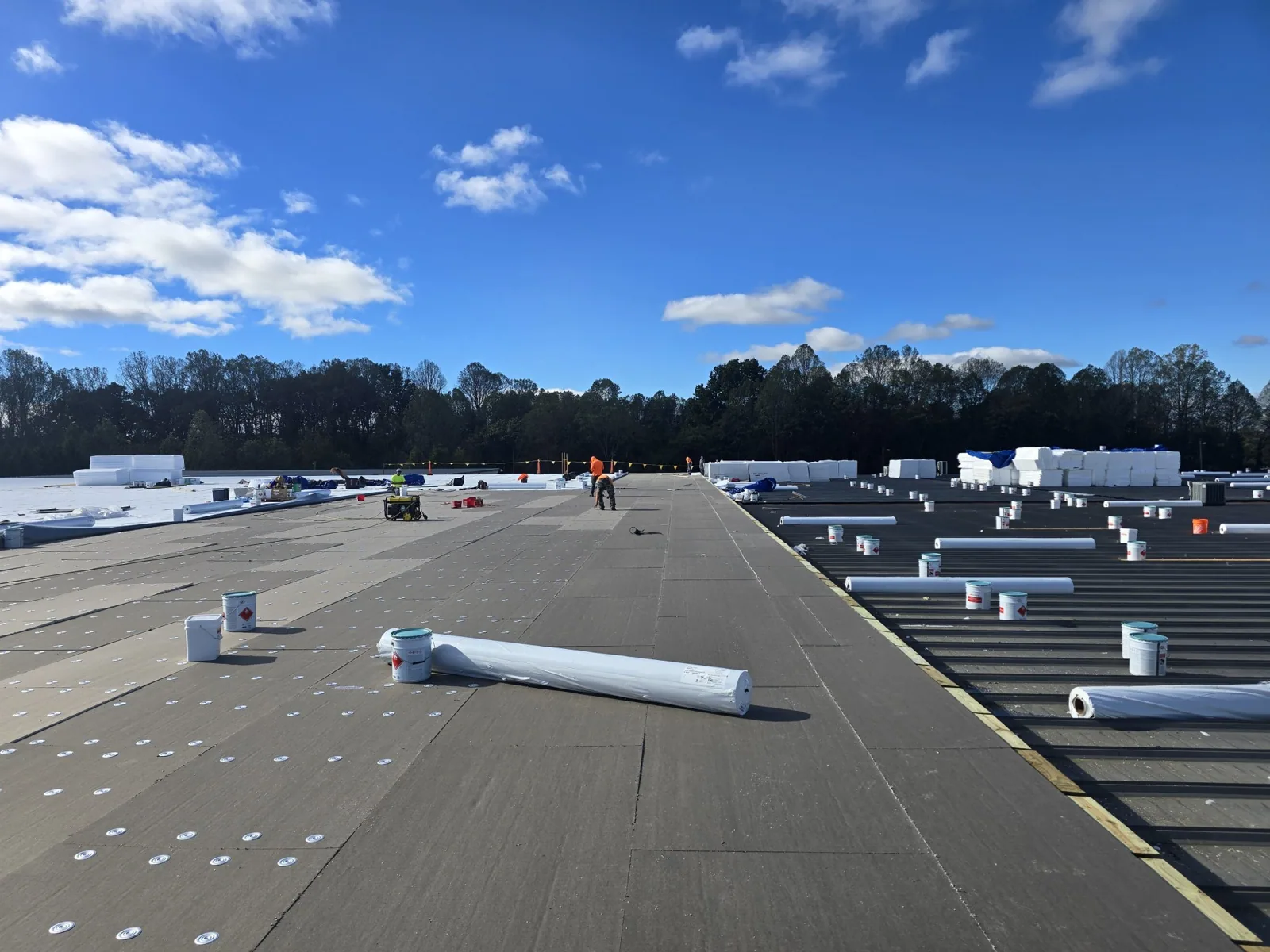
Debris is one cause, but ponding can also follow crushed insulation, deflected deck, poorly placed drain bowls, insufficient slope, or a blocked downstream leader. We distinguish a temporary blockage from a persistent low area by checking the outlet and roof profile. If the roof dries slowly after rain, photographs from multiple visits can show whether the same pool remains. The repair may involve clearing debris, adjusting a drain component, adding a cricket, correcting insulation slope, or opening the assembly to confirm what has settled.
Standing water puts details under longer exposure. Membrane seams, drain flashings, curb corners, and nearby patches may be submerged after surrounding areas are dry. If water reaches insulation through a failed drain detail, the wet zone can extend below the visible pool. We inspect nearby seams and interior evidence, then use moisture testing or openings where the condition is unclear. A moisture survey can support the mapping, but the roof assembly and test limitations still guide the conclusion.
Adding a new roof layer can change outlet elevations. A recover or replacement scope should include drain extensions, scuppers, overflow details, and curb heights as needed. A new membrane following an old depression will not create positive drainage on its own. We review the finished elevations and paths before installing new material, then document any remaining low areas so the owner understands the resulting condition.
Why does east-county rainfall make routine checks useful?
Fall-through-spring rainfall is common in Gresham; Portland International Airport’s annual precipitation normal is 36.92 inches. Before the wet season, we check each Gresham roof’s drain bowls, scuppers, overflows, slope, and discharge path.
Industrial areas around Gresham contain manufacturing, processing, and distribution operations. Roof access can run alongside production schedules, freight routes, and equipment service. We coordinate drain work so hoses, tools, or removed debris do not block a loading route or leave a surface exposed. At Gresham's Northerly Industrial Area, parcels and uses vary; each roof needs its own outlet map and safe access plan.
The Sandy Boulevard corridor connects employment lands in Gresham, Fairview, Wood Village, and Troutdale. A building in that broad freight area may also have site-specific discharge rules or restricted access. We document which outlets were inspected and whether downstream drainage needs another trade. For a property in Troutdale Industrial Lands, the exact tenant's facility manager can confirm where discharge is allowed and which areas must remain clear.
Which drainage correction fits the condition?
Cleaning is appropriate when leaves, sediment, or loose debris are the cause and the components remain intact. A damaged drain flashing, loose clamp, split sleeve, or corroded gutter needs a repair matched to the material and assembly. If the roof holds water because of slope or deck movement, the answer may require a larger design or structural evaluation. We state what we can correct within the roofing scope and identify plumbing or engineering questions that need separate review.
When slope is part of the solution, tapered insulation or a cricket may direct water toward a drain or scupper. The design must account for door thresholds, equipment curbs, parapet heights, insulation transitions, and finished outlet elevations. We do not promise that adding insulation alone will remove every pool. The proposal should show where water is expected to move and how overflows will function. A tapered insulation scope can be coordinated with replacement or recover work when the assembly permits.
How should drain work be staged?
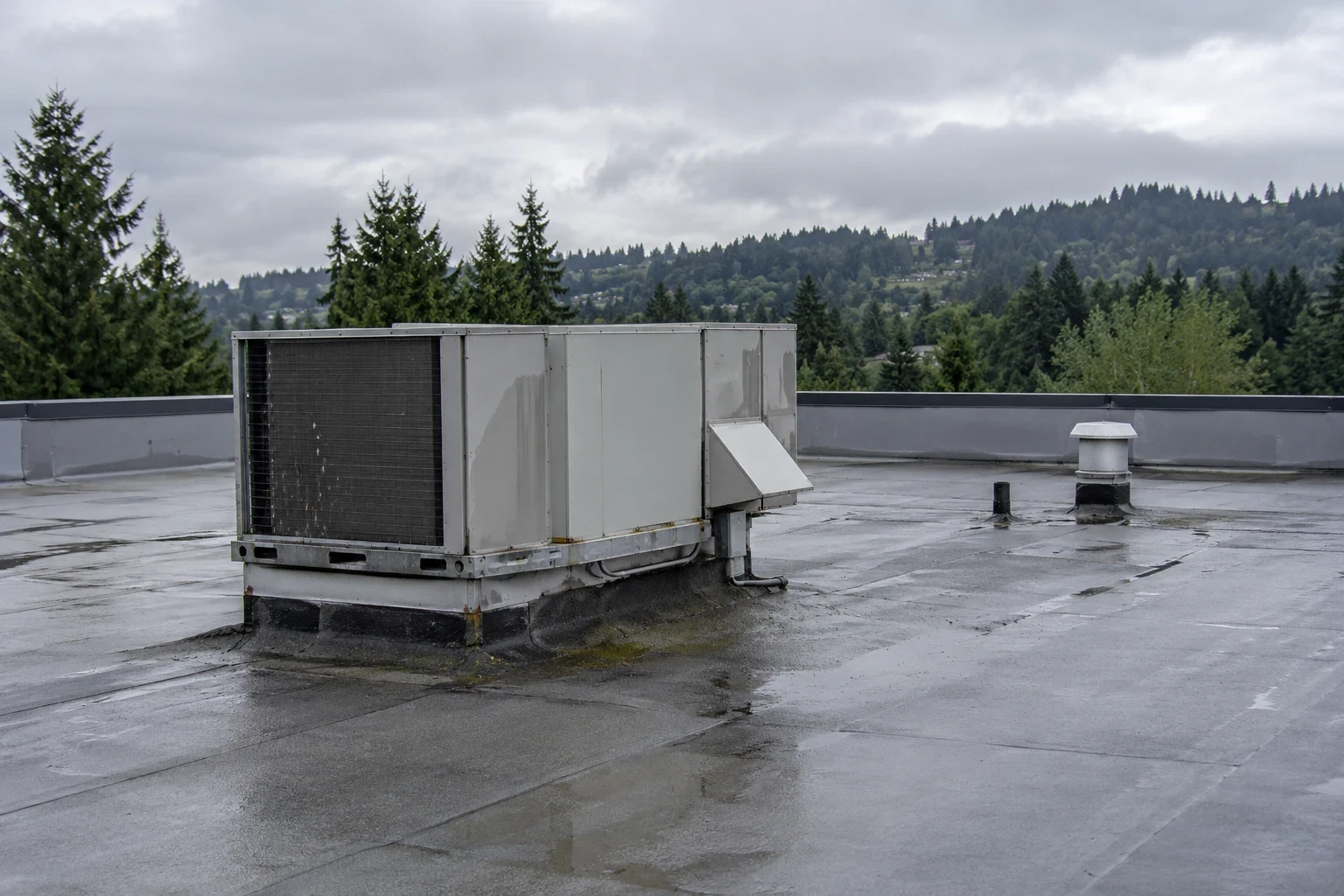
We identify every roof area and outlet before mobilizing, then confirm access, drainage discharge, and building operations. A work zone can be cleared one outlet at a time while keeping other paths available. If the roof must be opened to repair a drain detail, crews protect the opening and restore a watertight close before leaving. We coordinate any temporary diversion with the facility so water is not directed toward a doorway, loading dock, or neighboring property. A maintenance log should record whether water moved freely after debris removal, whether the overflow remained clear, and whether ponding returned after rain. Repeated standing water may call for a slope or membrane review in addition to routine cleaning.
Closeout includes photographs of the repaired detail, confirmation that accessible openings are clear, and a note about any downstream or slope issue still requiring action. The facilities team can add the outlet map to a condition report and compare future observations after rainfall. We can schedule a roof walk in Gresham and set the drain work around occupied hours, equipment routes, and the next operating window.
Commercial Roof Drains and Scuppers FAQs
-
Can a roofer clear a drain that connects to a clogged pipe?
We can clear roof-level debris and inspect the drain assembly. A blockage in the internal leader or underground piping may require a plumbing contractor with appropriate access equipment. We document where the restriction appears to be and coordinate the next inspection if it is below the roof surface.
-
Does ponding water mean the roof must be replaced?
Not by itself. The cause may be debris, a damaged drain detail, a low spot, or a larger slope or deck issue. We check the outlet, surrounding roof, and moisture evidence, then explain whether cleaning, repair, testing, or a broader project is supported.
-
Can you add another drain to our building?
A new outlet changes the roof drainage design and can involve structure, plumbing, waterproofing, and code review. We inspect the existing roof and coordinate the proposed connection with the appropriate design and plumbing professionals before treating it as a roofing detail alone.
-
Will a recover make our existing drains too low?
It can change the finished roof height and affect drain bowls, scuppers, overflows, curbs, and flashing dimensions. We include the outlet elevations in the recover review and specify extensions or new details when required. The scope should address them before membrane installation.
Related Roofing Work
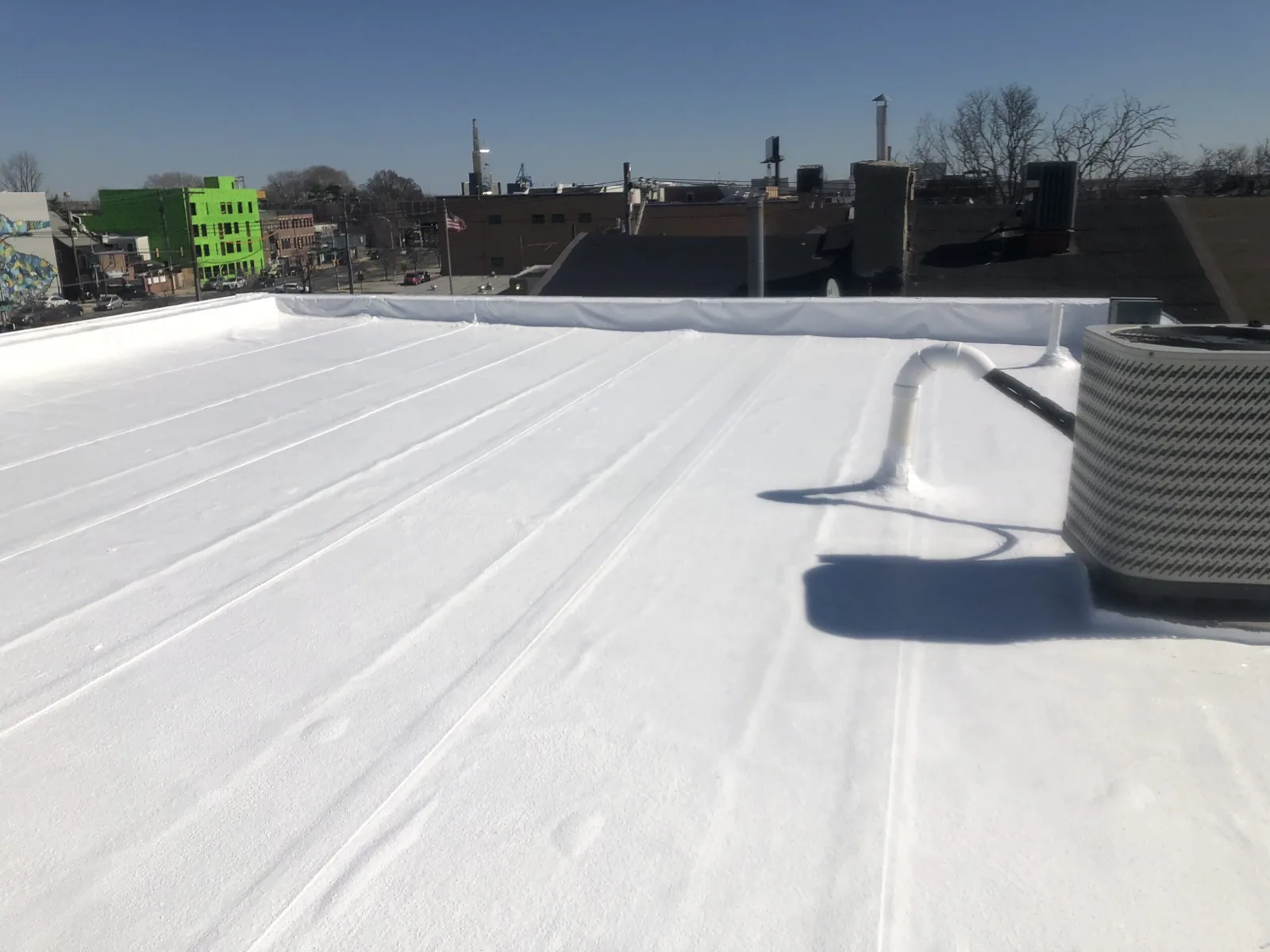
Commercial Roof Inspection
Learn More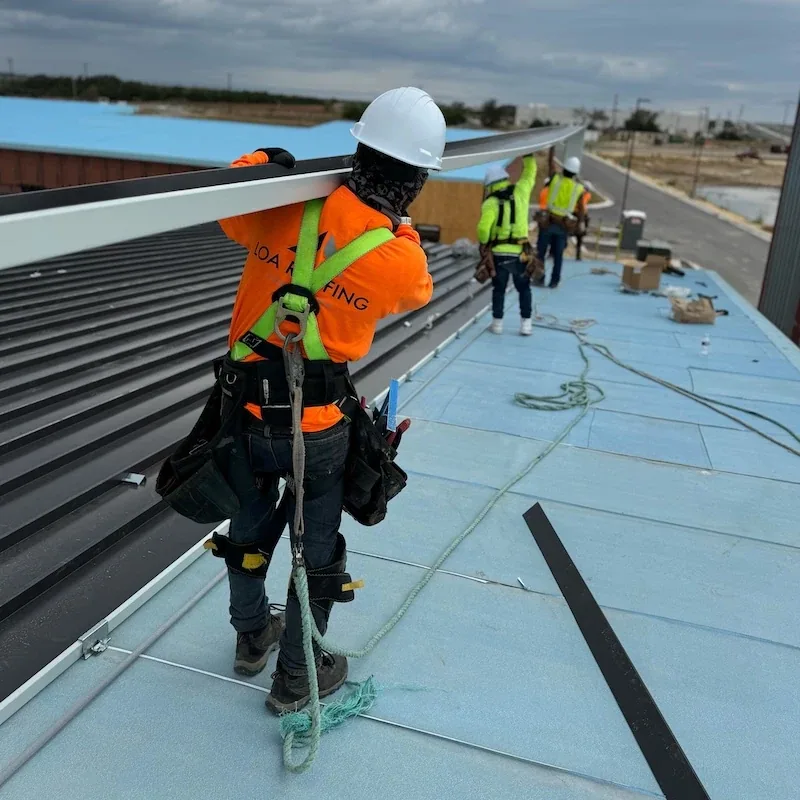
Commercial Roof Maintenance
Learn More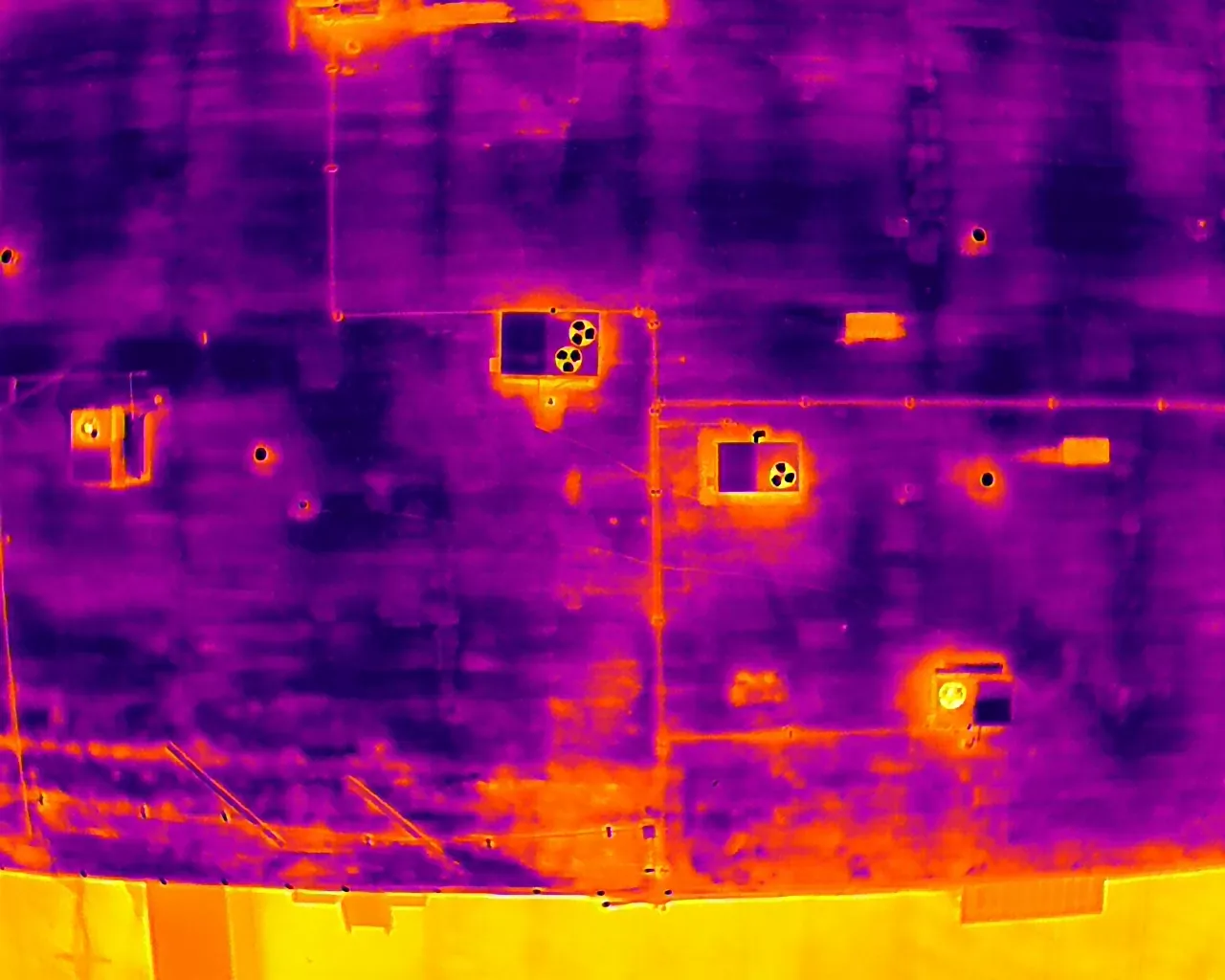
Infrared Moisture Survey for Commercial Roofs
Learn More
Gresham Northerly Industrial Area
Learn More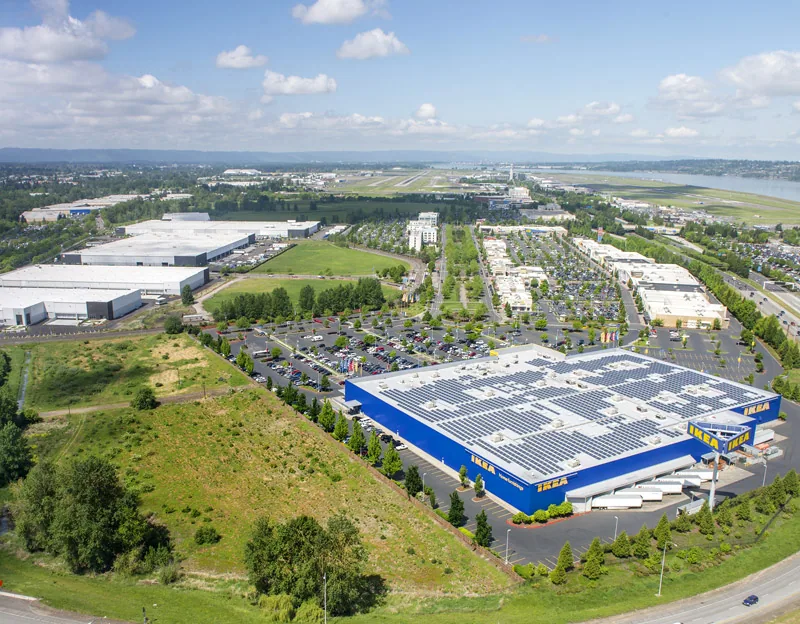
Troutdale Industrial Lands
Learn More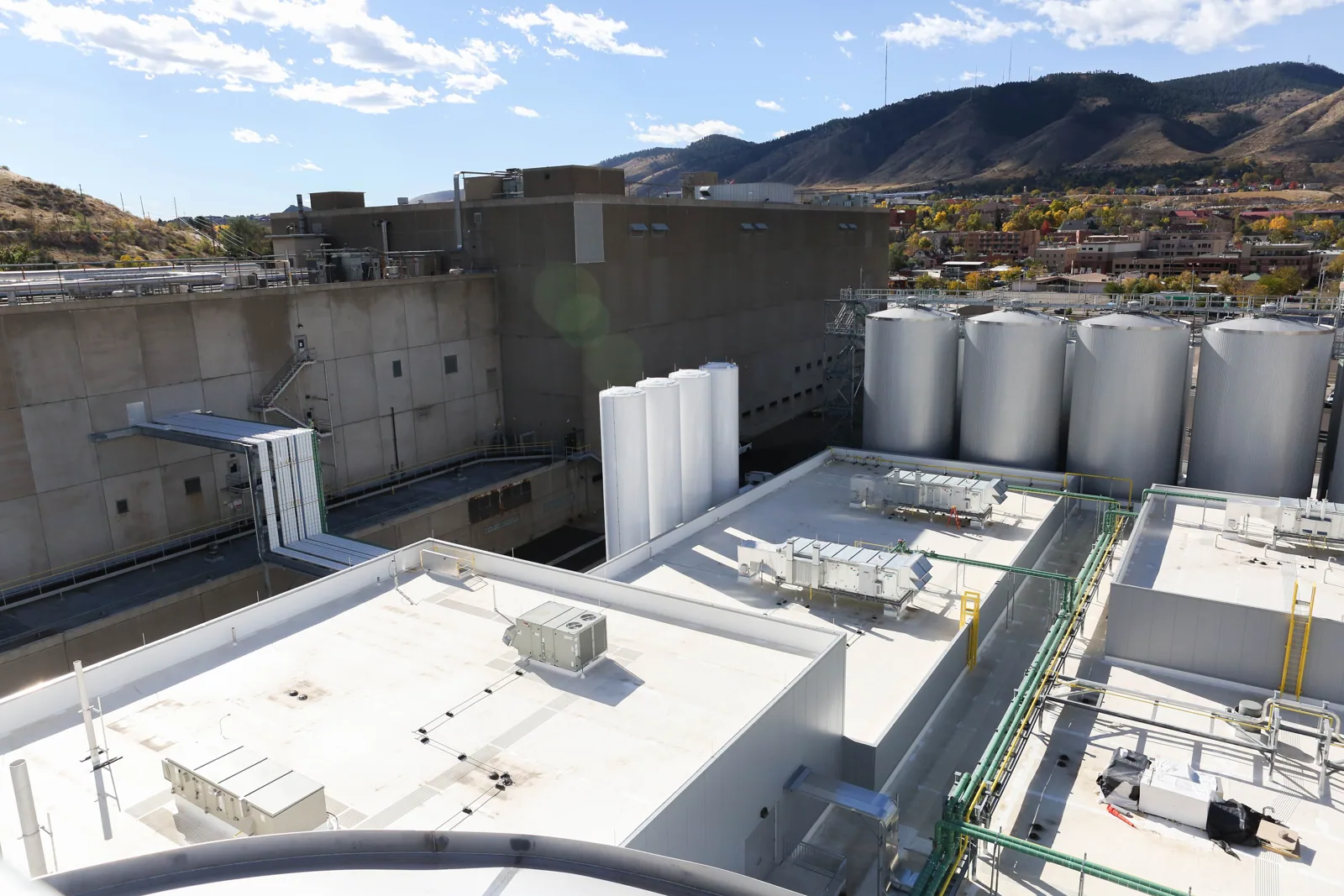
Commercial Roof Insulation and Cover Board
Learn MoreTrace the roof's drainage path
Request a roof assessment in Gresham
We will inspect drains, scuppers, low areas, and discharge details, then coordinate the correction with your Gresham facility. Tell us about the building, the roof and what you are seeing. Call 555-555-5555, email [email protected] or send the details through our contact page and we will set up a time to walk the roof.