Commercial Roof Insulation and Cover Board in Gresham, OR
Review the roof layers and elevations
- Home
- Commercial Roofing Services
- Commercial Roof Insulation and Cover Board
A roof assembly has to manage water above the insulation and support the building's thermal needs below it. When insulation is wet, crushed, or missing, a membrane patch alone may not restore the system. We inspect the layers that can be seen, map suspected moisture, and check how a proposed insulation or cover-board change fits the deck, drains, curbs, and edge details. Gresham facilities work through a long wet season, with measurable precipitation on 157 days a year on average at the Portland airport climate station. That regional pattern makes dry-in and moisture control important during roof work. We do not infer roof insulation condition from the building type or exterior appearance. A commercial roof inspection records visible conditions; a moisture survey can help identify areas for further testing before the scope is set.
What does the existing insulation tell us?
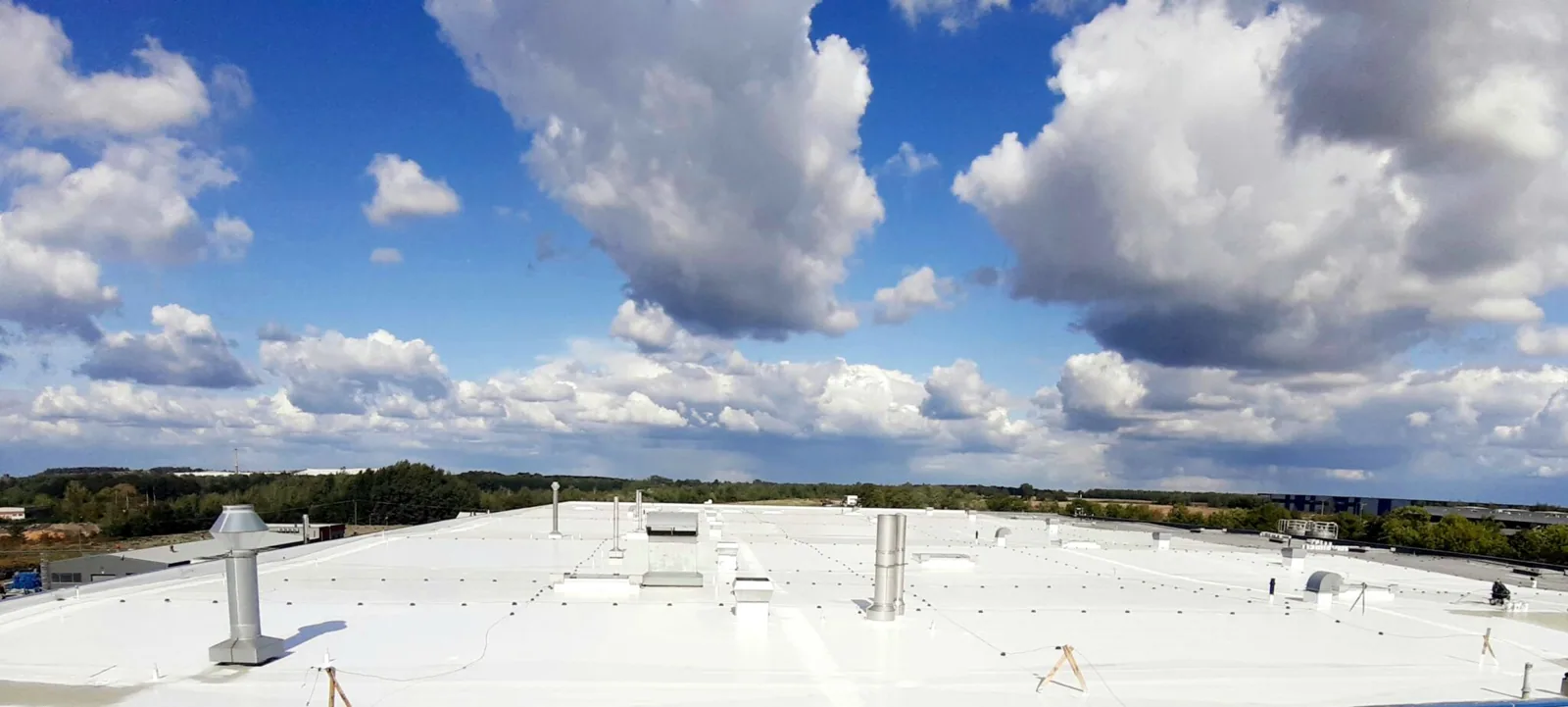
We check for soft spots, surface deformation, wet areas, open seams, and previous repairs that may point to trapped moisture. Test cuts can confirm how many layers exist, what insulation is present, and whether the deck below remains sound. A thermal survey can help map anomalies, but an unusual reading is not automatically wet insulation. The report should distinguish measured indications from confirmed material conditions and name any openings required before replacement quantities are final.
Insulation type and thickness need to fit the roof design. The assembly may use one or more layers, tapered insulation to direct water, or a cover board to provide a stable surface beneath the membrane. The deck type, attachment method, wind design, fire requirements, and finished height all affect the specification. We coordinate those details with the design team and applicable code instead of selecting material by a single target value.
Cover board can improve the surface that supports a membrane and help protect insulation from rooftop traffic or impact. Its type and attachment must be compatible with the system. A rigid board does not correct a damaged deck, wet insulation, or an undersized drain. We identify the condition it is intended to address and how the membrane, fasteners, and edge terminations connect to it.
How can moisture and low spots affect the assembly?
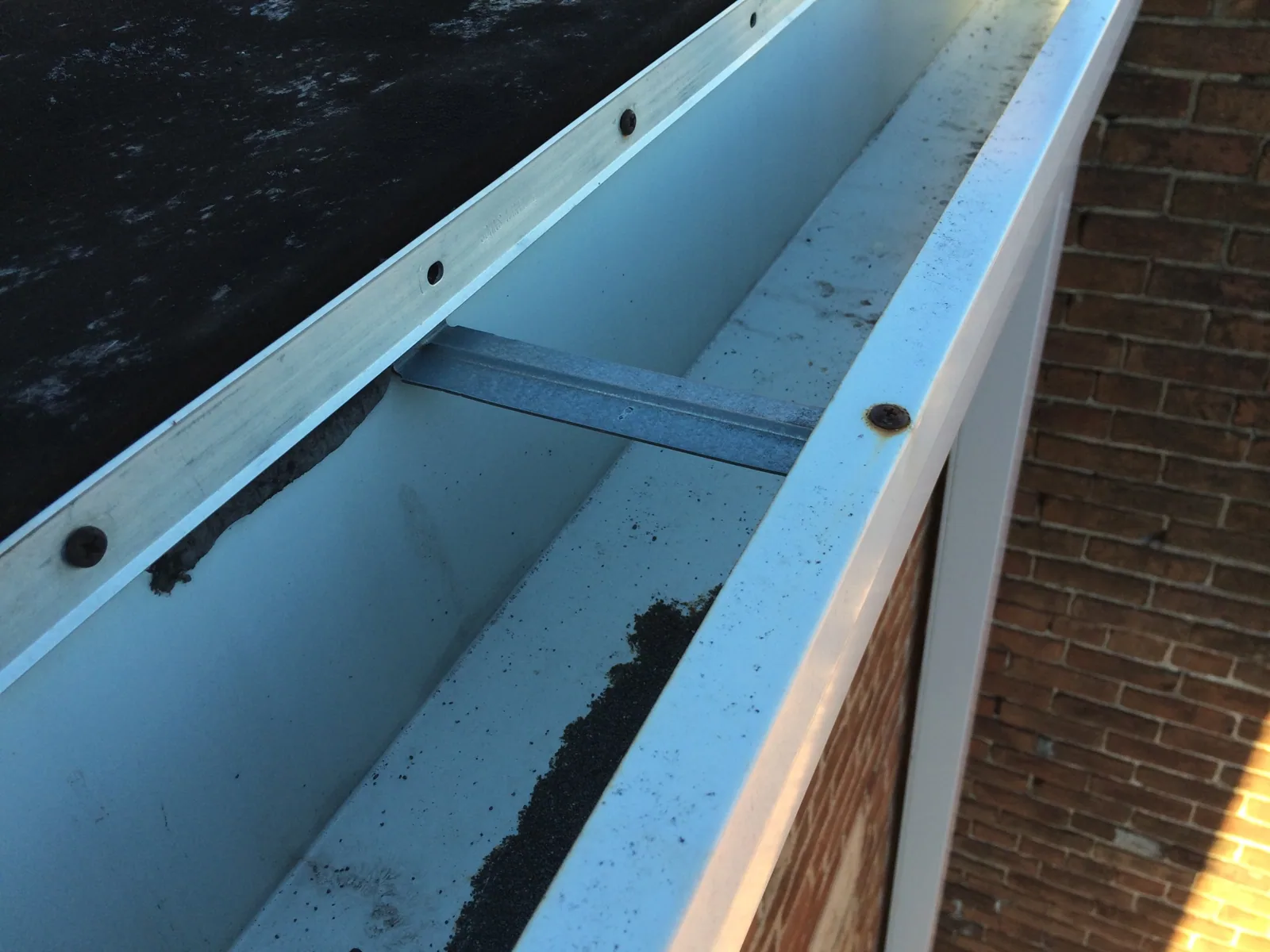
Water entering through a seam or flashing can spread into insulation and reduce its performance. The membrane may still look mostly intact while a wet area extends beyond the opening. We trace likely entry points, review interior signs, and use testing or openings where the repair boundary is uncertain. Wet material is removed when the scope calls for it, and the deck is checked before new insulation goes in. Covering a wet area can leave a concealed problem inside the new assembly.
Low spots can hold water against seams and details. Tapered insulation or a cricket may improve the path toward a drain, but only when the layout, drain elevation, parapet height, and equipment curbs allow the change. We map elevations and outlets before proposing slope correction. A drain and scupper review identifies which part of the water path needs attention. The finished design should make the intended flow clear and identify conditions that cannot be corrected within the selected scope.
Added insulation changes roof height. That can affect door thresholds, rooftop curbs, parapets, skylight transitions, drains, scuppers, and edge metal. We list those interfaces and set the finished elevations before material is ordered. A recover or re-cover scope must also account for existing layers, added weight, deck capacity, and code. The assembly is more than a board and membrane schedule.
What should Gresham facilities plan around?
The Portland International Airport station's 1991-2020 normals average 36.92 inches of precipitation each year, with most falling from autumn through spring. Rain can interrupt tear-off and slow installation, so each day's work area needs a planned watertight close. We monitor actual conditions and the selected system's application limits. A climate average helps with seasonal planning but does not tell us whether a roof is ready for insulation on a particular date.
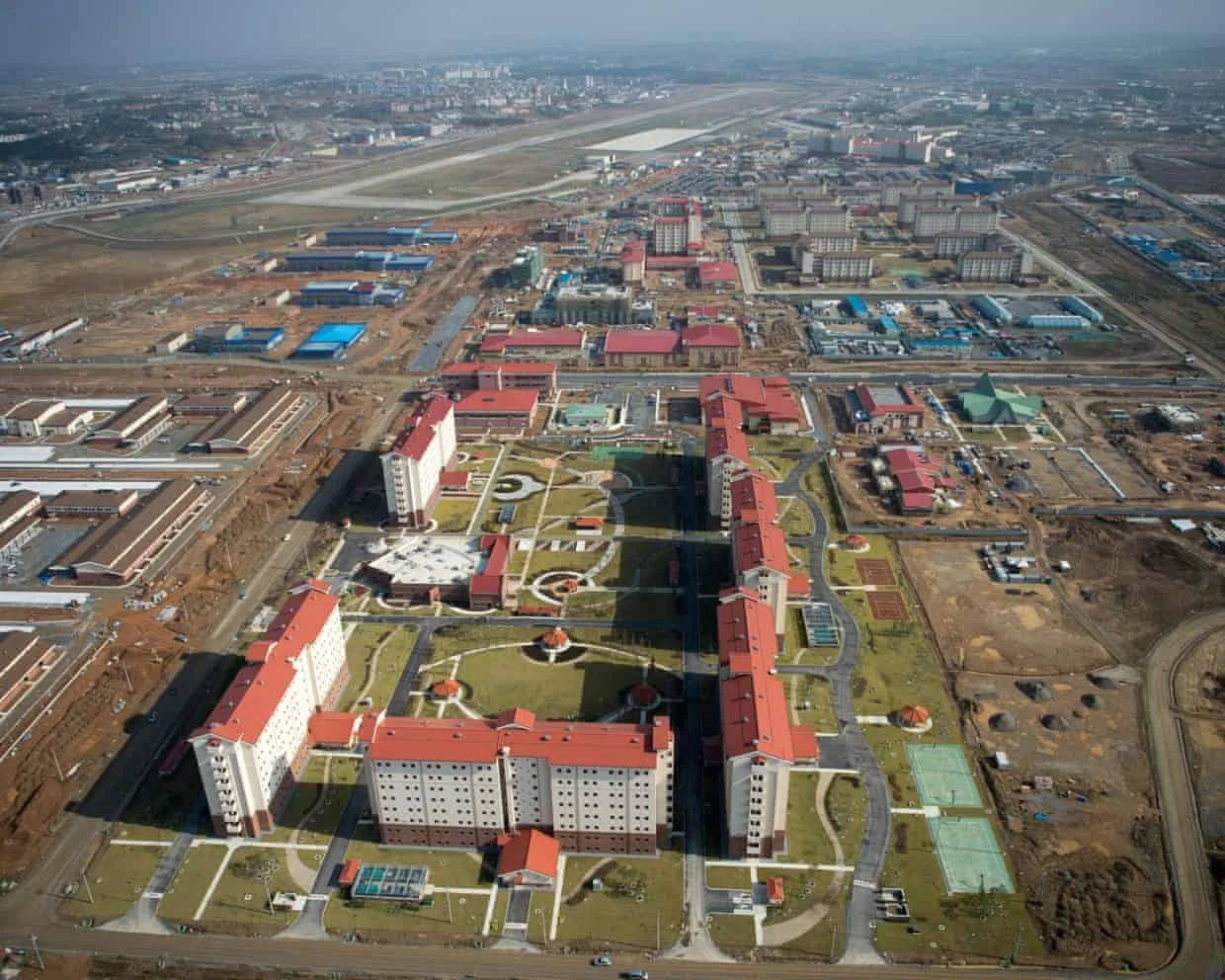
Gresham's industrial lands include distribution, high-tech production, food processing, and manufacturing uses. Those operations can place equipment, inventory, or occupied work areas below the roof. We coordinate dust control, material staging, equipment routes, and any shutdown before lifting board or opening the assembly. In Southshore Corporate Park, the larger industrial setting includes manufacturing and distribution, but each facility has its own route and operating requirements.
The Springwater Employment Area prioritizes high-value manufacturing and technology employment. Where the roof project intersects active operations, we stage materials in approved areas and work in sections that can be closed the same shift. If a building has restricted access or an equipment route that must remain open, the sequence should show which roof zones can proceed and when. We coordinate those constraints with the facility director before mobilization.
Which insulation approach fits the project?
A replacement may use new insulation across the deck after tear-off, with tapered sections where drainage design requires them. A recover may add insulation above existing layers only when moisture, deck, weight, and code conditions allow the assembly. A partial repair can replace wet or damaged sections while leaving suitable material in place, but transitions need careful detailing. We document the basis for each approach and identify where more testing is needed.
Cover board selection follows the roof system and installation method. Some assemblies call for a high-density board, while others may use a different substrate approved for that membrane or coating. We specify compatible attachment and secure edges, drains, curbs, and penetrations. The proposal should explain which layers are included, which existing materials remain, and how concealed damage changes the work. For a replacement project, insulation and perimeter details are reviewed as one assembly.
How does the work proceed above an operating building?
Before tear-off or board delivery, we agree on access, staging, roof zones, equipment protection, and temporary protection. The facility identifies restricted areas, forklift or crane routes, and any shutdown needed for rooftop equipment. Crews remove or prepare the existing assembly in planned sections, correct agreed deck or moisture conditions, and install insulation, cover board, and membrane in sequence. The work plan accounts for daily dry-in and the weather window.
During installation, we check board layout, attachment, seams, drains, curb heights, and edge transitions before they are covered. Changes in insulation thickness may require adjustments at penetrations and perimeter metal. We photograph conditions that differ from the inspection and pause for approval when the scope requires it. At closeout, the owner receives the agreed roof-system details, repairs, photographs, and remaining items. A condition report keeps those findings usable for future maintenance and capital planning.
Commercial Roof Insulation and Cover Board FAQs
-
Can new insulation go over the existing roof?
Sometimes, if the existing assembly is dry and stable, the deck and structure can support added materials, and the finished details meet project requirements. We inspect the layers, test suspect areas, and check drains, curbs, and edges before recommending a recover. Wet insulation is not simply covered by new board.
-
Does cover board improve every commercial roof?
The board must fit the membrane, attachment method, deck, traffic, and project requirements. It can provide a suitable substrate or added protection in the right assembly, but it cannot correct deck failure, moisture, or poor drainage by itself. We specify it only as part of a compatible roof system.
-
Can tapered insulation correct standing water?
It can redirect water where the design and elevations allow it. We map low areas, drains, curbs, and parapets first, then confirm that the proposed slope has a workable outlet. If the deck is moving or the drain is too high, another correction may be needed.
-
How do you handle wet insulation found during tear-off?
We photograph and map the affected area, check the deck, and follow the concealed-condition process in the scope. The owner approves added removal or repair before the crew covers it. The completed report records which materials were replaced and where the assembly changed.
Related Roofing Work
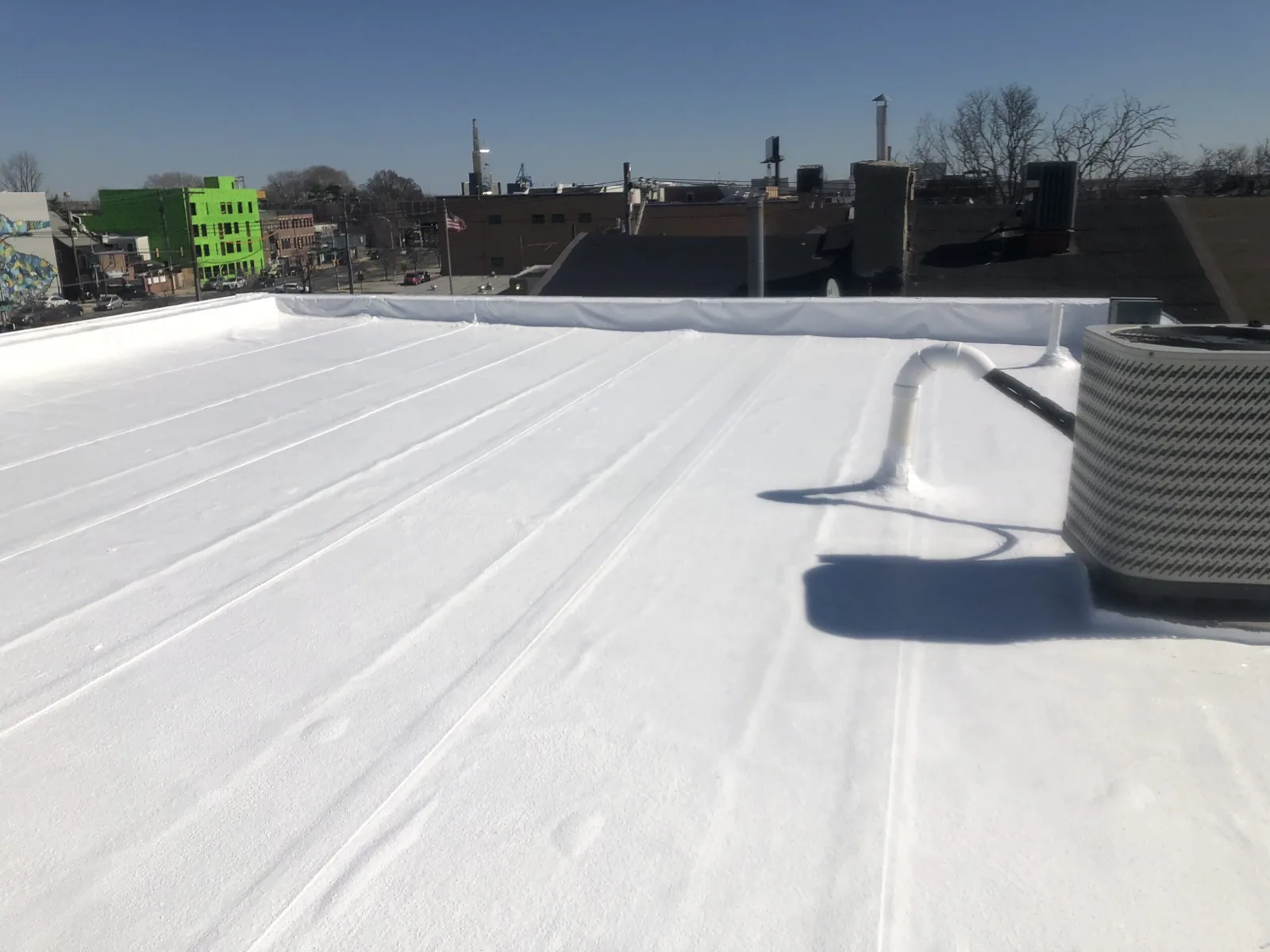
Commercial Roof Inspection
Learn More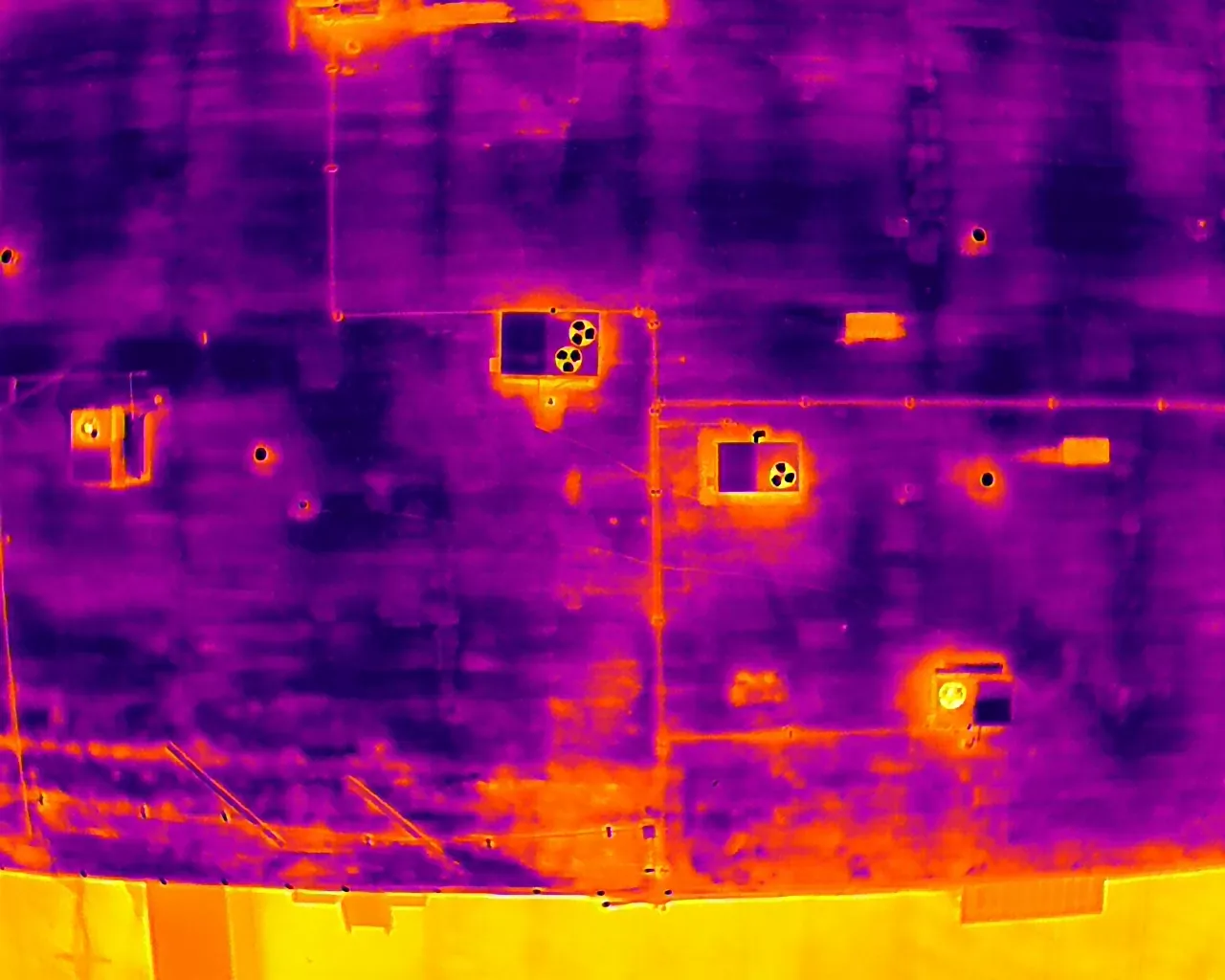
Infrared Moisture Survey for Commercial Roofs
Learn More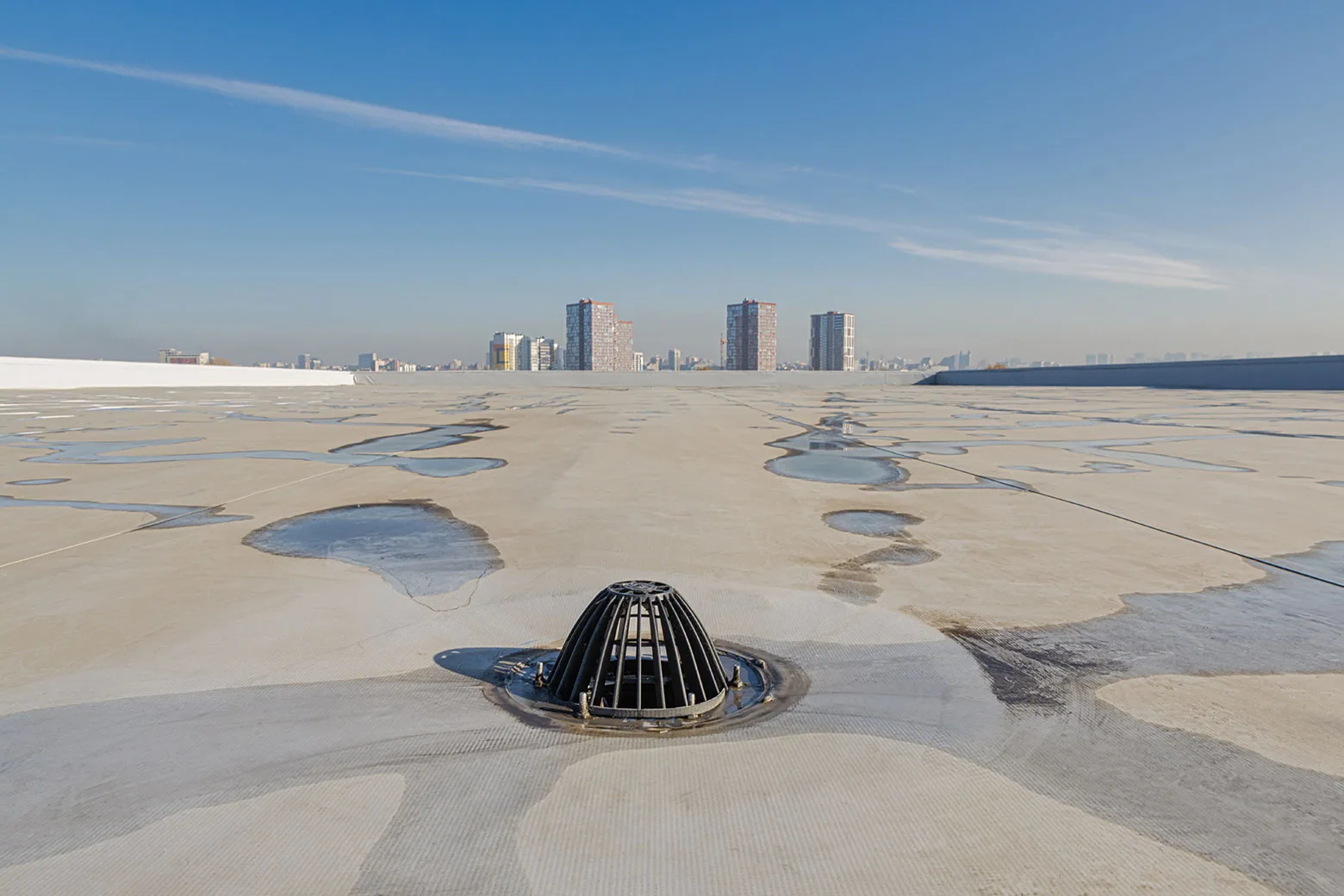
Commercial Roof Drains and Scuppers
Learn More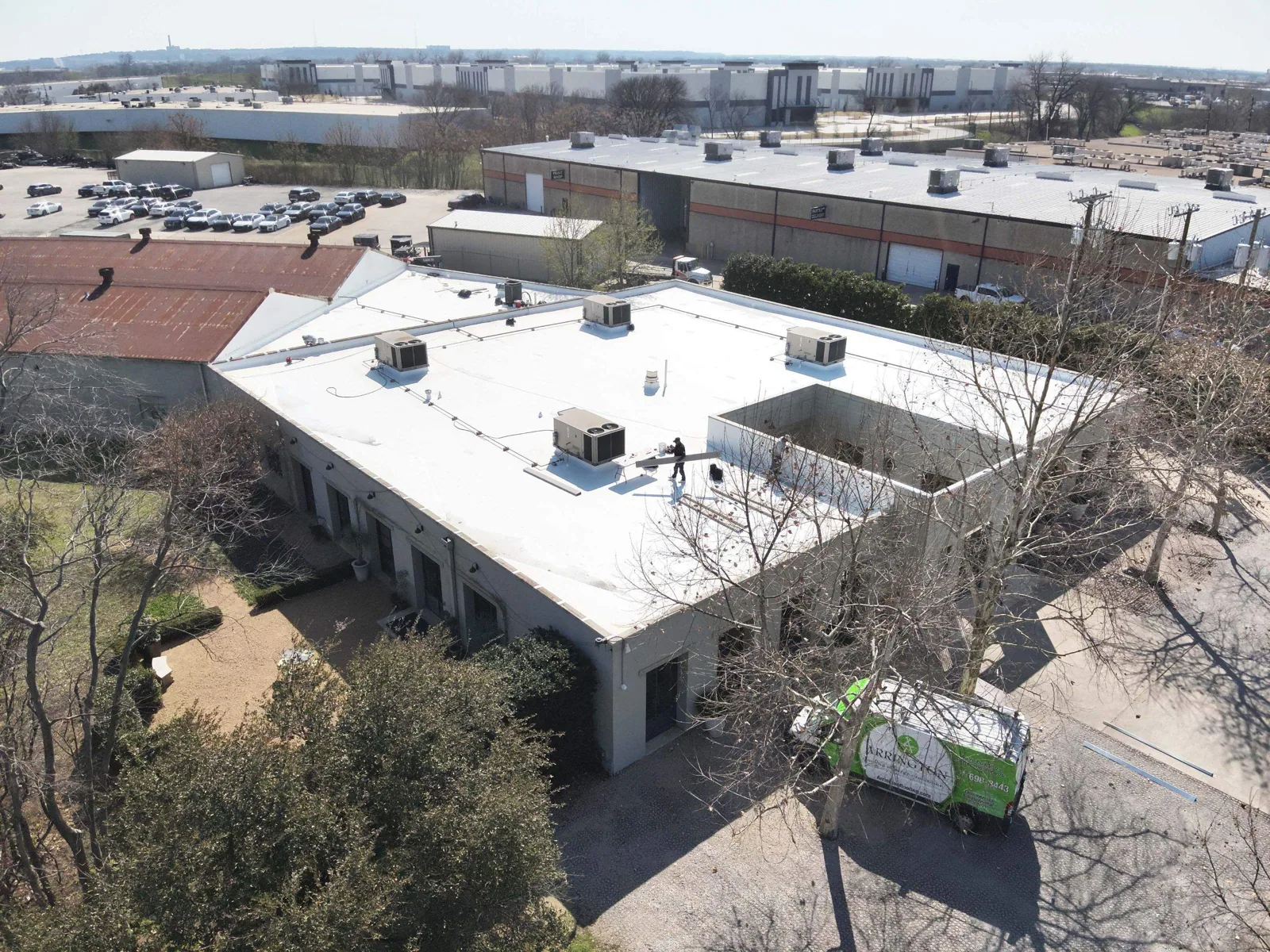
Commercial Roof Recover
Learn More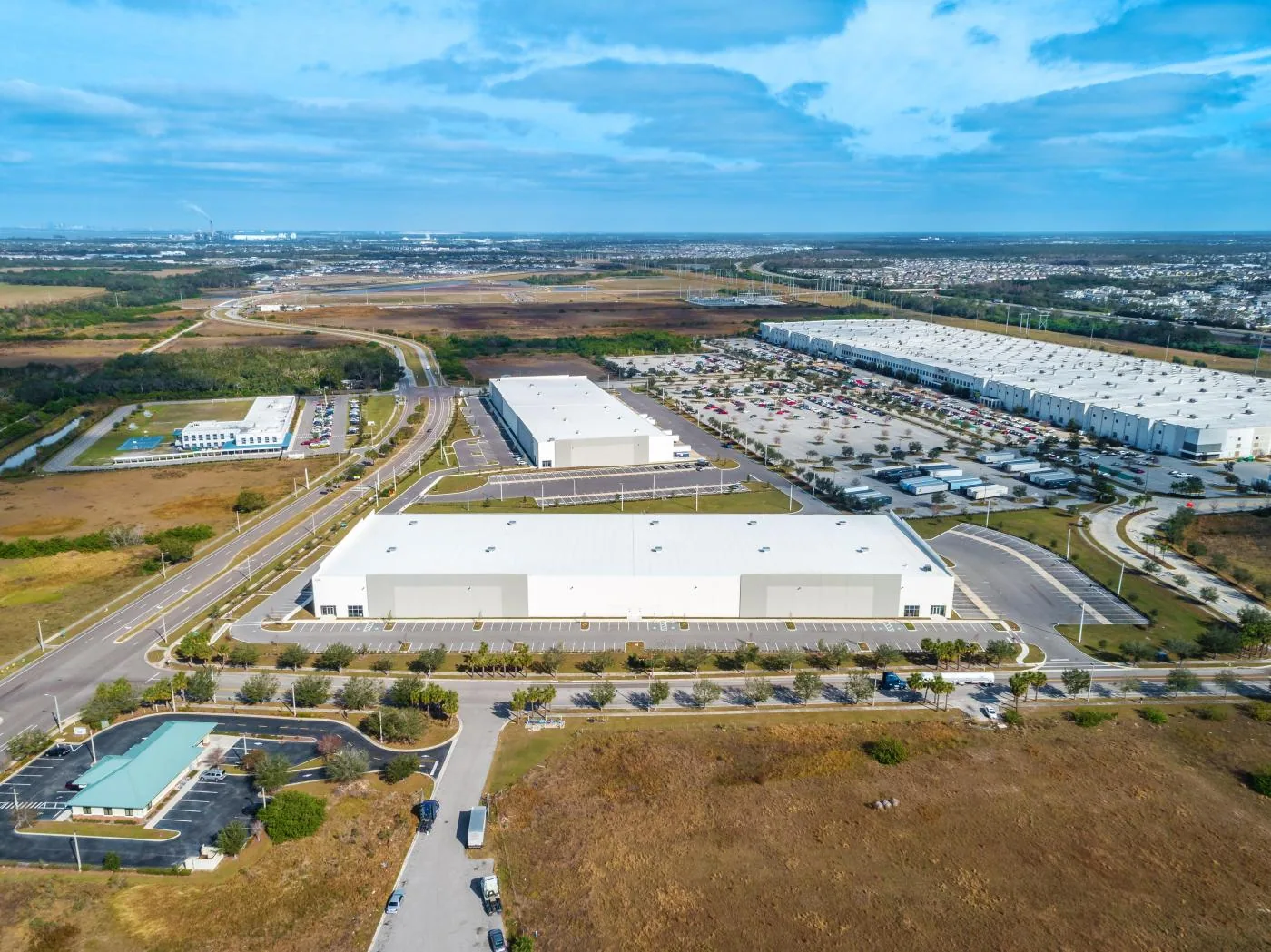
Southshore Corporate Park
Learn More
Commercial Roof Replacement
Learn MoreReview the roof layers and elevations
Request a roof assessment in Gresham
We will inspect insulation, cover board, drainage, and transitions, then coordinate the work sequence with your Gresham facility. Tell us about the building, the roof and what you are seeing. Call 555-555-5555, email [email protected] or send the details through our contact page and we will set up a time to walk the roof.