Commercial Roofing in Downtown and Civic Neighborhood, Gresham, OR
Schedule a roof walk in Downtown Gresham
- Home
- Service Areas
- Downtown and Civic Neighborhood
Downtown and Civic Neighborhood are two of Gresham's principal commercial centers, with shops, restaurants, services, and regional retail. Roof work in an active business district has to protect the space below while crews reach drains, curbs, seams, and edges above. We begin by identifying the building's use, the roof assembly, and the hours when access is possible. A leak over a customer area may need a different work window than a service zone with controlled entry. The roof walk records visible conditions before we recommend repair, restoration, or replacement. When a property sits near Rockwood's commercial center or another Gresham business district, the same inspection discipline applies, but the access plan still belongs to that building.
Keep roof work aligned with the business day
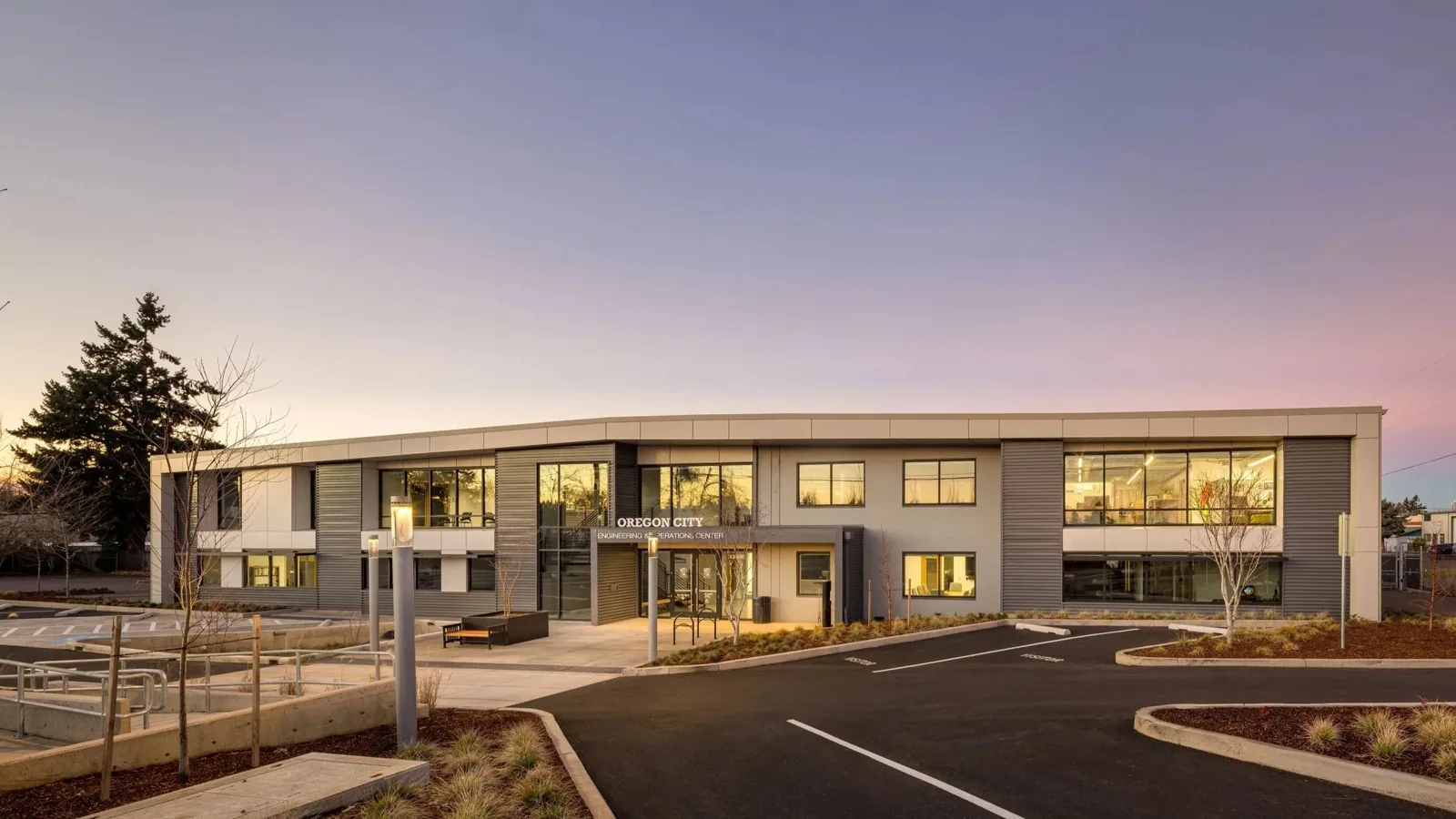
Commercial activity can continue below an active roof. We ask which entrances must remain open, where deliveries move, and whether a tenant has a quiet or clean-air requirement. The city describes Downtown and Civic Neighborhood as commercial centers served by transit, bike routes, and parks. Transit, bike routes, and parks serve the district, so we coordinate pedestrian protection and loading access with each building contact before staging.
On the roof, we mark the work area, identify safe routes, and note equipment that cannot be shut down. A lift, material drop, or temporary closure can affect pedestrian and vehicle movement at grade. We coordinate those moves with the person responsible for the building, then establish a daily closeout point. If a roof opening remains exposed at the end of a shift, temporary protection and a clear handoff matter as much as the repair itself.
For a multi-property owner, Springwater Employment Area may involve industrial or technology employment plans, while Downtown and Civic Neighborhood has a different commercial role. We do not transfer an access assumption from one area to another. Each building gets its own roof map, contact list, restricted-zone notes, and sequence.
Trace the leak before choosing the repair
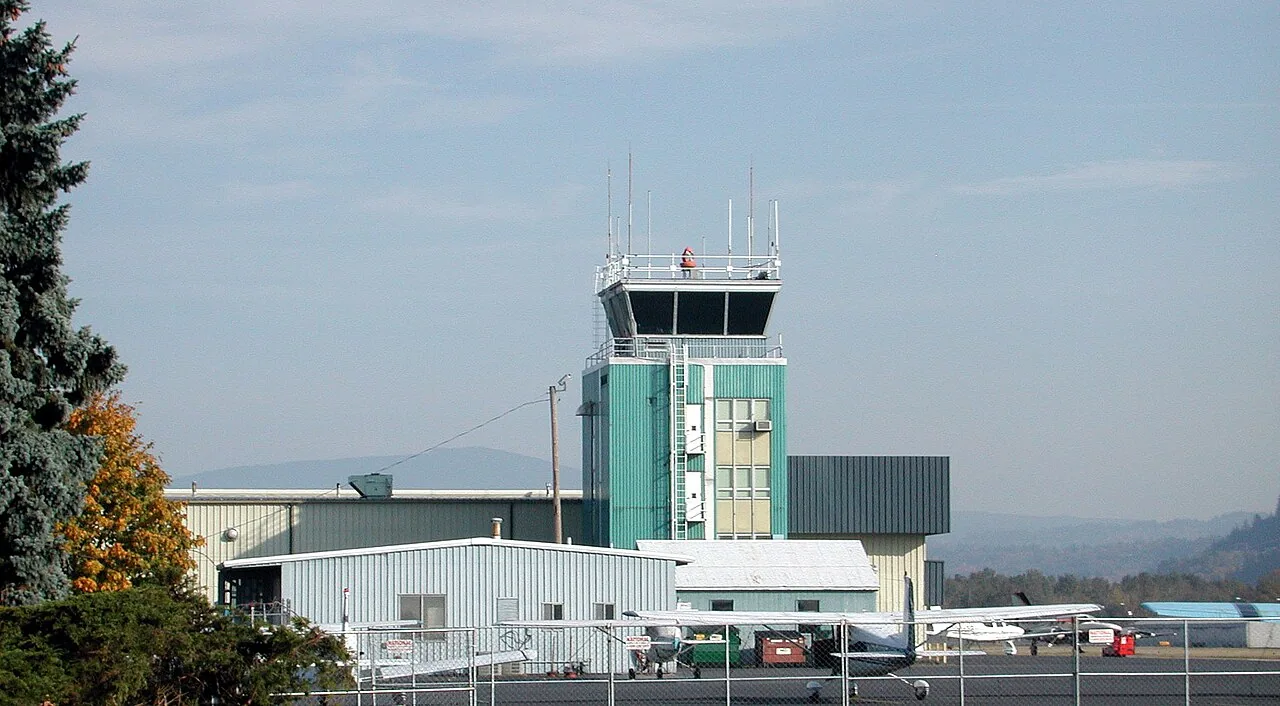
A ceiling stain rarely marks the exact roof opening. Water can travel along a deck, insulation joint, pipe, or framing member before it appears inside. We compare the interior report with roof conditions at nearby drains, wall transitions, penetrations, and membrane seams. Photos should show the defect and enough surrounding detail to locate it on a later visit. If several areas have reported water, we inspect them separately rather than treating one repair as an answer for the whole property.
Rain is most frequent in Gresham from fall through spring. Drainage, temporary dry-in, and work-zone closeout are practical questions when a building is opened during the wet season.
A commercial roof inspection can document the full accessible assembly. If a reported opening needs immediate attention, a leak assessment records the observed path and repair limits. We distinguish confirmed defects from areas that need testing, and we explain when a test cut or moisture survey could change the scope.
Compare repair, restoration, and replacement
A localized defect with sound surrounding material may be repairable. Loose flashing, a failed seam, damaged edge metal, or a blocked drainage detail can require focused work. We identify the affected roof zone and the tie-in method, then check adjacent material for separation or trapped moisture. The scope says what will be corrected and what remains outside that repair.
If defects recur across multiple areas, a coating or recover may be considered only after the existing assembly is evaluated. Surface preparation, attachment, drainage, wet insulation, and added roof height affect whether those options fit. A coating cannot correct a saturated assembly or an unstable substrate. We review the inspection findings before recommending a restoration path.
When the membrane, insulation, or deck condition supports broader work, replacement planning can compare selective removal, full tear-off, new insulation, and phasing around occupied space. Cost and timing follow measured area, access, roof-layer count, detail density, disposal, and protection below. The proposal separates confirmed scope from allowances for concealed conditions. That gives the owner a useful decision without claiming to know what is hidden before it is exposed.
Check the roof details that control water
Drain bowls, scuppers, parapets, equipment curbs, skylights, and expansion joints interrupt the open roof field. We inspect the membrane at each transition and note whether water has a clear route to an outlet. Debris, low spots, or altered equipment can change drainage even when the membrane looks intact. We record the condition, take roof-zone photos, and separate maintenance items from defects that need a repair scope.
Gresham's commercial centers connect to larger corridors and employment areas. A building near Civic Neighborhood may share a portfolio owner with a facility in Southshore Corporate Park, but the roof assemblies and operations are not assumed to match. The roof walk checks system type when it can be identified, attachment, insulation condition where accessible, and visible repairs. If records are available, we compare them with what the roof shows today.
For a TPO assembly, a modified-bitumen system, or another low-slope roof, repair materials must match the installed assembly and current product instructions. Where system identity is uncertain, we identify what further inspection would resolve before specifying a tie-in.
Leave a useful record for the next visit
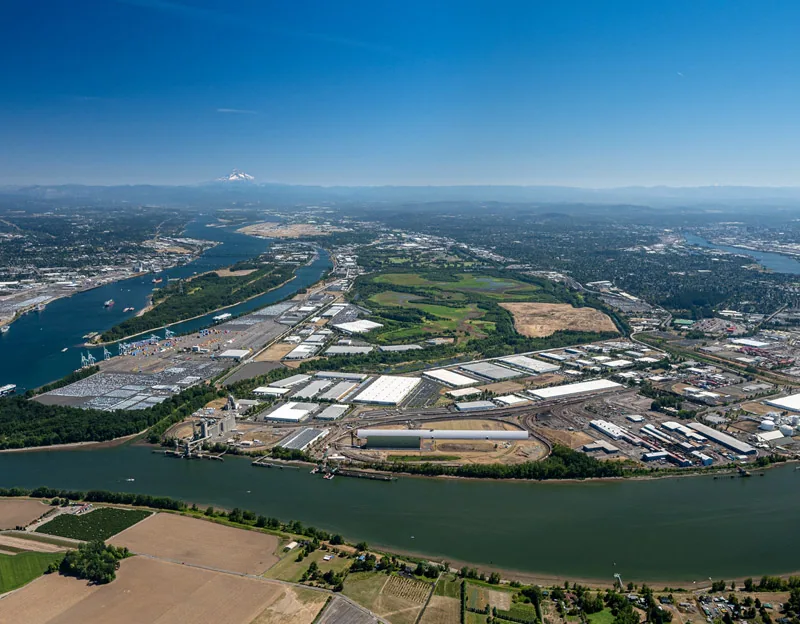
A roof repair should leave the facility team with more than an invoice. The closeout can show the roof zone, defect, repair method, materials used, and any limits that remain. We label photographs so staff can find the same curb, drain, or edge later. If a repair exposed wet insulation or a detail that differed from the original drawing, that change belongs in the building record.
Gresham's Downtown plaza and recurring community activity are part of the commercial center, while the Civic Neighborhood has its own mix of services and civic uses. Those surroundings do not establish a property's roof condition. The owner supplies operating constraints, and our condition report documents what was visible and accessible on the inspection date. A later buyer or facility manager can use that baseline to compare repair history against new findings.
A planned maintenance visit can clear drains, review seams and flashings, check roof traffic paths, and record new penetrations. The visit can also identify changes to access rules after tenant turnover or equipment work. For buildings in the Gresham Vista Business Park, Rockwood, and Downtown, separate building files keep each access plan and repair record tied to the right asset.
Downtown and Civic Neighborhood FAQs
-
Can roof repairs happen while a business stays open?
Often, if the work zone, access route, noise, and protection below are planned with the facility contact. We review the building's operating hours and identify any area that requires a separate window before work begins.
-
How do you find the source of a ceiling leak?
We compare the reported interior location with roof details above and nearby. Water may travel before it appears indoors, so we inspect drains, seams, curbs, and transitions and document what is confirmed versus what needs testing.
-
When is a roof replacement more practical than another repair?
Repeated failures, widespread wet insulation, unstable attachment, or several failing zones can justify comparing replacement with continued repairs. We inspect the assembly and explain the scope, limits, and timing drivers before making that recommendation.
-
What affects the schedule for commercial roofing in Downtown Gresham?
Weather, access, material delivery, roof-layer removal, and the hours when work can occur all matter. We plan the exposed area and end-of-shift protection around the building's operations and current site conditions.
-
Do you provide records after a roof inspection or repair?
Yes. We can provide roof-zone photos, observed conditions, repair details, and items that need follow-up. The report distinguishes what was accessible from areas that require separate investigation.
Related Roofing Work
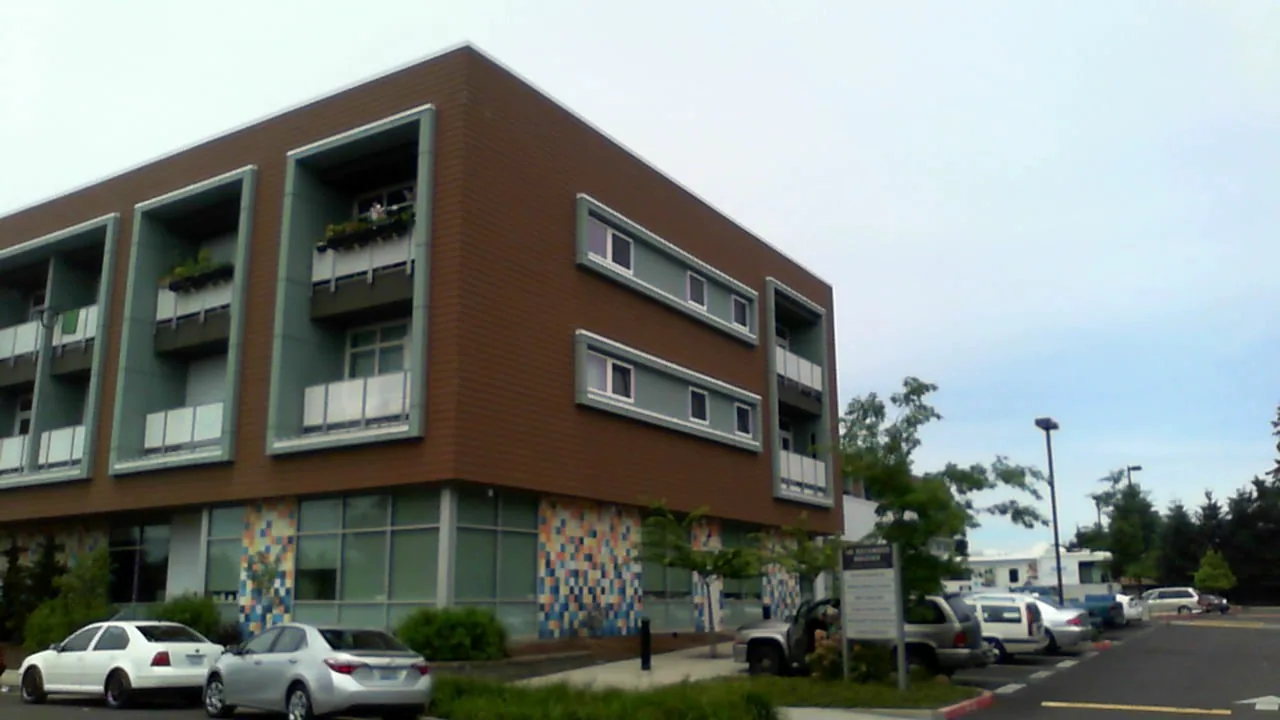
Rockwood
Learn More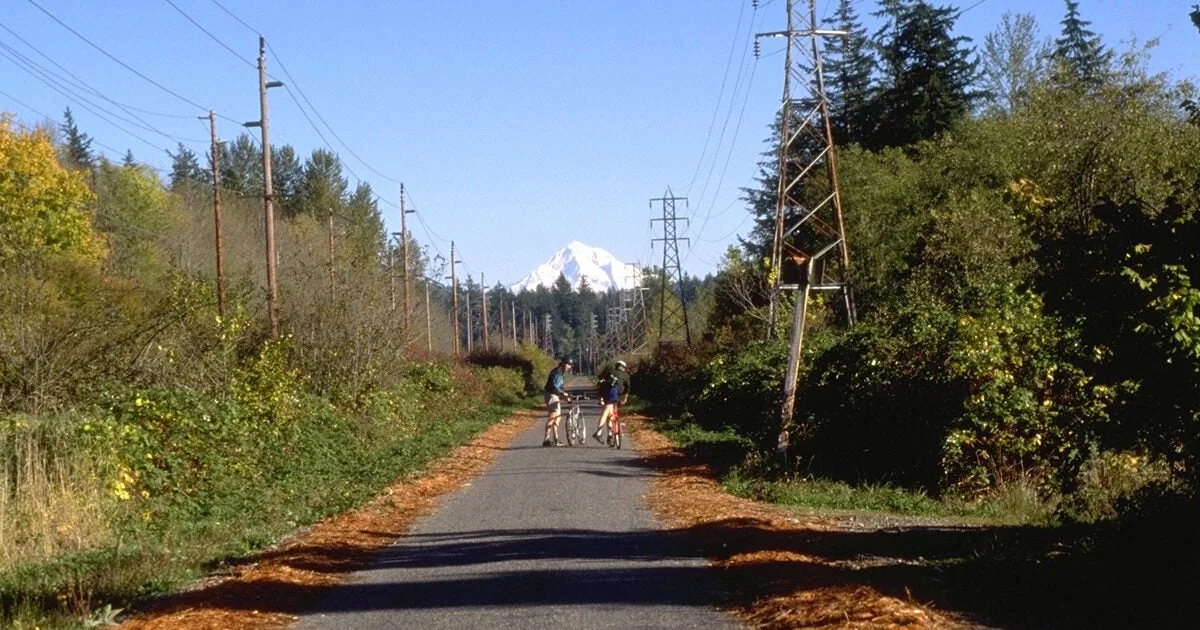
Springwater Employment Area
Learn More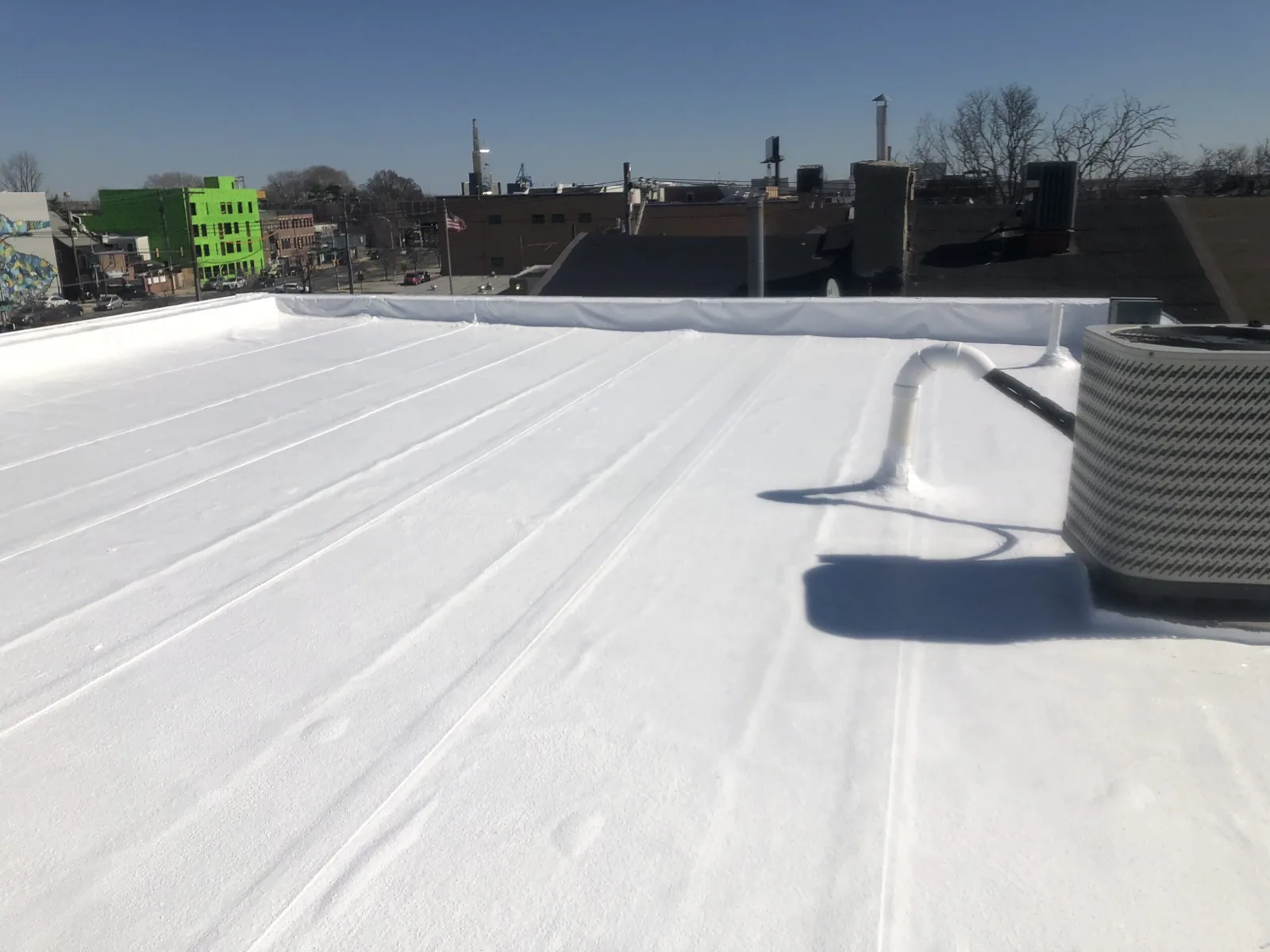
Commercial Roof Inspection
Learn More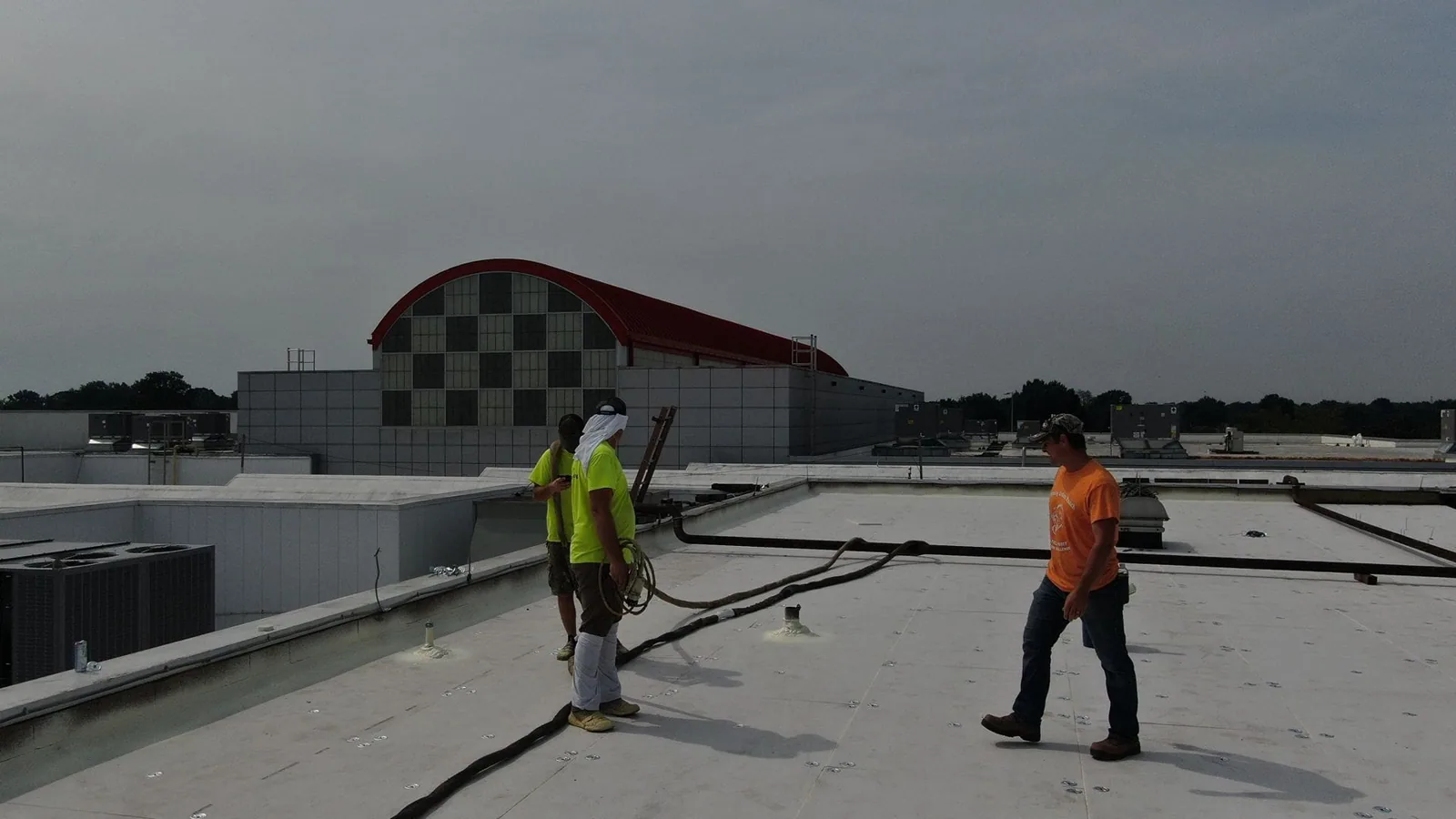
Commercial Roof Leak Repair
Learn More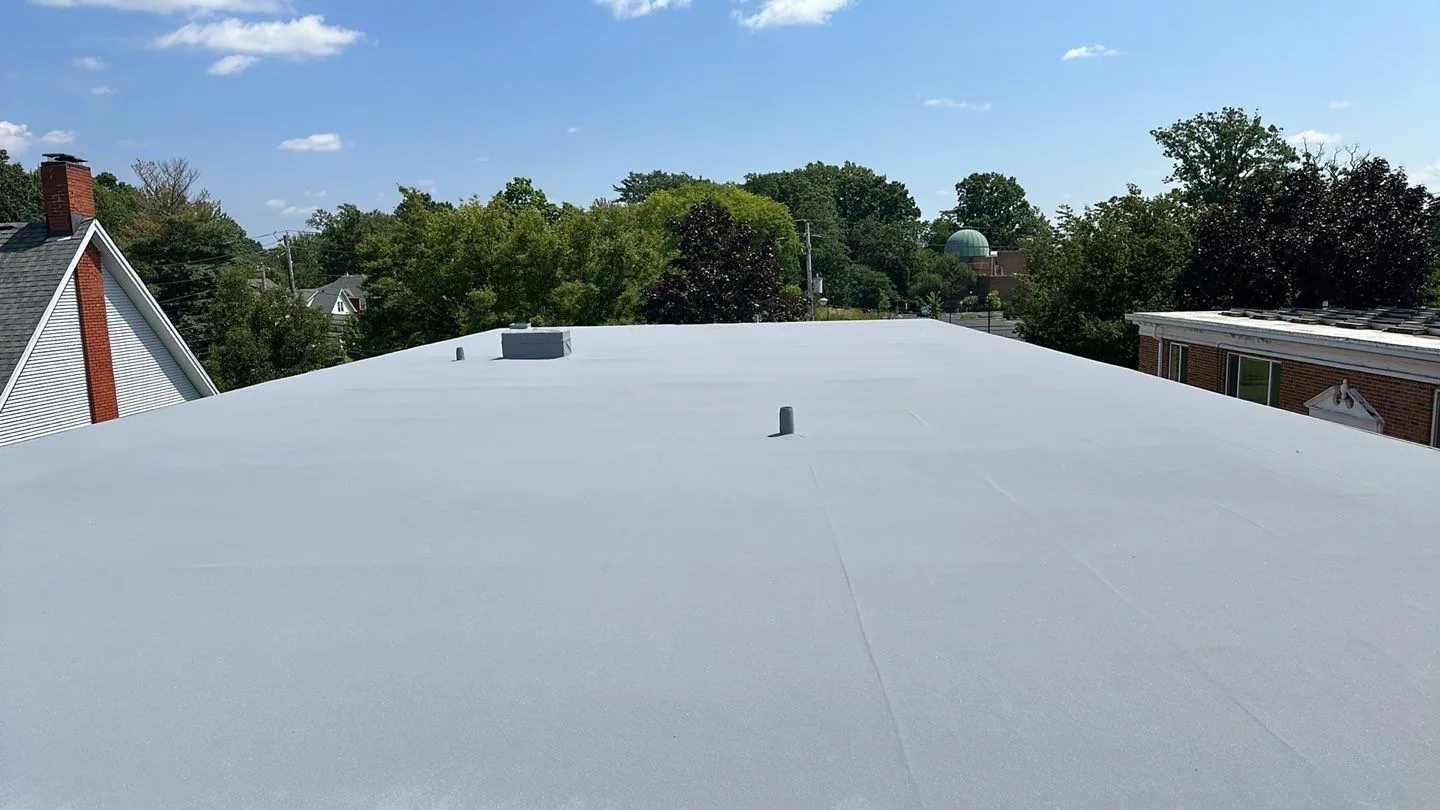
Commercial Roof Replacement
Learn More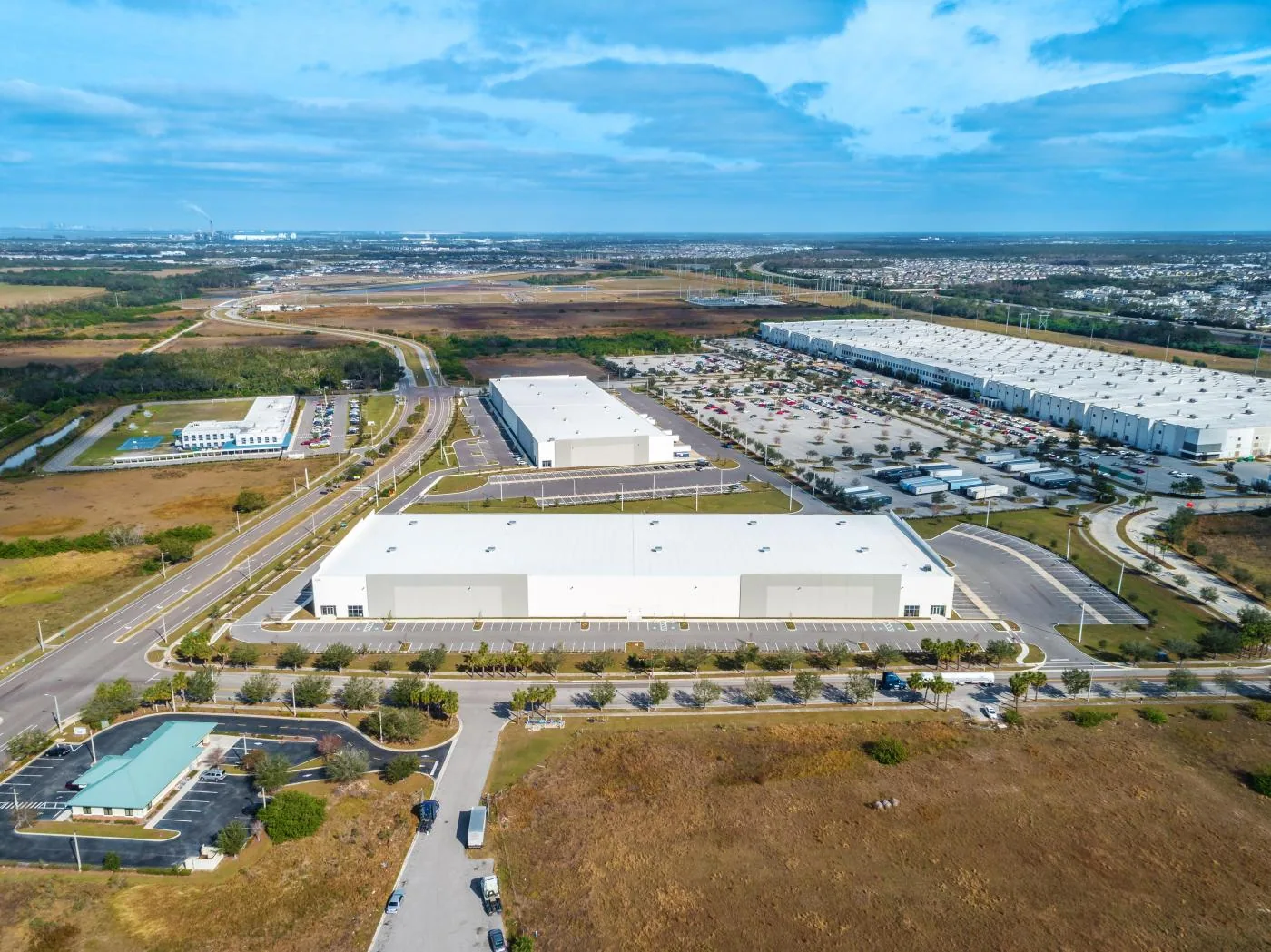
Southshore Corporate Park
Learn MoreSchedule a roof walk in Downtown Gresham
Request a roof assessment in Gresham
We will review access, occupied hours, drainage, and visible roof conditions, then prepare a clear repair or replacement scope for the property. Tell us about the building, the roof and what you are seeing. Call 555-555-5555, email [email protected] or send the details through our contact page and we will set up a time to walk the roof.