
Modified Bitumen Roofing in Gresham, OR
Review the modified-bitumen layers
- Home
- Roof Systems
- Modified Bitumen Roofing
A rolled membrane roof can hide repairs, laps, and flashing work under coatings or mineral surfacing. Modified bitumen uses asphalt modified with polymers and is installed in one or more plies using methods specified for the system. We identify whether the roof is SBS or APP, check its surfacing and seams, and inspect drains, edges, and penetrations before recommending repair or replacement. Gresham's industrial lands include manufacturing, processing, and distribution, where roof access may follow production or loading schedules. The building's actual assembly matters more than its use label. Portland International Airport climate normals show precipitation spread through much of the year, with a wet season from fall through spring. A roof inspection records existing conditions before we compare a modified-bitumen repair with a new assembly.
What should the inspection identify?
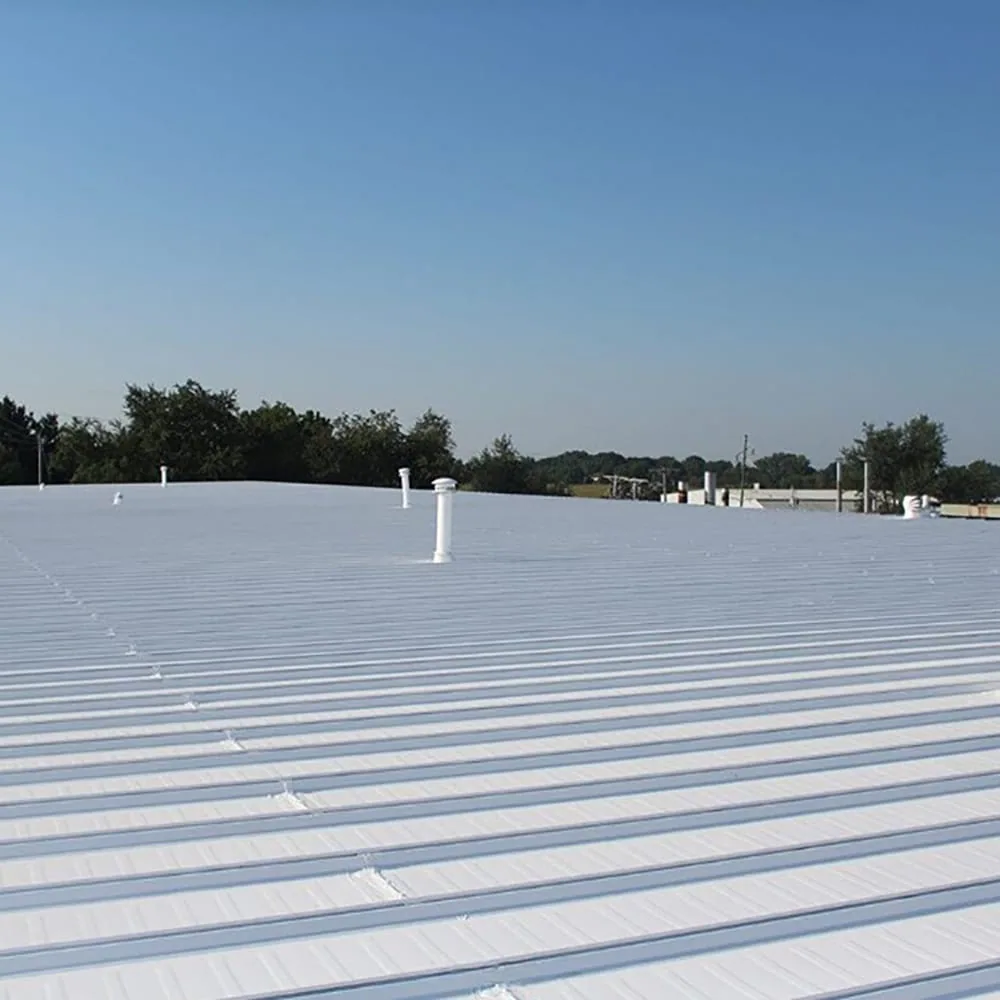
We look for open laps, fishmouths, blisters, cracks, exposed reinforcement, loose flashing, and patches that have lifted at their edges. Granule loss or coating wear may expose the underlying sheet, while ponding can keep a seam under extended water. We record which areas are isolated and which repeat across the roof. Surface appearance helps guide inspection, but test cuts may be needed to identify the plies, substrate, or concealed moisture.
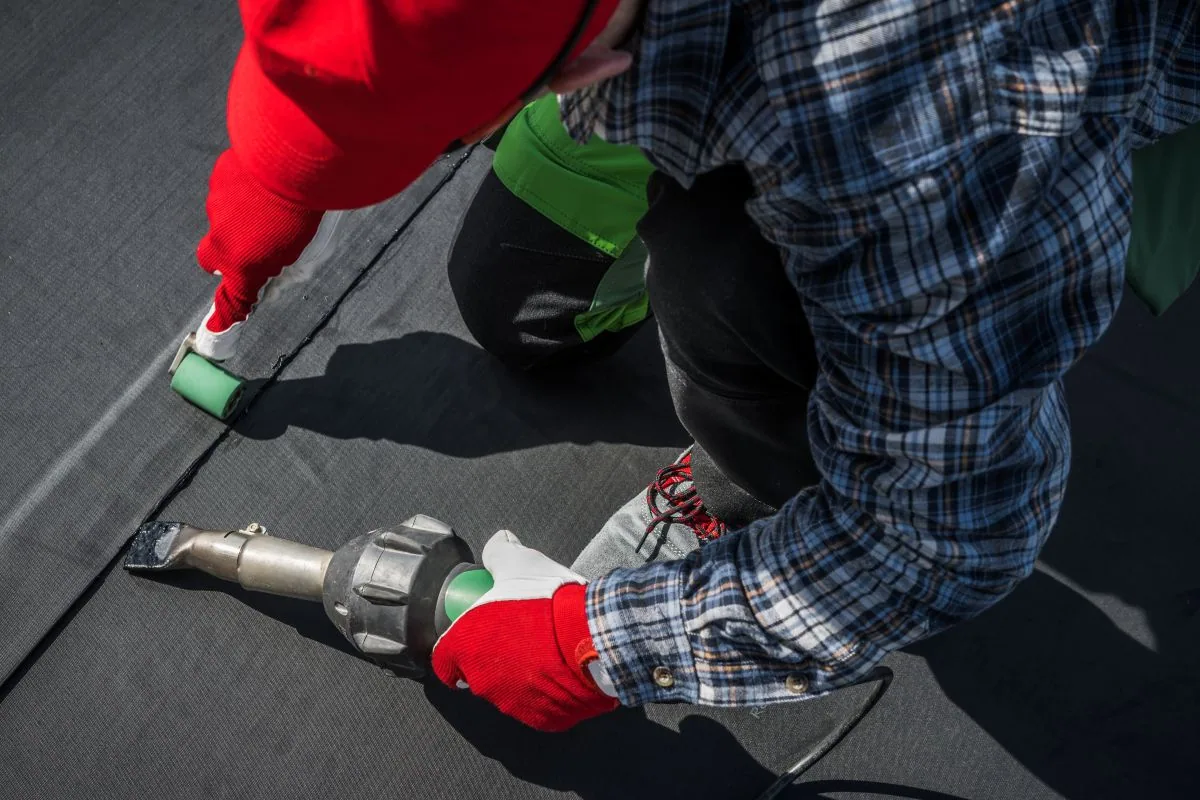
Modified bitumen systems can be torch-applied, cold-applied, self-adhered, or installed using other methods approved for the product. The method affects preparation, safety controls, and detailing. We identify the existing system where possible and match repair materials to it. A repair proposal should state how the surface will be prepared and which reinforcement or flashing components will be used.
Transitions carry much of the detail work. Roof-to-wall flashing, curb corners, drains, expansion joints, and edge terminations need continuity between the field plies and vertical surfaces. We inspect those areas with the roof surface, not as a separate checklist. A perimeter metal review can coordinate coping and edge details where the modified-bitumen assembly terminates at the roof boundary.
How can a lap or blister become a leak?
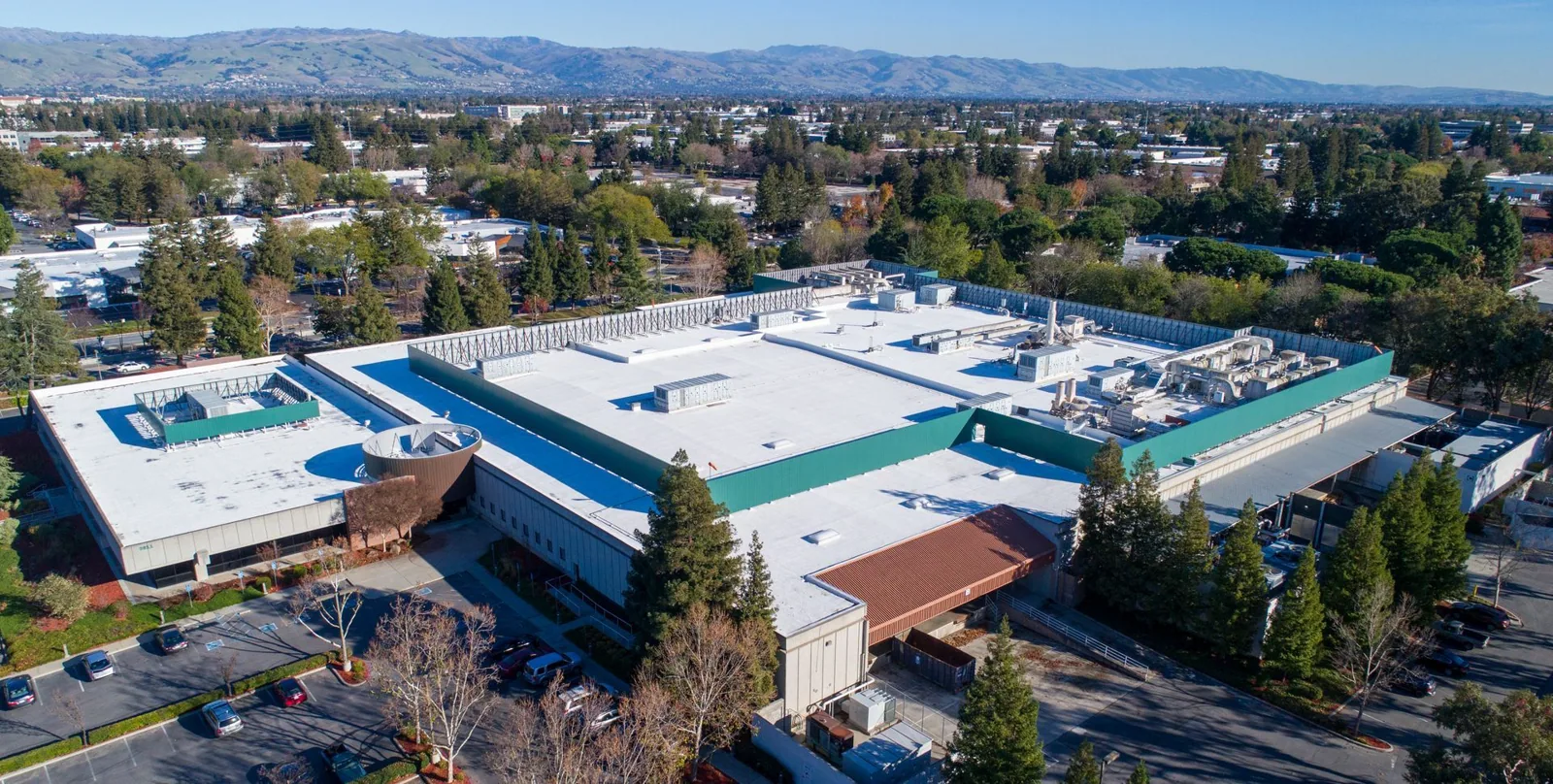
A lap can separate when adhesion is incomplete, the sheet moves, or the surface is contaminated. Water then travels beneath the visible opening and may wet insulation before the leak appears indoors. A blister can result from trapped air or moisture, but its appearance alone does not identify the cause. We inspect the surrounding field, test the substrate where needed, and avoid cutting a raised area until its condition and repair path are understood.
Repeated foot traffic can crush surfacing or abrade the membrane near equipment and service routes. A walkway may reduce wear, but it does not fix an existing opening. We identify where technicians travel, check the laps beneath that route, and coordinate protection with the facility. At busy industrial properties, an access plan can limit traffic over freshly repaired areas until they are ready for use.
Water at a drain or scupper can expose seams and flashing to prolonged wetting. Portland International Airport averages 157 measurable-rain days in its long-term normals, making drain maintenance and dry-in sequencing important regional considerations. A blocked outlet, low slope, or damaged drain flashing needs a specific correction. The drainage scope should state whether it includes cleaning, replacement of components, or a design correction.
Should the system be patched, coated, or replaced?
A localized repair can suit a limited lap, flashing, or puncture problem when adjacent material remains sound and dry. A coating or surfacing restoration may fit some assemblies after compatibility, adhesion, moisture, and preparation are checked. Widespread cracking, failed laps, recurring leaks, or wet insulation can shift the decision toward removal and a new roof. We document the evidence for the recommended scope rather than treating one visible defect as the full roof condition.
SBS and APP systems differ in modifier and installation characteristics. The selected product, reinforcement, cap sheet, adhesive, and application method need to match the project. A built-up roof assembly uses a different multi-ply construction, while TPO is a single-ply thermoplastic membrane. Compare seam method, fire precautions, traffic, flashing, and maintenance needs against the building's operation.
A recover may be possible only when the existing layers, moisture, deck, weight, and code requirements allow them to remain. Wet insulation or unstable substrate needs correction first. A recover assessment tests that option; a replacement scope can address the deck and new insulation if removal is more appropriate.
How do local operations affect hot-work planning?
Some modified-bitumen methods involve open flame or heated asphalt; other products use cold-applied or self-adhered techniques. The selected method, building conditions, fire plan, and project requirements govern installation. Facility staff identify fire alarms, combustible materials, rooftop intakes, and permit procedures. We confirm a fire watch or other controls when required and keep the work area clear of unauthorized access.
Southshore Corporate Park and Gresham's northerly industrial area include active manufacturing, processing, and distribution uses. The roof crew may need a delivery route, equipment shutdown, or an approved window away from production activity. We coordinate those constraints with the building's safety and facilities contacts. We confirm delivery routes, shutdown needs, and access windows separately with each building’s safety and facilities contacts.
Rain falls across much of the cooler season in the Portland metro. We plan membrane preparation and adhesive work around current conditions and product requirements. Any exposed section receives a defined temporary protection detail and a watertight close before the crew leaves. If the forecast changes, the next roof zone remains unopened until the current work is secure. A Southshore-area roof walk follows the actual property and operating plan.
What happens during installation?
We confirm the existing assembly, substrate, method, and safety controls before material arrives. Crews remove or prepare the roof as specified, repair deck or insulation conditions, and install the selected base and cap plies. Laps are aligned and bonded using the approved application method. Flashings are integrated at drains, walls, curbs, penetrations, and edges. Hot-work operations follow the approved fire-protection plan.
A repair begins with sound material around the defect. We remove loose or failed sections, prepare the surface, and install compatible reinforcing ply or flashing. If water has moved beneath the sheet, test cuts may change the repair boundary. We document hidden conditions and follow the owner approval process before completing additional work. Each repair is photographed and entered in the roof service record.
At closeout, we inspect visible laps, flashing corners, drain details, and perimeter transitions. The owner receives the system notes and follow-up items. A maintenance visit can monitor exposed surfacing, traffic paths, and repaired laps after the next wet season.
What belongs in the written scope?
Ask the proposal to identify SBS or APP, ply count, reinforcement, cap surfacing, attachment method, and installation method. It should state preparation, tear-off or recover assumptions, insulation and cover board, edge and drain details, fire controls where applicable, daily dry-in, and concealed-condition handling. The scope also needs access, staging, occupied-hour coordination, and disposal. These details define the work more clearly than a material name alone.
Near the Sandy Boulevard freight corridor, deliveries and staging may need to fit loading activity. In the Springwater Employment Area, production or equipment routes can shape the roof sequence. We coordinate the schedule with each facility and document any restrictions before work starts. Inspection and repair records stay with the building. We can review the existing system and set a safe work window for your Gresham roof.
Modified Bitumen Roofing FAQs
-
How can I tell whether the roof is SBS or APP modified bitumen?
Product markings, existing records, surfacing, and repair materials help identify the system. We inspect and verify the assembly where needed before selecting a compatible repair.
-
Can a modified-bitumen roof be coated?
Some roofs can be coated after moisture, adhesion, surface condition, and preparation are checked. We identify the membrane and test suitability. Coating will not fix wet insulation or deck failure.
-
Does a torch-applied roof require special site planning?
Yes. Open-flame work follows the project fire plan, permits, protection, and facility rules. We review materials and access before mobilization. Cold-applied systems have different preparation needs.
-
When should a modified-bitumen roof be replaced?
We review seams, flashing, leak history, moisture, deck condition, and repair frequency. Widespread deterioration or wet layers can favor replacement. The inspection records the basis for that recommendation.
Related Roofing Work
Commercial Roof Inspection
Learn More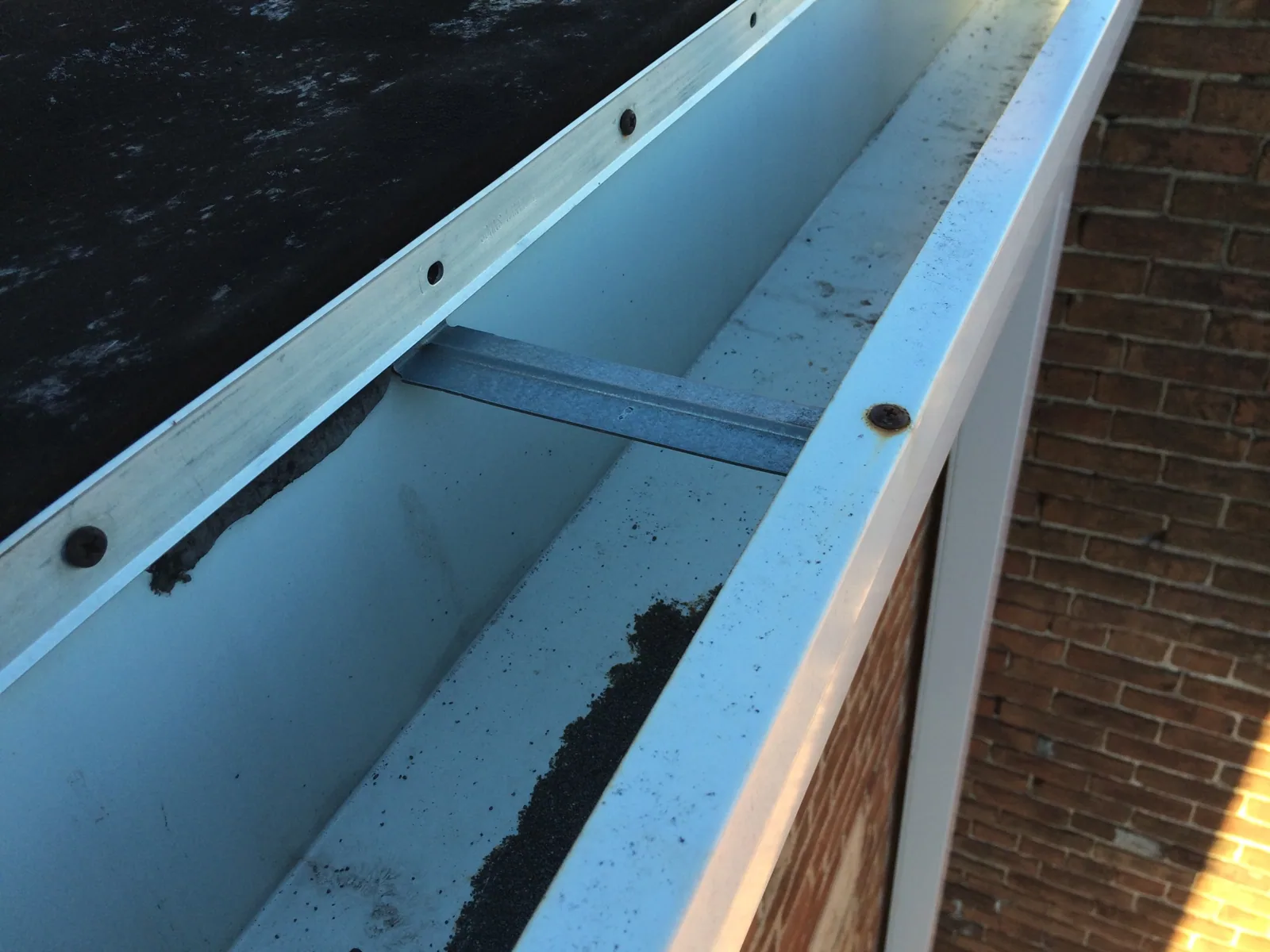
Commercial Roof Edge Metal and Gutters
Learn More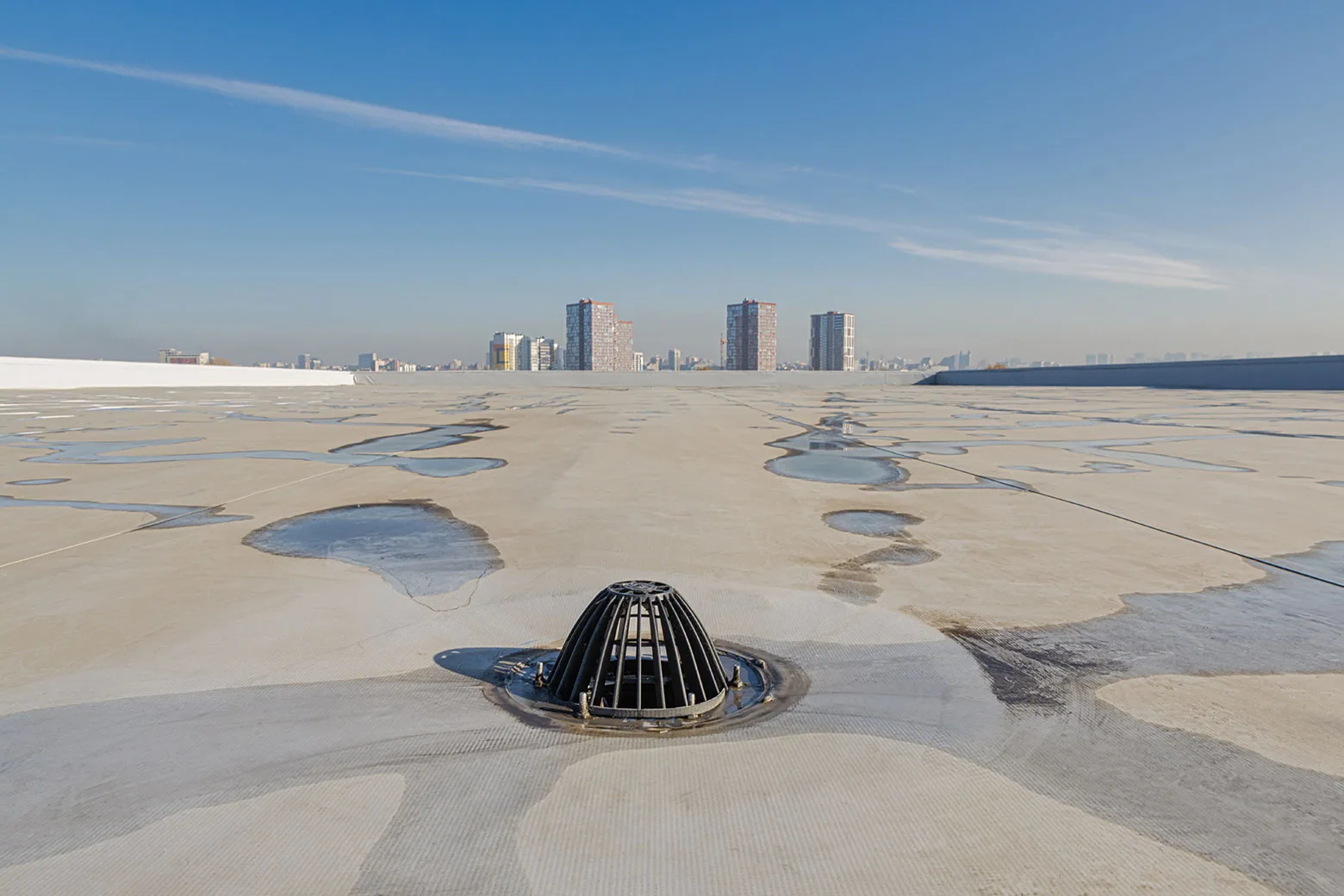
Commercial Roof Drains and Scuppers
Learn More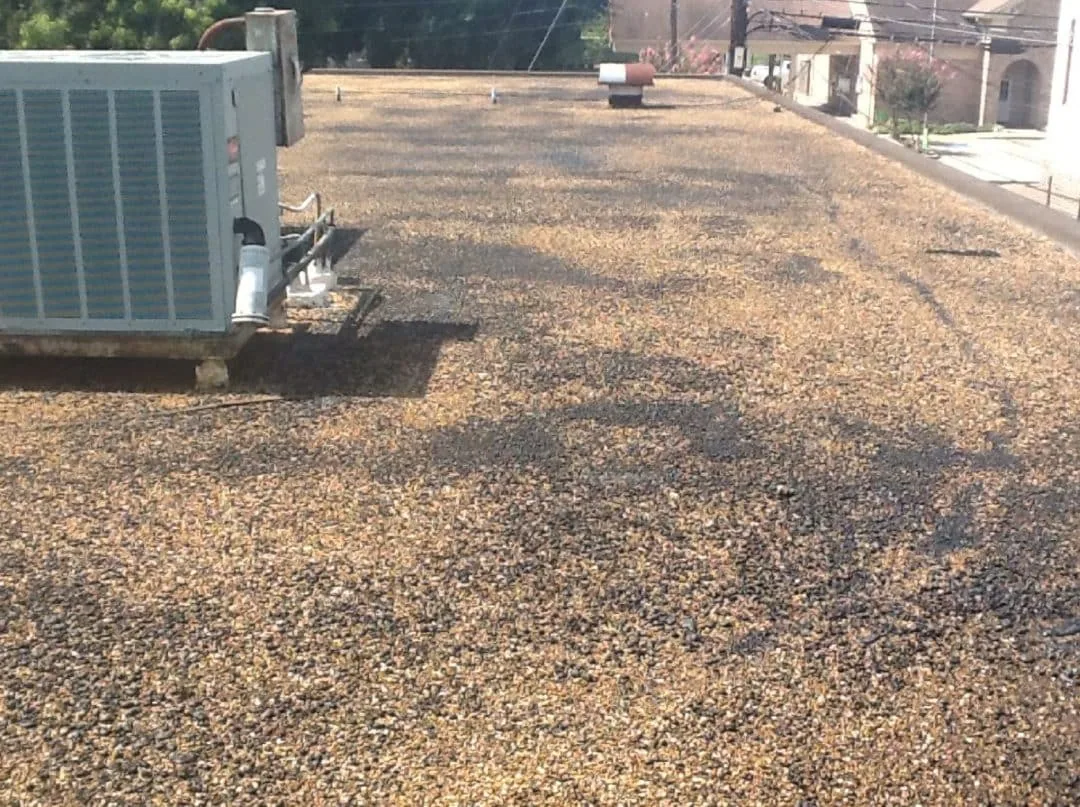
Built-Up Roofing
Learn More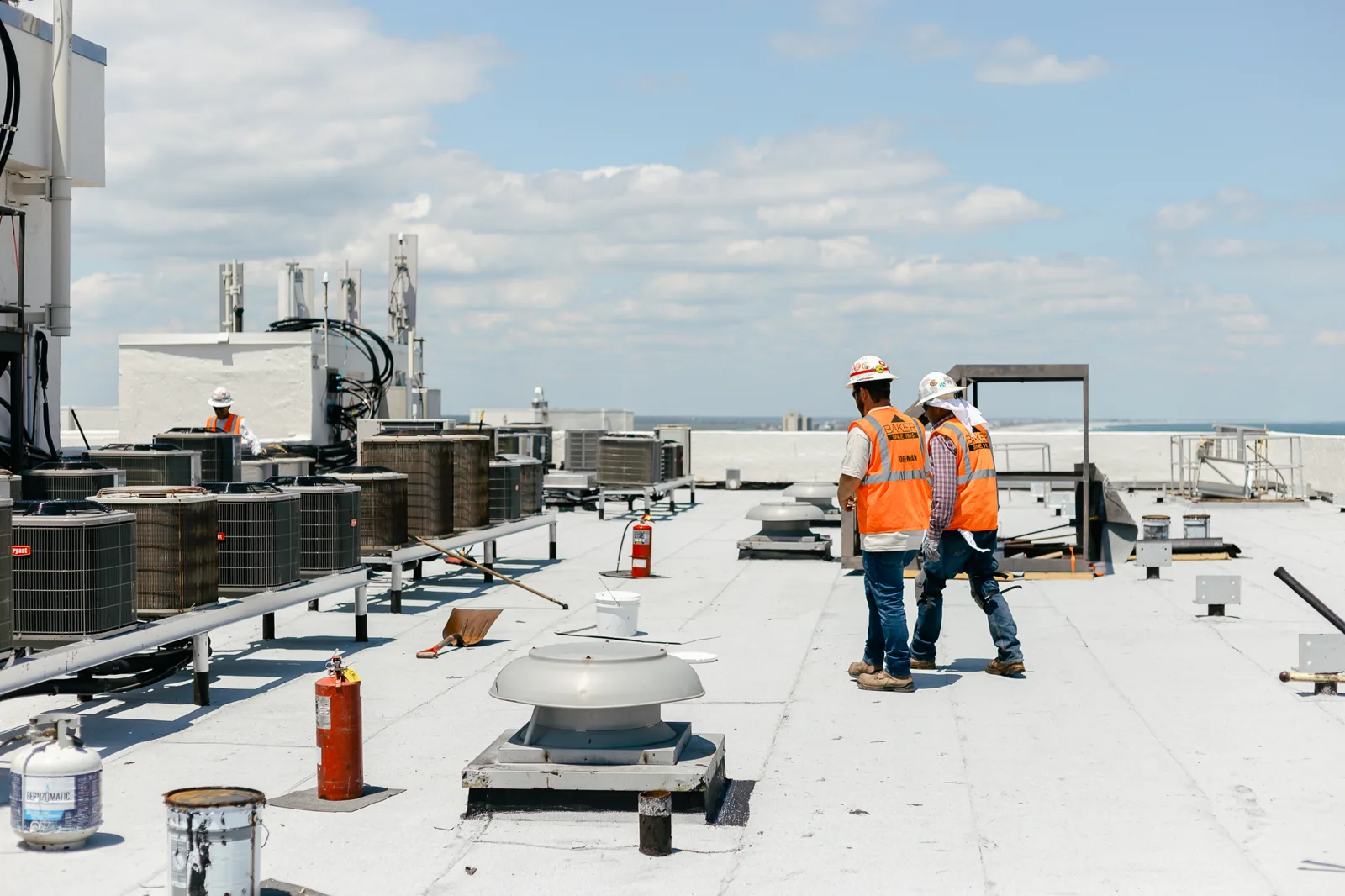
TPO Roofing
Learn More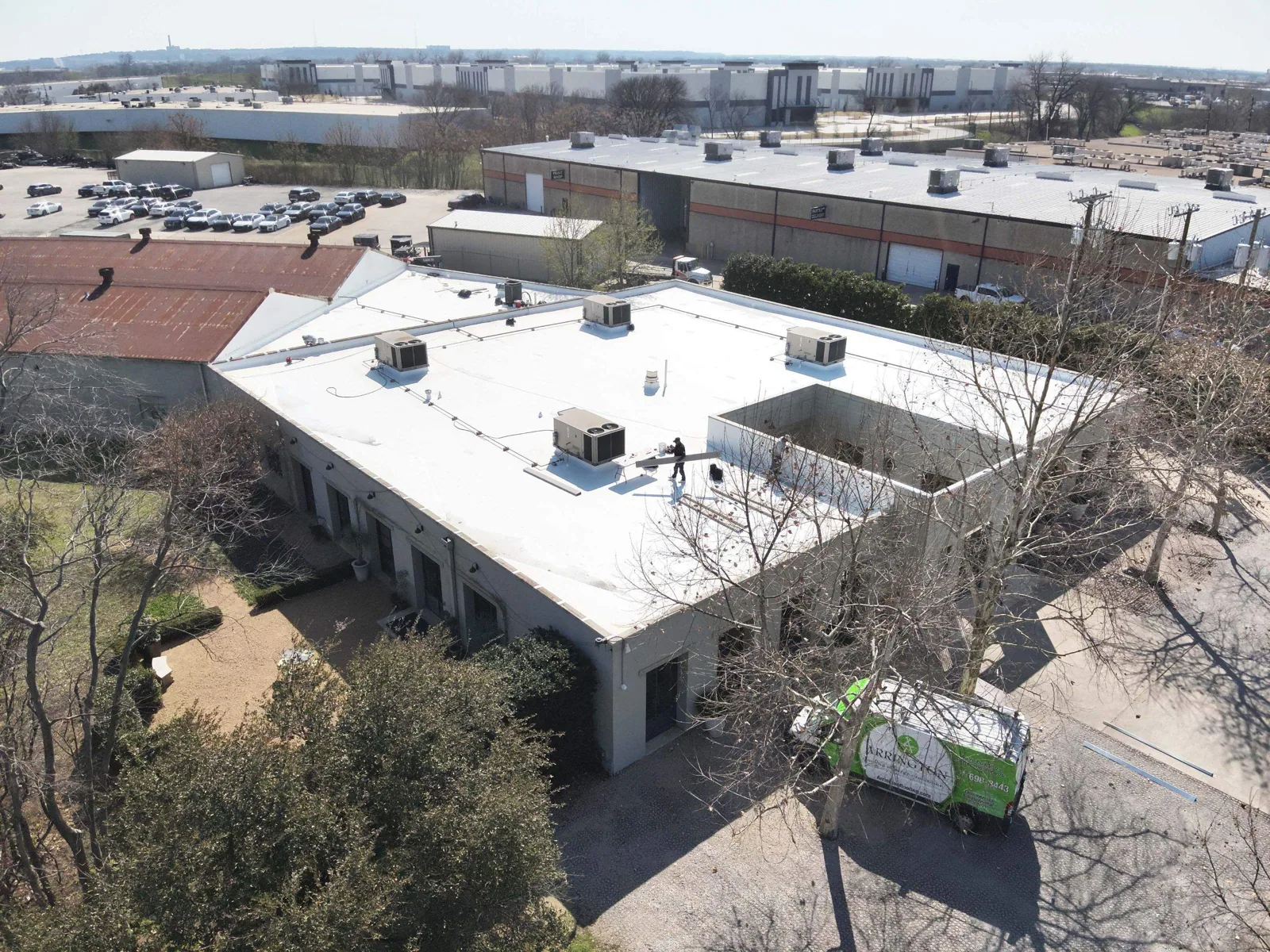
Commercial Roof Recover
Learn MoreReview the modified-bitumen layers
Request a roof assessment in Gresham
We will inspect laps, surfacing, drainage, and transitions, then prepare a repair or replacement scope around your Gresham operations. Tell us about the building, the roof and what you are seeing. Call 555-555-5555, email [email protected] or send the details through our contact page and we will set up a time to walk the roof.