
Commercial Roofing for Logistics and 3PL Operators in Gresham, OR
Coordinate a warehouse roof walk
- Home
- Industries We Serve
- Logistics and 3PL Operators
A distribution roof sits above inventory, dock doors, dispatch, and shifts that keep freight moving. A leak can damage stored goods or slow receiving before the source is visible from inside. We inspect the assembly and map each finding to a building zone, then plan a work boundary that respects dock and yard activity. The Sandy Boulevard freight corridor and Southshore Corporate Park are part of the east-county industrial network. The operator still sets each building’s gate and dock procedures. A roof inspection helps the operator schedule roof work before a problem affects daily throughput.
How do dock schedules affect roof access?
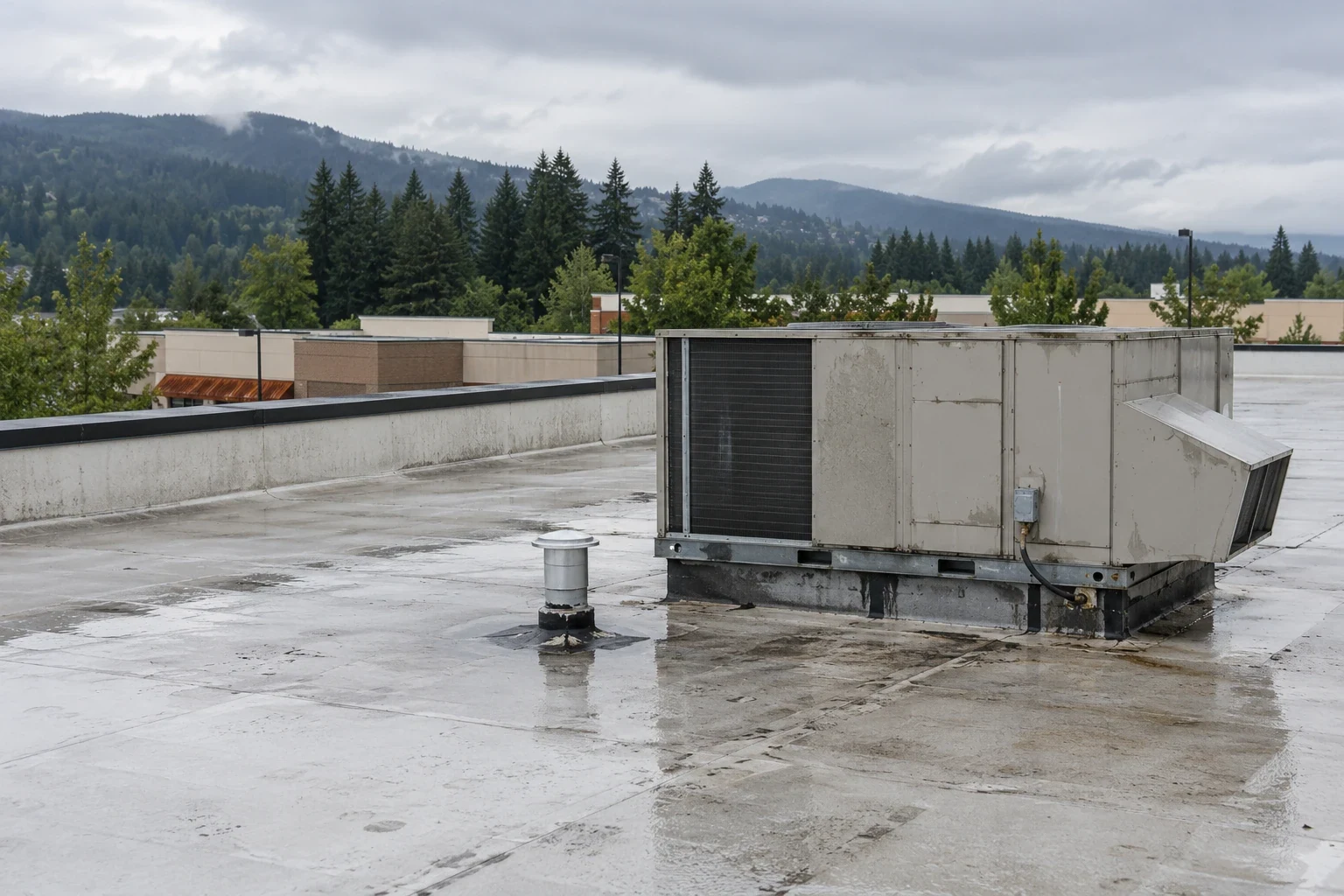
Operations staff identify trailer arrival peaks, yard routes, loading doors, forklift aisles, and any inventory that needs added protection. A lift or material truck can interfere with dispatch if its route is not agreed in advance. We confirm the staging area, work hours, and contact who can adjust the plan when a load arrives early. The warehouse controls freight and employee routes; the roofer marks the work zone.
Roof equipment may support warehouse offices, sorting lines, and climate-controlled sections. We inspect each curb, exhaust, support, and penetration and identify which vendor manages the connected unit. An industrial roof coordination plan can cover process equipment and shift windows, while logistics work centers on dock flow, inventory, and yard access.
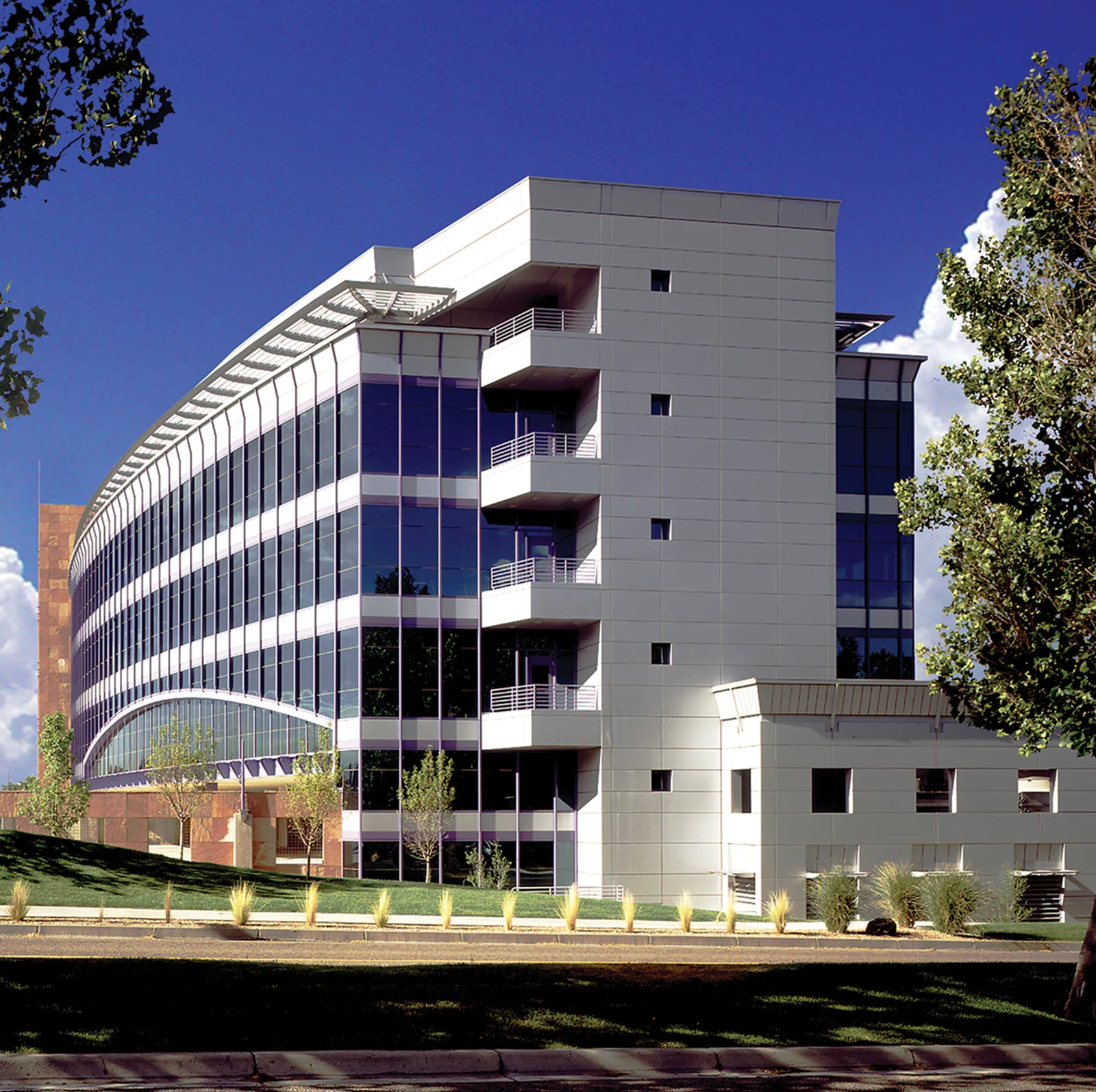
What roof conditions put inventory at risk?
Water can enter through a seam, skylight, wall, or equipment base and move along the deck before reaching a pallet or picking area. The visible drip may sit several bays from the opening. We use the building grid, leak time, weather, and recent roof work to trace likely paths. The operator can relocate vulnerable inventory while the inspection confirms the repair boundary.
Long roof runs make drainage important. A blocked outlet may cause ponding near a seam; a loose flange can continue to leak after debris is removed. We inspect drain bowls, overflow routes, low points, and the membrane around them. A drainage assessment identifies whether clearing or repair is needed. After an HVAC or conveyor contractor visits the roof, the touched detail should be checked before the service ticket closes.
Portland International Airport climate normals show frequent measurable rainfall, with most precipitation from fall through spring. The project plan needs an end-of-shift close and temporary protection sized to the area a crew can complete safely before leaving.
What should the facility record by roof bay?
We identify the assembly, roof zones, seams, curbs, drains, skylights, edges, and prior repair patches. Photos label the bay or grid area so the operator can compare findings with storage and picking layouts. Active leaks are separated from maintenance and capital work. If a roof section is blocked by equipment or inaccessible, we record that limit.
Include the affected inventory zone, time, weather, and nearby maintenance work in a leak report. If moisture may extend into concealed insulation, a survey or test opening can help define the affected area. The report states what the visual review confirms and whether more access would change the scope. A photo condition record can stay with the building plan and future repair tickets.
Gresham Vista Business Park and the Southshore industrial area are among the region’s broad employment settings. At each property, the site manager identifies the gate, dock, and roof-access arrangement before we set the work zone.
Can a warehouse roof be repaired in operating sections?
A targeted seam, flashing, or puncture repair can fit an operating facility when the surrounding material is sound and inventory is protected. Multiple failing seams, widespread wet insulation, or repeated roof openings may warrant replacement. Recover and coating options depend on the existing assembly, moisture, attachment, drainage, and edge conditions.
A phased replacement can follow roof zones or dock bays. The scope identifies tie-ins, daily closure, staging, forklift and trailer routes, temporary protection, and the hours when lifts are allowed. A replacement plan gives dispatch and facilities staff a schedule they can use. A property management roof program can help owners coordinate a multi-tenant logistics property and shared access.
For large distribution buildings, a roofing sequence should limit exposed area without promising that all dock activity continues unchanged. The operator approves each affected route and decides whether inventory or shift schedules need adjustment.
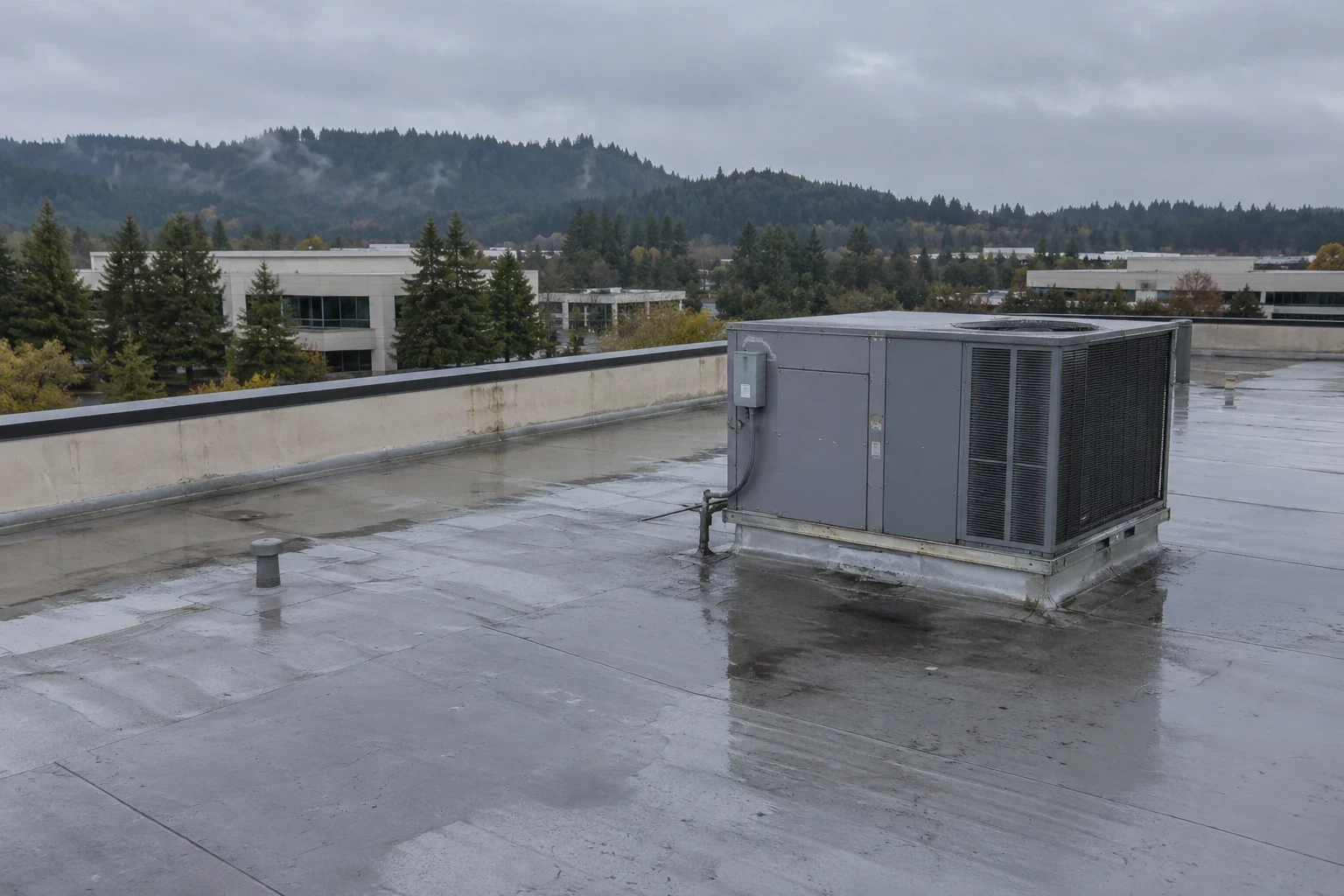
How does the crew protect freight flow?
Before mobilization, we confirm the gate contact, staging, lift route, receiving schedule, work hours, roof access, and any aisle that cannot be blocked. The operator identifies where a temporary closure is acceptable and how dispatch learns about it. The crew keeps tools and material inside the approved area.
We open only the section that can be protected and closed that shift. If hidden damage changes the work boundary, the crew secures the roof and shares the finding before requesting approval. At close, we check nearby drains, remove debris, and restore the agreed route. The daily handoff states which roof zone is complete and the next scheduled area.
If trailer or labor schedules change, the facility contact can direct a revised access time. The operator retains control of freight traffic. If the access window changes, the site contact can approve a smaller roof section or reschedule before materials are staged.
What belongs in a distribution roof program?
Keep roof plans, bay labels, inspection photos, leak work orders, equipment changes, and repair closeouts together. Scheduled checks should review seams, drains, edges, penetrations, and recent mechanical work. A roof service log can identify which areas repeatedly need attention and which were repaired. Assign a site contact to each building and keep roof-zone labels consistent across work orders. When a facility changes operators or shifts, carry open repairs and access requirements into the handoff. Dispatch can then see which areas need notice or temporary routing before a crew arrives.
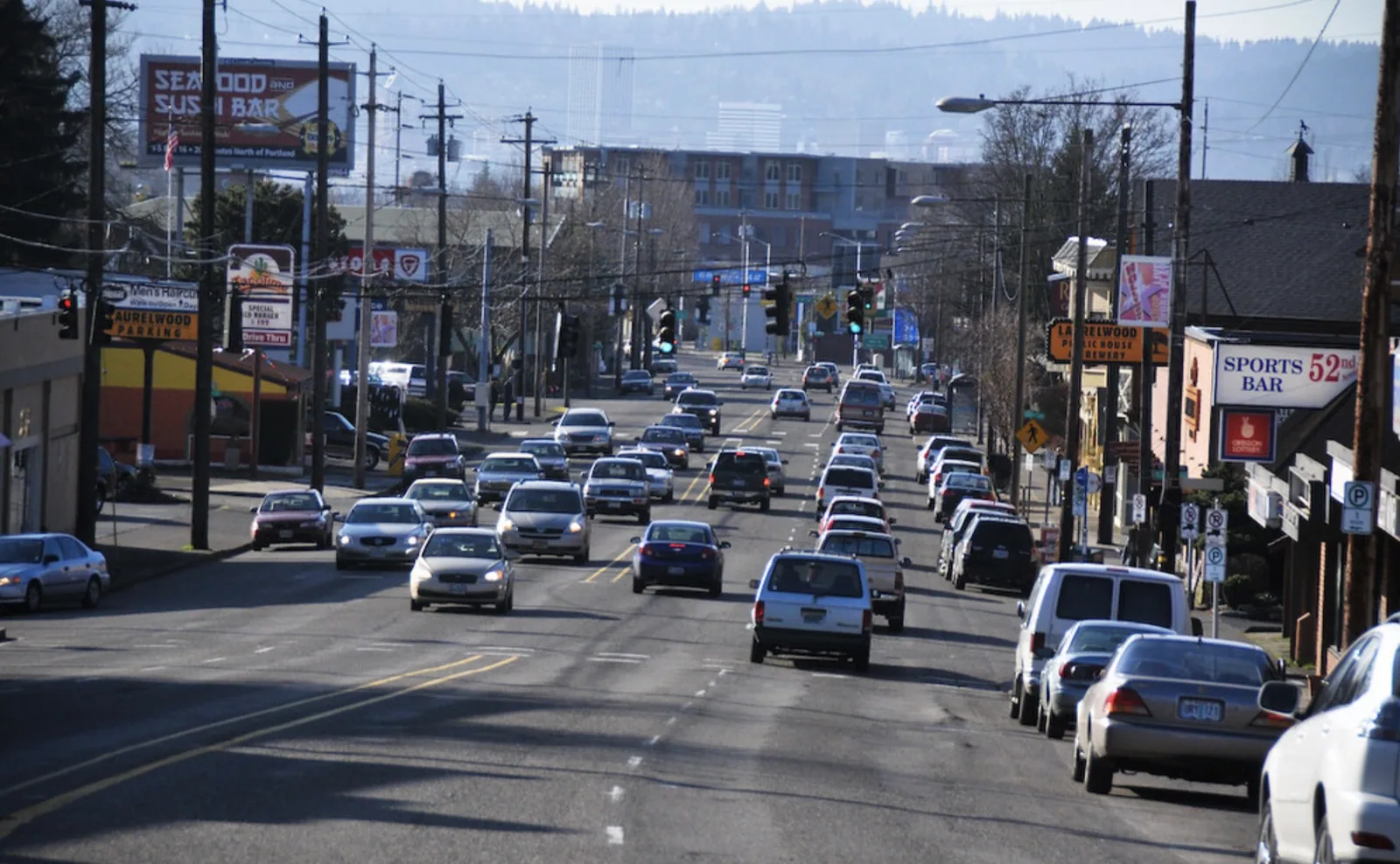
The Sandy Boulevard freight route and I-84 connect employment areas near Gresham, while individual operators manage their own yards. A preventive maintenance visit can clear ordinary debris and identify roof work to schedule before the wet season. The operator can use the report to align maintenance with lower-volume periods.
What should a logistics manager share?
Provide roof plans, leak locations by bay, inventory concerns, yard and dock schedules, access rules, equipment work orders, and a contact who can approve a route change. Identify whether the request is for leak response, maintenance, or capital planning. We will inspect the roof and define a practical work boundary. Schedule a roof walk so dispatch and facilities staff can coordinate the visit. We also note which dock doors, inventory rows, and truck paths depend on the affected roof zone, so the repair sequence can protect goods without blocking receiving.
Logistics and 3PL Operators FAQs
-
Can warehouse operations continue during roof repairs?
Often, with a defined work zone and approved dock or yard routes. The operator decides which areas can remain active and what notice dispatch needs.
-
How do you protect inventory below a leak?
The operator identifies vulnerable storage and manages relocation under its facility procedures. We inspect the roof, protect the opening, and define permanent repair work.
-
Can roof replacement be phased by dock bay?
Phasing may follow bay or roof-zone boundaries when tie-ins permit. The schedule should include lift routes, loading access, temporary protection, and a daily close.
-
What should we record after a roof leak?
Note the bay or grid, time, weather, inventory affected, and recent contractor work. Those details help relate the interior report to the roof plan.
-
How often should logistics roofs be inspected?
Use the roof system guidance, current condition, repair history, and operating schedule. A review after rooftop equipment work can confirm that disturbed flashings are complete.
Related Roofing Work
Sandy Boulevard East County Corridor
Learn More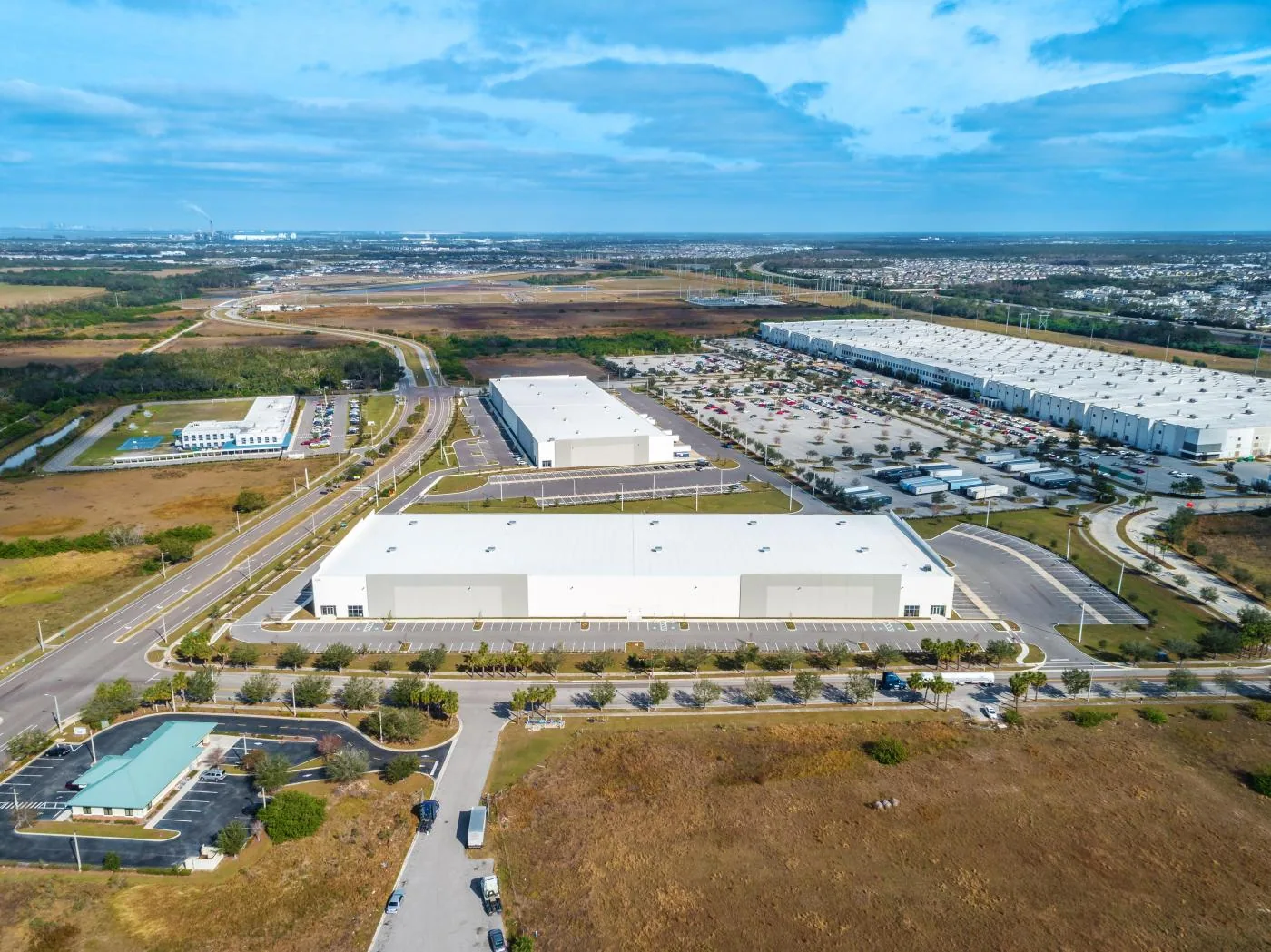
Southshore Corporate Park
Learn More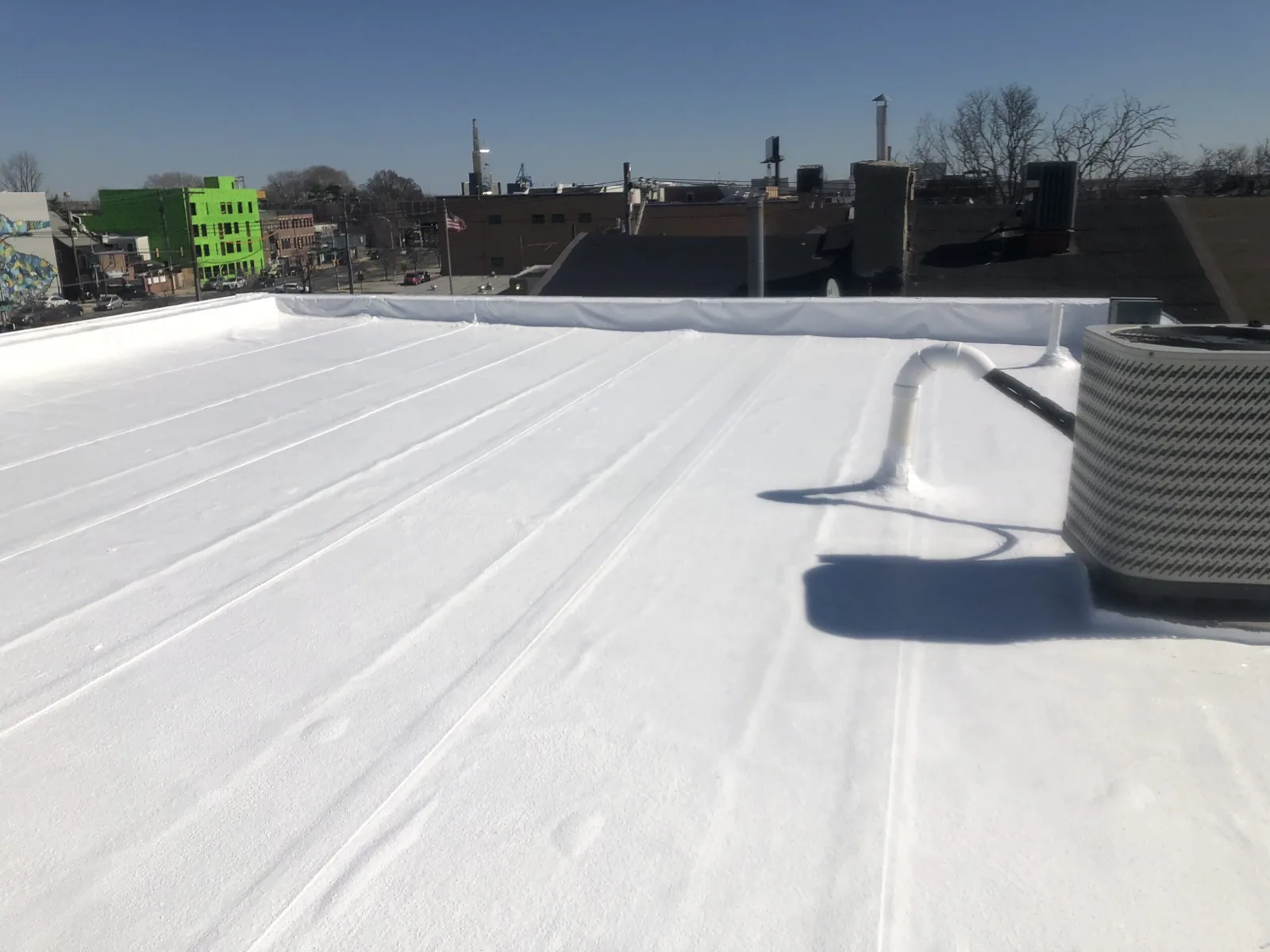
Commercial Roof Inspection
Learn More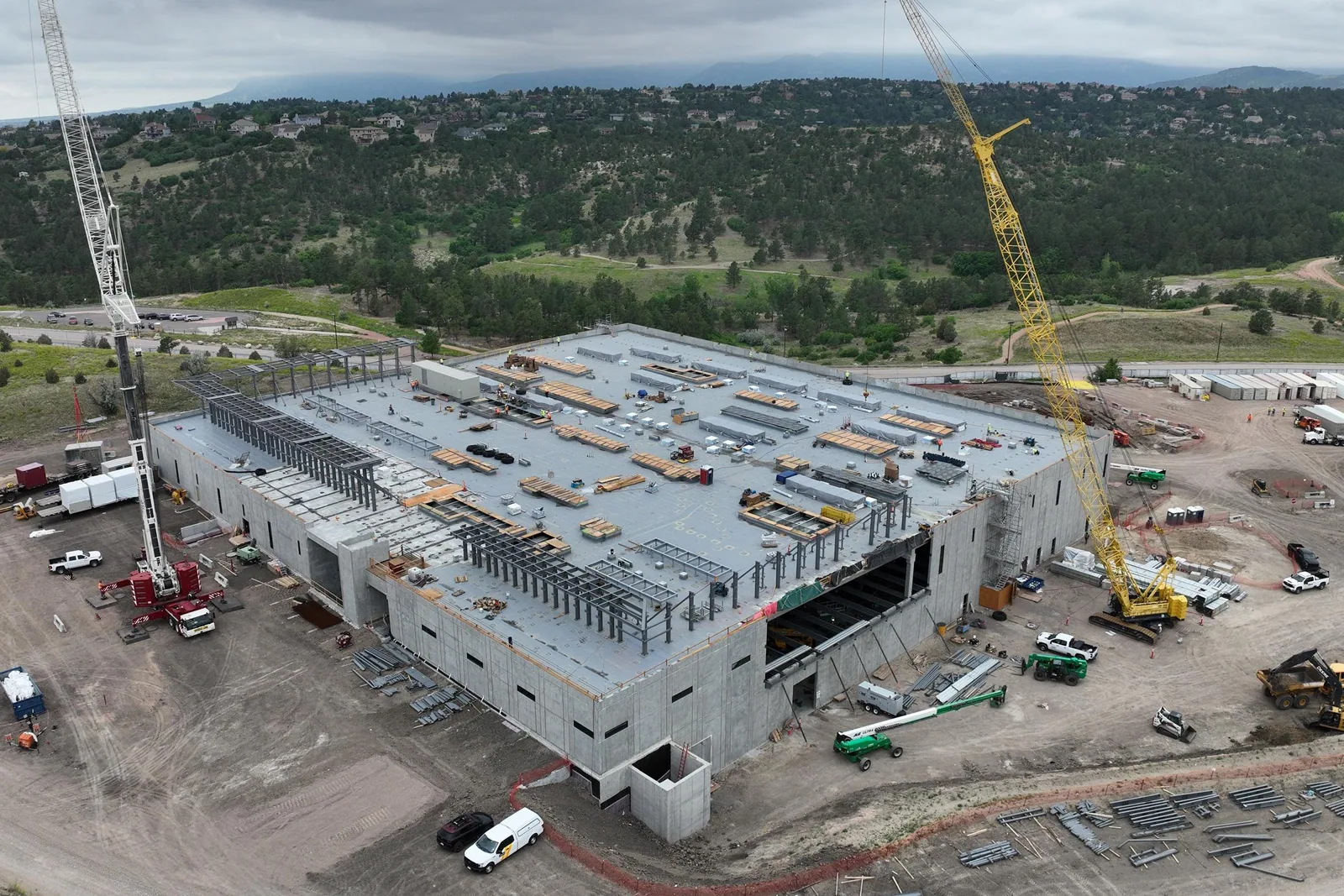
Manufacturers
Learn More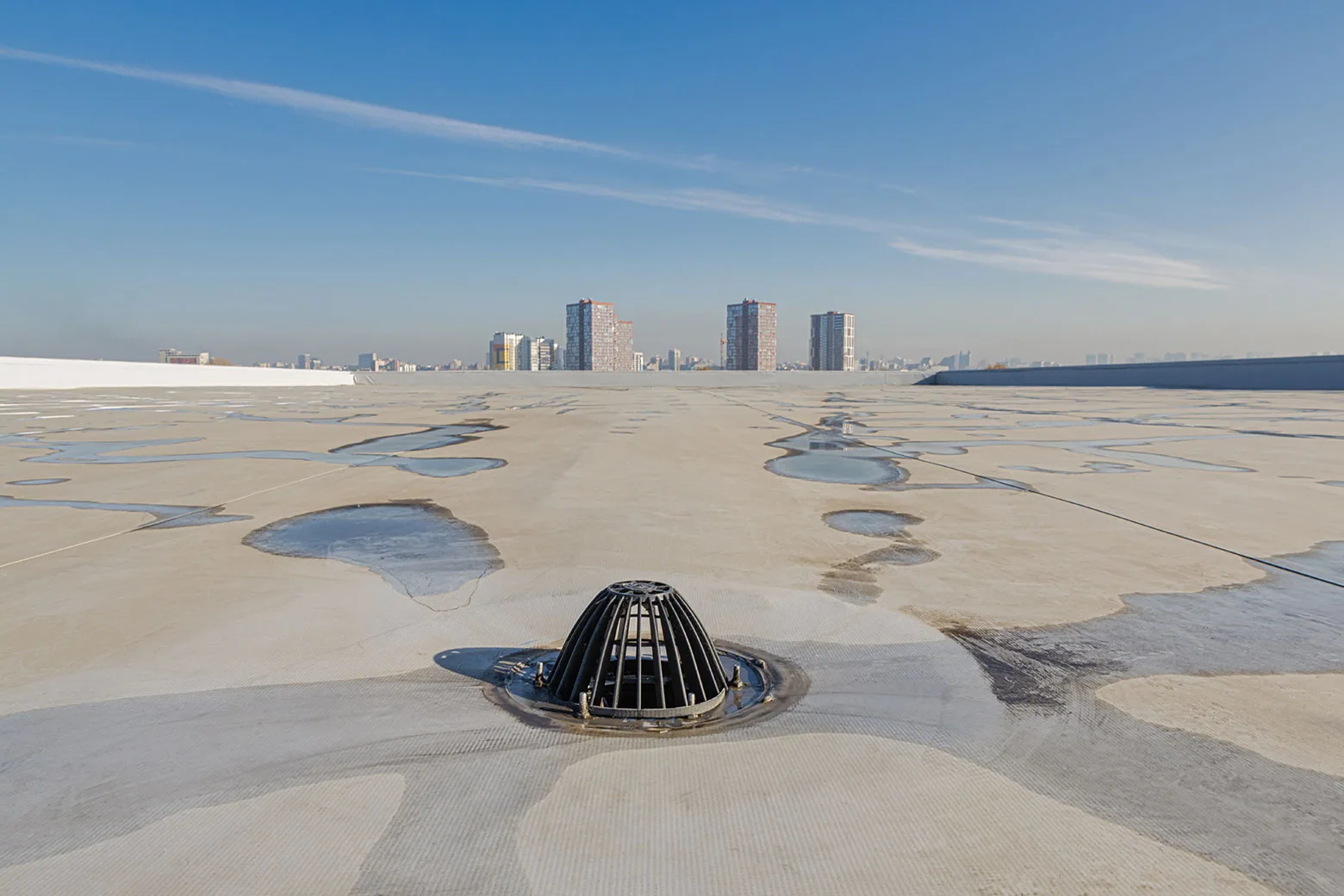
Commercial Roof Drains and Scuppers
Learn More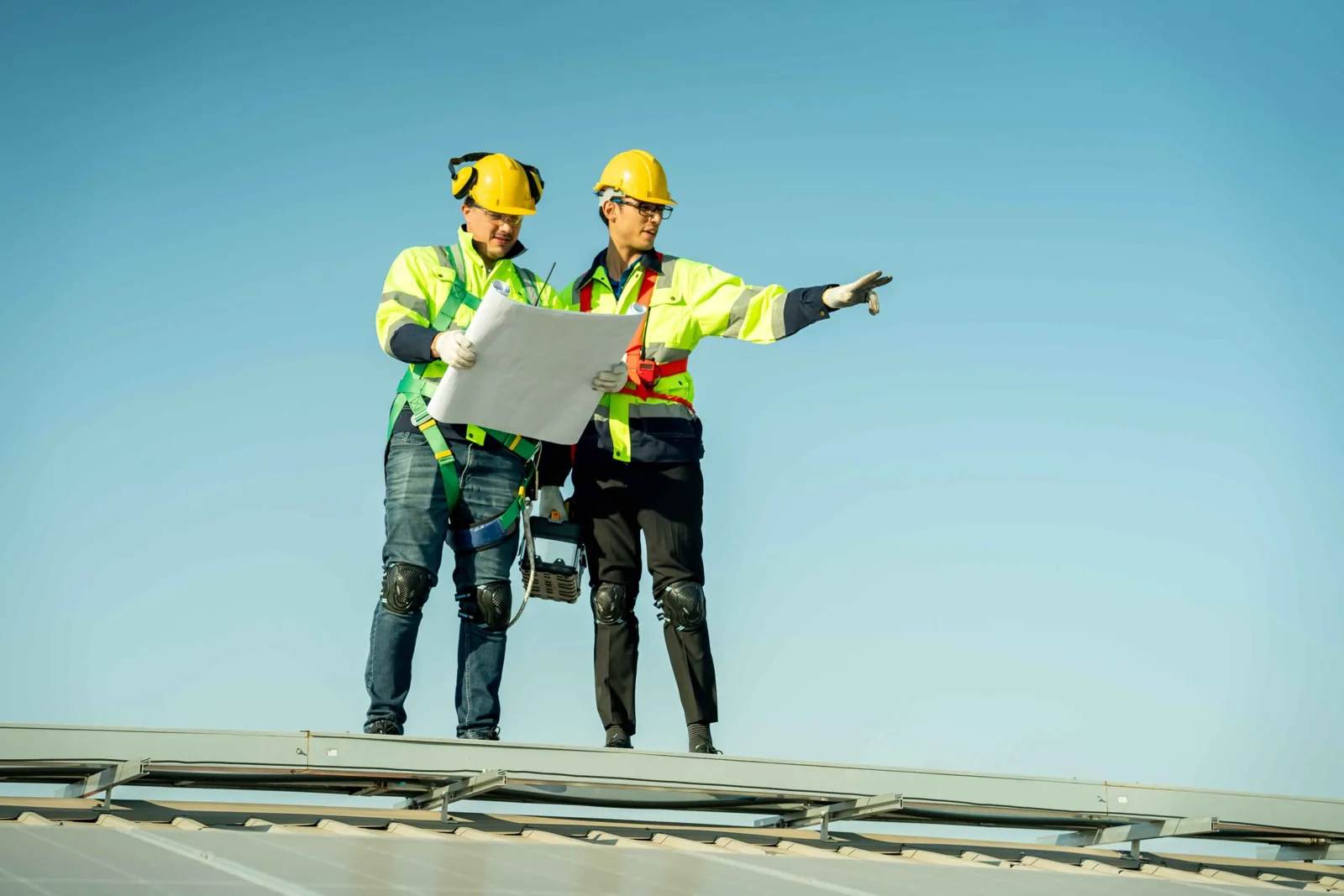
Commercial Roof Condition Reports
Learn MoreCoordinate a warehouse roof walk
Request a roof assessment in Gresham
We will plan around dock access, inspect the roof and drainage, and prepare repair or replacement work that fits your freight operation. Tell us about the building, the roof and what you are seeing. Call 555-555-5555, email [email protected] or send the details through our contact page and we will set up a time to walk the roof.