Commercial Roofing in Fairview, OR
Arrange a roof inspection in Fairview
- Home
- Service Areas
- Fairview
Fairview has both commercial centers and industrial employment land. The commercial core follows Halsey Street and 223rd Avenue and connects with Wood Village's regional town center. Industrial targets include food products and specialty machine shops. Those uses call for different roof-access questions, so we start with the building and its current operation. We inspect the roof assembly, drains, seams, flashing, edges, and penetrations, then ask what must remain open below. A repair at a customer-facing property may need a different work window than a service area above production. When an owner also manages a site in Wood Village, each roof gets its own condition record and access plan.
Fit roof work to the property schedule
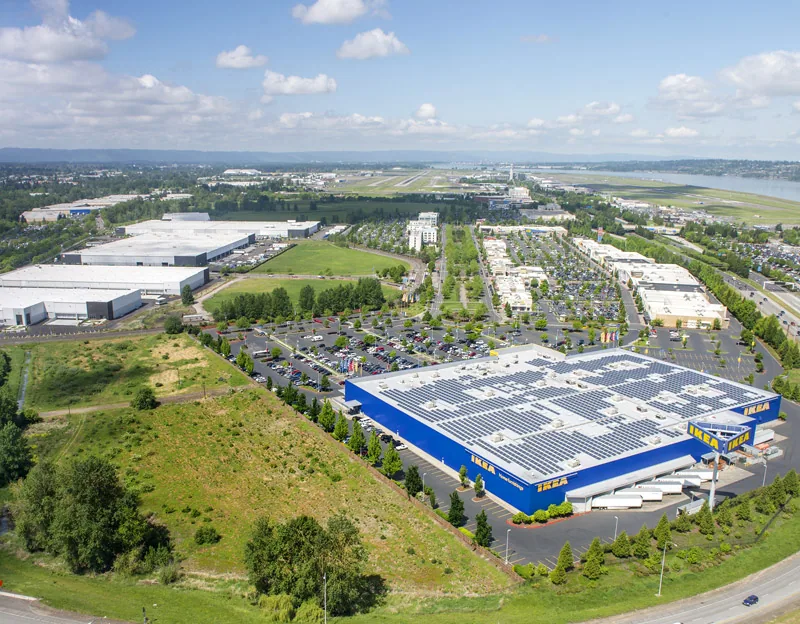
Commercial and employment uses share Fairview, but a citywide land-use label does not reveal a building's hours, loading route, or rooftop equipment. We confirm the operating schedule with the facility contact before planning delivery and roof access. If a production line, kitchen, or temperature-sensitive area must stay active, we identify the exhaust and intake locations and coordinate any necessary isolation with the authorized contact.
Regional road connections place Fairview within the east-county business network. The property contact confirms the approved delivery and roof-access route at each site. We check staging, lift placement, access controls, and pedestrian separation at the property. Materials should arrive when the receiving area can accept them, and the work zone should not block emergency routes or day-to-day deliveries.
Owners with activity near Sandy Boulevard's east-county corridor may coordinate work with freight schedules, while a building in the Troutdale Town Center may have a more customer-facing access pattern. We confirm the building's approved staging area instead of carrying an access assumption from another property.
Check the full path from roof to interior
A leak can travel before it shows indoors. Water may move along insulation, deck joints, framing, or a conduit and appear far from the roof opening. We compare the reported room and timing with drains, seams, wall transitions, curbs, and penetrations above. Each observation is tied to a roof zone so a later repair can return to the right location.
We inspect the membrane surface and field seams, but the perimeter and penetrations need equal attention. Loose flashing, a split lap, a blocked outlet, or a damaged curb corner can admit water. We note prior patches and check whether surrounding material is still attached. If the roof has layers that conceal moisture, the visible surface may not answer the full question. A test opening or infrared moisture survey can be proposed when it would change the scope; the owner approves the test and closure plan.
Freezing nights can shift the start of adhesive or welding work. We check the actual membrane and substrate before bonding or welding, then follow the selected product’s temperature limits.
A commercial inspection records accessible conditions and repair priorities. An active leak can be traced under a leak-repair assessment with photos and a defined work limit.
Choose a scope that fits what the roof shows
A single puncture, loose edge, or failed flashing can support a targeted repair when the surrounding assembly remains suitable. We identify the existing material and prepare a compatible detail. The work description names the roof area and states what is outside the repair, so a localized correction is not mistaken for a full-system renewal.
Recurring leaks across multiple zones, wet insulation, widespread seam failure, or poor attachment can lead to a broader review. A recover is considered only after checking moisture, adhesion, surface condition, drainage, and added height at curbs and parapets. If hidden layers are not suitable to remain, replacement may require selective or full removal. We explain the findings before recommending a method.
Commercial roof repair addresses confirmed defects. A replacement evaluation compares tear-off, insulation, disposal, drainage improvements, and phasing around business hours. Timing and cost are shaped by measured area, roof-layer count, detail density, material access, protection below, and any required shutdown. Concealed conditions are documented if removal reveals something different from the survey.
Give rain a reliable route off the roof
Fairview’s wet-season roof planning begins at the drains, scuppers, overflow paths, and low areas. Rain is most frequent from fall through spring. We inspect those details at the property and note debris, ponding, open seams, and water marks.
At each curb, skylight, pipe support, and wall transition, we look for a continuous tie-in from the field membrane into the flashing. Changes in equipment or rooftop traffic can affect a detail after the last inspection. We ask whether another trade recently moved units or added penetrations. Where repair history exists, we compare it with the present condition and mark whether a prior patch remains intact.
Fairview's commercial center links with Wood Village; its industrial lands also relate to the broader I-84 network. Neither fact establishes a roof type. For a low-slope membrane, a TPO review may help frame the system-specific seam and flashing questions, but we verify the installed product before setting a repair method.
Leave clear next steps for the property team
After inspection or repair, the file should identify the roof zone, observed defect, work completed, and limits that remain. Photos need enough context to find a drain, curb, seam, or edge at a later visit. We note accessible and inaccessible areas separately. If a test opening exposed wet insulation or unexpected layers, the report records where it was opened and how it was closed.
That detail helps a facility director hand work to another manager without losing the condition history. Our roof condition report can organize findings by roof zone and include photos, follow-up items, and access constraints. A maintenance visit can revisit drains, flashings, seams, and edge metal before the next wet season.
For property owners with buildings near Southshore Corporate Park or Fairview's linked commercial center, a common report format makes portfolio review easier. The records still belong to each building. Update them after a reroof, equipment relocation, or new penetration so future repair decisions are based on the current roof rather than an old drawing.
Near Halsey Street and 223rd Avenue, we first confirm the property identity and the operator responsible for roof access. Fairview's plans connect its commercial center with Wood Village and identify food products and specialty machine shops among industrial targets. Those descriptions help place a request; they do not establish the current tenant or roof assembly. During the site walk, we record the use confirmed by the contact, delivery windows, and equipment-service routes before estimating protection or staging needs.
Fairview FAQs
-
Do you work on both commercial and industrial roofs in Fairview?
Yes. We inspect each building's actual roof system and operating needs. Land-use plans help frame the local context but do not tell us the roof type or condition at a particular property.
-
Can roof work be coordinated around food production or machinery?
The facility contact identifies operating hours, intake and exhaust points, delivery paths, and any required shutdown. We sequence access and temporary protection around those limits.
-
What should I do when a leak appears inside?
Record the room and time, protect contents, and note recent roof or equipment work. We compare the interior evidence with roof details above and nearby before defining a repair.
-
How does Fairview's rainy season affect scheduling?
Scheduling follows the current forecast and actual roof conditions. We set a daily limit for exposed work and define how the area will be protected before crews begin.
-
Can you inspect the roof before a planned replacement?
Before a replacement, we can document the existing assembly, visible defects, drainage, and access, then identify testing that could change the recommendation. Those findings help compare repair, recover, and removal options.
Related Roofing Work
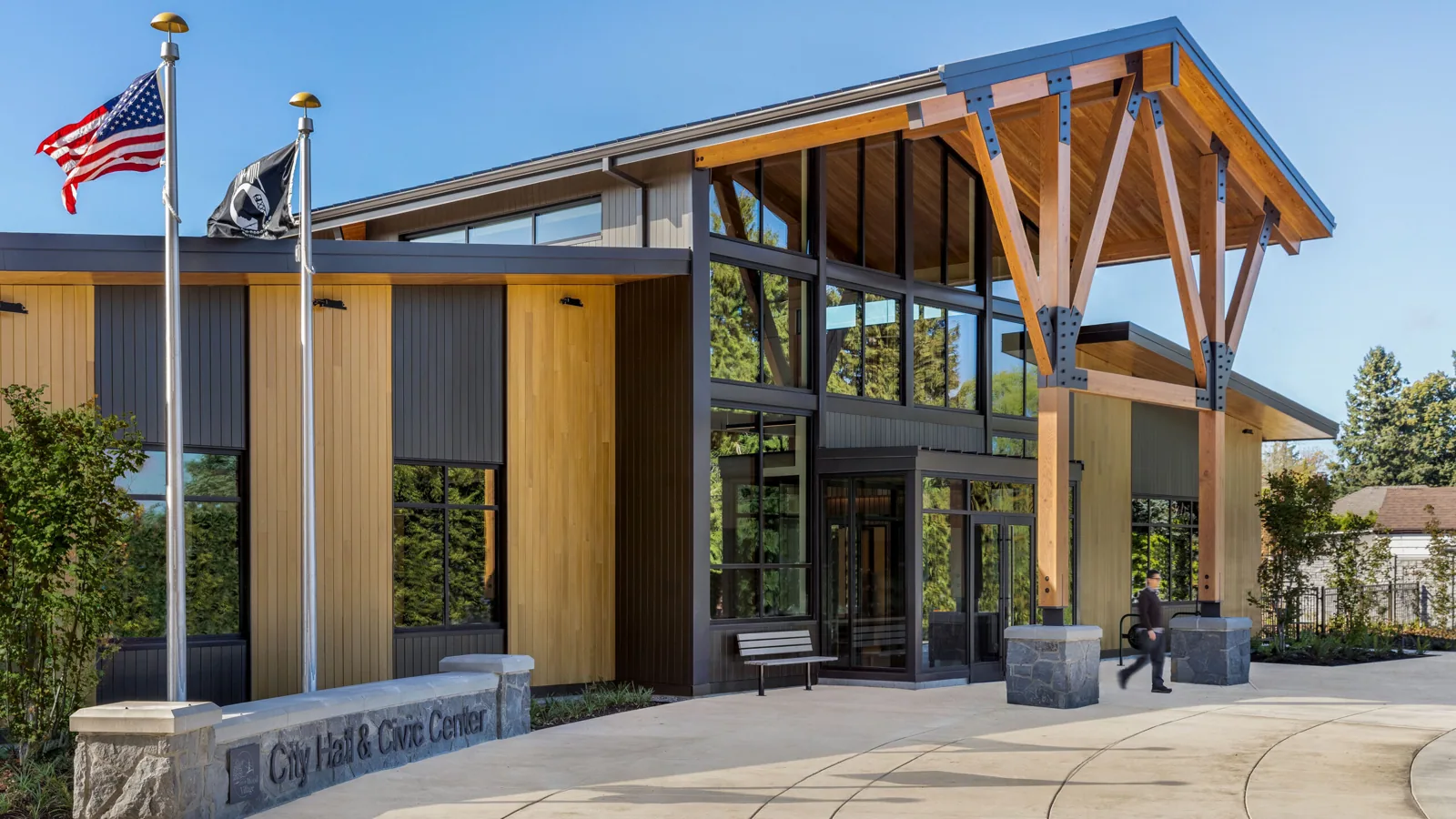
Wood Village
Learn More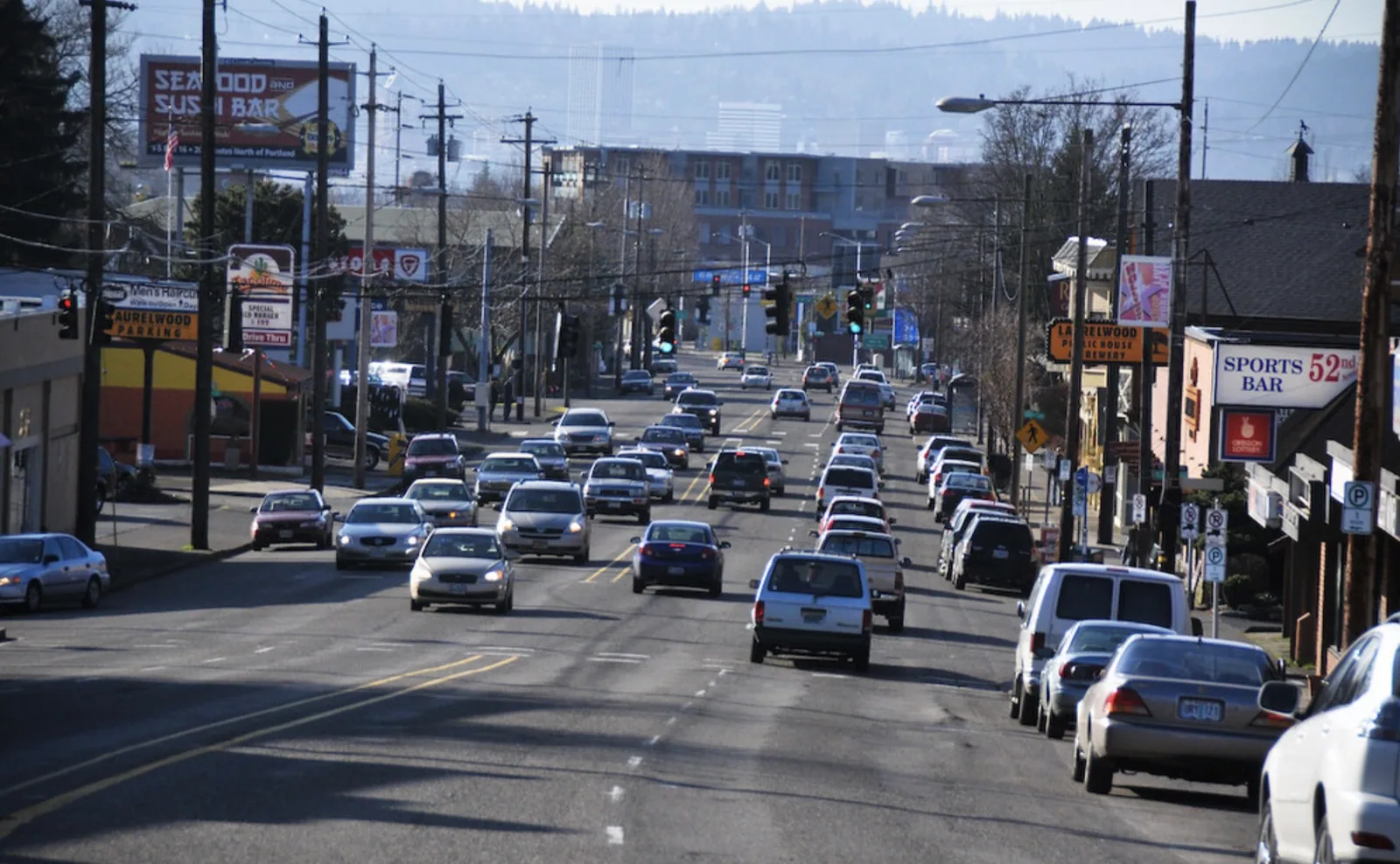
Sandy Boulevard East County Corridor
Learn More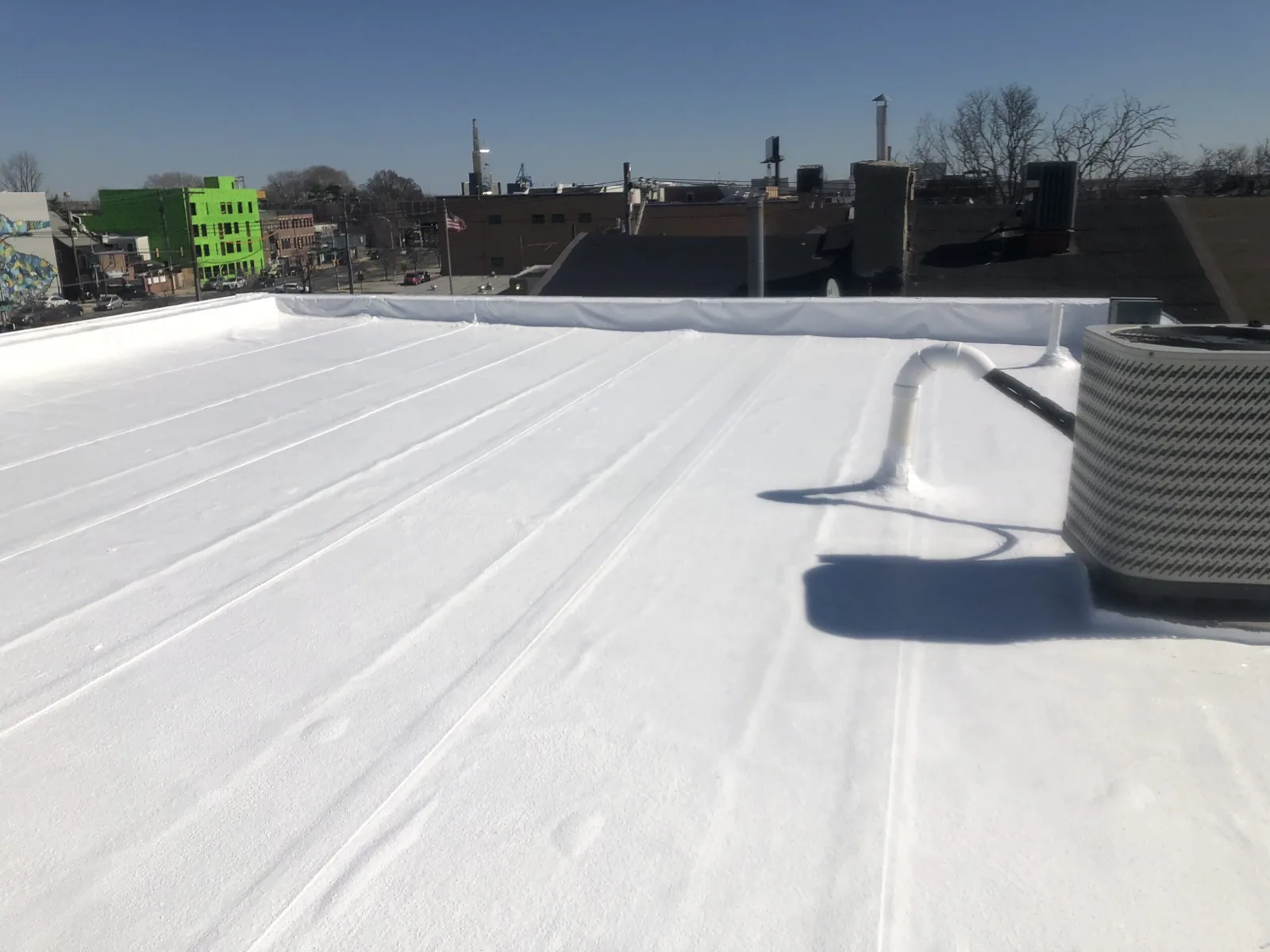
Commercial Roof Inspection
Learn More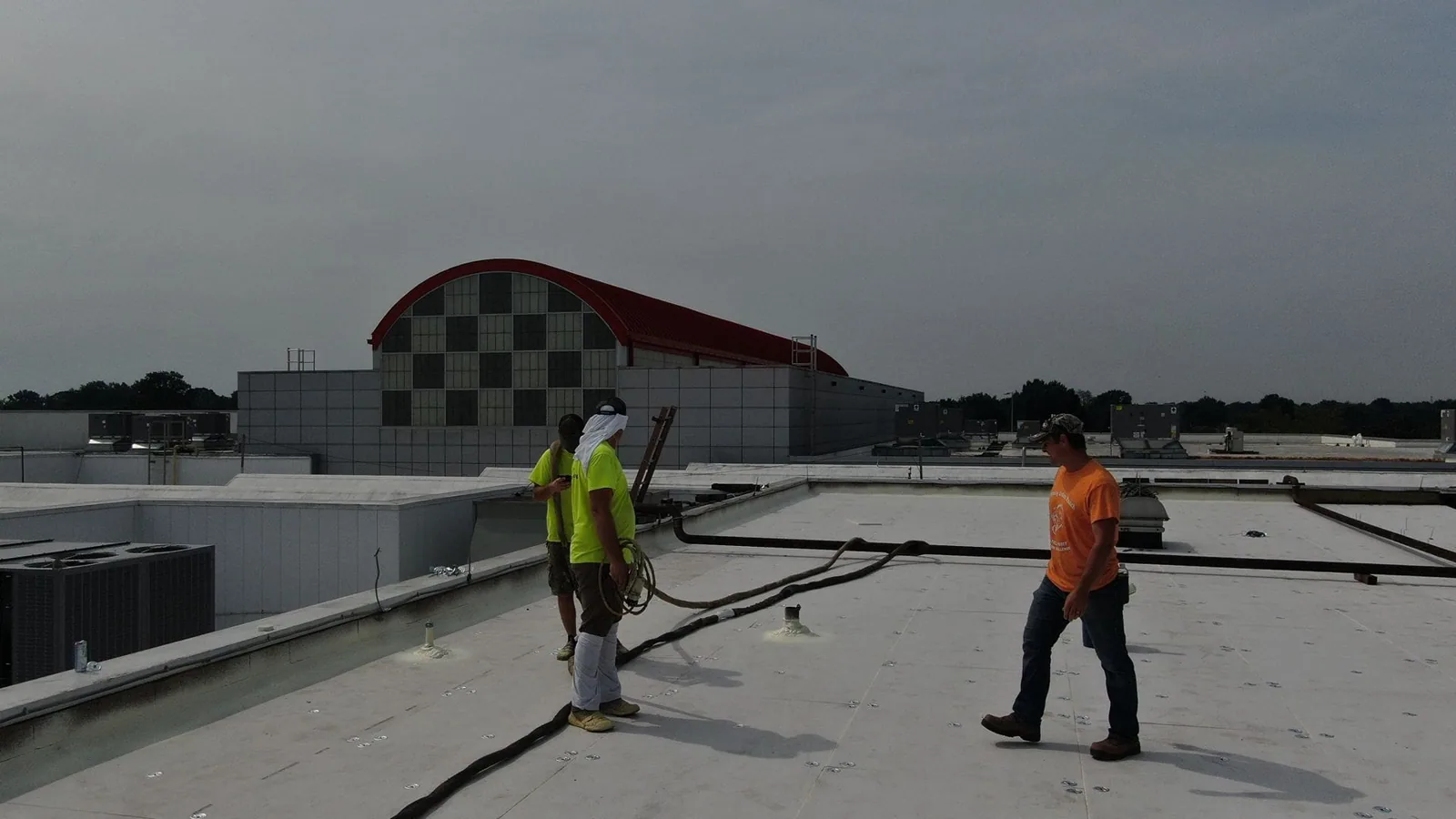
Commercial Roof Leak Repair
Learn More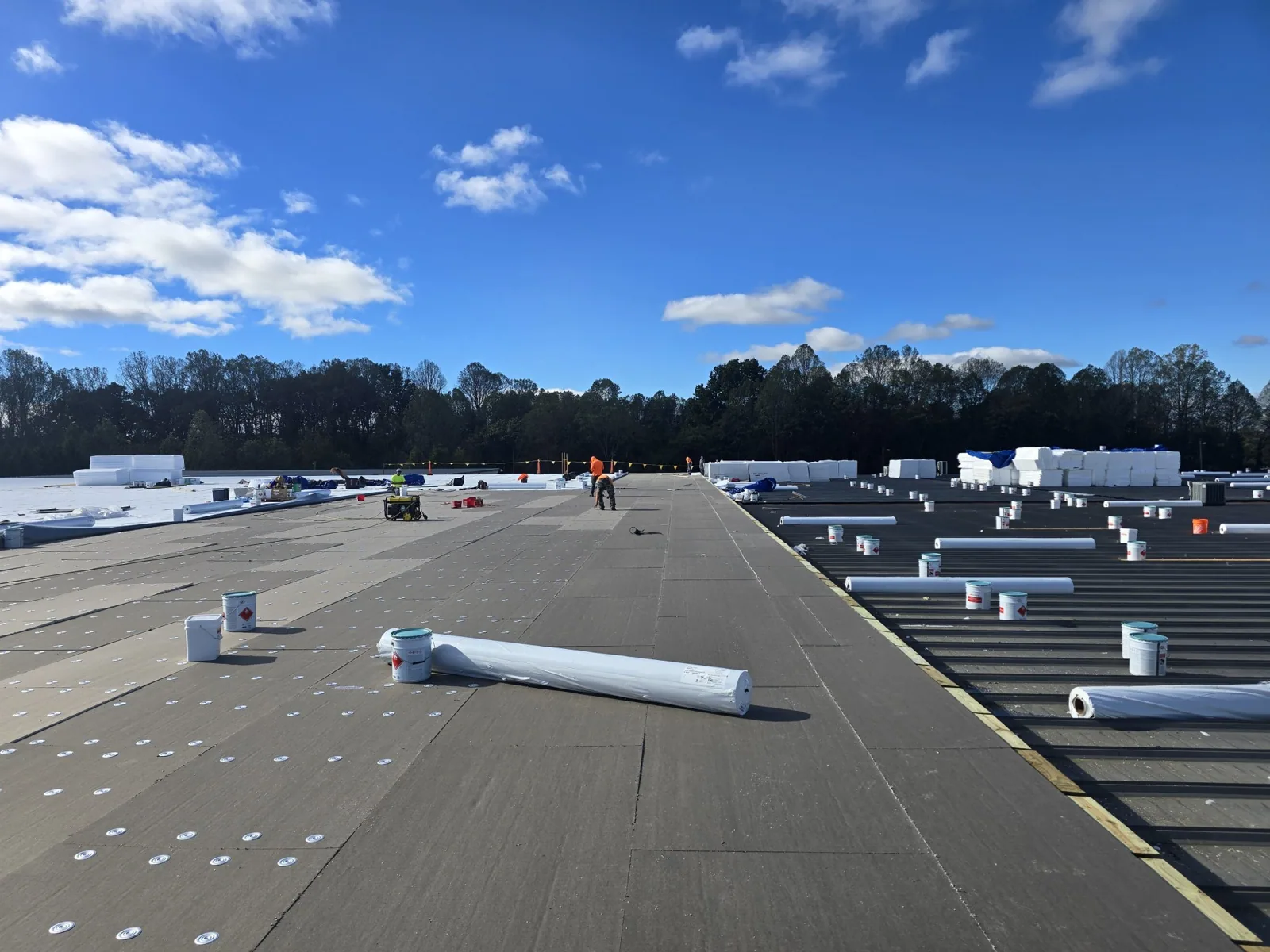
Commercial Roof Repair
Learn More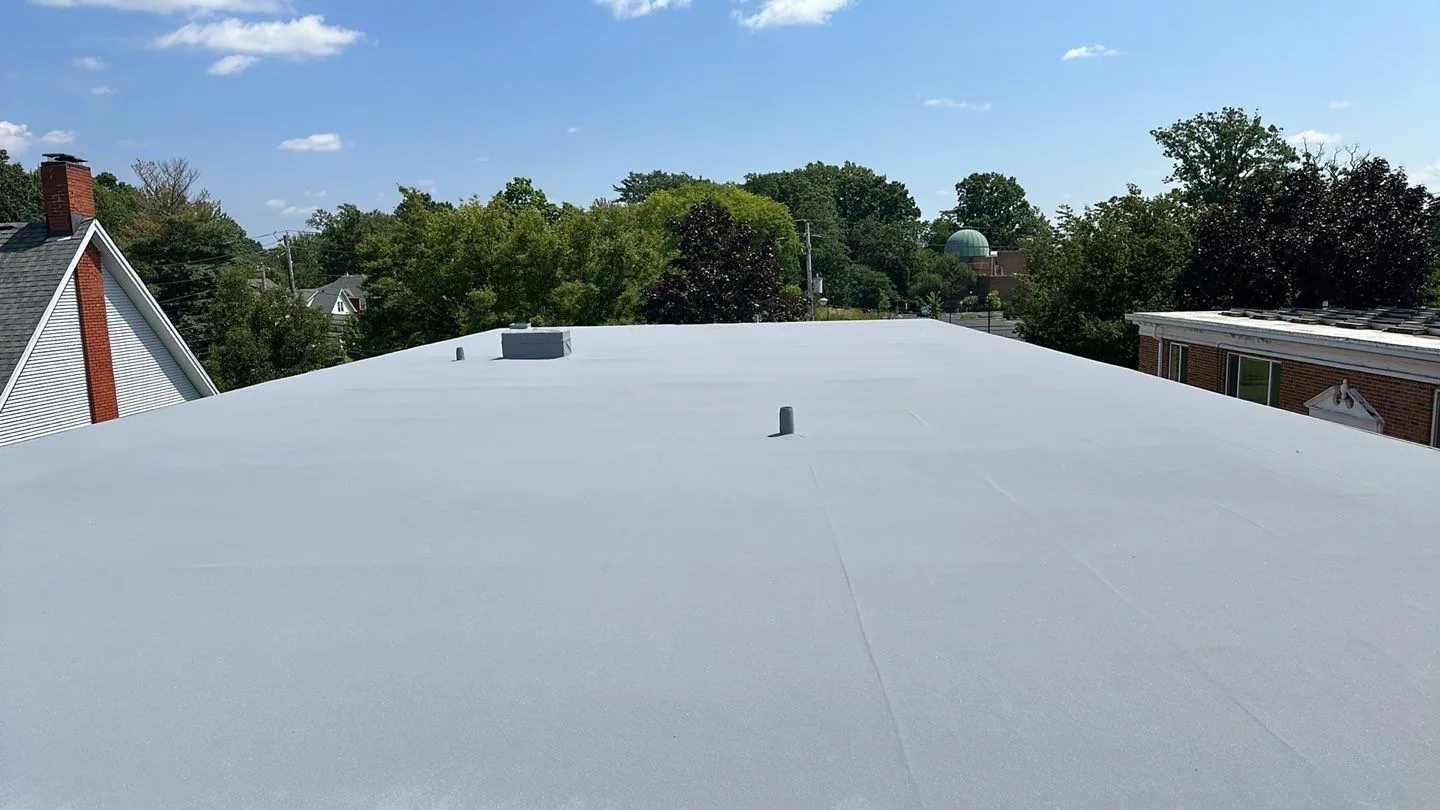
Commercial Roof Replacement
Learn MoreArrange a roof inspection in Fairview
Request a roof assessment in Gresham
We will review the building's roof condition and operating needs, then prepare a practical repair or replacement scope with clear next steps. Tell us about the building, the roof and what you are seeing. Call 555-555-5555, email [email protected] or send the details through our contact page and we will set up a time to walk the roof.