Commercial Roof Replacement in Gresham, OR
Schedule a roof replacement walk
- Home
- Commercial Roofing Services
- Commercial Roof Replacement
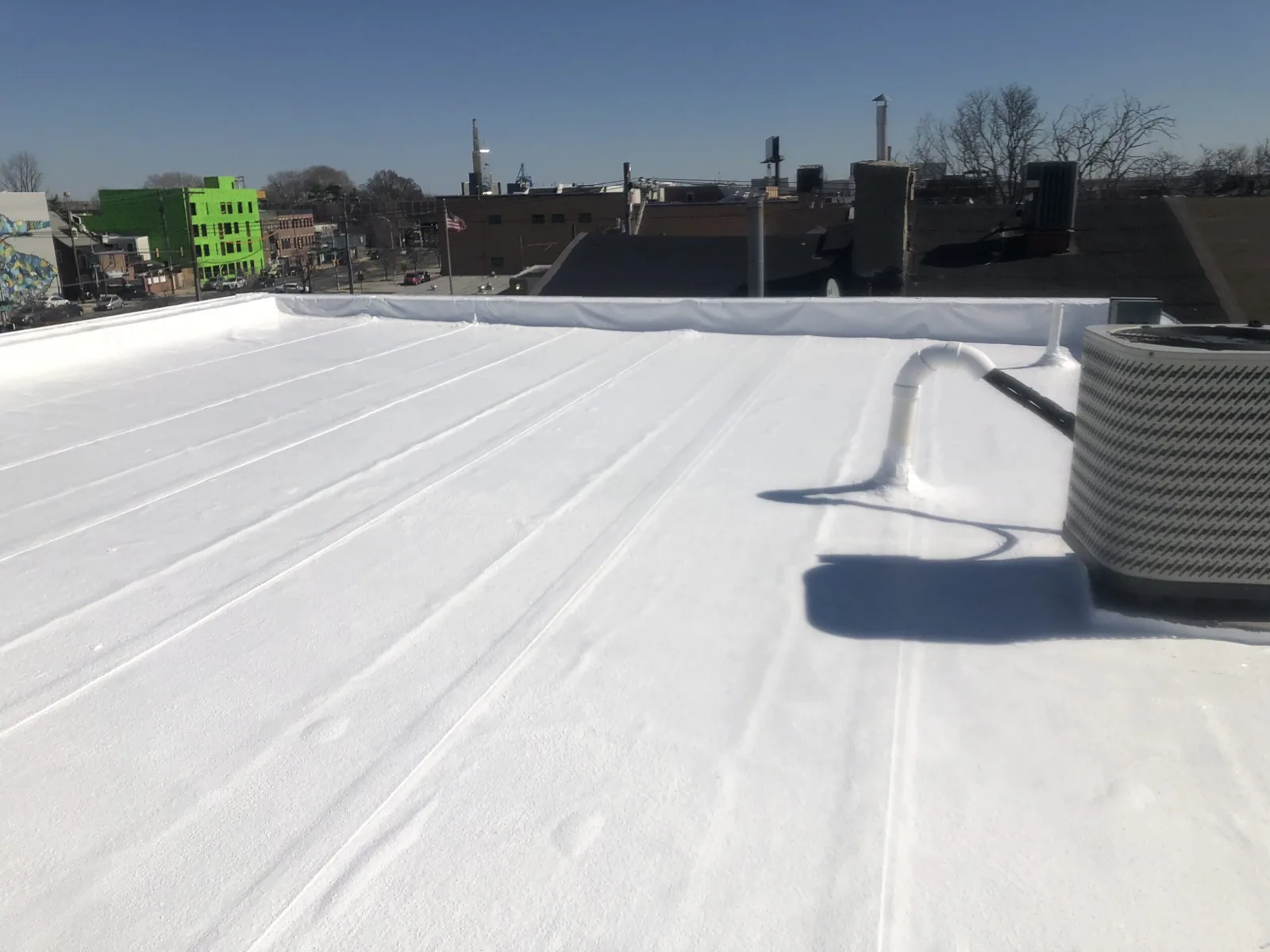
A production line cannot pause because a roof reached the end of its service life. The replacement plan must account for the work below, equipment above, and available weather window. Gresham industrial properties support food processing, electronics, machinery, and distribution. We inspect the existing assembly, record conditions that affect the decision, and sequence work around facility access and occupied hours. Replacement may mean removing the roof to the deck or, where assembly and code allow, installing a new roof above it. The options differ in weight, insulation, drainage, and future maintenance. A commercial roof inspection records the membrane, drains, equipment interfaces, and concealed-condition questions. We then compare the findings with a recover option and a tear-off scope.
What does the existing assembly tell us?
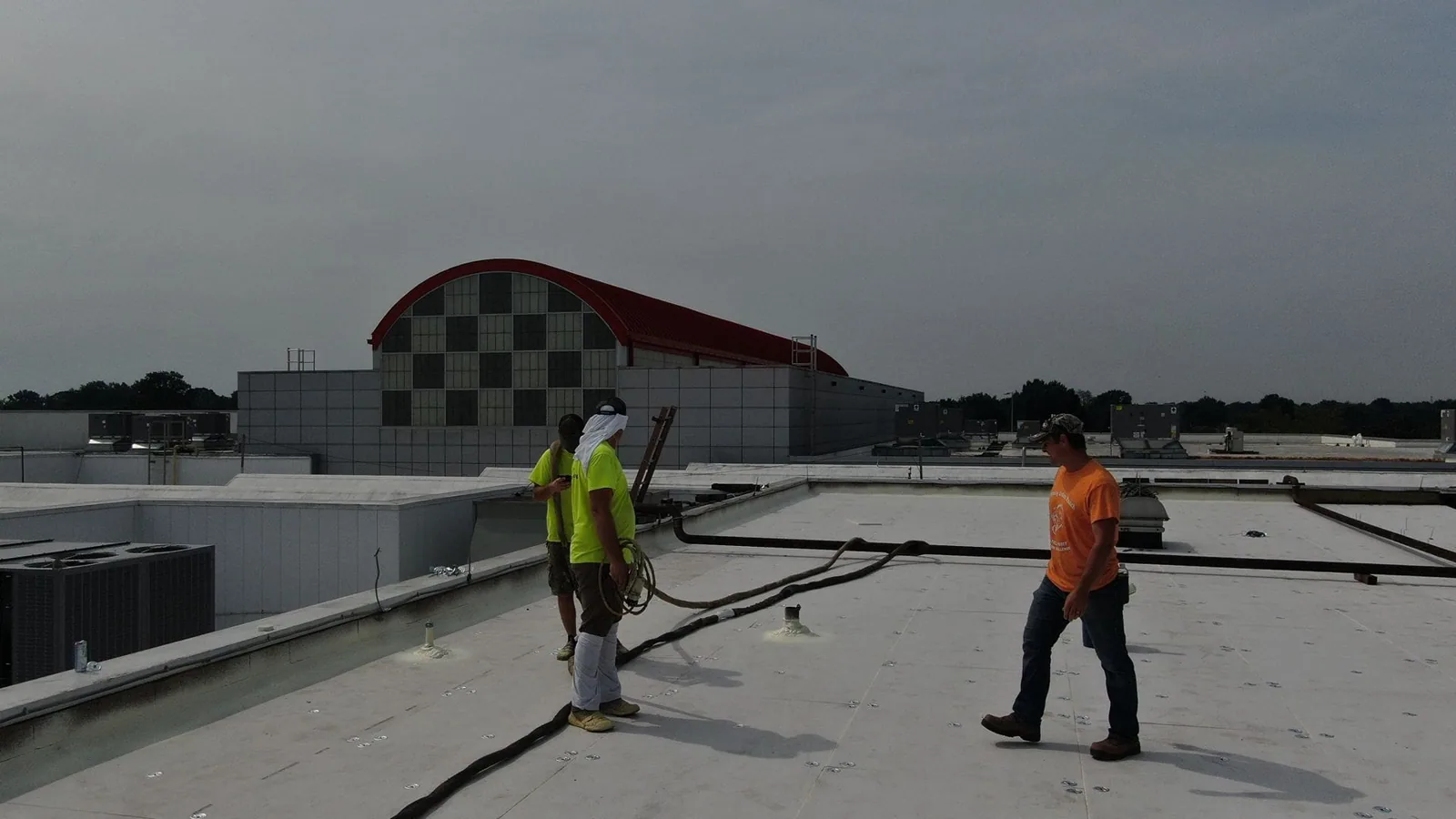
At the roof edge, a loose termination can be easy to spot. The harder question is whether water has traveled beneath the membrane or into insulation that still looks intact from above. We check seams, penetrations, drain bowls, curbs, edge metal, and prior repair areas, then connect those observations to the roof's layers. A moisture survey may help map wet areas, but it does not replace openings where the assembly needs confirmation. The findings separate a localized repair from a system-wide condition that supports replacement.
Gresham's industrial lands include manufacturing and processing uses alongside distribution and high-tech production. That mix means a roof decision may affect clean operations, inventory, sensitive equipment, or a loading schedule. The building's use does not tell us what the roof is made of, so we verify the assembly directly. We document deck type where visible, membrane condition, insulation transitions, drainage, and rooftop equipment interfaces. A written condition report gives the facility a usable record: what was observed, where it occurs, and which items need action before the replacement scope is set.
Can a recover work, or does the roof need removal?
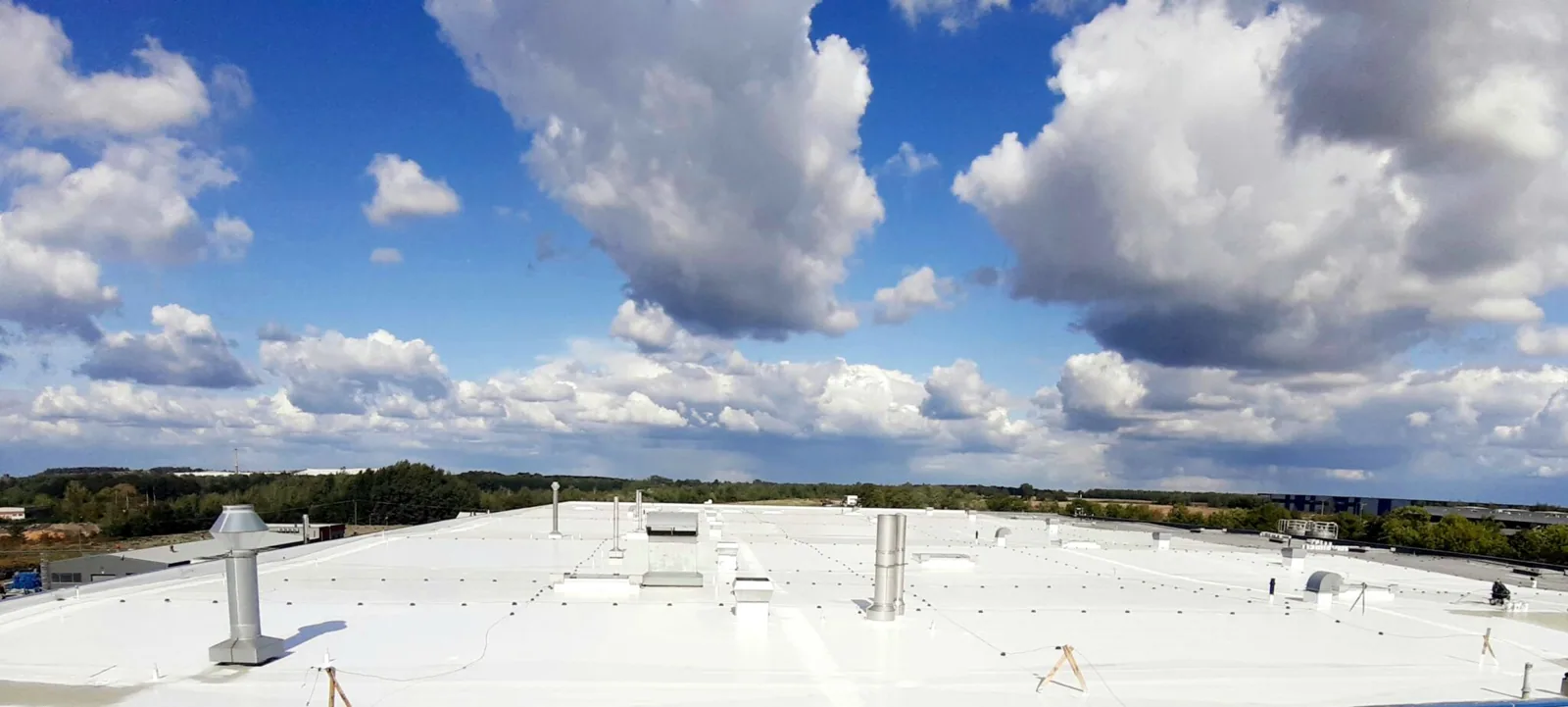
A recover leaves the existing roof in place and installs a new system above it. It can reduce tear-off work, but only when the existing layers are suitable, moisture conditions are acceptable, attachment can be designed, and local code allows the assembly. Added weight, trapped moisture, deck condition, drainage height, and existing layers all matter. If wet insulation or deterioration is widespread, covering it can preserve the problem below the new surface. We explain the limits and check the conditions before recommending a roof recover overlay.
Removal exposes the deck and makes it possible to replace damaged insulation or address concealed conditions before installing the new roof. That work can create more debris, noise, and exposure to weather, so the sequence needs deliberate staging. The scope should identify what happens if crews uncover deteriorated deck, saturated insulation, or hidden transitions that were not visible during the initial walk. We define how those conditions are documented and priced before production begins. Owners can compare a recover and a tear-off using the same facts instead of treating the lower-disruption option as automatically suitable.
Where does a replacement scope need extra detail?
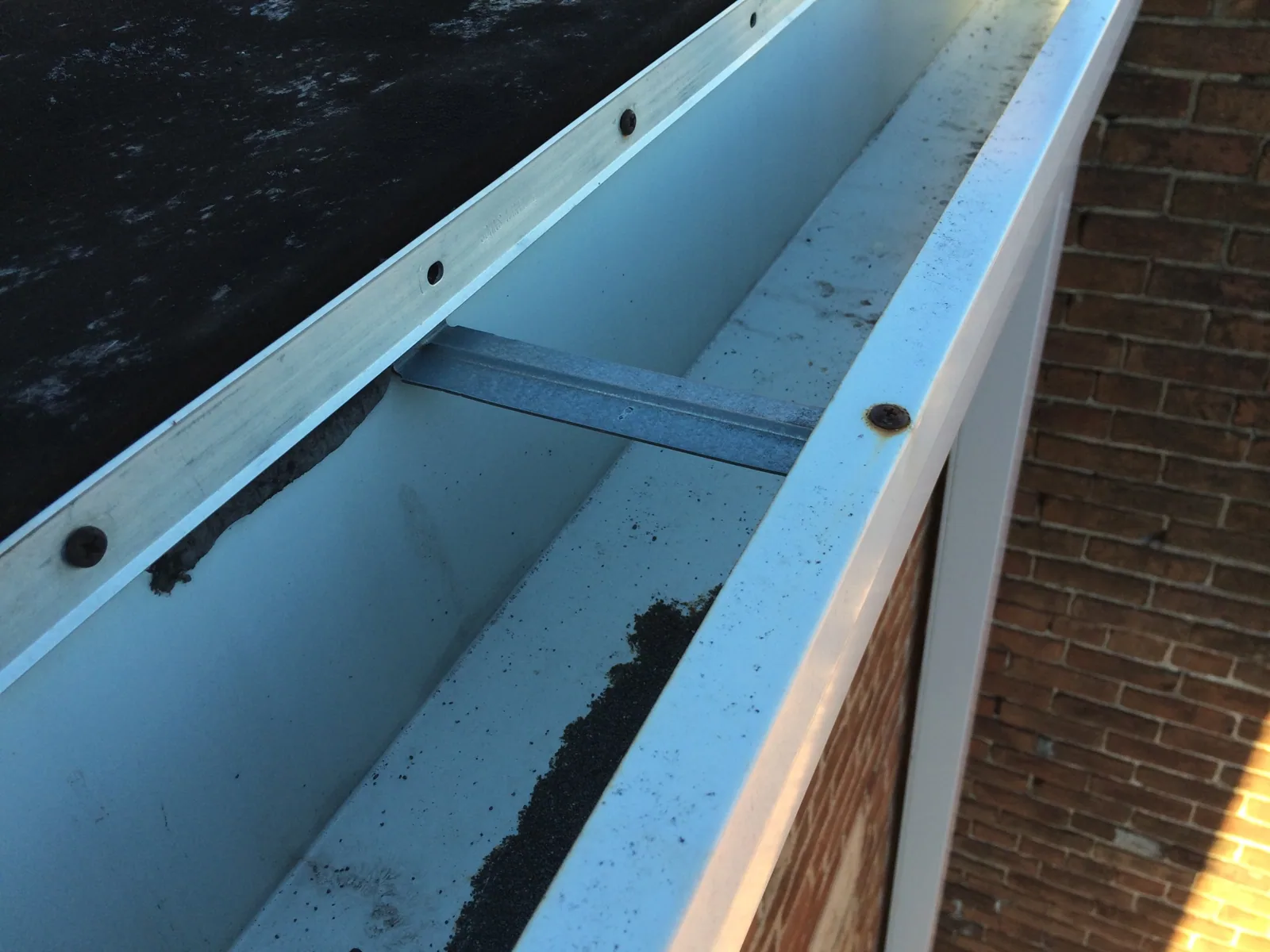
Most avoidable trouble starts at transitions, not in the broad field of membrane. Drains, scuppers, curbs, pipes, parapets, expansion joints, and rooftop equipment all interrupt a roof system. A TPO system also needs compatible transitions at those points. Each transition needs a compatible flashing detail, secure attachment, and a path for water to move off the roof. We record the locations and dimensions that influence the work, including equipment supports and penetrations that may need to be raised or reset. A scope that says only “install new membrane” leaves too much unresolved for the crew and facility.
Drainage deserves its own review in a wet-season market. Gresham’s wet season runs from fall through spring, making the drain bowl, slope, overflow path, and low points important parts of the inspection. A replacement can correct some drainage conditions when the design allows it. It cannot make standing water disappear if the deck shape or outlet elevations remain unaddressed.
How can the work fit an operating facility?
Work sequencing starts with access. We identify where crews and materials can enter, which equipment routes must stay clear, where lifts or staging can operate, and which areas require escorts or coordination with building staff. At Southshore Corporate Park, manufacturing, distribution, processing, and high-tech uses share the I-84 south-shore industrial corridor. Gresham Vista Business Park includes manufacturing and industrial businesses, so its roof-access planning still depends on each facility. That context makes freight movements and neighboring operations relevant to planning, but each facility needs its own access review. We do not assume one park-wide schedule or that a neighboring site has the same restrictions.
The roof is divided into manageable work zones. Each zone needs a daily opening and a watertight close, with the sequence adjusted to forecast conditions and the building's operations. We coordinate loud or disruptive work, rooftop-unit shutdowns, crane picks, and any temporary protection with the people responsible for the facility. If an occupied area sits below a work zone, the plan must say how debris, vibration, odors, and interior access are handled. A schedule that works for roofing production but disrupts production below is not a complete schedule.
For a complex or multi-building program, a roof program with shared reporting can keep priorities and project records aligned across facilities. For a single building, a simple sequence may be enough: prepare access, remove or prepare the existing assembly, correct deck and insulation conditions, install the selected roof, inspect details, and close out the record. The facility director should know who approves each work zone and what conditions trigger a pause. That keeps the next operating window visible before a crew reaches the roof.
What should the owner compare before approving?
Compare the roof options as complete assemblies. The proposal should identify removal or recover assumptions, membrane and insulation configuration, cover board, attachment, flashings, edge work, drainage changes, equipment transitions, disposal, and protection of occupied areas. It should also state what the crew will do when concealed conditions differ from the inspection. Those details explain why two replacement numbers can differ without relying on a vague material label. Our roof capital planning work helps organize condition, timing, and scope decisions when the project must fit a broader facilities budget.
Timing depends on more than the roof area. Permitting, material lead times, access restrictions, equipment shutdowns, weather exposure, and concealed deck repairs can change the sequence. Freezing nights can affect adhesive, sealant, and moisture-sensitive work. We schedule around actual site conditions and protect unfinished areas at the end of each shift.
Commercial Roof Replacement FAQs
-
How do you decide whether our Gresham building can be recovered?
We inspect the existing layers, moisture, deck support, drainage height, attachment, and code requirements. Wet insulation or concealed deterioration can make a recover unsound. Where surface evidence is incomplete, we recommend targeted openings and record the findings before comparing recover and tear-off scopes.
-
Can production continue while a roof replacement is underway?
Often, when the work zones and access plan fit the operation. We coordinate loading routes, rooftop-unit access, work hours, crane picks, and shutdowns with facility staff. Each open section needs an agreed watertight close before crews leave for the day.
-
What happens if crews find damaged deck after tear-off?
The written concealed-condition process should be set before removal. We photograph and mark affected areas, identify the repair, and pause related work for approval under the agreed scope. Damaged deck is repaired before the new assembly covers it.
-
Which roof system should we install on an industrial property?
The deck, assembly, slope, equipment, occupancy, and project requirements guide that choice. We compare compatible systems by their flashing details, attachment, repair approach, and maintenance needs after documenting the roof conditions.
Related Roofing Work
Commercial Roof Inspection
Learn More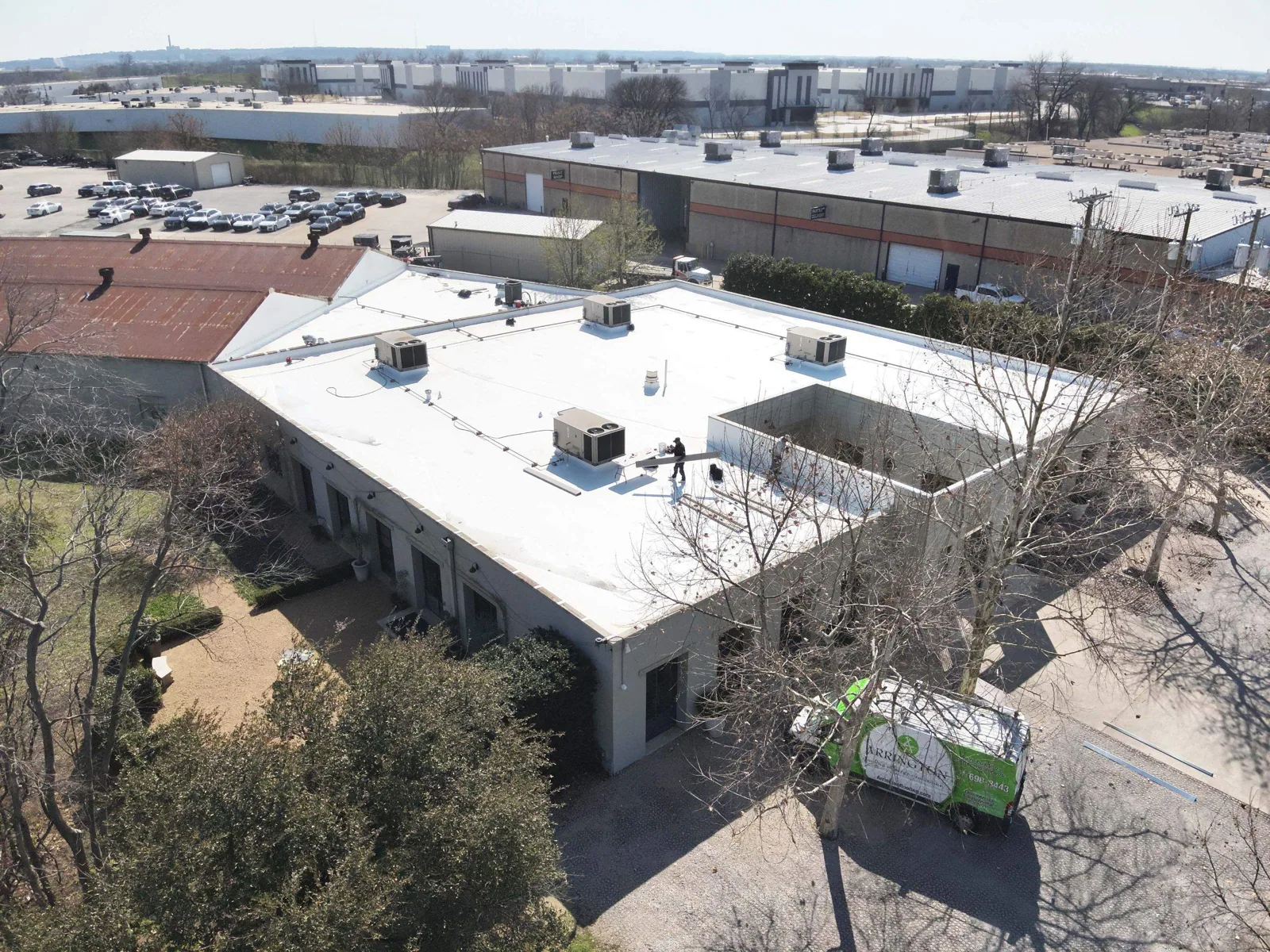
Commercial Roof Recover
Learn More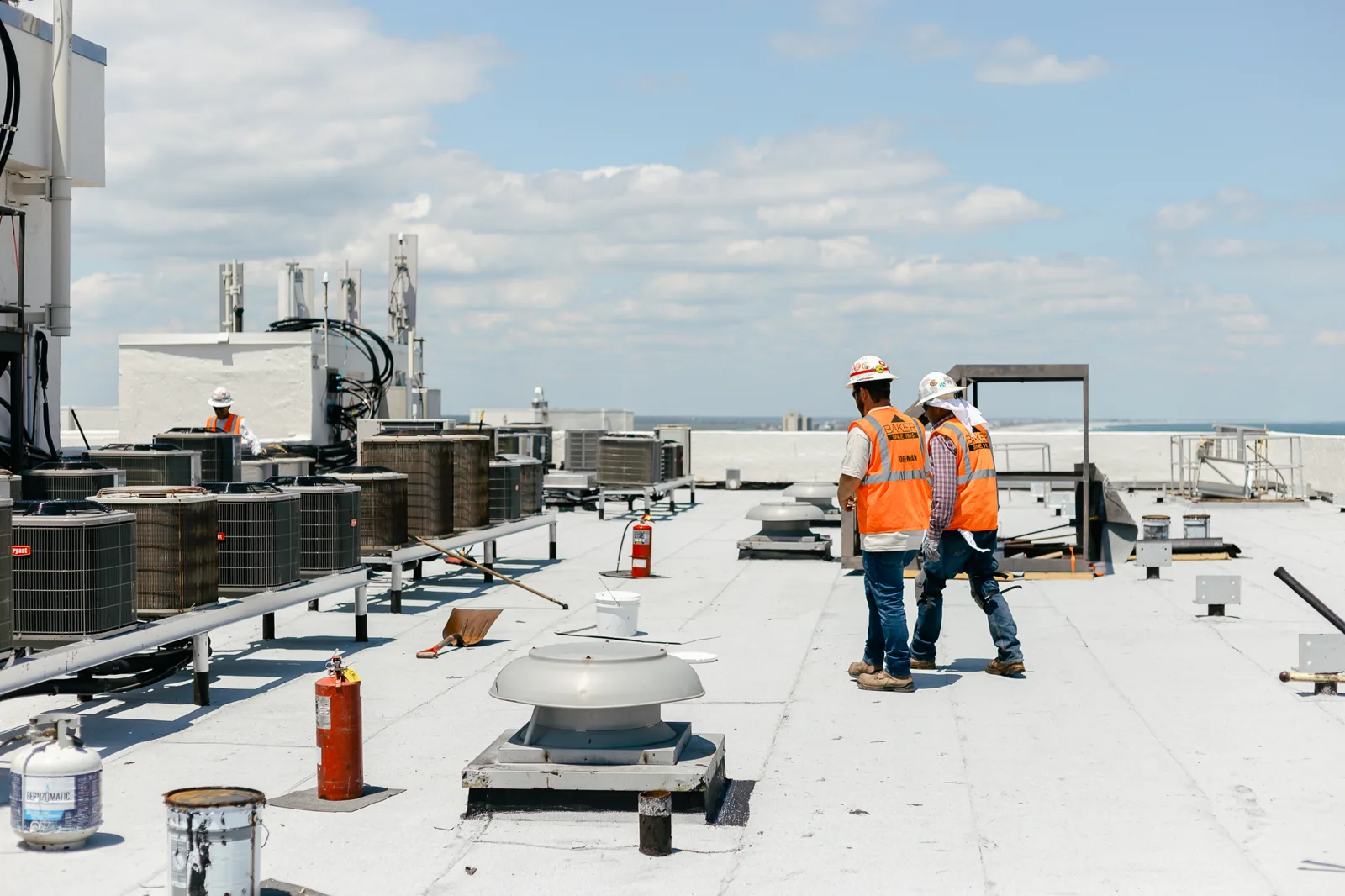
TPO Roofing
Learn More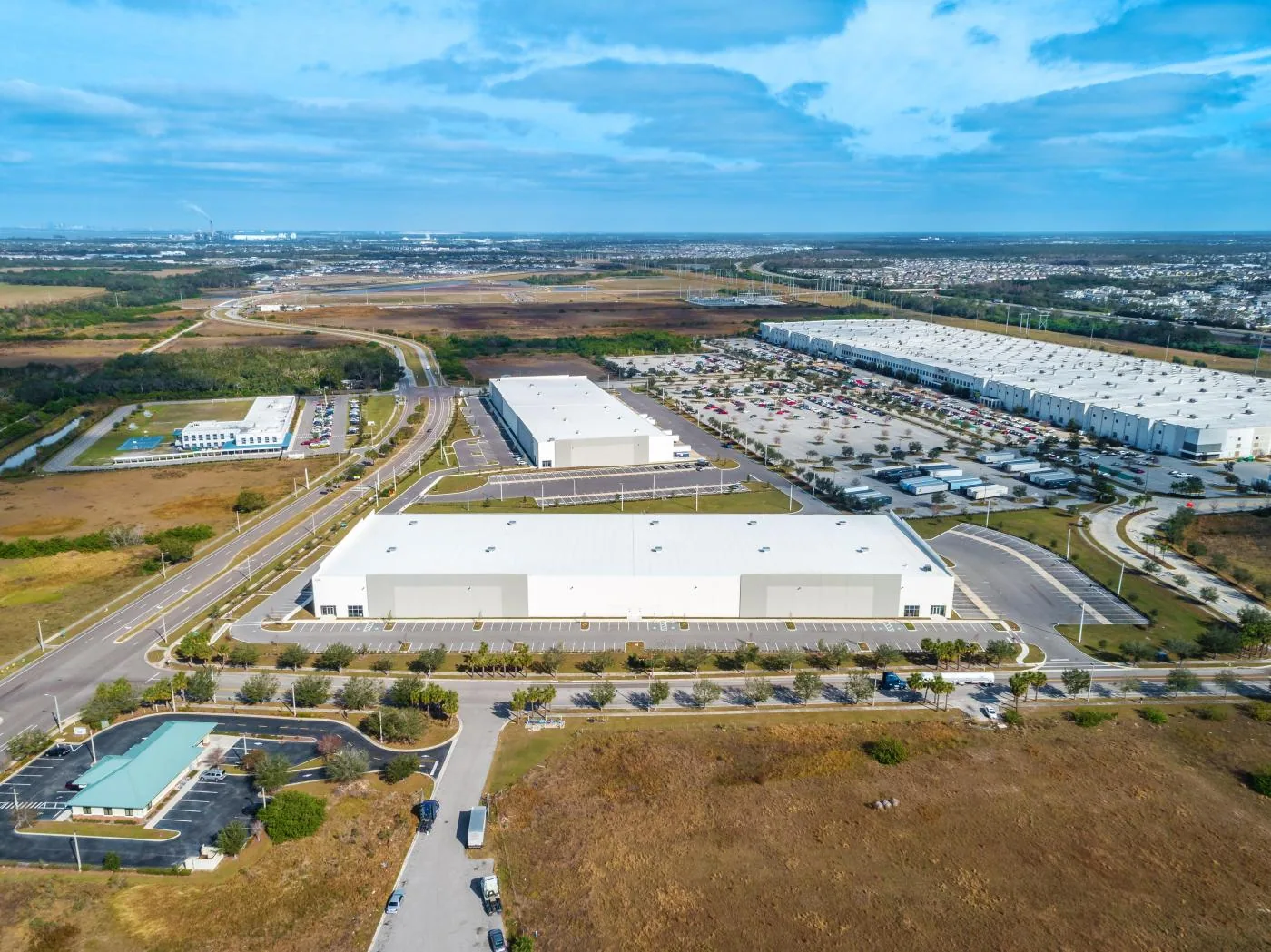
Southshore Corporate Park
Learn More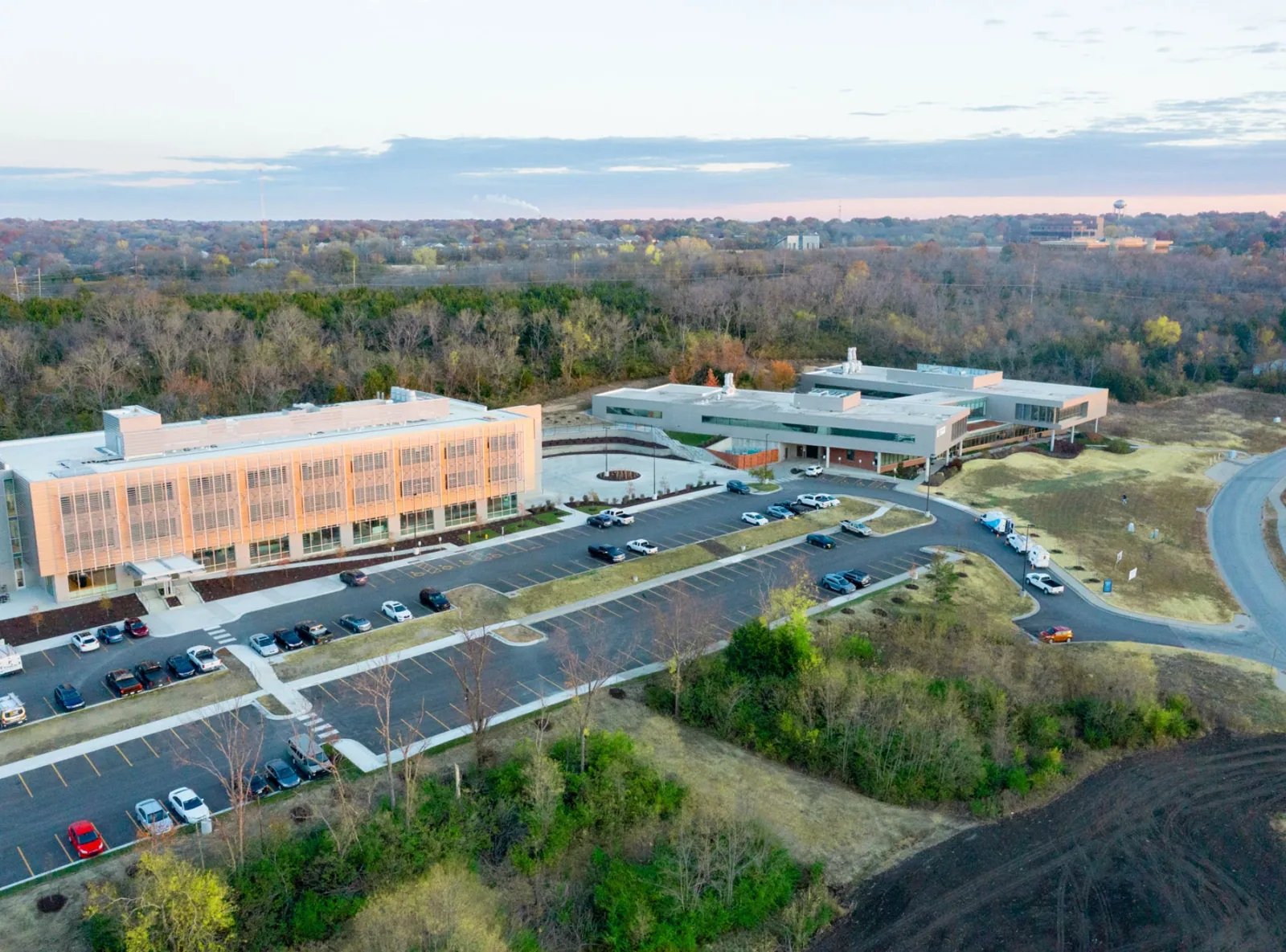
Multi-Site Commercial Roofing Programs
Learn More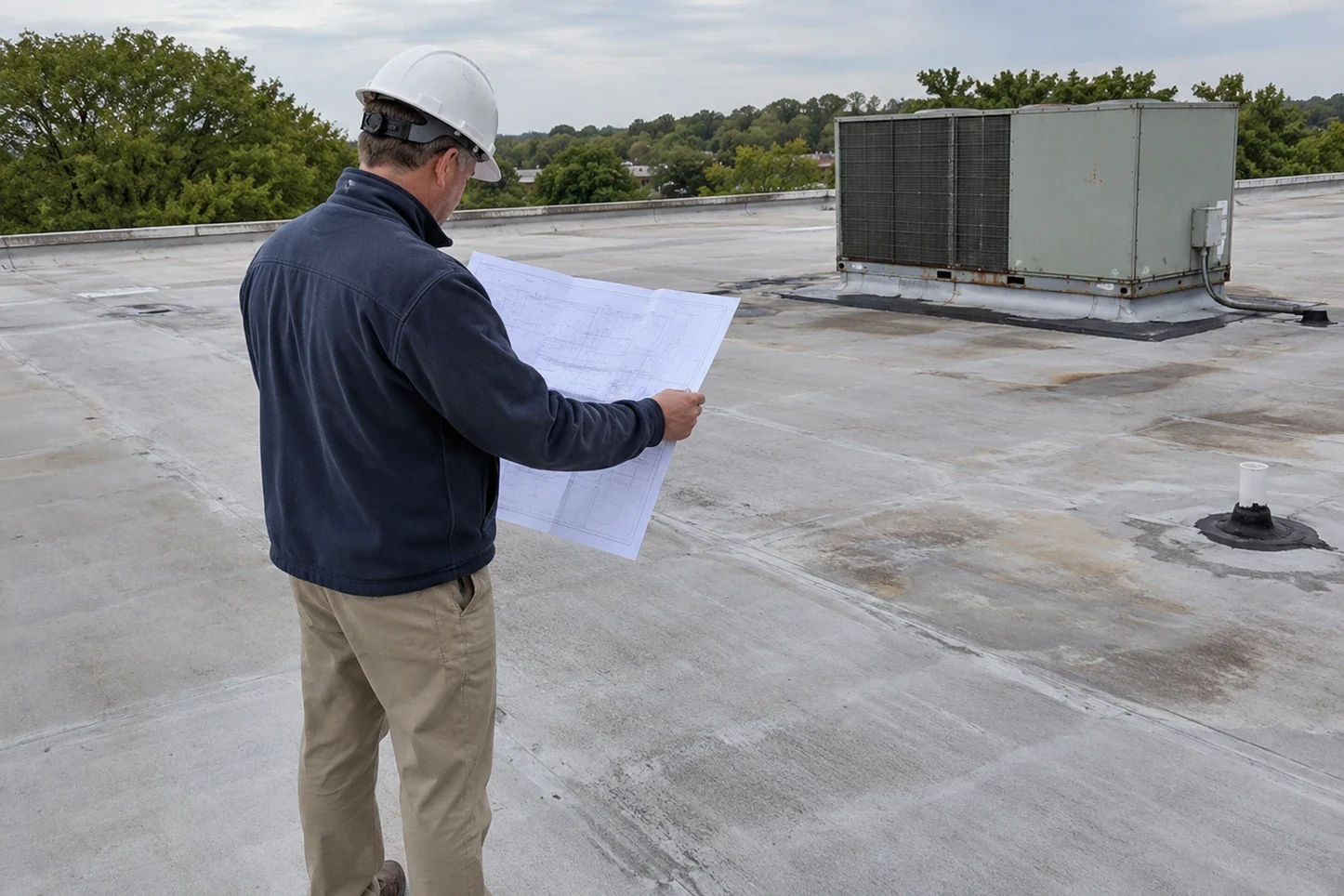
Commercial Roof Capital Planning
Learn MoreSchedule a roof replacement walk
Request a roof assessment in Gresham
We will review the assembly, map access and operating constraints, and prepare a replacement scope for your Gresham facility. Tell us about the building, the roof and what you are seeing. Call 555-555-5555, email [email protected] or send the details through our contact page and we will set up a time to walk the roof.