
Commercial Roof Capital Planning in Gresham, OR
Put roof needs into a workable capital plan
- Home
- Roofing Capabilities
- Commercial Roof Capital Planning
A roof budget should follow condition evidence, not a guessed replacement year. We inspect the assembly, identify urgent repairs, and separate those needs from projects that can be planned for a later operating window. Gresham owners may coordinate assets near Fairview, Wood Village, and Troutdale along the east-county freight network. Each property has its own roof type, access route, and downtime limits. A capital plan gives the facilities team options and a documented basis for ranking them.
What findings belong in a roof budget?
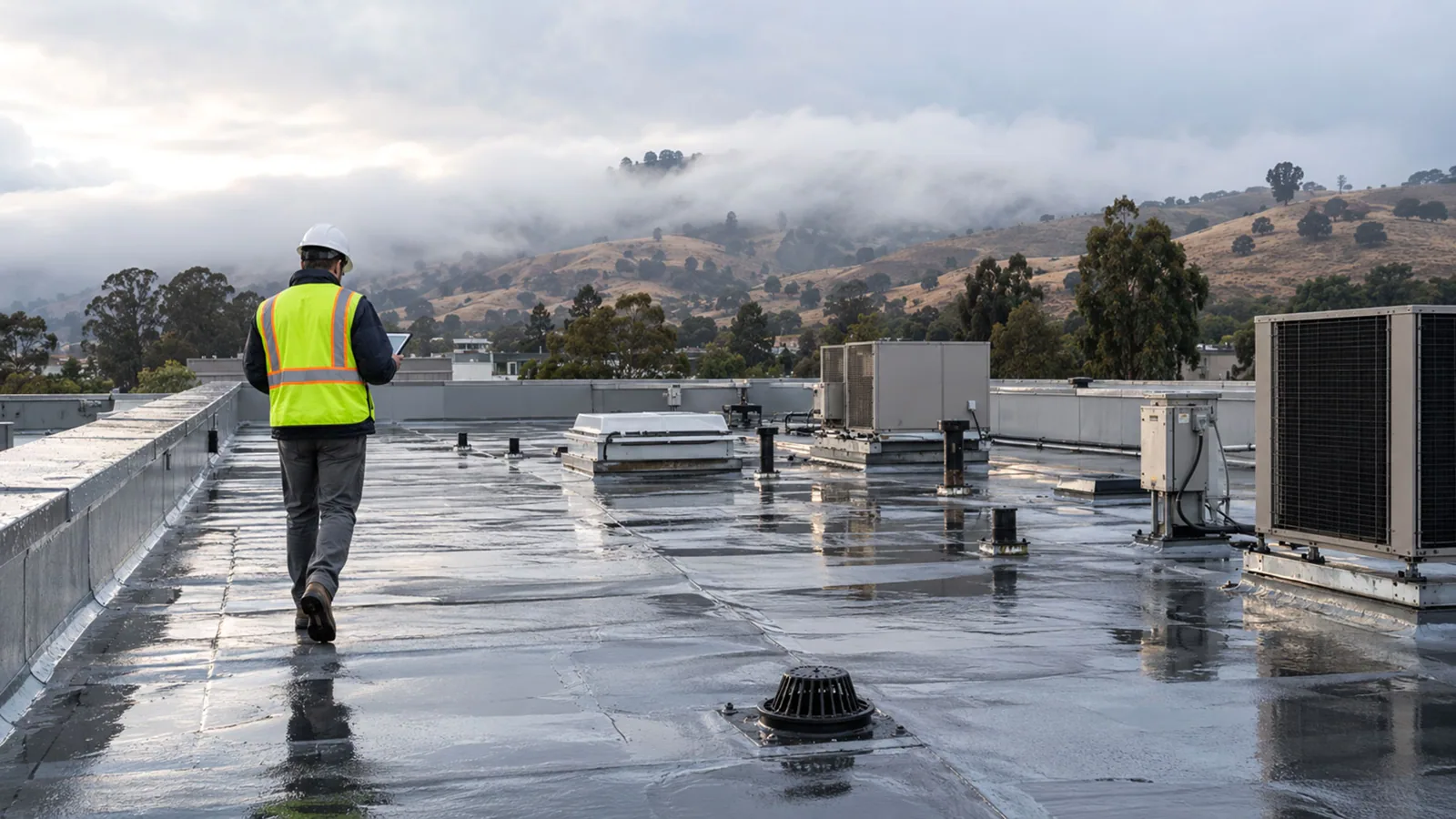
Record the roof system where known, inspected zones, active leaks, visible wear, wet materials, drainage, penetrations, and prior repairs. A photo and location label should support each major finding. We distinguish immediate protection, service repair, broader restoration, and replacement planning. The estimate should also say what was not inspected, what testing could change the scope, and which assumptions affect the work.
A condition rating by itself does not explain what the owner should fund. We connect each rating to the observed detail and its consequence. A blocked outlet may need maintenance; an open seam may need repair; widespread wet insulation may warrant an evaluation of a larger area. The dated condition report provides the evidence for the budget discussion, while a roof due-diligence survey can support a purchase or refinancing decision with a defined inspection scope.
Include the work that can extend an existing assembly as well as the cost drivers for replacement. Access, substrate condition, tear-off, insulation, edge work, drain changes, equipment coordination, and occupied hours can change the project sequence. We identify those items qualitatively and provide project pricing for the authorized scope. The owner can then compare options without treating an uncertain service-life estimate as a firm deadline.
How should facilities rank roof projects?
Start with active water entry, unsafe conditions, and defects that can damage equipment or building contents. Next consider developing issues that may grow if left through another wet period. Longer-range items include aging systems, repeated repair zones, and drainage work that can be paired with a planned reroof. Each priority should include a reason, target window, and decision owner, not only a color or score.
Gresham’s Springwater planning area prioritizes high-value manufacturing and technology employment, while Gresham Vista Business Park includes manufacturing, logistics, technical services, and commercial uses. Those facts describe business settings, not individual roof conditions. We use them to ask practical scheduling questions: which equipment needs uninterrupted service, what access route is active, and when can a larger work zone be isolated? The inspection and owner’s operating plan determine project urgency.
A roof asset record can compare repairs across buildings and keep the basis for a ranking visible. It should show which sites have current inspections, which findings remain unverified, and where an owner decision is pending. A capital meeting becomes more useful when it can separate known work from placeholders and identify the information still needed before funds are assigned. When testing remains open, label any allowance as provisional and set a decision date. If the owner defers investigation, list the uncertainty that remains so finance staff do not mistake an unverified quantity for a fixed scope.
When does repair make sense over replacement?
Repair can fit an isolated defect where the surrounding assembly is serviceable and the repair can tie into sound material. A replacement discussion becomes more relevant when failures recur across roof zones, wet insulation is widespread, or a system cannot accept durable local work. A recover or coating may remain an option only after the existing assembly, moisture, slope, and edge details are reviewed. We state what each approach includes and where it leaves risk or follow-up work.
For an occupied building, compare not only material quantities but how the work affects access, tenants, equipment, and production. Phasing may limit disruption but add mobilization or temporary protection. A replacement scope can show tear-off assumptions, insulation, drainage corrections, edge and curb details, and sequencing. A maintenance plan may address near-term conditions while the owner develops a longer project, but it does not replace needed capital work.
Timing should reflect actual condition and preparation. If testing may change the project boundary, schedule the survey before requesting final construction funds. If a roof is actively leaking, temporary protection or repair may proceed under a separate authorization. We can show decision gates so the owner understands which information is needed before design, bidding, or scheduling.
How does Gresham’s climate affect timing?
Gresham’s wetter season runs from fall through spring, which can leave fewer dry intervals for tear-off, substrate preparation, and coating cure. The current forecast and roof condition guide the actual schedule.
Freezing periods and hot summer days can influence when moisture testing, coating, or membrane work is practical. The inspection identifies actual conditions, while the project plan uses the forecast and assembly requirements to set a field schedule.
East-county freight service routes connect Gresham, Fairview, Wood Village, and Troutdale. When a project needs a crane, lift, or material delivery, road access and operating hours may shape staging. The facility contact can identify those constraints during scope development. This keeps budget timing connected to how the building operates rather than selecting a calendar window without checking the site.
What should the approved capital plan preserve?
Keep the inspection date, roof map, findings, options, pricing basis, exclusions, owner decisions, and planned window together. Track whether a budget amount is a current proposal, an early allowance, or a future planning estimate. Record the conditions that could change price or scope, such as concealed wet materials or equipment relocation. Do not merge temporary repairs with the permanent project budget without identifying their separate purpose.
After work, add approved changes and closeout photos to the asset record. If the project changes drainage, roof access, or equipment routes, update the map and maintenance plan. A multi-site program can coordinate inspections and scopes across several buildings while keeping each property’s approvals and roof history distinct.
For roof projects permitted after April 1, 2026, Oregon’s construction provisions follow the state’s 2025 structural edition, adapted from the 2024 IBC. Applicability still depends on project scope and jurisdiction. A forecast can reserve time for design review without treating every future repair as subject to the same requirements.
A useful portfolio ranking records the consequence of delay alongside condition: active water entry, visible movement, access limits, and unresolved testing. Each roof receives its own evidence date and next action, while the portfolio view groups work into current repair, testing, and future capital decisions. When the owner revisits the list, changed occupancy or completed equipment work can update timing without overwriting prior observations. The plan then remains a decision record, not a blanket statement that every property needs the same treatment.
Commercial Roof Capital Planning FAQs
-
Can you tell us the exact year each roof must be replaced?
A roof walk may not support an exact service-life date. We describe current condition, visible risks, repair options, and information that could refine the planning horizon.
-
Should every roof project go into the same annual budget?
Separate active repairs, planned maintenance, investigation, and capital replacement. Different funding windows and approval paths may apply, so the plan should show the reason and timing for each item.
-
Can maintenance delay a larger reroof?
It can address selected conditions while a project is prepared, if the assembly supports continued service. We identify remaining risk and avoid presenting maintenance as a substitute for required replacement.
-
What information is needed before setting a roof budget?
A current roof map, inspection findings, repair history, system details where known, access limits, and scope assumptions provide a useful basis. Testing may be needed before pricing concealed conditions.
-
Can you plan work across several Gresham buildings?
Yes. We can organize inspection and proposal timing across a portfolio, while each building retains its own condition record, operating constraints, and owner authorization.
Related Roofing Work
Fairview
Learn More
Commercial Roof Condition Reports
Learn More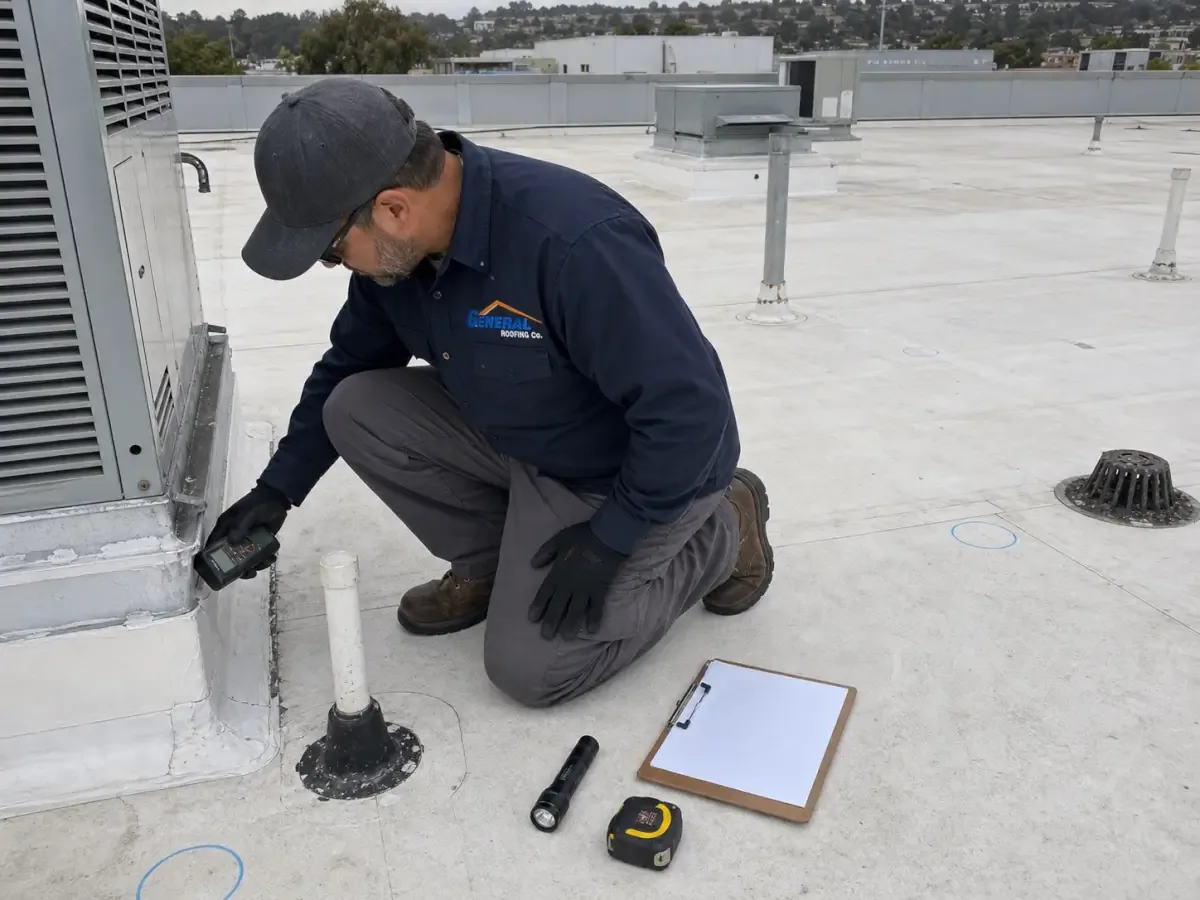
Commercial Roof Due-Diligence Surveys
Learn More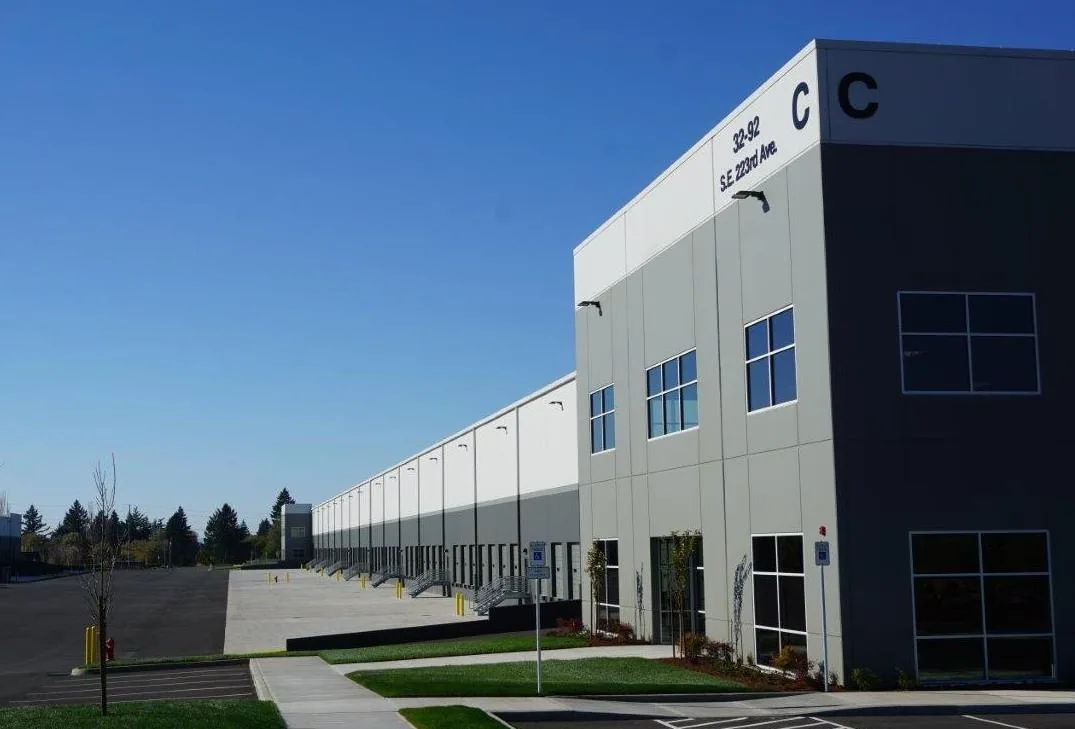
Gresham Vista Business Park
Learn More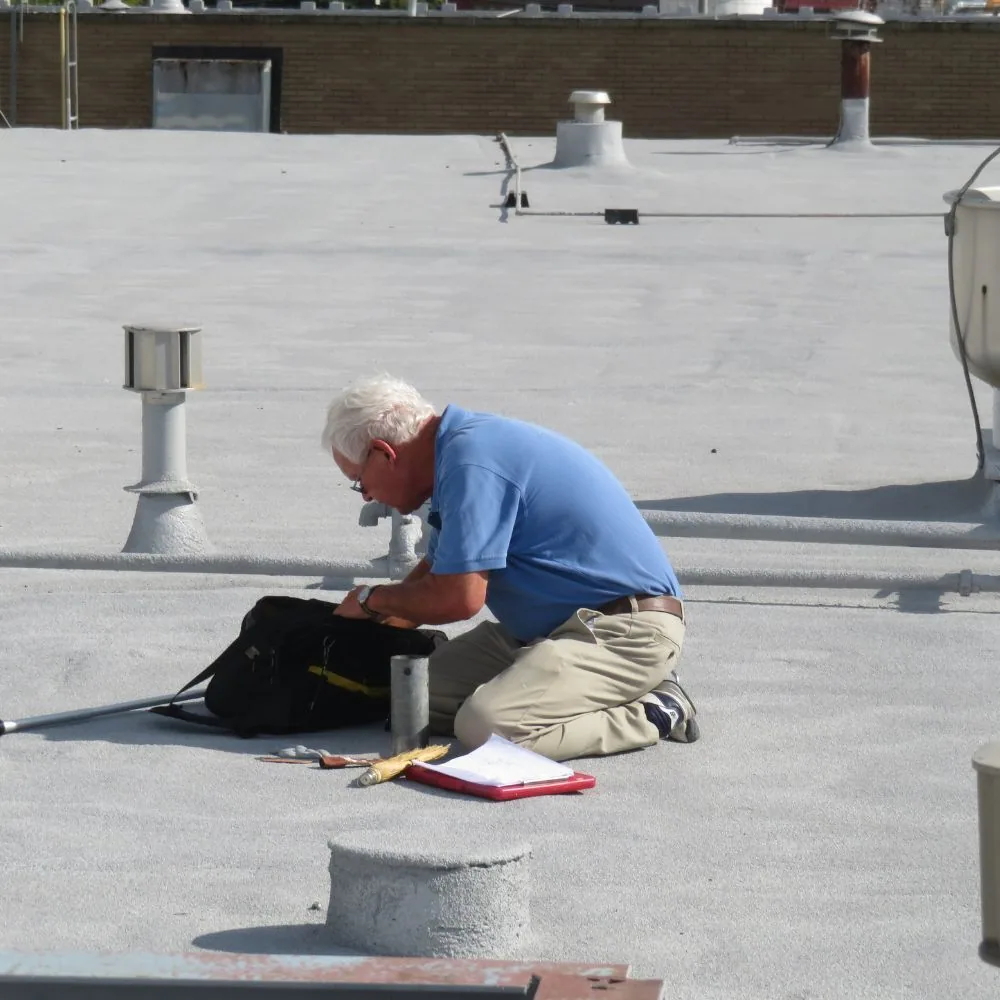
Commercial Roof Asset Management
Learn More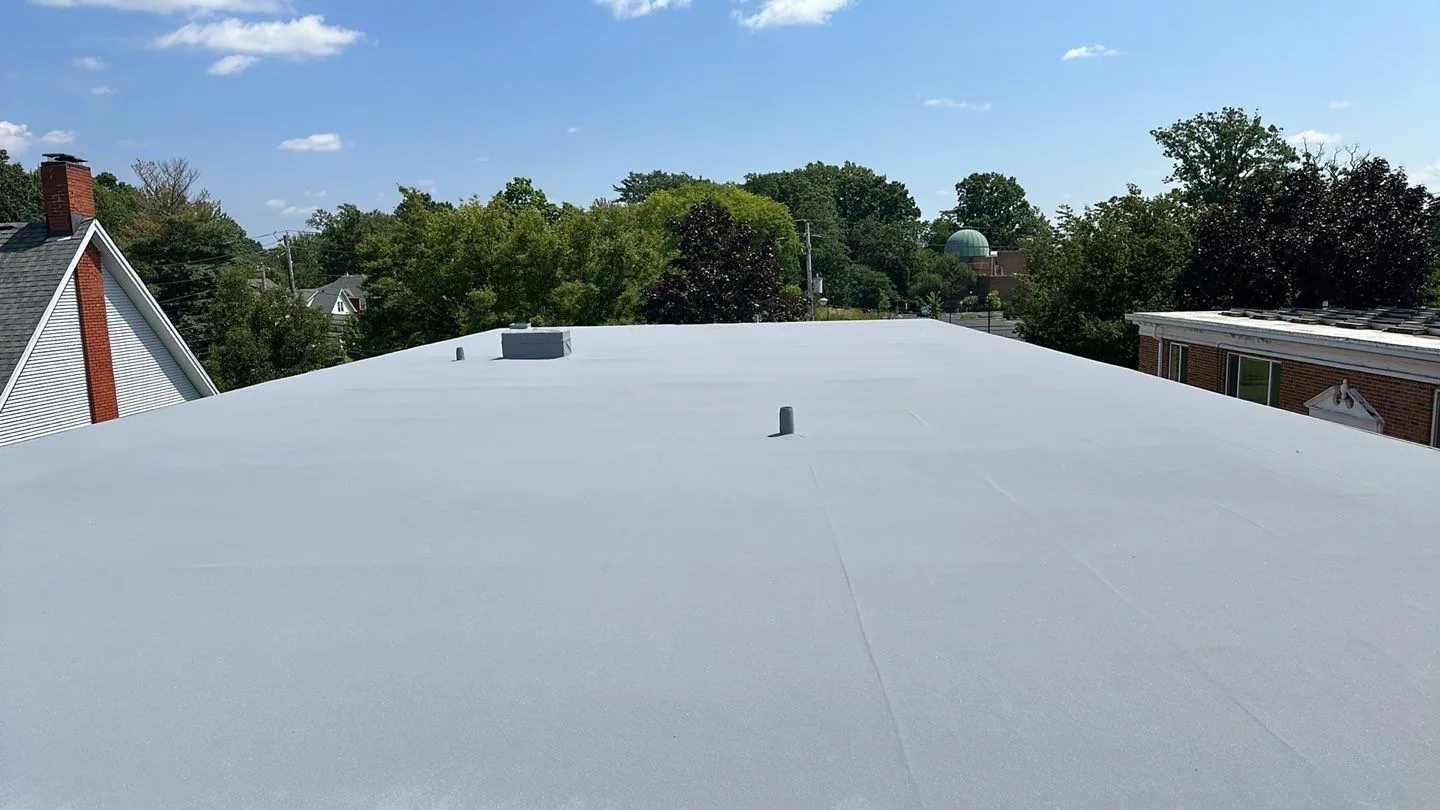
Commercial Roof Replacement
Learn MorePut roof needs into a workable capital plan
Request a roof assessment in Gresham
Schedule a Gresham roof review. We will document current conditions, compare repair and replacement options, and identify the information needed before funding decisions. Tell us about the building, the roof and what you are seeing. Call 555-555-5555, email [email protected] or send the details through our contact page and we will set up a time to walk the roof.