
Commercial Roof Asset Management in Gresham, OR
Build a current roof asset record
- Home
- Roofing Capabilities
- Commercial Roof Asset Management
A portfolio roof list is useful only when staff can connect each decision to a specific building, roof zone, and condition. We create a working record of system type where known, access limits, observed defects, prior repairs, and recommended next steps. Gresham industrial owners may oversee properties from the Gresham Vista Business Park to the Springwater Employment Area, where manufacturing, logistics, and technology uses shape roof access. A consistent record lets a facility director compare needs without assuming that every assembly or operating schedule is the same.
What belongs in a usable roof asset record?
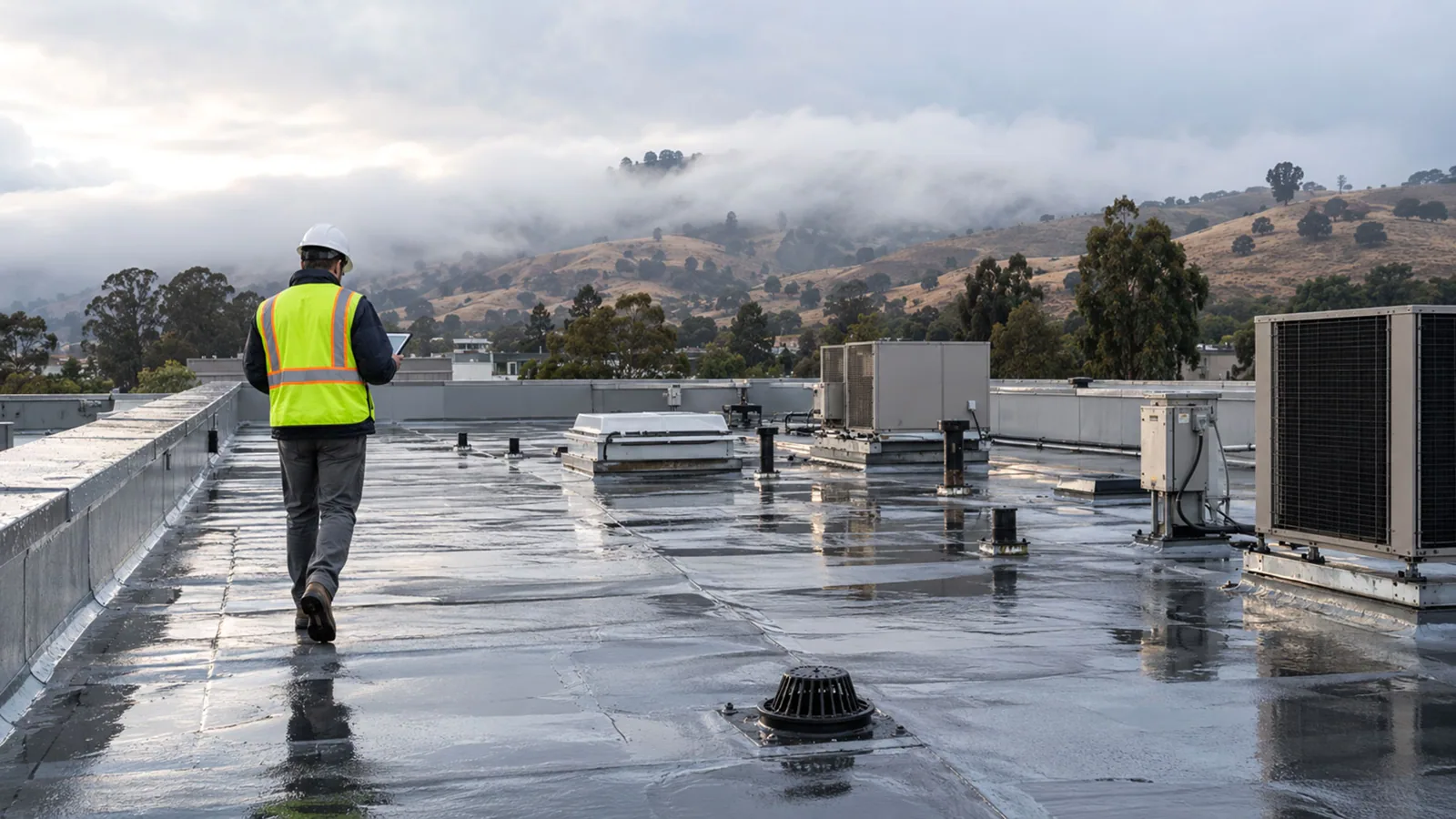
Start with the building identifier, address held in the owner’s private asset system, roof zones, system type if known, approximate age only when documented, access route, drain locations, major penetrations, and equipment areas. Record inspections, leak calls, repairs, warranties supplied by the owner, and any testing with dates and source documents. The inventory should distinguish observed facts from assumptions. When staff cannot confirm a layer, label it unknown rather than turning an estimate into a construction record.
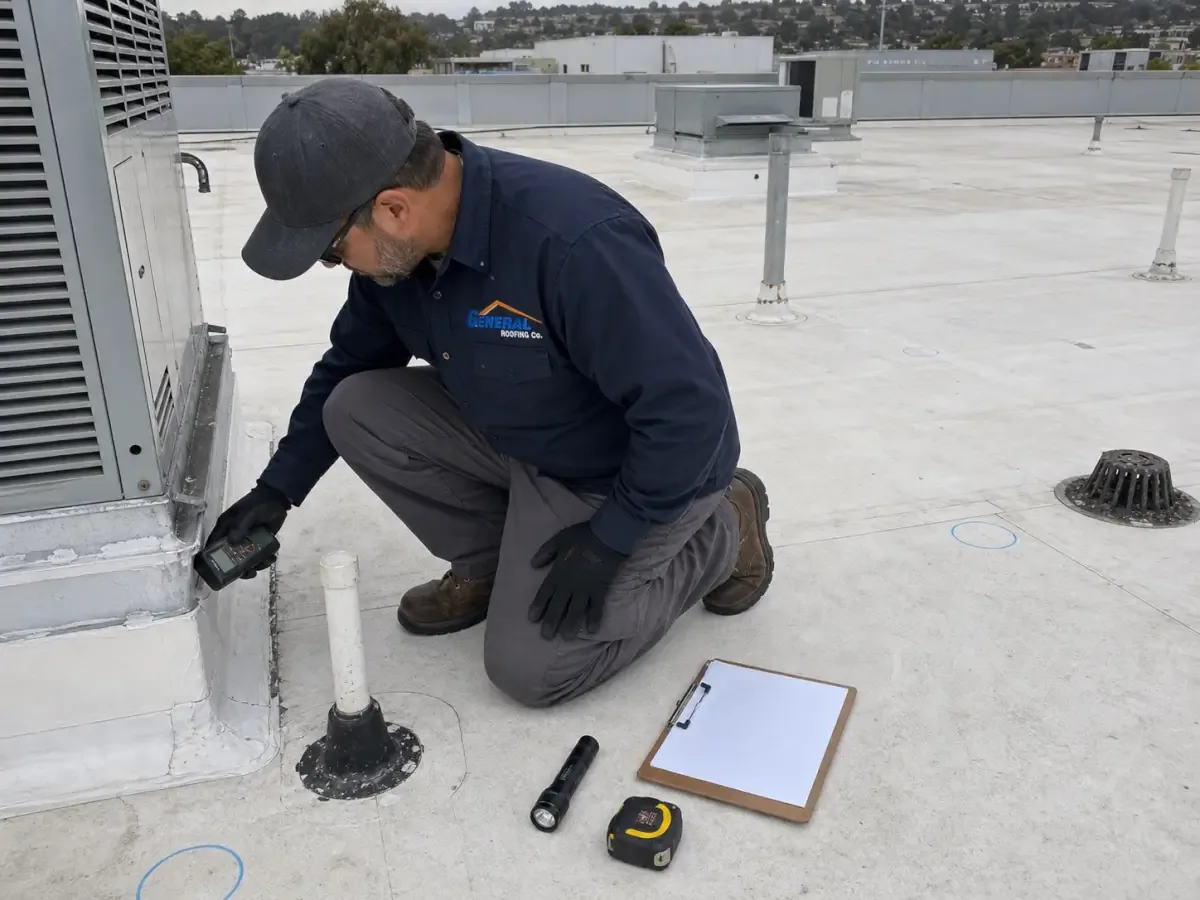
Photos need a consistent roof-zone label and view direction. A photo with no location may show deterioration but not tell a future crew where to investigate. We can pair images with a simple roof map, notes on safe access, and a short list of active concerns. A condition report with roof-zone photos can serve as the dated basis for later updates. Facilities should retain original files and avoid overwriting a prior inspection when a new visit records a changed condition.
For multiple buildings, use the same fields while preserving property-specific details. A distribution center may need dock coordination and equipment-route notes; a medical office may need occupied-hour constraints. The record should let the portfolio team filter by urgency or roof type, then open the specific property file before authorizing work. A single score without its supporting observations is difficult to act on.
How do we compare roof condition across properties?
We describe each finding by location, visible evidence, likely consequence, and recommended time frame. A cracked curb flashing is not the same item as widespread wet insulation or a blocked drain. The condition record can distinguish active leak, developing defect, routine maintenance, and longer-term planning need. If the evidence is incomplete, it states what additional inspection or testing would resolve the question.
Gresham’s industrial land includes manufacturing, food and beverage processing, semiconductors, building components, and distribution. Those uses can place different demands on roof penetrations and access. We inspect each assembly and tie recommendations to its documented system and visible conditions. In the Gresham Northerly Industrial Area, the mix of larger and smaller industrial parcels reinforces the need for building-level records rather than a generic district rating.
Condition does not equal remaining service life unless the roof has been evaluated with appropriate assembly and maintenance information. We avoid assigning a precise replacement year from a brief visual walk. Instead, we explain whether the system appears serviceable, which risks deserve prompt attention, and what further review could refine a capital decision. A capital plan can combine that condition evidence with owner priorities and budget timing.
Which local conditions belong in the planning record?
Rain exposure, drainage performance, freeze periods, summer heat, roof equipment, and site access can affect inspection timing and repair sequencing. Gresham’s wettest season runs from fall through spring, so the record should connect seasonal exposure to observed assembly conditions, such as an outlet that holds water or an exposed seam that remains wet.
Different parts of Gresham support distinct commercial activity. Downtown, Civic Neighborhood, and Rockwood are linked commercial centers, while the I-84 and Columbia River south-shore corridor supports industrial and distribution activity. A portfolio record can note each site’s operating constraints and service route without treating the place name as evidence about its roof. The service-area map is context; the inspection findings stay attached to the individual asset.
Reconcile the inventory after a reroof, ownership change, or major equipment installation. Compare the roof map with the completion package, record any unresolved difference, and assign a follow-up owner. This prevents a portfolio list from presenting old system details as current. A dated review also helps distinguish an inspection gap from a documented roof condition.
How does an asset list become a work plan?
Group work by urgency, access window, repair type, and operational impact. An active leak may need a prompt service visit; deferred seam repairs may fit a planned shutdown; broad insulation questions may need testing before a budget request. Each item should include a responsible contact, approval status, and the evidence behind the recommendation. We can prepare a multi-building roof program that sequences surveys or repairs across sites while leaving approval with the owner.
Separate inspection, temporary protection, permanent repair, and replacement planning in the schedule. A closed ticket is not proof that the underlying condition was resolved unless closeout photos and work records say so. The asset file should capture the completed work, any exclusions, and follow-up dates. If a repair changes the roof map or access route, update the record rather than keeping a stale plan as the current reference.
Budget priorities may depend on more than defect severity. A facility with critical equipment below a roof zone may need earlier work than a site with a similar defect and a different operating profile. We can explain access, materials, testing, and phasing as cost drivers without assigning unsupported savings or replacement dates. The property team then weighs condition against operating needs and available capital.
How should roof records stay current?
Assign one owner for each property record and keep inspection dates visible. Store the condition report, repair scope, approvals, change notes, invoice or completion record supplied by the owner, and follow-up observations together. Use clear version labels so an updated map does not erase the earlier state. Keep private access details in the owner’s controlled system rather than on public-facing documents.
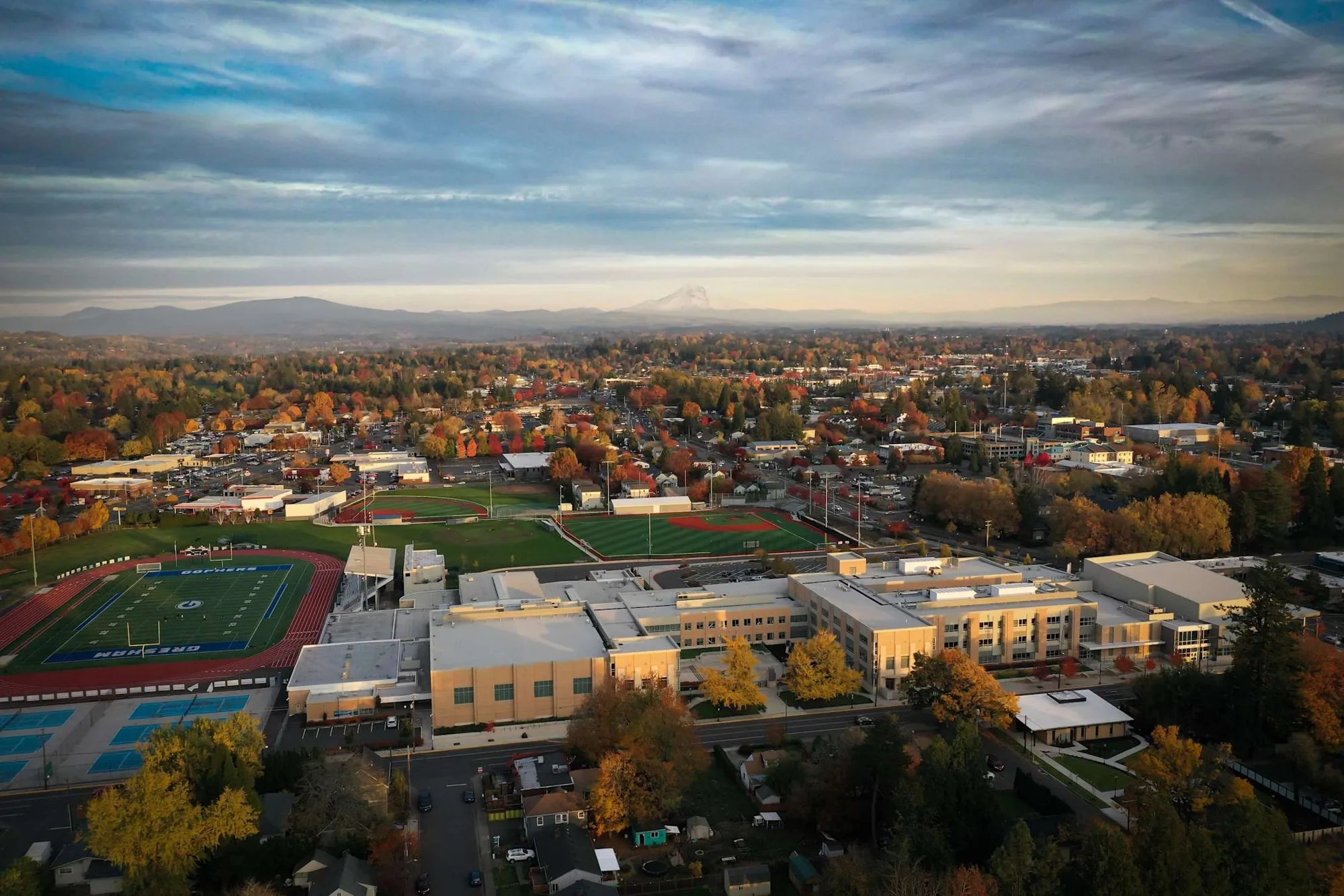
Gresham’s Southshore Corporate Park spans a broad industrial corridor with manufacturing, distribution, and processing activity. On such a portfolio, the shared program can define common report fields while each property file keeps its own access plan, roof assembly, and maintenance history. A maintenance visit can add new observations and flag differences from the last inspection, creating a trackable record instead of a new disconnected document.
Review the asset list after a reroof, tenant change, major equipment project, leak, or change in site contact. Confirm that system records and warranty documents match the work actually completed. If a roof is not inspected in a planning cycle, record that gap explicitly. A useful portfolio view shows what is known, what needs confirmation, and who owns the next step.
Commercial Roof Asset Management FAQs
-
Can you manage our roof records without our original drawings?
Yes. We can start from a site walk, available work orders, and owner-provided records. The file will identify what we observed and which system or layer still needs confirmation.
-
Will you assign a remaining-life number to each roof?
Only when the inspection basis supports that estimate. A visual condition review may not establish a precise service-life date, so we explain the evidence and any additional evaluation needed.
-
How often should a portfolio roof list be updated?
Update it after inspections, repairs, equipment changes, major leak events, and reroofing. A planned review can also identify records that are stale or missing before capital budgets are set.
-
Can one format work for different roof systems?
Use shared inventory fields, then add system-specific inspection details. A membrane seam, metal panel, drain, and coating need different observations, so the record should preserve those differences.
-
Do you decide which building gets the budget first?
We explain condition, exposure, and repair options. The owner weighs those findings against operations, risk tolerance, and capital availability, then authorizes the sequence.
Related Roofing Work
Gresham Vista Business Park
Learn More
Springwater Employment Area
Learn More
Commercial Roof Condition Reports
Learn More
Gresham Northerly Industrial Area
Learn More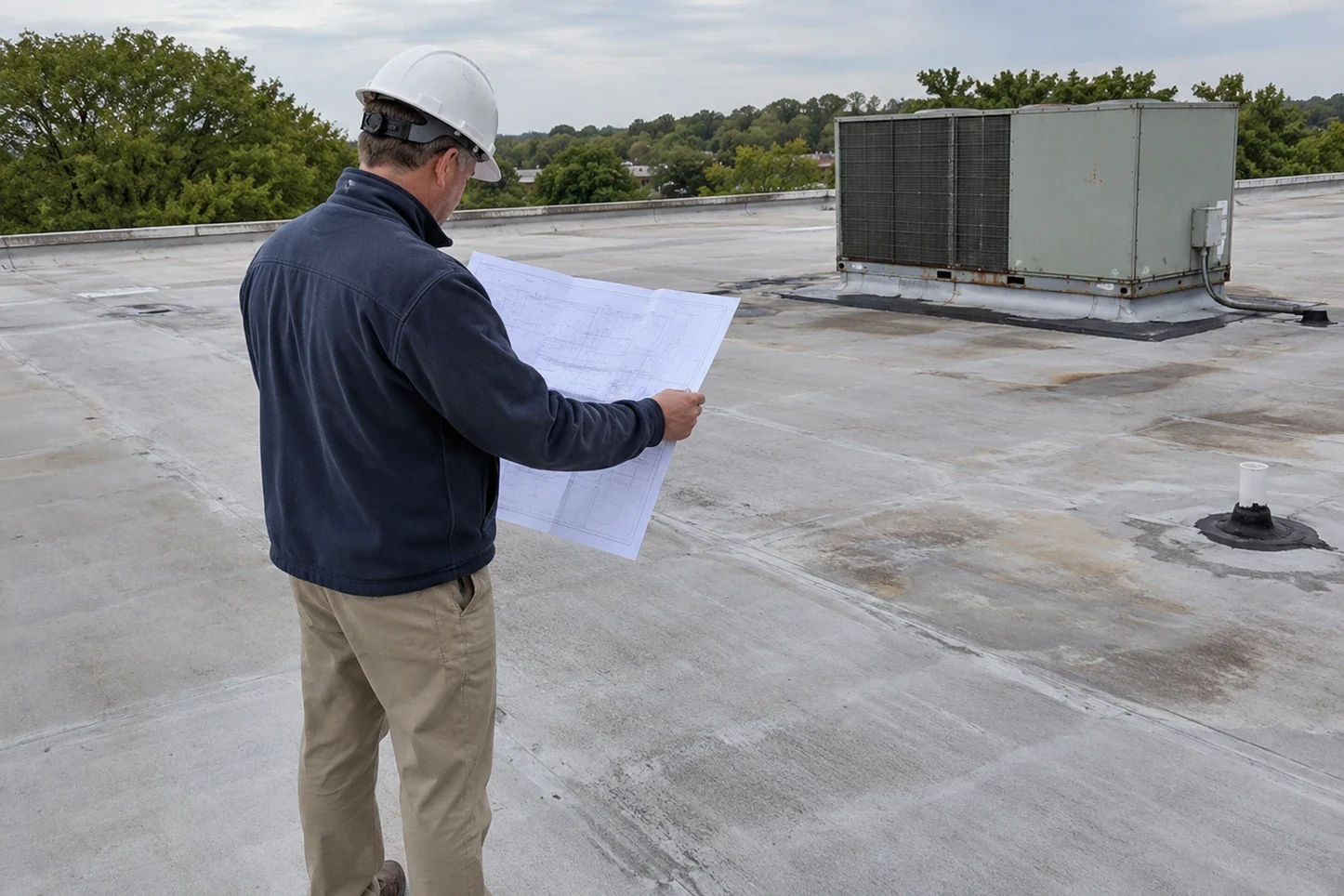
Commercial Roof Capital Planning
Learn More
Multi-Site Commercial Roofing Programs
Learn MoreBuild a current roof asset record
Request a roof assessment in Gresham
Schedule a portfolio review in Gresham. We will identify the first properties, align roof-zone records, and coordinate inspections around each facility’s access window. Tell us about the building, the roof and what you are seeing. Call 555-555-5555, email [email protected] or send the details through our contact page and we will set up a time to walk the roof.