Commercial Roofing in Rockwood, Gresham, OR
Schedule a commercial roof walk in Rockwood
- Home
- Service Areas
- Rockwood
Rockwood is one of Gresham's principal commercial centers. The city identifies municipal and county buildings, international markets, eateries, and public-space improvements among its activity. A roof plan here starts with the building's use and the limits on access below. We inspect the membrane, drains, edge details, and penetrations, then document whether the concern is localized or spread across a larger area. A busy public-facing property may need a controlled work zone and a quiet window; a civic facility may have different access approvals. We confirm those requirements with the building contact instead of assuming every Rockwood property runs the same way. For owners with sites in Downtown and Civic Neighborhood, the records can share a format while each roof keeps its own condition map.
Protect access around active properties
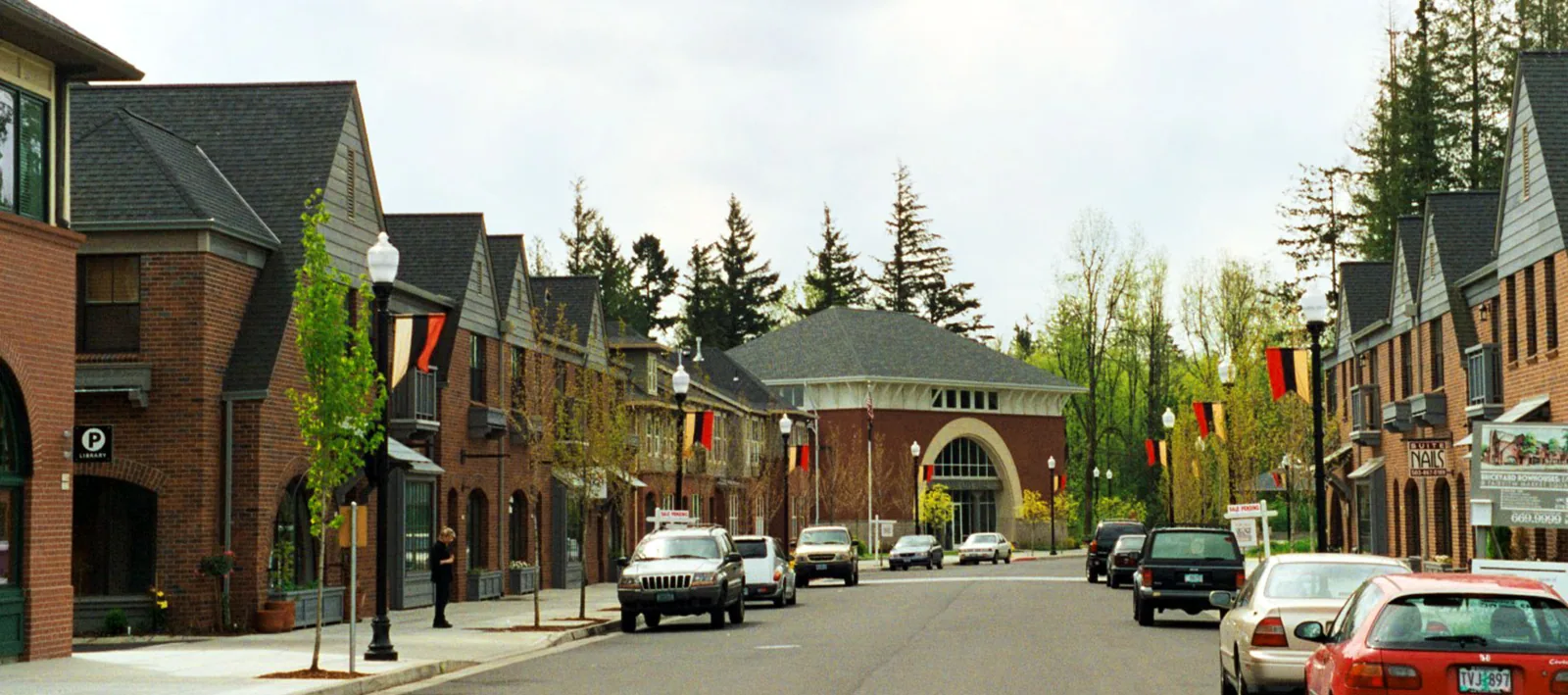
Rockwood's international markets and eateries bring public activity to the commercial center. A roofing crew must separate tools, materials, and lift operations from pedestrian routes and deliveries. We ask which entrances remain in use, where service vehicles stage, and who can approve temporary access changes. The city also describes Rockwood Library and public-space improvements as part of ongoing development. Those broader projects do not establish a specific property's construction schedule, so we confirm current restrictions and building contacts before setting the work plan.
At the roof, we mark a route that avoids fragile surfaces and active equipment. We identify exhausts, intake points, rooftop units, and areas that cannot be isolated. If a repair requires cutting out material, the plan names who can approve an opening and how the section will be made watertight before the shift ends. We also agree on how noise, odor, or debris will be controlled. An occupied building needs a sequence that keeps the crew's work area separate from business operations below.
For a portfolio that also includes Southshore Corporate Park, industrial freight access presents a different coordination question than Rockwood's customer-facing activity. We record the route, operating limits, and emergency contact for the specific property. If construction or street work changes access, the facility contact can update the plan before the next roof visit.
Find the opening behind the interior symptom
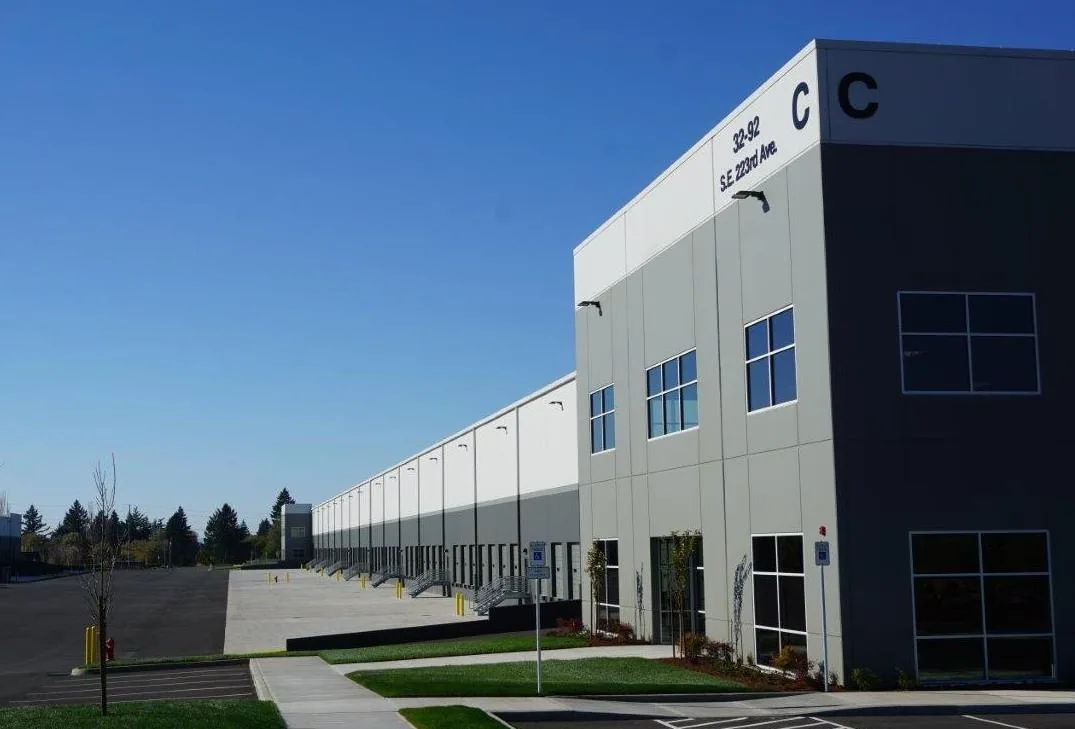
A leak report is the start of an investigation, not a repair location. Water can travel from a seam, curb, drain, wall transition, or roof edge before showing on a ceiling. We inspect above and around the reported area, compare current conditions with any prior repair record, and photograph the roof zone. If multiple interior spaces are affected, we map each report to a separate roof area. That helps distinguish a shared drainage issue from several unrelated openings.
NOAA's Portland International Airport climate normals record 157 measurable-precipitation days per year, with most rainfall from fall through spring. The station is a regional reference rather than a measurement at a Rockwood building. During the wet season, drainage paths and temporary protection deserve attention whenever roof layers are opened. We check drain bowls, overflow routes, low areas, and visible signs of water retention, then plan how each exposed section will be closed.
A commercial roof inspection documents accessible conditions across the roof. For an active leak, our leak investigation connects the interior report with roof evidence and records the limits of the repair. If concealed moisture could change the recommendation, we identify the test needed and the owner approves the opening before it is made.
Separate the immediate fix from a larger roof decision
A single split seam or loose flashing may call for a focused repair when the surrounding membrane remains sound. We check the edges of the defect and confirm which material is installed. Repair preparation and tie-in depend on the system; incompatible material can leave a weak transition. The work order should identify the location, method, access conditions, and any nearby condition that still needs attention.
Repeated leaks, wet insulation, widespread seam separation, or an unstable substrate may point to a broader plan. A recover is considered only after checking attachment, moisture, surface condition, drainage, and how added thickness meets curbs and parapets. Coating is not a substitute for correcting wet layers or failed details. We present repair, restoration, and replacement as separate scopes when the inspection supports more than one viable path.
Roof repair planning can address confirmed defects while a replacement evaluation compares tear-off, insulation, and phasing. Cost and schedule depend on measured area, number of roof layers, disposal, detail count, access, and protections required below. Concealed conditions remain an allowance until removal exposes them. That distinction keeps the proposal tied to what the survey can verify.
Review drains, edges, and penetrations
Water control depends on more than the open membrane field. We inspect drains and scuppers, parapet corners, curb flashing, pipe supports, skylights, and the perimeter edge. Debris or a changed equipment route can obstruct an outlet. Movement at a joint or loose edge metal can admit water even when the center of a roof looks intact. We take photos with roof-zone context and record whether the detail is active, deteriorated, or simply due for maintenance.
Rockwood's public and commercial setting is different from the industrial uses planned at Springwater Employment Area. That distinction informs what to ask about tenant hours and deliveries; it does not identify a roof type or an existing defect. We confirm how the building is used, whether roof-mounted equipment must stay online, and what access route is available. The owner or site lead identifies restricted areas before any work starts.
On a low-slope assembly, the membrane needs compatible flashing at each interruption. We confirm the system where records or labels allow, then check field seams and transitions against the current roof condition. If the surface has prior patches or coating, we identify that layer before recommending a new tie-in. A roof-system review can help frame material-specific repair questions, but we identify the installed assembly at the building.
Keep the inspection useful after the crew leaves
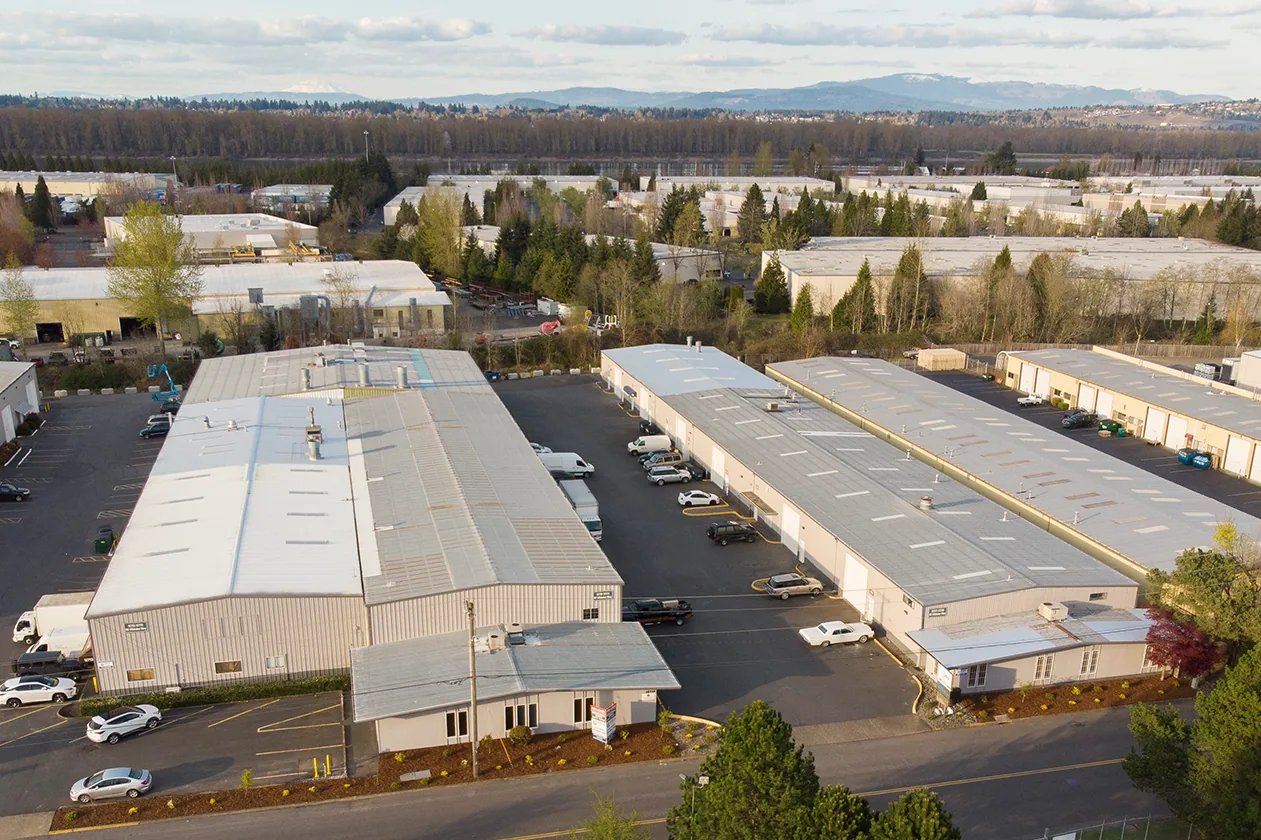
Rockwood includes civic facilities and businesses, so roof records may pass between different property and operations teams. A clear closeout identifies the roof zone, observed condition, repair performed, and any limitation that remains. We label photos so the next person can locate the drain or curb without repeating the original search. If a repair reveals wet insulation, unexpected layers, or an unrecorded transition, the record states what changed and what still needs a decision.
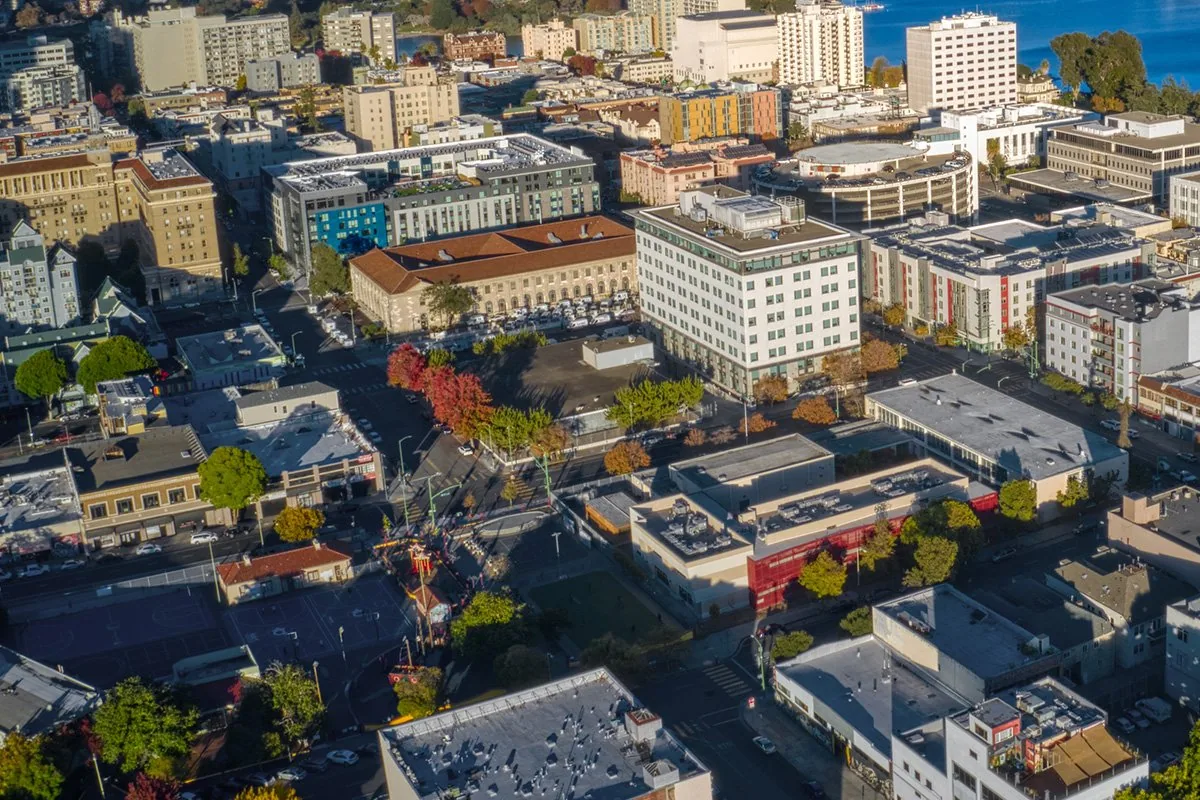
Gresham's Downtown and Civic Neighborhood and Rockwood are connected commercial centers, but their property records should stay separate. A condition report can organize inspection photos and follow-up items by building. It should also say which areas were inaccessible, so the next visit can arrange access rather than treat an unobserved area as clear.
Planned roof maintenance can check drains, seams, flashing, and perimeter details before the next wet season. The visit can capture new penetrations or changes to equipment routes after construction. Owners with properties near Gresham's commercial center and the broader I-84 corridor can use consistent file labels, while each site keeps its own system information and access instructions.
Rockwood FAQs
-
Can you repair a commercial roof in Rockwood while the building is open?
We plan access, work-zone separation, noise, and temporary protection with the property contact. Some tasks may fit occupied hours; others need a specific window based on the operation below.
-
What do you check when a Rockwood tenant reports a leak?
We compare the interior location with nearby drains, seams, curbs, flashing, and roof edges. Photos and roof-zone records help show whether the entry point is confirmed or needs further testing.
-
How do you decide between a repair and replacement?
The roof's extent of damage, moisture, attachment, and remaining serviceable areas guide the decision. We document the conditions and compare scopes rather than treating a repeated leak as proof that every roof layer has failed.
-
Can rain delay a roof project in Gresham?
Yes. The forecast, substrate condition, and installation method can affect when material is opened or bonded. We stage work so each active area can be protected and closed safely.
-
What is included in a roof condition report?
The report can include observed defects, photos tied to roof zones, access limits, and follow-up items. It separates visible conditions from areas that could not be inspected or require testing.
Related Roofing Work
Downtown and Civic Neighborhood
Learn More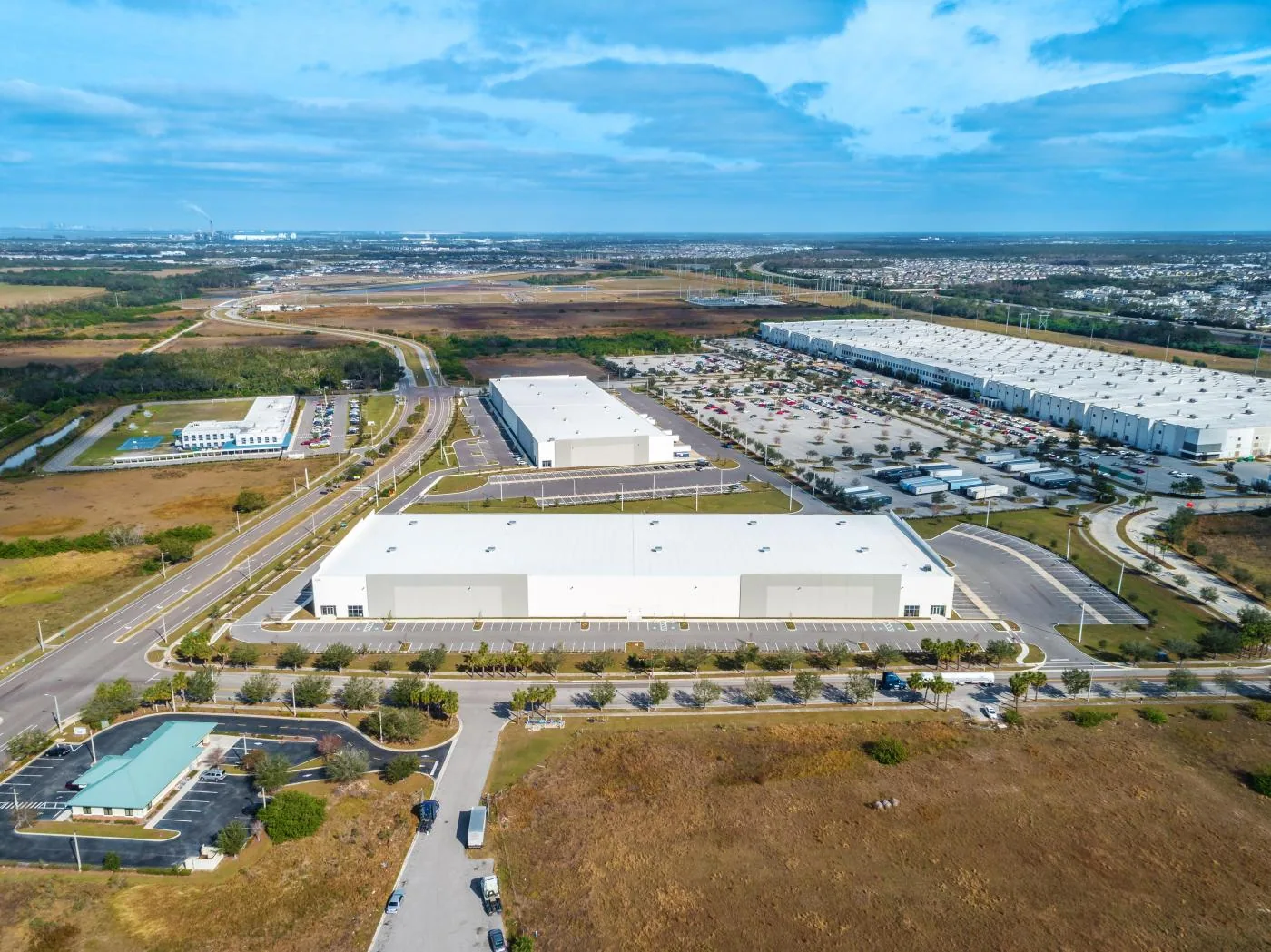
Southshore Corporate Park
Learn More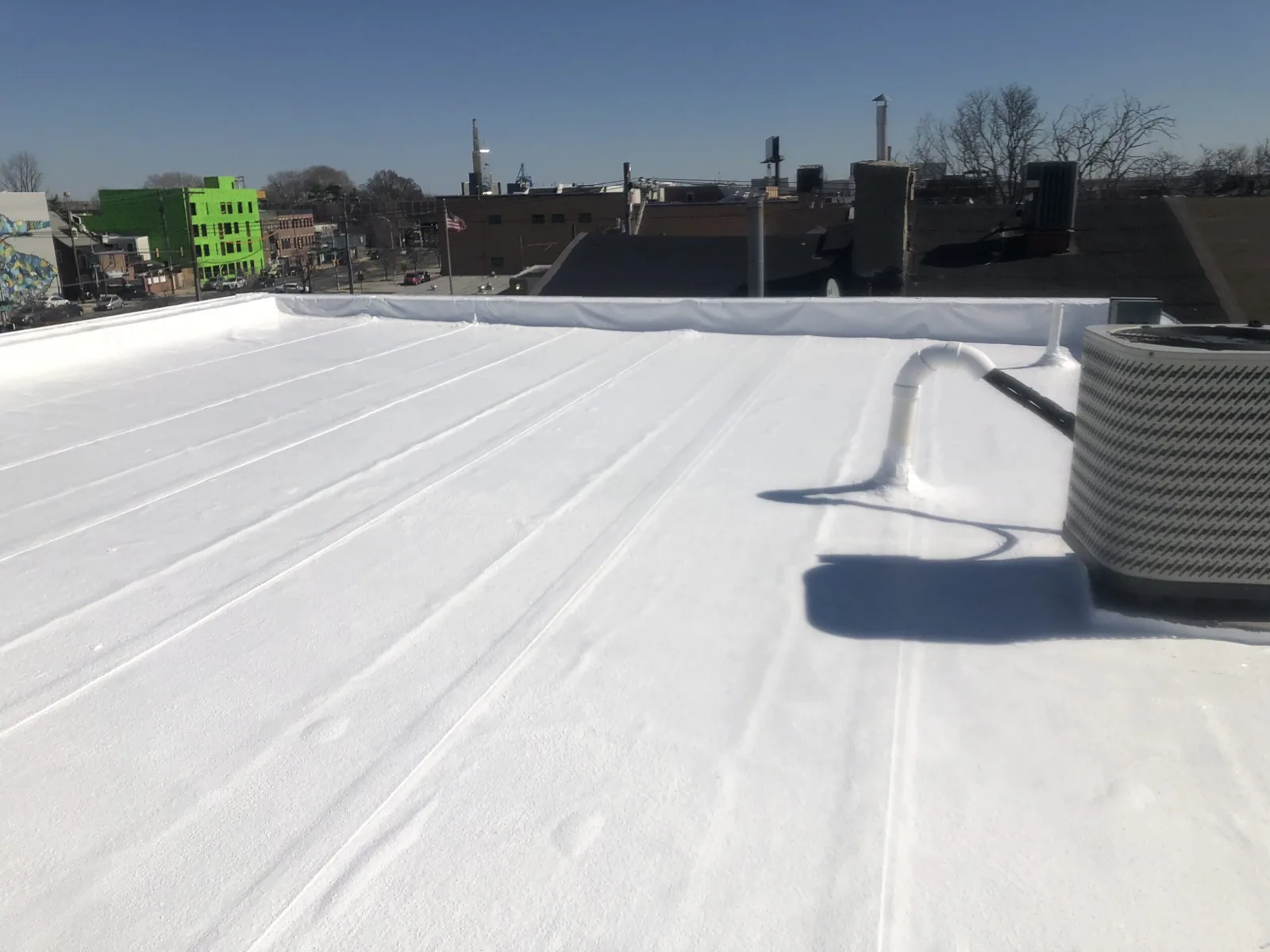
Commercial Roof Inspection
Learn More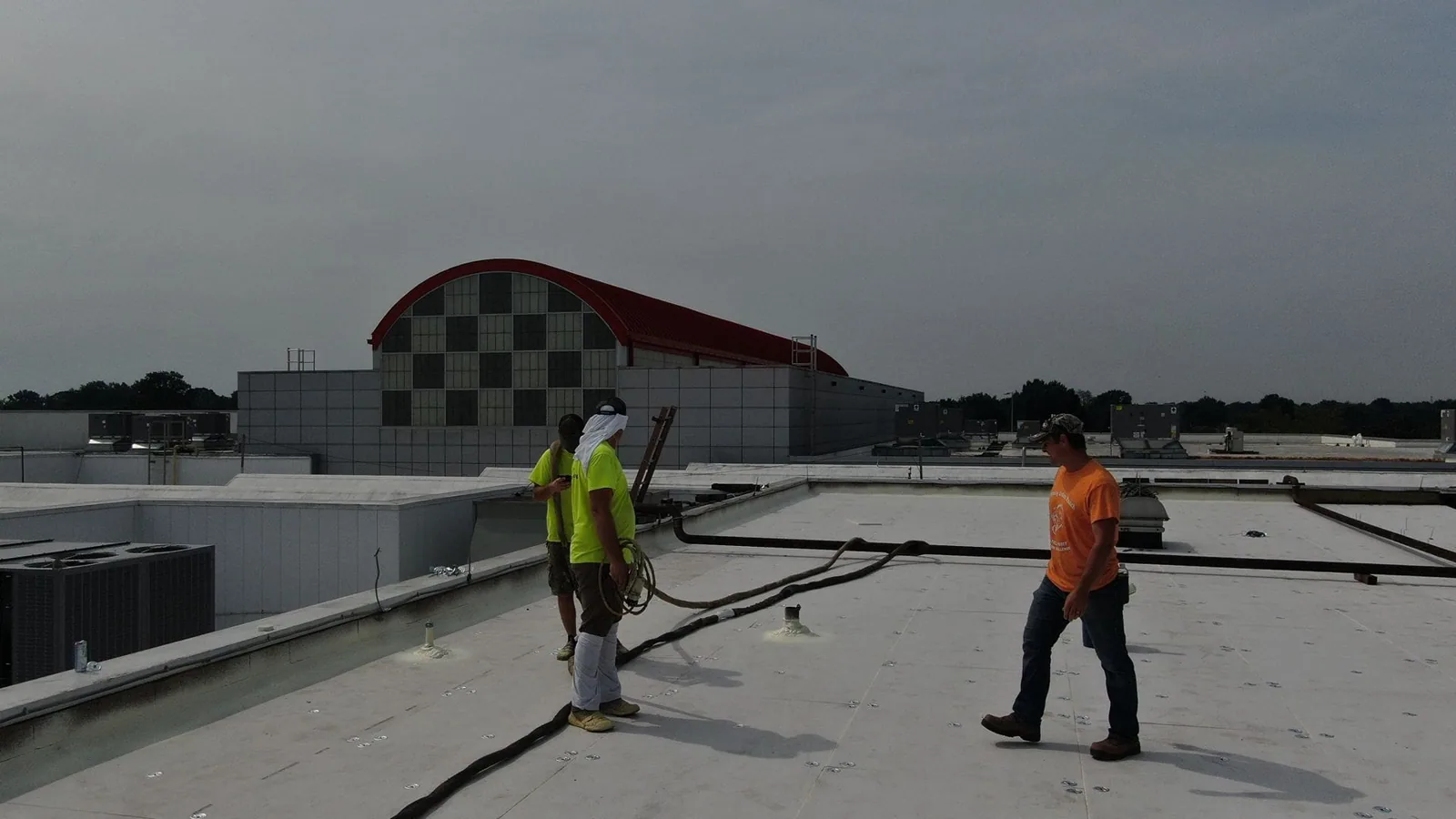
Commercial Roof Leak Repair
Learn More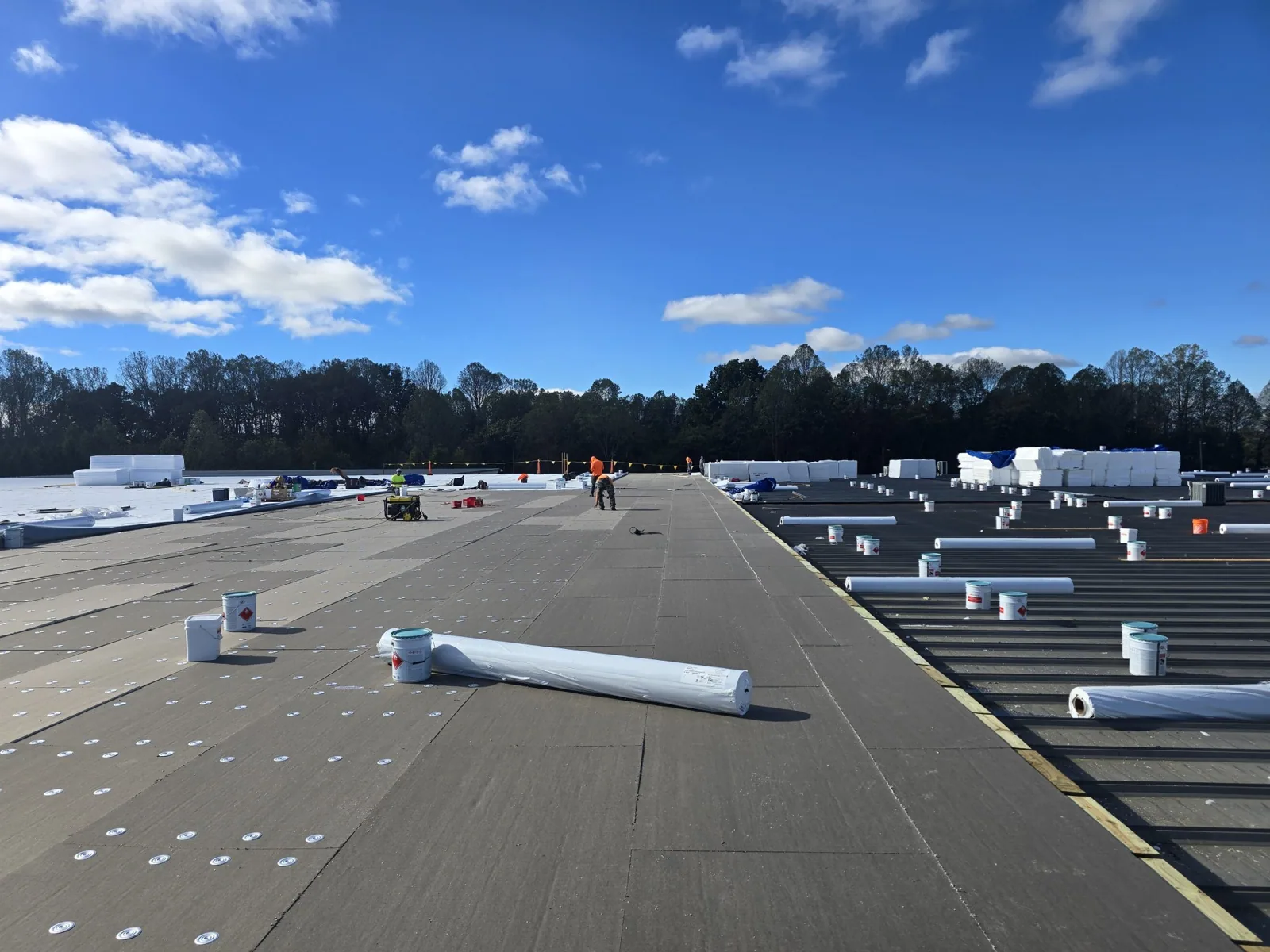
Commercial Roof Repair
Learn More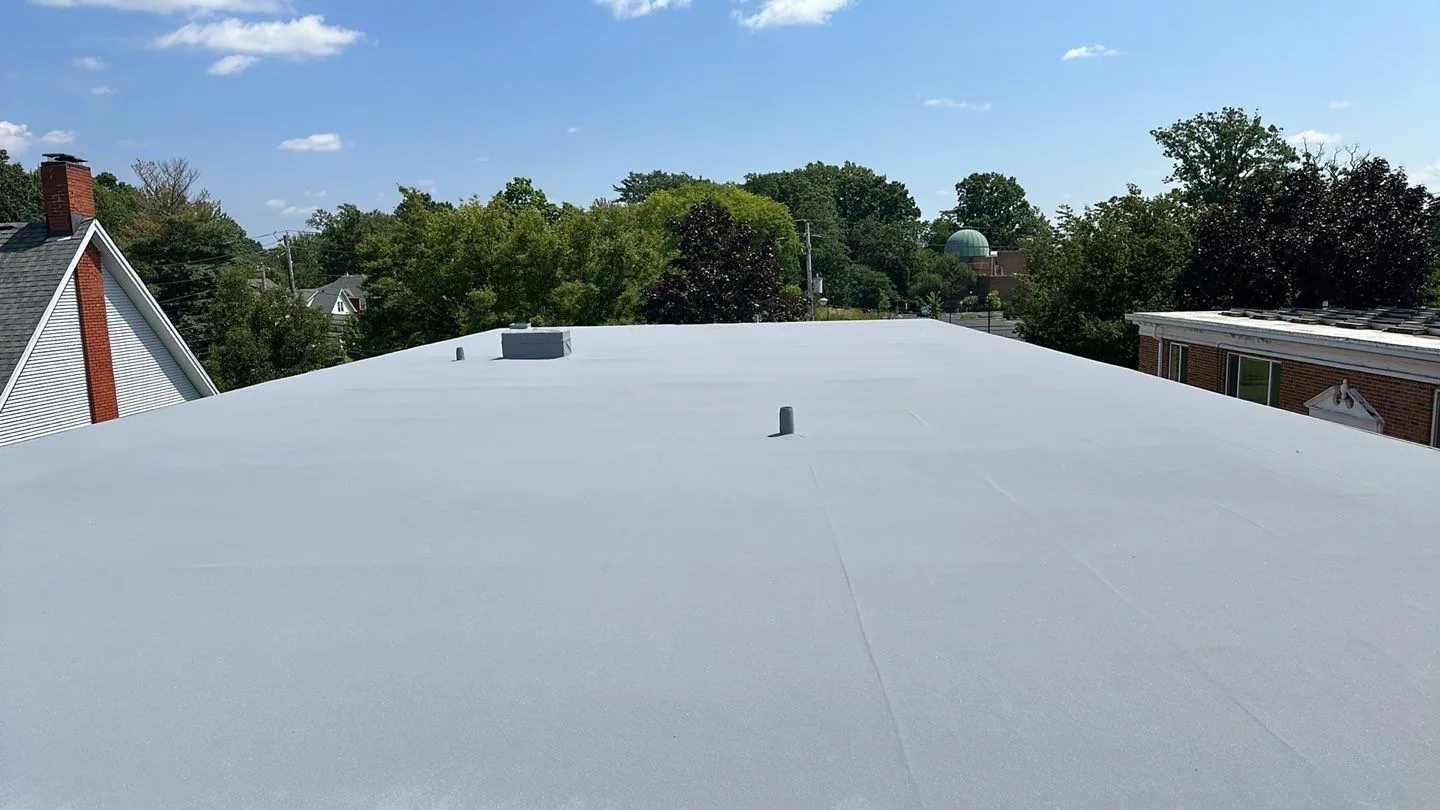
Commercial Roof Replacement
Learn MoreSchedule a commercial roof walk in Rockwood
Request a roof assessment in Gresham
We will review access and operations, inspect roof details and drainage, then prepare a repair or replacement scope tied to observed conditions. Tell us about the building, the roof and what you are seeing. Call 555-555-5555, email [email protected] or send the details through our contact page and we will set up a time to walk the roof.