
TPO Roofing in Gresham, OR
Review a TPO assembly on site
- Home
- Roof Systems
- TPO Roofing
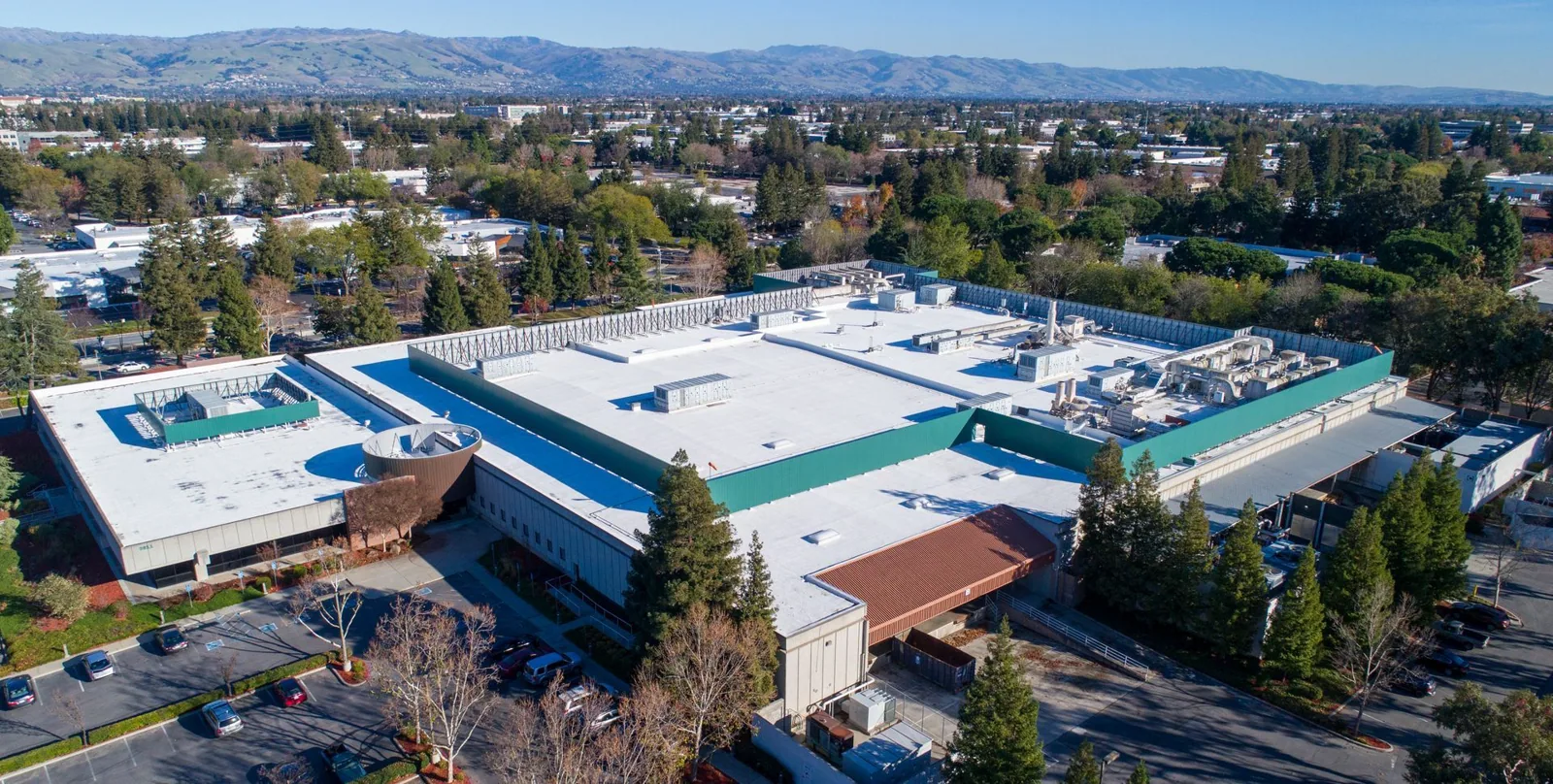
Distribution buildings move pallets below while rooftop units, drains, and service paths compete for room above. TPO is a single-ply membrane used on low-slope commercial roofs, with seams joined by heat welding and details flashed around curbs, drains, and penetrations. We inspect the deck, existing layers, drainage, and equipment before recommending a TPO repair, recover, or replacement. Gresham's industrial lands include distribution, manufacturing, high-tech production, and processing. That mix makes access and equipment coordination part of the system discussion. Portland International Airport averages 157 days with measurable precipitation each year, mostly from fall through spring. Check seams and drains before and during the wet season. We install and repair TPO as part of a complete assembly, not as a membrane-only specification. A commercial roof inspection documents the existing conditions before we compare TPO with other roof-system choices.
Where does TPO need careful detailing?
Field seams depend on clean material and consistent heat, pressure, and travel speed. A weak weld can open under movement or water exposure, while an overheated seam can damage the sheet. We inspect welds at representative locations and probe suspect seams without cutting the membrane. A repair needs compatible sheet, surface preparation, and a weld that joins the new material to sound TPO. Sealant alone does not recreate a welded seam.
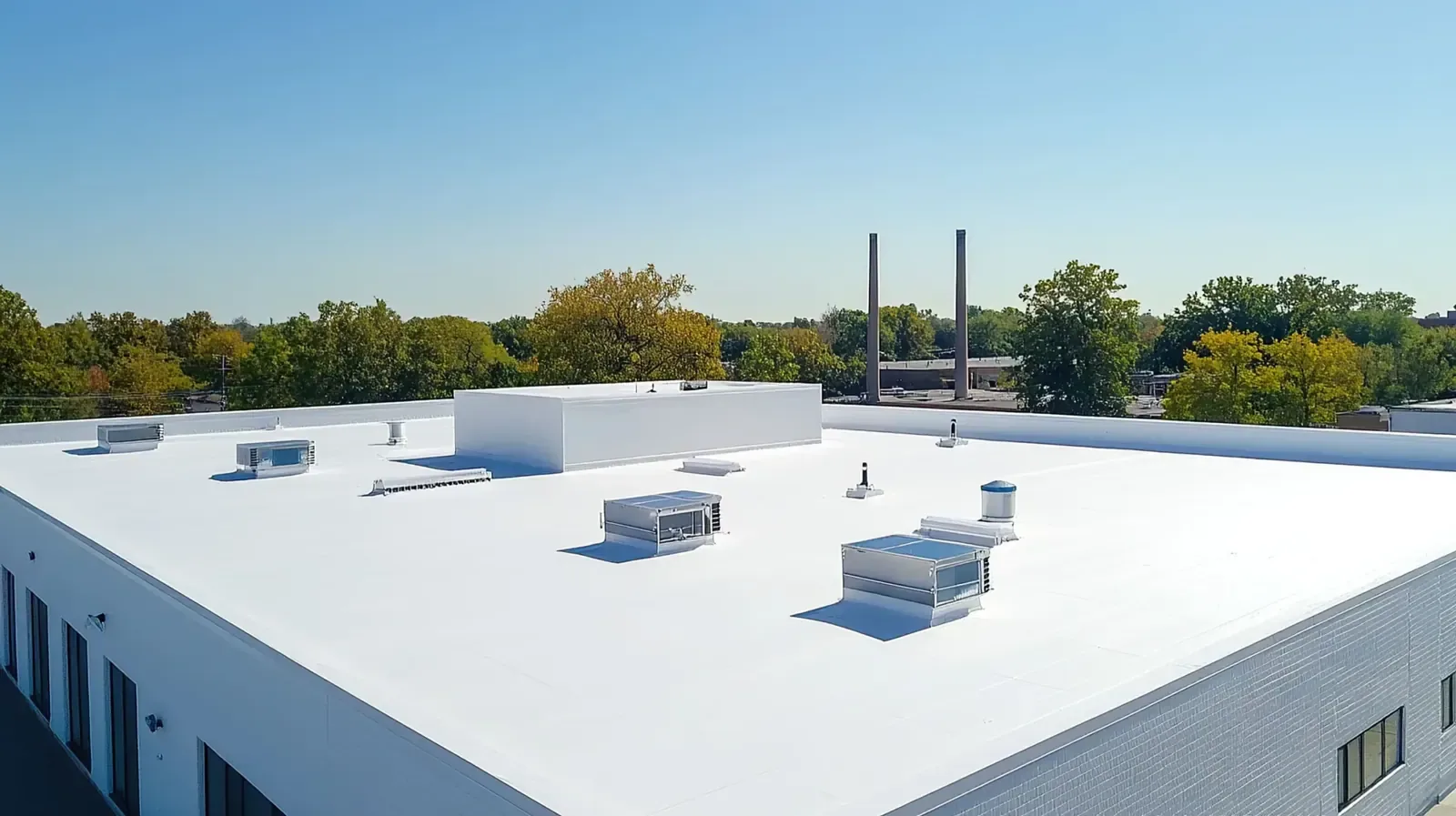
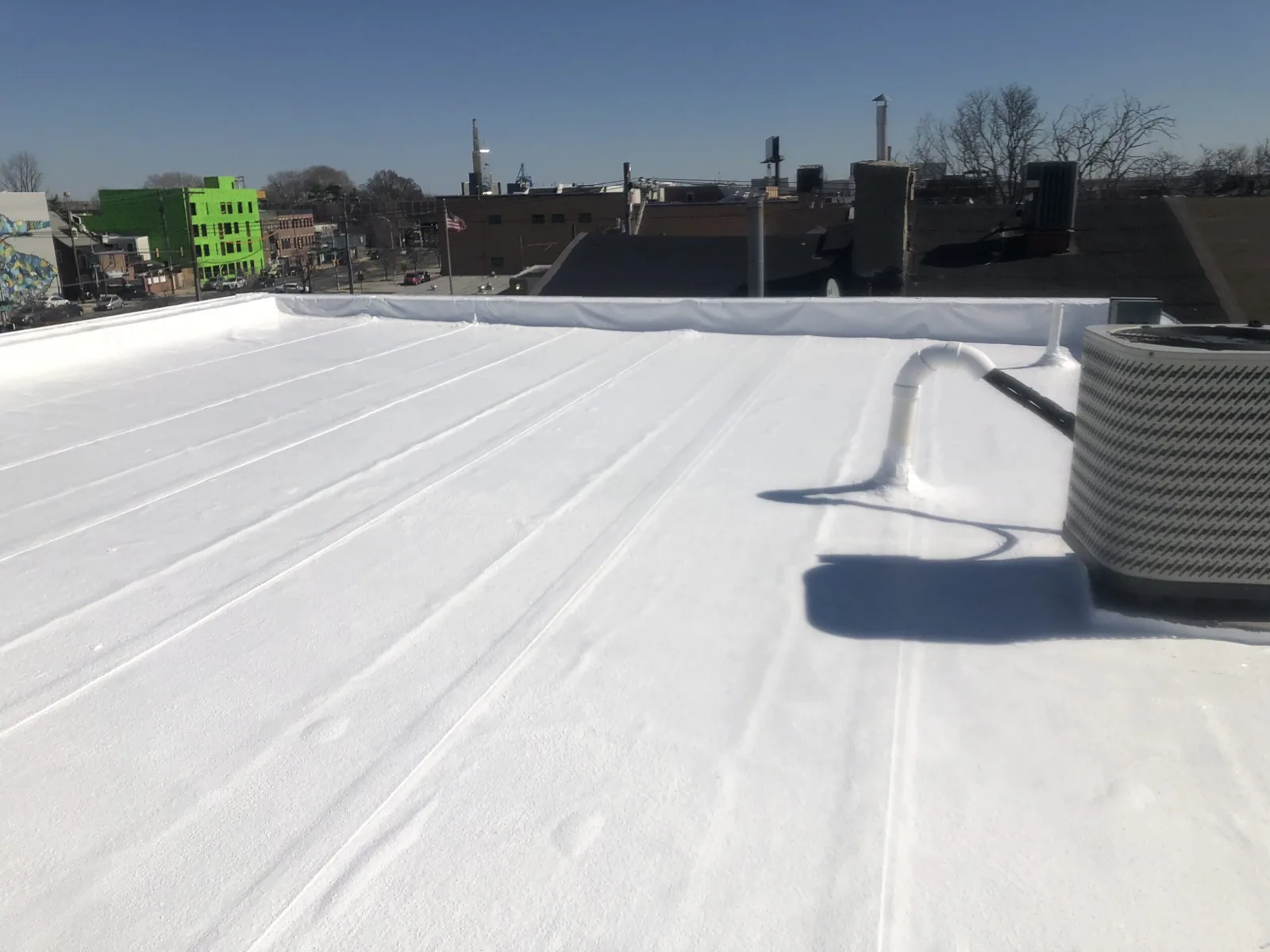
Edges and penetrations need equal attention. A TPO field sheet must terminate securely at parapets, curbs, drains, pipes, and equipment supports. Corners, outside edges, and transitions often have extra cuts or patches, which need inspection as the roof ages. We check attachment, flashing height, water direction, and nearby traffic. At a drain, the membrane detail has to stay clamped and integrated with the bowl, while the outlet remains clear of debris.
Gresham's recurring rain also makes drainage part of seam life. If water remains near a lap or curb, the detail can experience longer exposure. We inspect low areas and outlets, then note whether the issue is a blocked drain, an assembly depression, or a flashing condition. A drain and scupper evaluation can address the full path. For suspected moisture below the membrane, survey work or test cuts help define the repair area.
Is TPO suitable for this building?
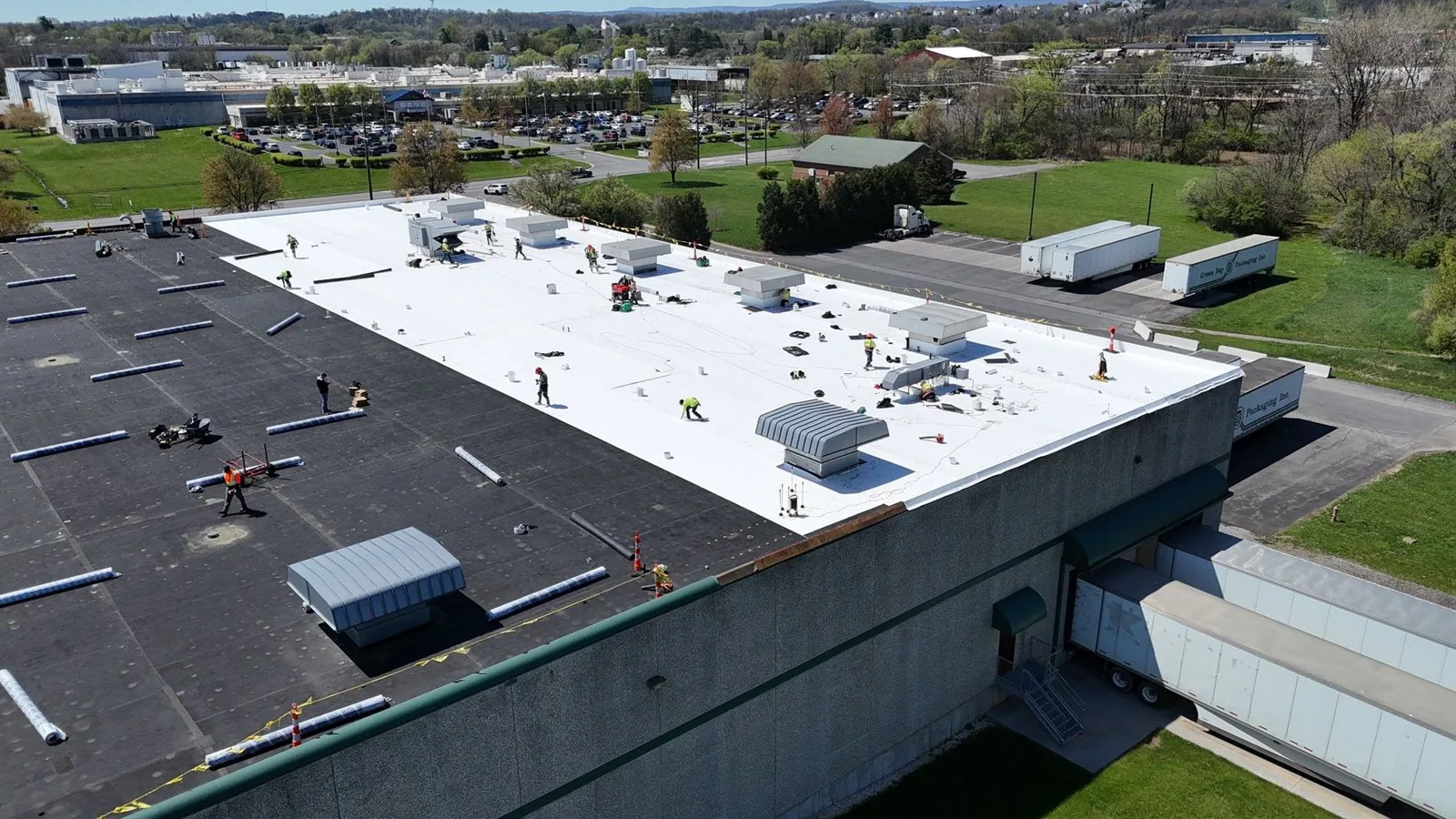
Suitability depends on deck type, slope, attachment, insulation, rooftop traffic, wind design, and the project requirements. The specified membrane thickness and reinforcement should match the assembly and installation method. We review whether the system will be mechanically attached, adhered, or installed over a compatible cover board. The perimeter and corners need attachment details that fit the roof layout and design conditions.
Existing layers affect whether a roof can be recovered. Moisture, compatibility, added weight, finished height, and code requirements must be checked before the old roof remains. If insulation is wet or the deck is damaged, removal may provide a better path to a stable substrate. A recover assessment documents those limits before a new membrane is specified.
Reflective TPO may be one option for a facility considering roof-surface heat. Portland International Airport averages 14.6 days each year with highs of at least 90 degrees Fahrenheit. A reflective sheet alone does not predict a building's energy use. Insulation, HVAC efficiency, occupancy, and operation all matter. We explain membrane properties and assembly options without predicting a utility result. Depending on the deck and conditions, a PVC membrane or EPDM system may be worth comparing. A cool-roof evaluation can compare reflectance goals with roof condition and project scope.
What should Gresham facilities consider?
Southshore Corporate Park includes manufacturing, distribution, processing, and high-tech businesses on an I-84 and Columbia River corridor. Rooftop equipment, deliveries, and production schedules can affect how a TPO project is staged, but each building has its own assembly and access rules. We coordinate material movement, shutdowns, and roof zones with the facility contact. A new membrane section is closed and protected at the end of each shift, especially when wet weather is near.
Springwater Employment Area prioritizes manufacturing and technology uses. If a roof supports a sensitive operation or includes specialized exhaust, the facility identifies system restrictions before work begins. We note intake locations, equipment routes, and areas that need protection from dust or odors. The TPO scope then sets a practical work sequence, rather than assuming that an industrial site can pause normal work whenever the roof crew needs access.
The wet period stretches across fall and spring; keep a TPO work zone small enough to weld and secure before leaving. That regional condition affects the scheduling window and dry-in plan, not the product selection by itself. We confirm the roof surface is dry and prepared before welding or adhering material. For a site near Southshore Corporate Park or Springwater Employment Area, delivery and equipment routes are coordinated with the building operator.
How is a TPO roof installed or repaired?
For replacement, crews prepare or remove the existing assembly according to scope, address deck and insulation conditions, then install the designed layers and membrane. Seams are welded, edges secured, and flashings completed at curbs, drains, pipes, parapets, and equipment. Daily work zones are sized for a secure closeout. If concealed damage appears, the crew documents it and follows the approval process before expanding the repair.
For a repair, we identify the membrane type, locate sound material, prepare the repair zone, and weld compatible TPO into place. A patch should extend beyond the damaged area and have fully welded edges. Details around an active unit or clustered pipe supports may require equipment coordination. We photograph the repair and note any surrounding seams or moisture concerns that need follow-up.
Maintenance includes checking welds, flashings, drain details, punctures, and areas where technicians travel. Repairs to adjacent metal or coatings must not compromise TPO compatibility. We document what work was completed and where future checks should focus. A maintenance visit can keep the system record current through changing seasons.
What should a TPO proposal spell out?
Ask for the membrane type and thickness, attachment method, insulation, cover board, perimeter details, flashing materials, drain work, and treatment at rooftop equipment. The proposal should say which old layers remain, how wet material is handled, and what happens if the deck differs from inspection findings. It should identify daily dry-in, disposal, access, and protection for occupied areas. Those details make the system easier to review than a short line that says only “new TPO.”
Gresham's building mix extends from the commercial centers of Downtown, Civic Neighborhood, and Rockwood to industrial employment areas. The location does not set the assembly; the roof condition and facility use do. We can walk the roof, map its transitions, and explain whether repair, recover, or replacement fits the current evidence. A condition report keeps inspection photos and system notes available for the next facilities decision.
TPO Roofing FAQs
-
Can a TPO seam be repaired without replacing a roof section?
Yes, if sound membrane remains around the failed weld and the substrate is dry and stable. We clean and prepare the area, then weld compatible TPO over the defect. Moisture or recurring seam failure may require testing beyond the visible repair.
-
Can a TPO roof be installed over an older membrane?
Sometimes, after checking the existing layers, moisture, deck, attachment, added weight, drainage, and code conditions. A recover is not suitable if wet insulation or unstable material remains beneath the surface. We document the evidence before recommending a new layer.
-
How do rooftop units affect TPO installation?
Curbs, pipe supports, service paths, and drains need compatible flashing and clear access. We coordinate any shutdown or equipment lift with the facility and mechanical contractor. The scope assigns responsibility for curb dimensions, penetrations, and roof-side closeout.
-
Does white TPO reduce cooling costs?
A reflective membrane can reduce solar energy absorbed at the roof, but utility costs also depend on insulation, HVAC equipment, schedules, and loads. A building-specific analysis is needed to estimate the energy effect.
Related Roofing Work
Commercial Roof Inspection
Learn More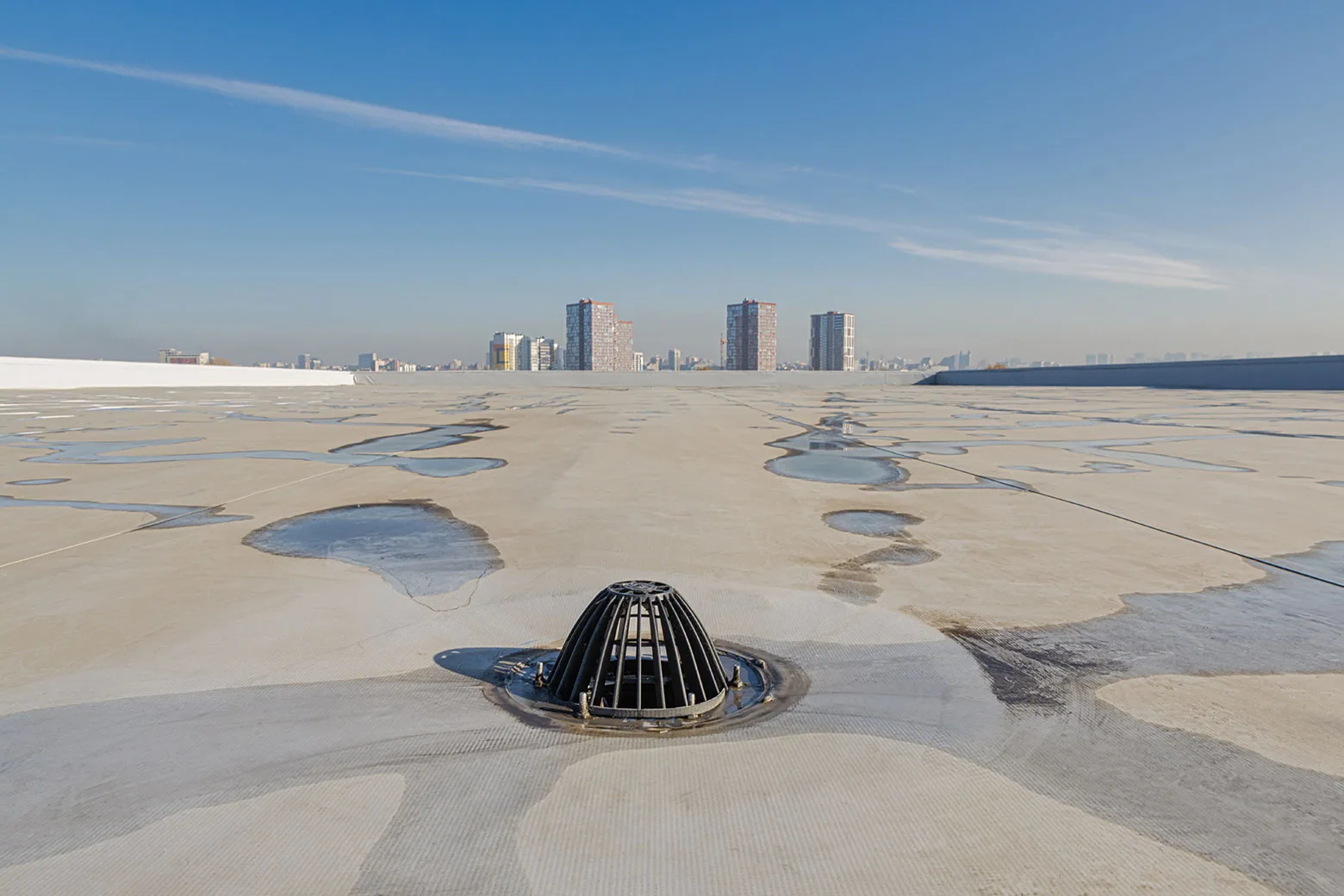
Commercial Roof Drains and Scuppers
Learn More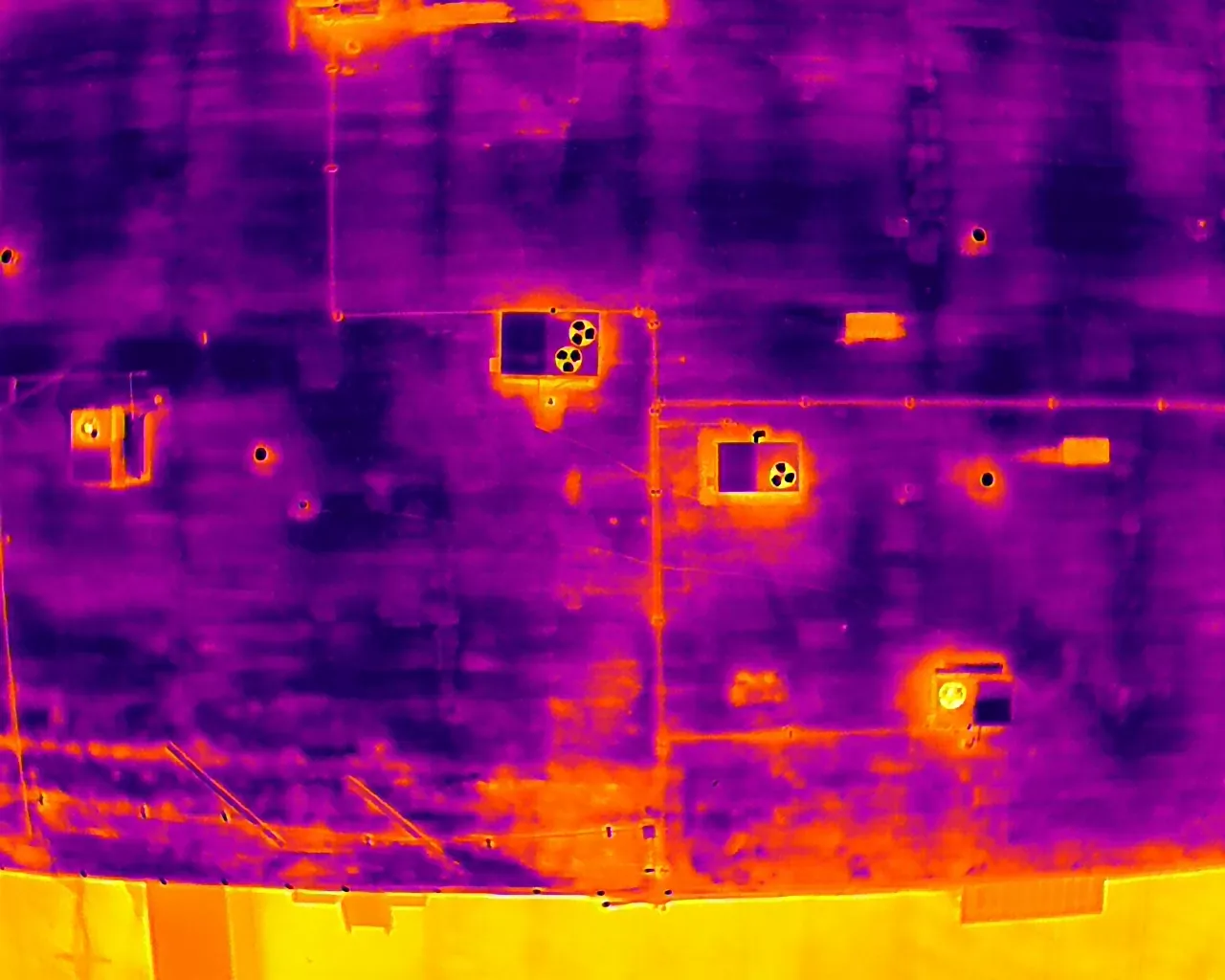
Infrared Moisture Survey for Commercial Roofs
Learn More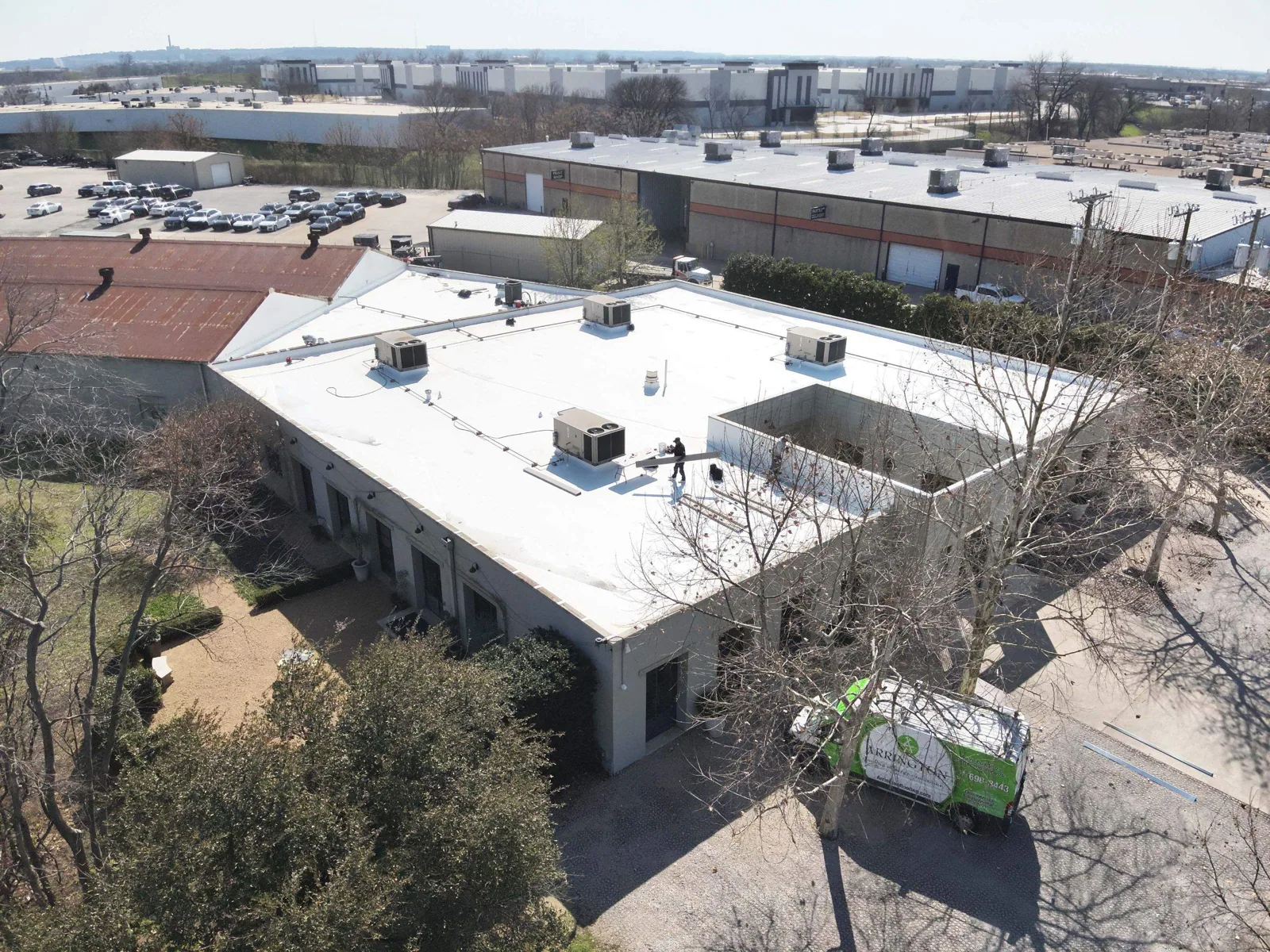
Commercial Roof Recover
Learn More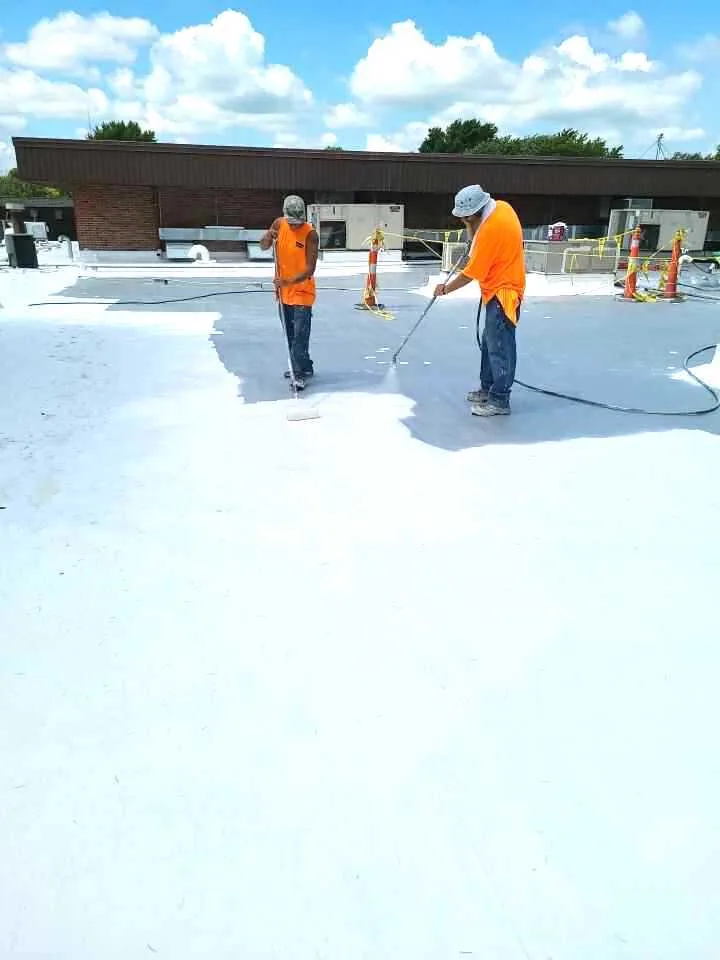
PVC Roofing
Learn More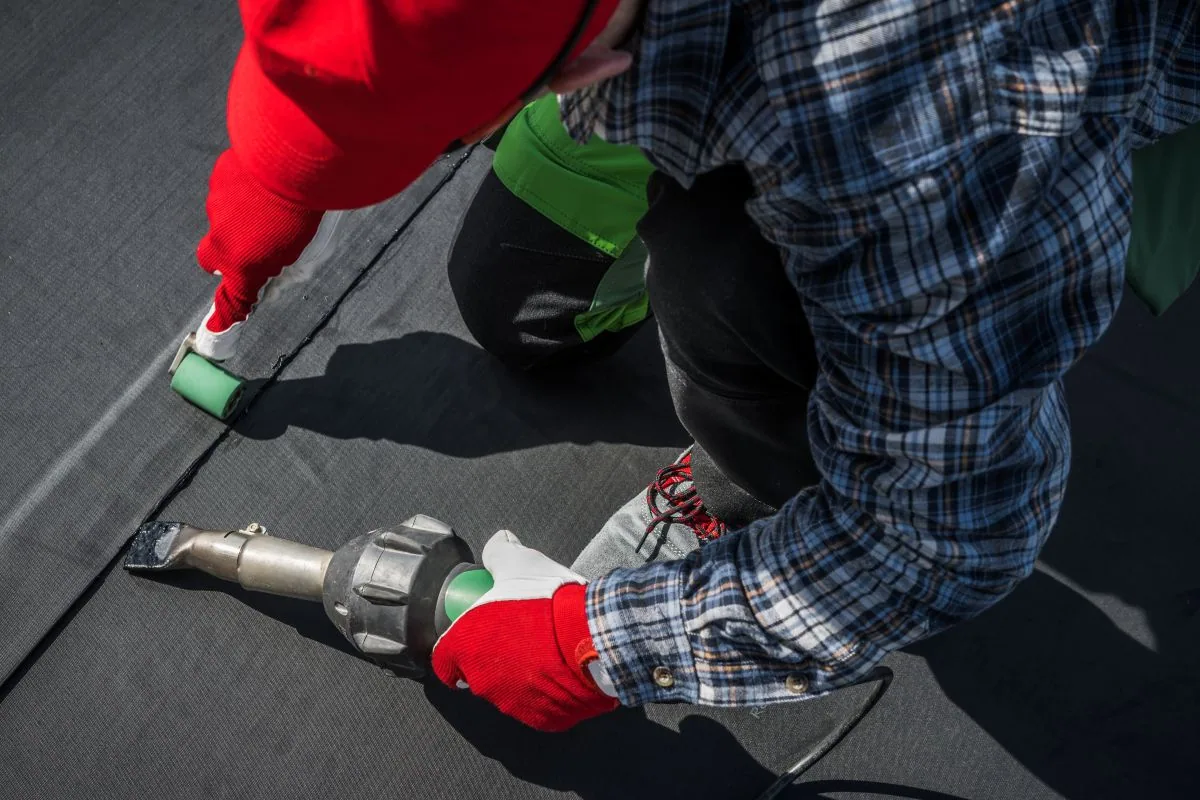
EPDM Roofing
Learn MoreReview a TPO assembly on site
Request a roof assessment in Gresham
We will inspect seams, drainage, equipment transitions, and access needs, then outline a TPO scope for your Gresham building. Tell us about the building, the roof and what you are seeing. Call 555-555-5555, email [email protected] or send the details through our contact page and we will set up a time to walk the roof.