Cold Storage Roofing in Gresham, OR
Review the cold-room roof assembly
- Home
- Property Types We Roof
- Cold Storage Roofing
A freezer roof meets a building envelope that separates very different temperatures. A small air leak or damaged vapor-control detail can move moisture into insulation and create conditions that are harder to diagnose from the roof surface alone. We inspect the membrane, drains, penetrations, equipment curbs, interior reports, and assembly details before recommending a repair. Gresham's industrial economy includes food and beverage processing, manufacturing, and distribution. Those uses can include temperature-controlled spaces, but the facility's actual system must be confirmed on site. Portland International Airport's climate normals show frequent regional rain, which makes roof drainage and daily protection important during repairs. A roof inspection documents the assembly before a cold-storage roofing scope is defined.
How does the cold-room envelope affect roofing?
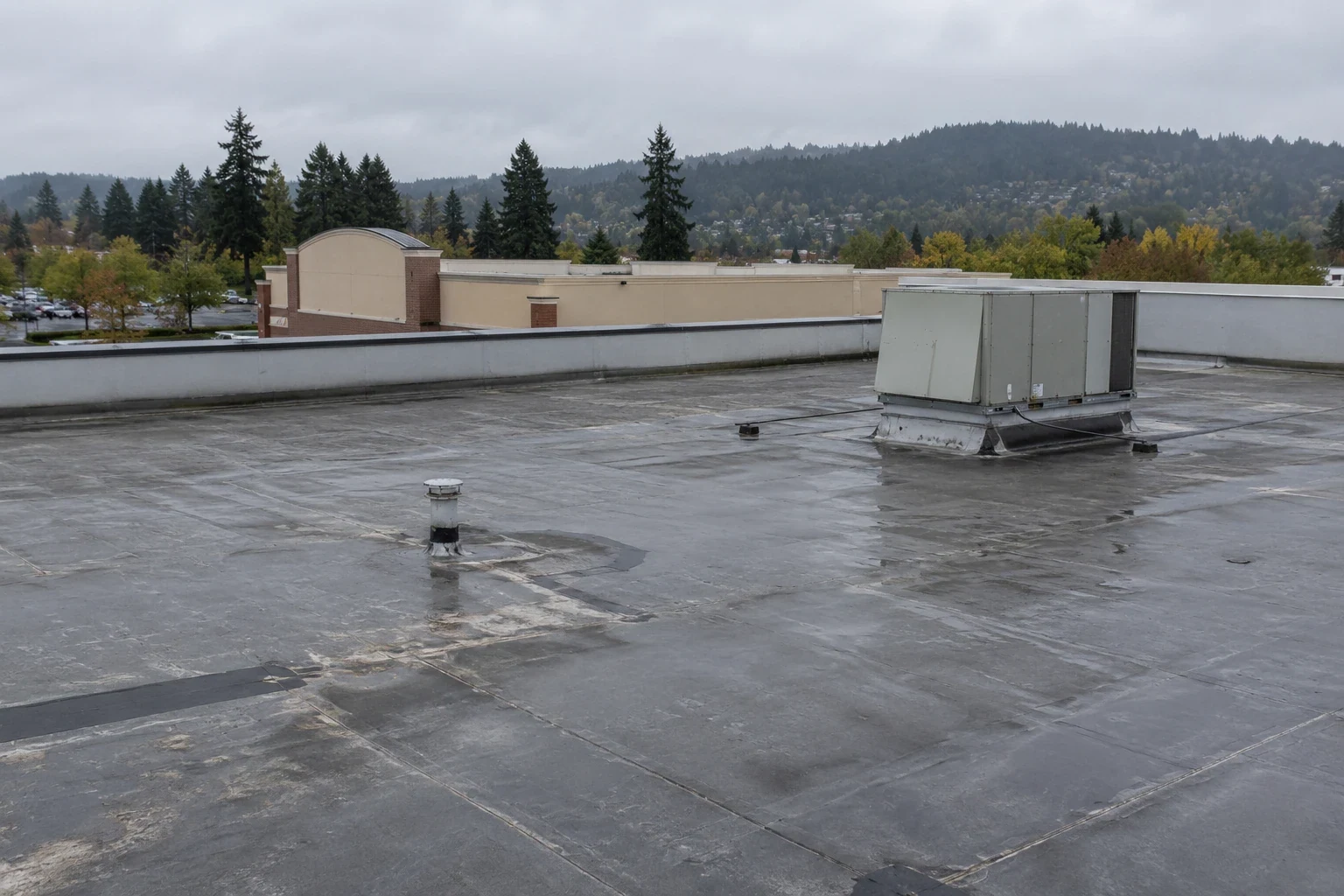
A cold space below a warm or humid roof area can create a vapor-drive condition. Air leakage at seams, penetrations, or wall transitions may carry moisture into the assembly. We review available roof drawings, insulation layers, vapor retarder location, and reported condensation or icing. A roof leak, indoor humidity, and vapor movement can produce similar symptoms, so the inspection needs to separate evidence from assumptions.
Refrigeration lines, exhausts, drains, and electrical conduits cross the roof near equipment. Each opening needs flashing that stays continuous as the system moves or services change. We map penetrations and identify the trades that handle each connection. A curb and equipment review can coordinate roof flashing with refrigeration equipment access and shutdowns.
Cold-storage operations also depend on uptime. The facility identifies acceptable work hours, product-handling windows, and any area that cannot tolerate dust, odors, or temperature changes. We plan roof zones and interior protection before materials arrive. If a system must stay on, the work sequence should avoid unplanned openings near equipment or intake locations.
What can make moisture appear in a freezer roof?
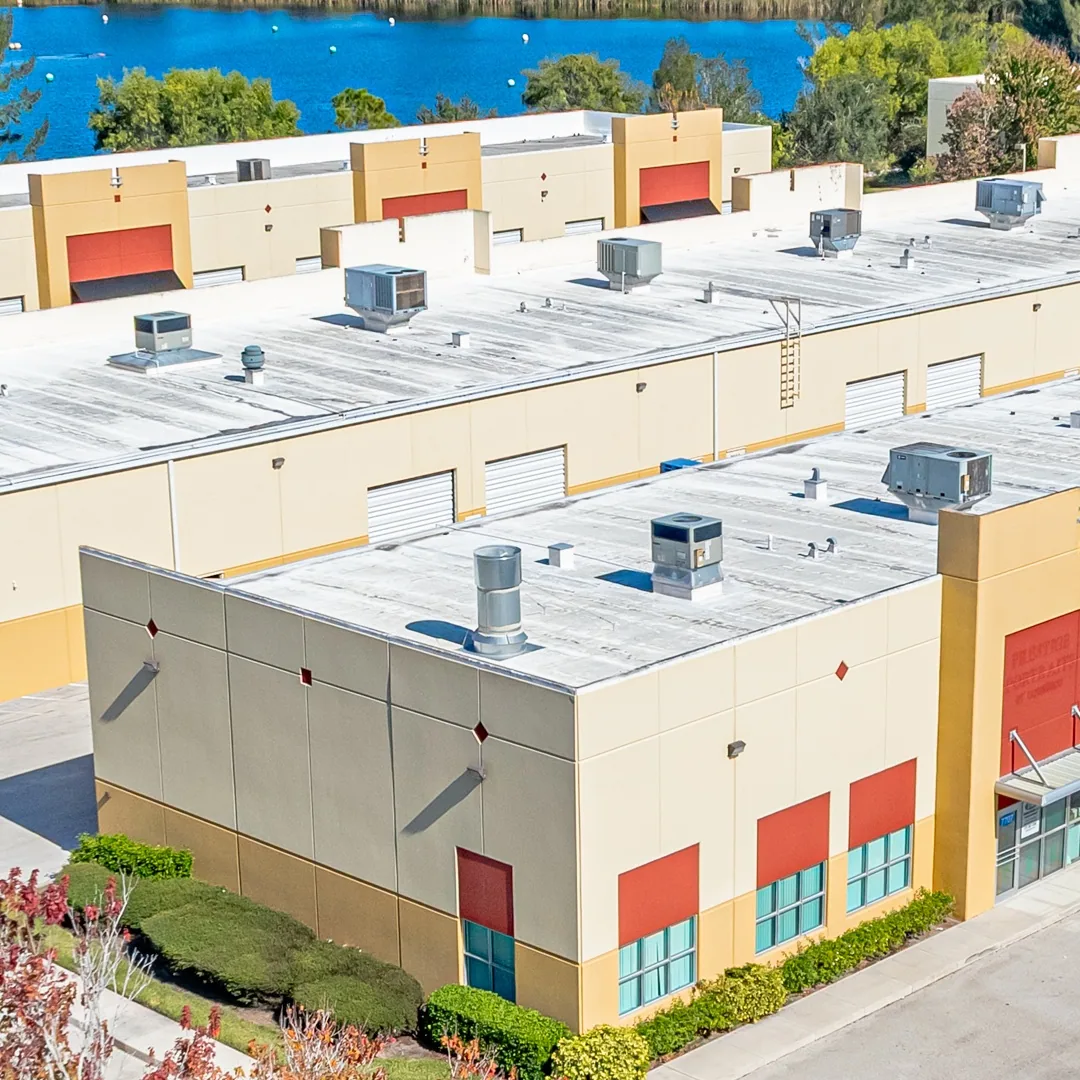
A membrane opening can admit rain, while an air leak may bring warm humid air into a cold layer. Condensation can then wet insulation or condense on the underside of a deck. We inspect roof transitions, interior patterns, and refrigeration or ventilation reports to distinguish likely paths. Where concealed materials are involved, test openings and temperature or moisture measurements may be needed before a repair boundary is set.
Drainage problems create another exposure. Water may collect near a curb or low area and enter at a weakened flashing detail. We check outlets, overflow paths, slope, and the roof transition around refrigeration supports. A drainage evaluation can identify whether debris, damaged flashing, or the roof profile contributes to standing water.
Freeze-thaw at an exposed roof edge or wet insulation can stress materials, but Gresham is not a heavy-snow market. Portland International Airport averages 31.7 days per year with minimum temperatures at or below freezing. That frequency makes cold-weather scheduling a practical part of repair planning. We follow the selected system's application limits and inspect transitions after weather changes where a cold-room operation may make moisture migration more consequential.
How should the roof and vapor-control layers be repaired?
A surface repair may stop rain entry, but it cannot correct a discontinuous vapor-control layer or wet insulation below the membrane. We trace the reported condition and inspect relevant layers. The scope identifies whether it repairs flashing, air seals, insulation, vapor retarder, or the roof membrane. If the cause is uncertain, we recommend diagnostic openings or coordination with refrigeration and building-envelope specialists before enclosing the assembly.
Repair materials must fit the existing system and temperature conditions. Adhesives, sealants, and membranes have product limits, and some require the roof surface to be dry and within a specified range. We plan around actual conditions and the cold-storage facility's operation. A moisture survey can map suspect areas; the test results help determine where a controlled opening may be necessary.
When the roof is near replacement, a new assembly should be designed with vapor control and penetrations coordinated. A recover is only suitable when existing layers, moisture, deck, and code requirements allow it. A recover review checks those conditions. If removal is needed, a replacement plan can coordinate insulation, membrane, drains, and refrigeration curbs.
What local facility context matters?
Gresham industrial lands include food and beverage processing, distribution, electronics, and manufacturing. Gresham Vista Business Park also contains food-processing and logistics uses. The region's employment mix makes refrigeration and process equipment a relevant coordination question, but not a fact about an individual building's roof. We confirm which systems operate above the roof and what needs to stay on during the work.
Gresham Vista Business Park and Southshore Corporate Park are broad industrial areas with distinct operating sites. A cold-storage facility may need trailer access, temperature monitoring, and product-protection steps. We work with its facility contact to set the material route and roof window, then coordinate any refrigeration shutdown or startup with the responsible technician.
Regional rainfall is concentrated from fall through spring. Portland airport climate normals average 157 days with measurable precipitation annually. That pattern informs seasonal sequencing, while the actual forecast and roof temperature set daily application conditions. We keep each work zone protected and communicate before a weather delay changes access or refrigeration work.
How does a cold-storage roof repair proceed?
We review the reported area, roof drawings, refrigeration notes, interior conditions, and access rules. The inspection maps membrane, penetrations, drains, insulation, and vapor-control transitions that can be seen. We identify whether a test opening or specialist review is needed before repair. The facility names the person who authorizes any temperature change or equipment shutdown.
Crews isolate the work zone, remove damaged materials as scoped, and document wet insulation or deck conditions before replacement. The repair restores the intended air, vapor, and water-control layers at the detail. At shift end, openings are closed and the facility receives the status of the roof and equipment. If the underlying condition differs from the inspection, work pauses for approval under the written process.
Closeout includes photographs, repaired locations, material notes, and any condition that should be monitored. A roof condition report can keep the finding with the building's envelope and maintenance files. The service log should note equipment or interior changes that may affect future inspection.
What should the cold-storage scope include?
Confirm roof assembly, vapor-control details, refrigeration penetrations, drains, insulation, membrane, temperature restrictions, and access. The scope should name who handles equipment shutdown, product protection, interior isolation, and concealed-condition approvals. It should define how roof openings are closed and how wet materials are handled before the assembly is rebuilt. A repair proposal must distinguish water entry from condensation findings that need additional evaluation.
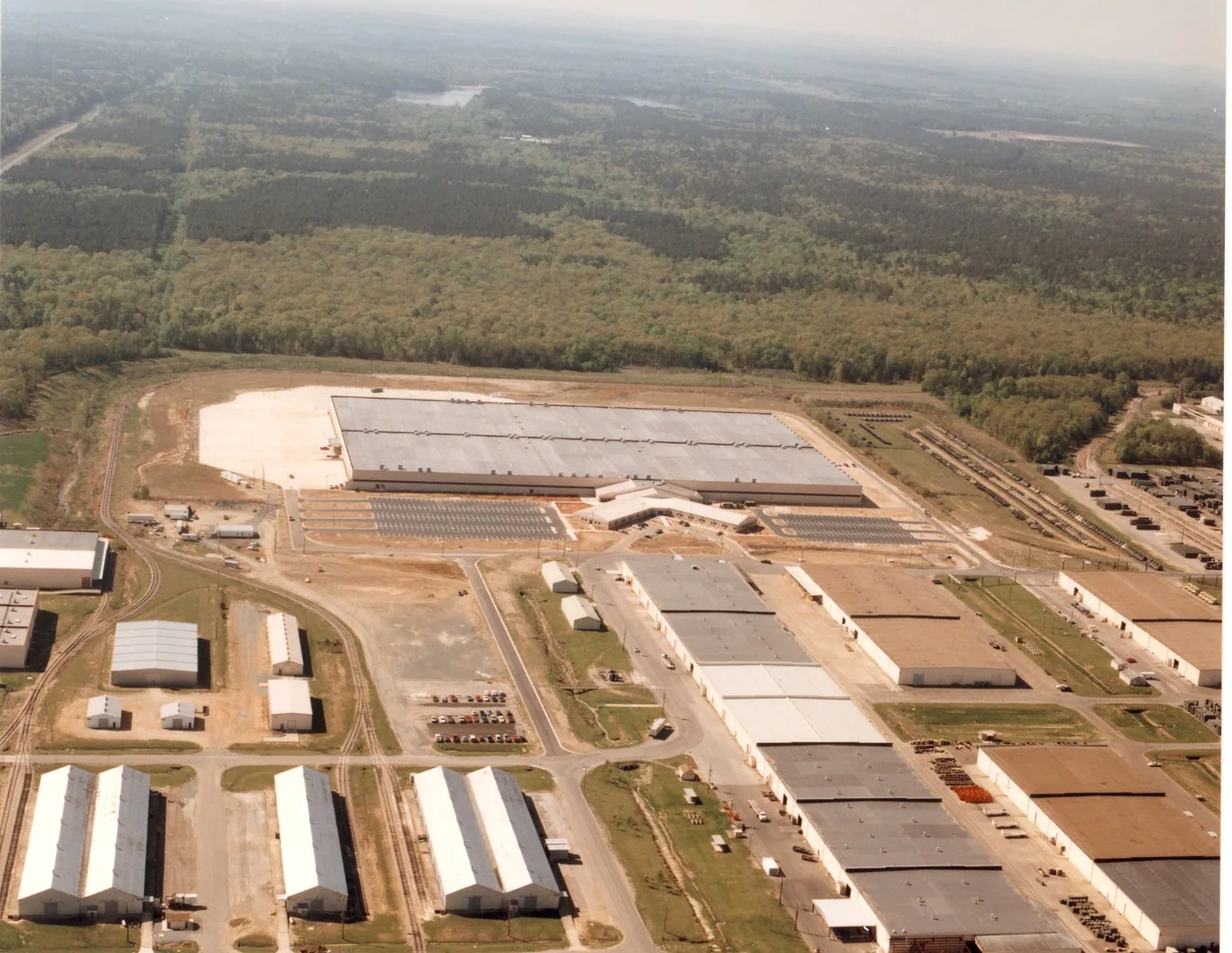
Cold storage can share a distribution yard with a distribution-center operation or a warehouse, but the temperature-controlled areas have their own envelope requirements. Gresham's industrial areas include food processing and logistics; each facility sets its own operating schedule. We can walk the roof with facilities and refrigeration contacts and prepare a repair window that protects the operation.
Cold Storage Roofing FAQs
-
How do you tell a roof leak from condensation?
We compare weather timing, interior patterns, roof details, insulation moisture, and the building's temperature and humidity conditions. A leak and vapor movement can overlap. Test openings and coordination with refrigeration or envelope specialists may be needed before assigning the repair.
-
Can refrigeration stay on during roof repairs?
Often, depending on the work zone and access to curbs, lines, and equipment. The facility and refrigeration technician confirm whether a shutdown or isolation is needed. The roofing schedule identifies any restricted area and the contact responsible for equipment status.
-
Will new insulation stop moisture from entering a cold room?
Not on its own. The design needs continuous air and vapor control, compatible insulation, and sealed penetrations. We inspect the assembly and coordinate with the envelope professional when the moisture path is not clear from roofing evidence.
-
Can a recover be installed over a freezer roof?
Only if the existing layers, moisture, deck, height, and project design support it. Vapor-control continuity and equipment transitions also need review. We test suspect areas before recommending that layers remain below a new system.
Related Roofing Work
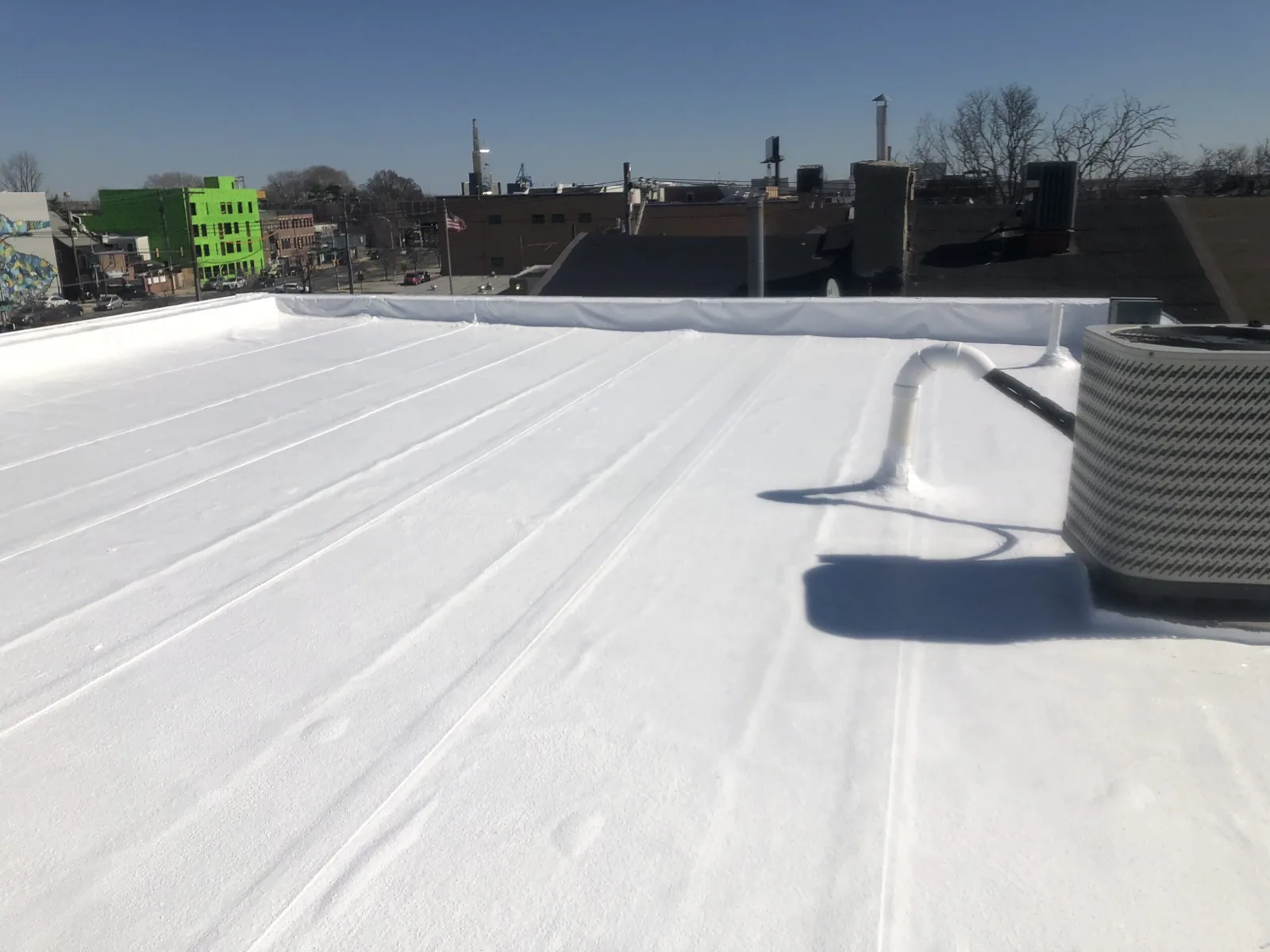
Commercial Roof Inspection
Learn More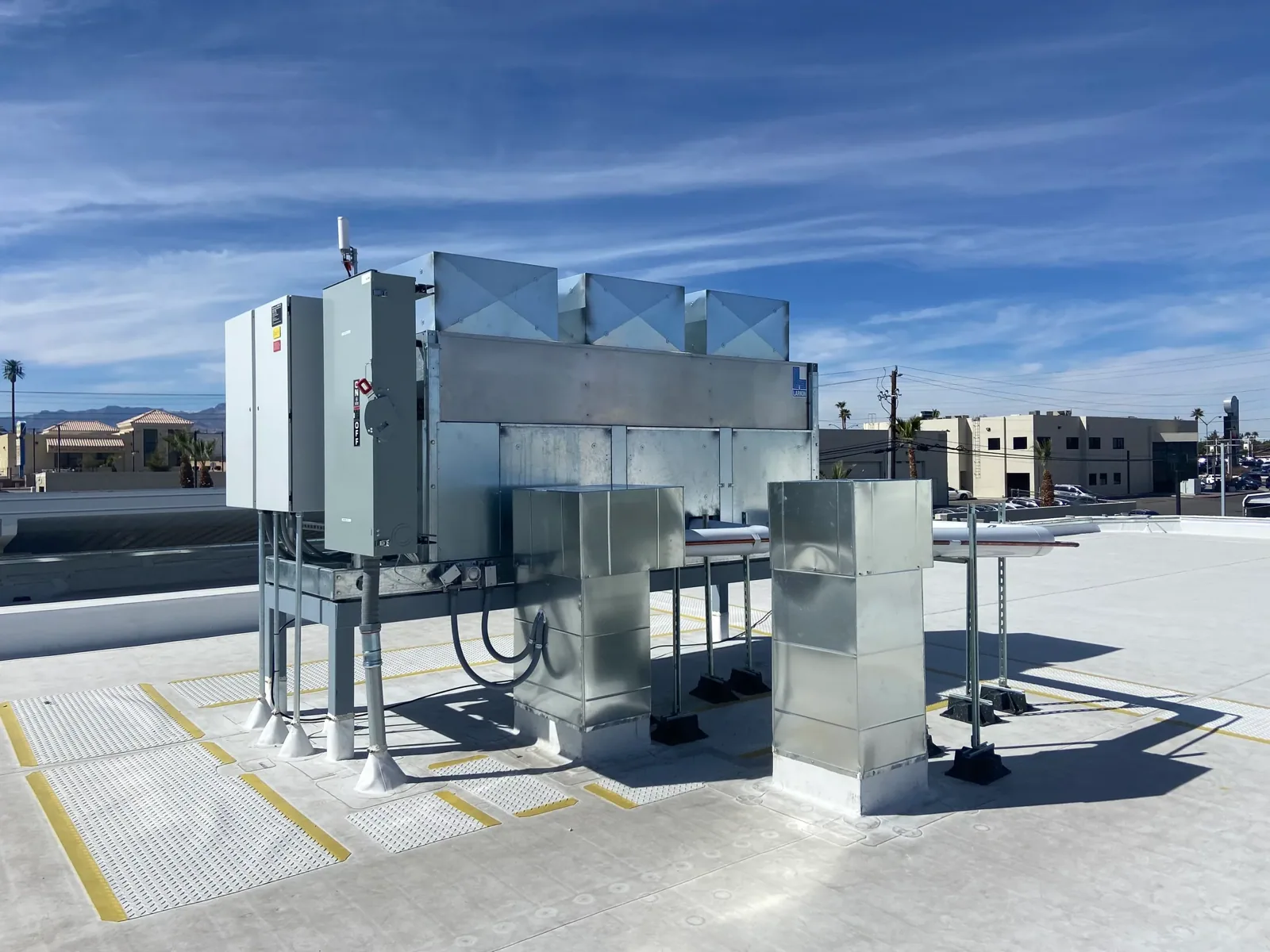
Rooftop Equipment Curbs and Supports
Learn More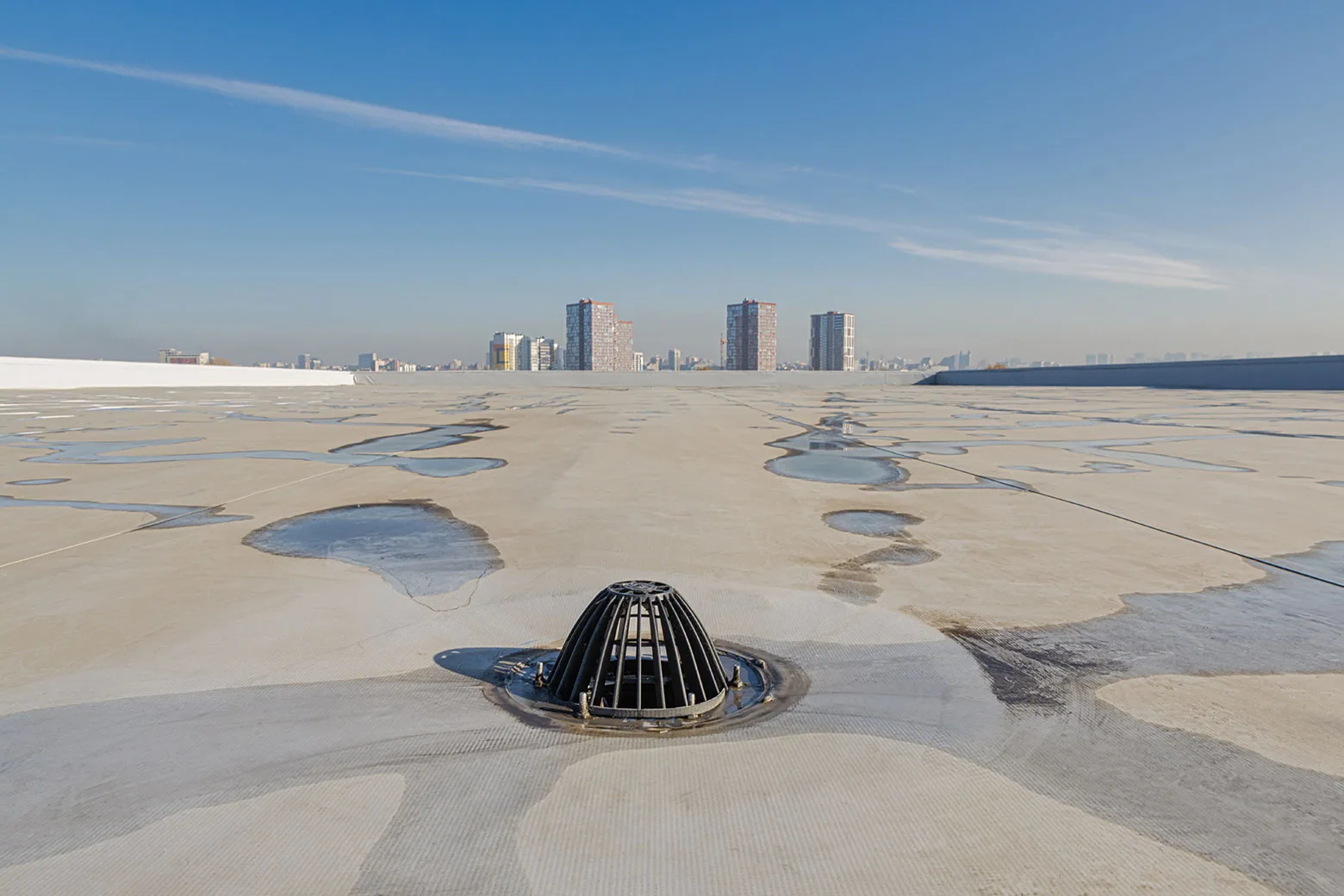
Commercial Roof Drains and Scuppers
Learn More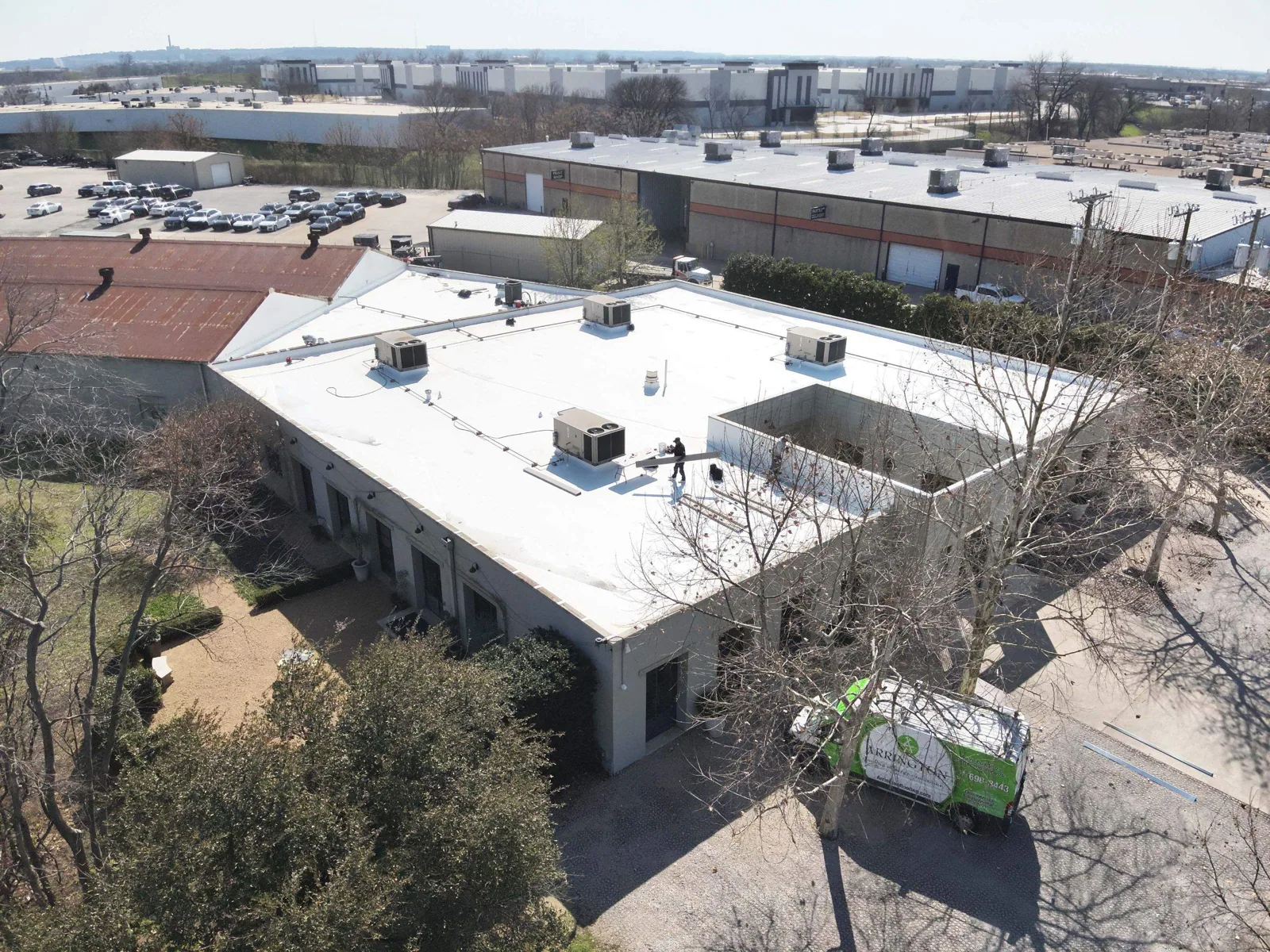
Commercial Roof Recover
Learn More
Commercial Roof Replacement
Learn More
Gresham Vista Business Park
Learn MoreReview the cold-room roof assembly
Request a roof assessment in Gresham
We will inspect moisture paths, penetrations, drainage, and access needs, then coordinate the roofing scope with your Gresham facility. Tell us about the building, the roof and what you are seeing. Call 555-555-5555, email [email protected] or send the details through our contact page and we will set up a time to walk the roof.