
Rooftop Equipment Curbs and Supports in Gresham, OR
Coordinate a curb and support review
- Home
- Commercial Roofing Services
- Rooftop Equipment Curbs and Supports
An HVAC replacement can change the roof even when the new unit fits the same opening. Curb height, vibration, piping, wiring, and service access all affect the flashing around that equipment. We inspect the curb, membrane, supports, and nearby seams before scoping roof work, then coordinate with the mechanical contractor if the unit must be lifted or shut down. Gresham's industrial lands include manufacturing, processing, distribution, and high-tech operations, so rooftop systems may be tied to production or environmental controls. The equipment and roof details need an on-site review. Portland's long wet season puts a premium on secure curb and support flashing. A penetration flashing inspection can assess nearby openings; this roof walk can also check curbs, equipment rails, and pipe supports.
What should be checked around a rooftop unit?
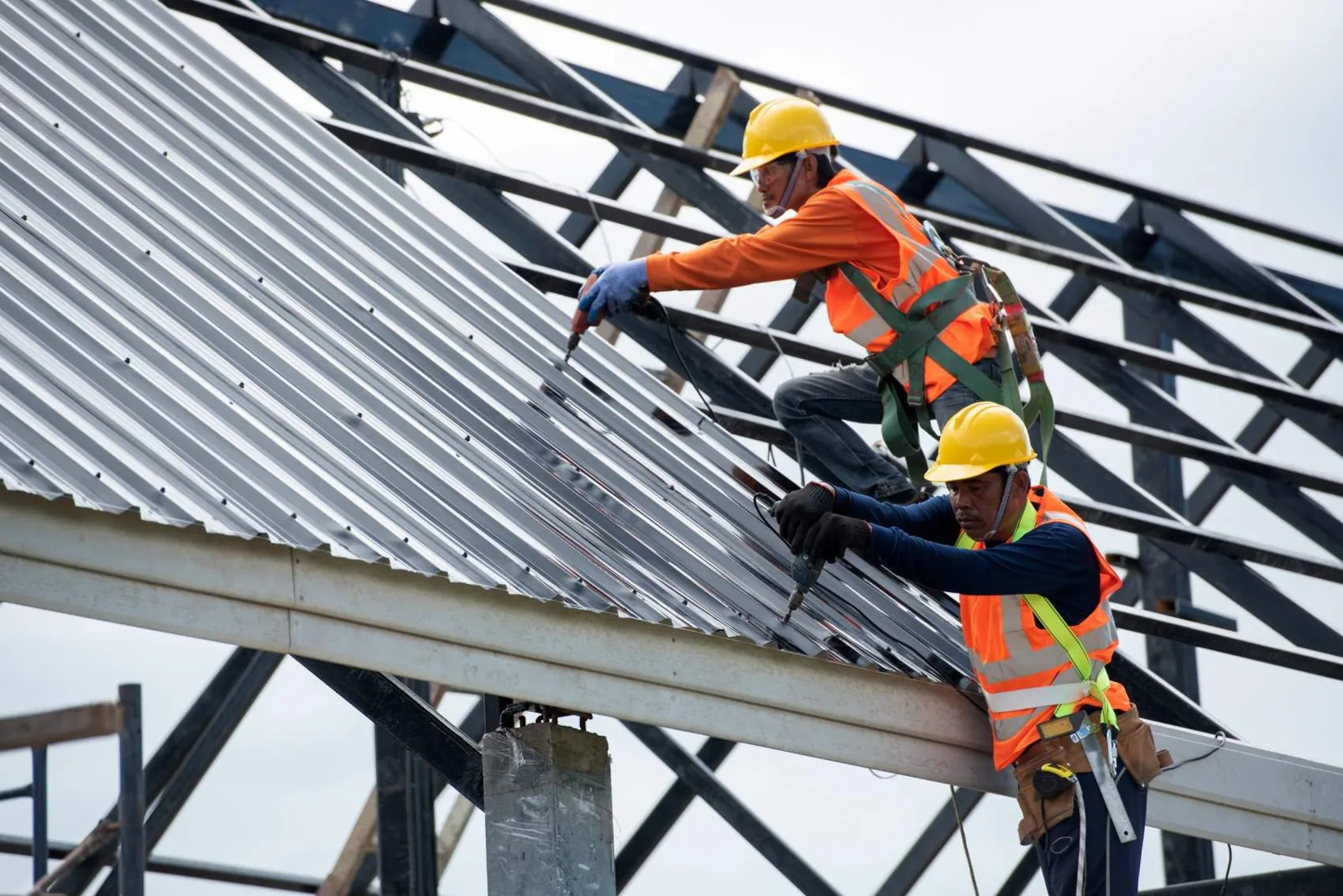
We inspect the curb corners, membrane flashing, counterflashing, fasteners, and the curb-to-unit connection that can be seen without disturbing equipment. Signs of movement, sealant separation, corrosion, ponding, or previous patching may point to a detail that needs repair. We also check whether the curb sits high enough above the finished roof and whether nearby insulation or membrane has been compressed by service traffic. If the equipment enclosure itself is leaking, the mechanical unit may need a separate evaluation.
Pipe stands, conduit supports, and service rails should transfer their load without cutting or crushing the membrane. We inspect their bases, protective pads, attachments, and the path technicians use to reach the unit. A support installed directly through the roof can create a leak path if the penetration detail is not compatible with the roof system. We identify the support type and coordinate any relocation or replacement with the contractor responsible for the equipment.
Before a unit lift, the facility should know how long the equipment will be offline, where the crane can stage, and what weather protection the opening needs. The roofing scope identifies curb repairs and temporary protection. The mechanical scope handles disconnects and reconnections. At Southshore Corporate Park, industrial activity and large parcels make equipment access a project-specific planning matter; the park itself does not establish a single access procedure.
How can equipment movement damage a roof?
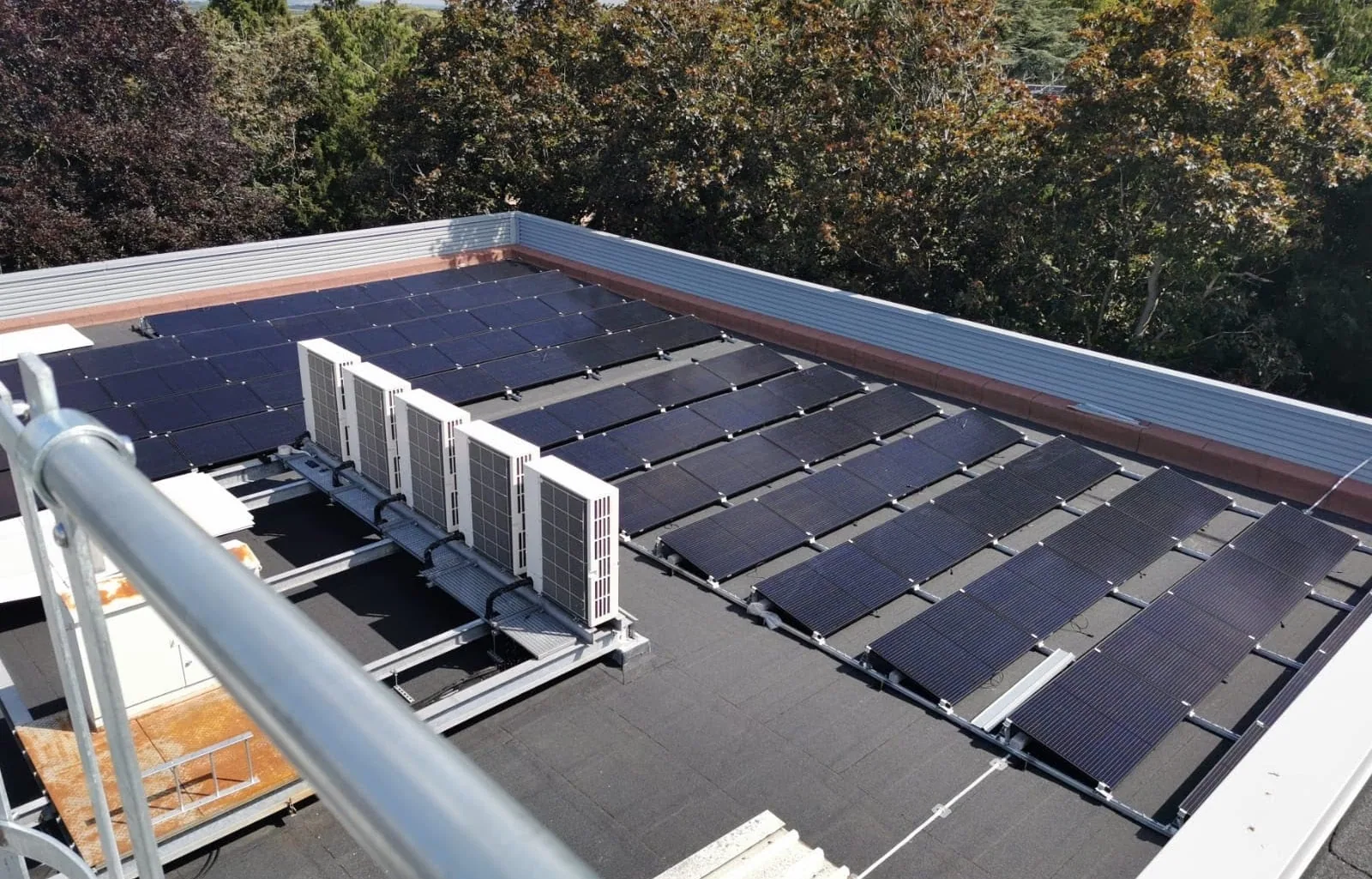
Vibration can work on a loose fastener or stress flashing where a curb meets the membrane. Repeated service visits can scuff a walkway, puncture a field sheet, or pull on conduits that cross a seam. When water reaches a curb corner, it can travel beneath the surface before reaching a ceiling. We compare the reported leak area with the curb, nearby seams, and interior evidence. A moisture survey can help map suspected wet insulation, but targeted openings may be needed to confirm the assembly.
Equipment changes can create a mismatch between an old curb and a new unit. If the replacement equipment is smaller, larger, or has different rail points, the curb may need an adapter or modification. Raising the roof surface during a reroof can also reduce the curb's effective flashing height. We coordinate the final curb dimensions with the mechanical equipment schedule before installing membrane. That avoids closing a roof detail around dimensions that later change.
Condensate lines and drains need a clear path that does not discharge onto the membrane or into a wall joint. We check visible piping supports and discharge points, while the mechanical contractor confirms the equipment connection. A drainage review can address ponding near the unit or a blocked roof outlet. The repair should keep water moving toward the roof drain without creating a new low point at the curb.
How should Gresham operations coordinate roof access?
Gresham's traded-sector targets include electronics, avionics, medical devices, semiconductors, and clean technology. Some production areas have specific access controls. The facility director sets escort rules, equipment shutdowns, intake protection, and routes for tools and materials. We record those constraints before mobilizing.
The I-84 and Sandy Boulevard freight corridor links east-county industrial lands, including areas near Gresham, Fairview, Wood Village, and Troutdale. Crane arrival, rooftop-unit delivery, and flatbed access may need to fit loading activity. We coordinate a staging area and keep the equipment route clear for the operation. If the work is at the I-84 and NE 181st industrial cluster, site access still depends on the building's own procedures and work zone.
Rainfall and temperature also affect the sequence. We protect the roof opening if equipment must be lifted and set a watertight closeout before ending the shift. At freezing temperatures, some sealants and adhesives cannot be installed under their product requirements. A plan needs an alternate date or temporary measure if weather blocks permanent flashing work. We keep the equipment contact informed when the roofing sequence changes.
What does a coordinated curb repair include?
The scope identifies whether the unit stays in place, whether a lift is needed, and which contractor disconnects and reconnects equipment. It describes curb dimensions, flashing materials, membrane tie-ins, support bases, and temporary protection. If the curb or deck is damaged, the work plan states how the condition will be photographed and approved. The mechanical contractor confirms the equipment alignment; the roofer closes the waterproofing detail after the equipment is set.
For equipment replacement, the curb and roof flashing should be designed for the final unit, not the old footprint alone. We confirm the roof system, insulation thickness, support height, and curb transition before field work. A roof insulation and cover-board scope may change the finished elevation during replacement. A reroof plan should coordinate those dimensions with all rooftop equipment work.
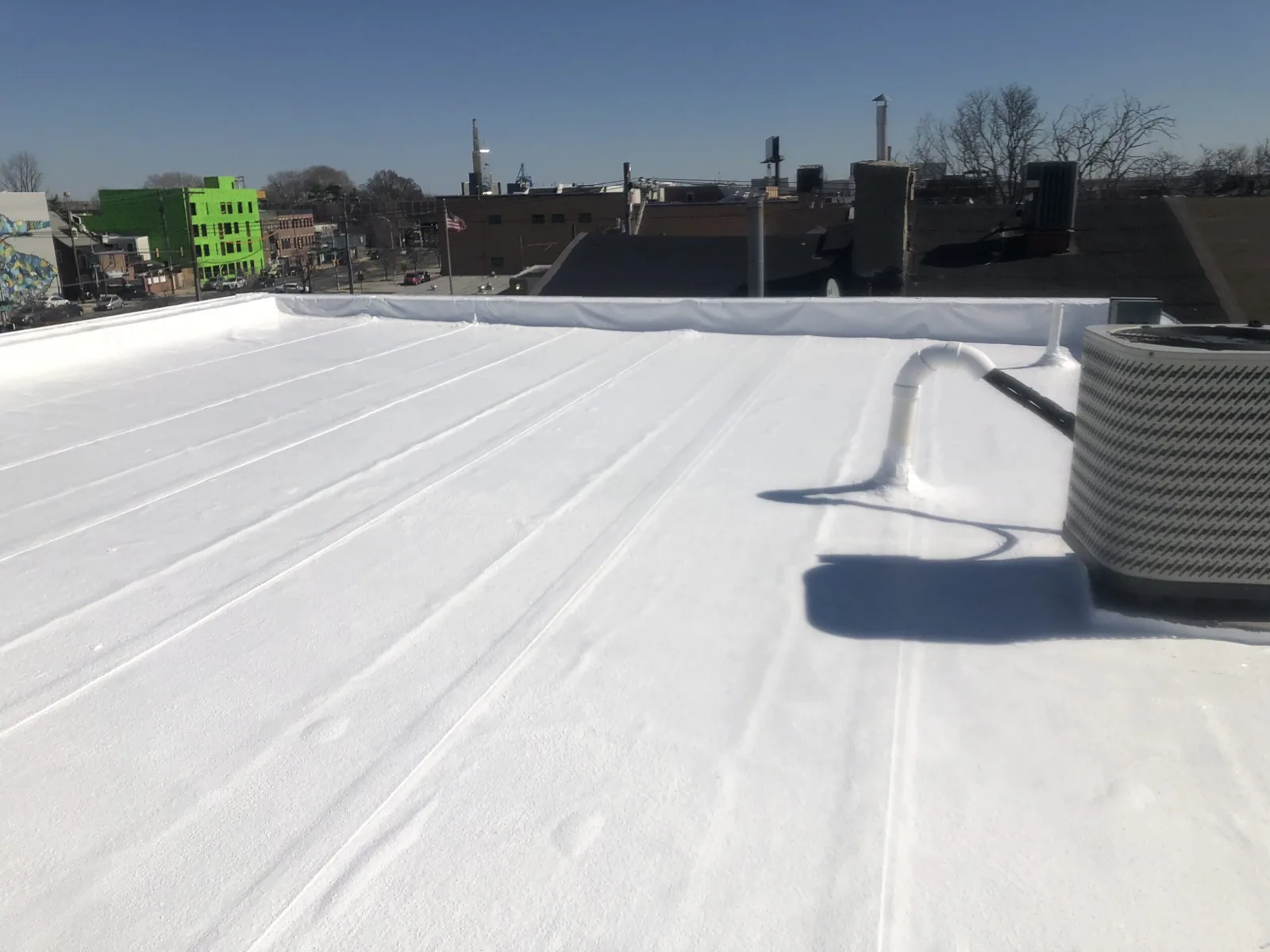
For repairs around an existing unit, we isolate the detail, remove failed material, prepare the curb, and install compatible flashing and reinforcement. We protect wiring and mechanical components and avoid opening more roof area than can be closed that shift. The closeout record labels each repaired curb or support and lists any separate mechanical issue that remains.
How can the facility keep its system available?
We build the roof work around the shutdown window set by the facility, with the mechanical contractor responsible for disconnects and restart checks. Before the crew arrives, the access contact confirms escorts, roof keys, delivery route, staging, and fall-protection requirements. We identify which units remain live and which can be isolated. If a temporary cover is needed, it is sized and secured for the roof opening and forecast conditions.
After the repair, we photograph curb corners, support bases, membrane transitions, and any work that must be revisited after equipment startup. The facility receives a record of roof-side work and any remaining equipment coordination. A condition report can keep those locations with the building's roof history. We can schedule a Gresham roof walk around production, occupied hours, and the next equipment service window.
Rooftop Equipment Curbs and Supports FAQs
-
Can you reflash a curb without removing the rooftop unit?
Often, if the unit and curb remain sound and the detail can be accessed safely. If the curb is too low, damaged, or incompatible with the membrane, equipment lifting or modification may be required. We identify the roofing work and coordinate unit handling with the mechanical contractor.
-
Who disconnects and reconnects the equipment?
The mechanical contractor or facility's qualified equipment provider handles system disconnects and startup. We coordinate the roof opening, curb dimensions, flashing, and temporary protection. The scope should assign each trade's work before the equipment is lifted.
-
Can you add a pipe support without puncturing the roof?
The support detail depends on the pipe, loads, roof system, and routing. We review non-penetrating options or compatible flashed supports with the appropriate mechanical design. Any attachment must protect the membrane and allow inspection of the completed detail.
-
What happens if a unit leaks after the curb repair?
We document whether water is entering through the roof flashing or the equipment enclosure, then direct the next evaluation to the responsible system. If the roof detail remains suspect, we inspect the curb and nearby seams. A mechanical leak may need the equipment contractor even when the roof is dry.
Related Roofing Work
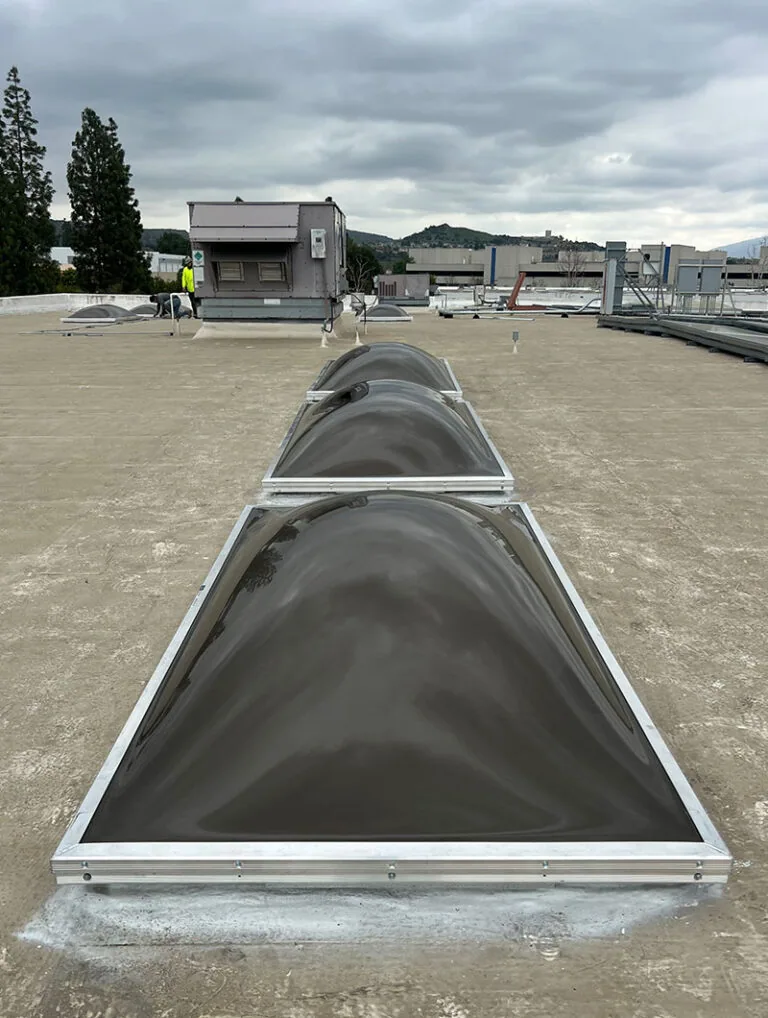
Commercial Skylight and Penetration Flashing
Learn More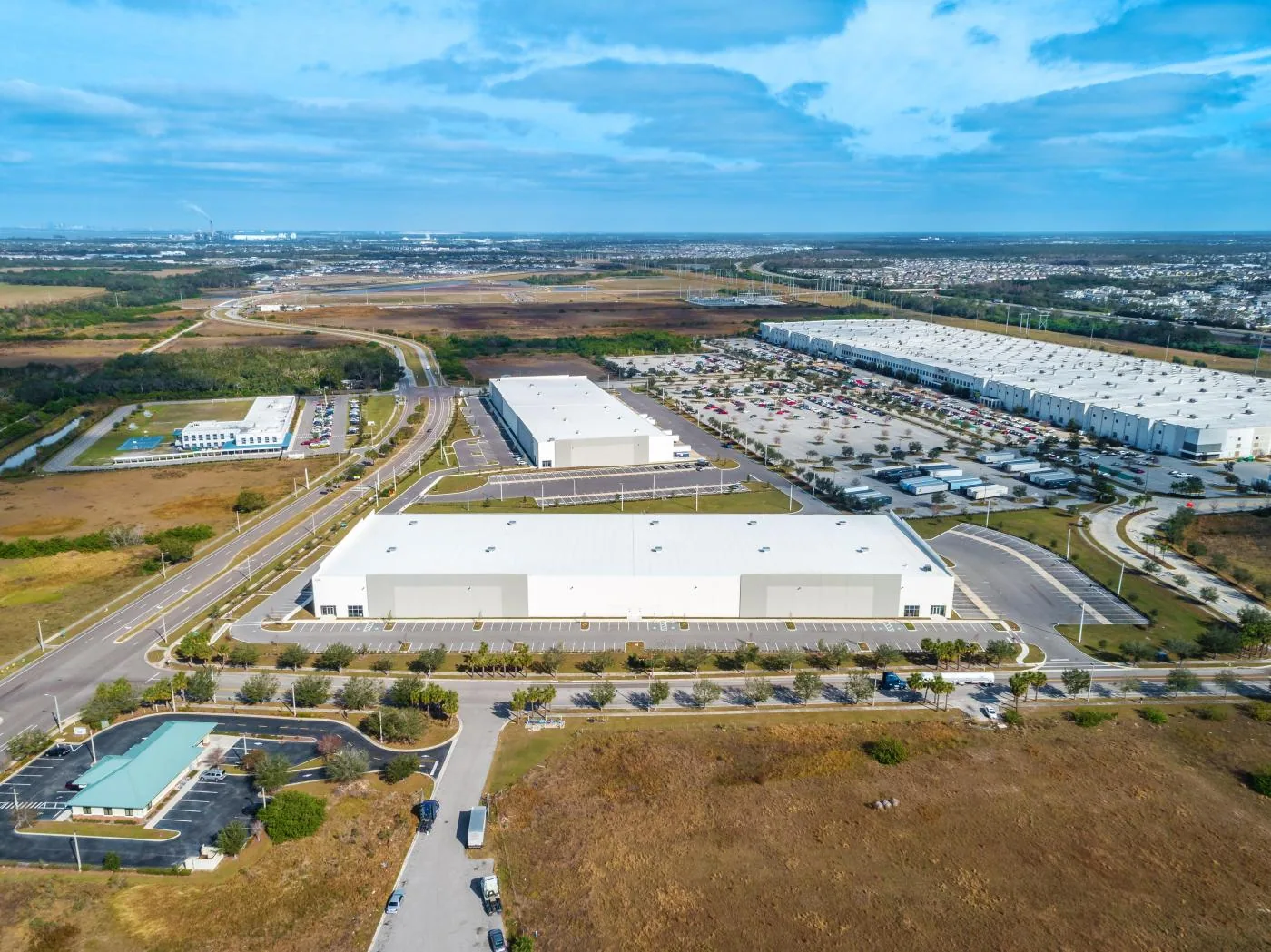
Southshore Corporate Park
Learn More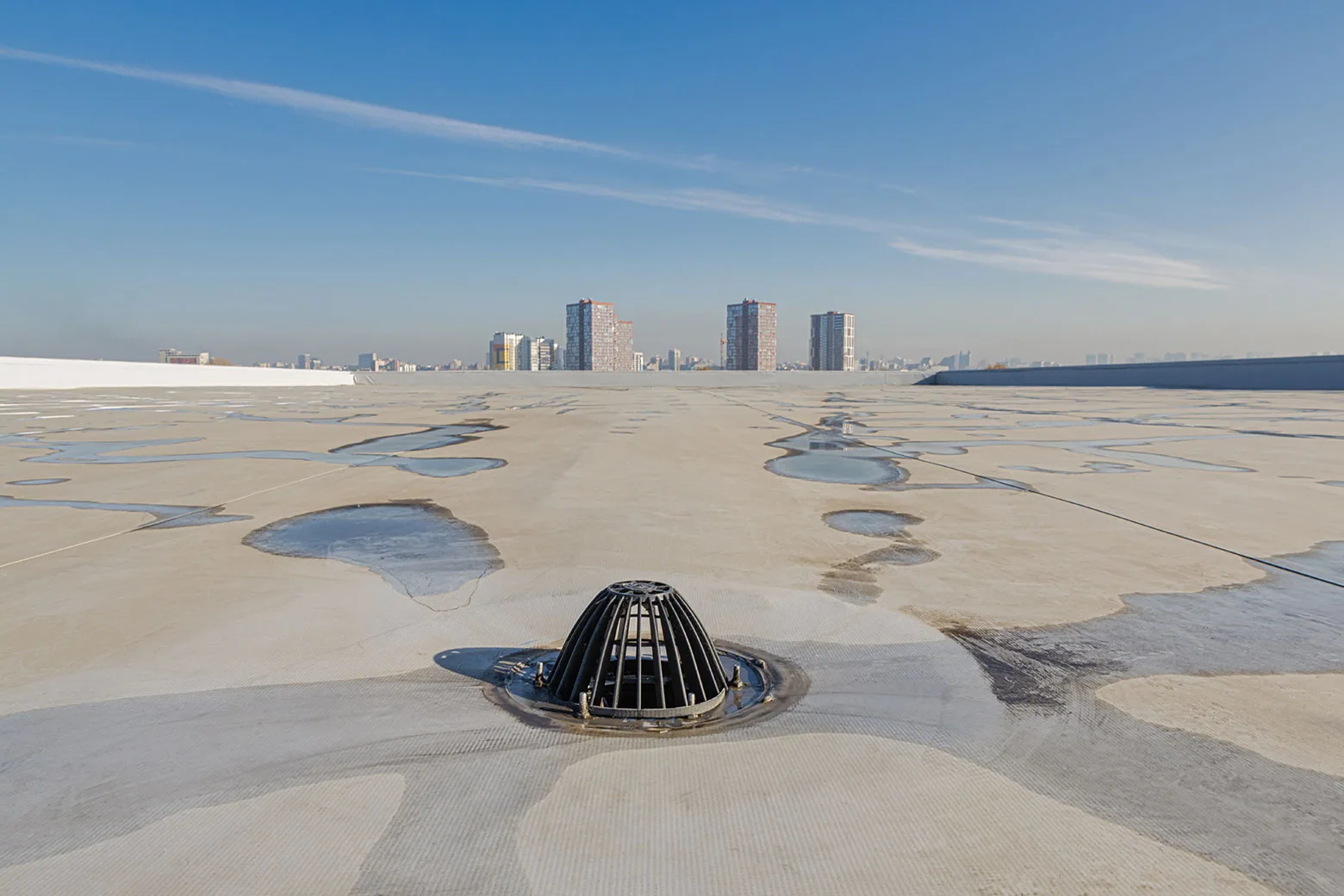
Commercial Roof Drains and Scuppers
Learn More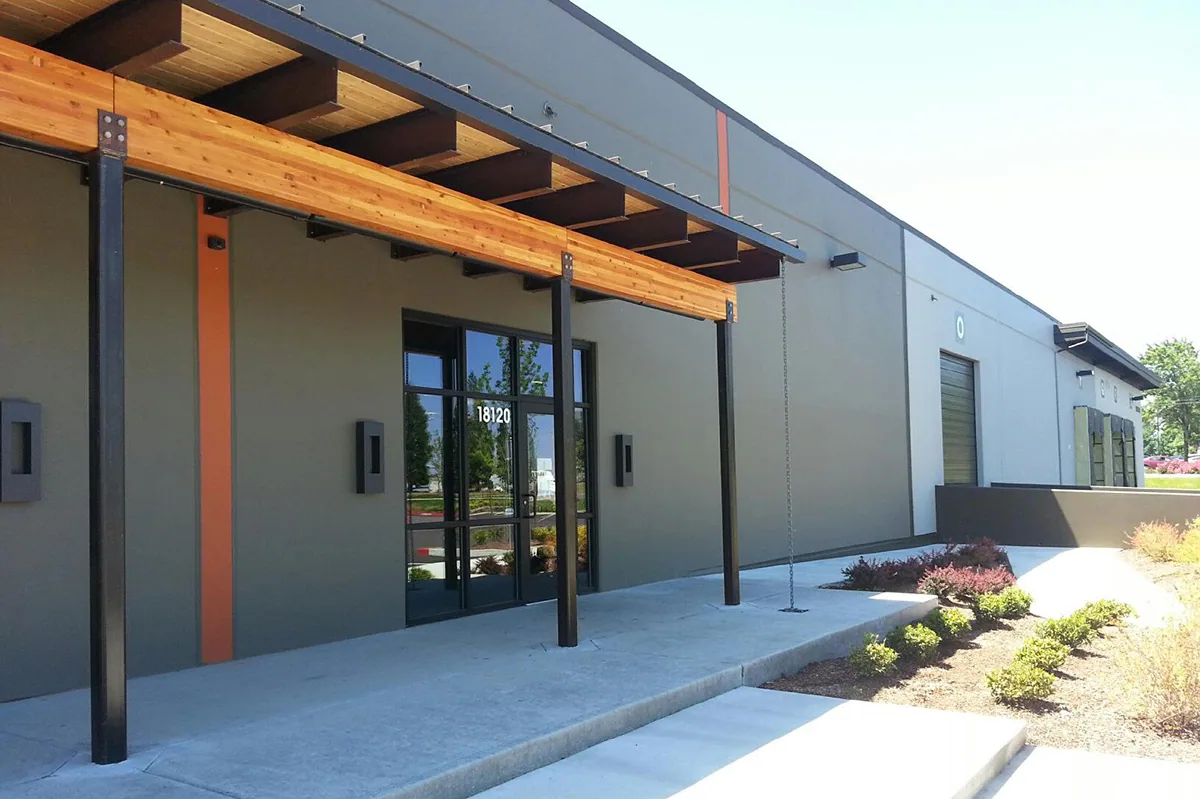
I-84 and NE 181st Industrial Cluster
Learn More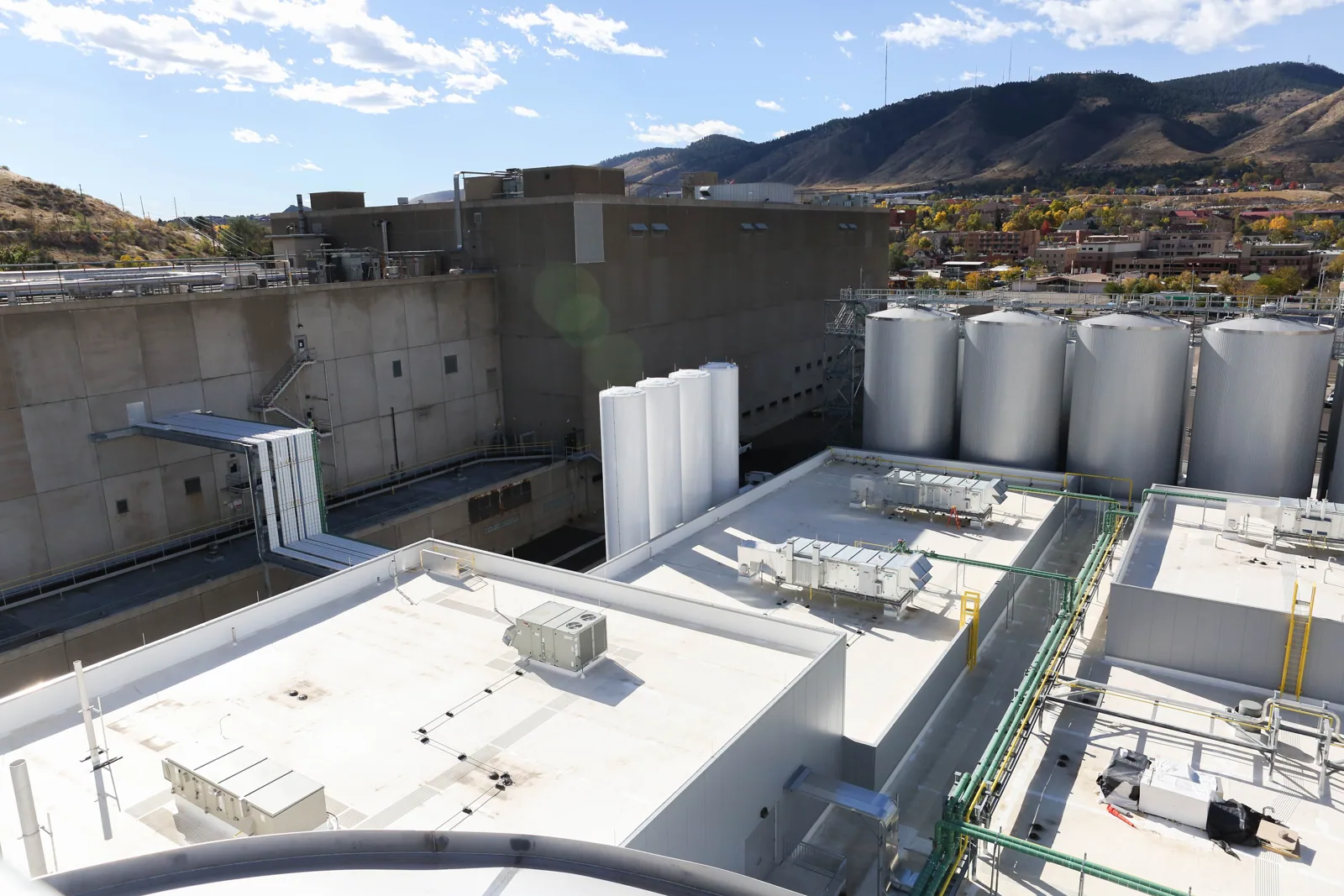
Commercial Roof Insulation and Cover Board
Learn More
Commercial Roof Replacement
Learn MoreCoordinate a curb and support review
Request a roof assessment in Gresham
We will inspect roof transitions around your equipment and coordinate access with the facility and mechanical teams. Tell us about the building, the roof and what you are seeing. Call 555-555-5555, email [email protected] or send the details through our contact page and we will set up a time to walk the roof.