
Commercial Skylight and Penetration Flashing in Gresham, OR
Inspect the roof openings
- Home
- Commercial Roofing Services
- Commercial Skylight and Penetration Flashing
A pipe, conduit run, exhaust curb, or skylight interrupts the membrane and creates a roof detail that must stay watertight. When a leak appears near one of these openings, we check the penetration, curb, flashing, nearby seams, and water path before selecting a repair. The visible gap is not always the entry point. Gresham's rainy season places repeated exposure on these transitions, while occasional freezing nights can affect sealants and repair timing. Portland International Airport averages 157 days per year with measurable precipitation, most from fall through spring. Schedule skylight and curb checks before the wet season, then plan the opening and dry-in around the current forecast. The inspection notes the roof material, opening type, existing flashing, and access needed for a safe repair. A commercial roof inspection can document the broader assembly, and leak repair addresses the active water path once identified.
Which details surround a roof opening?
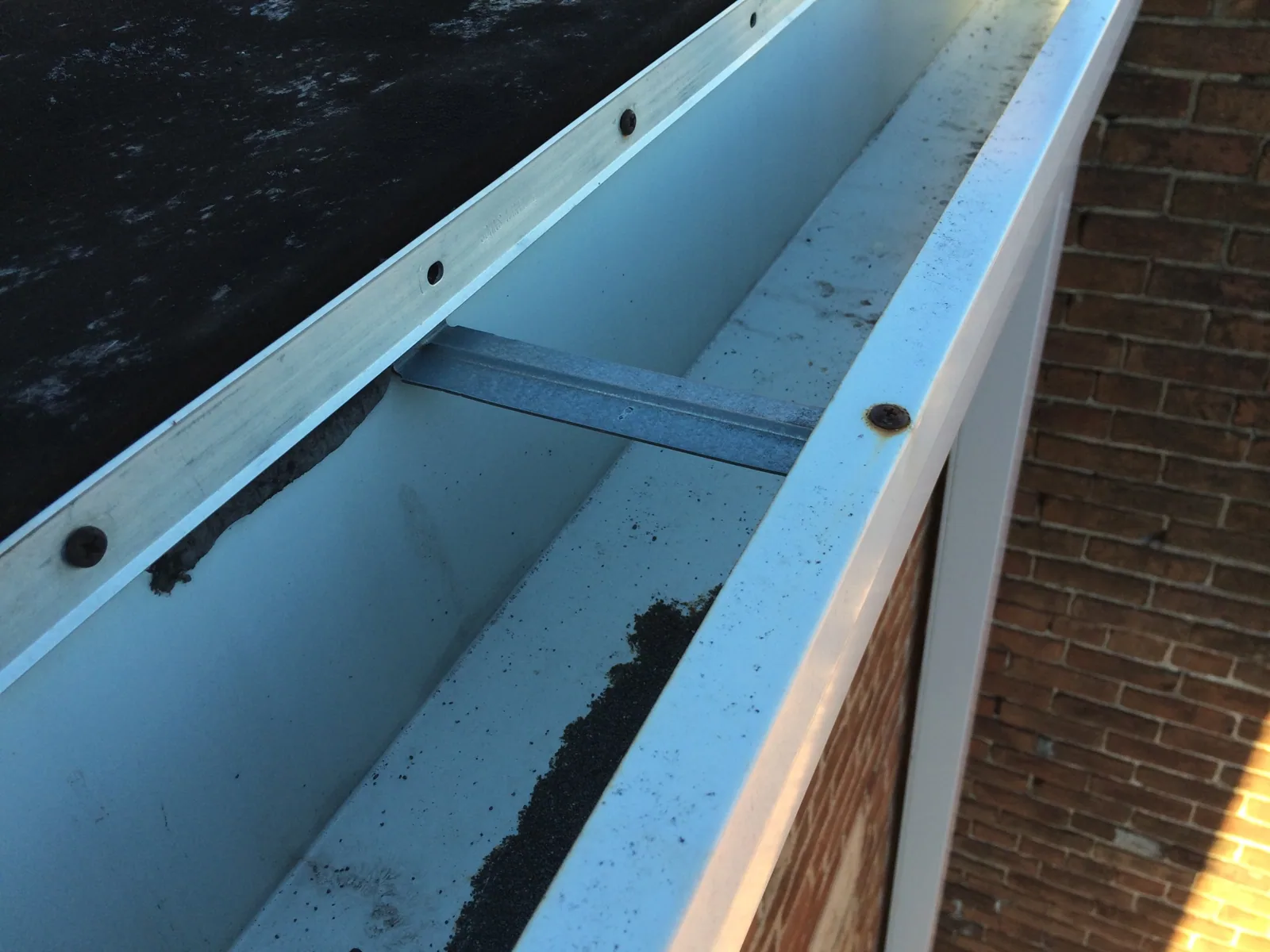
At a skylight, we inspect the curb, corners, frame-to-curb connection, membrane flashing, and any counterflashing. We look for cracking, loose fasteners, deteriorated sealant, water marks, or a curb that sits too low for the roof assembly. A skylight can also leak through its frame or glazing system, which may require a glazing specialist. We identify where water appears and whether the entry point lies at roof flashing, skylight glazing, or another building detail before assigning work.
At pipes, conduits, and supports, boots and pitch pockets can split, loosen, or lose adhesion. Several penetrations close together can complicate drainage and make individual repairs hard to inspect. We map each opening, record its size and surrounding membrane, and identify nearby equipment that must remain in service. If new cabling or equipment is planned, it should be coordinated before the repair so the same roof area is not reopened immediately.
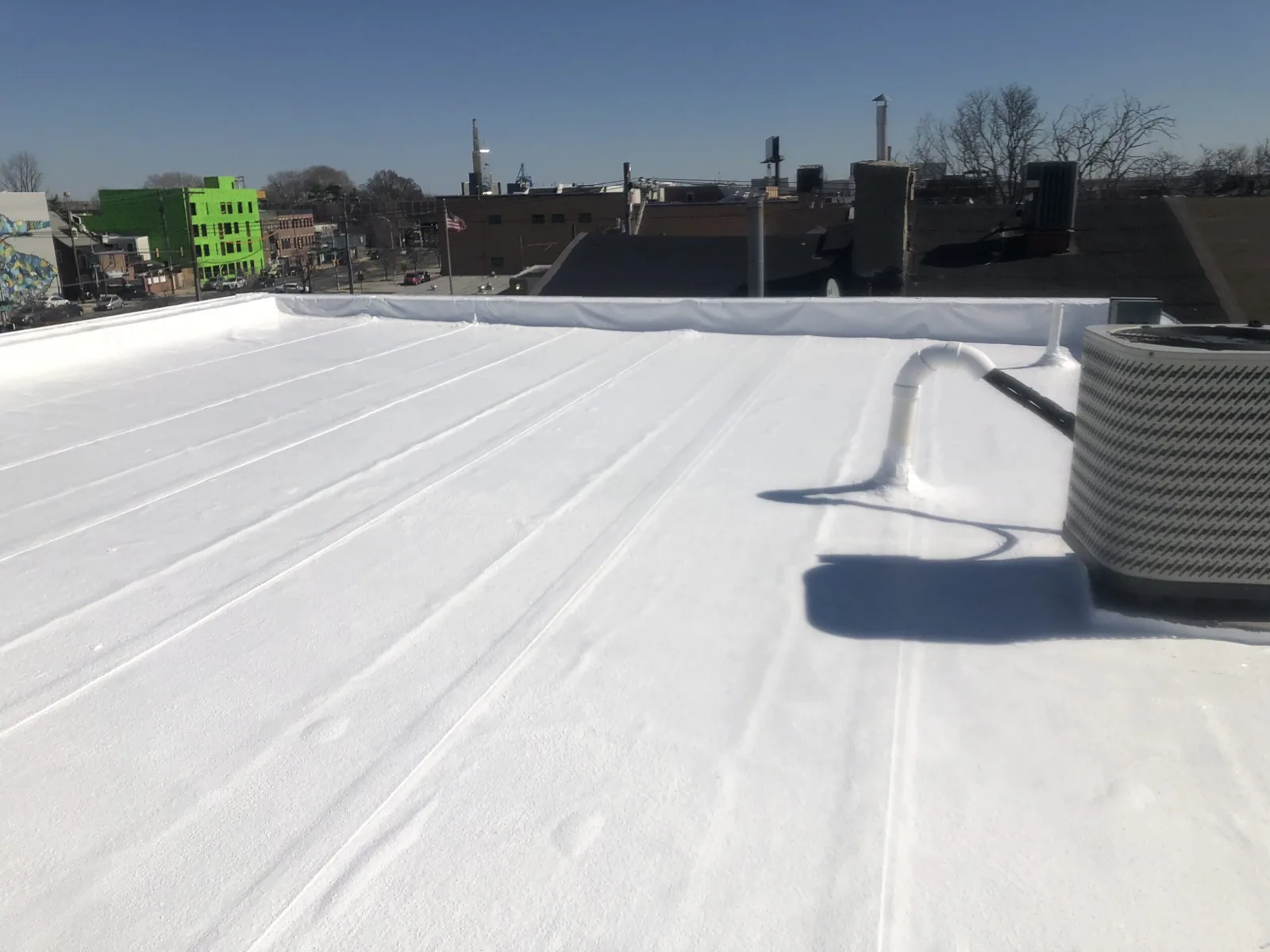
Exhausts and HVAC curbs carry air, vibration, and service activity through the roof. We check counterflashing and the path around the curb, as well as the equipment route where technicians cross the membrane. Gresham industrial properties include manufacturing and processing uses with rooftop production support equipment. We inspect the curb, flashing, and surrounding roof before choosing a repair.
How does water get past flashing?
Movement can open a joint between a curb and flashing. Thermal change, vibration, foot traffic, or aged material can stress the detail, while standing water keeps the opening wet. A bead of sealant over a split boot may fail if the boot no longer fits or the substrate is loose. We remove failed material as needed, prepare the surfaces, and install flashing compatible with the membrane and opening. The repair should restore a continuous water path toward the drain rather than trap water against the curb.
Water can also enter at a seam near the penetration and travel beneath the membrane. We inspect the surrounding roof field, patches, and interior evidence to trace the entry path before setting a curb repair boundary. If moisture is suspected in the insulation, a moisture survey or targeted opening can clarify the extent. We document the inspected curb, any limitation, and the next test or repair so the work stays tied to the affected detail.
A roof replacement or recover can change curb height and flashing dimensions. The new assembly may require a curb extension, new counterflashing, or equipment adjustment to maintain clearance. We coordinate those details with the roof-system design and the mechanical contractor. A recover assessment should include penetrations before approval so the finished membrane is not left with undersized flashing or unsupported transitions.
How should site use shape access?
Gresham's Springwater Employment Area is planned for manufacturing and technology jobs, while its northerly industrial area contains distribution, manufacturing, and processing uses. Those broad land-use facts help frame why rooftop access may involve active equipment, controlled work zones, or production schedules. They do not tell us what a specific roof contains. We inspect the opening and coordinate directly with the facility contact about lockout, escort, equipment service, and work hours.
The Sandy Boulevard east-county freight corridor serves employment areas in Gresham, Fairview, Wood Village, and Troutdale. If a lift or material delivery is needed, we confirm the site's route and staging area so work does not obstruct loading or emergency access. At Springwater Employment Area, access still depends on the individual building's rules and equipment routes. We share the sequence with the person responsible for rooftop systems before removing any flashing.
Frequent regional rain also affects open roof details. We prepare only the area that can be sealed during the shift, protect any exposed assembly, and set a watertight closeout before crews leave. During freezing conditions or high surface temperatures, materials must be installed within the product's application limits. A schedule should include a weather decision point rather than assume a roof can remain open while a replacement part is obtained.
Can the flashing be repaired without replacing the skylight?
Often, when the curb and frame are sound and the leak is at the roof-to-curb transition. We remove failed flashing, correct the substrate as required, and install a compatible detail. If the frame, glazing, or curb is damaged, roofing work alone may not stop the leak. The report identifies the roof detail and any glazing or mechanical evaluation needed before the owner approves the repair.
For a penetration, the repair method depends on its shape, material, movement, and membrane compatibility. A manufactured boot may fit a round pipe, while a larger support or clustered lines may require a fabricated curb or reinforced flashing. We do not cover active equipment components or change a mechanical connection as part of a roof detail. The scope notes whether equipment shutdown or a trade partner is needed to complete the transition.
Before a repair, confirm that any planned equipment relocation, cable installation, or service visit is coordinated. Otherwise, a fresh flashing detail may be cut for new work soon after closeout. A curb and equipment support review can coordinate roofing details with rooftop equipment changes. The facilities team should keep a record of each penetration location for later service and maintenance.
What does a flashing repair include?
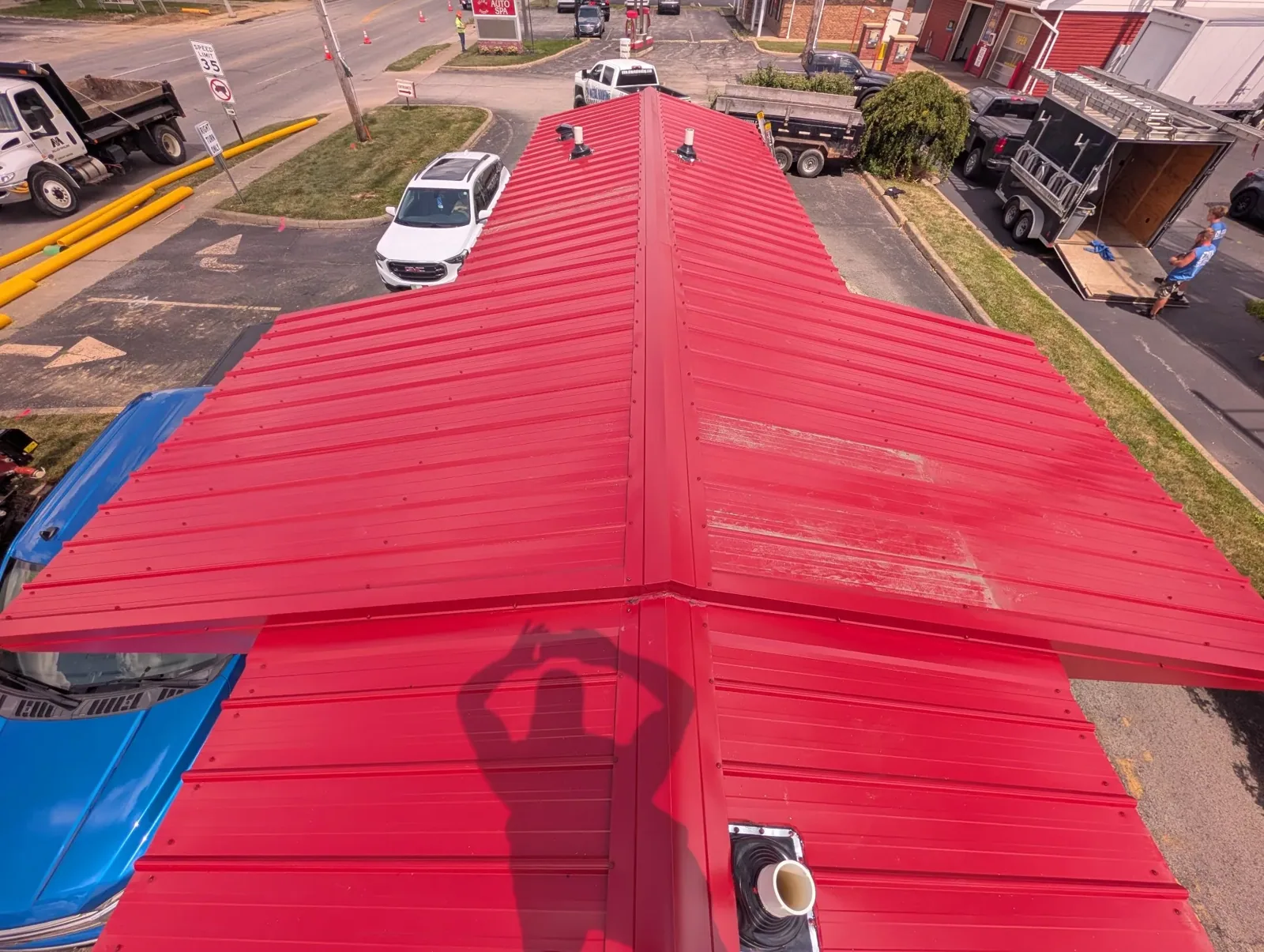
We identify the membrane and detail type, photograph the opening, confirm safe access, and coordinate any equipment restrictions. The work area is cleaned and prepared before failed flashing is removed. We repair the substrate if the agreed scope allows, install compatible membrane or flashing components, and close the corners and transitions. Each opening is checked before the crew moves to another area, with temporary protection used if conditions interrupt the work.
Closeout includes photographs, repaired locations, any related interior observations, and recommendations for nearby details that were not included. A condition report keeps the record with the facility's roof history. If several openings share a roof zone, the owner may schedule them together to reduce repeat access. A maintenance visit can include later checks of boots, curbs, and skylight edges. We can plan the roof walk near the I-84 and Sandy Boulevard employment corridor around facility access and occupied hours.
Commercial Skylight and Penetration Flashing FAQs
-
How can we tell whether a skylight frame or roof flashing is leaking?
We inspect the glazing, frame, curb, membrane flashing, and nearby roof seams, then compare those details with interior evidence. Water can travel from a nearby opening. If the entry path runs through the skylight assembly, coordinate a glazing specialist with the roofing scope.
-
Can you flash around active HVAC equipment?
We can repair the roof-to-curb transition, but equipment operation and access must be coordinated with the facility. Some work requires a shutdown or mechanical contractor. The scope identifies who handles those steps and how the roof is protected while the detail is open.
-
What if several conduits share one opening?
We document the opening, line arrangement, movement, and available clearance. A group of penetrations may need a larger fabricated flashing detail rather than separate boots. We coordinate planned cable or equipment work before closing the roof so the repair is not cut again.
-
Will new flashing fix wet insulation around a curb?
It closes the roof detail but does not dry concealed insulation. We assess moisture extent and recommend an opening or survey when needed. The repair scope then states whether wet material is removed and replaced or whether further evaluation is required.
Related Roofing Work
Commercial Roof Inspection
Learn More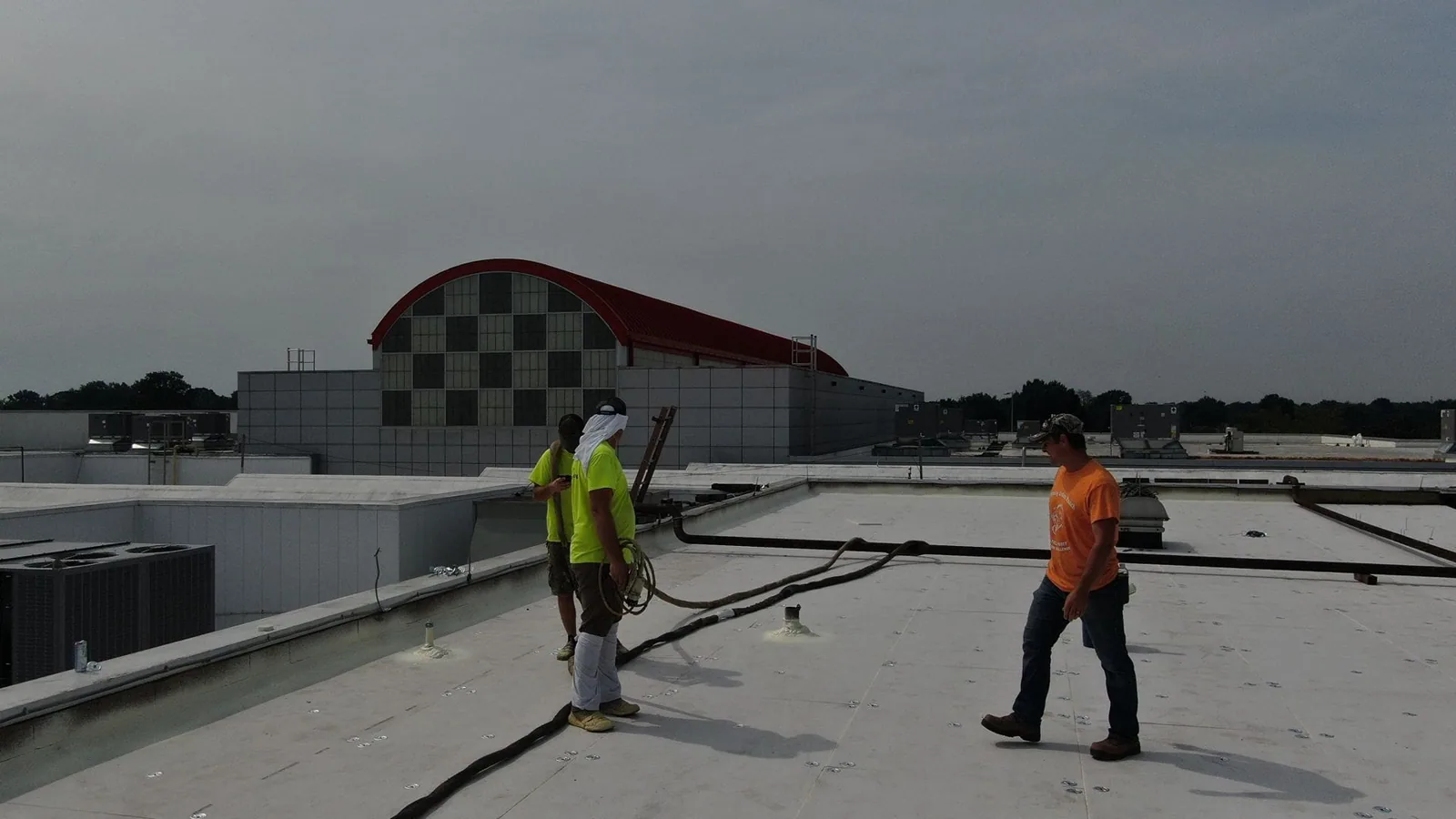
Commercial Roof Leak Repair
Learn More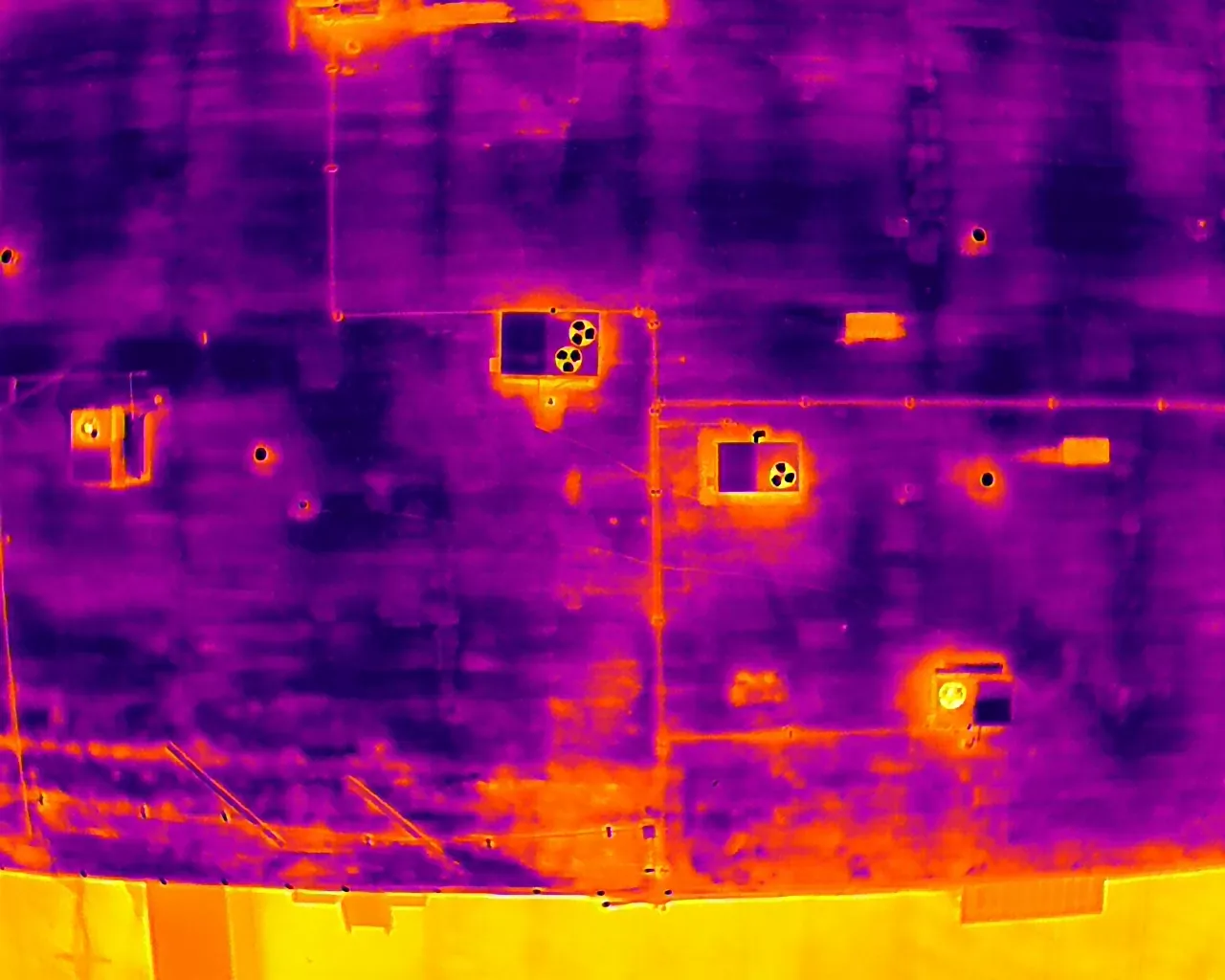
Infrared Moisture Survey for Commercial Roofs
Learn More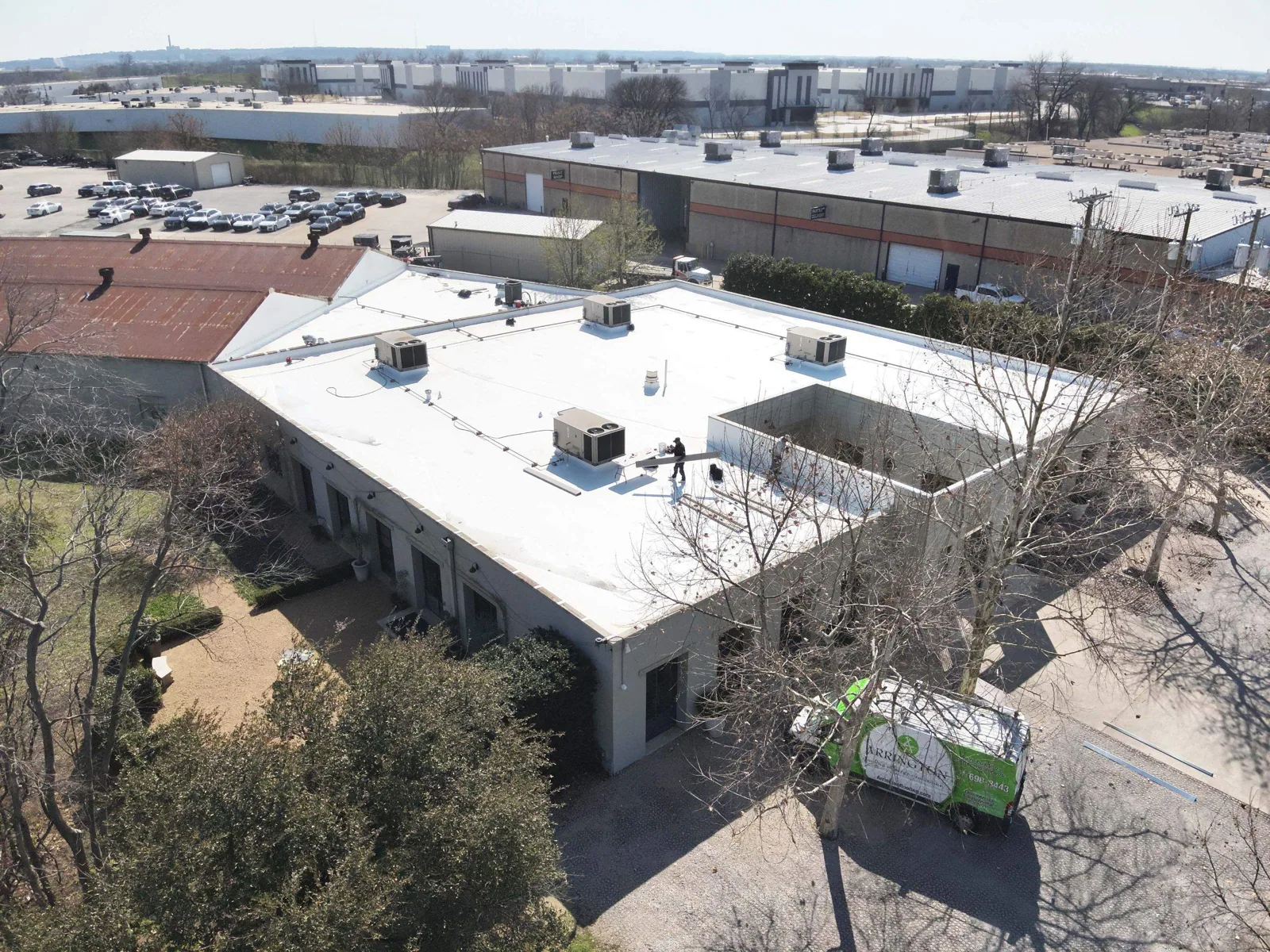
Commercial Roof Recover
Learn More
Springwater Employment Area
Learn More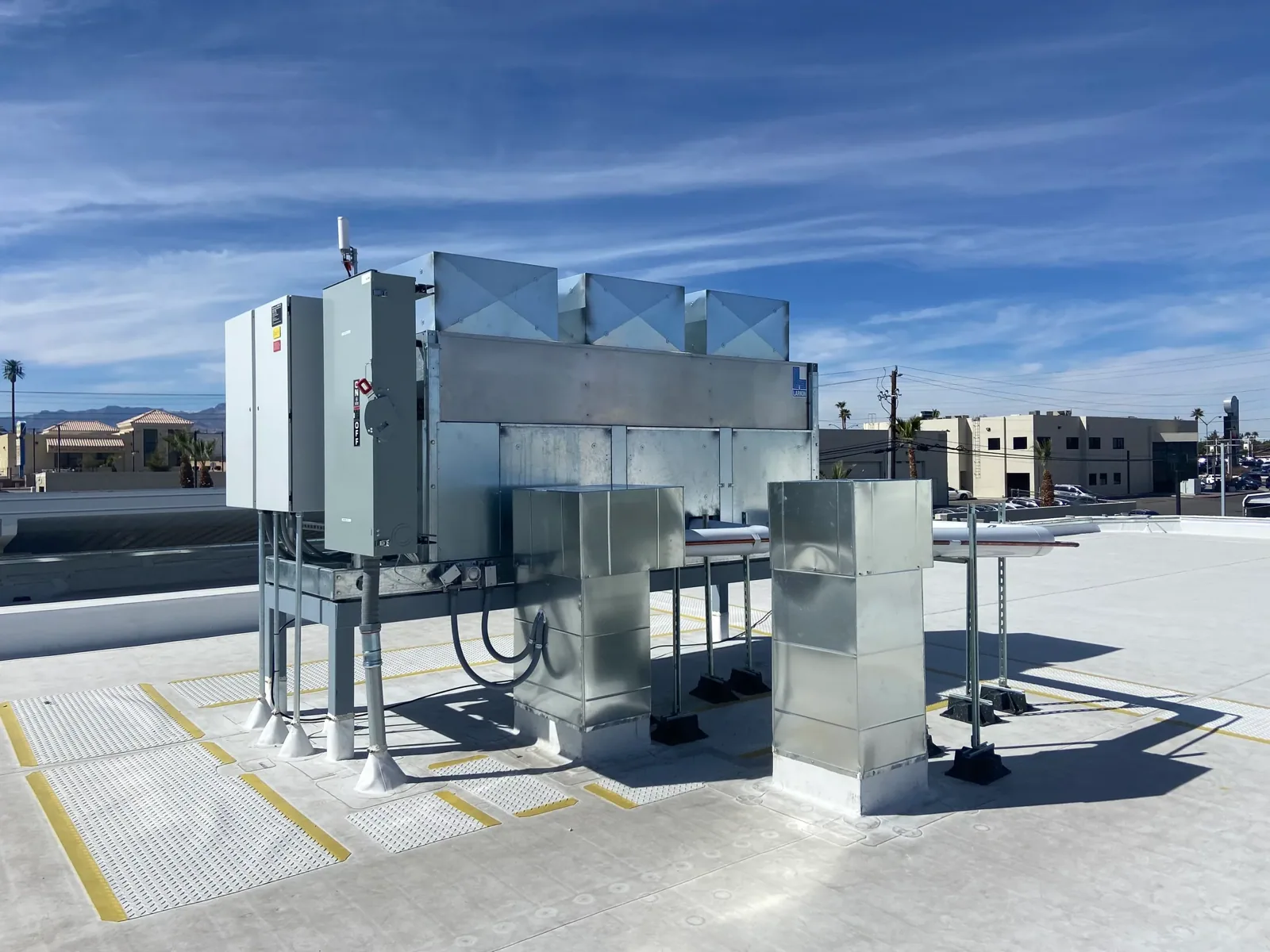
Rooftop Equipment Curbs and Supports
Learn MoreInspect the roof openings
Request a roof assessment in Gresham
We will trace the leak path, review flashing and curb conditions, and coordinate safe access with your Gresham facility. Tell us about the building, the roof and what you are seeing. Call 555-555-5555, email [email protected] or send the details through our contact page and we will set up a time to walk the roof.