Distribution Center Roofing in Gresham, OR
Map the roof to the shipment schedule
- Home
- Property Types We Roof
- Distribution Center Roofing
Inbound trailers and outbound loads set a hard rhythm inside a distribution center. Roof work cannot block a dock, leave inventory exposed, or take a critical rooftop unit offline without coordination. We inspect the membrane, drains, seams, curbs, and interior evidence, then divide the project into zones that match the facility's operating schedule. Gresham's industrial lands include distribution and manufacturing operations, and the I-84 freight corridor links employment areas through Gresham, Fairview, Wood Village, and Troutdale. Delivery access is part of the roofing plan, but each building has its own gate and dock rules. A roof inspection identifies conditions before crews and materials are scheduled.
How do dock schedules shape roofing access?
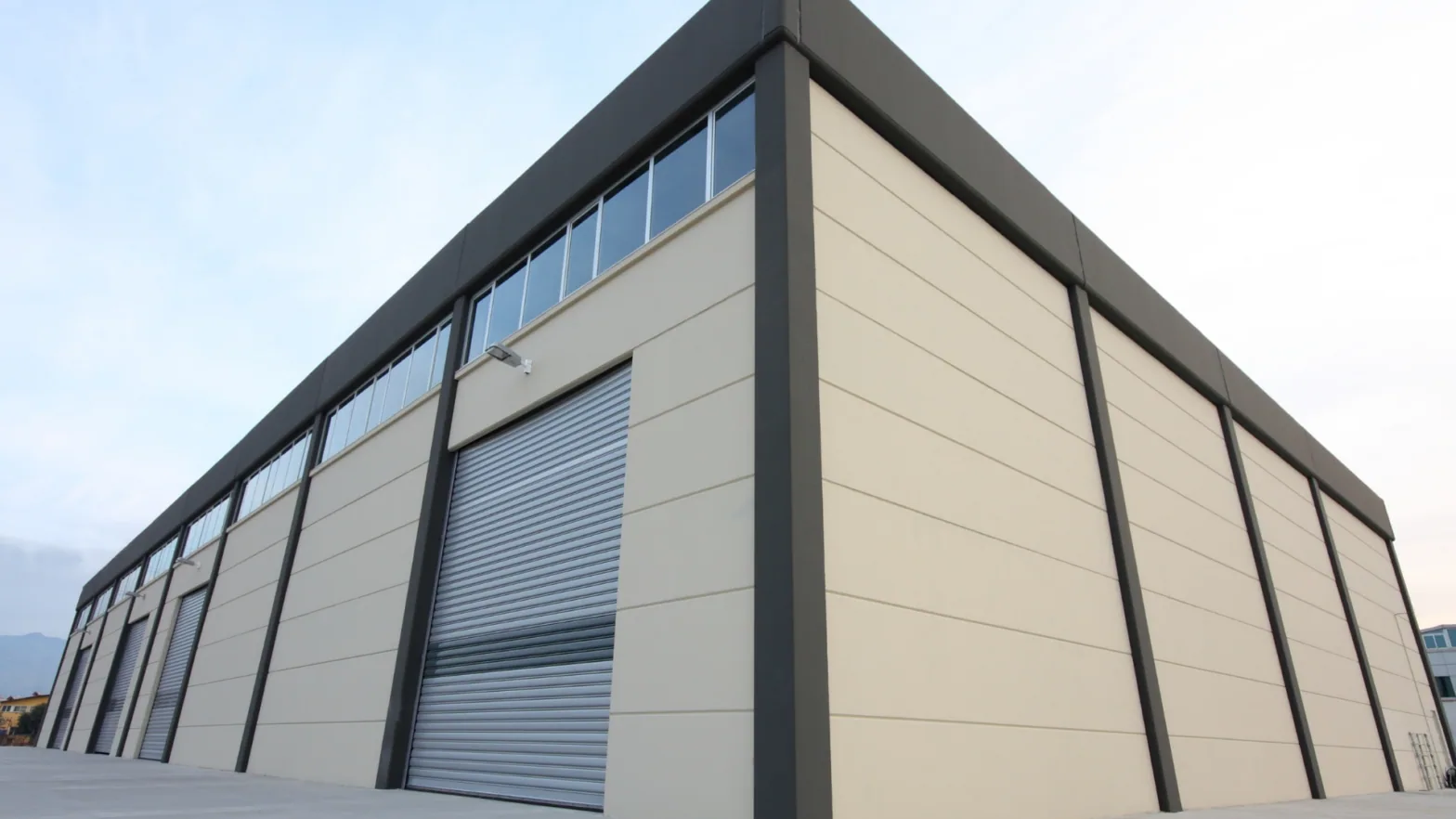
We ask which docks must remain open, where trailers queue, when yard traffic peaks, and which exterior lanes serve emergency access. Those details guide material drops, crane placement, waste removal, and lift routes. A roof crew may need a clear staging area, but a distribution site cannot simply stop receiving. We agree on a delivery window and backup location with the facility contact before mobilization.
Inside, the inventory team identifies sensitive products, rack aisles, conveyors, and areas where vibration or debris could interrupt operations. We map the roof zone above those areas and schedule the opening only after the facility has prepared. If an active leak is affecting stock, the owner can relocate goods while we stabilize the roof. The daily closeout records whether the section is watertight and which area opens next.
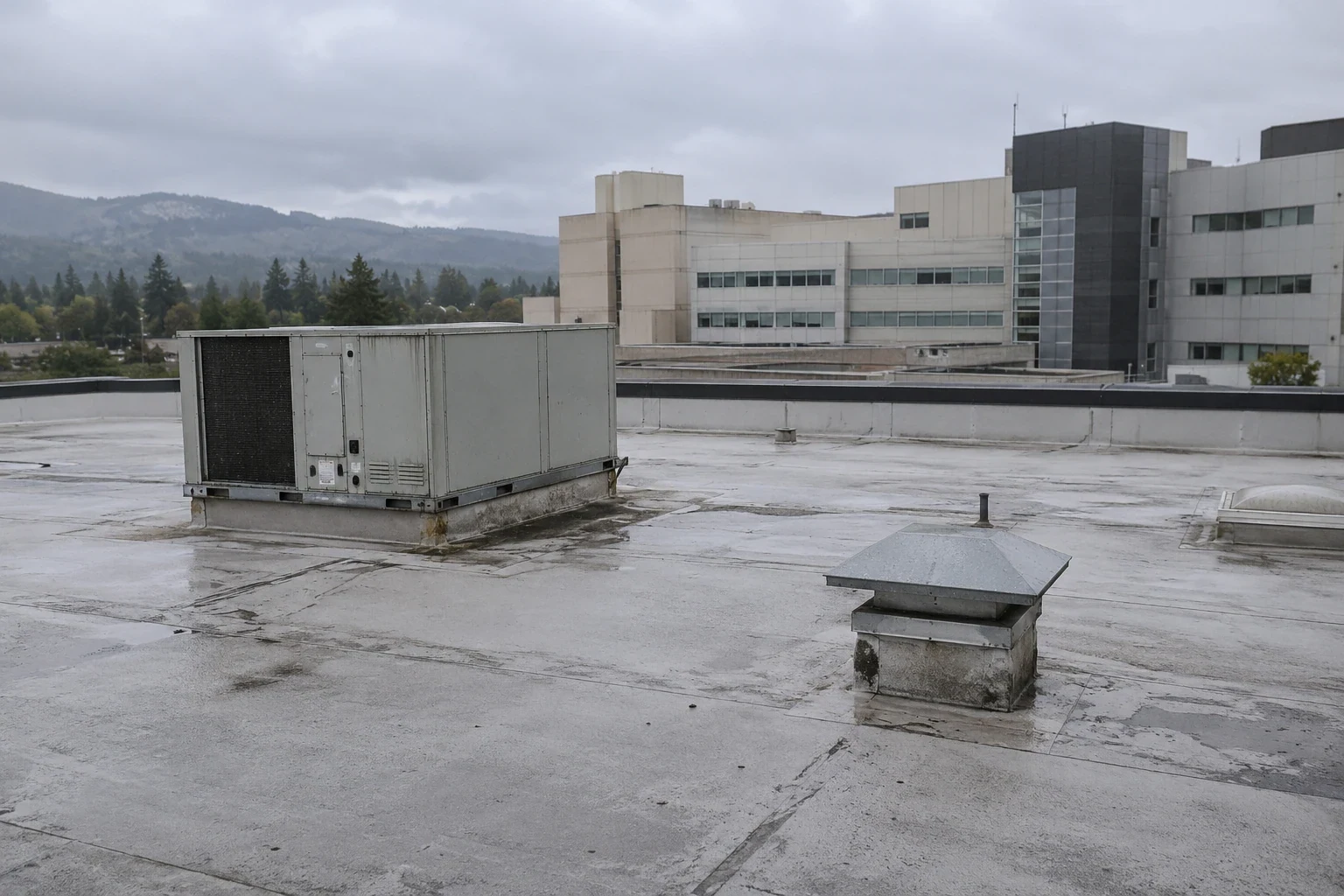
Distribution facilities often have extensive roof equipment routes. We verify rooftop units, exhausts, skylights, cables, and drains instead of inferring them from the building's function. A curb and support inspection can coordinate flashing repair with a mechanical service visit. If new equipment is planned, its dimensions and shutdown window should reach the roofing team before details are closed.
Which roof failures can disrupt shipments?
A leak above a staging lane or sorting line can force an immediate change in the work area. We trace the water path through seams, drains, curbs, and perimeter details, then identify what needs temporary protection. The ceiling stain may not sit directly below the roof opening. If moisture has spread through insulation, targeted testing helps set a repair boundary and avoids closing in wet material.
Blocked drains and overflowing scuppers can produce ponding over large roof sections. We check the outlet and low areas, then determine whether cleaning, flashing repair, or slope correction is supported by the inspection. A drainage scope should state which outlets are included and whether downstream piping needs a separate trade. Open outlets also need protection from debris during tear-off.
Repeated traffic around rooftop units can wear membrane, dislodge a walkway, or damage a penetration. We inspect service paths and note protection needed after reroofing. Wind and rain can also stress perimeter metal and exposed transitions. A storm inspection documents immediate damage and separates temporary protection from permanent repairs.
Can crews work while the sort cycle continues?
Often, with roof zones, dock access, and equipment schedules mapped before the first delivery. The scope identifies when a lift crosses a truck route, which dock needs temporary clearance, and who receives notice if weather changes the sequence. No one should have to infer from a crew on the roof that a shipping lane is closing.
A recover may reduce tear-off and debris, but it is suitable only if the existing layers, moisture, deck, and code allow the assembly to remain. A removal can expose deck and wet insulation for repair, while requiring stronger protection and more coordination. A recover evaluation and a replacement scope should be compared against the same dock and inventory constraints.
A warehouse roof and a manufacturing plant roof may share membrane types, but their access plans differ. A TPO, EPDM, or metal system is selected from the verified assembly, drainage, rooftop traffic, and project requirements. We identify the available system options after the site review, not by assuming the roof from the building label.
What should a Gresham facility coordinate?
Southshore Corporate Park combines large industrial parcels with production and goods movement near the river. Gresham Vista Business Park is another active employment setting with industrial and logistics uses. Material delivery and crane access may compete with daily freight movement in both areas. We confirm arrival procedures and staging directly with each operator.
The Sandy Boulevard freight route serves industrial and employment lands near I-84 interchanges, including areas around 181st, 207th, and 238th avenues. A roof project can add panel delivery, waste containers, or lifts to an already active yard. The facility identifies which routes remain open and how truck dispatch receives changes. Those details belong in the schedule before material arrives.
The wetter season runs from fall through spring around Gresham. We sequence each roof zone with a daily watertight close and protect inventory under any opened area. Current forecast, product requirements, and access determine which part of the roof proceeds. A weather hold should not leave a dock team guessing whether its route or building interior is affected.
How is work staged across a distribution roof?
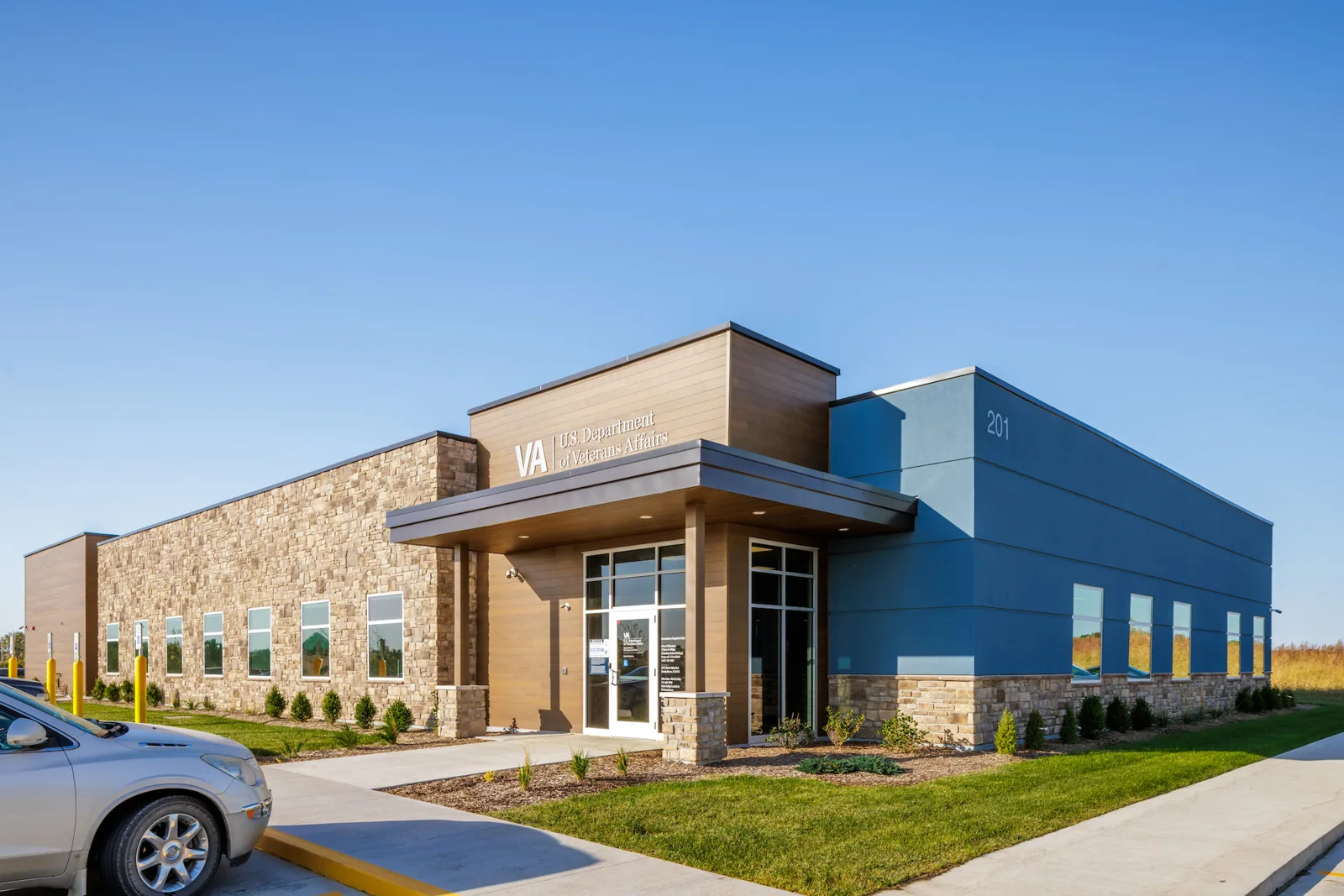
We map roof zones to docks, conveyors, storage, and equipment. The facility names the contacts who approve each area and sets notice timing for dispatch, maintenance, and safety staff. Crews stage materials outside critical trailer routes, then remove and replace roofing in sections sized for safe daily completion. Drainage remains open or is temporarily protected while work progresses.
Before covering the deck, crews document wet insulation, corrosion, or damage found during tear-off. The owner receives photographs and approves added work through the written process. New layers, membrane, flashings, curbs, and edge details are installed to the approved scope. The supervisor confirms the roof is secure before the yard and dock plan returns to normal for the next shift.
Closeout includes completed-zone photos, system details, and remaining conditions. Maintenance can track drains, roof traffic, and repairs after the project. A roof log gives the next shift of facility managers a record of what changed and where follow-up is needed.
What should the project scope name?
List the roof assembly, removal or recover assumptions, insulation, membrane, drains, curbs, skylights, perimeter metal, and repairs. State the dock and yard coordination plan, material staging, lift timing, inventory protection, equipment shutdowns, and daily closeout. Define the approval process for hidden conditions and any added deck or insulation work. These specifics let dispatch and operations schedule around the project.
In Southshore Corporate Park or the Sandy Boulevard east-county corridor, freight access can influence the roof schedule. The individual site manager confirms route restrictions and operating hours. We can review the roof, map docks and access points, and prepare a sequence that keeps the distribution operation informed.
Distribution Center Roofing FAQs
-
Can a distribution center keep receiving during reroofing?
Often, if the project maps dock lanes, staging, crane movements, and daily roof zones with dispatch. Some routes or equipment may need short restrictions. The facility receives a schedule and contact for changes before work starts.
-
How do you protect products stored under the roof?
The operations team identifies sensitive inventory and the areas below planned roof openings. We sequence tear-off in controlled sections, manage debris, and close each zone watertight. The facility can relocate products from a known leak area before repairs begin.
-
What if a damaged drain affects a loading area?
We inspect the drain and surrounding membrane, then scope a repair or outlet correction. If a downstream line is blocked, a plumbing trade may need to inspect it. Temporary water control is coordinated so runoff does not move toward a dock or pedestrian route.
-
Do you need to shut down rooftop HVAC units?
Some work can proceed around active units, while curb repair or replacement may require a mechanical shutdown. We coordinate unit access, ventilation, and restart checks with the facility and mechanical contractor before the roof detail is opened.
Related Roofing Work
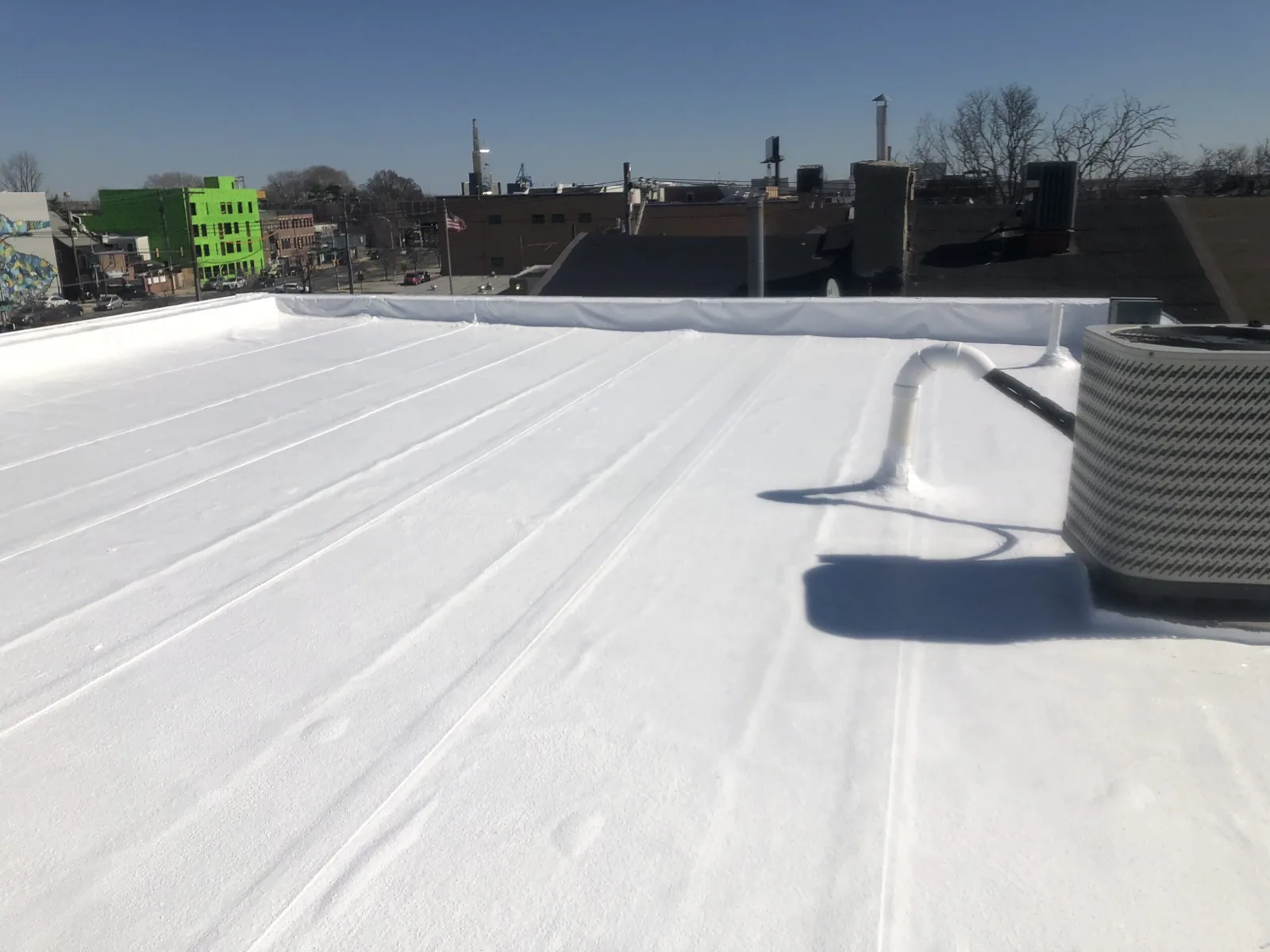
Commercial Roof Inspection
Learn More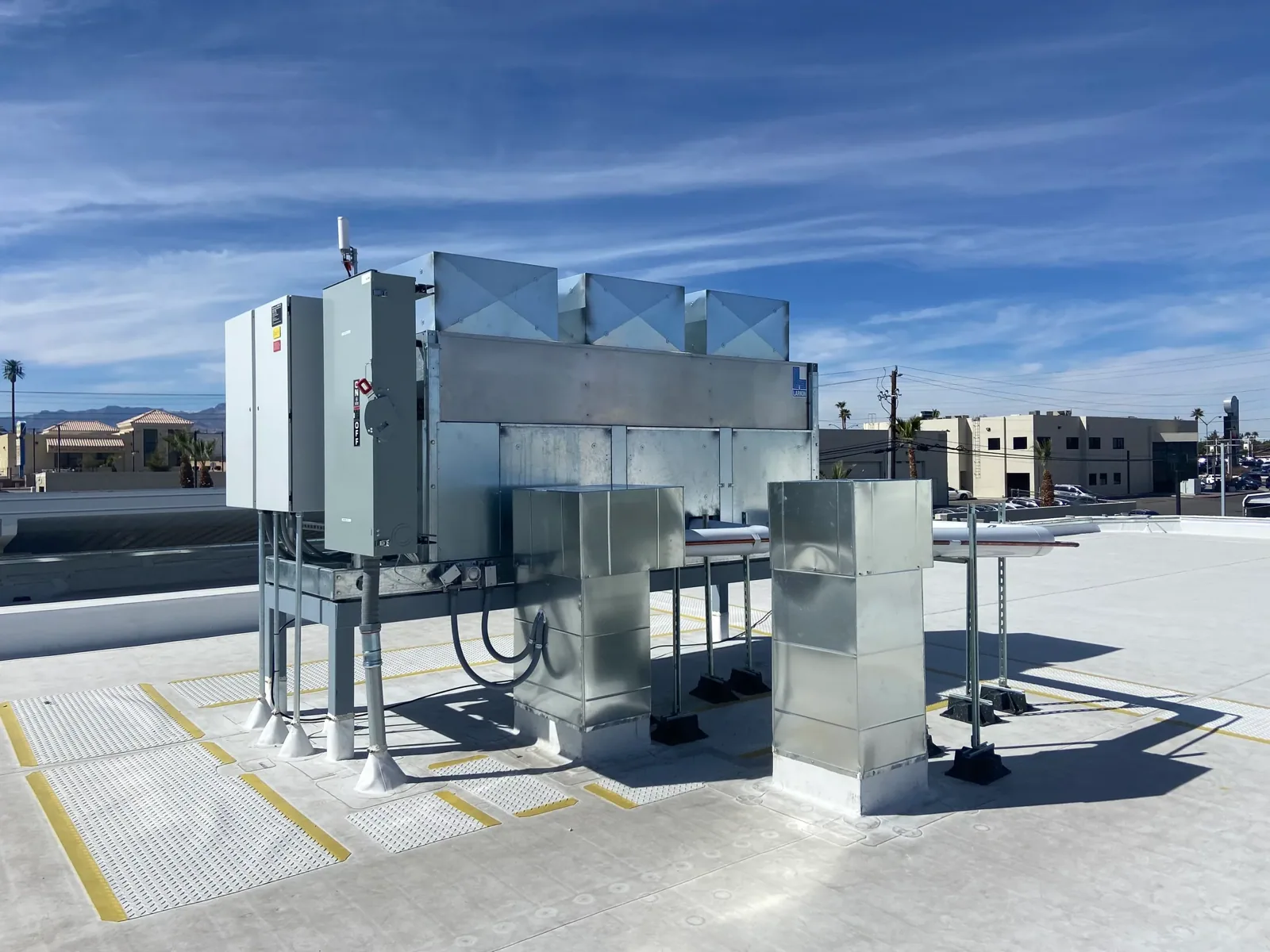
Rooftop Equipment Curbs and Supports
Learn More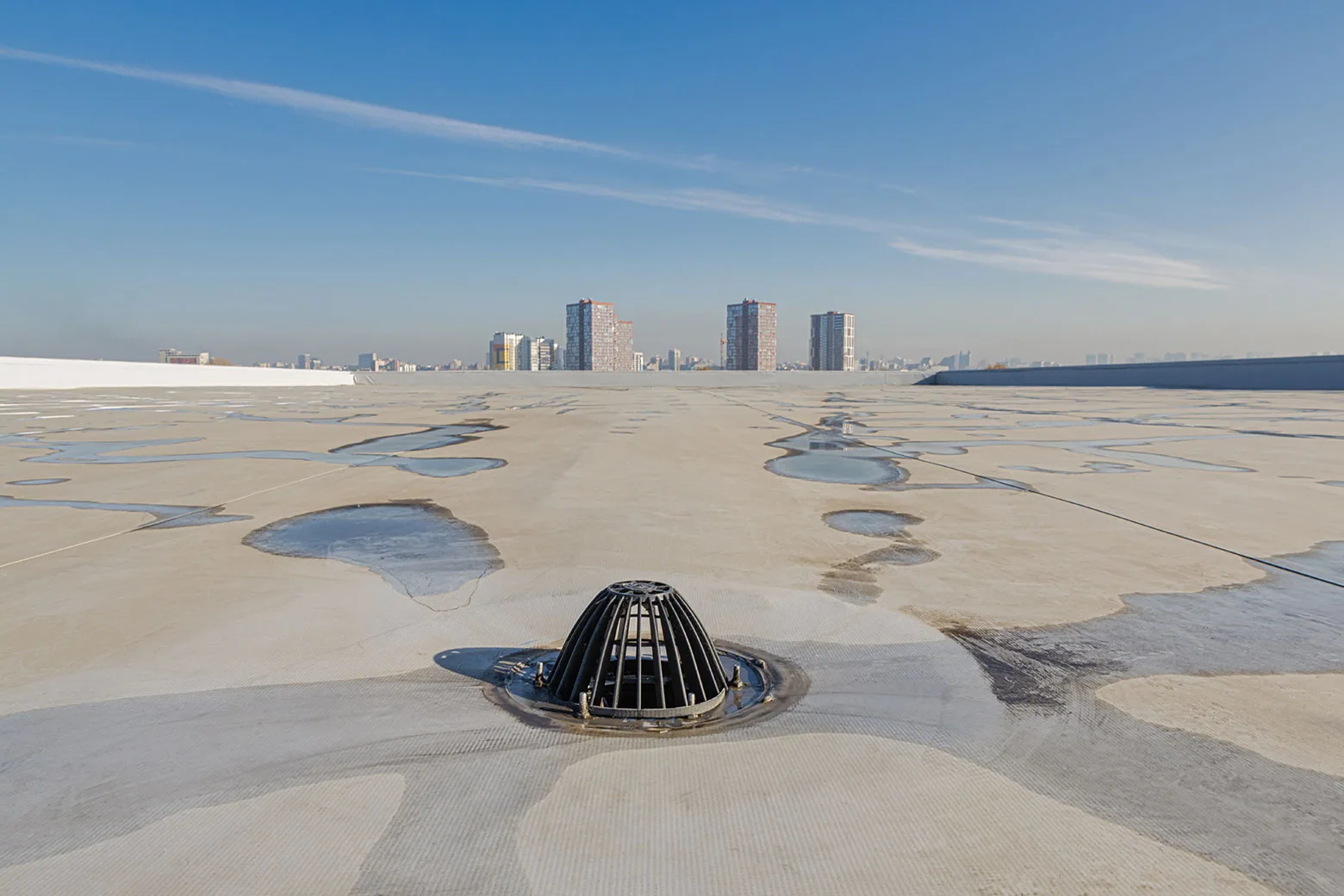
Commercial Roof Drains and Scuppers
Learn More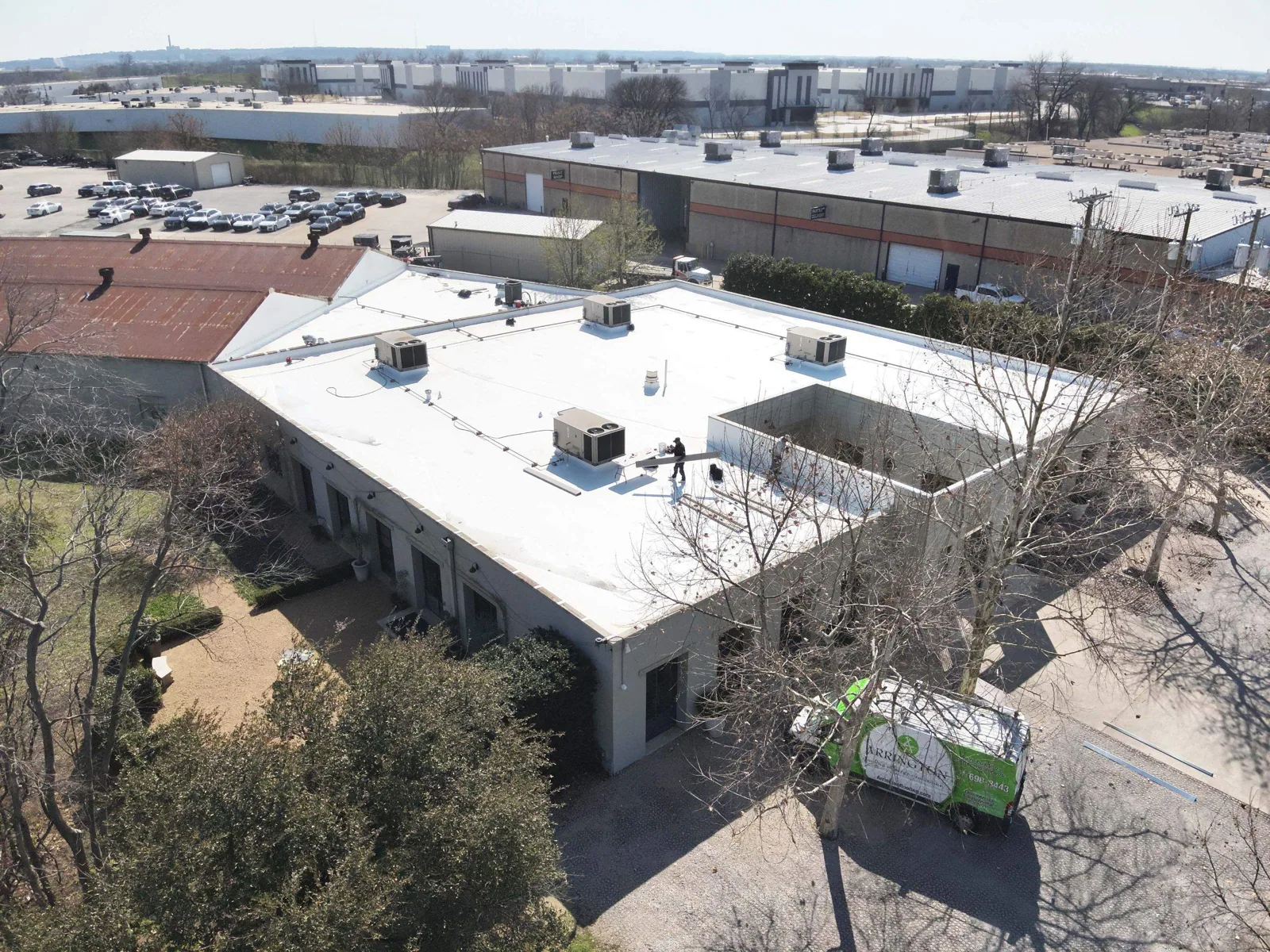
Commercial Roof Recover
Learn More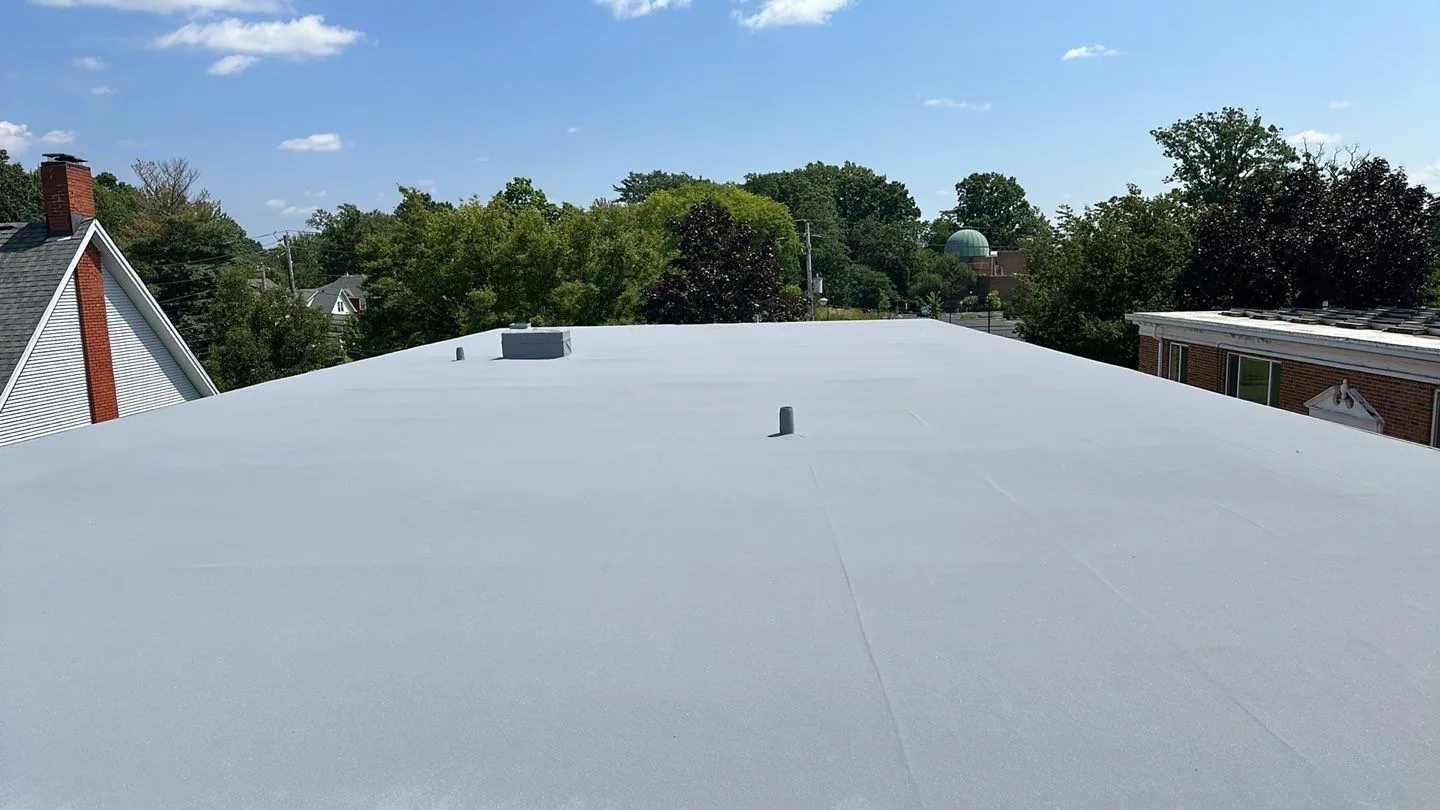
Commercial Roof Replacement
Learn More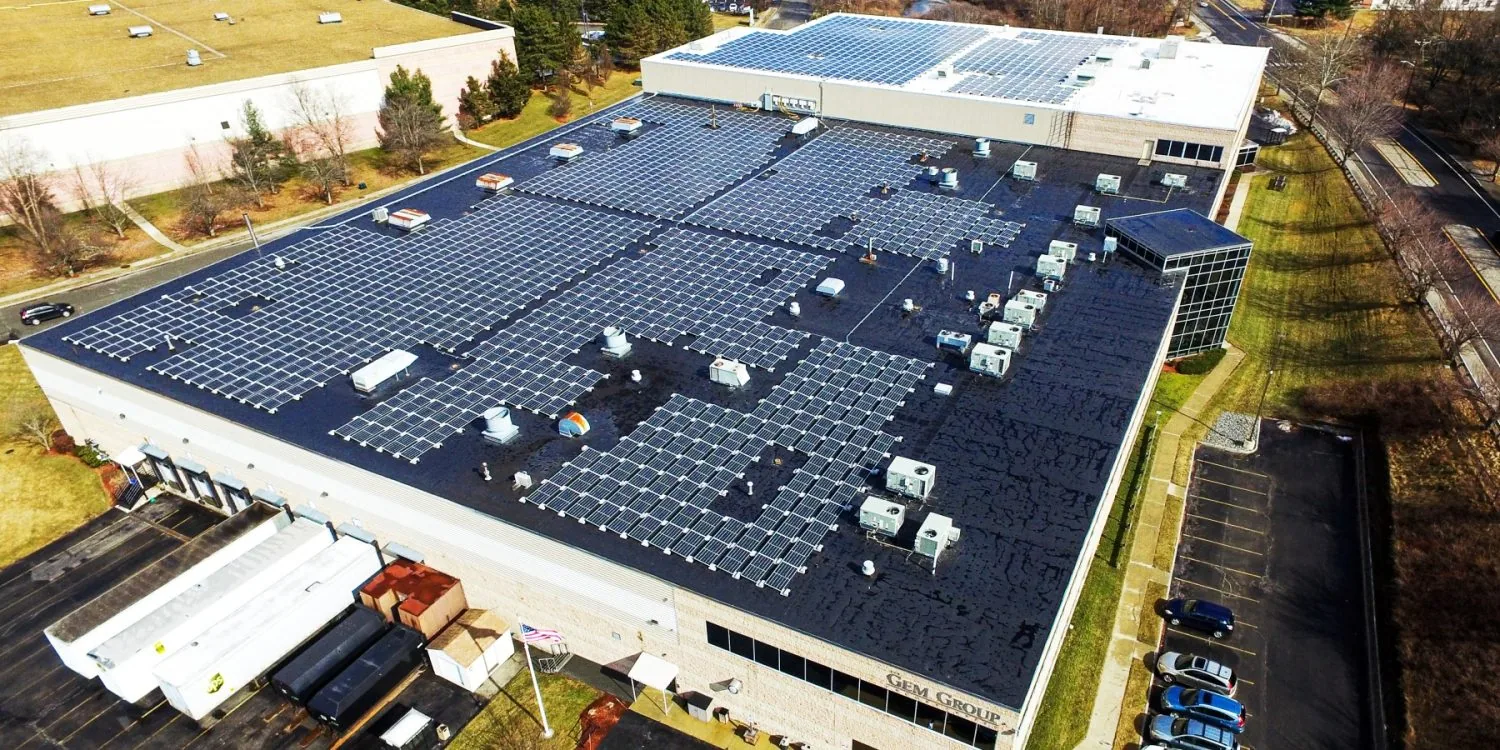
Warehouse Roofing
Learn MoreMap the roof to the shipment schedule
Request a roof assessment in Gresham
We will inspect the roof, coordinate dock and yard access, and sequence work with your Gresham distribution team. Tell us about the building, the roof and what you are seeing. Call 555-555-5555, email [email protected] or send the details through our contact page and we will set up a time to walk the roof.