Commercial Ponding Water Roof Repair in Gresham, OR
Trace the water before changing the roof
- Home
- Roof Damage Repair
- Commercial Ponding Water Roof Repair
A flat roof is built to drain, but a shallow low spot can hold water after the rest of the surface clears. The next decision is whether that water comes from a blocked outlet, settled insulation, deck movement, or a system that needs broader correction. We map the pond, check the drain path, and inspect the surrounding assembly before proposing a repair. Gresham’s wet season makes drainage a regular operating concern. The Downtown and Civic Neighborhood and Rockwood commercial centers include varied properties, each with its own roof layout and access needs.
How much standing water is a concern?
Water that remains after a normal drainage period deserves a closer look, especially when the same area stays wet after several storms. The roof walk should record the pond’s outline, approximate depth, drain location, nearby seams, and whether the membrane or insulation feels soft. A photograph alone may miss the slope that directs water toward or away from the outlet. We compare the surface with the roof plan when one is available and note where the actual path differs.
A drain bowl can be clear while the approach to it holds water. Leaves, packaging, roofing granules, or sediment may collect at strainers, scuppers, or overflow routes. We check both the primary opening and the secondary path, then trace whether the obstruction is on the roof or in a downstream connection. A drain and scupper assessment can identify a service issue before a contractor changes the roof assembly.
What does ponding do to a roof assembly?
Long wet periods keep seams, patches, and penetrations in contact with water. A small gap may become a leak path, while repeated wetting can reveal a detail that had already lost adhesion or support. Ponding also adds load. The depth, area, roof construction, and supporting structure matter, so we do not estimate structural capacity from a surface walk. We document the observed condition and refer a load concern for qualified structural evaluation.
Rain is most frequent around Gresham from fall through spring, leaving less time for a low area to dry between storms. The inspection records whether ponding is near a seam or membrane transition and whether the same roof zone has a leak history. If a lap or curb transition is damaged, seam repair or flashing repair addresses that detail; drainage correction addresses the water that repeatedly reaches it.
What will the roof walk check?
We photograph the pond from a consistent direction, identify the roof zone, and mark the drain, overflow, seams, and nearby penetrations. A level or other field method can help compare the wet area with its surroundings, but the report distinguishes a spot measurement from a full drainage survey. We inspect strainers, bowl attachments, scuppers, leaders where accessible, membrane condition, patches, and the route water should follow. The report also lists weather and access conditions that limit the observation.
Interior reports help connect the surface condition to a building issue. We record the room and timing supplied by the facility, then compare them with the roof’s likely entry paths. Water may travel through insulation or along a deck before it appears indoors. A photo-based condition report pairs each finding with a location, visible evidence, and recommended next action. If insulation may be wet beyond the visible surface, a moisture survey can help map areas for further review when weather and assembly conditions allow.
Which repair addresses the source of ponding?
Start with the least disruptive cause that the inspection can confirm. Removing debris and restoring a drain opening may improve flow if the outlet was obstructed. Replacing a failed bowl connection or repairing membrane damage can address a leak path, but it will not correct a low area that remains after cleaning. The proposal should name each separate condition and state whether the work changes drainage, repairs a leak, or both.
Local slope correction may require removing membrane and insulation, adjusting the assembly, and restoring compatible flashing at drains and edges. The owner should understand the work boundary and how it ties into adjoining roof planes. Repeated settlement or broad deflection calls for review beyond a surface patch. A reroof evaluation may compare correction during replacement with a standalone repair, including access, tear-off, drainage details, and occupied-building timing.
A coating or recover should not be selected just because the membrane looks aged. The existing assembly must be dry enough, stable, compatible, and able to shed water. Adding thickness can make a drainage problem worse if the detail is not designed around the outlet and surrounding elevations. We describe the substrate evidence and list any investigation still needed before recommending a surface system. The restoration scope should specify preparation, drainage treatment, and areas that remain outside the work boundary.
How do we keep drainage open during the work?
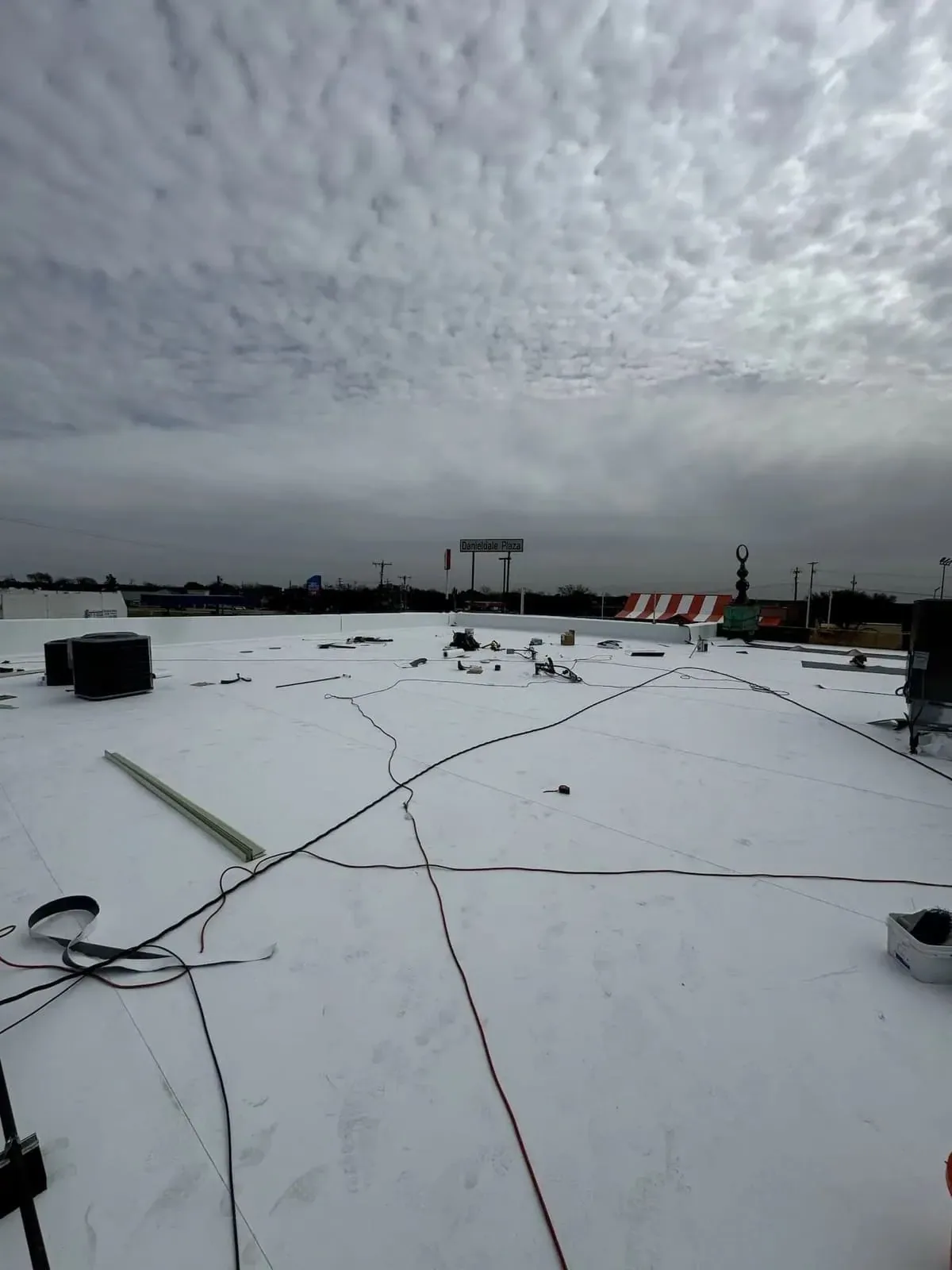
Before mobilization, we confirm roof access, drain locations, interior protection, occupied hours, and any equipment that must stay online. If the work is near a loading area, deliveries and lift placement may affect the safe route. We stage materials away from drains and keep temporary debris controls in place. Gresham’s Southshore Corporate Park supports manufacturing and distribution uses, where a blocked loading lane or service interruption can affect daily operations. The facility contact identifies critical access routes before the crew arrives.
We limit removal to a manageable section and use temporary cover if a permanent tie-in cannot be completed that day. If the opening shows wet insulation or a larger depression, the crew records the layers and contacts the authorized owner before extending the scope. Drains and overflow paths remain clear throughout the work. A planned slope change may require a separate sequence to keep curb and edge tie-ins watertight.
What should the next inspection compare?
Use the same roof-zone labels and photo angles after the next meaningful rain. Record how long water remains, whether the pond boundary changed, and whether the drain or overflow collected debris. A wet-weather call can reveal a blockage that a dry-day inspection misses. Staff should not walk a slick roof to take measurements; report the condition from a safe point and schedule a roof visit when access is appropriate.
Repeated wet weather and occasional freezes make routine attention to drainage and safe winter access worthwhile. A site inspection still determines whether the roof is sloped or structurally adequate. A maintenance program can track outlet clearing, visible membrane changes, and repeat ponding by roof zone.
Keep the inspection report, drain-service records, test results, and repair closeout together. When a pond is tied to repeated leaks, note the prior dates and affected rooms so the next inspection can compare conditions. If interior work or equipment changes affect roof access, update the route plan. This history helps the owner decide whether another local repair is useful or whether a broader drainage project should be planned with the next operating outage.
Commercial Ponding Water Roof Repair FAQs
-
Is a small pond on the roof always a leak risk?
Not every shallow pool immediately causes a leak, but water that remains after surrounding areas drain can stress seams and details. We document how long it persists, where it sits, and whether the assembly shows damage.
-
Can clearing the drain fix the low spot?
Clearing restores an obstructed opening, but it does not change roof slope. We check the drain path and the surface around it, then state whether maintenance or assembly correction is needed.
-
Can you add a drain without replacing the roof?
A new drain or scupper changes the roof assembly and often the downstream route. We review structure, membrane tie-ins, overflow, and discharge conditions before defining a feasible scope.
-
Does ponding mean the deck is unsafe?
A surface observation cannot establish deck capacity. We record water depth and visible deflection, then recommend structural review if the condition suggests a load concern.
-
How do you verify a repair worked?
We photograph the repaired zone, check that outlets and overflow paths are open, and compare the area after rain when practical. A later service visit can document any water that remains.
Related Roofing Work

Downtown and Civic Neighborhood
Learn More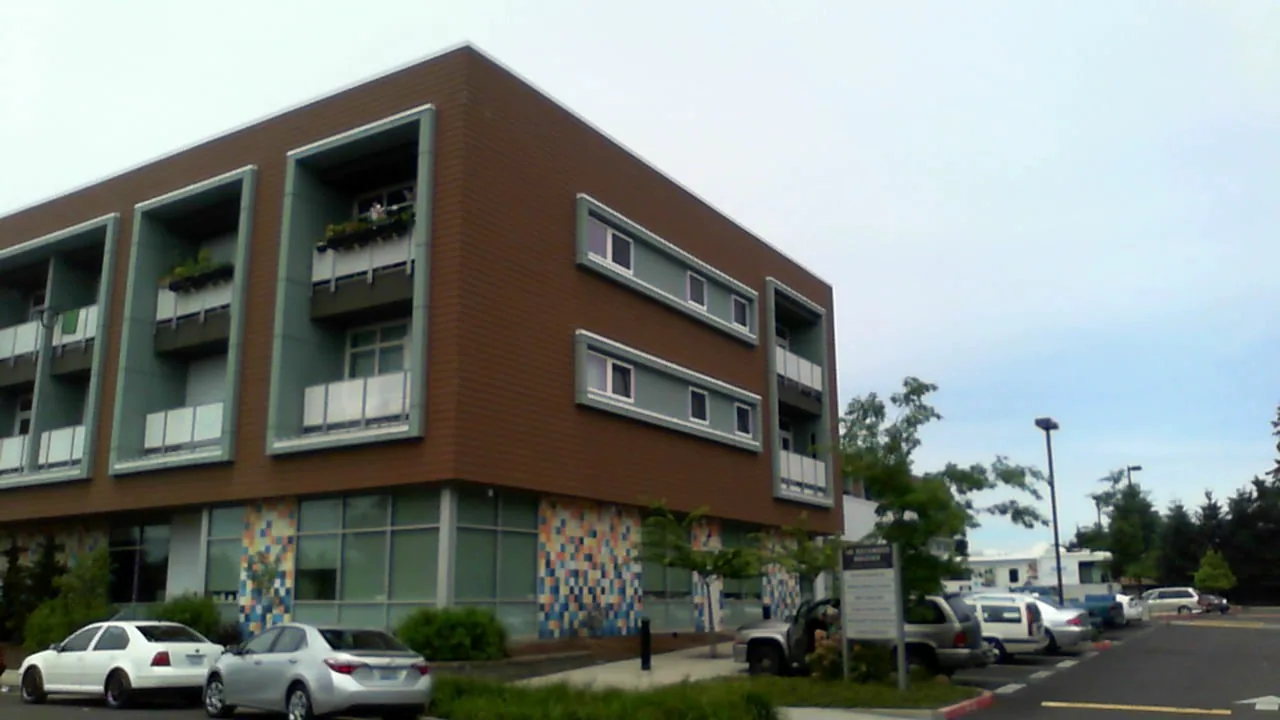
Rockwood
Learn More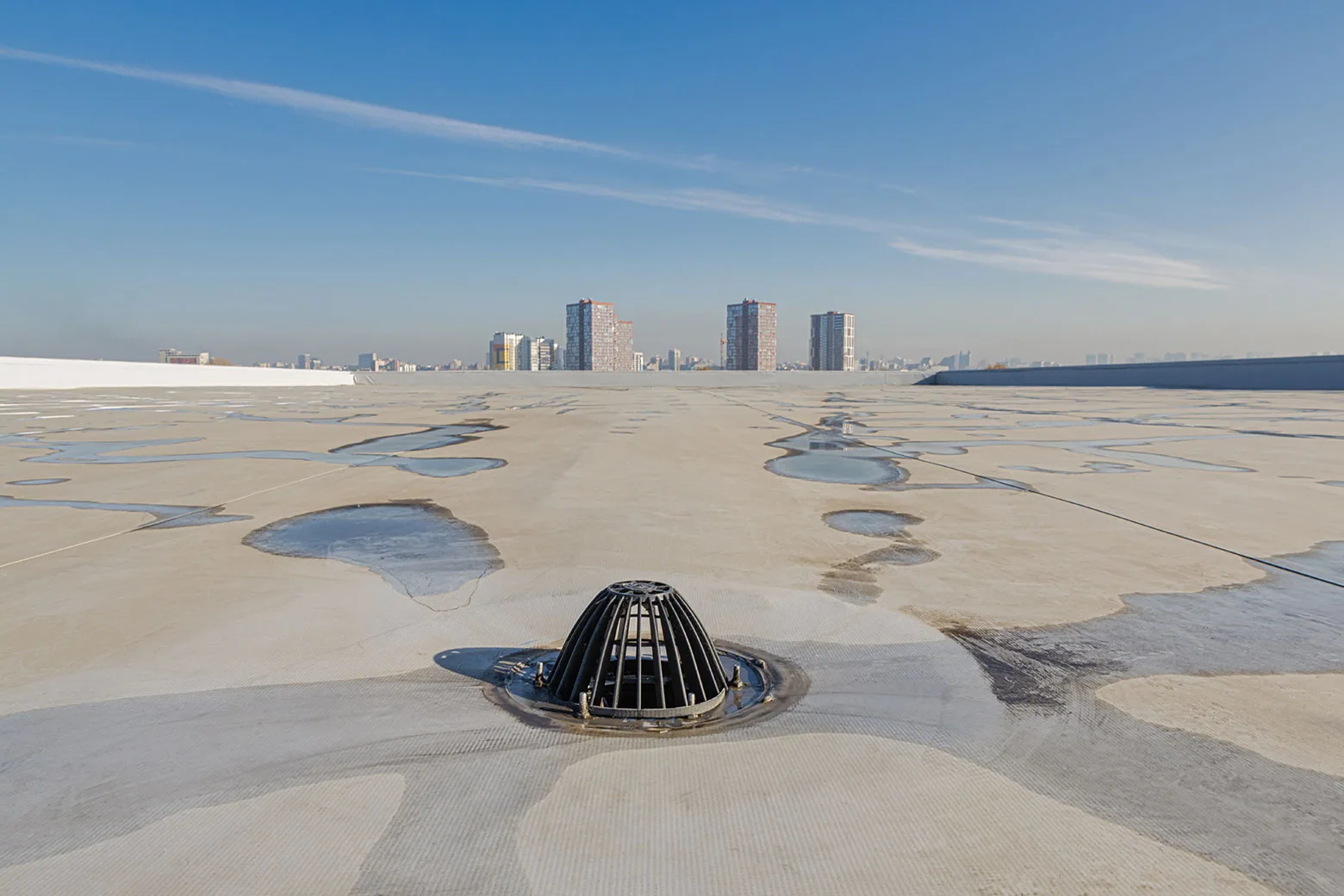
Commercial Roof Drains and Scuppers
Learn More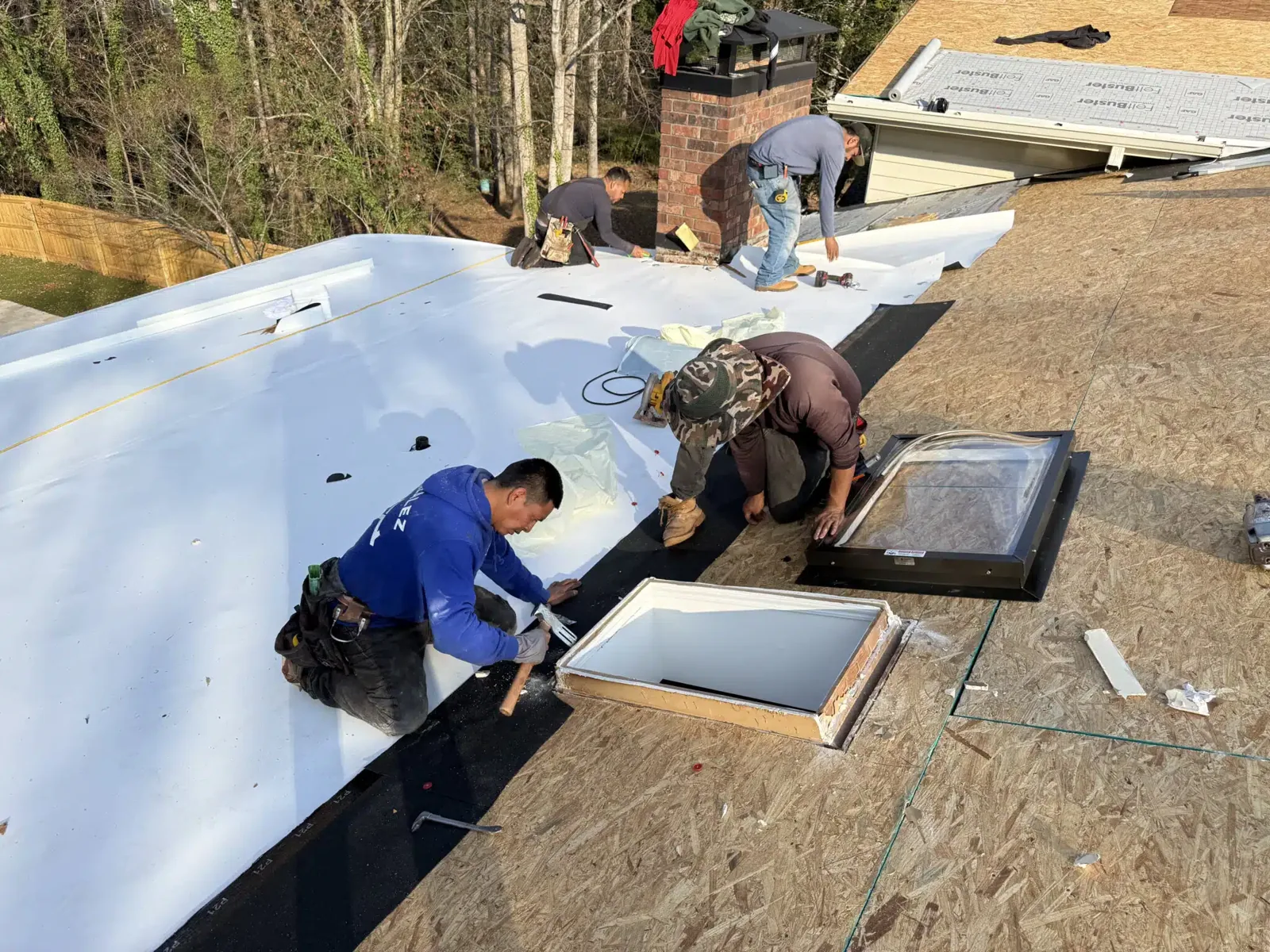
Commercial Roof Seam Repair
Learn More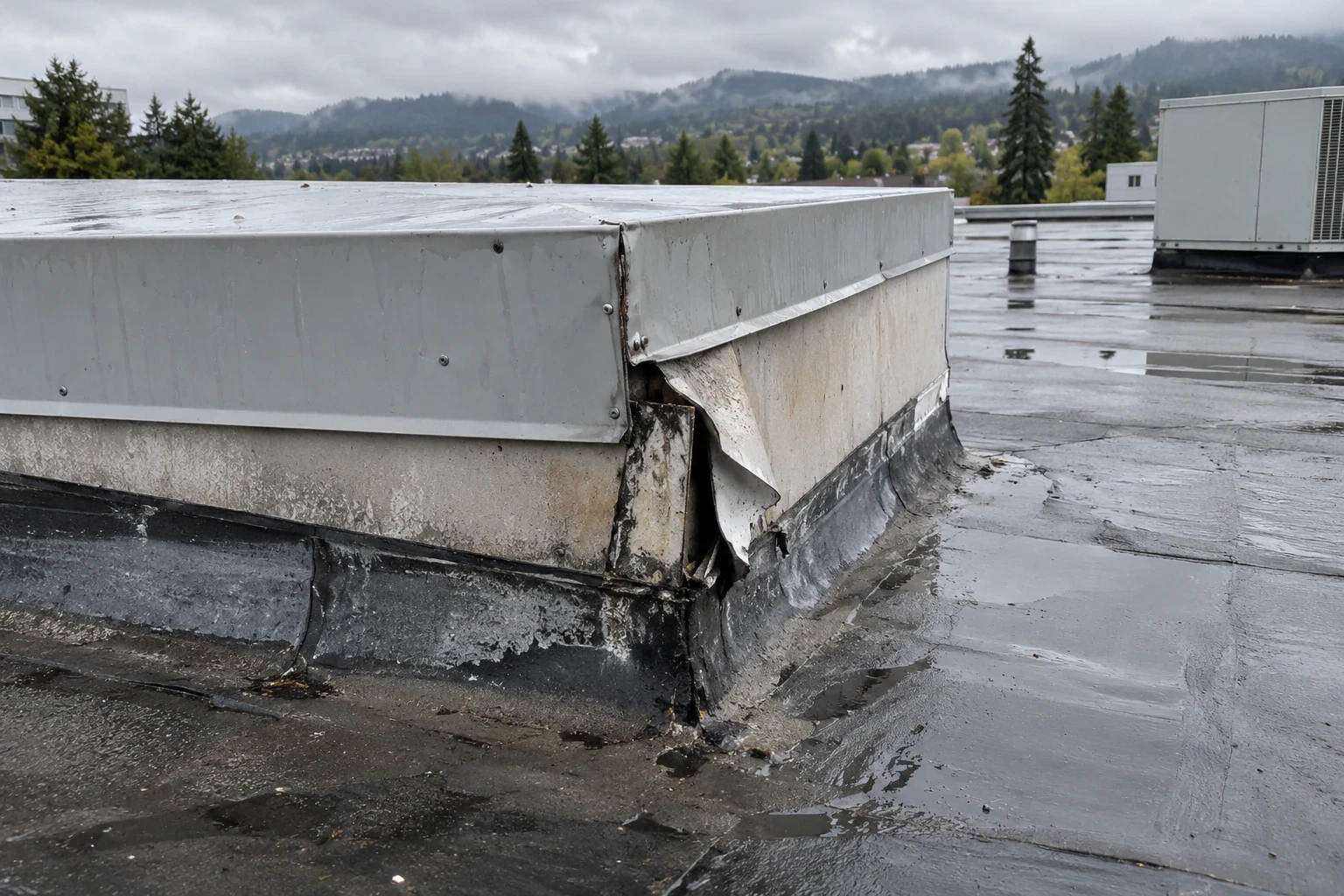
Commercial Roof Flashing Repair
Learn More
Commercial Roof Condition Reports
Learn MoreTrace the water before changing the roof
Request a roof assessment in Gresham
Schedule a roof walk in Gresham. We will map the ponding, check the outlet and surrounding assembly, and coordinate the repair window with facility operations. Tell us about the building, the roof and what you are seeing. Call 555-555-5555, email [email protected] or send the details through our contact page and we will set up a time to walk the roof.