Commercial Roof Seam Repair in Gresham, OR
Inspect an open roof seam
- Home
- Roof Damage Repair
- Commercial Roof Seam Repair
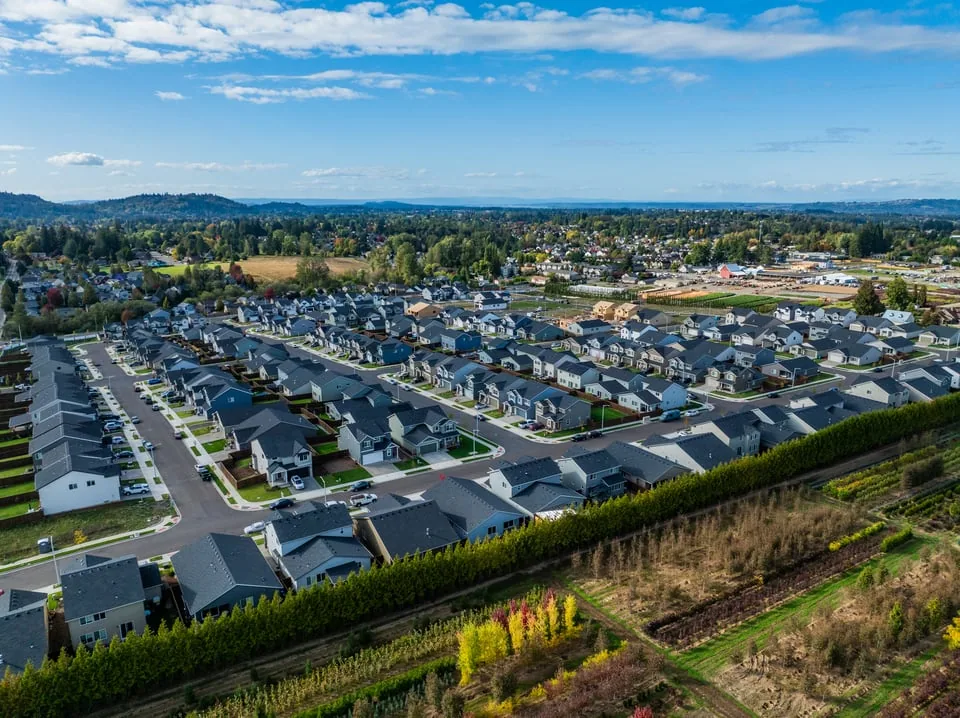
A split seam can let water into an otherwise intact roof field. The visible opening may be short, but the lap can be loose beyond the point where it first catches the eye. We inspect the seam, nearby attachment, and insulation conditions before choosing a repair boundary. Gresham’s industrial lands include manufacturing and distribution operations, from the Northerly Industrial Area to the Springwater Employment Area. Roof access has to fit the work happening below, especially when equipment and deliveries share a service route.
What does an open seam look like?
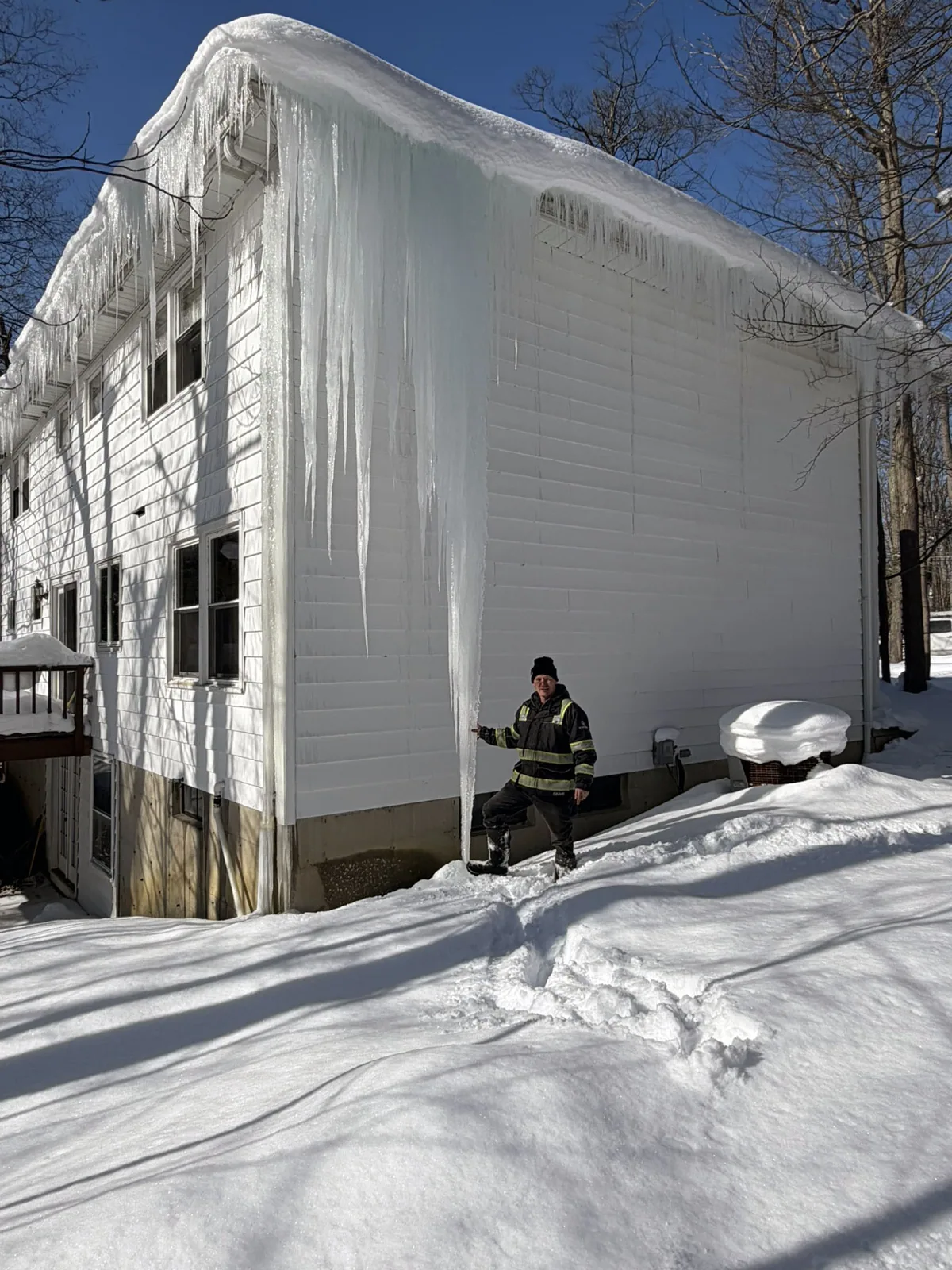
A failed lap may show a visible split, lifted edge, loose weld, adhesive release, or a line where two membrane sheets no longer stay joined. On modified bitumen, an open or cracked lap has a different repair method from a TPO or PVC weld. On a metal roof, the seam may be a standing rib, side lap, or panel end joint. We identify the assembly first, then photograph the defect with its surrounding roof zone and direction of drainage.
Look at the seam ends and intersections as well as the straight run. Water can follow a lap toward a curb, drain, or edge before turning down into the assembly. We check whether the seam is exposed to ponding, foot traffic, equipment service, or prior repair material. The inspection also records visible movement, debris, and any other detail that could affect adhesion or welding. A report should distinguish a short opening from a seam whose attachment has released along a longer length.
Why do roof seams separate?
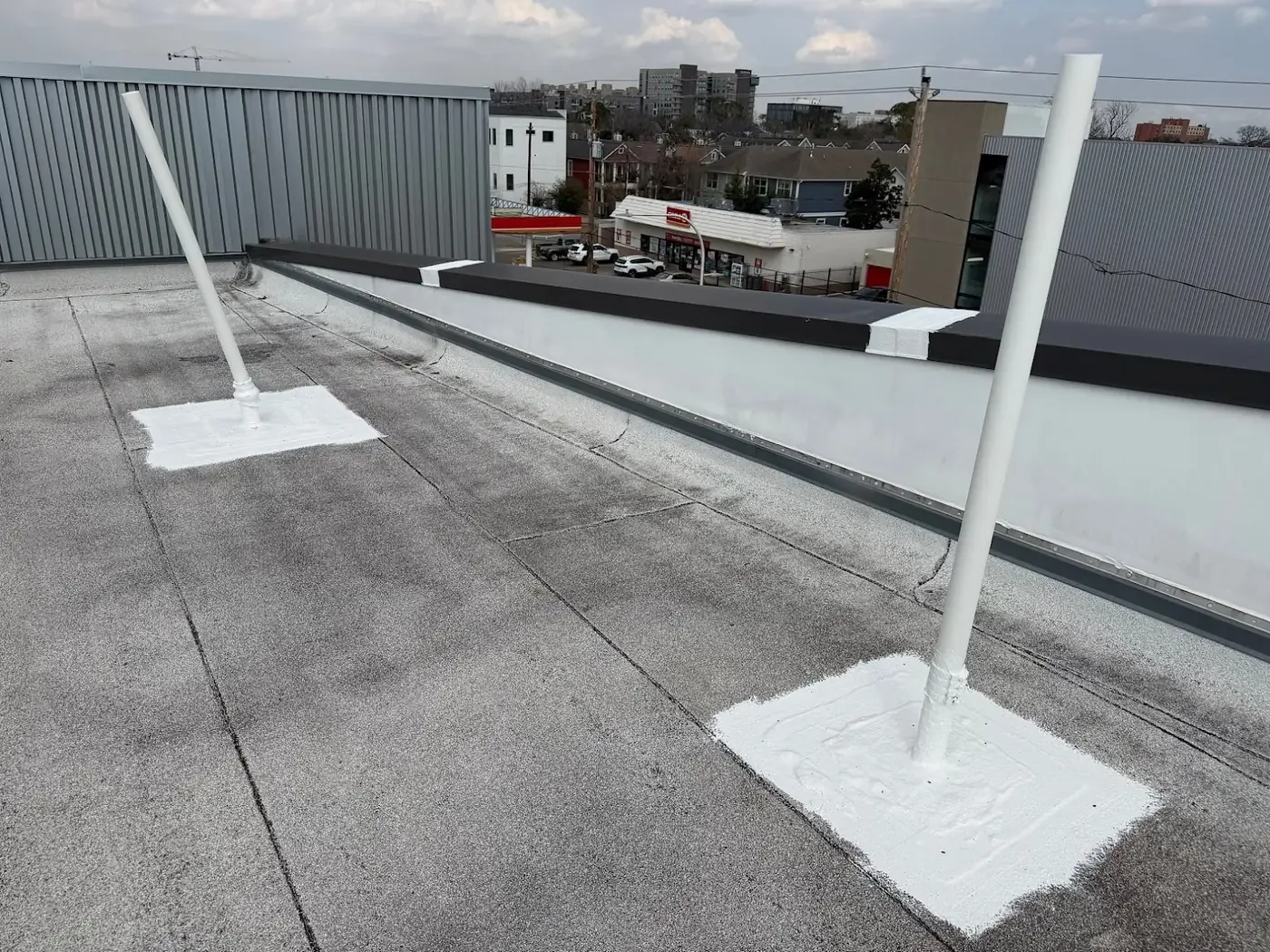
Seams can open when attachment weakens, sheets move, a weld or adhesive was compromised, or prior work did not bond to a prepared surface. Metal joints can loosen as fasteners or clips lose their hold. Repeated wetting at a low area may expose a seam defect that was already present. The repair must address the joint and conditions around it, rather than place a patch over material that is still moving or damp.
Rain is most frequent around Gresham from fall through spring. Wet periods can shorten the time an open lap remains dry enough for repair preparation. The crew checks forecast conditions and substrate moisture before selecting adhesive, weld, or temporary protection. If ponding reaches the seam, a separate ponding-water review can identify whether drainage is contributing to repeat exposure.
How do we test the seam before repair?
The first check is visual: locate the opening, examine its edges, look for contamination or prior sealant, and compare the seam with nearby intact material. A probe or manufacturer-appropriate field check may help assess an accessible lap. We avoid pulling on material in a way that expands the failure. The report includes system type where known, seam length, roof zone, nearby penetrations, drainage, and access limits.
Where water may have entered beneath the sheet, the inspection follows the route toward drains, curbs, and interior reports. Infrared imaging can help identify suspected wet insulation under suitable weather and assembly conditions. It does not confirm a moisture boundary without further evaluation. A roof condition record can pair photos and observations with a recommended test opening if the owner needs to verify the layers before repair.
Metal seams need attention to the panel profile and direction of water flow. We look for open endlaps, missing fasteners, loosened clips where visible, displaced closures, and sealant condition. A sealant bead cannot correct a panel joint that has lost mechanical attachment. If wind or movement has affected several sections, we document whether a localized correction remains practical or whether a broader metal-roof review is needed.
Which seam repair fits the roof system?
For a thermoplastic membrane, the repair may involve cleaning, preparing, and heat-welding a compatible patch over sound material. EPDM or another adhered membrane may call for a system-compatible cover strip and adhesive. Modified bitumen uses an appropriate bituminous detail, while a metal roof may need a new closure, seal, fastener, or panel correction. We identify the planned method in the proposal and do not treat materials as interchangeable.
If the seam is wet or the membrane edge has deteriorated, the work may need to open farther to reach dry, stable material. The owner receives a clear limit and the reason for any expansion. When repeated failures appear across multiple roof zones, compare repair sequencing with a broader replacement assessment. That review can consider drainage, attachment, wet insulation, access, and how to phase work around building operations.
Cost and schedule depend on seam length, system type, roof height, access, substrate condition, weather, and whether equipment must be moved. A repair on a clear field seam differs from work beside a wall, curb, or drain where several transitions meet. The scope should list preparation, materials, repair boundary, temporary protection, and the test or closeout method. A flashing repair plan can separate a transition problem from the seam work.
How does the crew keep the building protected?
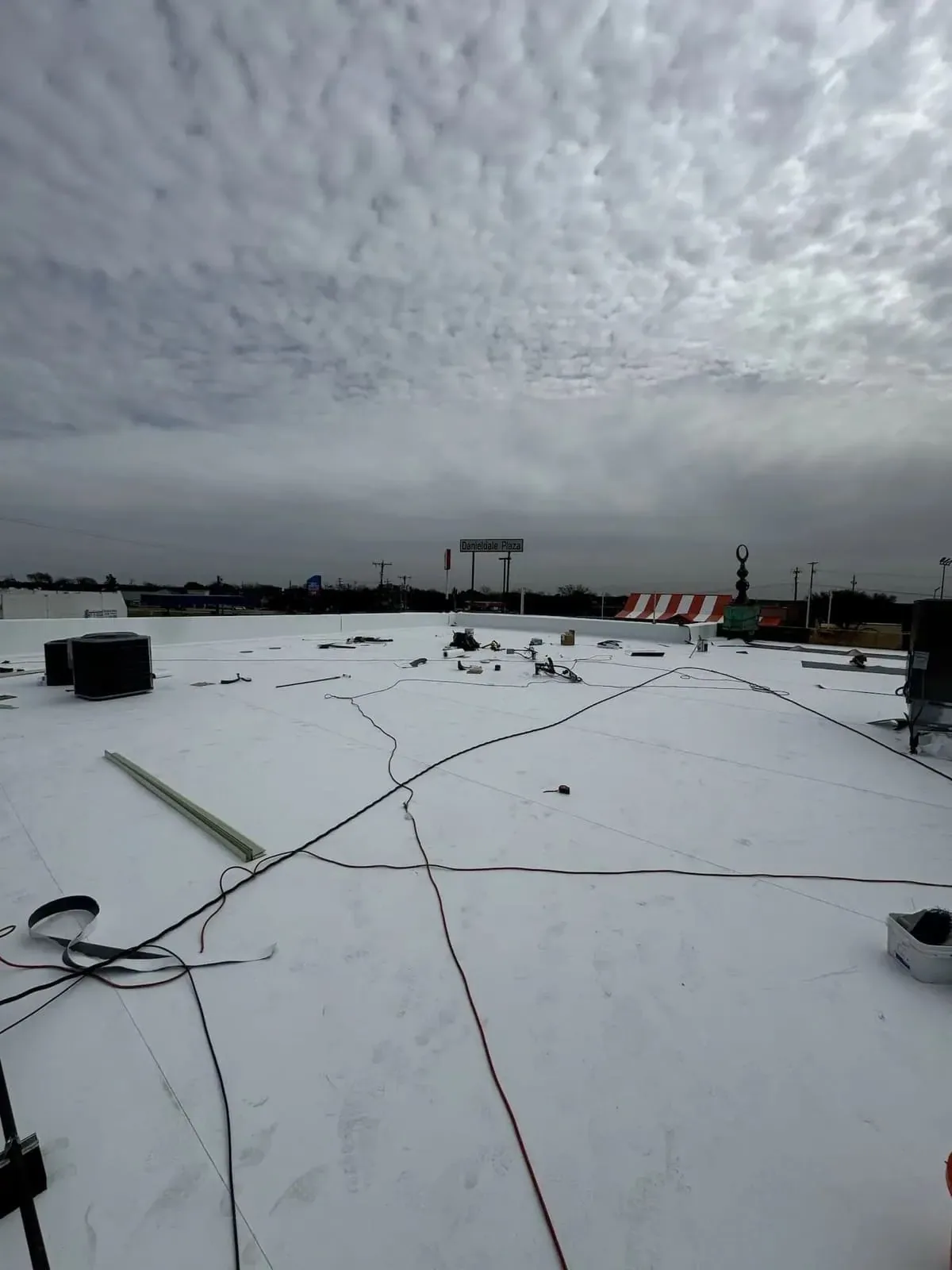
Before work, we confirm roof access, fall protection, occupied hours, staging, and the facility contact who can approve a scope change. A manufacturer or system detail may set preparation and cure requirements. We check that the work zone can remain dry and that the roof can be closed before conditions change. If rain arrives before permanent work can begin, temporary protection is described separately from the final seam repair.
The crew removes loose repair material and prepares only the area needed to reach a sound lap. It keeps tools, packaging, and debris away from drains. If removal reveals wet insulation or a longer failed seam, we protect the opening, photograph the layers, and contact the authorized owner before enlarging the work area. The repair is completed in controlled stages so each tie-in is accessible for inspection before the next one covers it.
When work occurs above active operations, the building contact confirms access restrictions and any tenant notice. The Gresham Vista Business Park supports industrial and commercial activity across multiple uses, so a clear equipment route and staged work window can help keep shared circulation available. We keep the roof zone, material storage, and ground-level work area aligned with that plan.
What should the next service visit verify?
After the repair, record the seam location, repair material, weather, and any nearby detail that was inspected but not changed. On the next visit, compare the same lap and adjacent field for edge lift, contamination, or water that remains after surrounding areas drain. For a welded patch, check that the repair edges remain bonded. For a metal panel, note movement at the joint and any fastener or closure that needs follow-up.
Gresham’s linked business centers include Downtown and Civic Neighborhood and Rockwood, alongside industrial employment areas. A property’s maintenance record should still identify the roof system and zone rather than rely on a district name alone. A maintenance visit can update the roof map, note recurring seam issues, and schedule repair before another wet-season call.
Commercial Roof Seam Repair FAQs
-
Can you repair only the open part of a seam?
A limited patch works when the edges and surrounding membrane are sound and dry. We inspect beyond the visible split and state whether the repair can stop at that point or needs a longer tie-in.
-
Does every roof seam use heat welding?
No. Thermoplastic membranes can be welded, while EPDM, modified bitumen, and metal assemblies need their own compatible methods. We identify the roof system before selecting materials.
-
Why did the seam open after an earlier repair?
The prior work may not have reached stable material, or movement, moisture, contamination, or drainage may still affect the joint. We review the earlier repair and current conditions before proposing another method.
-
Can a seam repair be completed during business hours?
Often, if access, noise, heat-welding, and staging can be coordinated. We set a work zone and confirm occupied areas, equipment routes, and any operating window with the facility contact.
-
What if the seam is wet when you arrive?
We document moisture and protect the area if conditions allow. Permanent work waits until the surface and assembly can support the specified repair, or the owner can authorize further evaluation.
Related Roofing Work
Gresham Northerly Industrial Area
Learn More
Springwater Employment Area
Learn More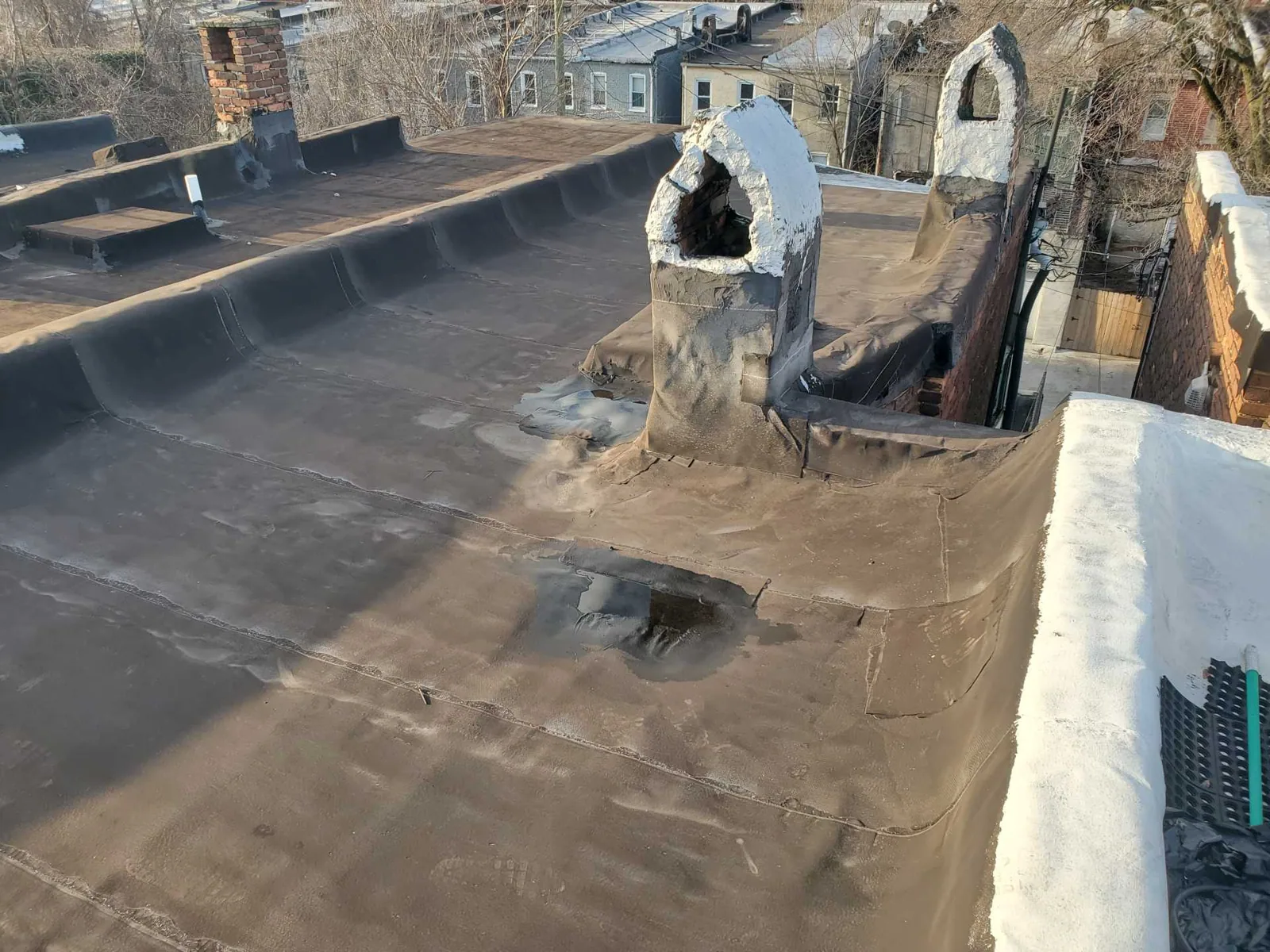
Commercial Ponding Water Roof Repair
Learn More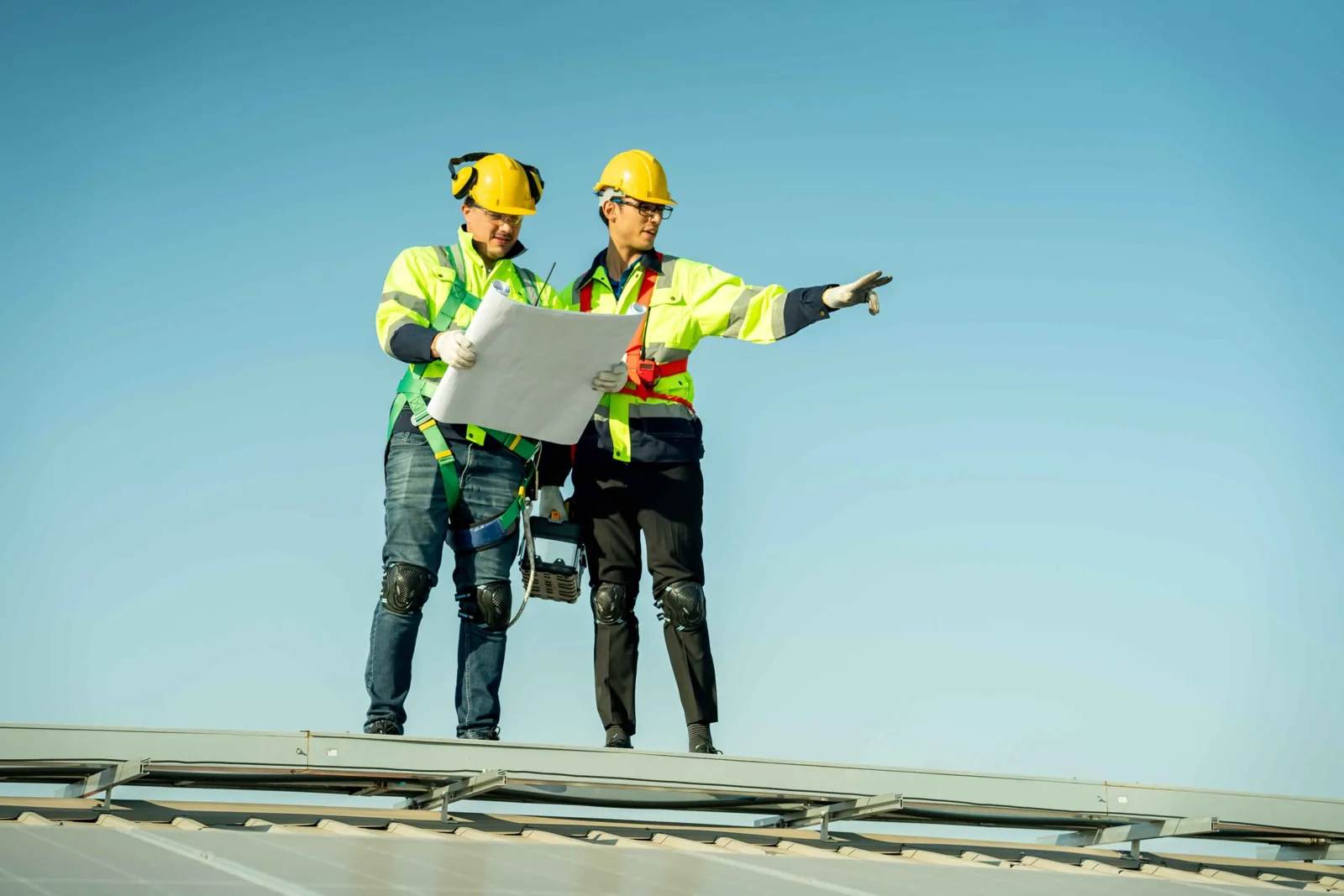
Commercial Roof Condition Reports
Learn More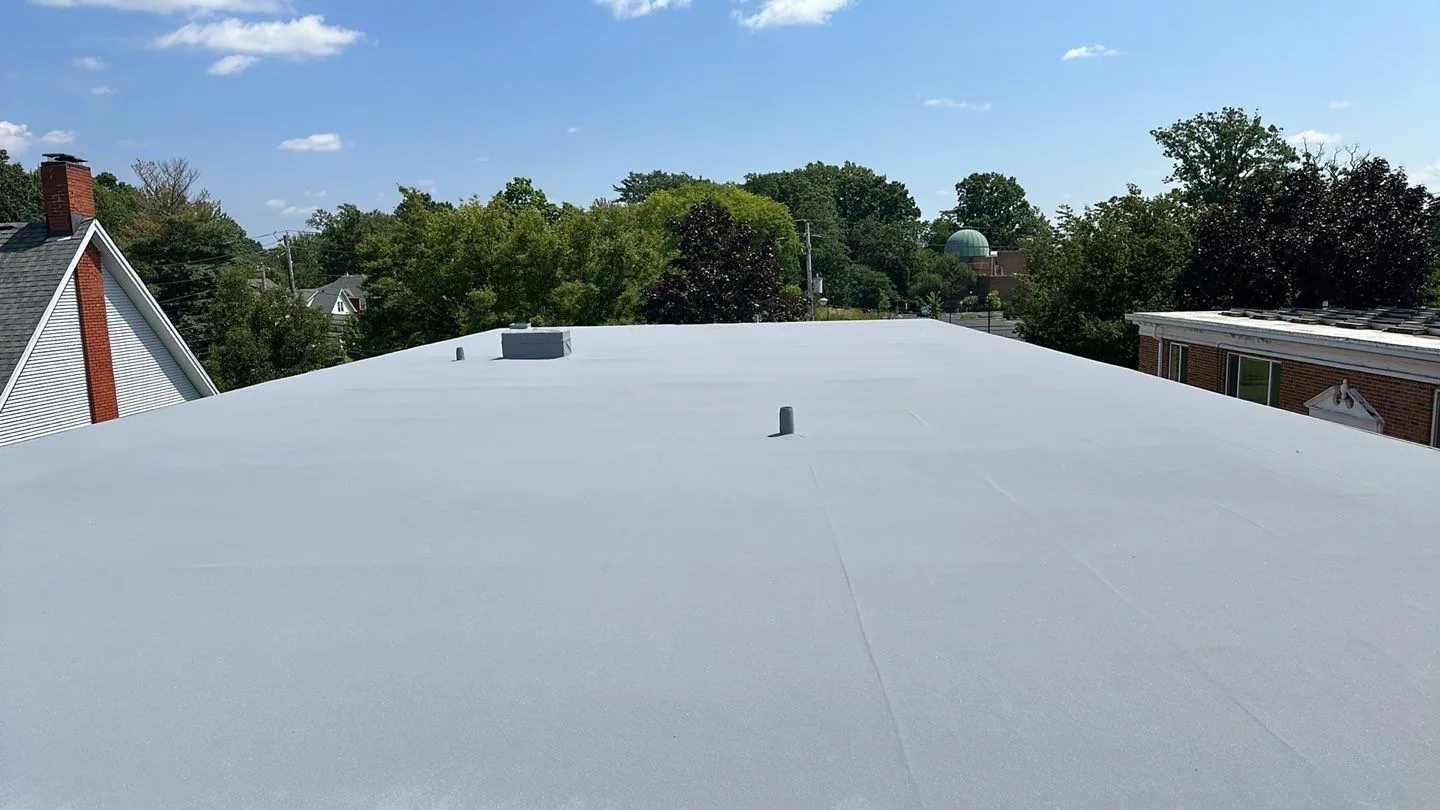
Commercial Roof Replacement
Learn More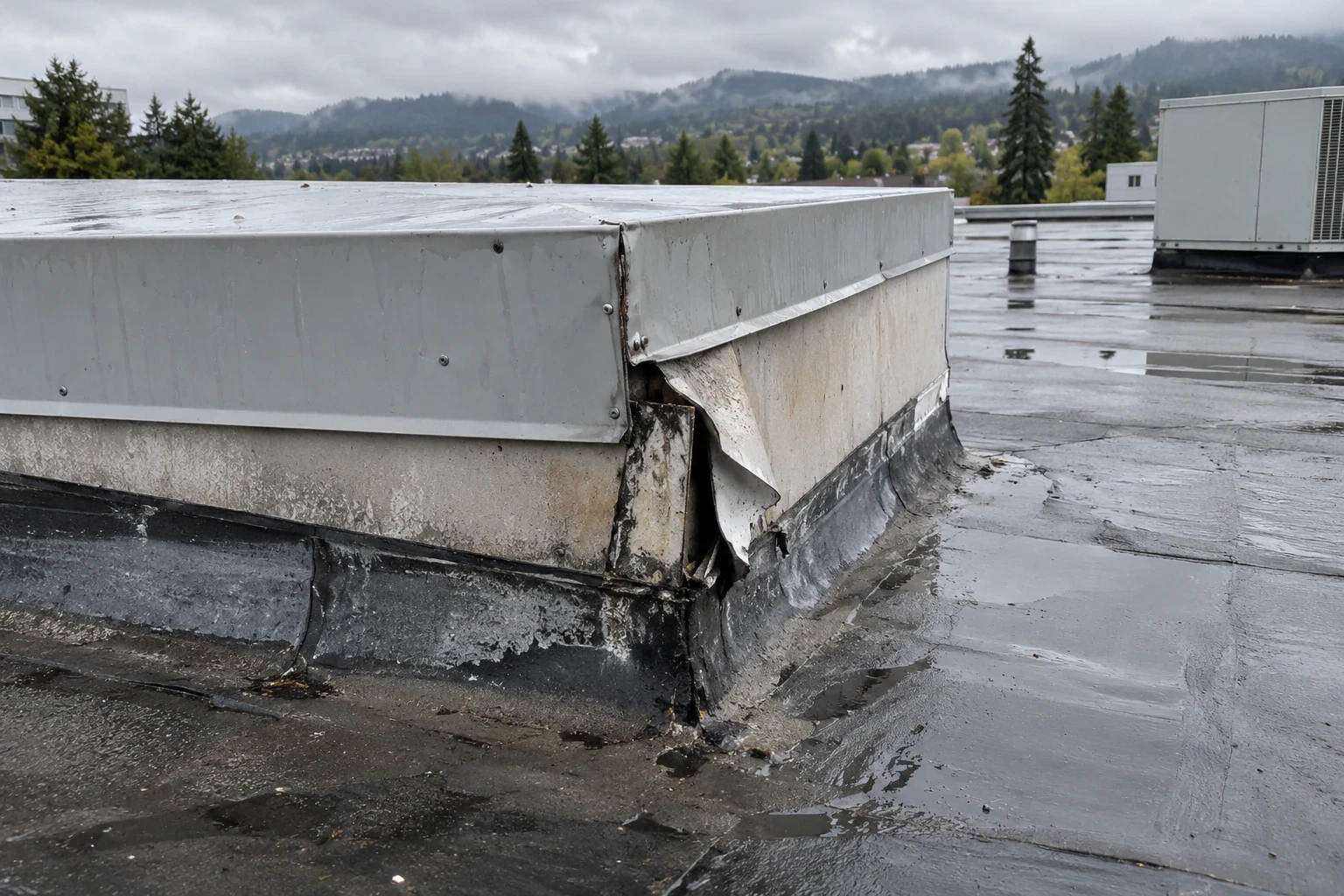
Commercial Roof Flashing Repair
Learn MoreInspect an open roof seam
Request a roof assessment in Gresham
Schedule a roof walk in Gresham. We will identify the roof system, document the lap condition, and coordinate repair access around facility operations. Tell us about the building, the roof and what you are seeing. Call 555-555-5555, email [email protected] or send the details through our contact page and we will set up a time to walk the roof.