
Commercial Roofing in Gresham Northerly Industrial Area, Gresham, OR
Schedule a roof walk in Gresham Northerly
- Home
- Service Areas
- Gresham Northerly Industrial Area
Distribution, manufacturing, and processing operations in Gresham Northerly Industrial Area need roof work that respects the activity below. We inspect the assembly at seams, drains, curbs, penetrations, and metal edges, then plan repair or replacement around equipment routes and occupied hours. The district includes operations involving high-tech products and food and beverage processing, so building access and interior protection may differ from one site to the next. NE 181st Avenue is a north-south link serving these industrial lands and I-84. We confirm access with each facility and shape the work zone to its schedule. A commercial roof inspection can document the roof before the owner selects a repair or capital project.
Fit the roof plan to the operation
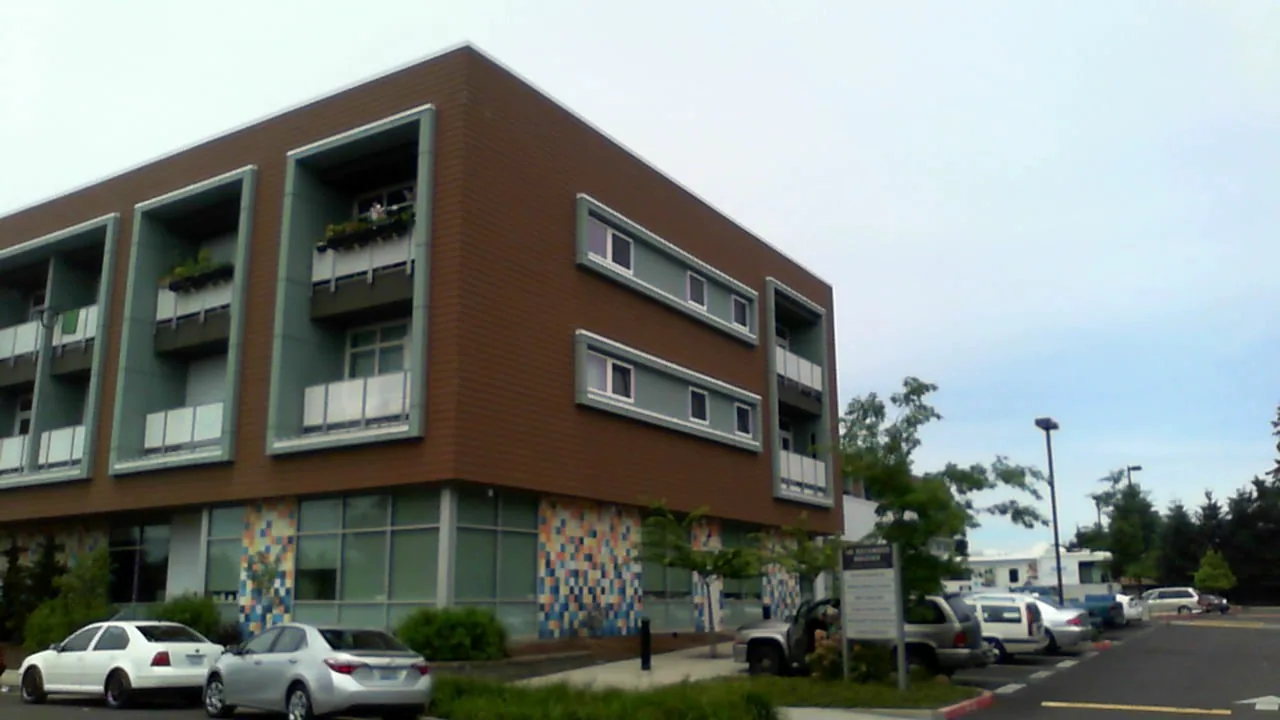
The industrial property mix ranges from smaller parcels to larger sites. That variation changes how a roof crew reaches the work, where materials can stage, and which areas need to stay clear. A distribution building may have loading activity below rooftop equipment. A processing operation may need controls around air intakes or material handling. We inspect the actual assembly and ask the site contact how the building runs before setting access and protection.
At the first visit, we confirm the roof access point, hatch or ladder arrangements, staging area, equipment restrictions, and emergency route. We trace the roof field around units, ductwork, skylights, and service paths. Details that look similar from the ground can involve different materials or repair histories. We identify membrane or panel type where possible and record the tie-ins that affect the work. The facility contact can plan an escort and access hours around production or freight.
NE 181st Avenue links the northerly industrial lands with I-84, so vehicle and delivery access can influence mobilization. That road connection is a planning fact, not a statement about one parcel’s gate or roof. We confirm the location-specific route before bringing equipment. For work in the broader I-84 and NE 181st industrial cluster, the property team can identify the route that keeps loading areas and daily traffic moving.
Read drains, seams, and penetrations
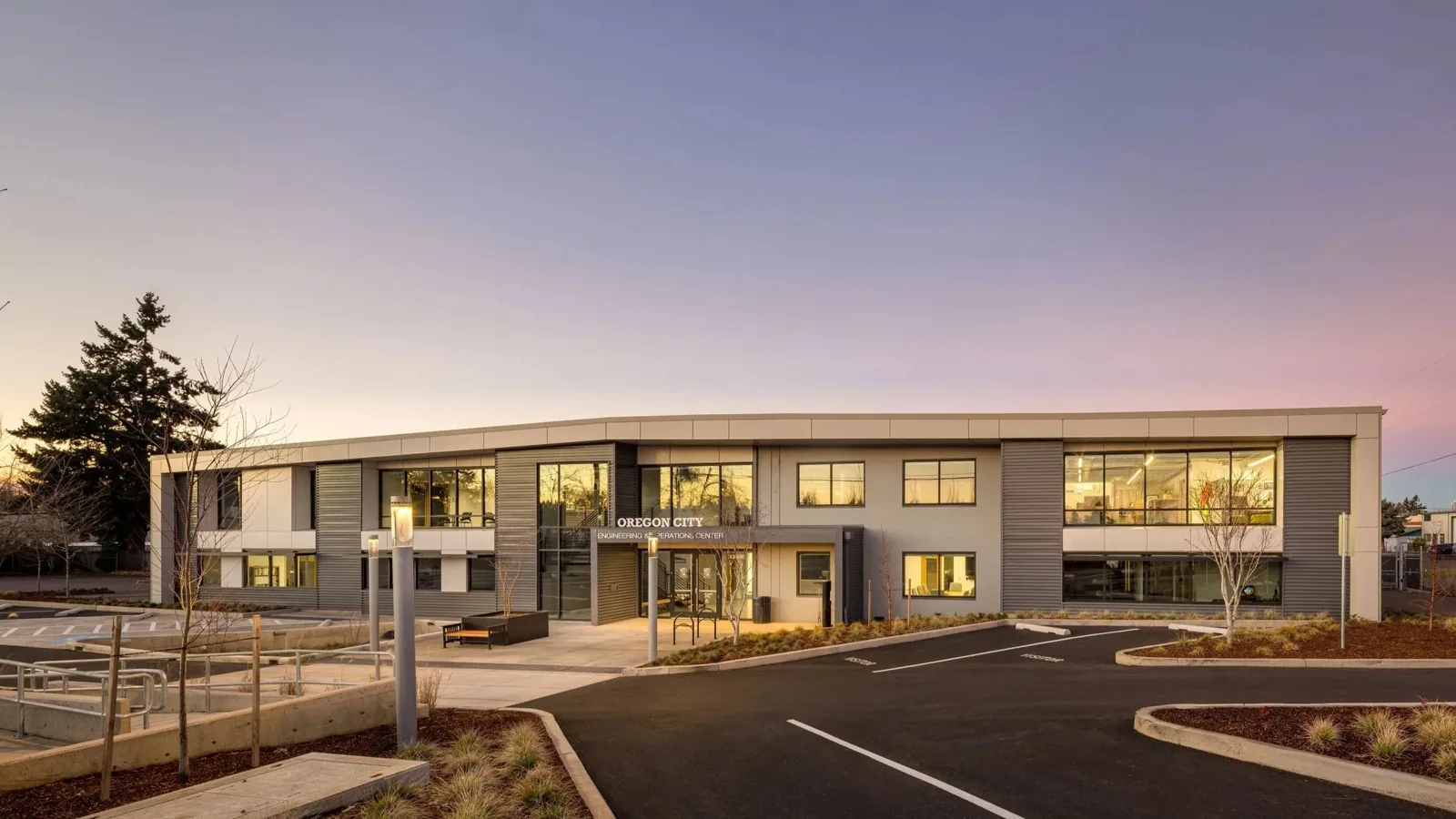
Rain exposure puts drainage details high on the inspection list. We check drain bowls, strainers, scuppers, overflows, roof slope, and signs of water that remains after surrounding areas dry. A blocked outlet is different from a low roof area or a drain flashing that has opened. Each condition calls for a different response. We document the outlet and nearby membrane before recommending cleaning, flashing repair, slope correction, or further investigation.
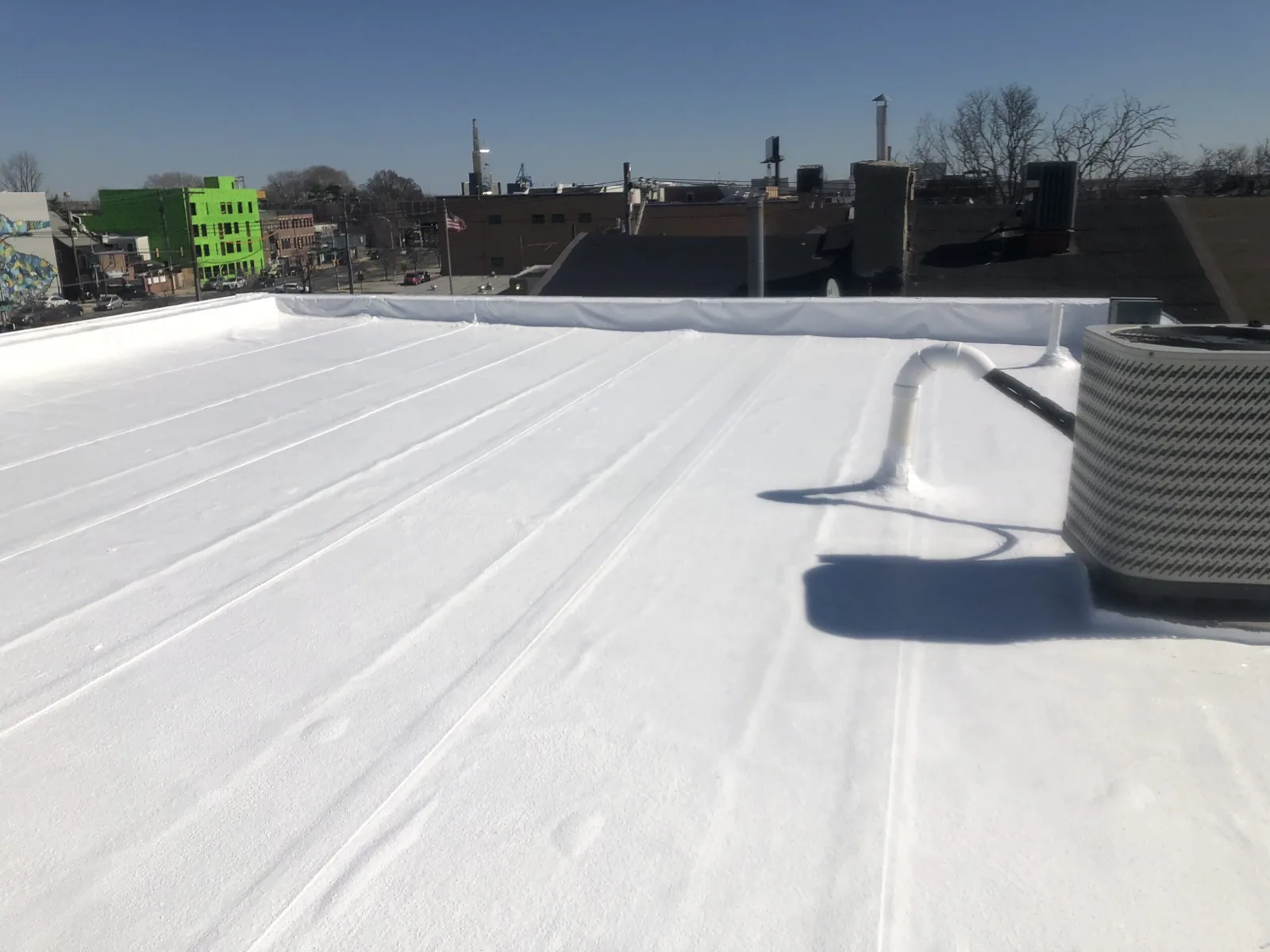
At seams and penetrations, the walk looks for open laps, split flashing, loose terminations, displaced fasteners, and repairs whose edges have started to lift. Rooftop units and exhausts may bring recurring service traffic across the membrane. We check curb corners and the path technicians use to reach equipment. A leak inside may appear away from the entry point, so we compare interior reports with the details above and trace likely water paths through the assembly.
For concealed moisture, an infrared moisture survey can help identify suspect areas when construction and weather suit the method. The result is a screening pattern. A core or targeted opening may be appropriate if the decision depends on insulation condition. We explain each test and its limitations.
Plan for east-county rain and cold nights
At Portland International Airport, the annual precipitation normal is 36.92 inches; measurable rain occurs on 157 days, mainly from autumn through spring. That wet-season pattern puts clear outlets, secure temporary protection, and sound flashing high on the maintenance list for industrial roofs.
At the airport station, minimum readings at freezing or colder appear on 31.7 days in the annual normals; average snowfall is 4.2 inches. This is an occasional freeze-thaw setting, not a heavy-snow climate assumption. We look for water trapped at drain details, open seams, and low points where temperature changes can stress the assembly. Material compatibility, attachment, and the condition of the substrate still determine the repair at each facility.
Gresham’s broader industrial base includes electronics, food processing, machinery, packaging, and distribution. These market facts help frame the building use, but a local roof evaluation starts at the individual property. We note which areas need immediate protection, which can be repaired during a planned access window, and which findings call for a capital discussion. A commercial roof repair can address an isolated opening when surrounding material is sound.
Compare repair and larger roof work
A localized defect may call for patching, flashing replacement, fastener correction, or a drain detail repair. We identify the existing assembly and prepare a tie-in compatible with its membrane or metal. If several details have failed or moisture extends across roof areas, we compare repair with a broader recover or replacement scope. The report separates confirmed damage from material that needs further testing, so the owner can see why the recommendation changes.
Cost and timing depend on access, roof height, material type, removal depth, wet insulation, deck repairs, equipment handling, edge conditions, and weather protection. Active loading may require staged deliveries or an off-peak work window. Sensitive operations may need protection below. The scope names these drivers and identifies what could change once the roof is opened.
A replacement project can include insulation, cover board, membrane, flashings, edge details, and disposal. A recover review must first establish that the existing assembly is suitable and that drains and curbs can be adjusted. We discuss both only after evaluating moisture, attachment, and the roof’s repair history.
Coordinate work without losing the shift
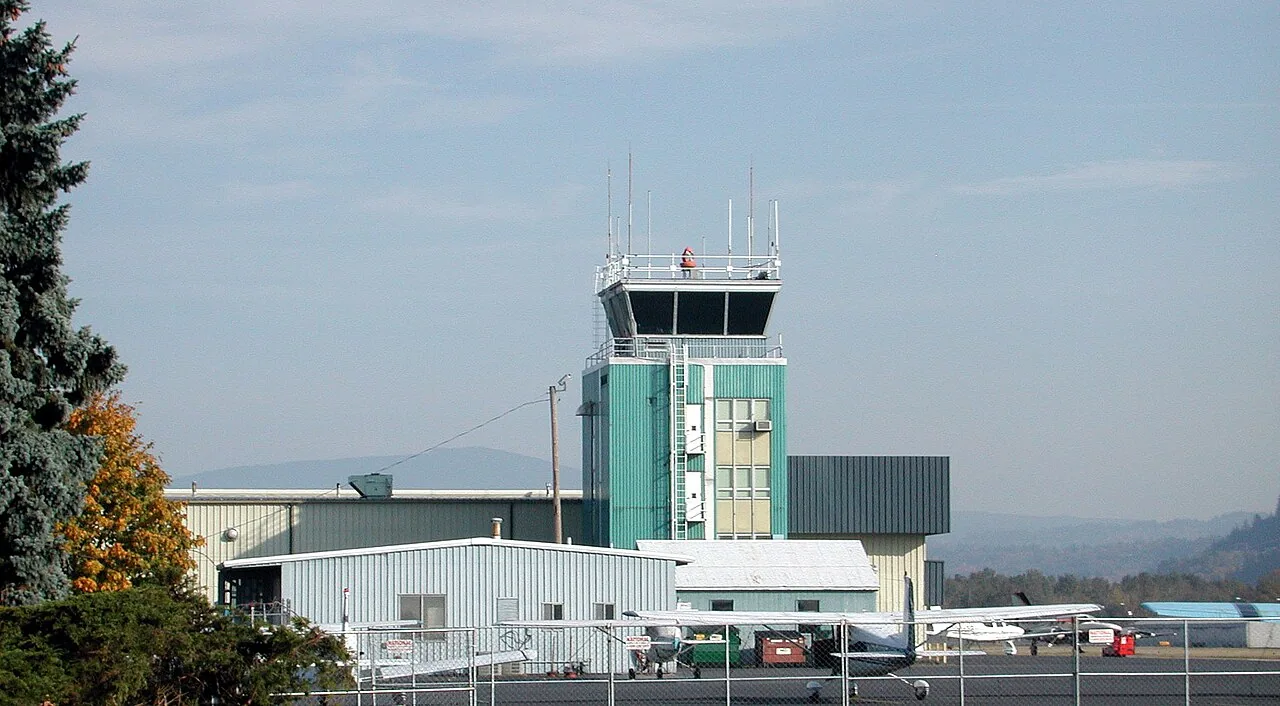
Before mobilization, we confirm who approves roof access, which loading or service lanes must stay open, and where materials can be staged. We identify whether tenant notice, escort, equipment shutdown, or interior protection is required. If the work is above a production space, the plan sets the access window with the person responsible for operations. This keeps roof installation connected to the site’s actual schedule.
During repair or replacement, the crew works within the approved zone and protects open areas as weather and shift conditions change. If removal exposes wet insulation or damaged deck, we document the finding and describe the additional scope before expanding the work. At closeout, we photograph completed details and list any remaining conditions that need follow-up. A roof condition report can keep the record with facility maintenance files.
We can inspect an industrial property in Gresham Northerly, coordinate with its site contact, and return a written scope suited to the roof and operation. Nearby properties in the NE Wilkes Industrial Cluster may have different access routes and building needs; our recommendations stay tied to the roof actually inspected.
Gresham Northerly Industrial Area FAQs
-
Can you repair a roof while freight operations continue?
A controlled repair zone may allow other site activity to continue, provided roof access and protection can be maintained. We confirm loading routes, overhead work restrictions, and the facility’s busiest windows with the site contact. If a phase needs a lane closure or equipment outage, it will be identified before scheduling.
-
What should a Northerly Industrial Area inspection include?
The inspection should cover the roof field, drains, seams, penetrations, curbs, edges, prior repairs, and any reported leak areas. We also record access limitations and rooftop equipment routes. The report identifies visible conditions and distinguishes them from moisture or deck questions that require testing.
-
Does the area’s industrial activity tell you which roof system a building has?
No. Manufacturing, processing, distribution, and high-tech businesses operate in the area, but roof assemblies vary by building. We identify the installed system during inspection and use records or targeted testing when its construction is unclear.
-
How will you keep a repair from delaying our next operating window?
We confirm access, materials, site contacts, and weather before opening the roof. The scope limits the work area to what can be protected and closed safely, and it explains how hidden conditions could affect the schedule. If a finding changes the plan, we document it and coordinate a revised sequence with the facility.
Related Roofing Work
Commercial Roof Inspection
Learn More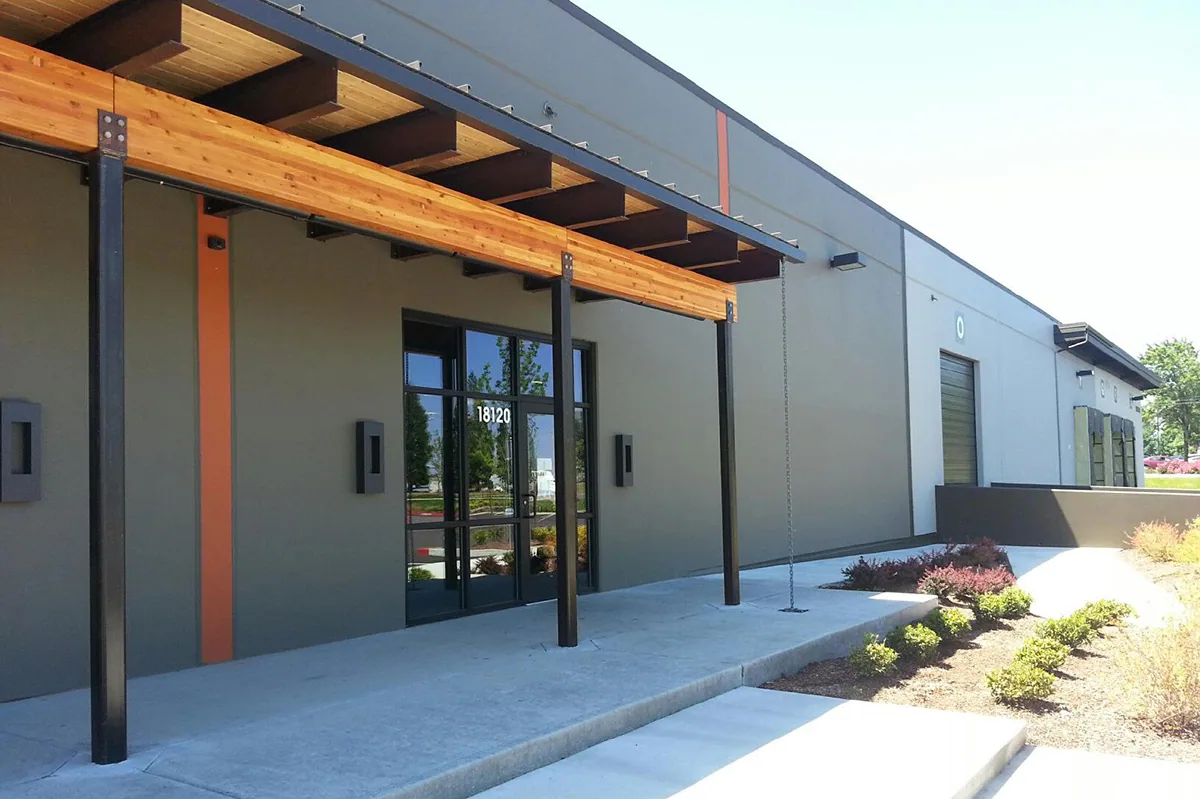
I-84 and NE 181st Industrial Cluster
Learn More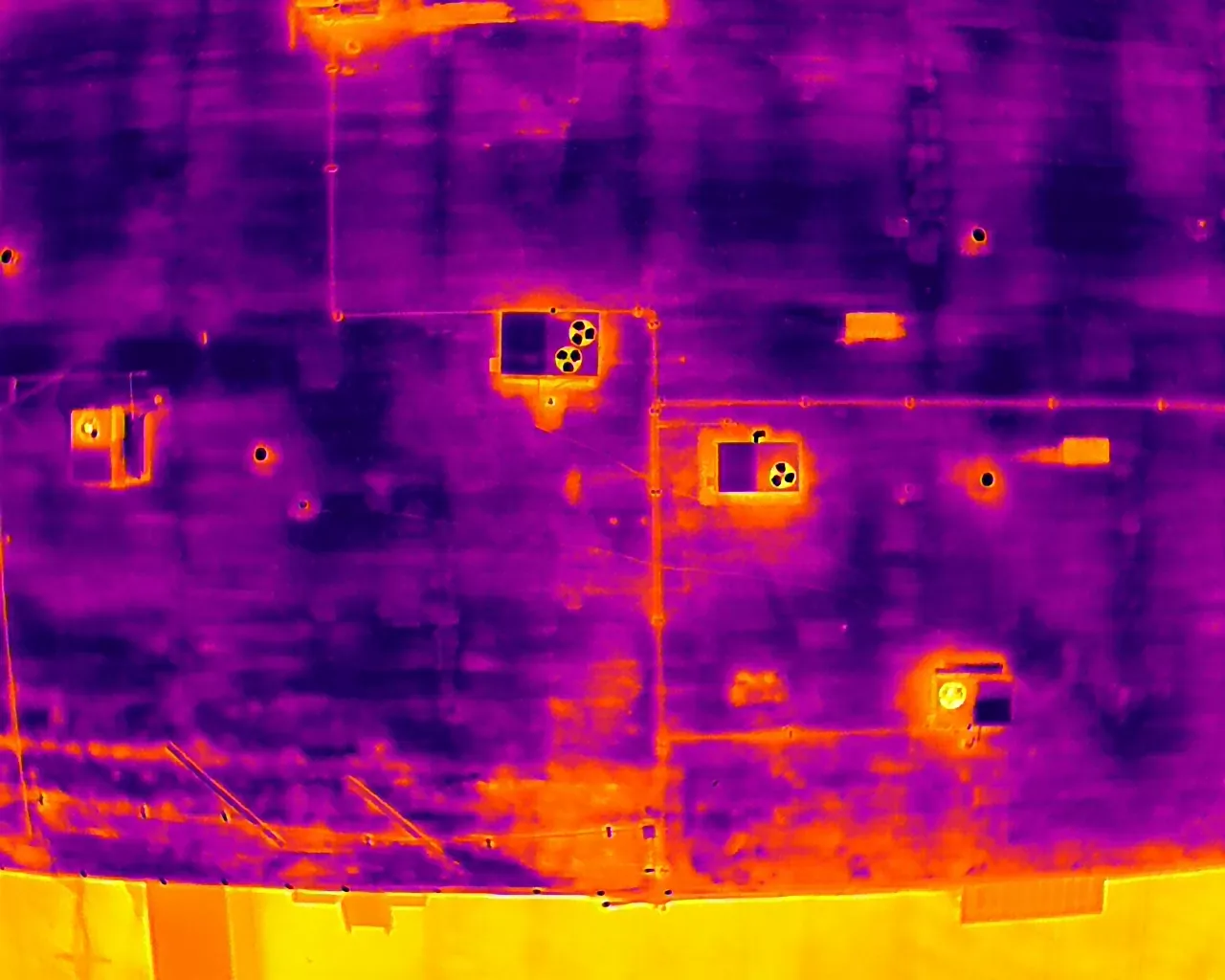
Infrared Moisture Survey for Commercial Roofs
Learn More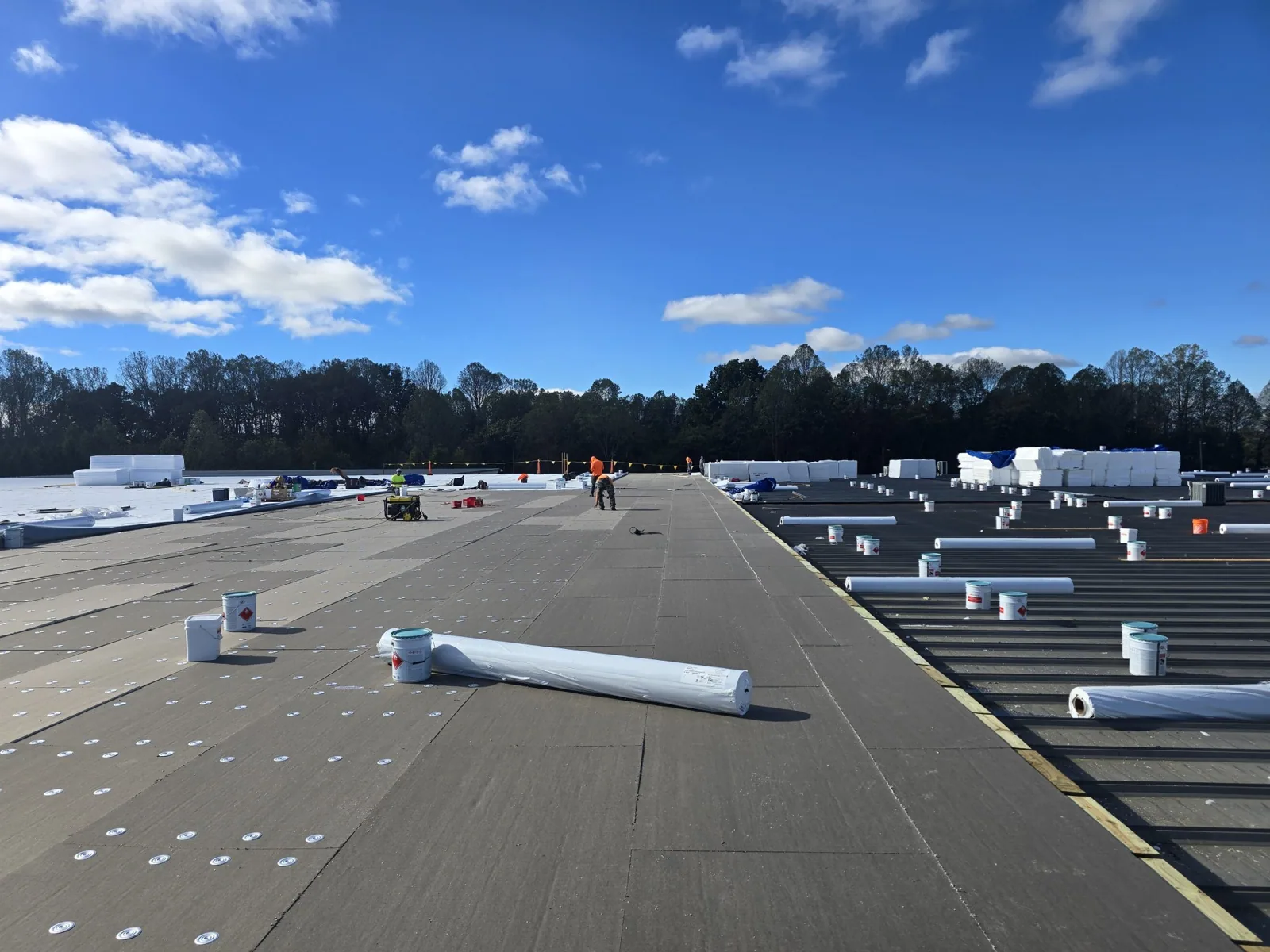
Commercial Roof Repair
Learn More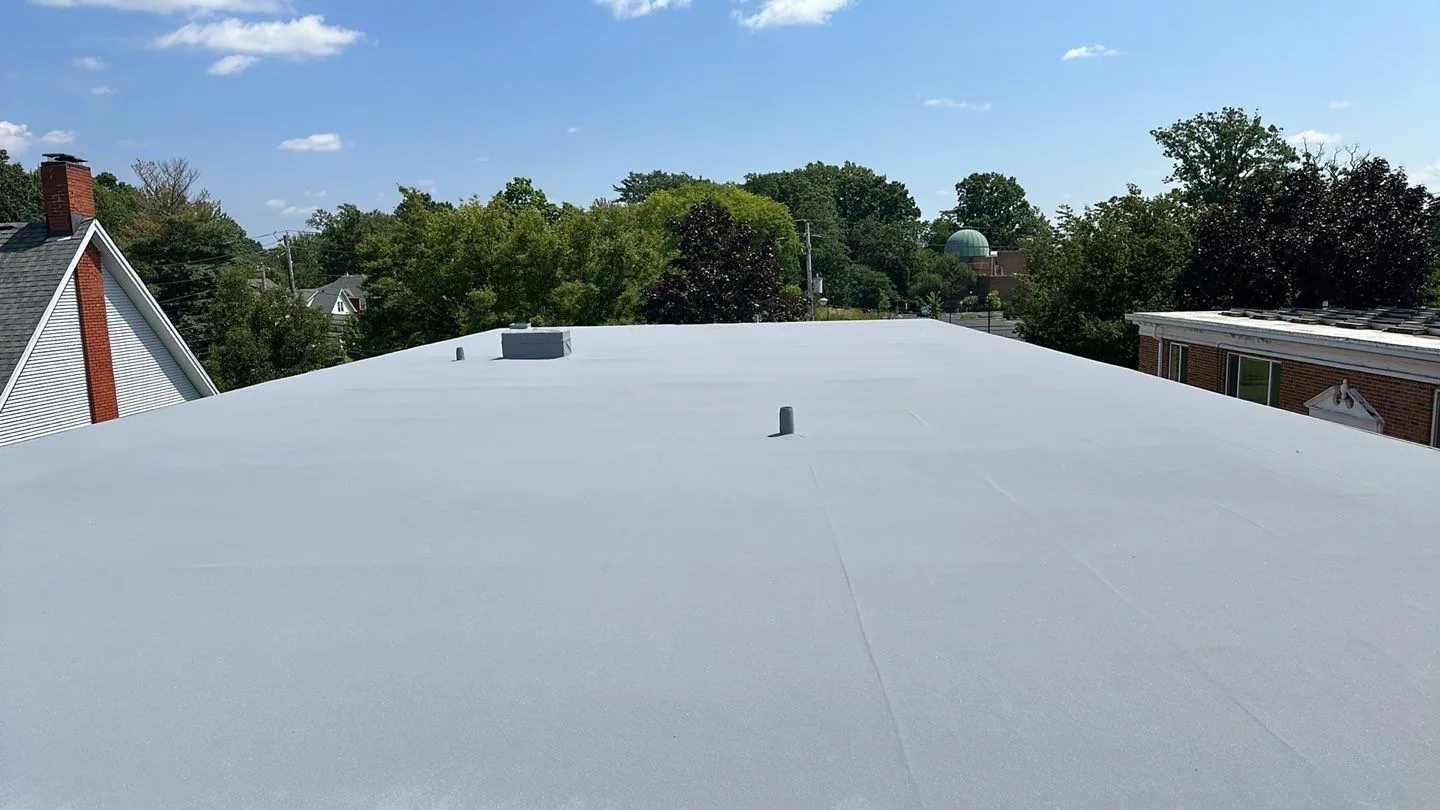
Commercial Roof Replacement
Learn More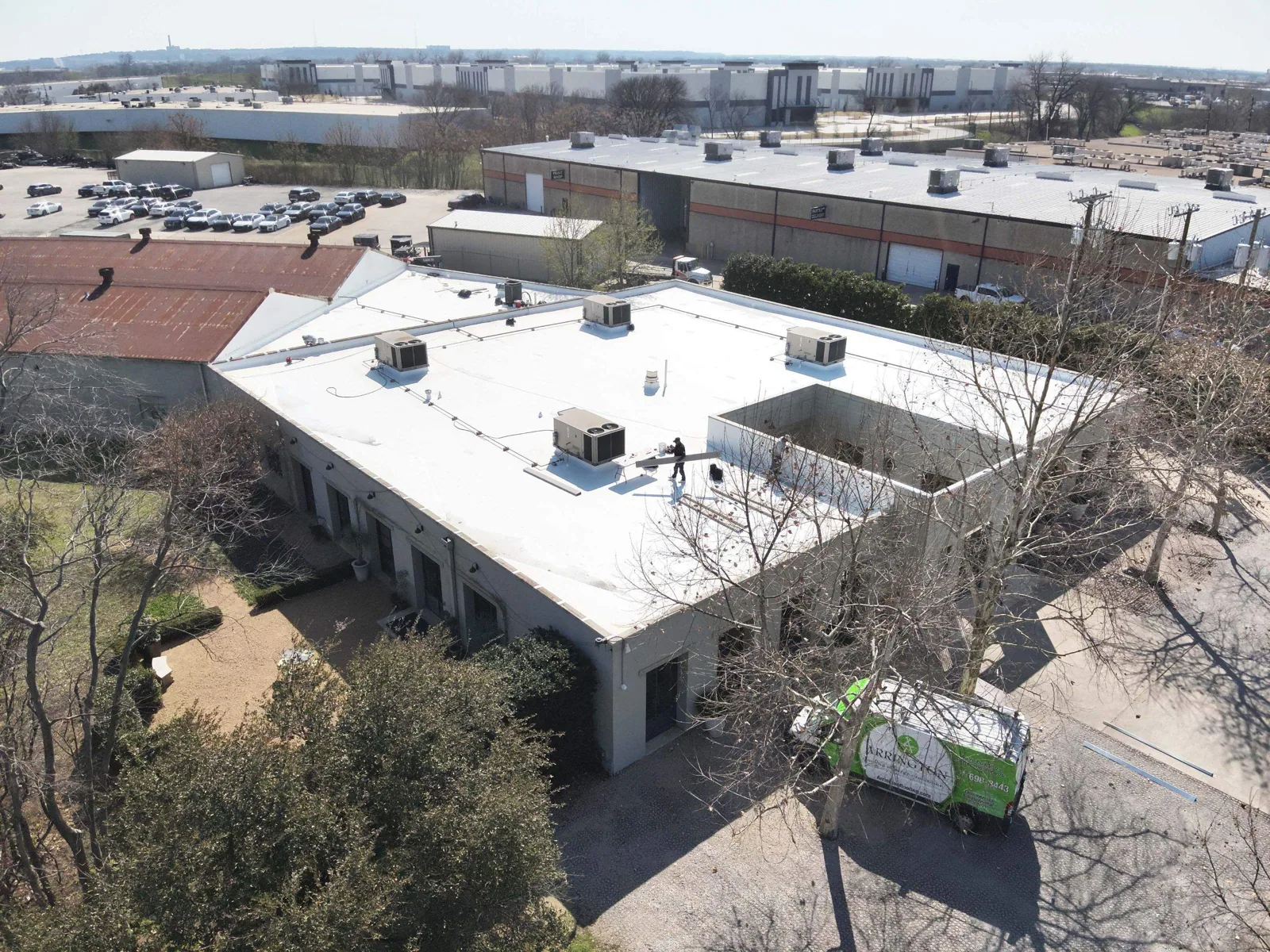
Commercial Roof Recover
Learn MoreSchedule a roof walk in Gresham Northerly
Request a roof assessment in Gresham
We will inspect the roof, coordinate access around industrial operations, and outline the repair or capital scope supported by the findings. Tell us about the building, the roof and what you are seeing. Call 555-555-5555, email [email protected] or send the details through our contact page and we will set up a time to walk the roof.