Commercial Roof Inspection in Gresham, OR
Book a roof condition walk
- Home
- Commercial Roofing Services
- Commercial Roof Inspection
Production equipment, roof curbs, and drain access belong on one inspection route at a Gresham food-processing facility. We walk the assembly and record membrane or metal condition, seams, drains, curbs, wall transitions, edges, and rooftop equipment. The report separates visible defects from questions that need testing or an opening. It also identifies access limits and operating constraints that affect the next step. For regional context, Portland International Airport’s NOAA normals record measurable precipitation on 157 days each year. That pattern makes drainage and leak paths useful inspection subjects; the building’s own condition guides the next step. We relate the roof condition to the building below, then identify a repair, a maintenance action, or a larger evaluation where findings support it.
Walk the assembly one detail at a time
We start with roof records, prior repairs, leak history, and the reason for the inspection. A transaction review may focus on remaining serviceability and near-term capital exposure. A leak investigation may concentrate on the reported area and nearby water paths. A maintenance visit follows outlets, seams, penetrations, and equipment routes. The scope identifies which roof sections will be accessible and what the inspection is intended to answer.
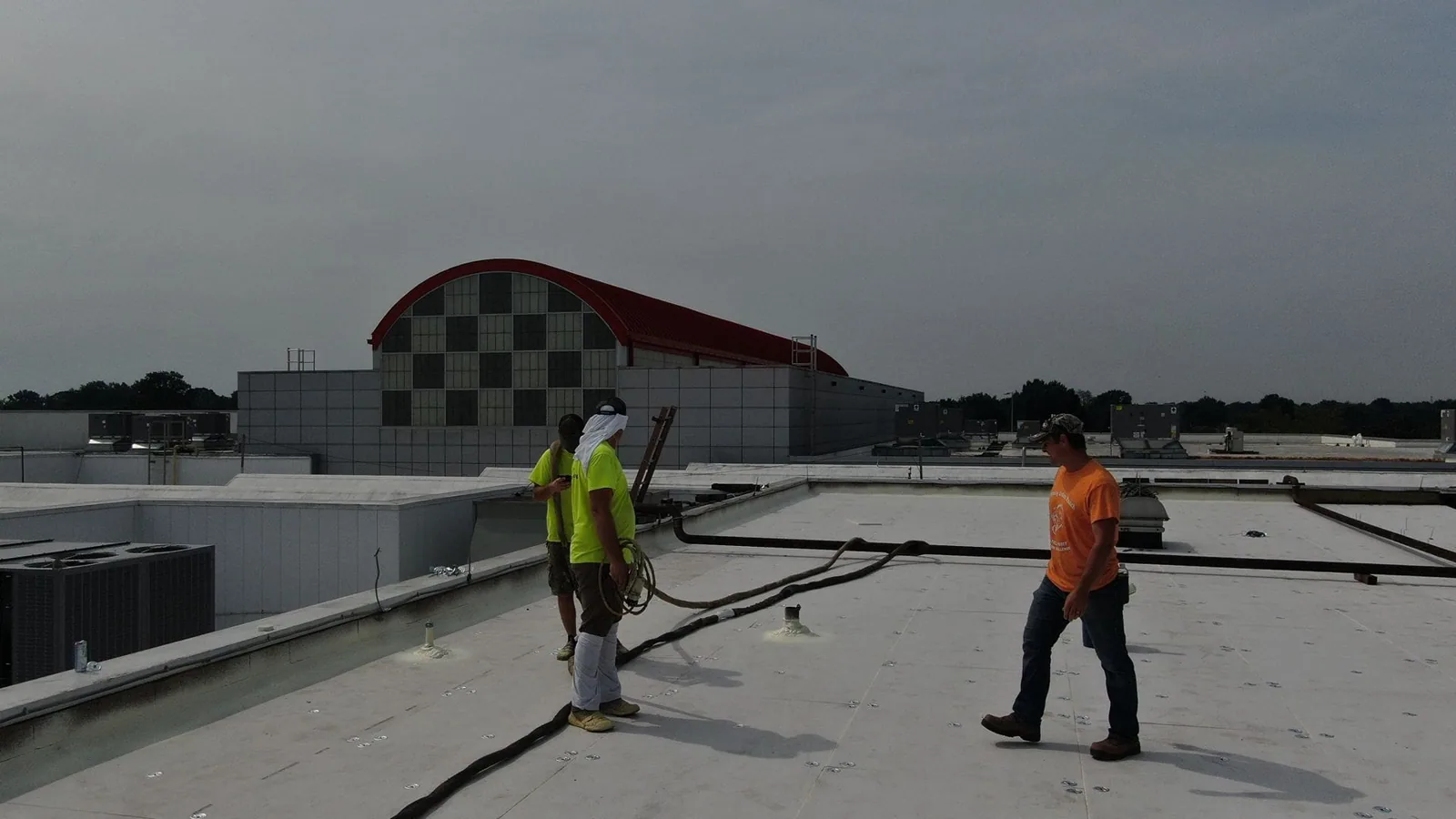
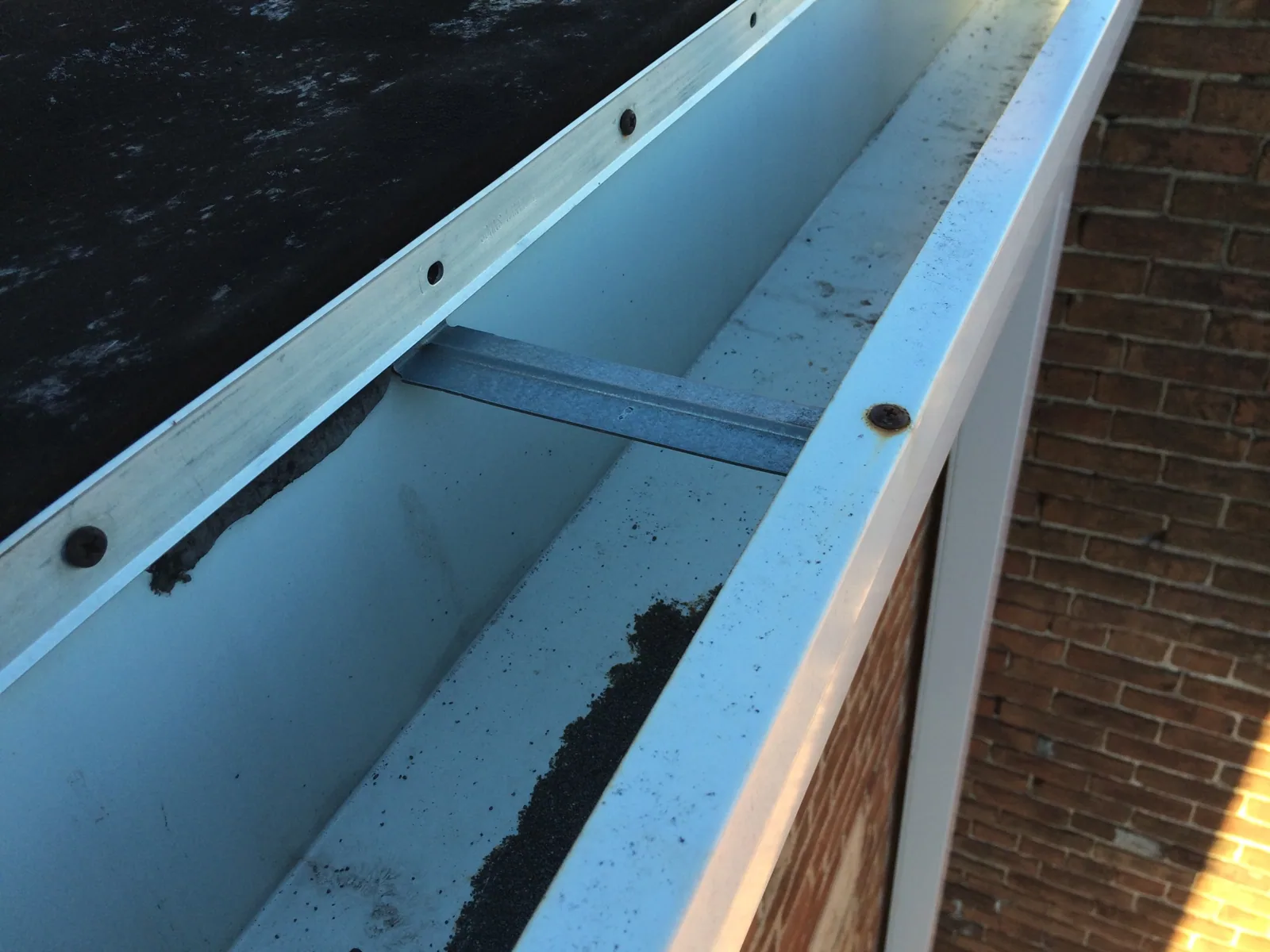
On the roof, we identify the installed system where possible and examine the condition of its field, laps, flashings, curbs, penetrations, drains, edge metal, and terminations. We look for open seams, displaced fasteners, membrane cuts, corrosion, loose coating, ponding indicators, and signs of prior patching. Each observation is tied to a roof zone or recognizable detail. Photographs help the owner locate the finding later without relying on a general description such as “north side.”
Access routes and rooftop equipment can hide conditions. We record areas under piping or units that could not be reached safely, and coordinate with the facility team if equipment shutdown or escort is needed. The building’s operating schedule may limit when a hatch, production area, or tenant space can be accessed. For an inspection in Rockwood, public-facing uses may affect staging; near Southshore Corporate Park, freight or manufacturing operations may shape the access plan.
Turn observations into usable findings
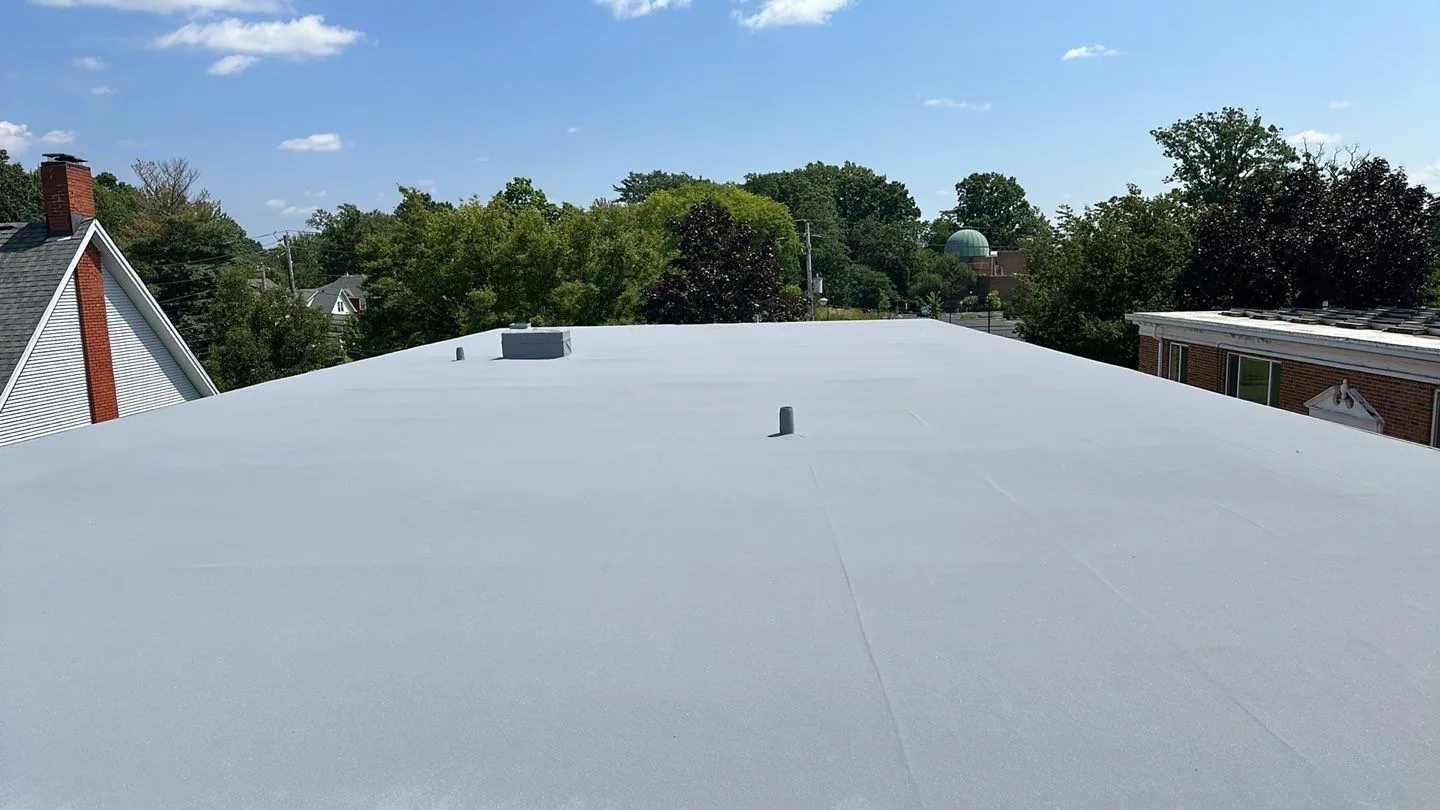
A useful report describes what is observed, where it occurs, and why it matters to the next roof decision. We identify defects that need prompt action, areas suitable for routine maintenance, and conditions that deserve further testing. If a conclusion depends on an inaccessible section, we say so. The report does not assign a hidden cause based on a ceiling stain or a photograph alone.
Condition photographs show the surrounding detail as well as the defect. A close view may show a split or loose termination; a wider image locates that repair relative to a curb, drain, or equipment route. The report identifies material and preparation considerations where they can be determined. The property team can then compare the observed condition with work orders and prior service records.
Where moisture below the surface could affect the recommendation, we may suggest a core or an infrared moisture survey. Infrared is a screening tool with limitations related to roof construction and weather. A core provides direct information at the tested point but is also local to that opening. We explain which method answers the outstanding question and how the result could change the scope.
Read the roof against local exposure
Portland International Airport’s 1991-2020 NOAA record reports 36.92 inches of average annual precipitation, with most falling from autumn through spring. That station is a regional climate reference, not a property-level measurement. For an inspection, the pattern supports attention to drain bowls, scuppers, parapet transitions, and areas where water can remain after a storm. We assess actual slope, outlet condition, and visible water marks on the roof.
At the Portland airport station, a typical year includes about 32 days when the overnight low reaches freezing or below. Occasional freeze-thaw exposure can matter at details where water collects or sealants and membranes move. We inspect the material and attachment as installed instead of assuming that every roof has the same response. Gresham’s industrial inventory includes food processing, manufacturing, distribution, and high-tech operations, where interior sensitivity and roof equipment vary with the use.
Three of Gresham’s principal commercial centers are Downtown, Civic Neighborhood, and Rockwood. The industrial areas near I-84 and NE 181st present a different mix of access and operating conditions. The inspection reflects each facility’s roof and its use. A service visit in the I-84 and 181st cluster may need freight coordination, while a downtown property may prioritize pedestrian access and occupant notification.
Decide what needs action now
Findings are grouped by their effect on the roof and the building. An open lap or active penetration leak may require repair before the next rain. A drain with restricted flow may need clearing and follow-up. A patch with an exposed edge can be monitored or corrected depending on its condition. Broad moisture, repeated seam failure, or deteriorated attachment can justify additional investigation before selecting recover or replacement.
We describe repair limits and the evidence behind the recommendation. A localized defect with sound material around it can support a compatible patch. A wider wet area may require openings to identify what should be removed. An assembly with multiple layers, unknown attachment, or repeated repairs may need a separate feasibility review. If an inspection is tied to a planned capital project, the report can identify assumptions that should be confirmed before final pricing.
The condition report gives the owner a record for work planning. A property team can use findings to prioritize repairs, prepare an annual budget, or compare roofs across locations. We avoid treating a severity label as a substitute for the observation itself. The report should make clear which item is urgent, what can be planned, and what additional evidence remains necessary.
Arrange access and close the inspection
Before the visit, we confirm the address, roof access point, required escorts, building contacts, and any areas with restricted entry. The facility should share leak locations, equipment concerns, recent repairs, and hours when roof or interior access is possible. These details help us bring suitable access equipment and avoid interrupting a loading route or occupied space.
After the walk, we organize observations by roof zone and connect photographs to each finding. If the inspection reveals an immediate opening, we discuss stabilization separately from the report and permanent scope. Where additional testing is appropriate, we name the question it will answer. The owner receives a clear distinction between visible condition, likely interpretation, and item still needing confirmation.
We can inspect a single property or support a multi-site roof program with consistent records for each building. The review remains specific to each assembly. The findings can inform capital planning and maintenance scheduling while keeping weather-related observations tied to the inspected roof. We coordinate the next step with your Gresham facility team and its operating window.
Commercial Roof Inspection FAQs
-
Does a roof inspection include a written report?
Yes. We document the areas inspected, photographs, visible conditions, priorities, and limits on access or testing. The report distinguishes an observation from a confirmed cause and identifies the next action supported by the evidence. If the roof needs a repair, the scope can be planned from those findings.
-
Can you inspect a roof while equipment is running?
Often, if the roof route is safe and the facility approves access near the equipment. Some units, exhausts, or production areas may need shutdown, escort, or restricted entry. We confirm those requirements with the facility contact and list any area that remains inaccessible during the walk.
-
Will an inspection tell us how many years remain?
A visual inspection cannot assign a precise remaining life to every roof. We describe current condition, repair history, moisture evidence, and factors affecting future performance. Openings or testing may be needed to assess concealed layers. The report can support planning, but it should not replace assembly-specific evaluation.
-
What records should we share before the roof walk?
Roof plans, previous scopes, leak dates, equipment changes, and warranty documents can help explain the assembly and history. Send the records available and identify any access rules or operating hours. We will still verify visible conditions on the roof and record where plans differ from what is installed.
Related Roofing Work
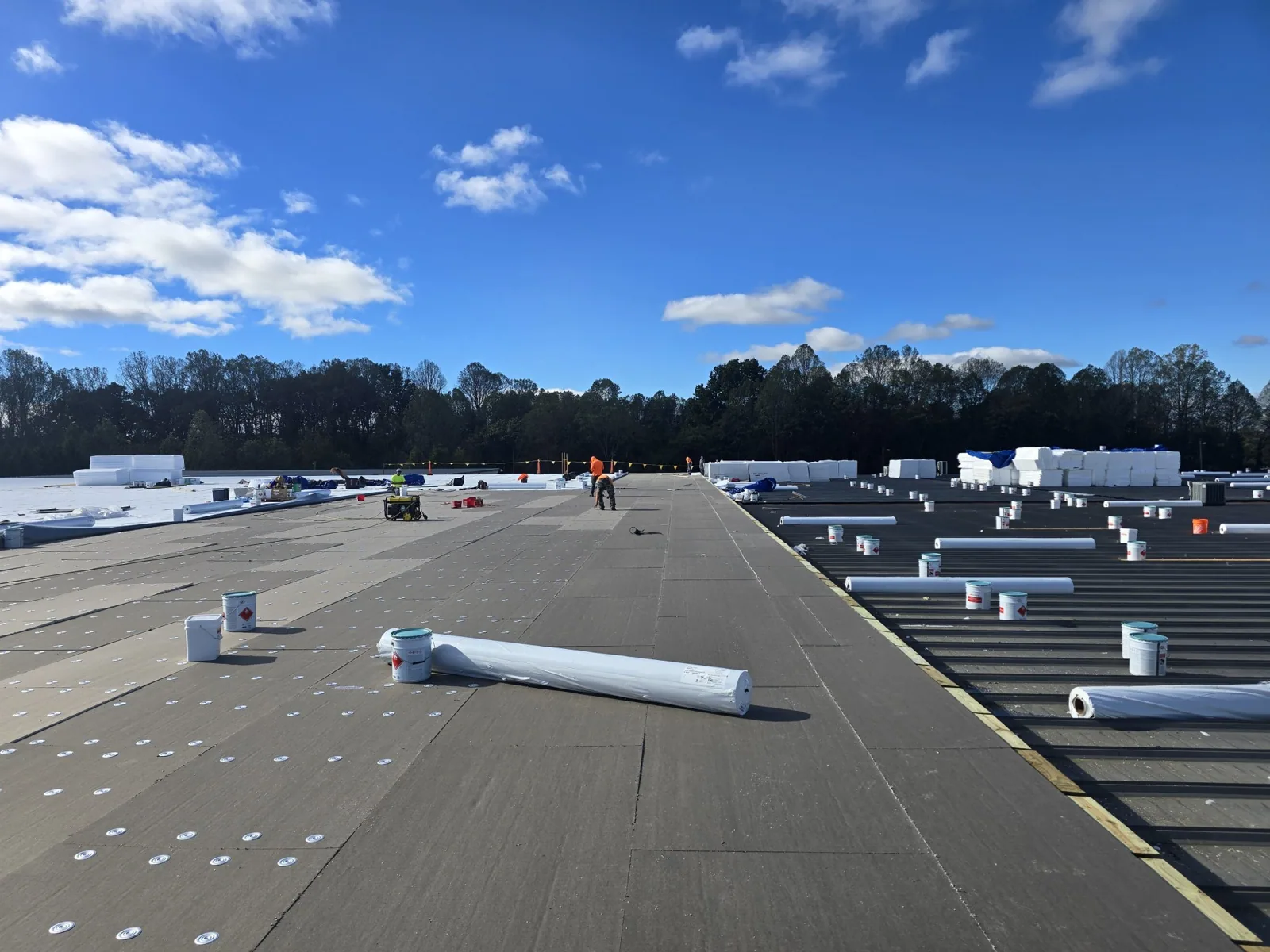
Commercial Roof Repair
Learn More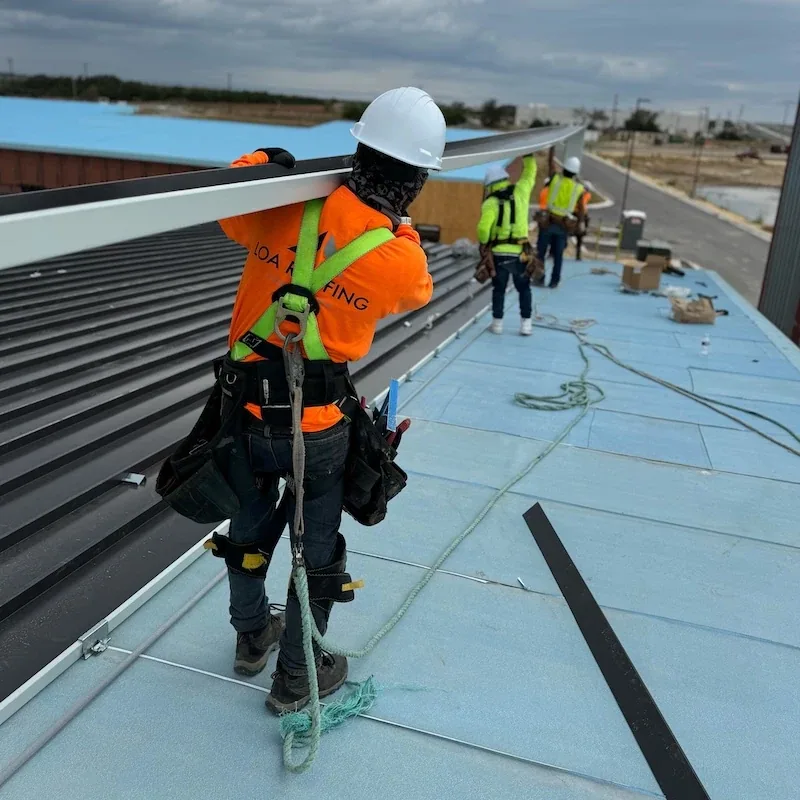
Commercial Roof Maintenance
Learn More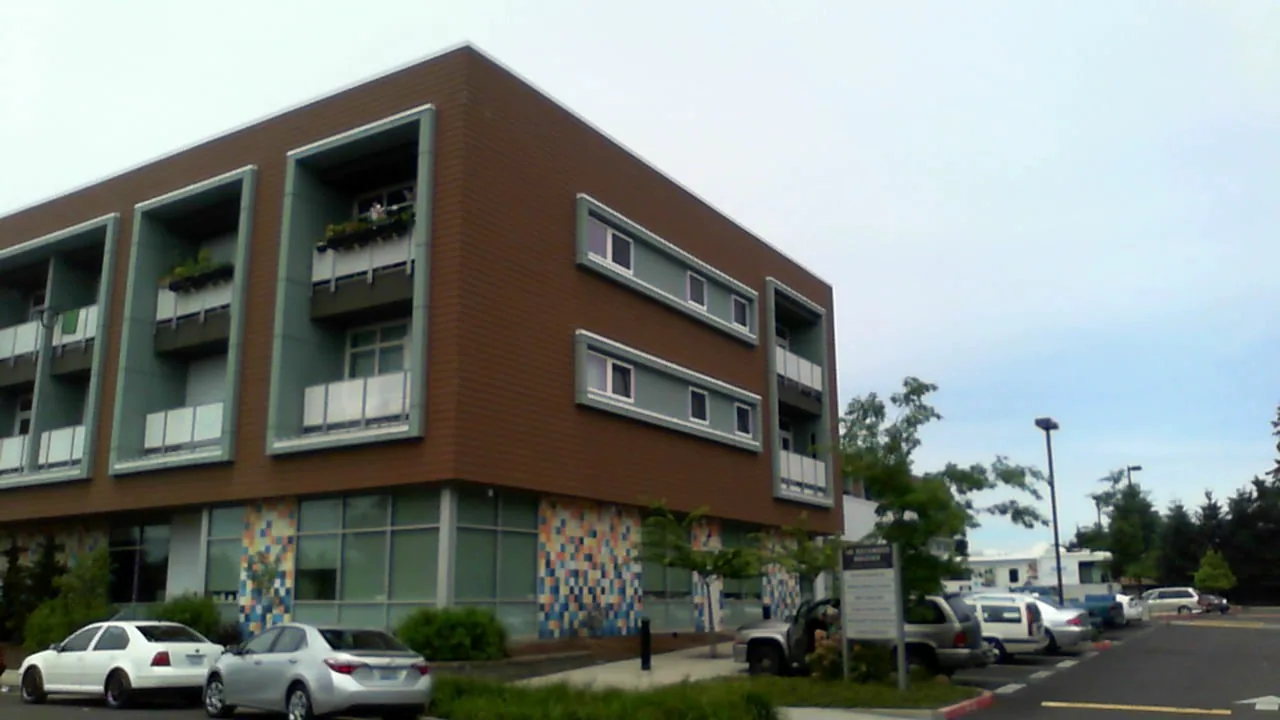
Rockwood
Learn More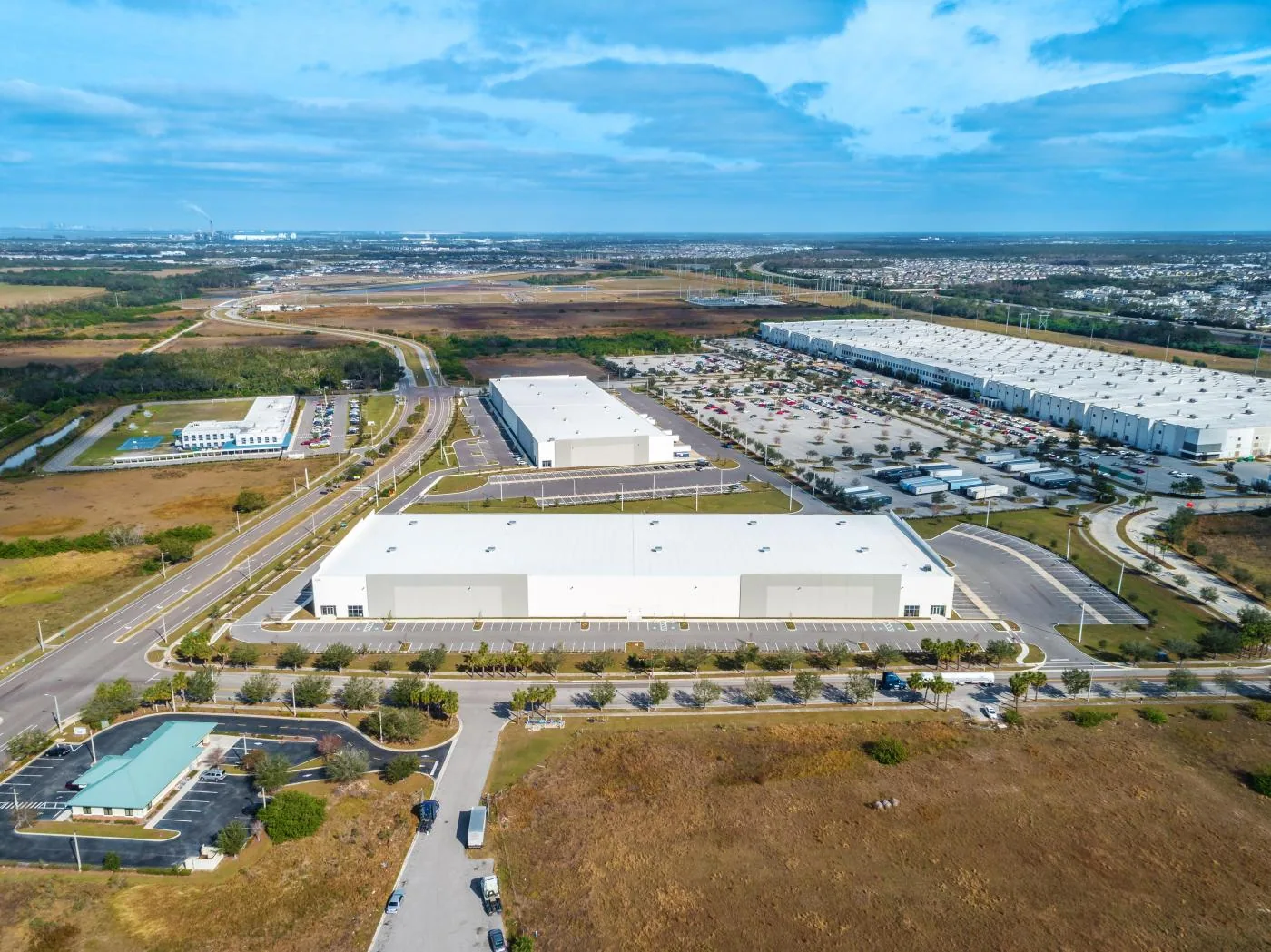
Southshore Corporate Park
Learn More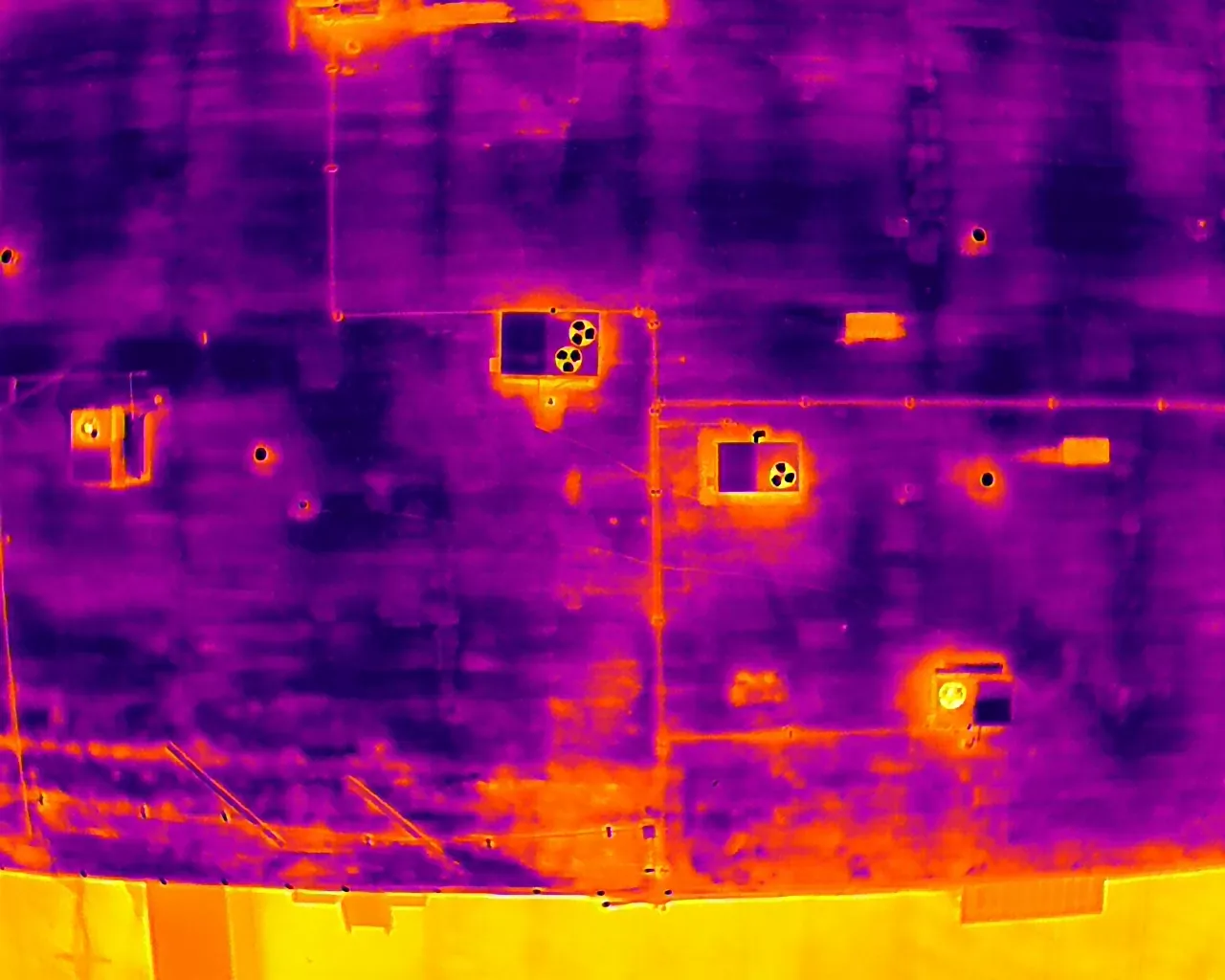
Infrared Moisture Survey for Commercial Roofs
Learn More
I-84 and NE 181st Industrial Cluster
Learn MoreBook a roof condition walk
Request a roof assessment in Gresham
We will confirm access, inspect the assembly, and provide findings the facility can use for repair and capital decisions. Tell us about the building, the roof and what you are seeing. Call 555-555-5555, email [email protected] or send the details through our contact page and we will set up a time to walk the roof.