
Multi-Site Commercial Roofing Programs in Gresham, OR
Coordinate roof work across your Gresham-area sites
- Home
- Roofing Capabilities
- Multi-Site Commercial Roofing Programs
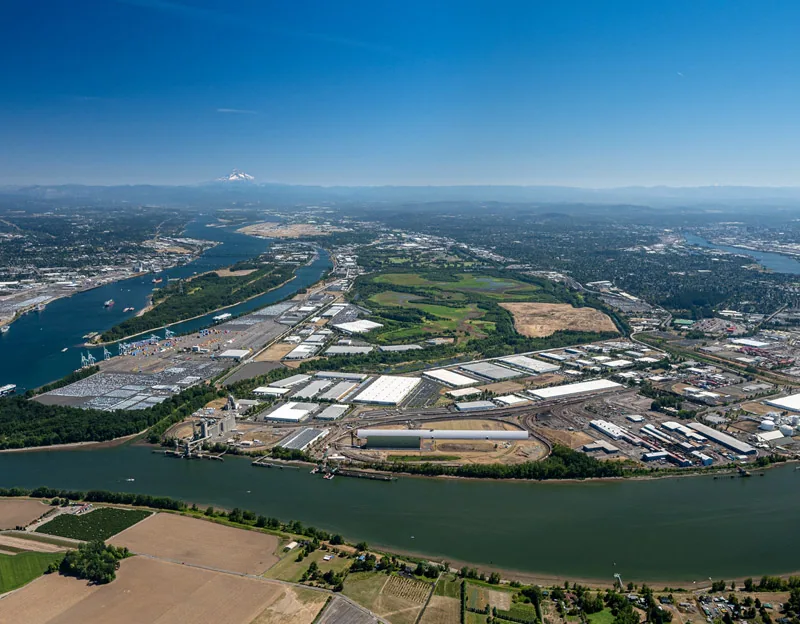
Several buildings can share a roof-service calendar without sharing the same roof condition. We plan inspections and repair work by property, access window, roof system, and owner priority. Gresham-area portfolios may span Troutdale Reynolds Industrial Park, Wood Village, and other east-county employment areas. The Sandy Boulevard freight route links industrial and service activity across these communities, so lift placement and delivery windows can matter as much as crew availability. A multi-site program coordinates the work while each building keeps its own roof map and approvals.
What should a multi-site program standardize?
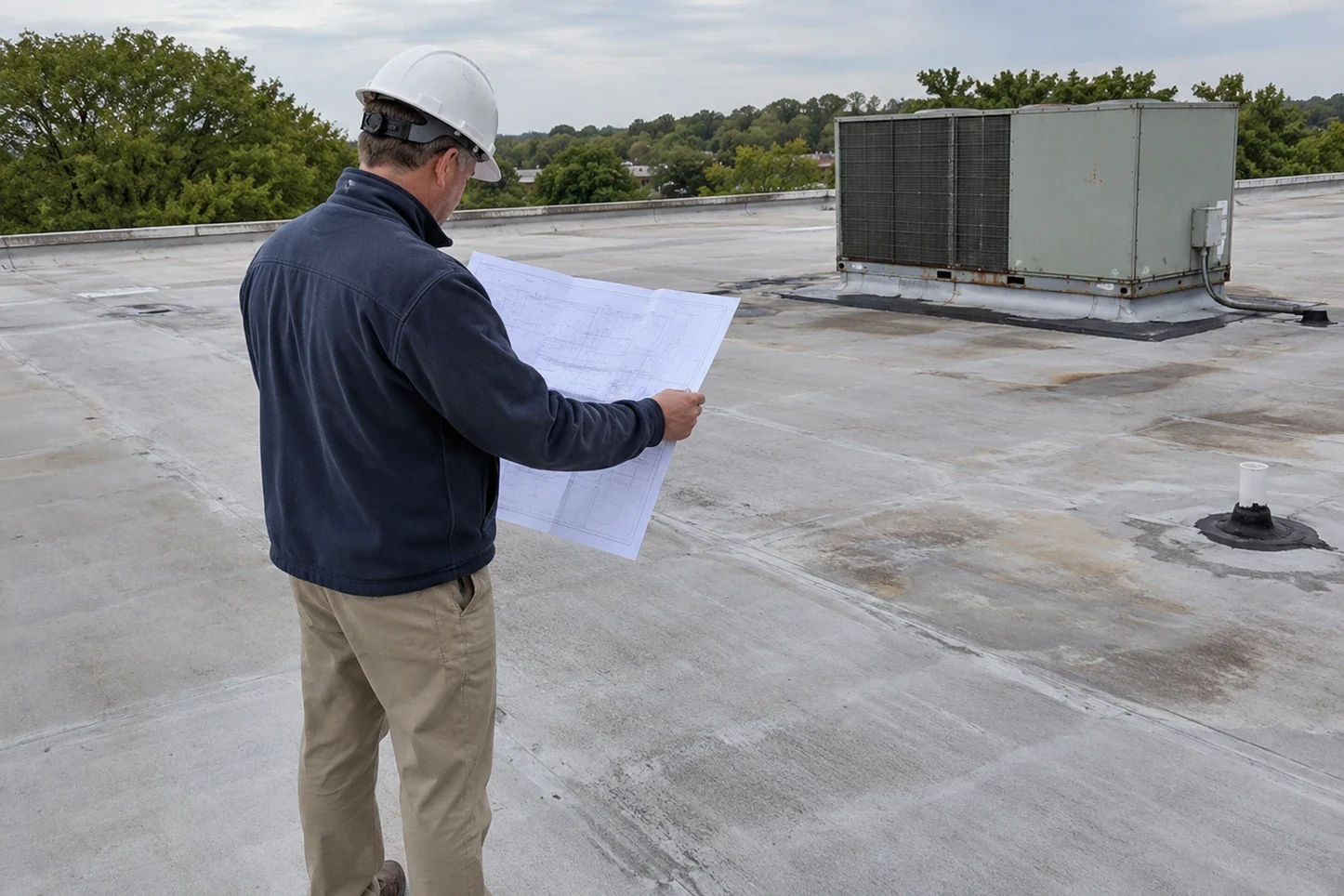
Use a common intake for property contact, roof access, occupied hours, roof plans, leak history, system type, service route, and approval authority. Agree on how findings are labeled, how photos are stored, and what counts as urgent. The shared process should make reports easier to compare without forcing every roof into one inspection checklist. A membrane seam, metal panel, drain, and curb still need system-specific observations.
Begin with a property list that shows which sites have current inspection records, open repairs, and missing information. Confirm that the list uses the owner’s property identifiers, not only a city or district name. In Gresham, Southshore Corporate Park includes multiple industrial uses across a broader business park. The program still needs the exact building and authorized site contact for each visit, with private access details kept in the owner’s controlled file.
A roof asset record can hold the common inventory and link to individual reports. Set a review cadence for updating roof zones after repairs, equipment changes, or tenant turnover. Track what is complete, pending, or awaiting owner authorization. That status view helps portfolio staff see where a decision is needed without mistaking an open work order for a completed repair.
How are visits coordinated across different properties?
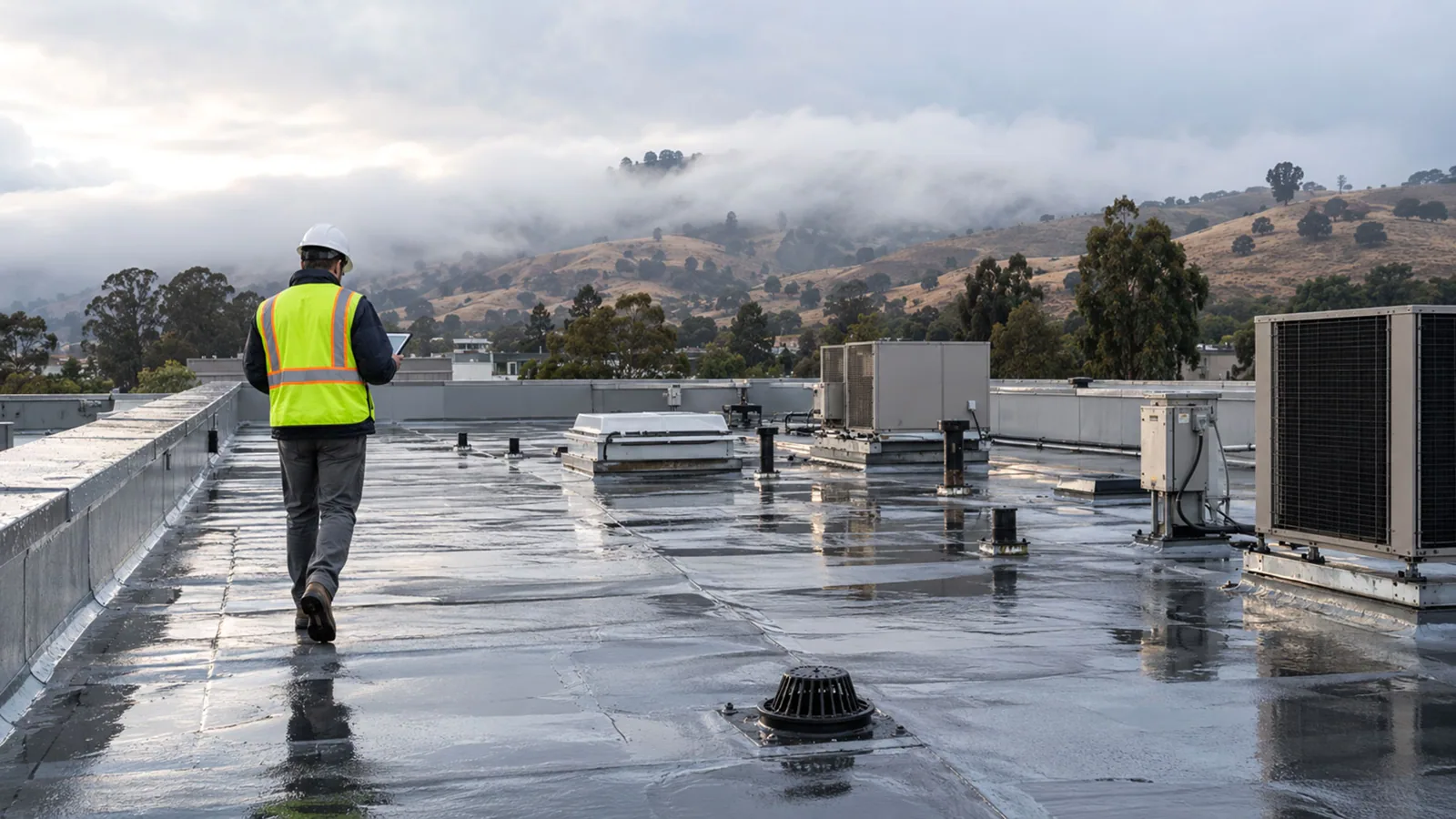
Build the schedule around site access and work type. A quick visual walk, infrared survey, repair visit, and reroof phase need different equipment, access time, and staff. Group nearby sites when it reduces travel, but do not compress a full inspection into a route slot that cannot cover the roof. Each facility contact confirms operating hours, roof access, escort needs, equipment restrictions, and areas requiring notice before the crew arrives.
The I-84 and NE Sandy Boulevard corridor serves employment lands across Gresham, Fairview, Wood Village, and Troutdale. Metro identifies it as a significant east-county freight route. This context helps with staging and sequencing, but the actual delivery plan still depends on each property’s gate, dock, and loading activity. We confirm whether a lift, ladder, or material drop needs a reserved area and set a backup time if the site cannot release the access window.
Weather can shift schedules, especially for repairs that require a dry substrate or material cure. Across the Gresham service area, rain is most frequent from fall through spring. We schedule around the actual forecast and roof condition, keeping urgent protection separate from permanent work if the planned window closes.
What does the owner receive after each site visit?
Each site receives a dated report with roof zones visited, system notes where known, photographs, findings, access limits, and recommended next steps. An urgent leak, routine maintenance item, and possible capital issue are listed separately. The portfolio summary can show overall status and pending decisions, but it does not replace the property-level detail. Managers should be able to open a site record and trace a recommendation to an actual observation.
Use consistent language for priority, but keep its basis visible. One site may have an active interior leak; another may have a blocked drain; a third may need additional moisture testing. A photo-based condition report supplies a common format while explaining the roof-specific finding. When the survey identifies concealed concerns, the owner can authorize an infrared moisture survey or test opening as a separate step.
Where pricing is requested, proposals show which buildings, roof zones, and tasks are included. A portfolio discount or shared mobilization should not obscure the work at each site. The owner can approve one property, defer another, or request a revised sequence. We record each decision and note whether it changes timing at a nearby building.
How do repairs fit around operating hours?
Before a repair day, confirm noise limits, overhead work areas, equipment shutdowns, material staging, and who can accept a scope change. A facility may need one roof zone completed between production runs, while another can support a longer work period. We identify what can be protected and closed within the approved window. If concealed damage expands the task, we secure the opening and get direction before moving into unapproved areas.
Gresham Vista Business Park includes manufacturing, logistics, technical services, food processing, retail, and office activity. Those uses call for property-specific coordination. The site contact sets access controls and identifies critical equipment, operating windows, and deliveries at each building. The occupied-building roofing plan can describe temporary protection, work zones, notices, and daily closeout when larger projects proceed around ongoing operations.
For roofs with recurring service needs, a maintenance visit can be placed on a portfolio calendar. Keep its scope separate from repair proposals and capital work. If a site has no current roof map, schedule that survey first rather than assuming a technician can locate all assets from a shared address list.
How does the program support budget decisions?
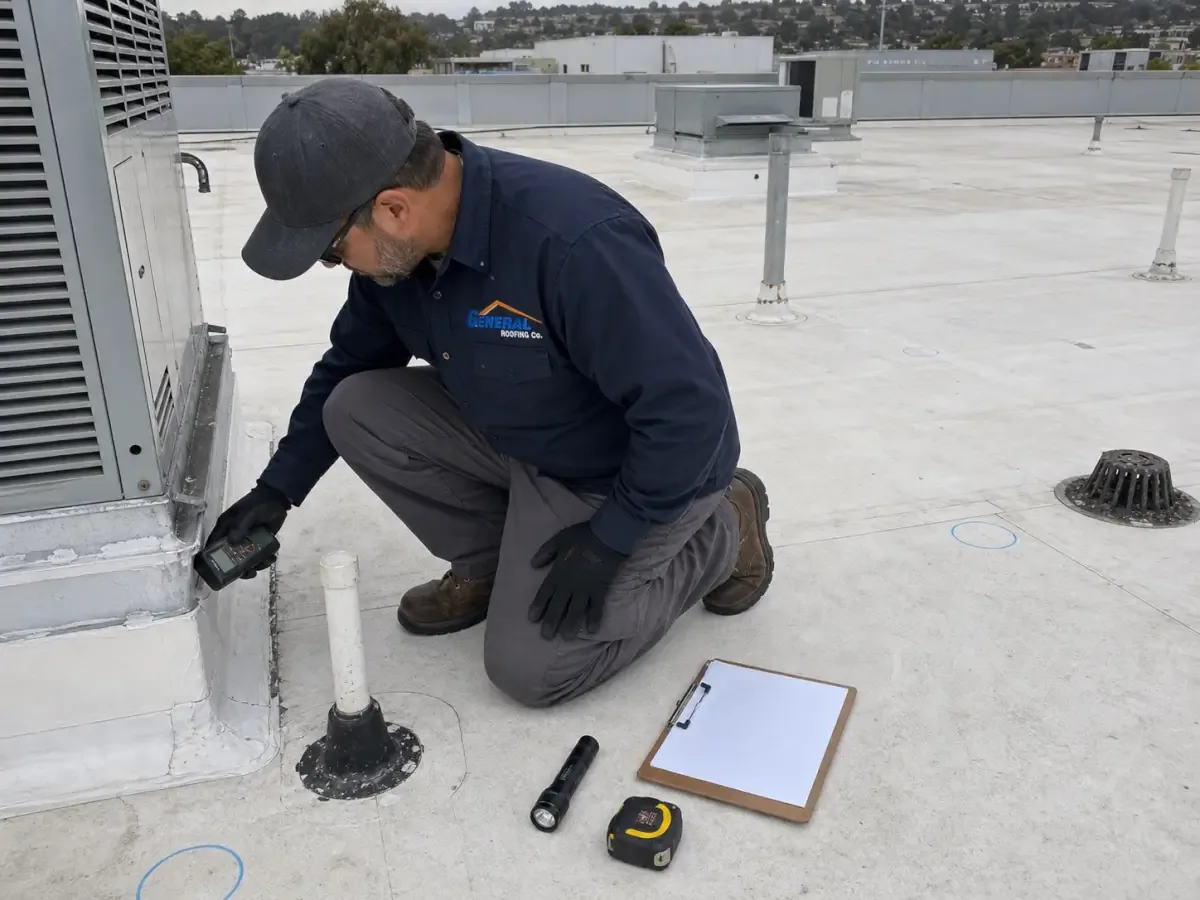
Group verified repair needs by urgency and planned window, then identify the buildings that need more inspection before pricing. A capital plan can show the owner which work is proposed for this period, what is deferred, and what decision is still open. It should not assign a future replacement date without a basis in roof condition and system records.
Oregon’s current structural edition follows the 2024 IBC, and the state moved construction provisions into mandatory use on April 1, 2026 after a transition period. A portfolio manager should not apply that date as a blanket rule across every scope. We flag work that needs design or permit review and leave the project determination to its design team and local authority.
After a repair or replacement, close the property record with approved changes, photos, installed system information, and follow-up date. Compare that result with the original finding and mark whether the concern was resolved. The next scheduled visit can then focus on current conditions rather than repeating prior discovery. This builds a service history that facilities and capital teams can use together.
Multi-Site Commercial Roofing Programs FAQs
-
Can inspections at several buildings happen in one day?
Possibly, if access, roof size, system complexity, and deliverables fit the schedule. We confirm the scope at each property instead of promising a route time before reviewing those constraints.
-
Will every property get the same inspection checklist?
Shared fields can standardize reporting, while the inspection follows each roof type and building use. A metal panel, membrane seam, drain, and curb call for different checks.
-
Can we approve work at one building and defer another?
Yes. Each site keeps its own scope and approval status. The portfolio schedule can be revised to reflect the owner’s priorities, access windows, and available budget.
-
How do you report urgent leaks during a multi-site route?
We contact the authorized facility representative, record the affected roof zone, and separate temporary protection from permanent repair. The owner decides which work to authorize and how it affects the route.
-
What should we provide before program kickoff?
Send the site list, contacts, available roof maps, prior reports, access rules, known leak history, and any maintenance or warranty documents. We will identify gaps before setting the first visits.
Related Roofing Work
Troutdale Reynolds Industrial Park
Learn More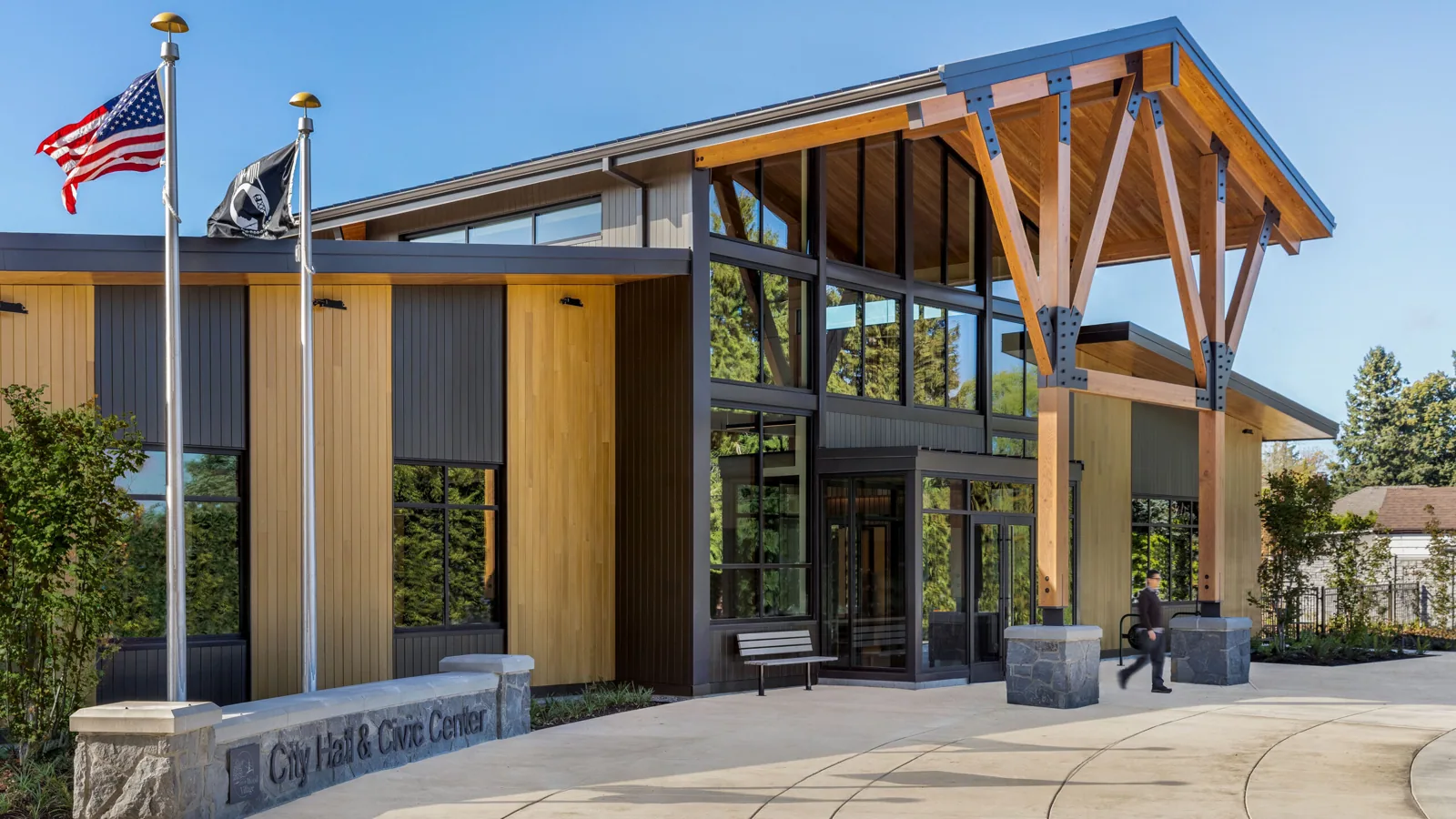
Wood Village
Learn More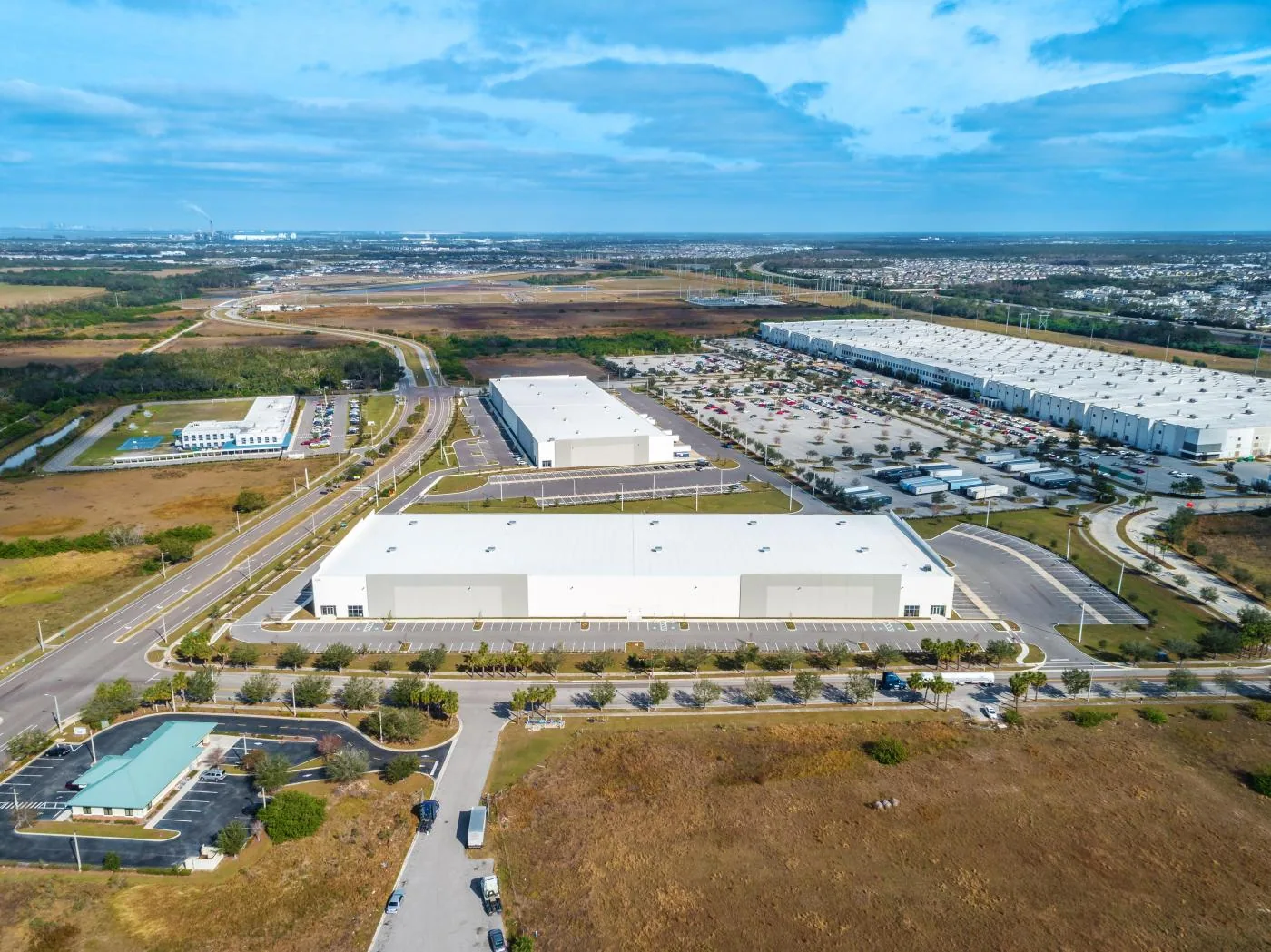
Southshore Corporate Park
Learn More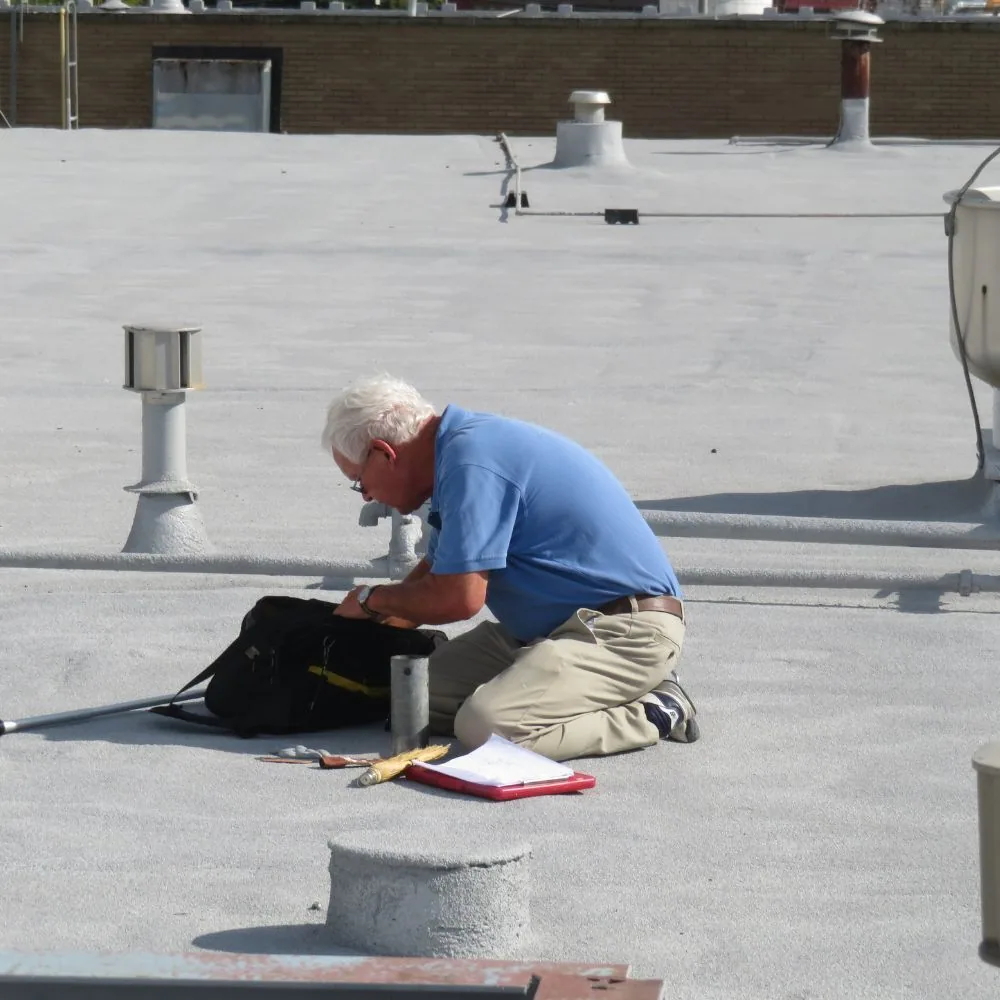
Commercial Roof Asset Management
Learn More
Commercial Roof Condition Reports
Learn More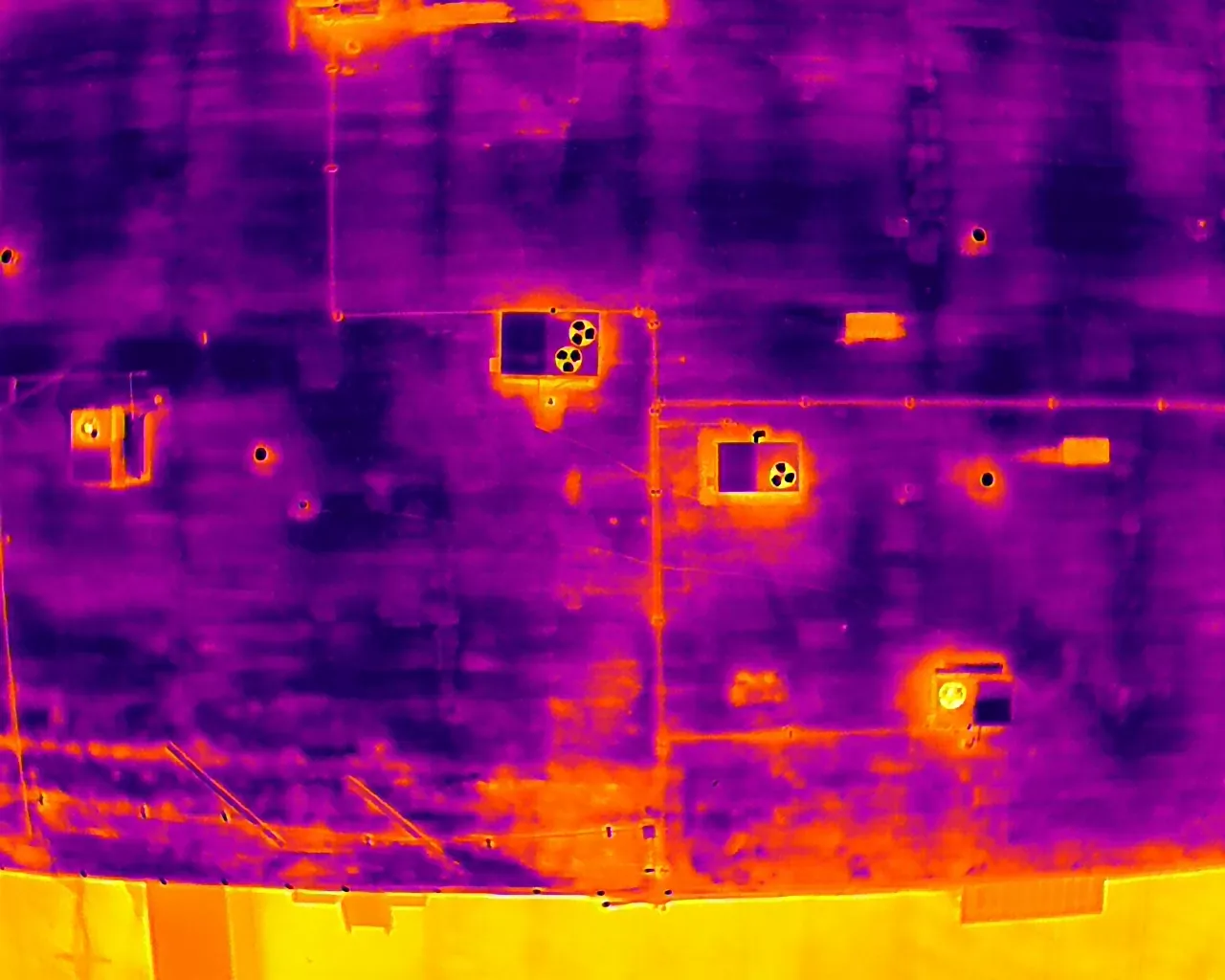
Infrared Moisture Survey for Commercial Roofs
Learn MoreCoordinate roof work across your Gresham-area sites
Request a roof assessment in Gresham
Schedule a portfolio kickoff. We will confirm property records, facility contacts, access windows, and the first inspections or repairs to place on the calendar. Tell us about the building, the roof and what you are seeing. Call 555-555-5555, email [email protected] or send the details through our contact page and we will set up a time to walk the roof.