Commercial Roofing in Troutdale Reynolds Industrial Park, Troutdale, OR
Arrange a roof assessment at Troutdale Reynolds
- Home
- Service Areas
- Troutdale Reynolds Industrial Park
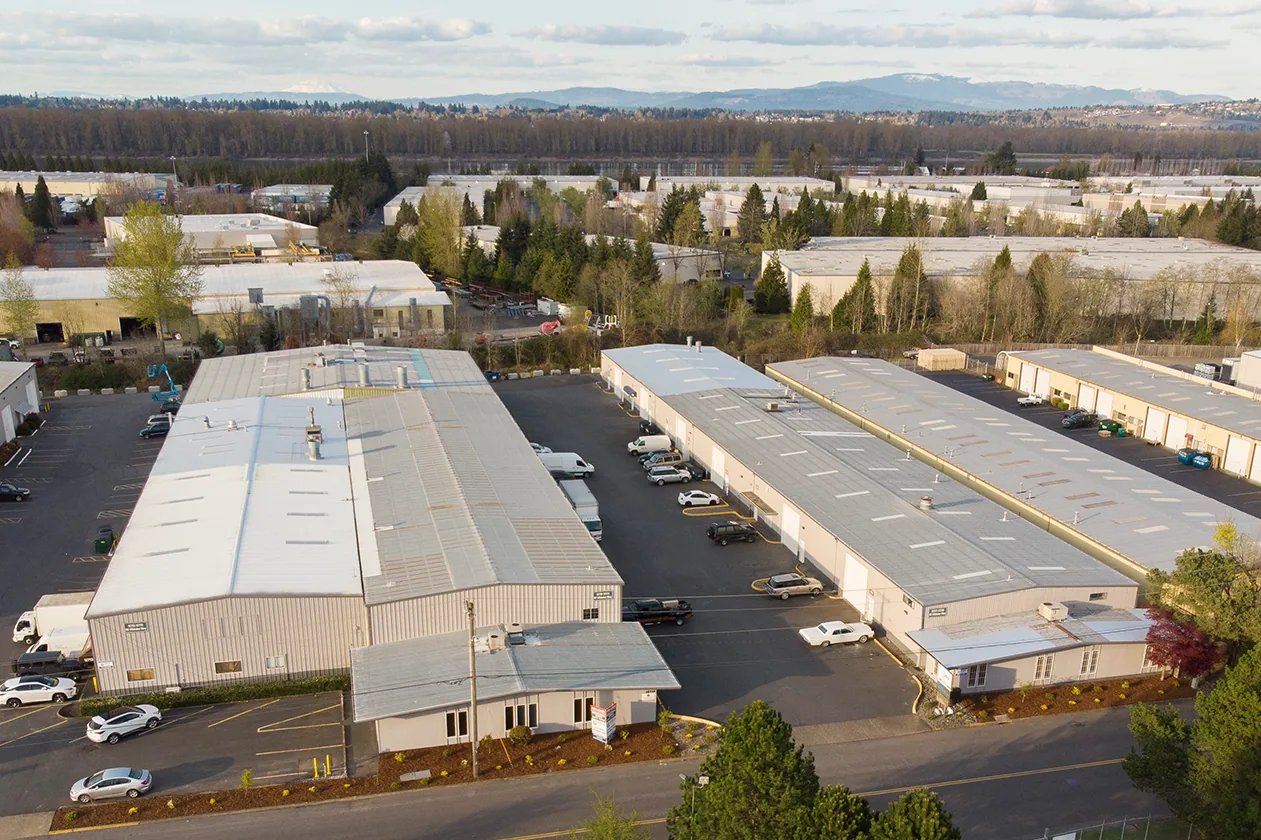
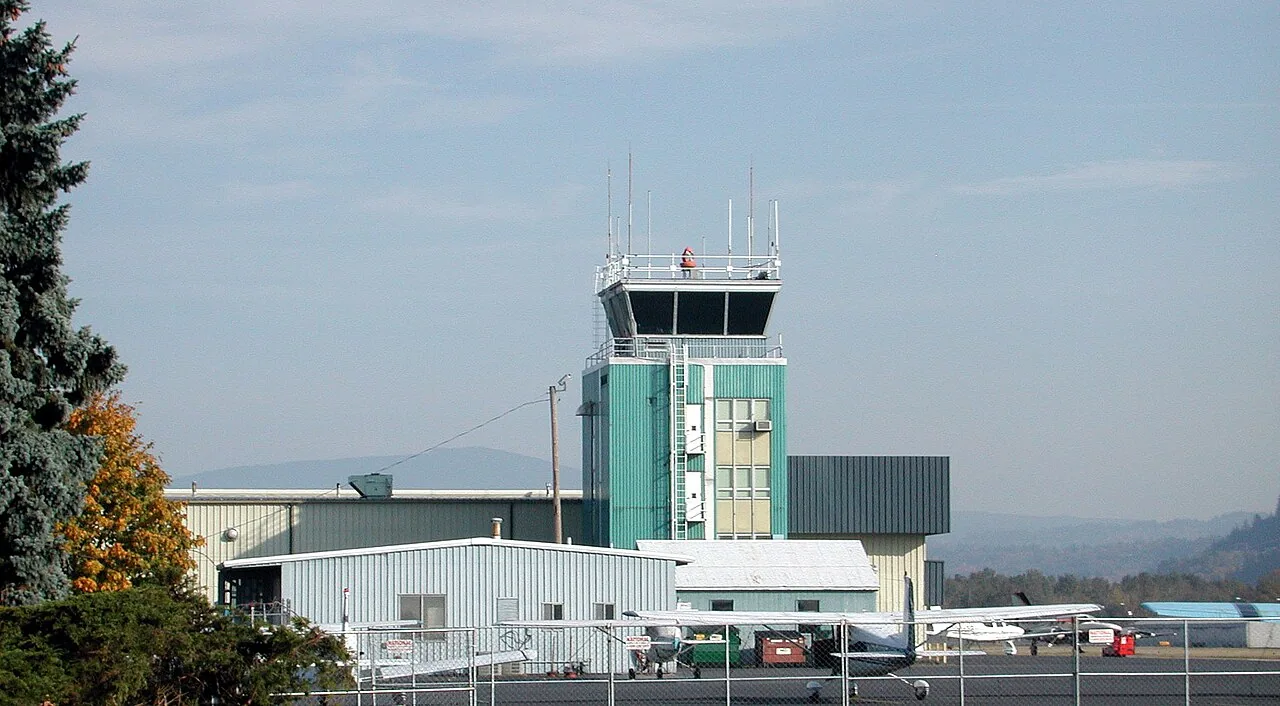
Troutdale Reynolds Industrial Park covers about 700 acres in east Multnomah County, mostly inside Troutdale with its western edge in Fairview. The park includes 14 developable properties and a large wetland mitigation and conservation area. Distribution, logistics, manufacturing, and energy operations are among the park's uses. A roof plan must account for the property under review, the access route, and operating limits. We inspect the visible roof assembly, drainage, seams, curbs, and edge details, then document the areas that need repair or further testing. The park lies near Troutdale Airport's business area and the Columbia and Sandy rivers, useful landmarks when confirming the property and access route.
Map deliveries before crews mobilize
A large employment site can have distinct property controls and delivery routes. We ask the owner which gate, receiving area, and roof access point are approved, then record hours and restricted zones. I-84, I-205, and Portland International Airport provide transportation connections serving the park. Those connections do not replace a lot-specific traffic plan. The facility contact confirms current access, escort requirements, and any route changes before material arrives.
We also identify what cannot be interrupted below the roof. Distribution schedules, manufacturing processes, and energy operations may have different shutdown needs. The site team tells us where intakes, exhausts, sensitive equipment, and safety controls are located. We can plan roof zones and a daily handoff, but the contact needs to approve operational restrictions and any temporary equipment isolation.
The park includes conservation and wetland areas as well as developable property. A roof project stays within the approved work area and follows site-specific rules for delivery, staging, and debris handling. We do not assume that a route or laydown area near one property is available at another. When the owner also holds a building in Gresham Vista Business Park, we verify that site's conditions separately.
Inspect the roof by zone and detail
We begin with the roof map if the owner has one, then compare it with visible conditions. Drains, scuppers, parapets, curbs, skylights, expansion joints, and roof edges receive individual notes. A seam opening near a drain may need a different response than a puncture near a service path. Photos should tie each finding to a recognizable roof feature and show enough context for a later visit.
When a leak is reported, we compare the interior location and time with likely water paths above. Water can travel along insulation or deck joints before it appears inside. We inspect the related section and nearby transitions, then distinguish active defects from conditions that are uncertain. If a test cut could confirm wet layers or attachment, we explain the objective and closure plan for owner approval.
Occasional winter freezes make roof-surface conditions worth checking before adhesive, weld, or temporary-protection work. We use the current forecast and product requirements to set the installation window. After a cold night, surface conditions can affect when the day's installation starts.
A roof inspection records accessible areas and priorities. For a reported water entry, leak investigation documents the path and the proposed repair boundary.
Compare options after the layers are understood
A single failed flashing, open seam, or puncture may be repairable when the surrounding assembly remains serviceable. We identify the membrane and prepare a compatible detail. The repair scope names the location and method, then states what remains outside that work. If the roof has multiple patches, we check the edges of each one and look for a shared cause such as drainage or repeated traffic.
Multiple wet areas or widespread attachment failure can change the decision. Before a recover, we check moisture, substrate, existing coating, edge height, drainage, and whether the current membrane is suitable to remain. Coating also needs a compatible surface and preparation. If those requirements are not met, replacement may involve selective or complete removal and new insulation. The owner receives the reason for each option, along with any test needed to confirm a concealed condition.
Repair work can address isolated defects. Restoration planning examines surface condition and adhesion. A replacement assessment compares tear-off depth, drainage changes, disposal, and operational phasing. Cost and timing reflect measured roof area, layer count, details, material delivery, safe access, and the protection required below. If removal reveals a different assembly, we document the difference and bring the scope back to the owner.
Keep drainage and protection in the daily plan
Wet weather requires a defined limit for exposed work. Around Troutdale, rain is most frequent from fall through spring. We stage removal and installation so each active area can be protected by the shift’s close, following the forecast and roof-surface conditions.
Drain bowls and scuppers should remain functional during roof work. Before removing old layers, we confirm temporary water routes and identify overflows. We note ponding and check for debris or displacement, but the survey does not assign a structural cause without evidence. Where ponding recurs, the owner may need a broader drainage evaluation before selecting a new assembly.
At roof edges, curbs, and wall transitions, we look for loose termination, open seams, cracked flashing, or movement. Equipment changes can add penetrations and alter service paths. The facility contact can identify recent projects by other trades; we then compare their locations with reported leaks and visible damage. A drainage detail review can be included where outlets, overflows, and low areas need focused assessment.
Leave a traceable closeout
The completed record should show which roof zones were inspected, what was repaired, and which system details were confirmed. Keep photos, material records, approved details, owner decisions, and change notes together. If an area could not be reached or needs testing, make that limit explicit. A future service call should not have to infer whether an item was inspected.
The park's industrial uses can involve more than one operations contact. The owner can assign a person to approve access, receive closeout material, and keep inspection records with the asset file. Our roof condition report can label findings by zone and list follow-up work. A scheduled maintenance program can revisit drains, flashing, seams, and roof traffic paths after repair or replacement.
Separate the park-wide setting from the building record. Troutdale Reynolds is not one roof and the 700-acre figure is not a measure of roofing area. Each property needs its own system description, access route, operating constraints, and repair history. For work near the Troutdale Town Center, the format can stay consistent while the local access plan changes.
Troutdale Reynolds Industrial Park FAQs
-
How large is Troutdale Reynolds Industrial Park?
The park covers roughly 700 acres, with 14 developable properties and a substantial wetland and conservation area. That acreage describes the park, not the roof size or condition of a building.
-
Can you plan roof work around distribution schedules?
We coordinate receiving hours, staging, access, and work zones with the property contact. The building team identifies critical routes and operations that need to remain available.
-
Does proximity to I-84 mean a roof can be accessed from the highway?
No. We use the authorized entrance and route for the individual property. Site rules, escort needs, and current traffic controls come from the owner or facility contact.
-
What can a roof inspection confirm before replacement?
An inspection can document accessible layers, visible defects, drainage, details, and access limits. Testing or removal may be needed to confirm concealed moisture or substrate condition.
-
How do you handle extra damage found during tear-off?
We record the location and exposed condition, protect the open section, and bring the finding to the owner before changing the approved scope.
Related Roofing Work
Troutdale Airport Business Area
Learn More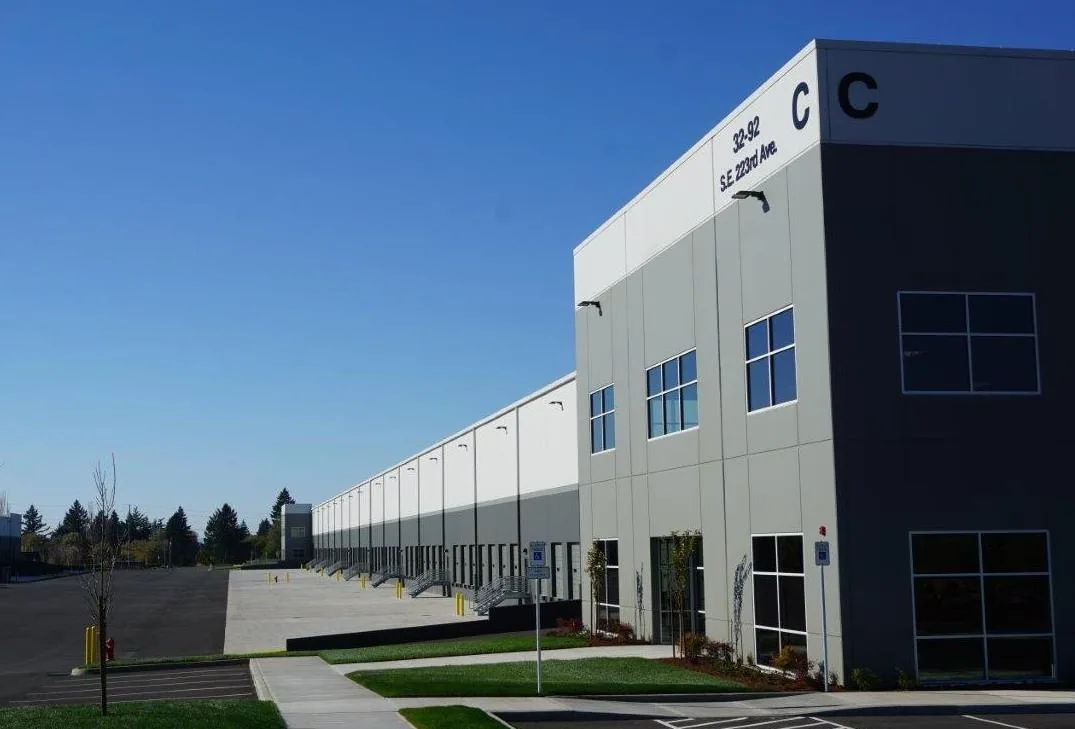
Gresham Vista Business Park
Learn More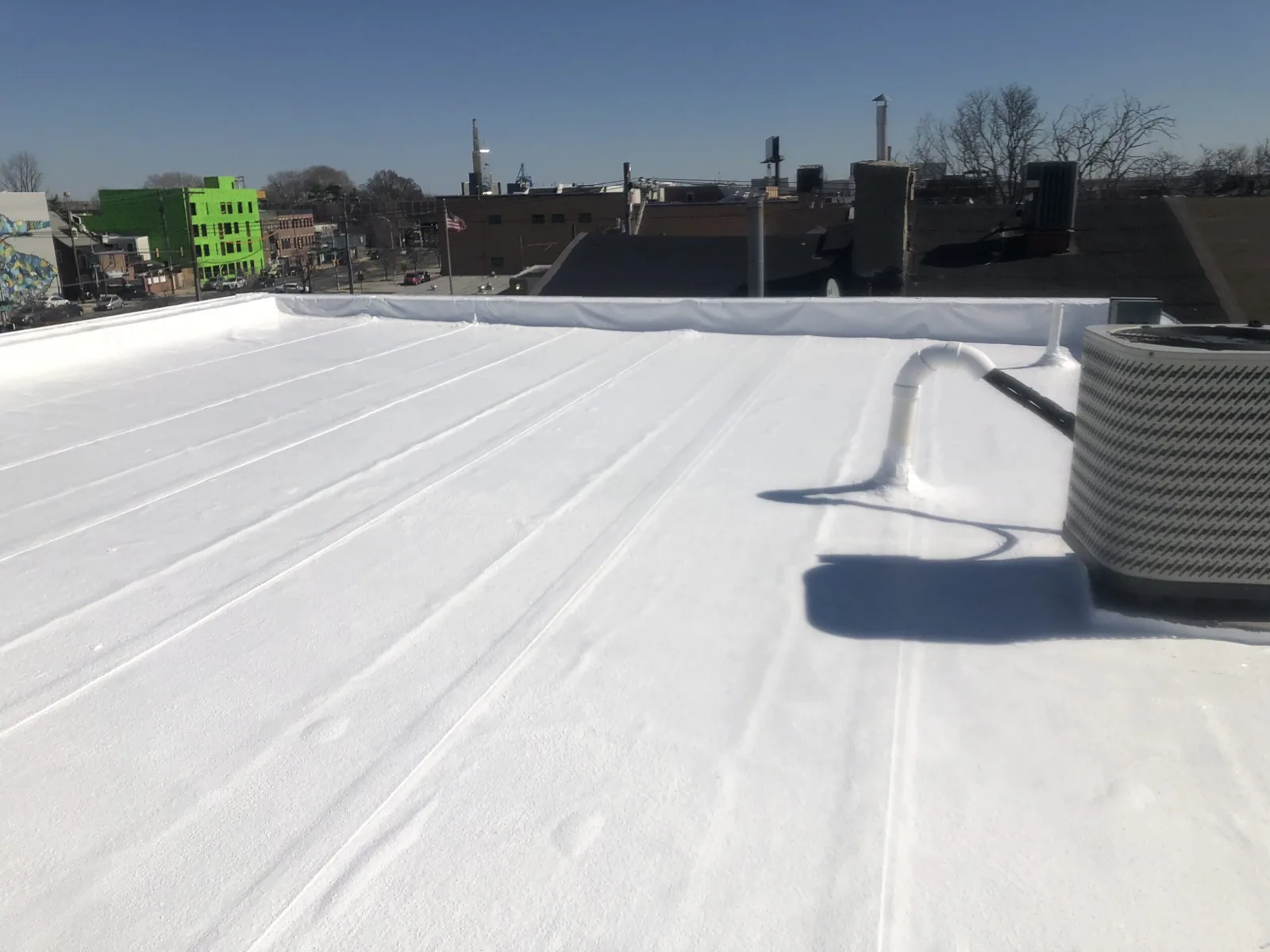
Commercial Roof Inspection
Learn More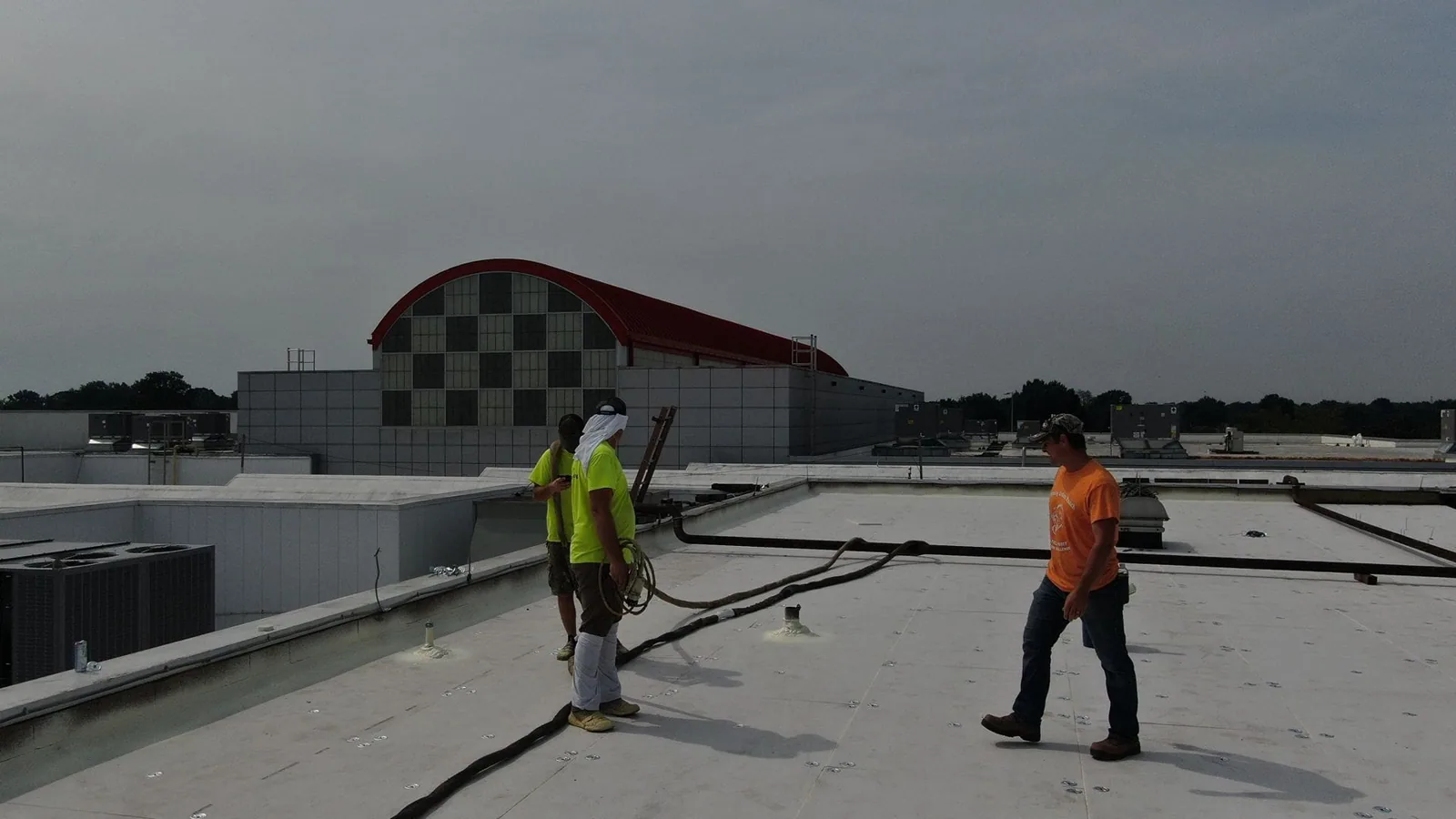
Commercial Roof Leak Repair
Learn More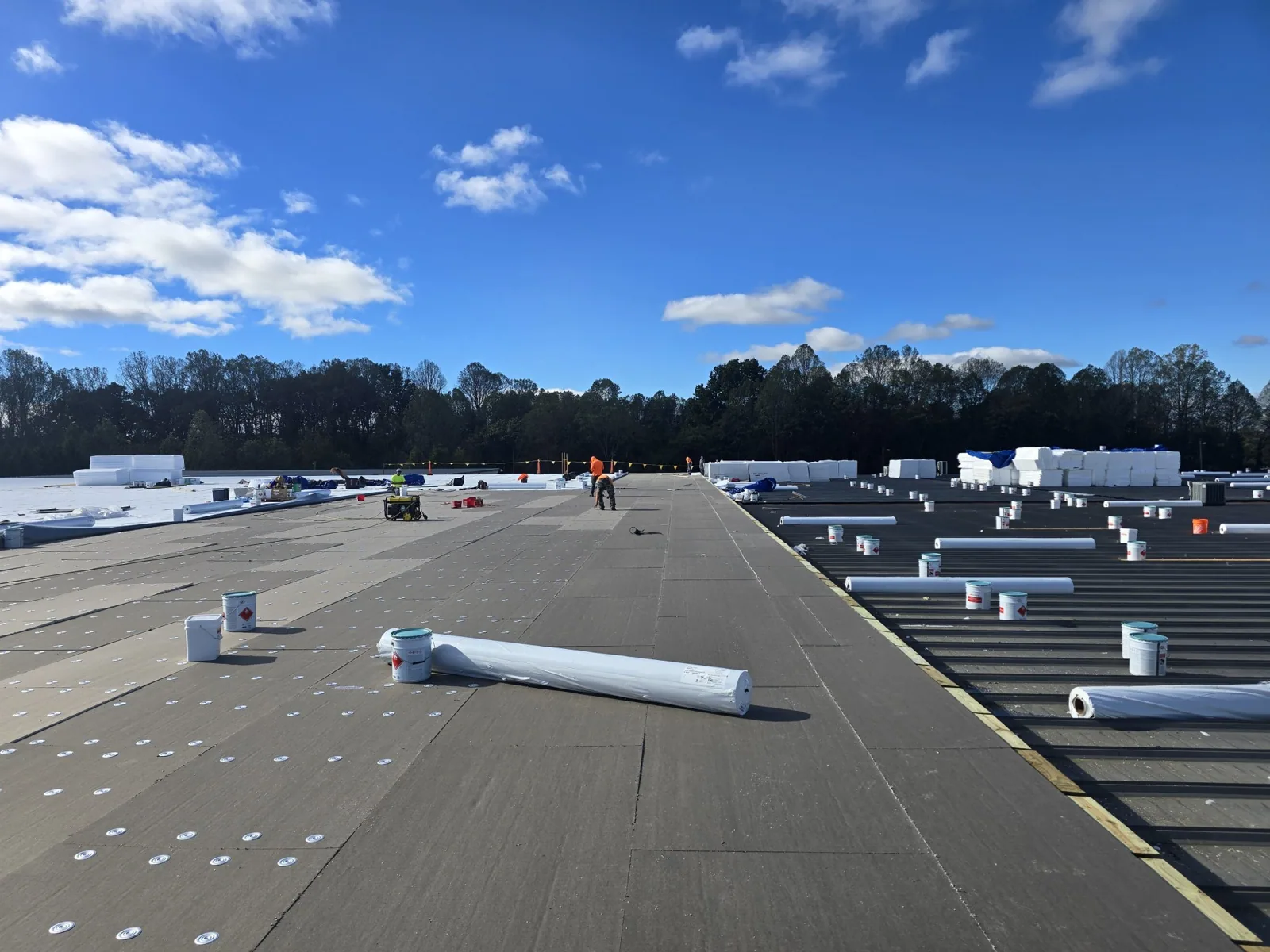
Commercial Roof Repair
Learn More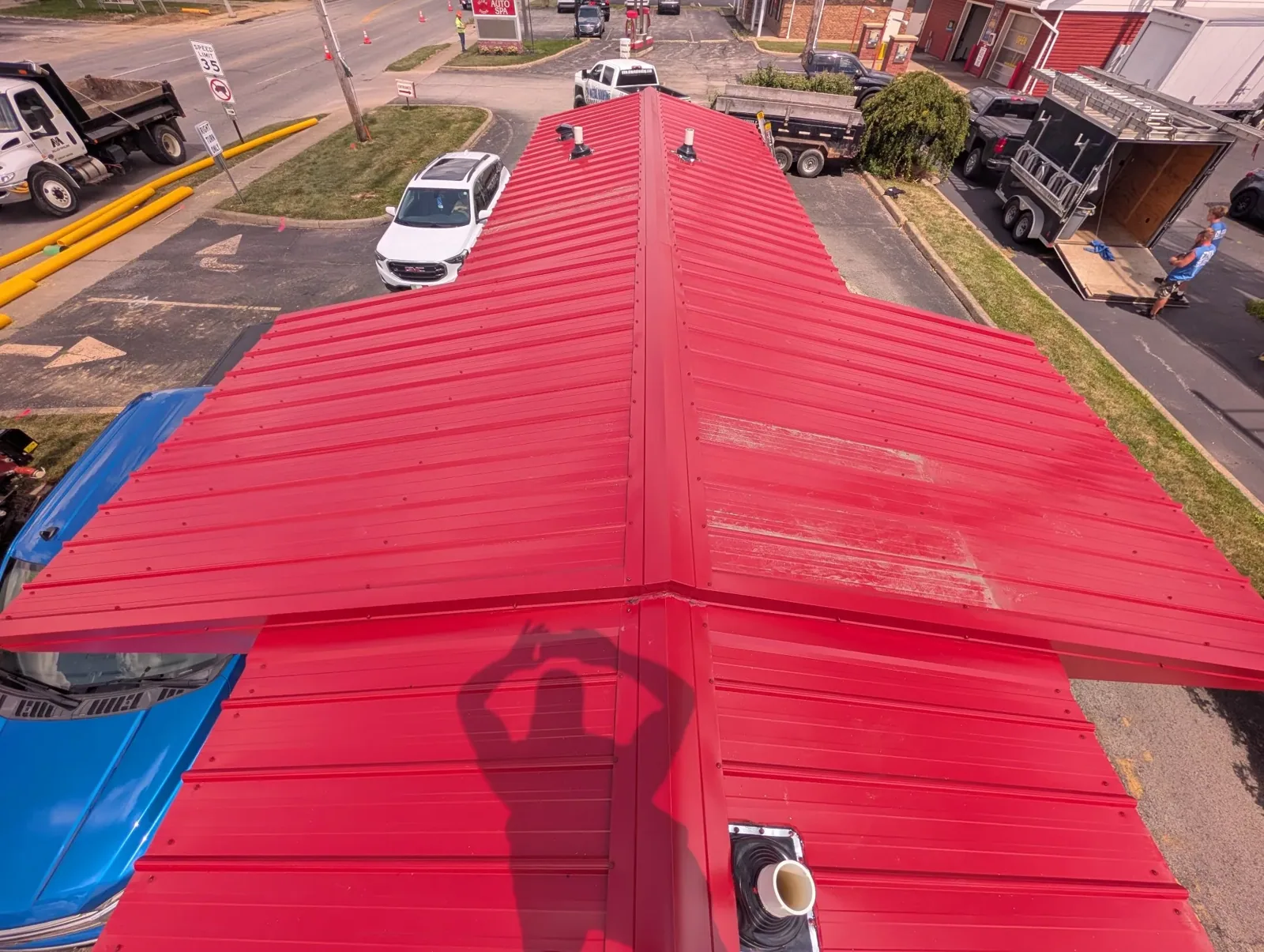
Commercial Roof Coating
Learn MoreArrange a roof assessment at Troutdale Reynolds
Request a roof assessment in Gresham
We will review access, operating limits, drainage, and visible roof conditions, then prepare a documented scope for repair or replacement. Tell us about the building, the roof and what you are seeing. Call 555-555-5555, email [email protected] or send the details through our contact page and we will set up a time to walk the roof.