Commercial Roofing in Springwater Employment Area, Gresham, OR
Plan a roof inspection in Springwater
- Home
- Service Areas
- Springwater Employment Area
Springwater is a large Gresham planning area southeast of the city, where the employment framework prioritizes high-value manufacturing and technology alongside some commercial and residential uses. Roof work here needs to follow the building's actual use, not the plan designation. We identify the roof system, map drains and penetrations, and ask how production, deliveries, or tenant activity constrain access. A site with sensitive equipment or a narrow outage window may need phased work. The initial walk separates confirmed defects from questions that require testing. For a property owner also operating in Southshore Corporate Park, we keep the same reporting fields but maintain a distinct roof map, access plan, and maintenance history for each site.
Build the work sequence around the facility
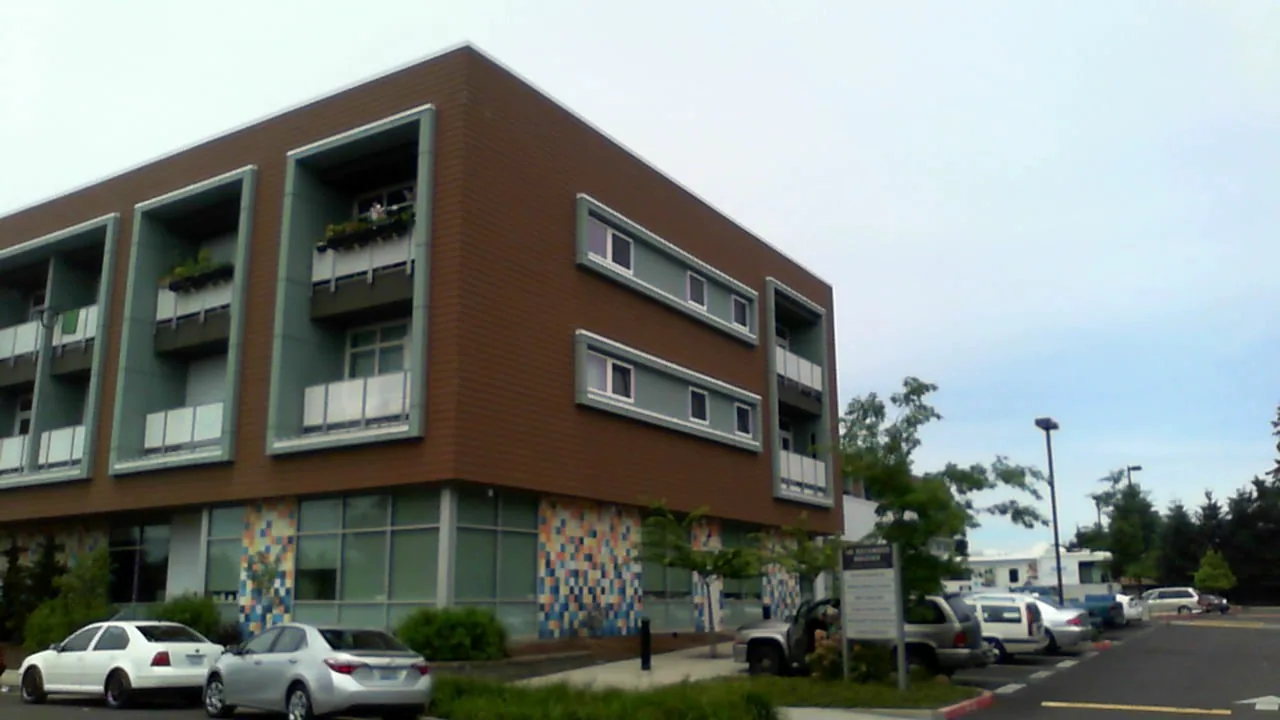
The Springwater plan area covers about 1,575 acres within Gresham's urban growth boundary. The city identifies manufacturing and technology employment as priorities, while allowing some commercial and residential activity. That framework describes a planning area, not the use or roof design of a particular lot. We confirm whether the building is active, what equipment must stay in service, and which access route the owner authorizes before selecting a sequence.
We check roof access, edge protection, material staging, and the route from the delivery point to the work zone. If equipment isolation is required, the facility contact identifies who can approve the shutdown and when it can occur. The crew marks a daily limit for removal, installation, testing, and temporary closure. That sequence matters when work is above active production, a tenant, or equipment that cannot be exposed to debris or odor.
The city has identified future transportation connections between Springwater, U.S. 26, and I-84 as relevant to industrial development. A planned connection should not be treated as a current access route. We confirm present road access, delivery constraints, and any active construction with the property team. Gresham's Northerly Industrial Area has its own road and parcel context, so a route used at one facility does not establish access at another.
Map what the roof is doing now
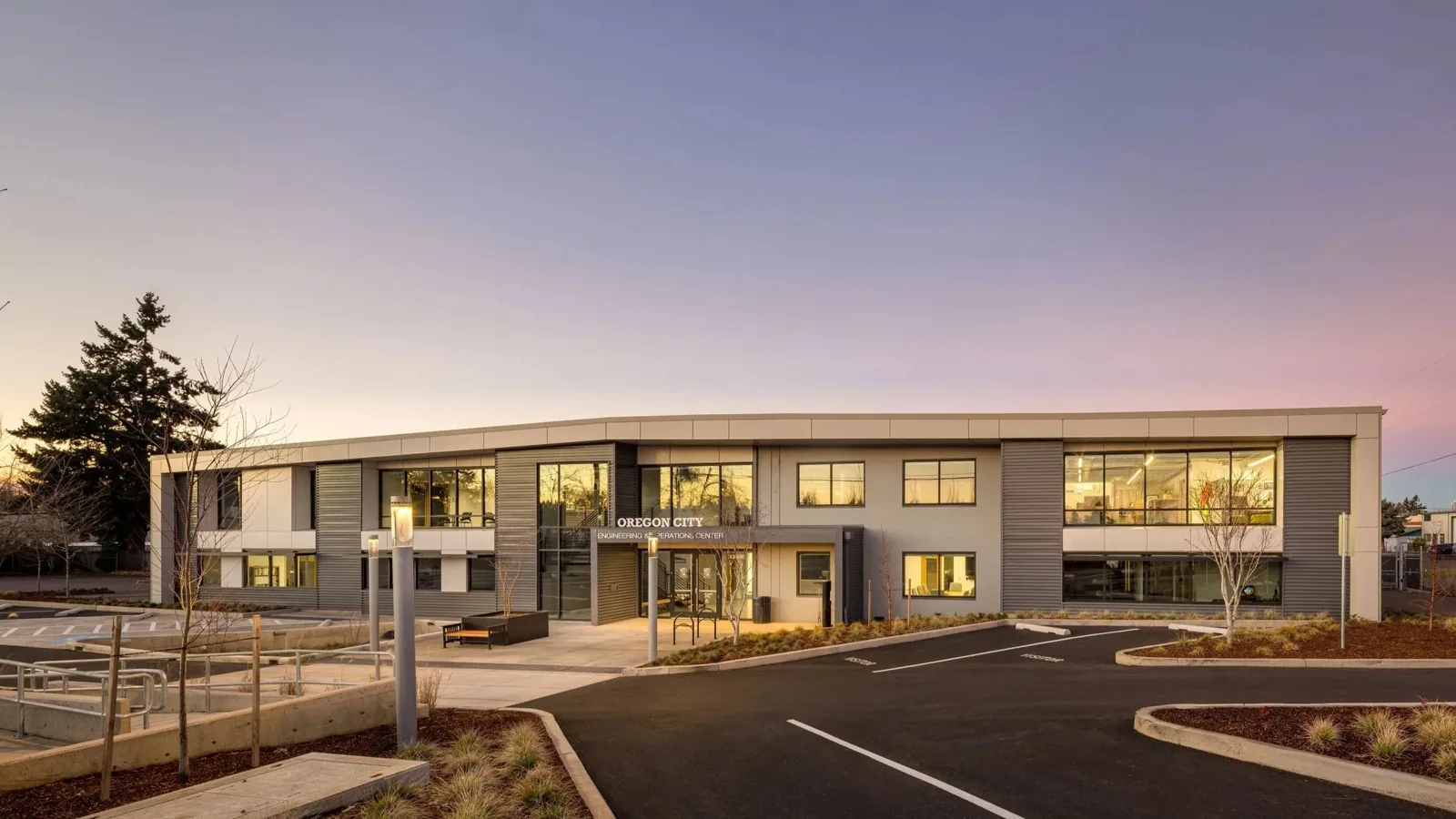
We begin at visible transitions: drains, scuppers, curb corners, wall bases, expansion joints, and roof edges. Those details interrupt the membrane field and can reveal movement, poor attachment, or repeated water entry. We label roof zones and photograph a defect with nearby features in view. If the report began with an interior stain, we compare its location to likely paths above. The opening may be offset from where water appears indoors.
The survey records roof layers where they can be identified, attachment method where visible, prior repairs, and areas that could not be reached. A wet roof surface can limit testing, and a cover layer can hide the original membrane. If system identity affects the repair, we review owner records or propose a test opening with an agreed closure detail. A test should answer a defined question, such as whether insulation is wet or a recover remains feasible.
Portland International Airport averages 31.7 days annually with overnight minimum temperatures at or below freezing. Cold mornings can shift when an adhesive or welded seam is ready for work. We check actual temperature, substrate moisture, and installation limits before bonding or welding membrane. During cold-weather work, the morning inspection can affect when a roof zone is ready for a material step.
A commercial roof inspection can establish a baseline across accessible areas. For active water entry, a leak investigation traces the reported condition and records what the repair will address.
Choose a scope that addresses the evidence
A repair can be appropriate when damage is limited and the surrounding roof remains serviceable. We identify the affected seam, flashing, membrane, or drain detail and determine what material is compatible. The proposal names the work area and the limits of the fix. Nearby conditions that need separate attention stay visible in the report rather than disappearing inside a broad repair description.
Repeated leaks or multiple deteriorated zones may justify comparing repair with restoration or replacement. Before considering a recover, we check moisture, attachment, surface condition, drainage, existing coating, and added height at edges and penetrations. A new layer cannot correct wet insulation or an unstable deck. If the base assembly is not a suitable substrate, removal may be required before a replacement system is installed.
Repair work can address confirmed localized defects. A restoration review considers preparation, adhesion, and compatibility, while replacement planning compares tear-off, insulation, disposal, and phased access. Cost and schedule depend on the measured area, roof-layer count, detail density, staging, protection below, and operating windows. If removal exposes hidden damage, the change is documented before additional work proceeds.
Protect drains and keep active areas separated
Portland International Airport averages 157 days with measurable precipitation during the year, most in the wet season. Each roof still needs its own drainage inspection. We inspect actual outlet condition, overflow paths, low points, and areas where debris can collect. During a reroof, temporary protection cannot block a drain or route water into the building.
Facility use can change the way crews reach equipment and move materials. We confirm roof access credentials, a safe equipment route, areas under intakes or exhausts, and any restricted process zone. If the building's use changes between shifts, a site contact helps coordinate handoff. The crew documents where a temporary barrier or warning is needed and restores the agreed path at closeout.
Manufacturing and technology operations can bring different constraints, from chemical exposure to vibration or shutdown timing. We ask the facility team which conditions apply before setting the work sequence. For a site near Gresham Vista Business Park or Downtown and Civic Neighborhood, access coordination still begins with the property contact and its building-specific rules.
Keep the decision trail with the building
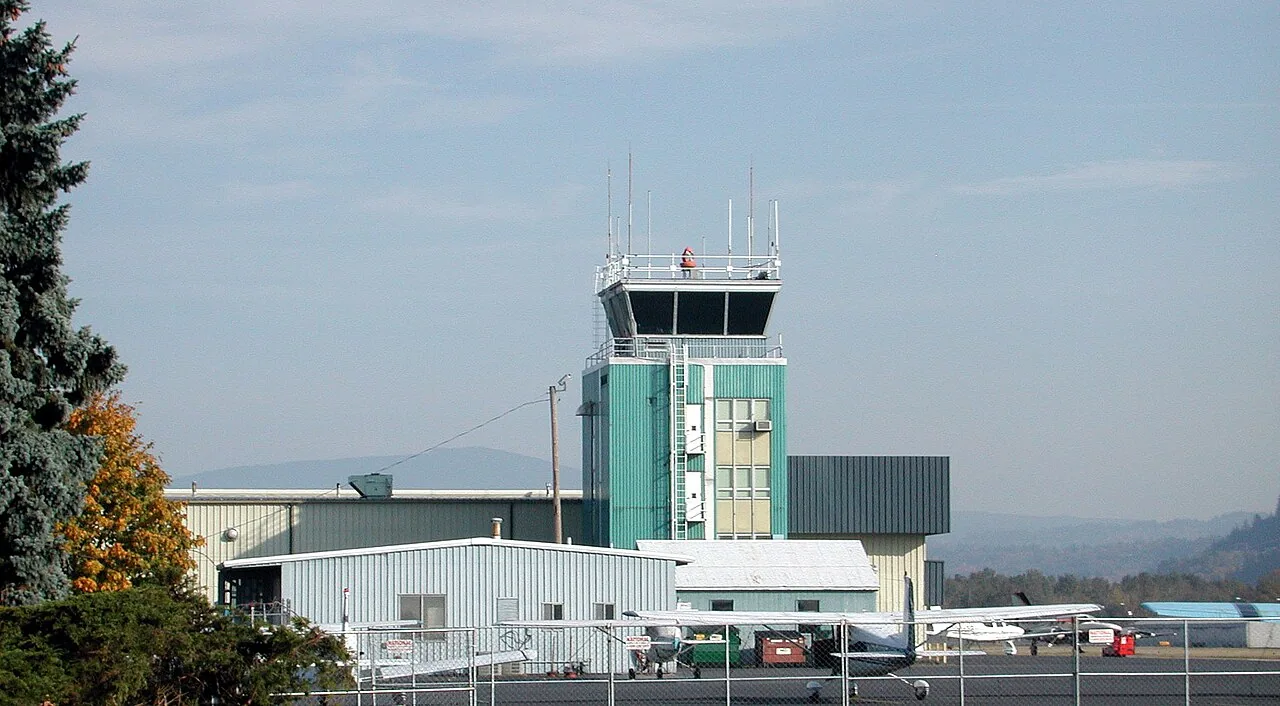
The closeout should identify roof zones, repaired details, material and installation records, photos, and any open question. When the crew finds more layers than expected or wet insulation below a patch, the report should say what was observed and which decision followed. Keep approved drawings and product data with the field record, and distinguish them from conditions observed during the roof visit.
Owners of several buildings can compare repairs more easily when reports use consistent fields for area, system, access, defect, urgency, and next review. The contents still need to stay tied to each asset. Our roof condition report can identify what was accessible and what needs follow-up. That prevents an uninspected section from being recorded as clear.
A maintenance program can revisit drains, seams, flashings, edges, and equipment curbs on a planned schedule. Update the access plan after an equipment move, a tenant change, or construction near the roof. For the owner, a dated record makes the next leak call more useful: the crew can find the relevant zone, see what was repaired, and confirm whether conditions have changed.
Springwater Employment Area FAQs
-
Is Springwater already a single industrial park?
No. It is a Gresham planning area with manufacturing and technology employment priorities and some commercial and residential uses. We confirm the actual building use and roof conditions at each property.
-
Can a reroof be phased around manufacturing operations?
We can plan roof zones and daily closure steps around access and outage limits supplied by the facility. The sequence depends on the roof, weather, and which operations must remain available.
-
What does a roof survey include?
We map accessible roof areas, inspect drainage and transitions, record visible defects, and note system details where confirmed. We also identify areas that need testing or could not be reached.
-
Do the planned U.S. 26 and I-84 connections provide current site access?
They are part of the city's future transportation planning. We verify current road access and delivery routes with the property contact before setting a project plan.
-
How do you handle an unexpected condition during tear-off?
We document the exposed material and its location, protect the open area, and bring the finding to the owner before changing the scope. The record identifies what was found and what additional work is proposed.
Related Roofing Work
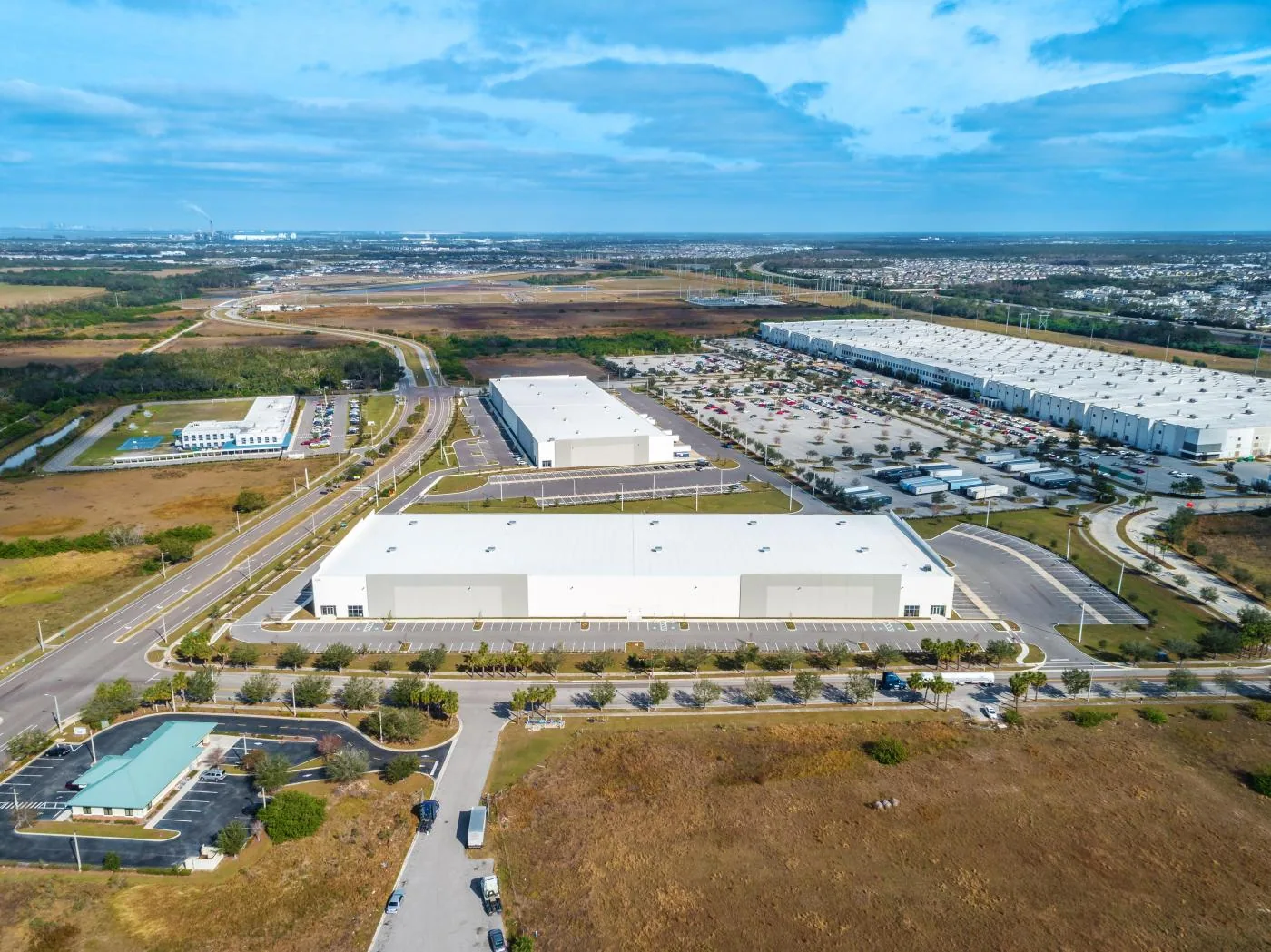
Southshore Corporate Park
Learn More
Gresham Northerly Industrial Area
Learn More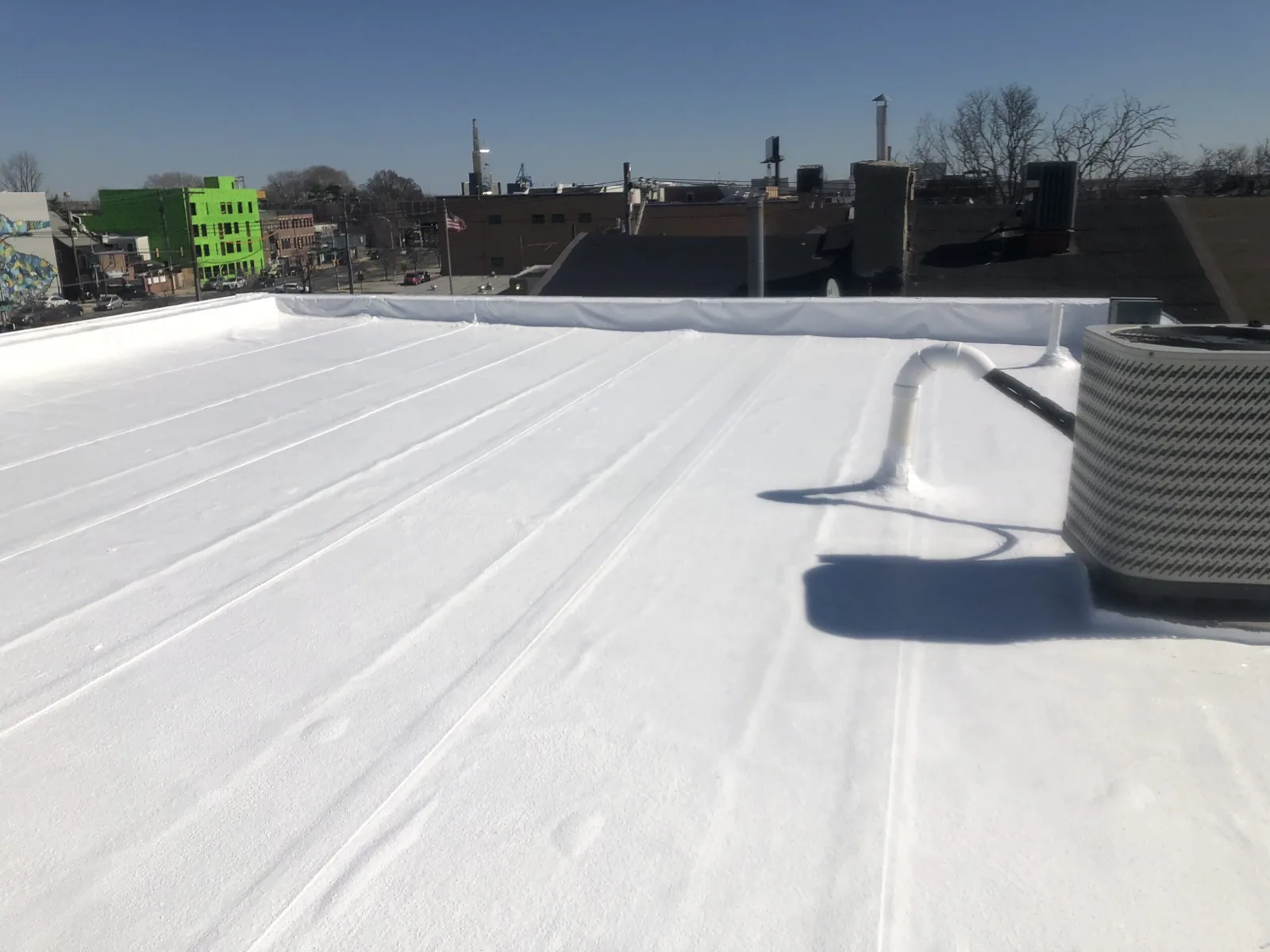
Commercial Roof Inspection
Learn More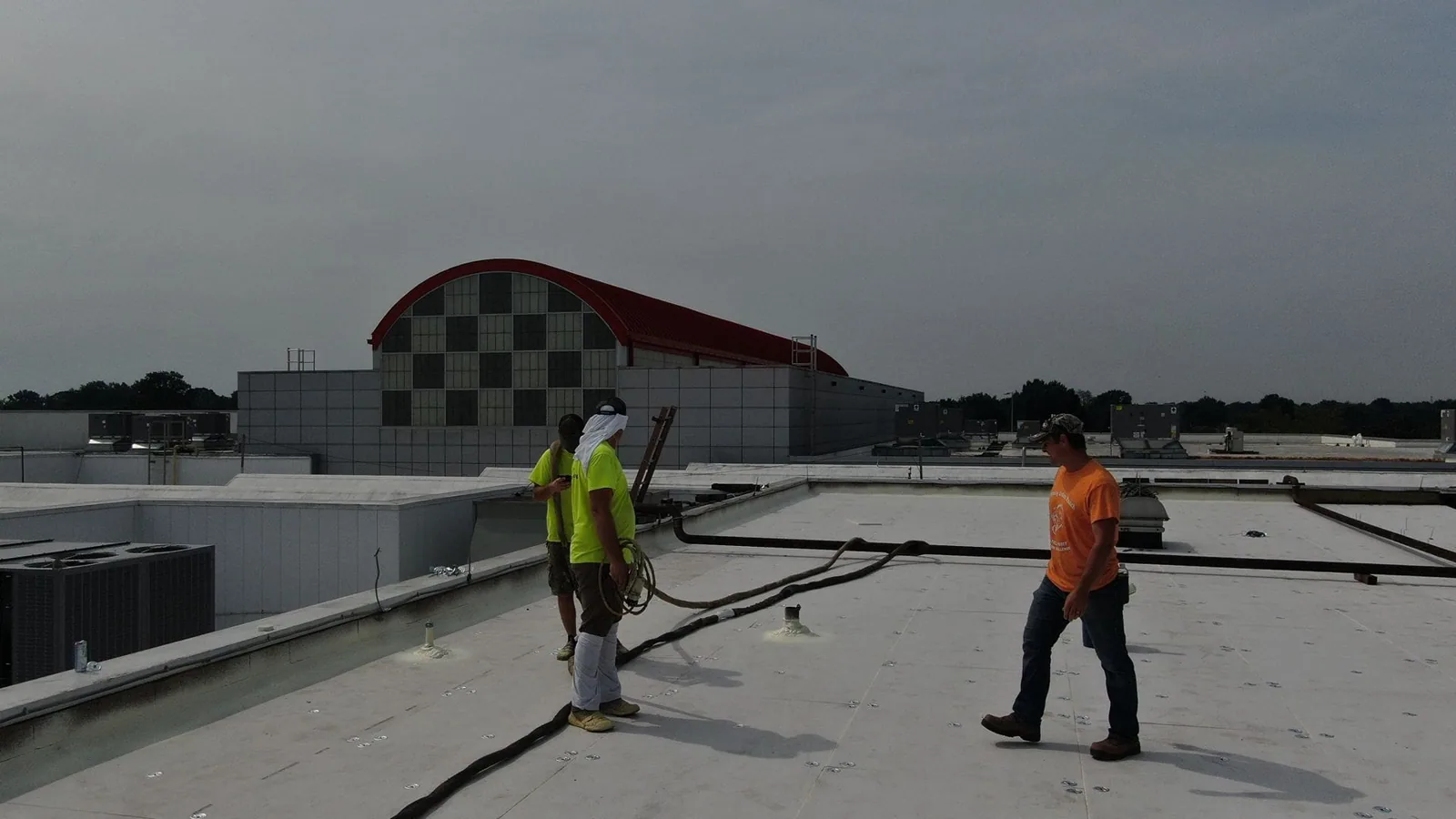
Commercial Roof Leak Repair
Learn More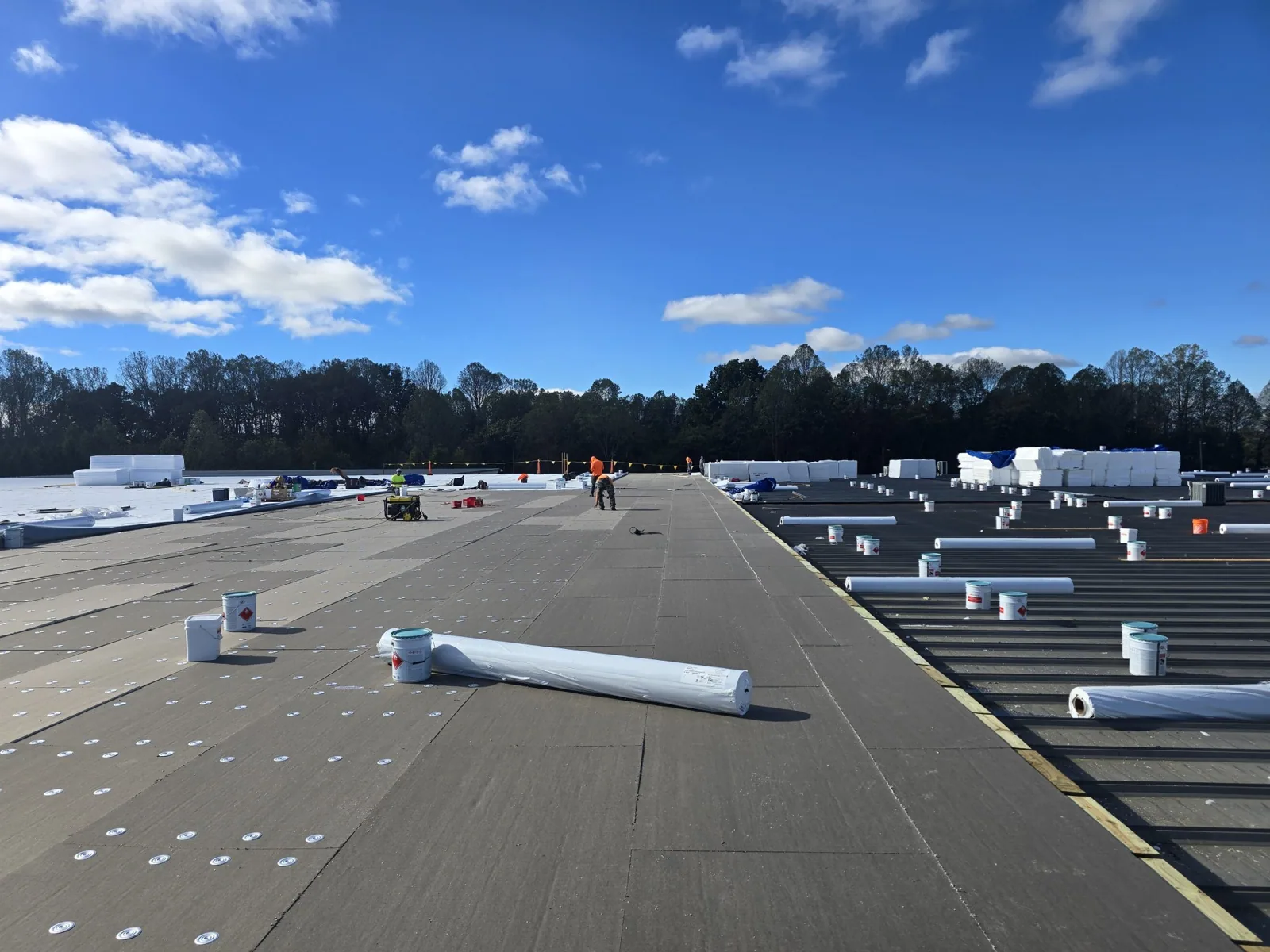
Commercial Roof Repair
Learn More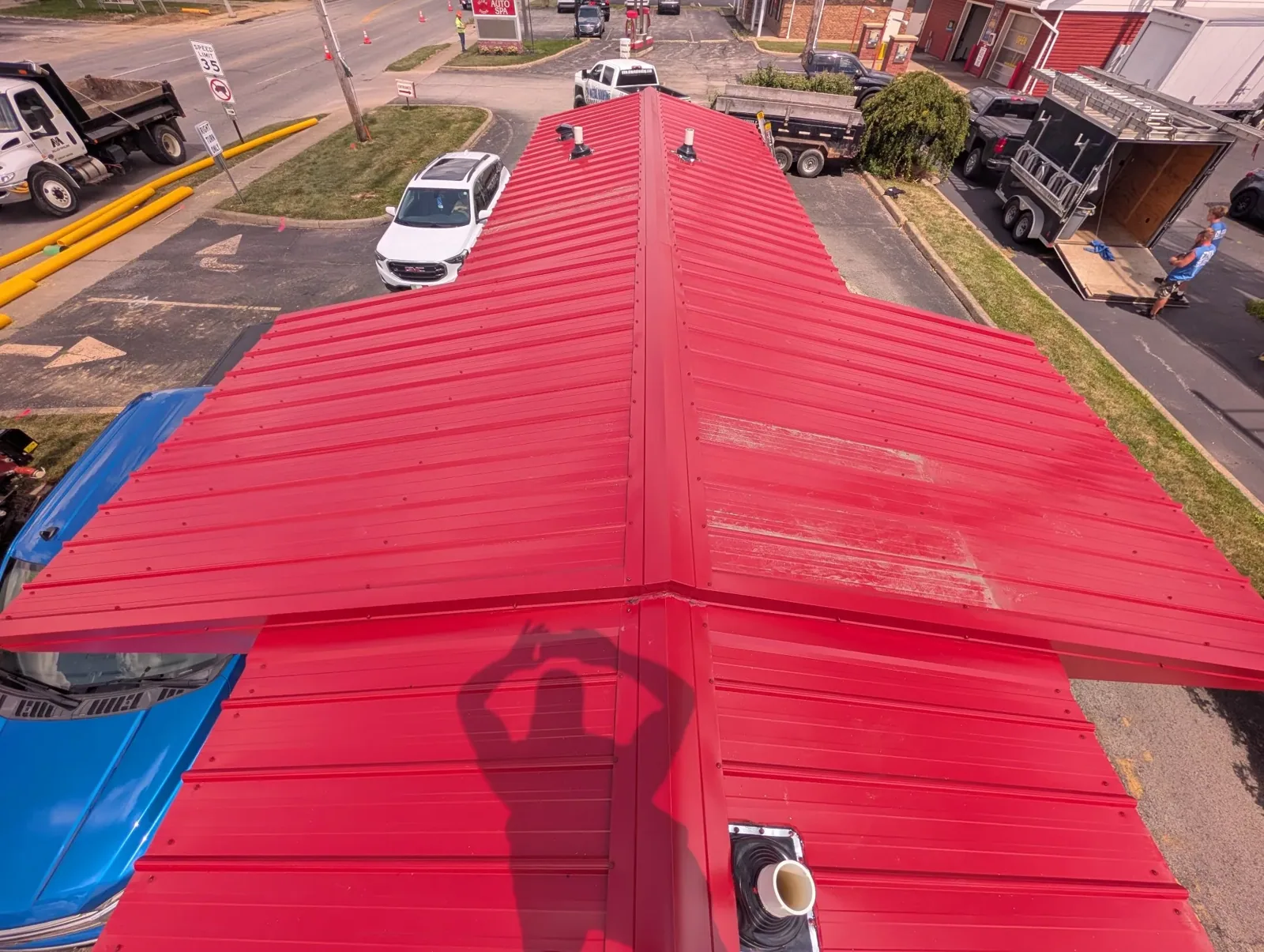
Commercial Roof Coating
Learn MorePlan a roof inspection in Springwater
Request a roof assessment in Gresham
We will review roof conditions, access, and operating limits, then prepare a documented scope with clear repair, restoration, or replacement options. Tell us about the building, the roof and what you are seeing. Call 555-555-5555, email [email protected] or send the details through our contact page and we will set up a time to walk the roof.