
PVC Roofing in Gresham, OR
Review PVC for your roof assembly
- Home
- Roof Systems
- PVC Roofing
Food processing, kitchens, and exhaust equipment can expose a roof to grease, oils, and chemicals that affect membrane choice. PVC is a thermoplastic single-ply roofing membrane with heat-welded seams and a range of formulation and reinforcement options. We inspect the existing assembly and nearby vent and process outlets before deciding whether PVC fits the project. Gresham's industrial lands include food and beverage processing, manufacturing, and high-tech operations, but the actual roof conditions must be checked at the facility. We identify penetrations, drains, seams, equipment curbs, and any exposure that could affect membrane selection. A roof inspection captures the current surface and detail conditions, while a recover review determines whether existing layers can remain below a new PVC system.
Which PVC details should the owner review?
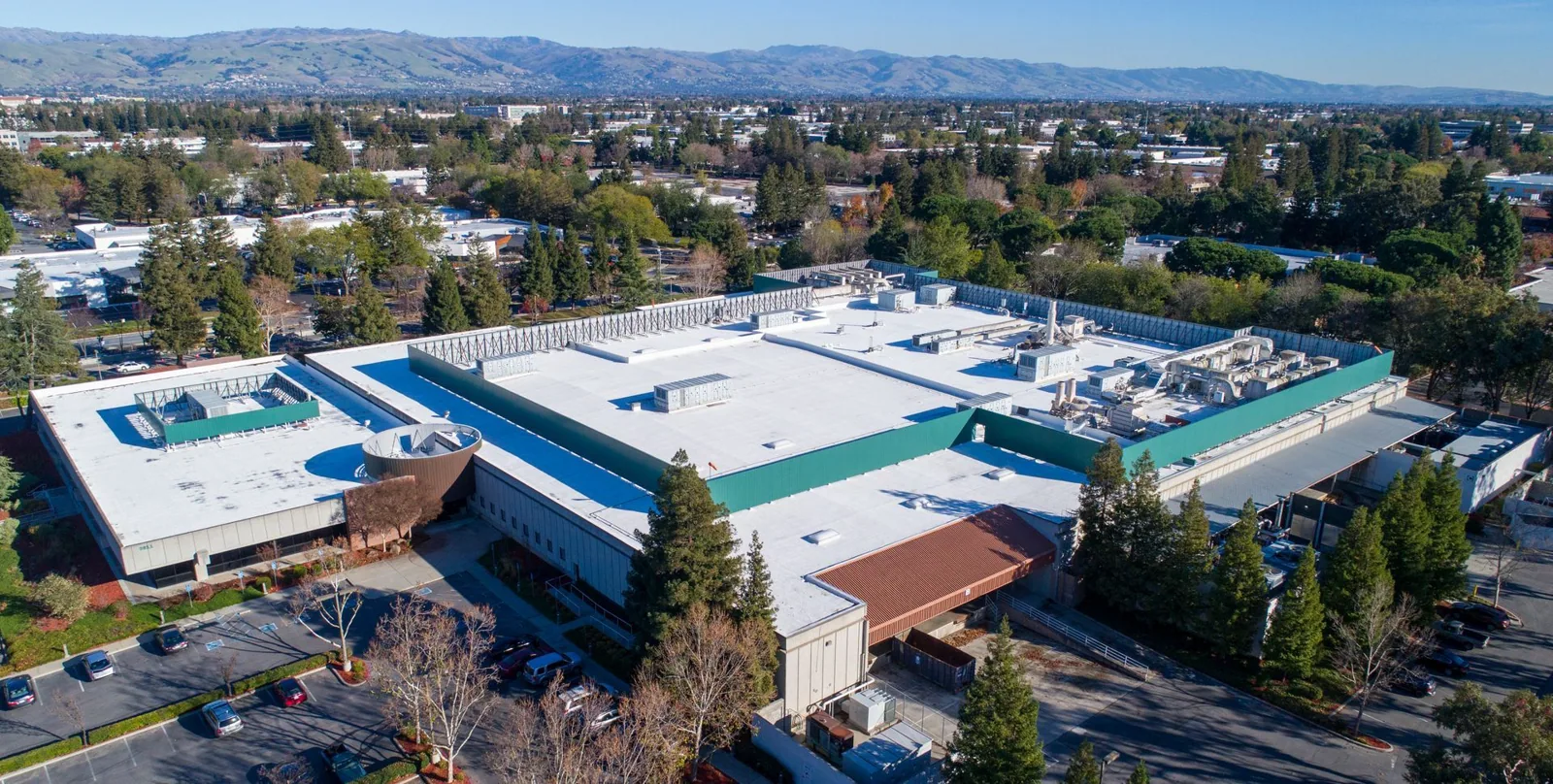
Field seams are heat welded, so the membrane surfaces must be properly prepared and the equipment set for a consistent weld. We inspect representative seam areas, repair patches, and transitions at the parapet, curb, drain, and pipe. A seam probe can locate openings, but the repair area also needs sound membrane and stable substrate. We confirm the membrane type before welding so a repair uses a compatible material.
PVC formulations vary. The product data and project specification govern membrane thickness, reinforcement, attachment, flashing, and compatibility. A label alone does not establish resistance to every chemical or rooftop discharge. We ask what reaches the roof and where it lands, then compare that exposure with the selected system's written limitations. If grease or exhaust residue is present, the discharge origin and cleaning approach need attention before installation.
At kitchen exhausts and process vents, discharge can collect near the curb or travel across the sheet. We inspect the membrane and flashing downstream of the outlet, along with nearby walkways and drains. If the vent discharge needs correction, the facility may need an HVAC or process specialist. Roofing repairs can restore the affected area, but they do not change how the equipment releases material onto the roof.
How do exposure and movement affect PVC?
Chemical contact, incompatible materials, excessive heat, or abrasion can change the membrane surface. We identify where the condition starts and whether it is isolated to a discharge path, walkway, or field area. The repair needs to use materials compatible with the system and exposure. If the original membrane formulation is unknown, we check product records or test compatibility before welding a patch.
Movement at a curb or pipe can stress the welded detail. Equipment vibration, loose supports, and repeated service traffic can abrade membrane or separate flashing. We inspect curb corners and support bases, then coordinate any mechanical adjustment before the roof detail is closed. A curb and support review helps assign work between roofing and mechanical teams.
Water that remains near a seam or drain increases exposure time. A blocked outlet can hold water at a detail longer than intended, keeping a seam or curb exposed between rain events. We check drain bowls, overflow routes, and low areas as part of the PVC evaluation. A drainage correction may need to accompany membrane repair if the outlet or slope contributes to the condition.
When is PVC the right system to consider?
PVC can be considered for low-slope buildings where the deck, attachment, insulation, exposure, and project specification support the assembly. Heat-welded seams create a continuous membrane connection when installed correctly. The owner should compare the formulation, reinforcement, thickness, flashings, and repair plan against building use. Chemical exposure needs a product-specific review, not an assumption based on the word PVC.
TPO is another thermoplastic membrane with heat-welded seams, while EPDM is a different membrane family with seam and flashing methods suited to its system. The right comparison includes roof traffic, equipment, chemical exposure, repair needs, and product requirements. Our TPO system review and EPDM assembly overview can help the owner compare construction details without treating one membrane as a universal answer.
Existing conditions determine whether the project is a repair, recover, or tear-off. Wet insulation, deck damage, added height, and drainage changes can rule out leaving layers in place. We document those findings and explain what needs testing before the system is approved. A replacement evaluation can compare removal with an eligible recover scope.
How do Gresham operations affect installation?
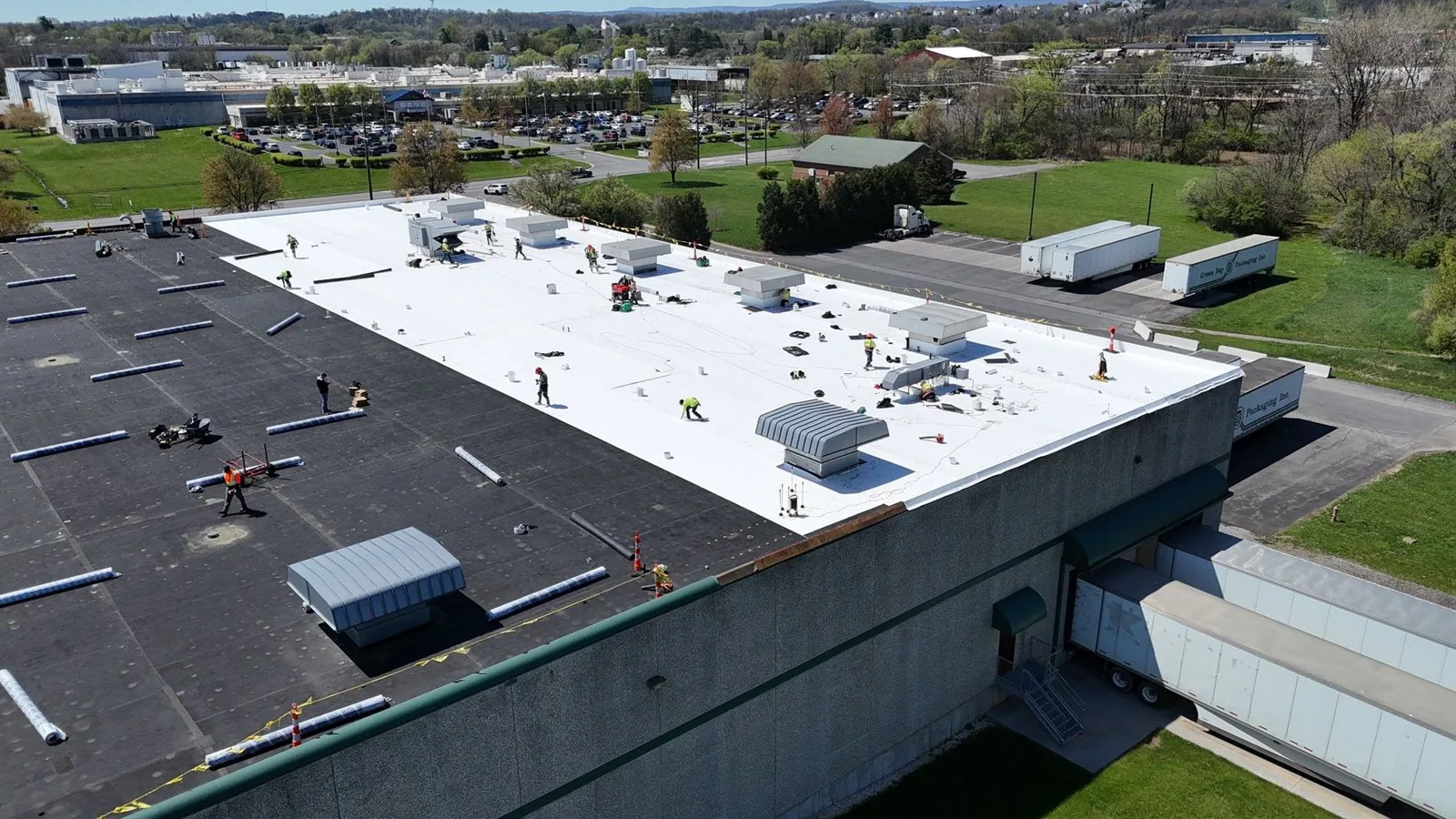
Gresham's industrial lands include food and beverage processing alongside manufacturing, electronics, distribution, and specialized equipment operations. Those uses can require controlled access, rooftop-unit coordination, and protection of production areas. We ask the facility to identify air intakes, process vents, sensitive rooms, and times when equipment cannot be shut down. The installation sequence follows that site's operating rules.
Gresham Vista Business Park includes manufacturing, technical services, food processing, logistics, office, and commercial uses. In a mixed-use industrial park, truck access and equipment service can share the same route as material delivery. We agree on staging and lift areas with the facility before PVC membrane arrives. At Gresham Vista Business Park, the site route and building access plan still need to be confirmed with each operator.
NOAA's airport normals show most regional precipitation arrives from fall through spring. PVC membrane work needs a dry, prepared surface and a daily closeout that protects exposed insulation and deck. The weather station provides seasonal context, not a jobsite forecast. We check current conditions and the selected product requirements before welding seams or installing adhesive. A weather hold should leave the roof secure and the facility informed.
What does a PVC project involve?
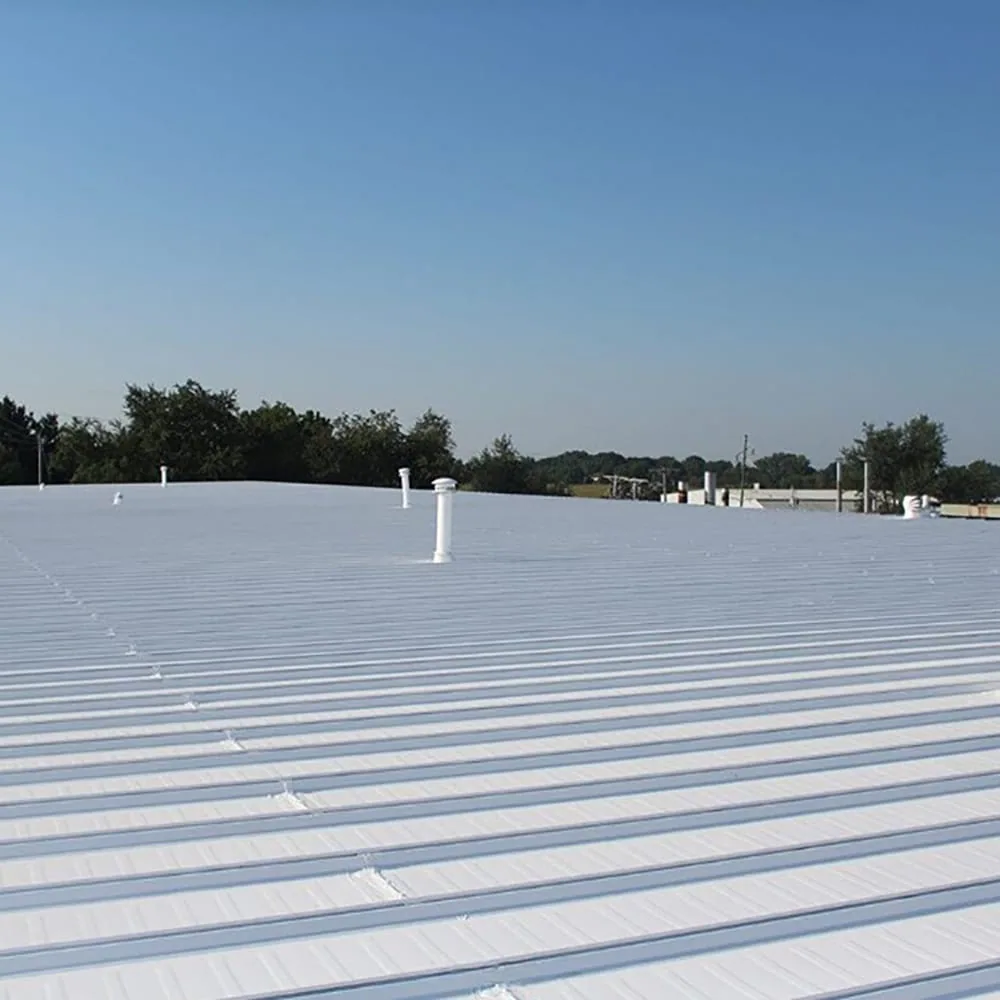
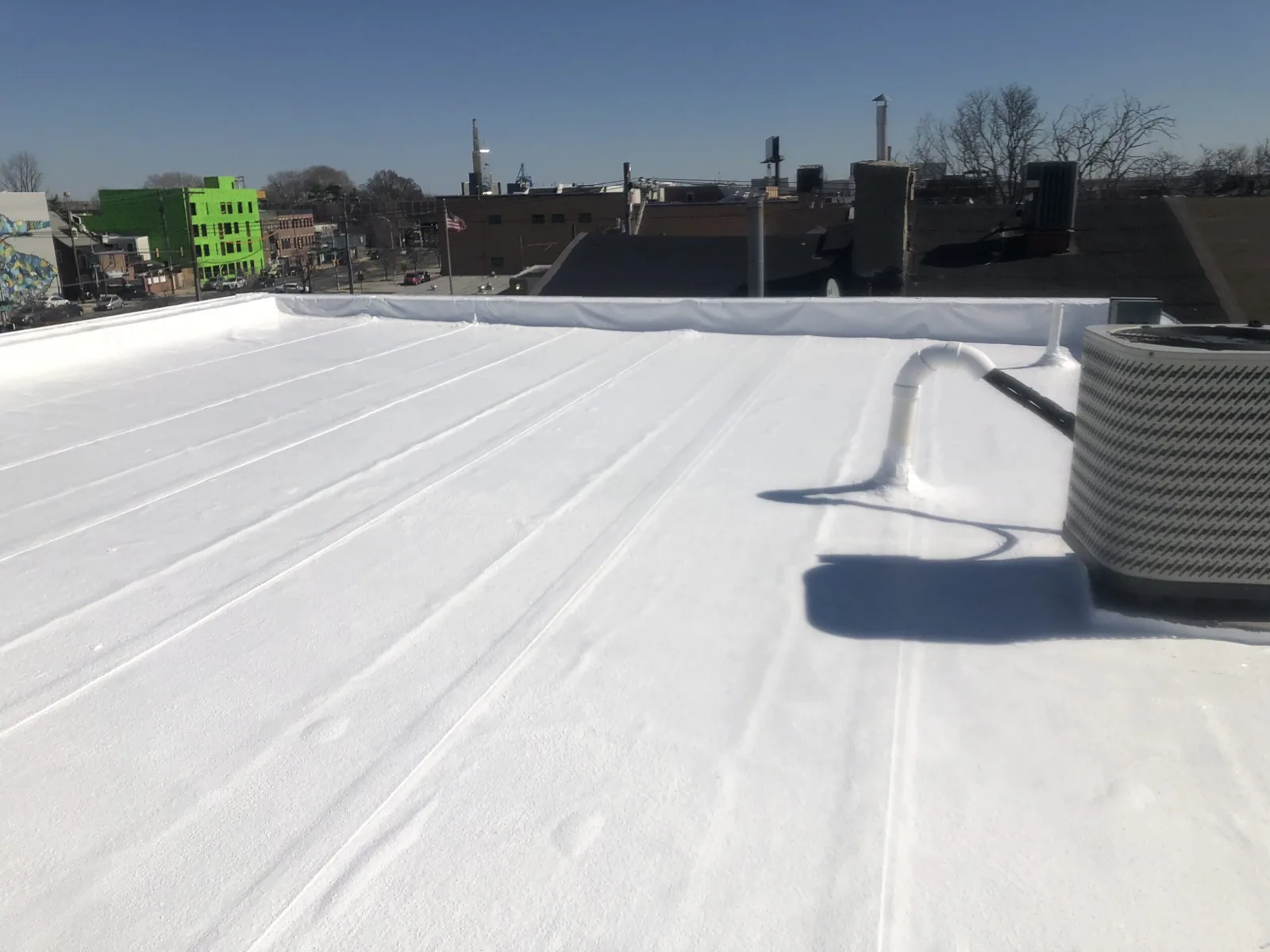
The work begins with roof survey, test cuts where needed, and review of product and discharge compatibility. The scope identifies tear-off or recover assumptions, insulation, cover board, attachment, membrane, and flashing details. Crews prepare the substrate, install the specified layers, and weld field seams with suitable equipment. Curbs, drains, penetrations, parapets, and perimeter terminations receive system-compatible details.
Repairs follow the same material discipline. We find sound membrane around the defect, clean and prepare the area, then weld compatible PVC over the damaged section. If moisture extends beyond the opening, the repair boundary may need adjustment. The owner receives photos and a record of any additional testing or work that remains. A maintenance plan tracks seams, flashings, drains, and exposure areas after installation.
For an occupied building, we plan roof zones, access, deliveries, equipment shutdowns, and daily dry-in. If a process line or kitchen needs to remain active, the facility identifies restrictions before the crew enters. We coordinate work around the next operating window and define who receives schedule changes. A condition report records the installed system and key detail locations.
What belongs in the PVC specification?
Review membrane formulation, thickness, reinforcement, attachment method, substrate, insulation, cover board, flashing materials, and perimeter details. The specification should name exposure limits relevant to the building, preparation steps, seam inspection, and repair method. It should also address drains, curbs, access paths, disposal, temporary protection, and concealed conditions. Where a coating or other membrane is considered, compare the system as an assembly rather than by a short product label.
Industrial use near Southshore Corporate Park or Gresham Vista does not dictate the membrane. The roof, process discharge, deck, and maintenance schedule do. We can walk the facility with operations staff, map the conditions, and prepare a PVC scope with the necessary qualifications. If product compatibility or structural capacity is unresolved, we identify that review before materials are installed.
PVC Roofing FAQs
-
Is PVC roofing better for a food-processing facility?
PVC can be considered where grease or chemical contact matters, but the formulation and discharge need review. We compare the roof exposure with product limits before specifying the membrane.
-
Can PVC be welded to an existing membrane?
Only when the existing sheet is compatible and can be properly prepared. We identify the membrane type, test or verify compatibility, and locate sound material before welding. Unknown or contaminated surfaces may require a different repair detail.
-
What causes PVC seams to open?
Preparation, uneven welding, contamination, movement, or stress at a transition can affect a seam. We probe suspect areas and check whether moisture or substrate movement extends beyond the visible opening.
-
Can a new PVC roof be installed while production continues?
Often, when access, air intakes, noise, deliveries, and work zones are coordinated. The facility identifies shutdown windows and restricted areas. We sequence roof sections so the work closes each day and operations know when access changes.
Related Roofing Work
Commercial Roof Inspection
Learn More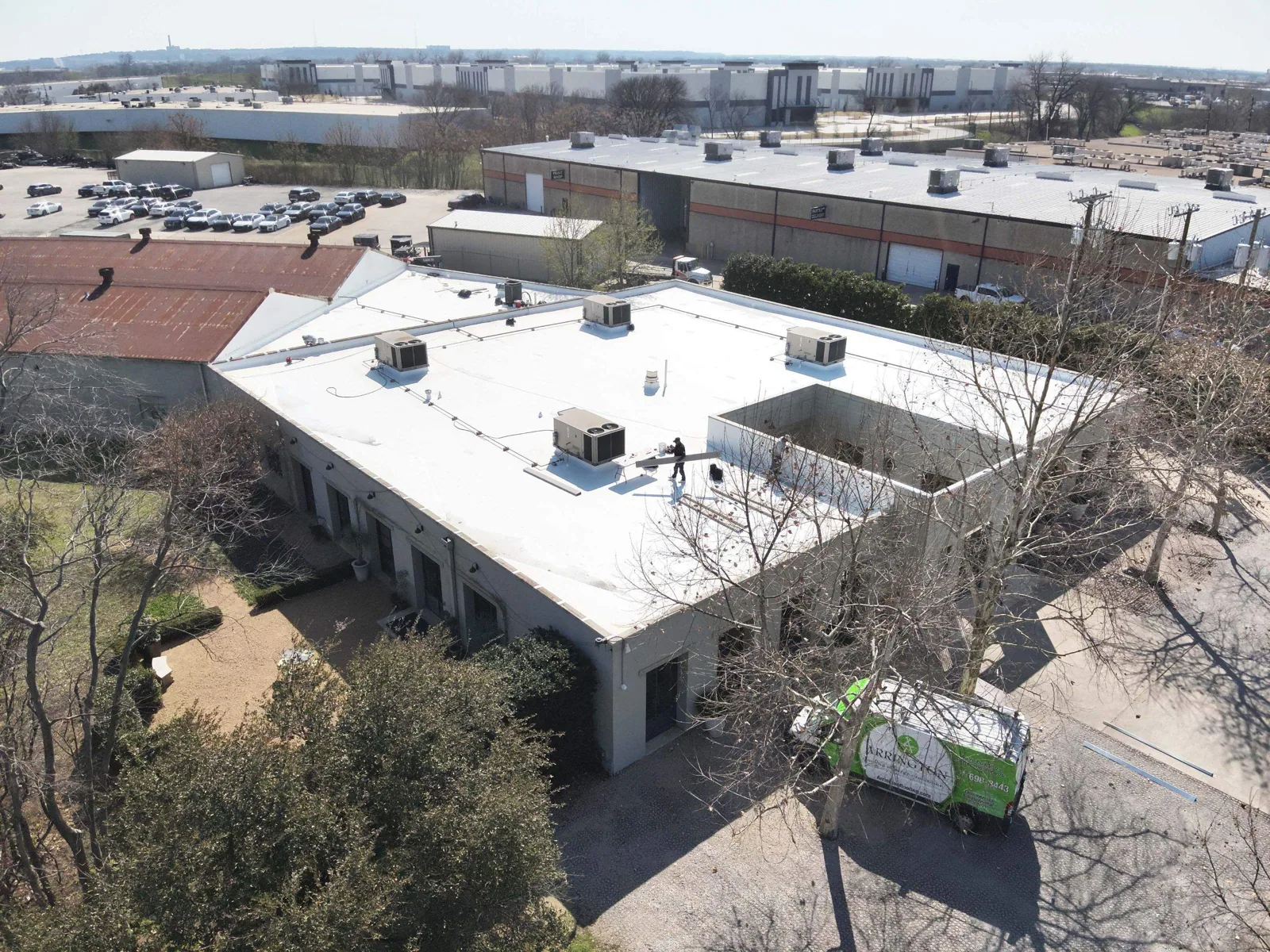
Commercial Roof Recover
Learn More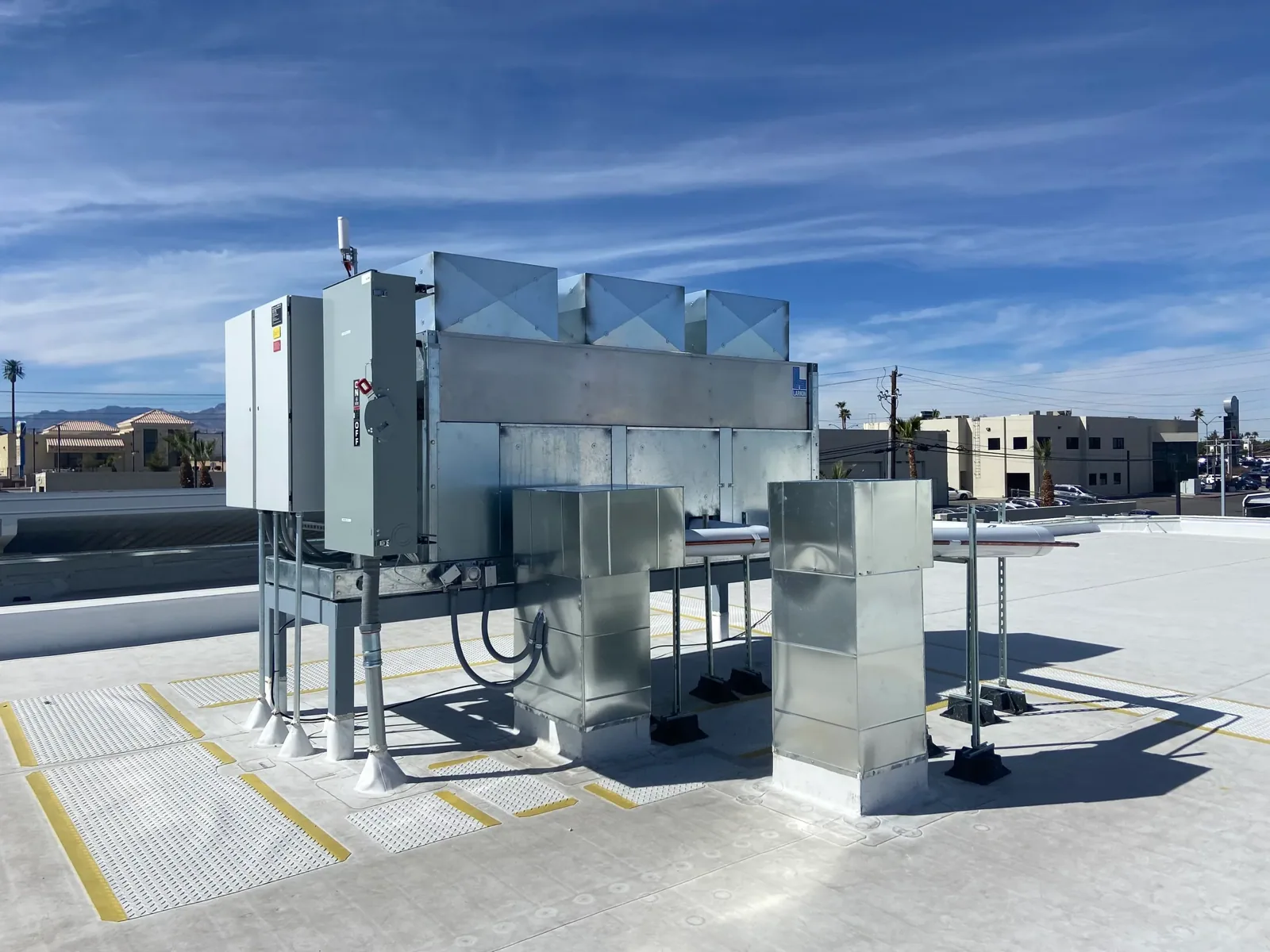
Rooftop Equipment Curbs and Supports
Learn More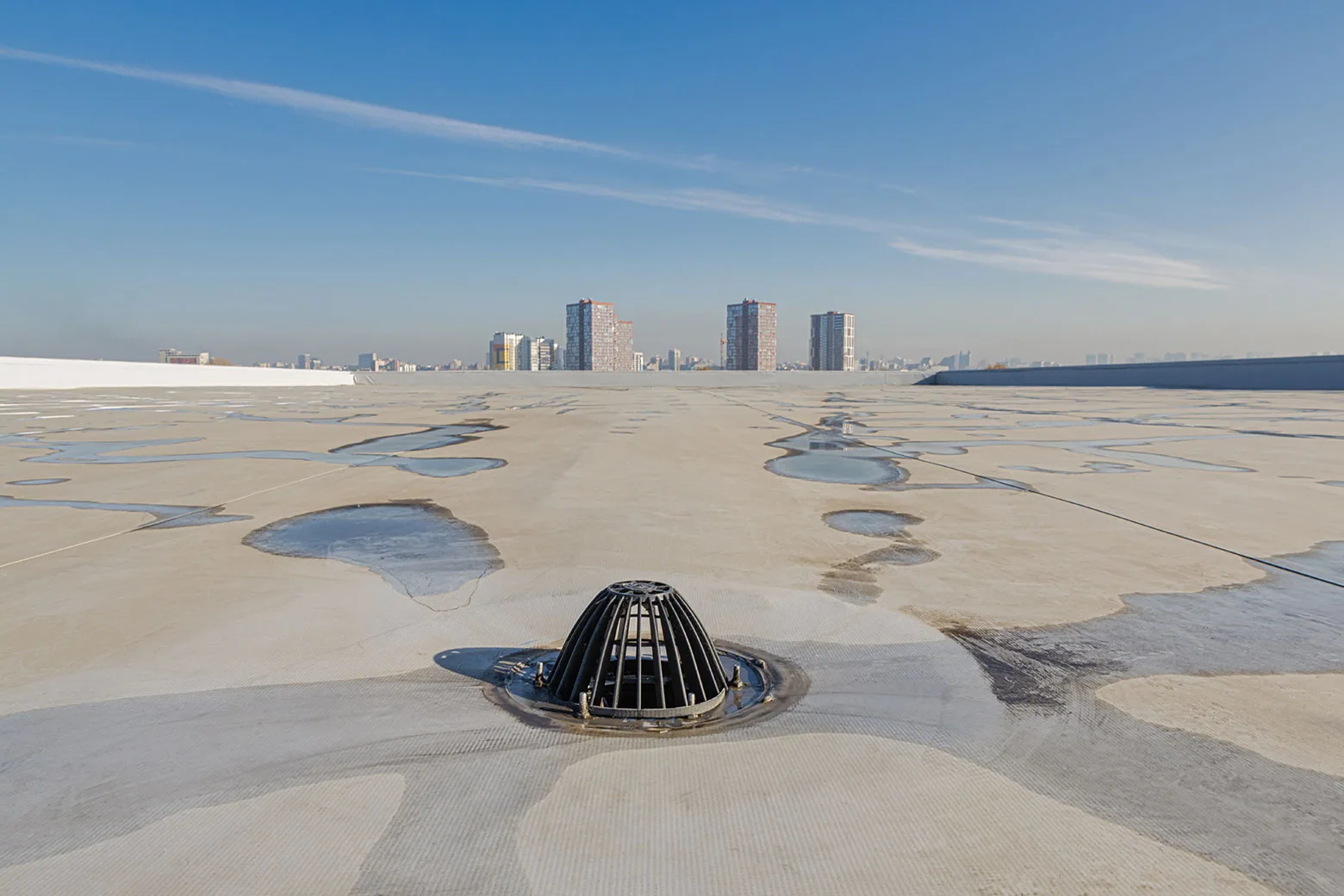
Commercial Roof Drains and Scuppers
Learn More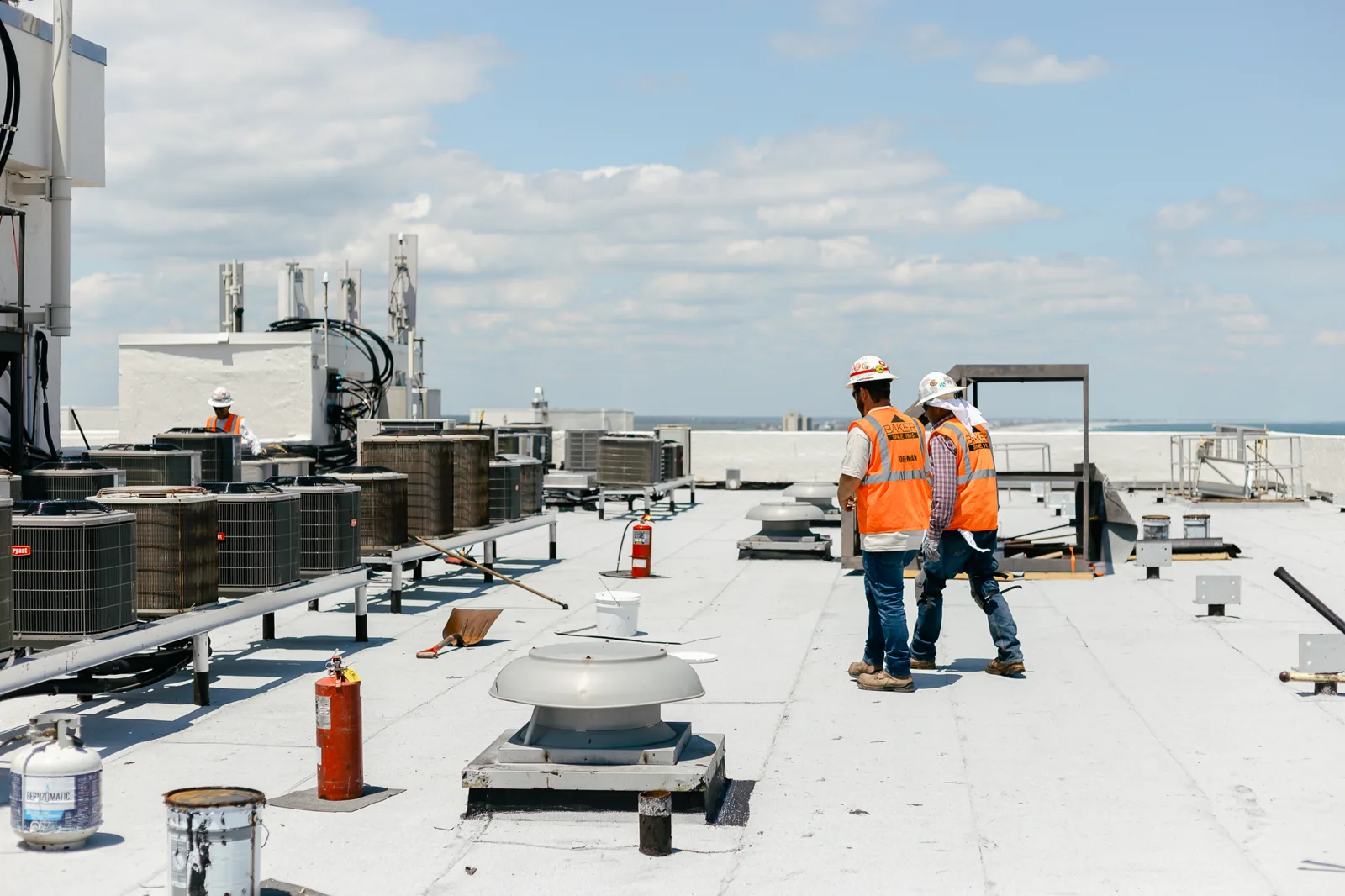
TPO Roofing
Learn More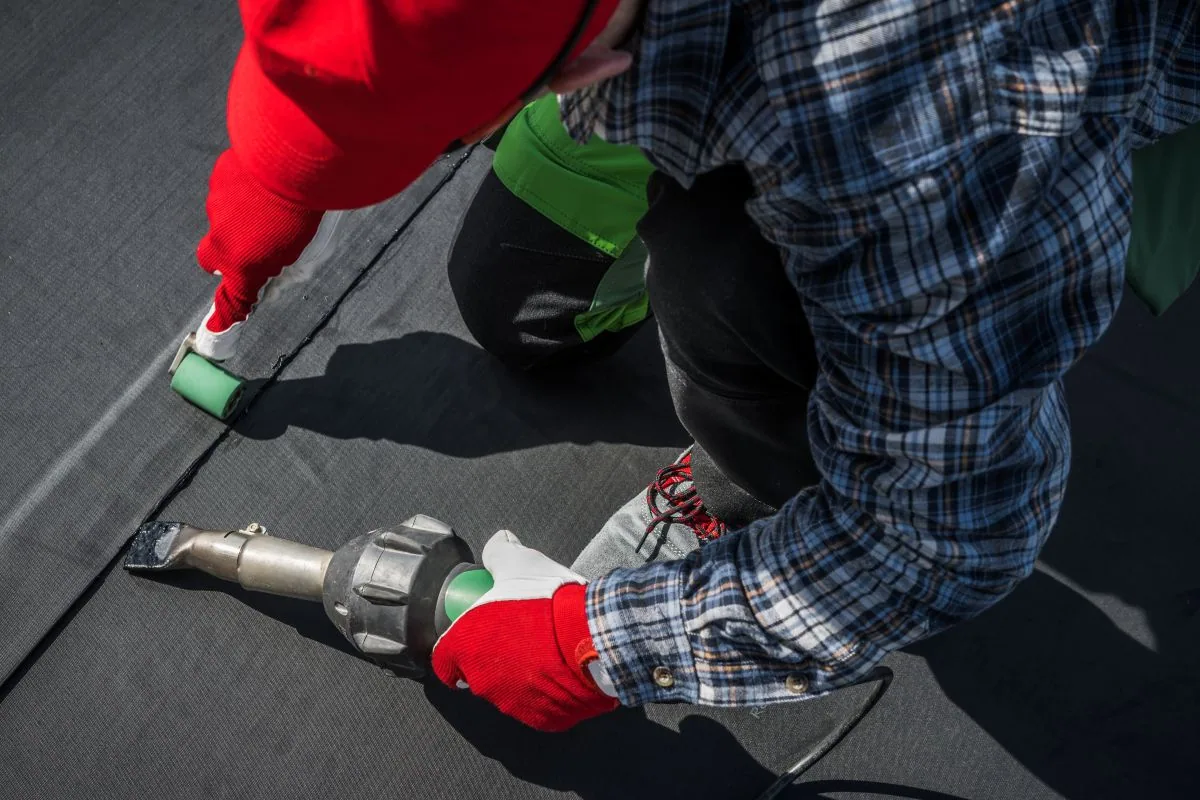
EPDM Roofing
Learn MoreReview PVC for your roof assembly
Request a roof assessment in Gresham
We will check roof layers, discharge exposure, seams, drains, and facility access before recommending a PVC scope. Tell us about the building, the roof and what you are seeing. Call 555-555-5555, email [email protected] or send the details through our contact page and we will set up a time to walk the roof.