
Commercial Roof Recover in Gresham, OR
Review a recover option on site
- Home
- Commercial Roofing Services
- Commercial Roof Recover
Rooftop units, exhausts, and cable runs make an active facility a busy roof. A recover keeps the existing assembly in place and adds a new system above it. That option is sound only when moisture, deck support, drainage, attachment, and code allow it. We start with those checks, not a promise that overlay is faster. Gresham industrial properties include distribution, processing, and high-tech manufacturing. The operation guides access, but the roof decides whether a recover is viable. A commercial roof inspection records seams, drains, flashings, curbs, and transitions. Targeted openings answer questions surface observations cannot. With that evidence, we compare a recover to full roof replacement and explain differences in disruption and concealed-condition risk.
What has to be true before another layer goes on?
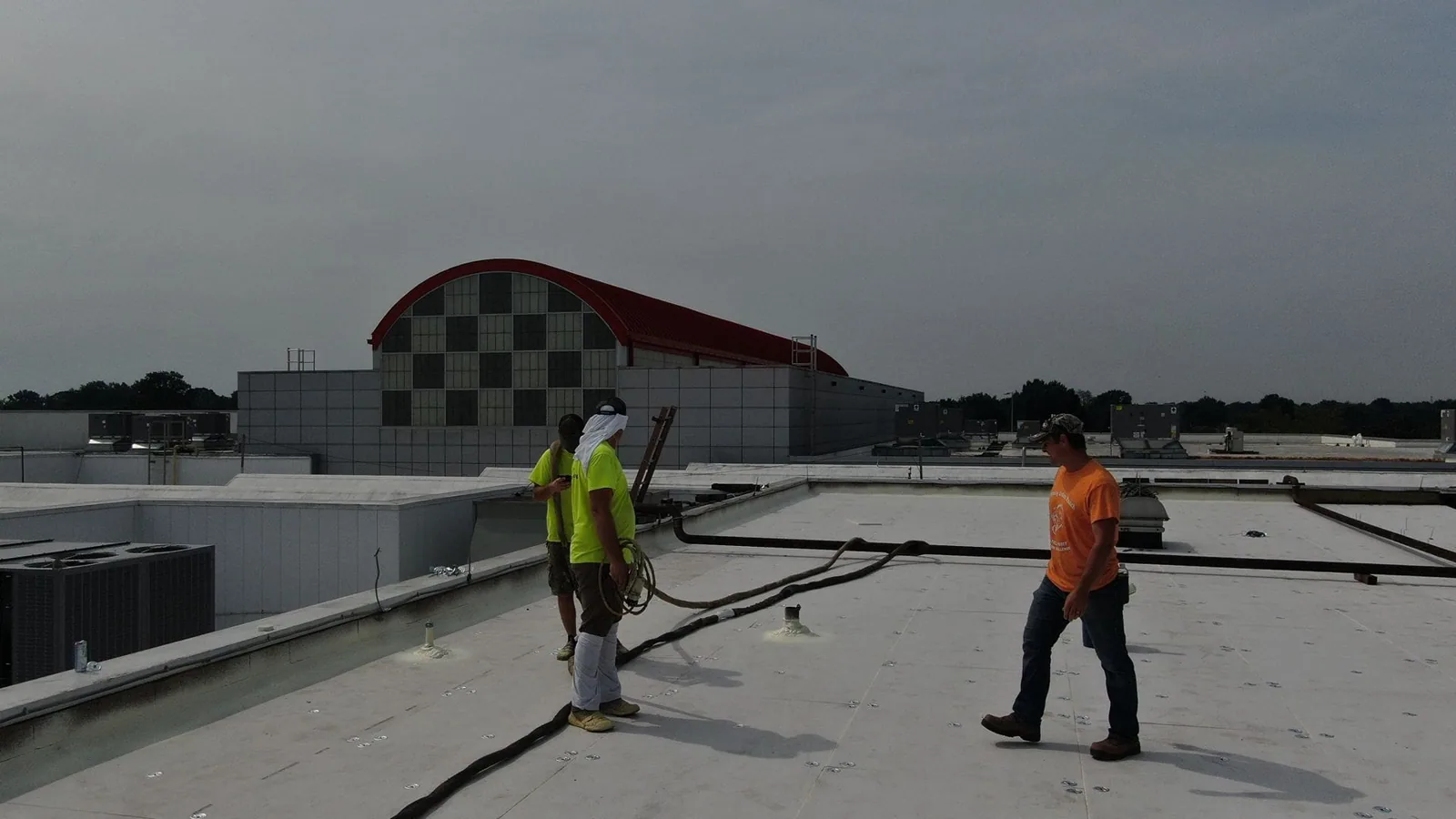
A new surface cannot dry insulation trapped below it. We look for soft areas, open seams, ponding, recurring interior leaks, damaged flashing, and repair patches that may hide a larger condition. Infrared or other moisture surveys can help map suspect zones, but the result needs interpretation and may require test cuts. We document where moisture is suspected, what the inspection can confirm, and what remains unknown. A recover recommendation should identify its limits in plain terms.
Deck condition and attachment matter just as much. The deck must support the chosen assembly, and fasteners or adhesives need a sound substrate. Existing layers add weight and can affect fastener length, uplift design, parapet height, and edge termination. Drains and scuppers must remain accessible at the finished elevation. A curb that is already low may need adjustment to maintain proper flashing height. We check these interfaces before presenting a recover scope, rather than discovering them after new materials arrive.
When does removal make the better scope?
Widespread wet insulation, deteriorated deck, trapped moisture, or poor drainage can make removal the clearer choice. Tear-off exposes conditions that a recover would leave hidden. The owner can replace affected materials, correct transitions, and start the new assembly from a verified substrate. Removal takes more staging and creates debris, so we plan disposal, weather protection, and access in the project sequence. The right comparison includes those impacts alongside the benefits of correcting concealed conditions.
A recover can reduce tear-off volume and keep some existing materials in place. That can be useful when the roof is dry, attachment is feasible, height tolerances are adequate, and the existing assembly is permitted to remain. It does not eliminate preparation. Crews still address loose material, repair details, prepare the surface, and construct new perimeter and penetration flashings. We lay out the included work and any exclusions so the facility knows which conditions could change the scope.
Material selection follows the condition review. A TPO membrane, another single-ply system, or a coating may be an option depending on slope, substrate, details, and the intended assembly. Recover boards can create a suitable receiving surface where the design calls for them. A recover is not a product by itself; it is a construction approach. We explain the materials and interfaces together, including seams, fasteners, edge metal, insulation, and how the finished roof will drain.
How does the wet season change the plan?
Fall-through-spring rain makes dry-in sequencing important across the east Portland metro. We review drain bowls, slope, low points, and the current forecast before installation. Each open section needs a defined closeout before crews leave the roof.
Freezing nights and hot summer days can affect when adhesives, coatings, or sealants can be installed. We follow the selected system’s application requirements and record temperature or surface conditions when relevant. Safe access and material handling still need attention during hot periods.
In Southshore Corporate Park, manufacturing and distribution uses along the I-84 freight corridor make access relevant to planning. A recover can require substantial deliveries and rooftop movement. We coordinate staging and work zones with each facility; the broader district does not determine individual site rules.
What does recover work look like above an occupied building?
Before mobilization, we confirm the roof areas, access points, material staging, emergency paths, and any equipment that must stay in service. The facility identifies who can authorize roof entry and whether escorts, permits, or shutdowns apply. We mark each planned work zone and agree how to notify affected departments. If production, patient care, or inventory handling takes place below, the coordination plan needs to reflect that operation instead of treating the roof as an isolated worksite.
Preparation includes securing loose materials, addressing agreed repairs, checking drains, and preparing the substrate for the new assembly. Crews install the approved recover board or membrane according to the specified method, then complete seams, penetrations, curbs, edges, and transitions. The daily plan leaves no exposed section without an approved temporary protection detail. If the weather or concealed conditions change, the supervisor and facility contact can adjust the next area before the work proceeds.
At a multi-building operation, a shared roof program can keep survey findings, schedules, and scopes consistent across sites. A single property may need only a short access matrix and closeout package. Either way, the owner should receive photographs and a record of the installed details, repairs, and open items. A condition report supports later maintenance by showing where future inspections should focus.
Which questions should the scope answer?
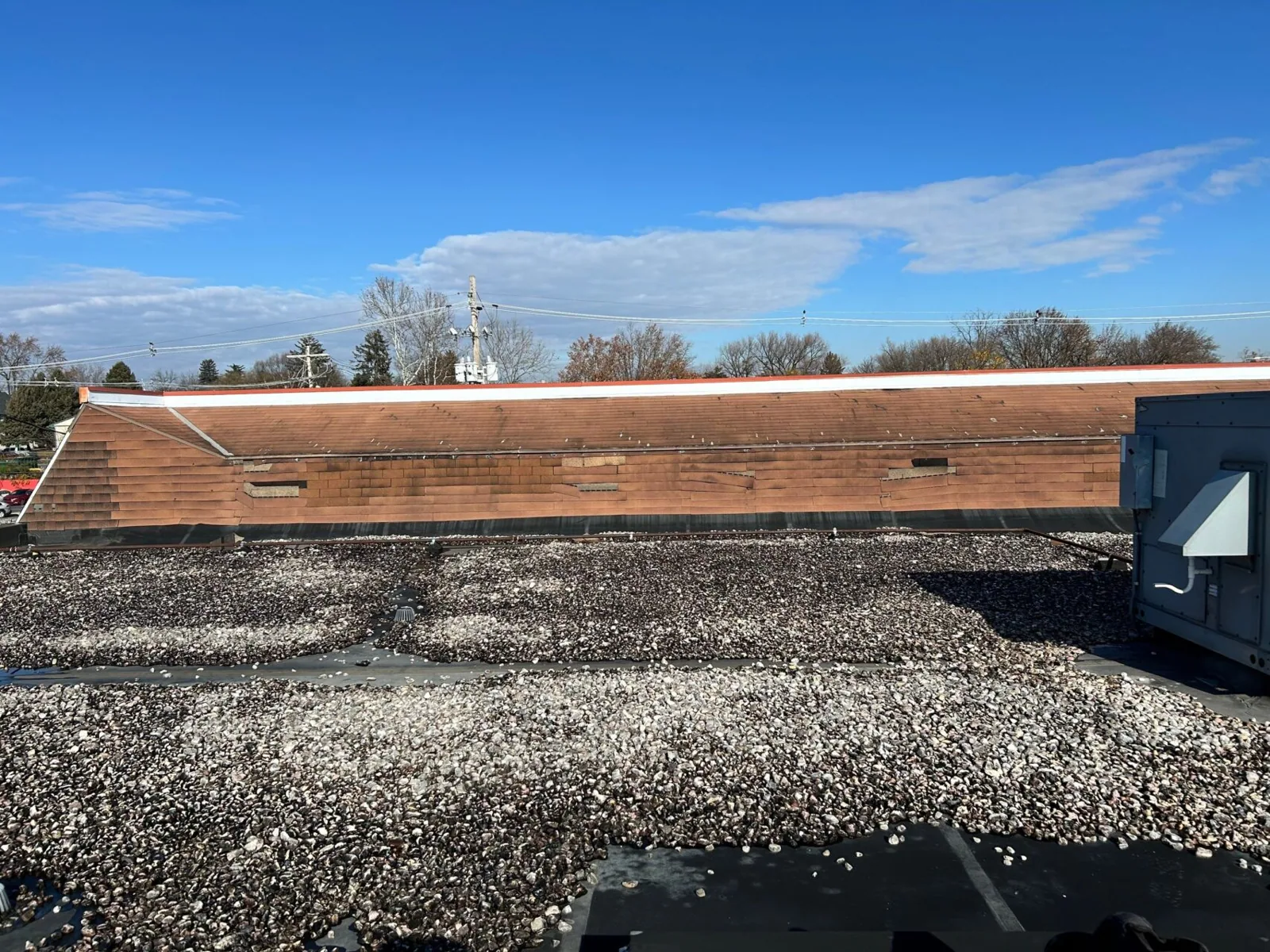
Ask what testing was completed, where any moisture was found, and whether openings are needed before final pricing. Confirm how many existing layers remain, what deck type and attachment are assumed, and whether drainage elevations change. The scope should identify curb and penetration flashing work, edge details, repairs to existing areas, disposal, protection, and temporary dry-in. It should explain how concealed damage will be photographed and approved before repair. These details make a recover bid possible to compare with removal.
Also compare the plan for occupied hours and equipment. A recover may reduce tear-off activity, but material staging and roof access still affect operations. The proposal should state which routes remain available, what shutdowns are anticipated, how rooftop units are protected, and who receives schedule updates. If a section must be left untouched until an outage, the schedule should name that dependency. A good scope lets the facility prepare people and equipment before work reaches the roof.
Gresham's industrial lands span different parcel sizes and uses, so no single installation sequence fits every building. A warehouse, food processor, and electronics facility may share a roof system but have different cleanliness, access, or downtime constraints. We document those constraints during the walk and put them in the work plan. Schedule a roof walk in Gresham to review the existing assembly, confirm access, and decide whether a recover or removal scope fits the building.
Commercial Roof Recover FAQs
-
Can a recover solve recurring leaks?
A recover can renew a suitable dry assembly, but it will not fix concealed wet insulation or a deck problem. We trace leak paths, inspect transitions, and use openings when surface evidence is not enough. The scope states included repairs and how newly found moisture is handled.
-
Will a second roof layer overload the structure?
We review the existing layers, deck, and proposed materials together. Added weight, attachment, wind design, parapet height, and code requirements all matter. We document visible conditions and coordinate structural questions before recommending an overlay.
-
Does an overlay mean the existing drains can stay as they are?
Not automatically. A higher roof surface can change drain, scupper, and curb elevations. We check the outlets and transitions and include needed extensions or detail changes in the scope.
-
How do you protect the building if rain reaches an open work area?
We divide work into zones with a daily watertight close. Crews use the specified temporary protection and delay opening more areas when conditions threaten dry-in. We coordinate changes with the facility contact and document the revised sequence.
Related Roofing Work
Commercial Roof Inspection
Learn More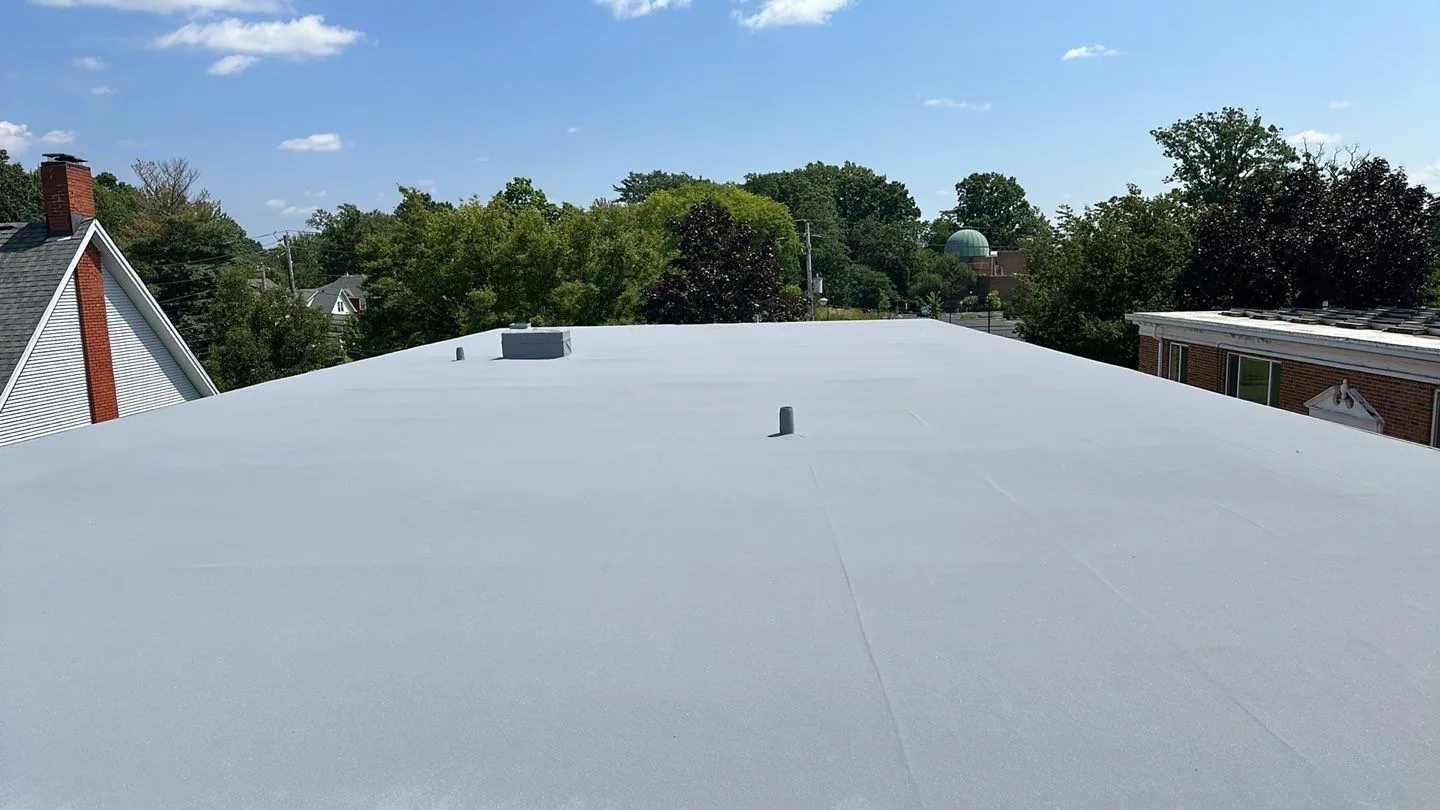
Commercial Roof Replacement
Learn More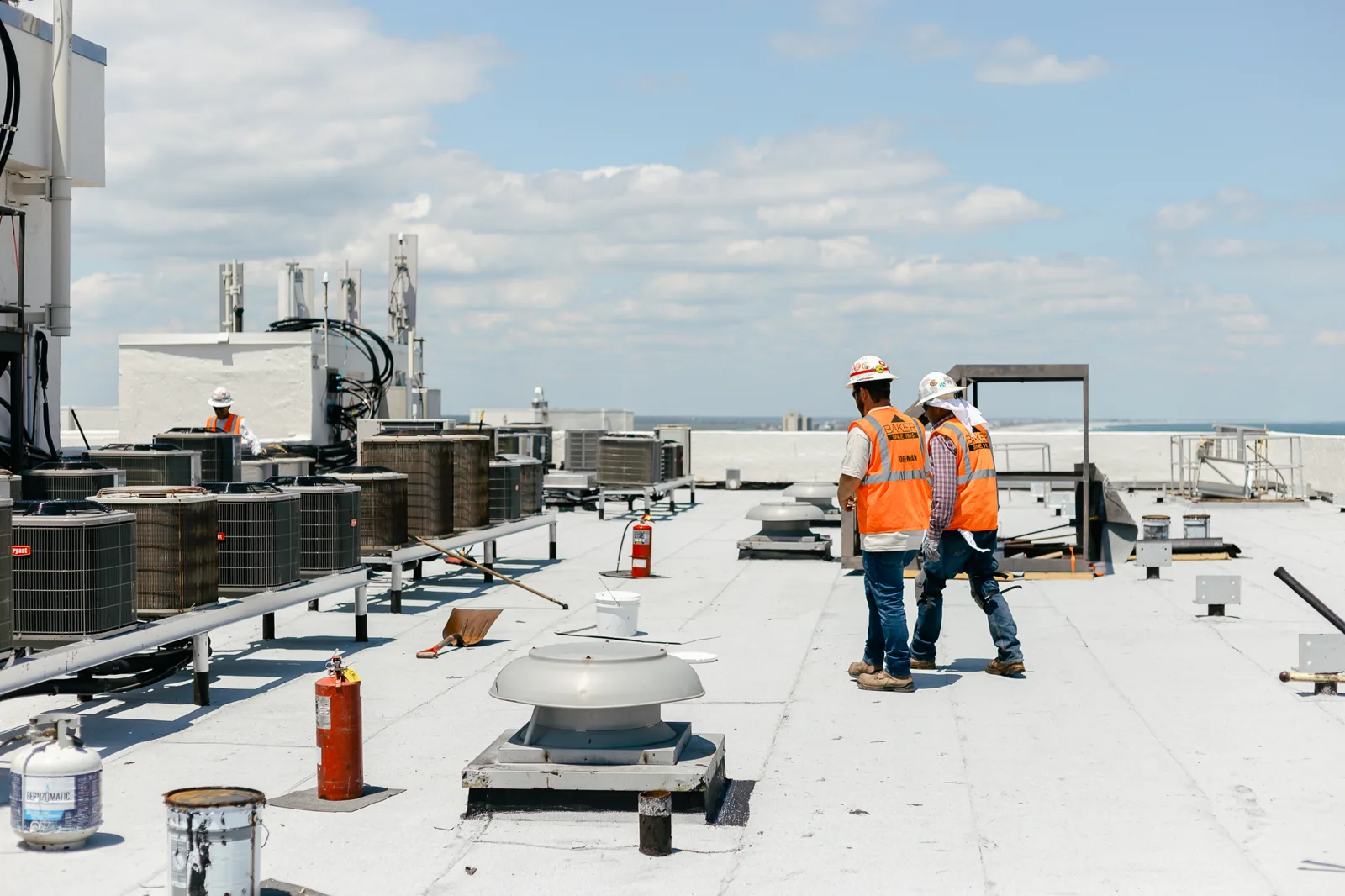
TPO Roofing
Learn More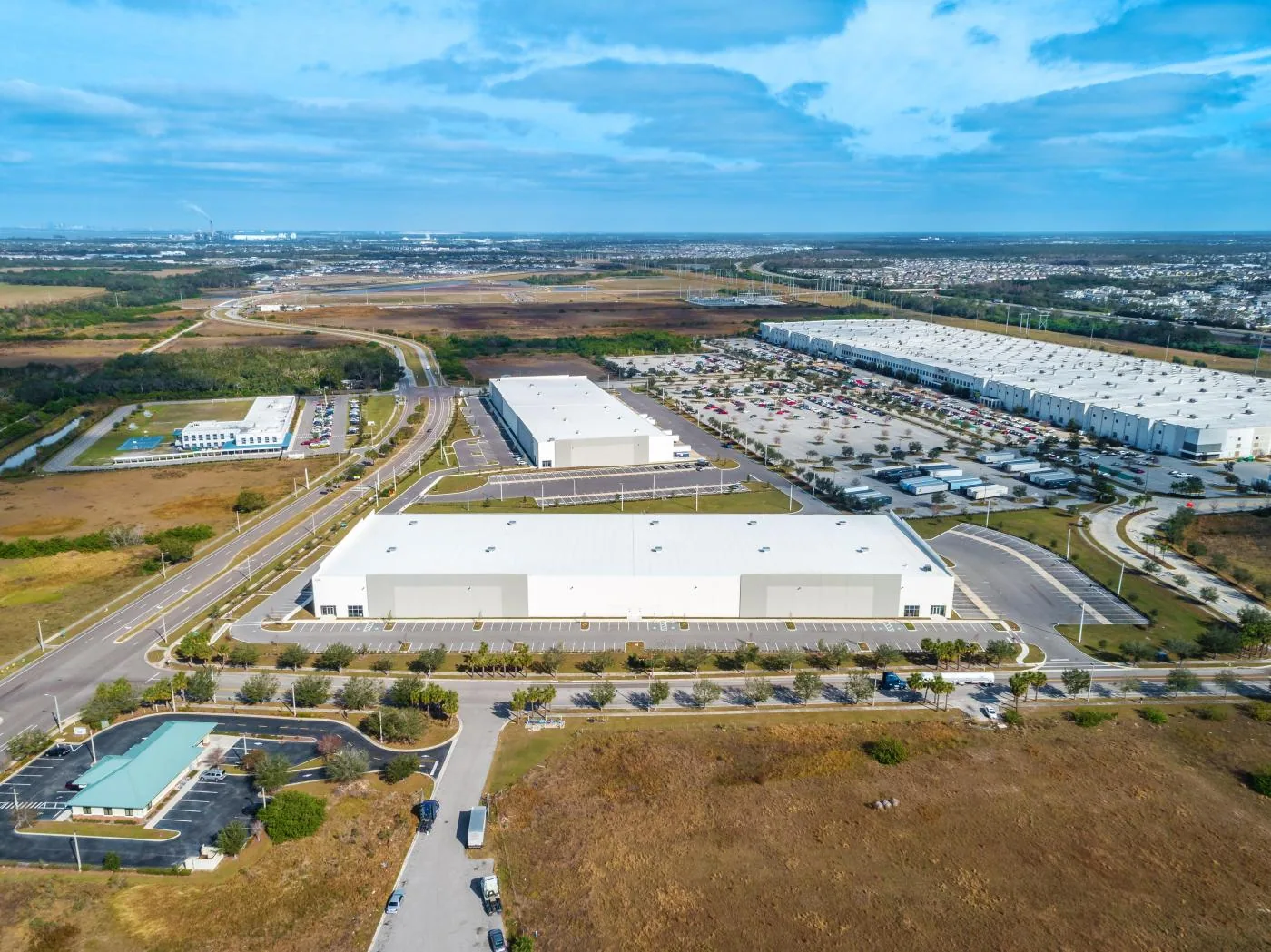
Southshore Corporate Park
Learn More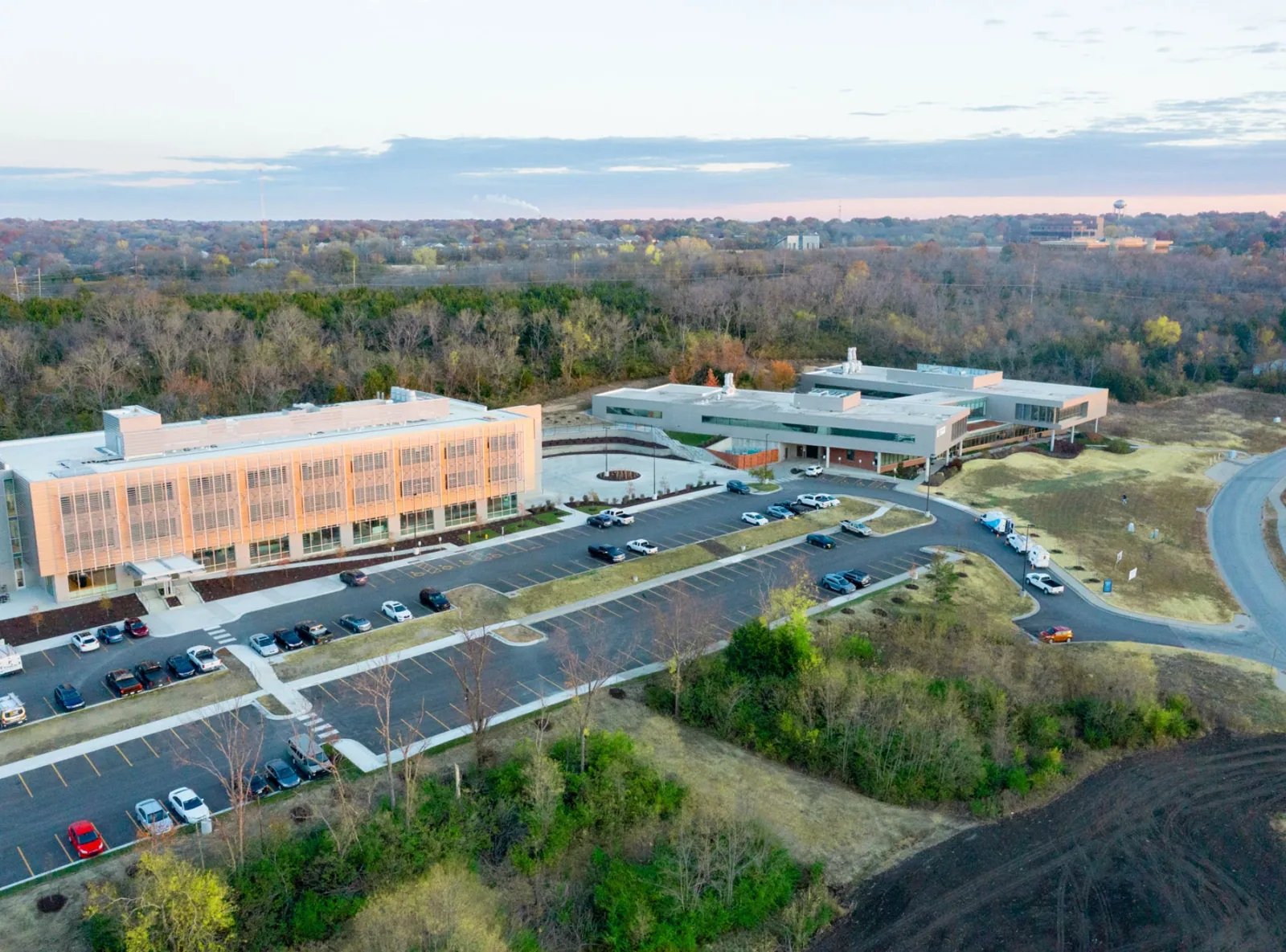
Multi-Site Commercial Roofing Programs
Learn More
Commercial Roof Condition Reports
Learn MoreReview a recover option on site
Request a roof assessment in Gresham
We will inspect the existing layers, check transitions and drainage, and coordinate an access plan for your Gresham building. Tell us about the building, the roof and what you are seeing. Call 555-555-5555, email [email protected] or send the details through our contact page and we will set up a time to walk the roof.