
Occupied-Building Reroofing in Gresham, OR
Plan an occupied-building reroof
- Home
- Commercial Roofing Services
- Occupied-Building Reroofing
The front desk opens at eight, the loading dock runs all day, and a roof replacement has to fit between them. Occupied-building reroofing starts with a map of the operation below and a sequence for the roof above. We identify tenants, production areas, rooftop equipment, delivery routes, and people who approve access. Then we set work zones that can be prepared, completed, and made watertight without leaving an open assembly at shift end. Gresham's commercial centers range from Downtown and Civic Neighborhood to Rockwood, while industrial areas support manufacturing, processing, and distribution. Each building has a different schedule and access pattern. A replacement scope sets the assembly and roof work; the phased schedule coordinates crews with tenants, occupied areas, and facility operations.
What does a workable site plan include?
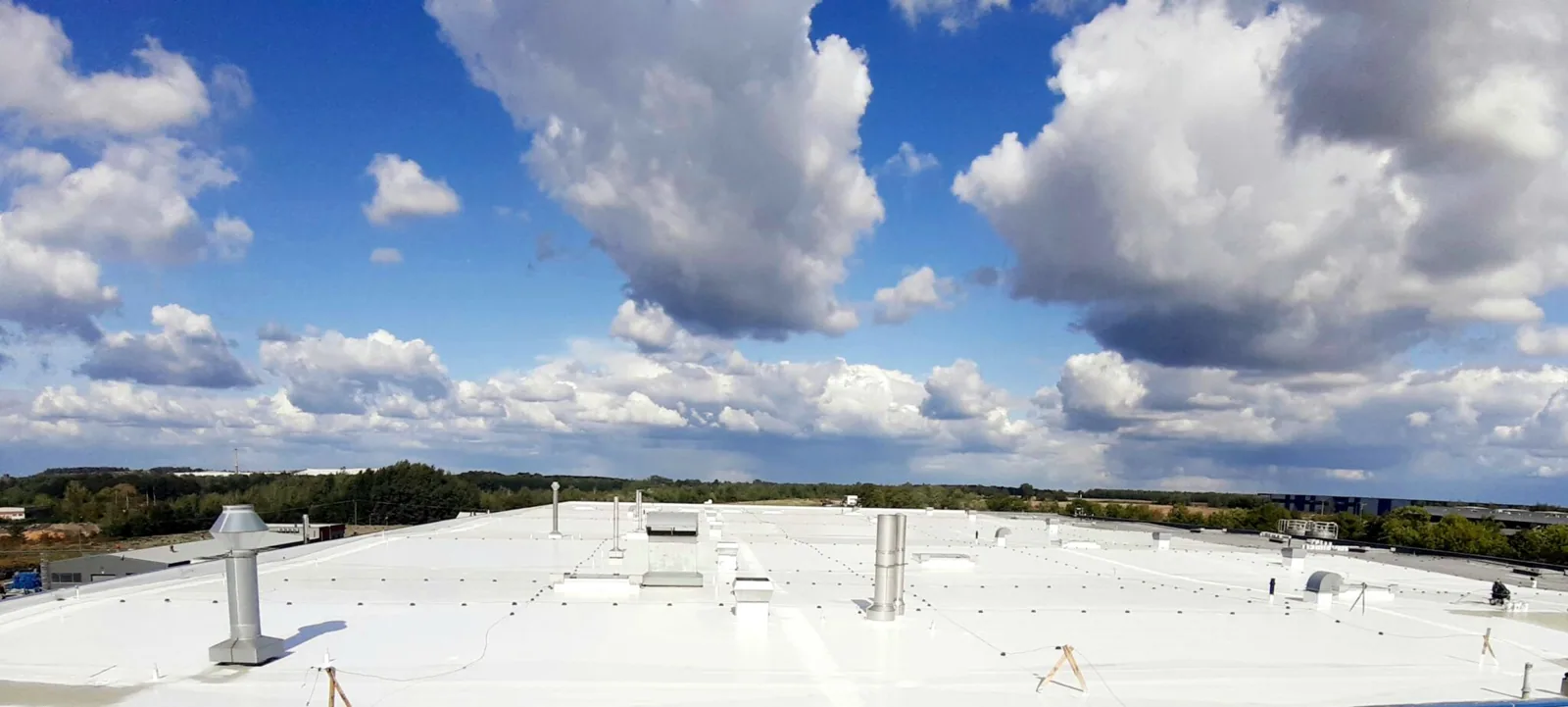
We start by walking the facility with the people who run it. They can point out shift changes, fire lanes, loading zones, public entrances, sensitive rooms, noise limits, and equipment that cannot be shut down without notice. We map where crews enter, where materials are staged, and which routes remain open. If tenants need advance notice, the project schedule gives the property team dates and areas to communicate, not only a target completion week.
Next, we divide the roof into work areas with a defined start, daily dry-in, and safe transition to the following zone. The sequence may move around rooftop units, skylights, drains, or mechanical service visits. We coordinate crane picks and temporary equipment shutdowns before materials arrive. Each area below the roof should have a point of contact who can receive notices if access or noise changes during the shift.
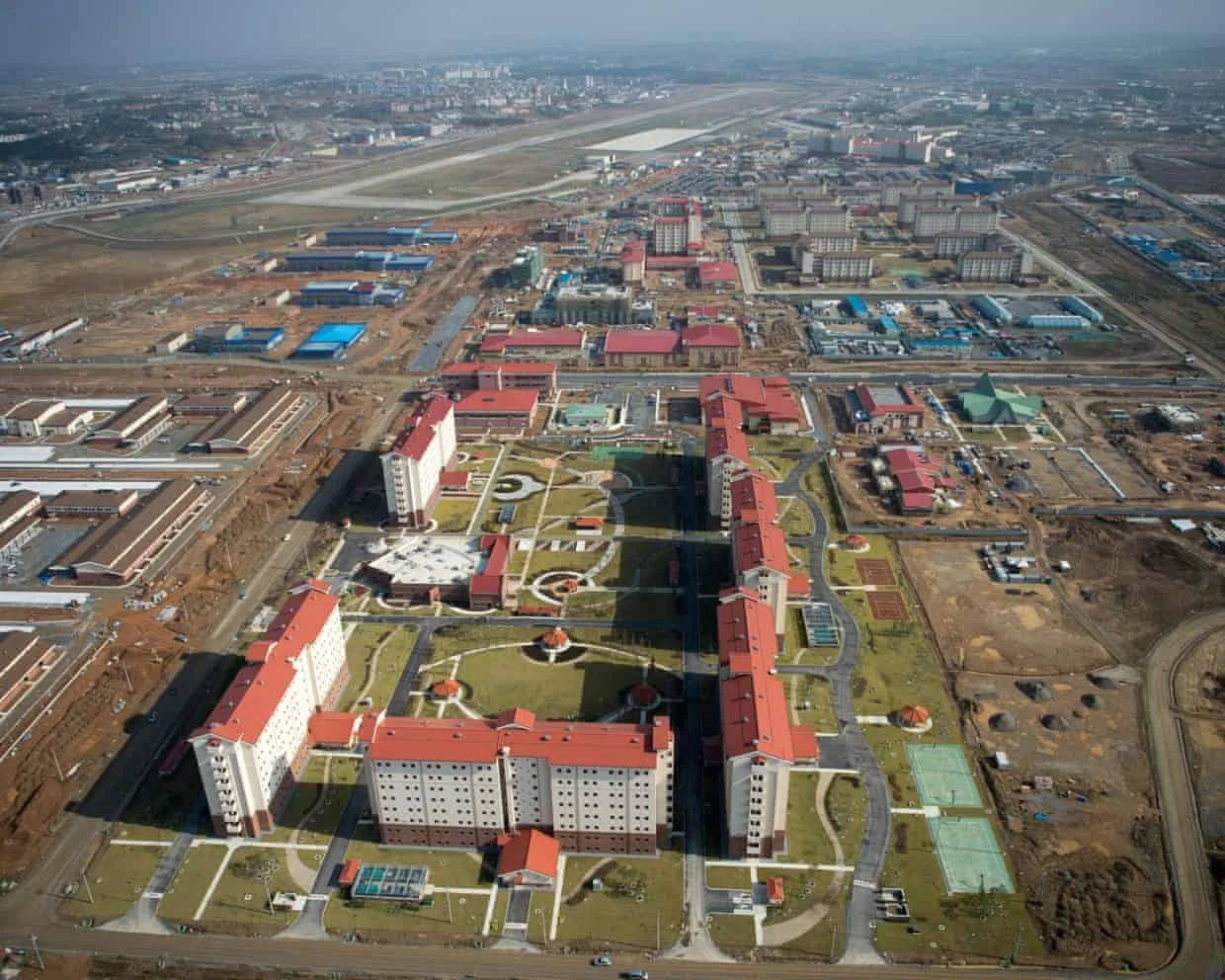
At Downtown and Civic Neighborhood, commercial uses share a connected center with transit and public spaces. In a different setting, Southshore Corporate Park includes manufacturing and distribution businesses on a broader industrial corridor. The specific building's rules govern the work. We plan pedestrian access, freight movement, tenant entrances, and restricted areas directly with the site team rather than copy one schedule from another property.
Which building impacts need a roofing response?
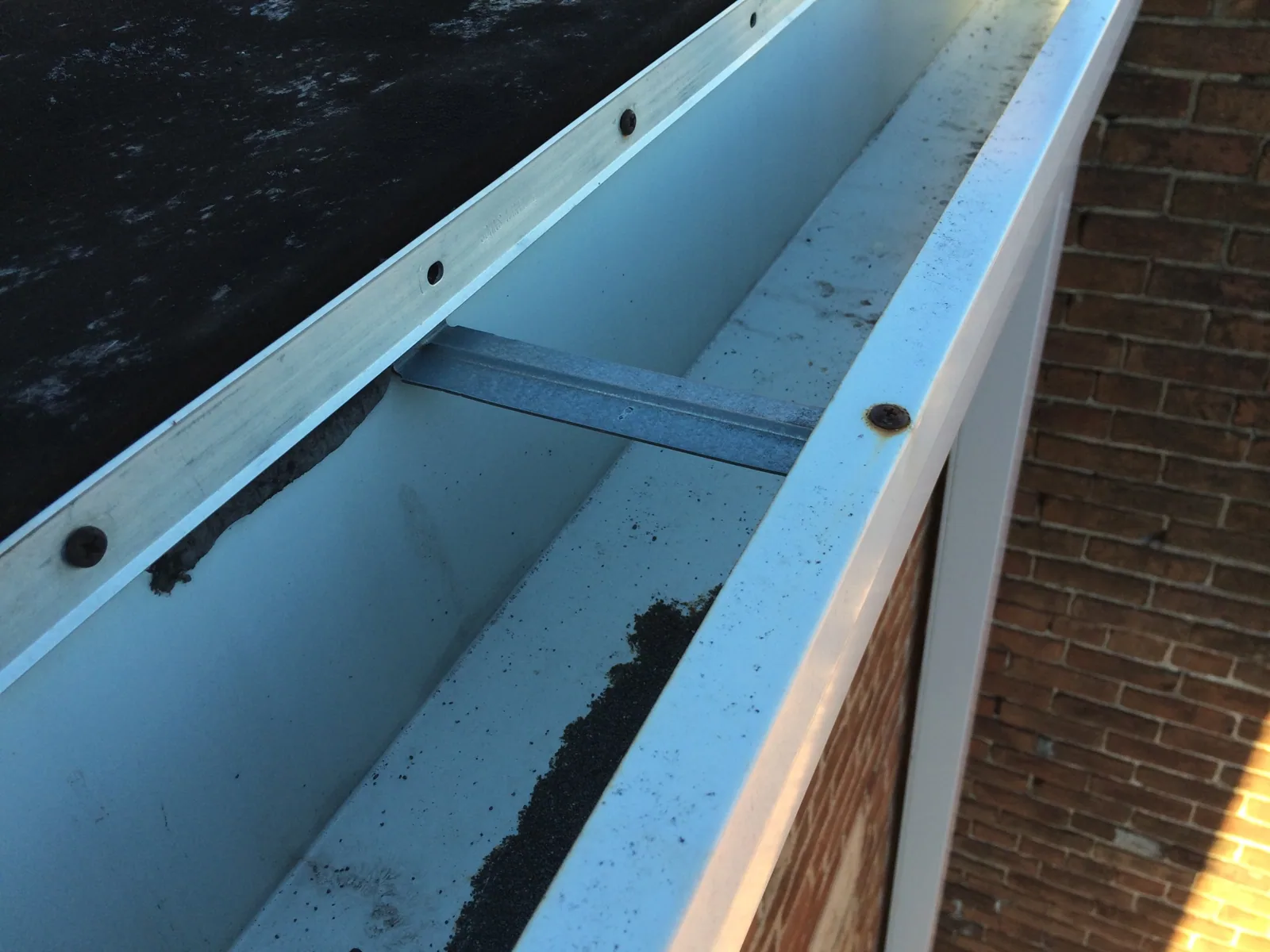
Noise and vibration can carry through a roof deck into occupied rooms. We identify disruptive tasks such as tear-off, fastening, cutting, crane work, and equipment movement, then coordinate the hours when those tasks can occur. If a tenant area needs to remain quiet, the schedule can place louder work outside its operating window where practical. The facility should also know when roof work may affect exhaust, outside air, or rooftop service access.
Dust and debris need controlled handling. We keep tear-off inside designated work zones, protect openings, and remove waste through an agreed route. If a sensitive operation is below the roof, the facility identifies intake locations and interior areas needing precautions. The roofing plan should include who can report a concern and how the crew pauses work if dust or odor reaches an occupied space.
Water protection is part of operations planning. We inspect drains before work, protect outlets from debris, and preserve drainage paths as the roof changes. Temporary covers and daily closeout keep rain from entering a work area. If a leak appears in an occupied room, the facility contact needs a direct line to the supervisor and a clear procedure for access. We track the location and response in the project record.
How does the regional work calendar affect tenants?
Gresham’s wetter season runs from fall through spring, making daily dry-in and rain protection important to a reroof schedule. We plan around the current forecast, product installation conditions, and the facility’s operating windows. A schedule that has no time for a weather delay can create avoidable disruption below.
Gresham's industrial lands support food and beverage processing, electronics, manufacturing, and logistics. In Southshore and near the I-84 freight corridor, deliveries, production shifts, and equipment routes may all matter to roof access. We agree on delivery hours and staging with each facility contact. If materials have to arrive outside normal receiving hours, that dependency appears in the schedule before mobilization.
Downtown, Civic Neighborhood, and Rockwood are Gresham’s principal commercial centers. Public-facing properties may have walkways, transit, nearby businesses, and customer access that must stay open. We coordinate barricades and lift placement so the crew protects people without blocking normal entrances. The site manager can share planned public events or tenant changes that could affect the work zone.
Can a reroof proceed without closing the building?
Many reroofs can be staged while a building stays open, but that depends on access, safety, weather, equipment, and the roof system. The work plan may require temporary shutdowns, restricted rooms, or controlled routes. We identify those requirements during the site walk and coordinate them with the facility. The site plan identifies any room or operation that needs a temporary restriction during a phase.
Removal to the deck can create more noise and debris than a recover, while either method may require cranes, deliveries, equipment access, and temporary protection. The roof condition and assembly determine which method is suitable. We explain the choices in a recover evaluation or replacement proposal and state how each affects occupied hours. The owner can compare roof risks with operational impact using the same site constraints.
For a portfolio with several occupied properties, multi-site roof planning can coordinate lease windows, shutdowns, and reporting across buildings. Each site still needs its own access map and work sequence. A shared schedule should not erase local restrictions or assume that tenants have identical hours.
What should the facility team review before mobilization?
Confirm the roof zones, construction hours, tenant notices, emergency routes, lift locations, equipment shutdowns, roof access authorization, and daily closeout procedure. Identify who can approve a schedule change and who receives a weather update. The scope should say how concealed deck or moisture conditions are documented and approved. It should also identify the person who will inspect the finished details before the crew demobilizes.
Keep a brief log of tenant concerns, access changes, interior protection, and any water issue during the project. At closeout, the roofing team provides photos, completed areas, and outstanding items. A condition report can preserve those notes for building operations and future budgeting. We can schedule a roof walk in Gresham with the facility director and translate the operating calendar into a practical work sequence.
Occupied-Building Reroofing FAQs
-
Will tenants need to leave during a commercial reroof?
Not always. We review the roof zones, noise, dust, equipment, and access requirements with the facility team. Some tasks may need a restricted area or brief shutdown, while other spaces can stay occupied. The schedule identifies those conditions before work reaches the affected area.
-
How do you protect a production line below the roof?
The facility identifies sensitive equipment, air intakes, operating hours, and any area that needs isolation. We plan work zones, control debris, coordinate shutdowns, and set a point of contact for changes. The protection plan is specific to the production process and roof scope.
-
What happens when rain interrupts the reroof?
Crews stop opening new areas and close the active work zone with the approved temporary protection. We update the facility about the revised sequence and inspect the closeout before leaving. The schedule includes a weather decision point so exposed areas are not left without a plan.
-
Can deliveries and normal access continue?
Often, with a mapped route and agreed staging window. We coordinate crane picks, waste removal, material drops, loading docks, fire lanes, and public entrances. If a route must close temporarily, the facility receives notice and an alternate path before the work begins.
Related Roofing Work
Commercial Roof Replacement
Learn More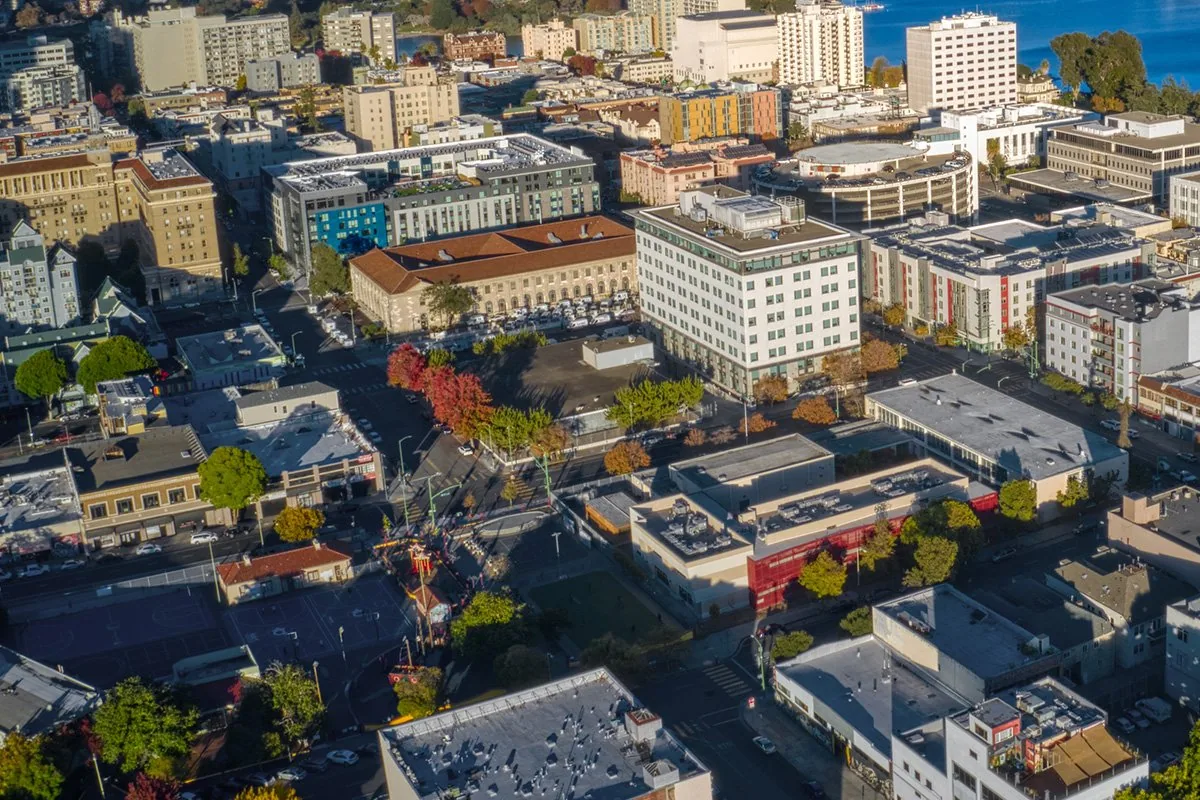
Downtown and Civic Neighborhood
Learn More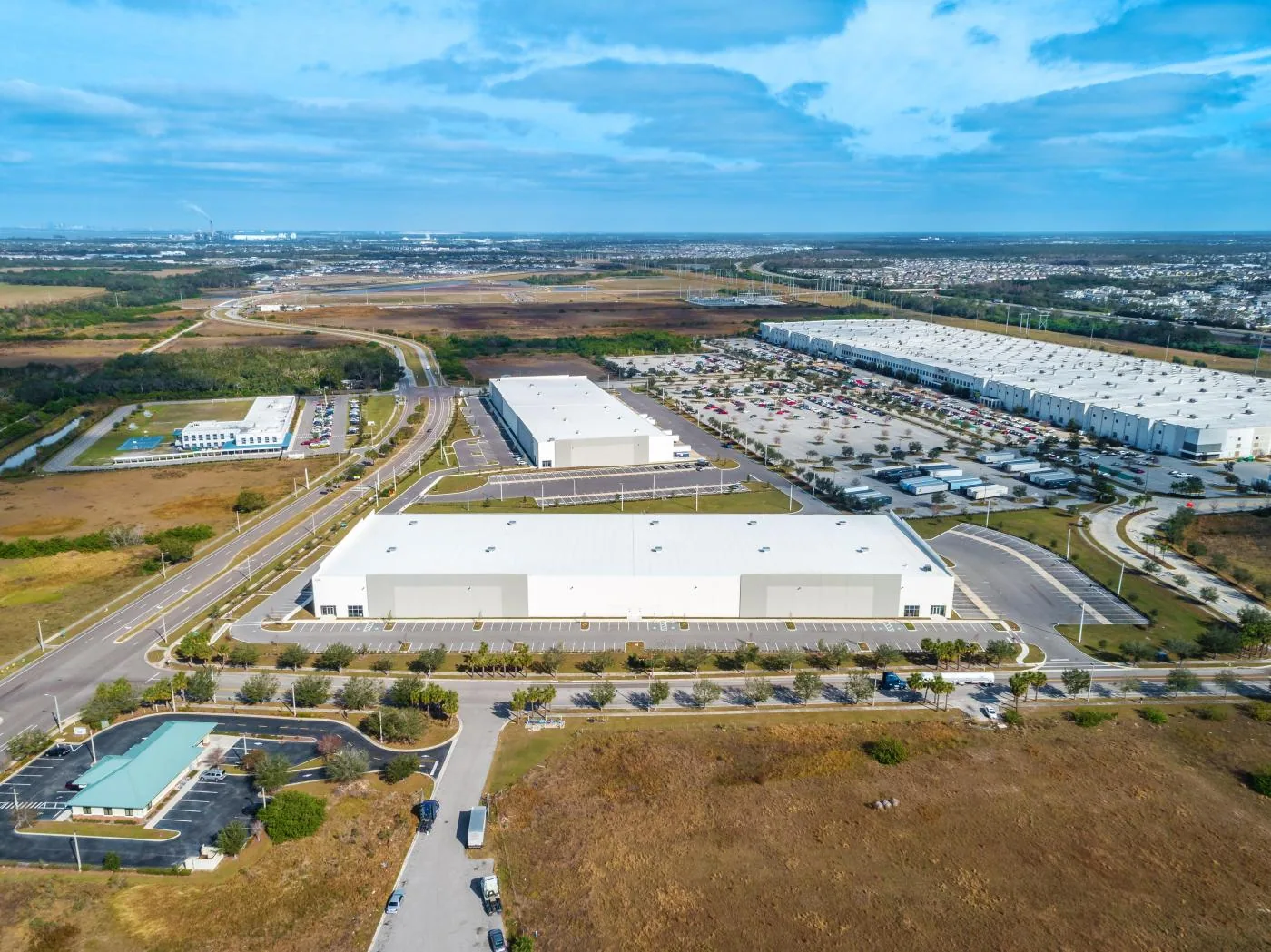
Southshore Corporate Park
Learn More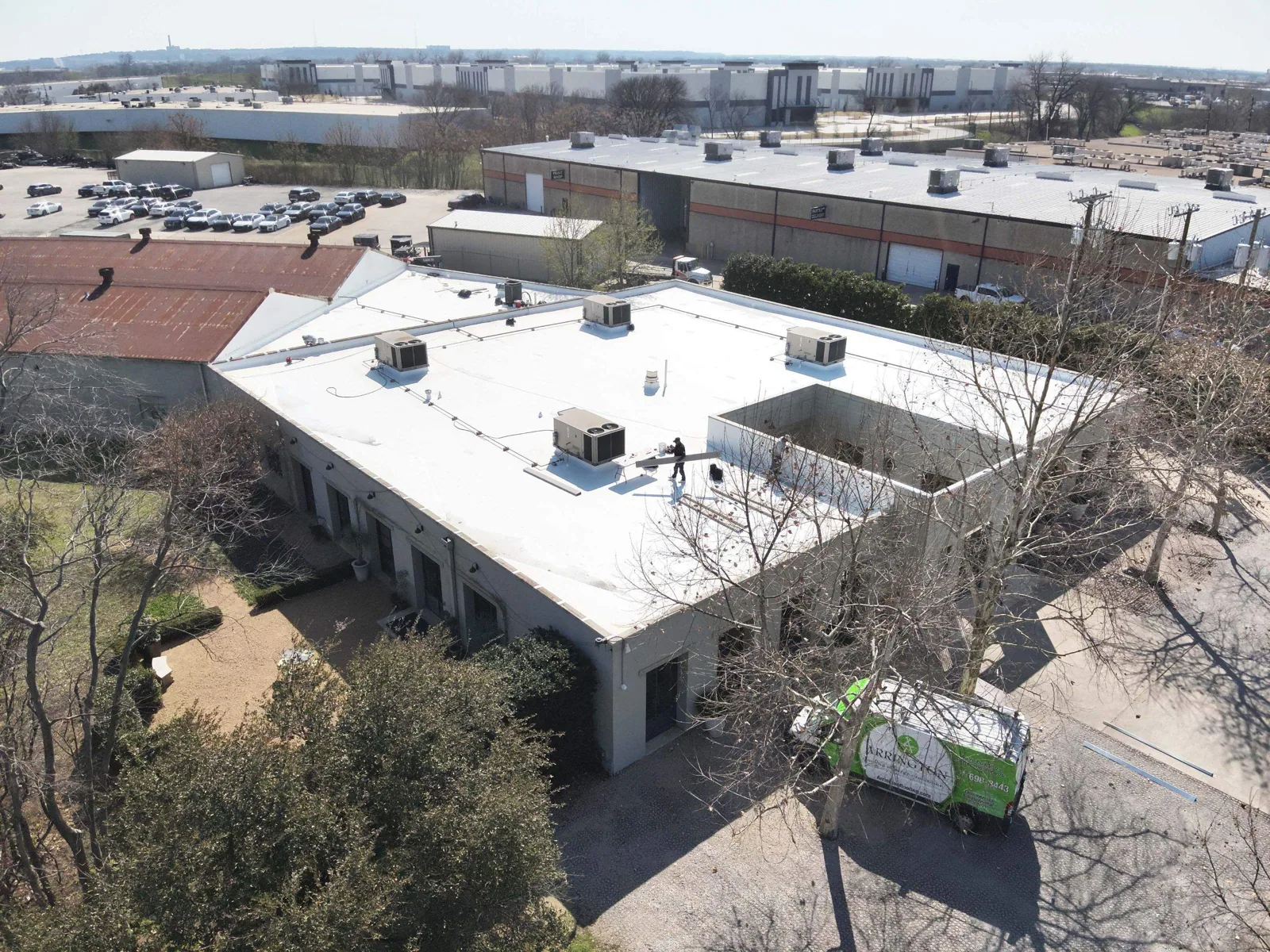
Commercial Roof Recover
Learn More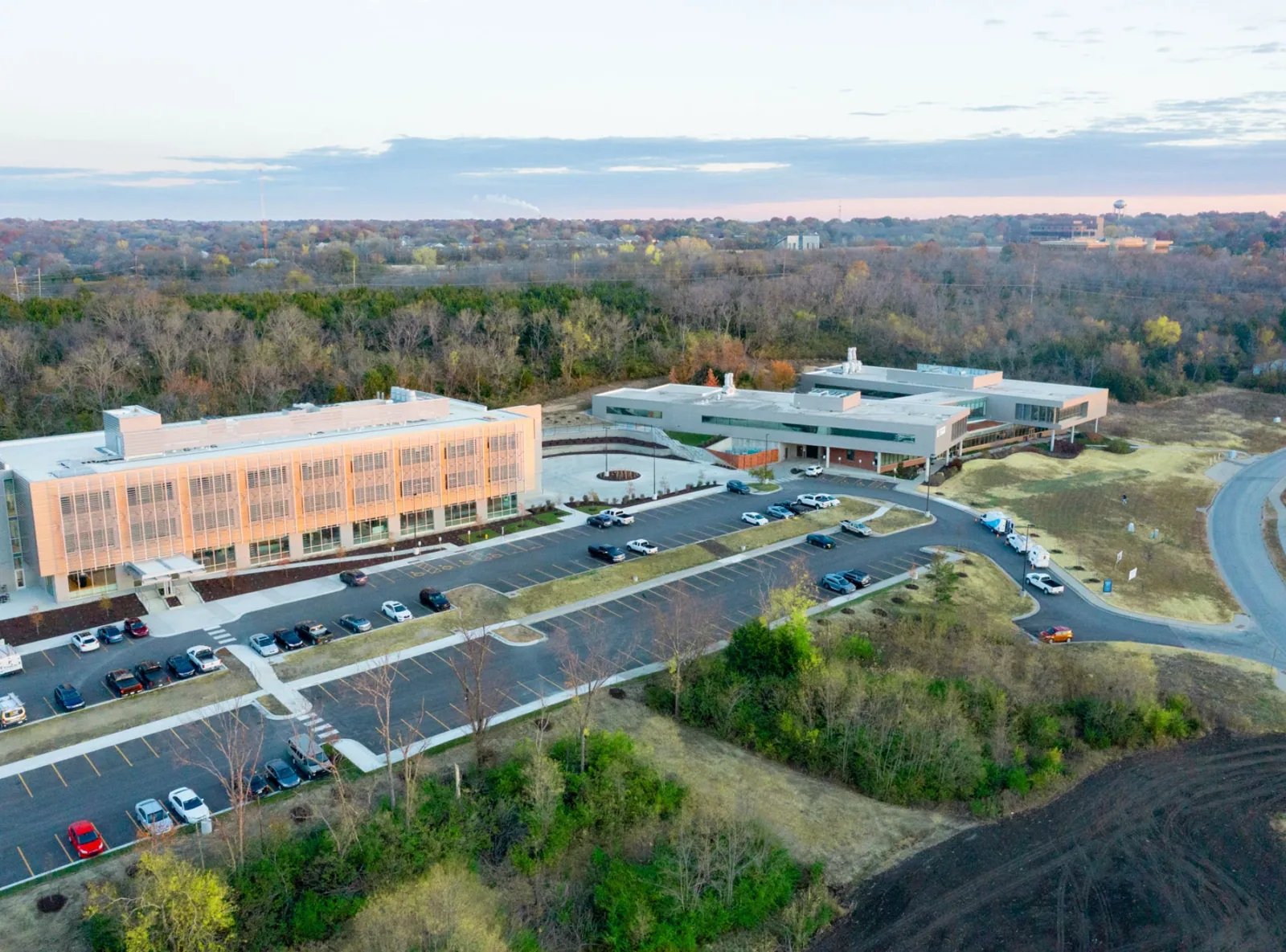
Multi-Site Commercial Roofing Programs
Learn More
Commercial Roof Condition Reports
Learn MorePlan an occupied-building reroof
Request a roof assessment in Gresham
We will map tenant and facility needs, define work zones, and coordinate roof access around your Gresham operating schedule. Tell us about the building, the roof and what you are seeing. Call 555-555-5555, email [email protected] or send the details through our contact page and we will set up a time to walk the roof.