Commercial Roofing in NE Wilkes Road Industrial Cluster, Gresham, OR
Schedule an NE Wilkes roof walk
- Home
- Service Areas
- NE Wilkes Road Industrial Cluster
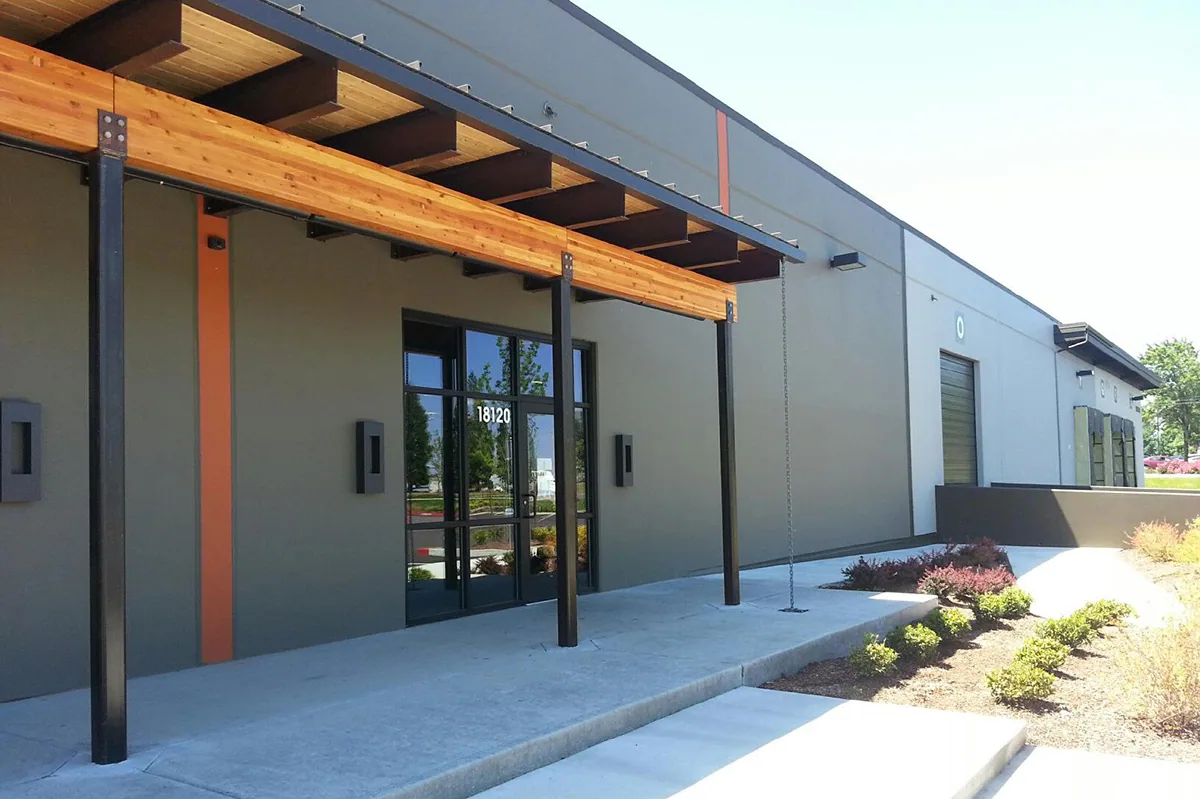
Gresham’s NE Wilkes industrial area is predominantly developed with light-industrial, heavy-industrial, and business-park properties. NE Wilkes Road and NE San Rafael Street connect the area to NE 181st Avenue and I-84. Roof work in this cluster starts with the individual site: its assembly, equipment, access, and active operations. We inspect seams, drains, curbs, wall transitions, and edges, then map the work area with the facility contact. Road connections help frame material delivery, but they do not establish a route into a specific property. A site in the I-84 and 181st industrial cluster may share freight context while requiring its own access and roof plan.
Confirm site access before delivery
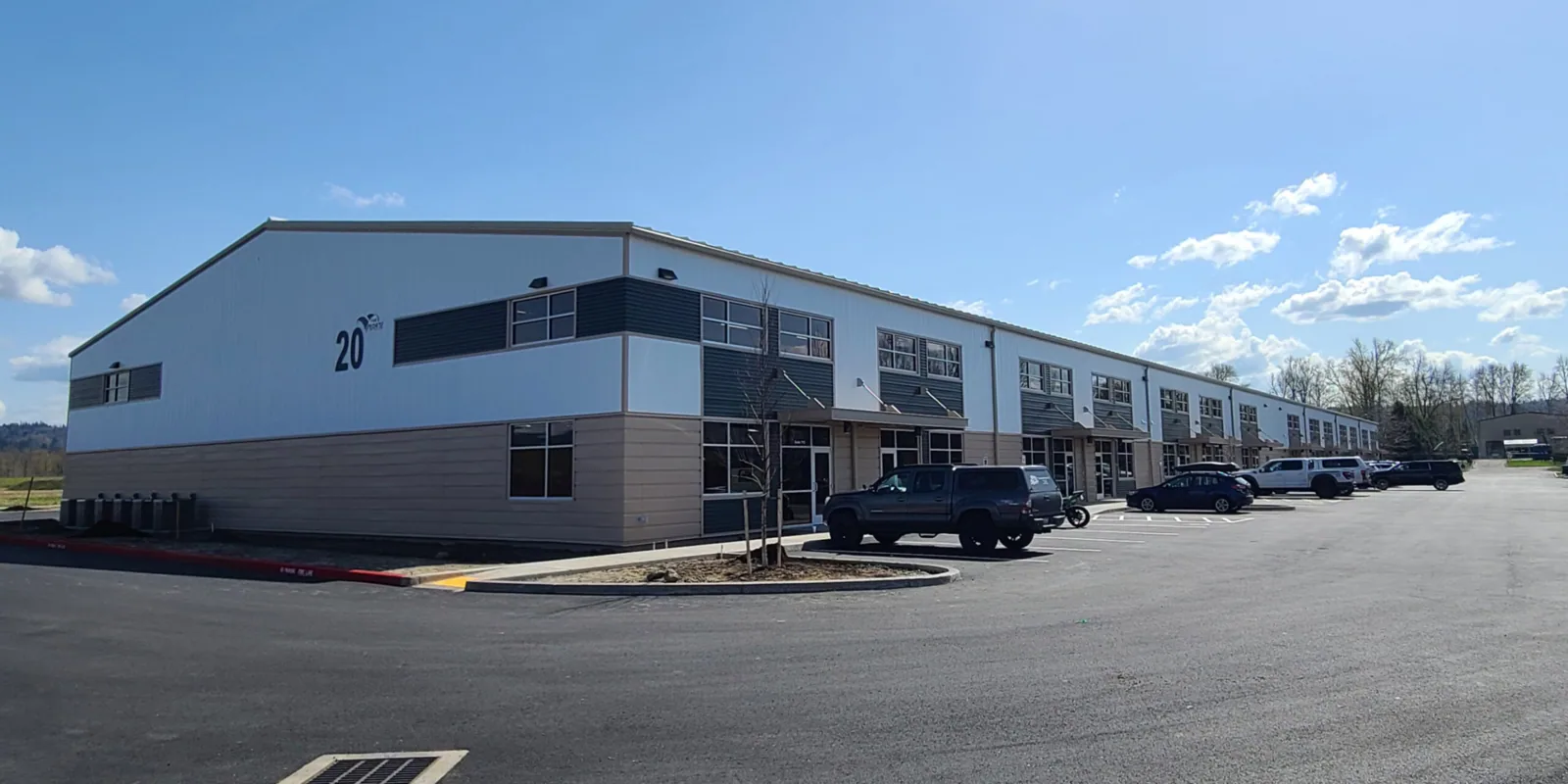
Before mobilization, we confirm who can authorize access, where materials can be received, and which lanes must remain clear. The plan area's utility service and industrial parcel mix do not tell us how a particular facility manages deliveries or roof entry. A site lead identifies any escort process, restricted area, production window, and emergency route. We use those instructions to place the work zone and schedule the crew.
On the roof, we mark a route around skylights, fragile surfaces, active equipment, and locations where another trade needs access. If removal exposes insulation or deck, the work sequence includes temporary protection and a daily stop point. The facility contact tells us which exhausts, intakes, or operating systems cannot be interrupted. We record who receives the end-of-shift handoff and who can authorize a change if conditions differ from the survey.
NE Wilkes and NE San Rafael provide area connections to the broader network. They do not determine staging permission at an individual lot. For a property that also operates near Gresham's Northerly Industrial Area, we confirm that property's delivery hours and roof route independently. A map line is not a substitute for current site approval.
Trace the roof assembly by zone
We document the roof system where records or visible materials allow, then inspect the field and the interruptions around it. Drains, scuppers, parapets, equipment curbs, skylights, pipes, expansion joints, and perimeter edges receive separate attention. A defect near a drain can relate to blockage, seam condition, or a flashing transition. We photograph each observation with a map reference rather than describing an entire roof with one broad label.
When water appears inside, we ask for the location, timing, and any recent equipment work. Water can travel across a deck or insulation before it reaches a ceiling. We compare the report with roof details above and nearby, then state which conditions are confirmed. If moisture or attachment remains hidden, a test opening may clarify the assembly. We identify the purpose and closure method; the owner approves invasive testing before work begins.
Rain is most frequent from fall through spring around Gresham, making drain condition and daily dry-in practical planning items. We inspect outlets and low areas on site, then use the current forecast to determine how much material can be exposed during a work shift.
A commercial roof inspection can establish accessible conditions. For a reported leak, a leak investigation connects the interior symptom to roof observations and repair limits.
Choose a repair or renewal path from evidence
A puncture, failed flashing, or open seam may be isolated if surrounding material remains attached and serviceable. We confirm the membrane and use a compatible repair detail. The scope names the affected roof zone and the work limit. Nearby concerns stay in the report so a local correction is not presented as an answer for another area.
Repeated leaks or widespread deterioration can call for a broader assembly review. Before a recover, we check wet insulation, attachment, surface compatibility, drainage, and the added height at perimeters and curbs. A coating cannot dry concealed layers or repair an unstable substrate. If those conditions rule out retaining the existing roof, removal and replacement may be worth comparing.
Repair planning addresses confirmed local defects. A restoration assessment checks whether the surface and assembly can accept that system. Replacement planning compares tear-off, insulation, disposal, and phasing around facility operations. Cost and schedule depend on measured roof area, existing layers, detail count, access, material staging, and protection below. If removal reveals concealed damage, we document the finding and review the scope change with the owner before extending work.
Check drainage, flashing, and roof traffic
Water needs a continuous route from the roof field to its outlet. We inspect drain bowls, strainers, scuppers, overflow paths, and low points, then look at the surrounding membrane for openings or staining. Standing water may result from debris, surface deformation, or a drainage condition that needs broader review. We describe what the inspection shows and avoid assigning a structural cause without supporting evidence.
At equipment curbs and wall transitions, we check that membrane and flashing remain connected. Service paths can wear a surface, and new pipe supports or equipment can introduce penetrations. The facility contact can identify recent maintenance or construction so we can compare its location with what we see. If the system's identity is uncertain, we record the verification needed before choosing a repair material.
Our roof survey remains focused on drains, slope, flashings, and current leak evidence. A nearby Glisan and Stark employment corridor has different listed businesses and access routes; we do not assume a shared roof design across the districts.
Keep site and repair history together
The closeout should identify the inspection date, roof zones reached, system details where confirmed, photos, work performed, and open questions. Mark any area that was inaccessible. If removal uncovered a different layer or wet insulation, record what was found and how the owner authorized the next step. Separate product data and approved details from the contractor's observations so the file remains clear to the next facility team.
Industrial owners may have several people responsible for facilities, safety, and project approvals. Assign one person to receive the roof map and maintain the service log. Our roof condition report can organize photos and follow-up items by zone. A planned maintenance visit can inspect drains, seams, flashing, edge metal, and equipment routes after repairs or before the wet season.
Update the record after a new curb, equipment move, or service route change. That history helps the next crew distinguish a new issue from an older patch. A separate building map and contact sheet for each location also keeps NE Wilkes findings from being mistaken for conditions at another industrial property.
NE Wilkes Road Industrial Cluster FAQs
-
Which businesses are included in the NE Wilkes industrial cluster?
The area includes light-industrial, heavy-industrial, and business-park properties. We verify use, roof assembly, and operating constraints at each building.
-
Can roof work be scheduled around industrial operations?
We coordinate the delivery window, roof access, work zone, and any shutdown with the facility contact. Each site sets its own restrictions and handoff process.
-
Does the area's utility capacity tell you how the roof drains?
No. Utility infrastructure and roof drainage are separate questions. We inspect the roof's actual outlets, slope, low points, and flashing before recommending corrective work.
-
How do you handle a leak with no visible opening?
We compare the interior report with likely roof paths and document what is visible. If concealed moisture or attachment could change the scope, we describe testing for the owner's approval.
-
What affects roof replacement timing at an industrial property?
Layer count, access, material staging, removal depth, operating windows, weather, and protection below all shape the sequence. We review those conditions before mobilization.
Related Roofing Work
I-84 and NE 181st Industrial Cluster
Learn More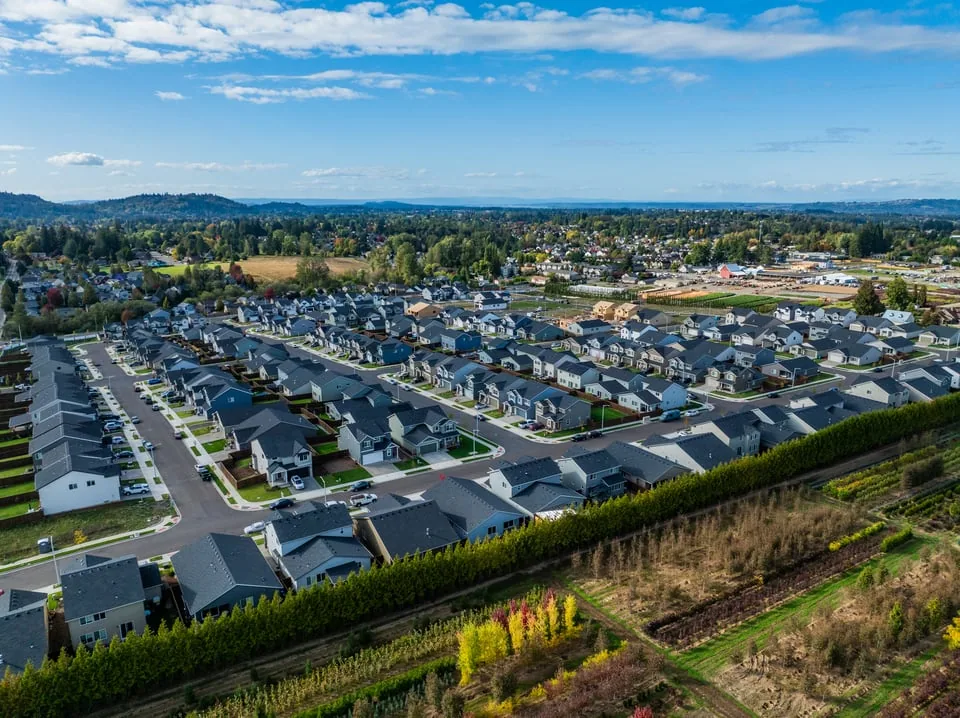
Gresham Northerly Industrial Area
Learn More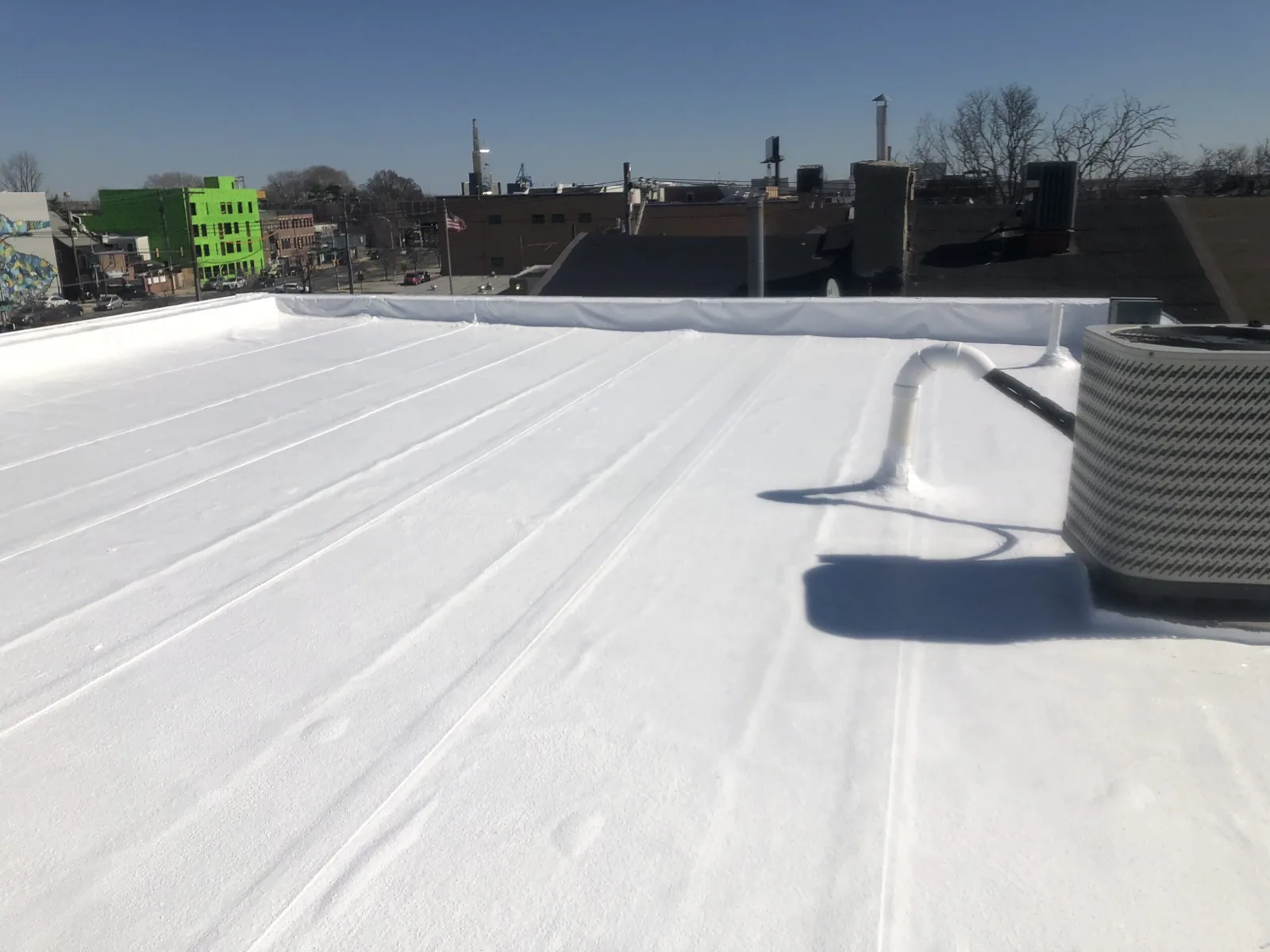
Commercial Roof Inspection
Learn More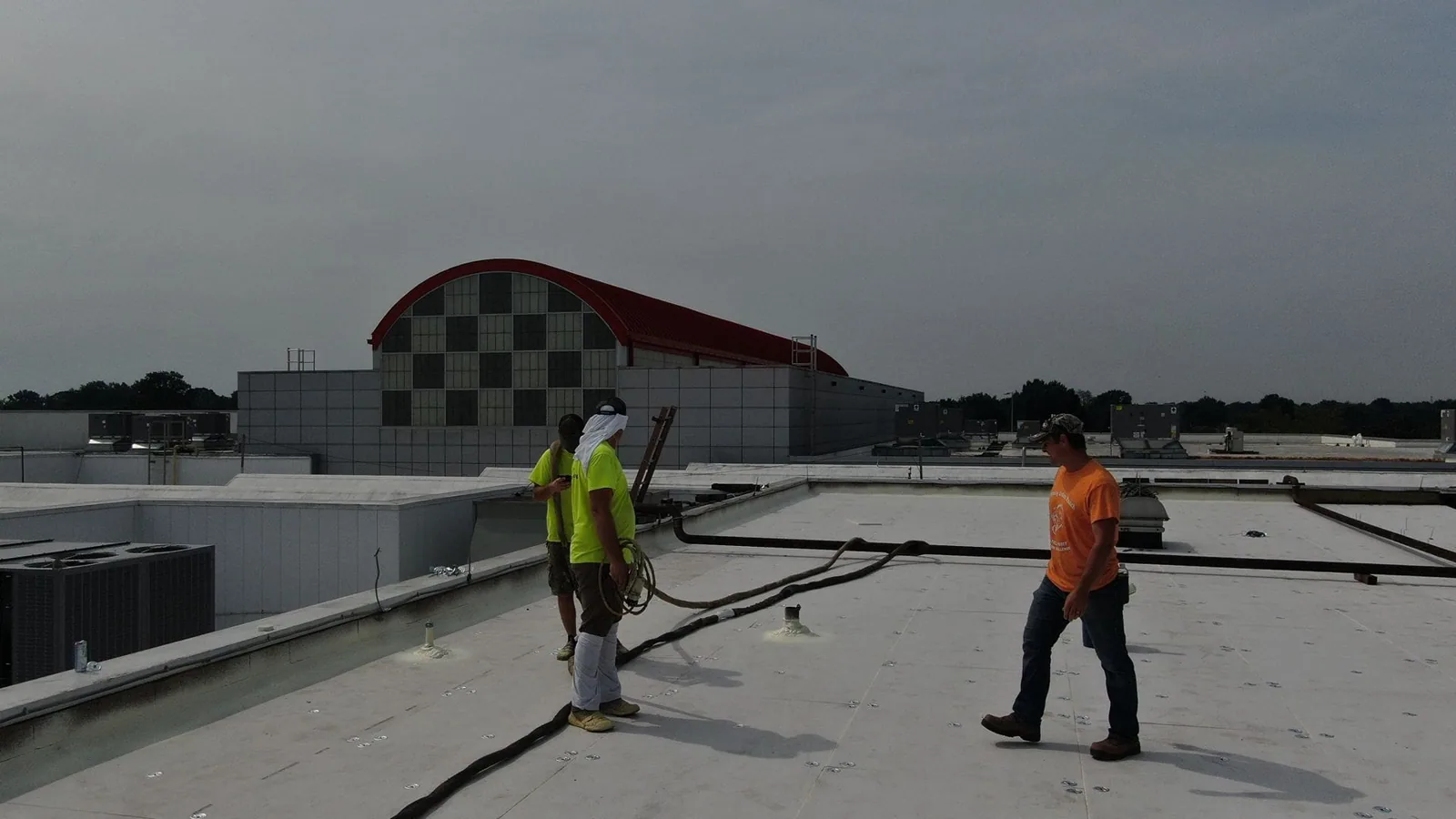
Commercial Roof Leak Repair
Learn More
Commercial Roof Repair
Learn More
Commercial Roof Coating
Learn MoreSchedule an NE Wilkes roof walk
Request a roof assessment in Gresham
We will inspect the roof, confirm access and operating limits, and prepare a documented scope for repair or replacement. Tell us about the building, the roof and what you are seeing. Call 555-555-5555, email [email protected] or send the details through our contact page and we will set up a time to walk the roof.