Commercial Roofing in Sandy Boulevard East County Corridor, Gresham, OR
Plan a corridor roof assessment
- Home
- Service Areas
- Sandy Boulevard East County Corridor
Sandy Boulevard runs parallel to I-84 and serves industrial and employment lands across Gresham, Fairview, Wood Village, and Troutdale. Metro describes it as an important east-county freight route, with connections near the 181st, 207th, and 238th Avenue interchanges. Commercial roofing along this corridor needs a site-specific plan for deliveries, roof access, and operations below. We inspect the membrane, drainage, penetrations, and perimeter details, then confirm building use and staging limits with the property contact before work begins. For a property in Fairview or Wood Village, the facility contact supplies the access rules before we schedule a repair or reroof.
Keep deliveries and roof access coordinated
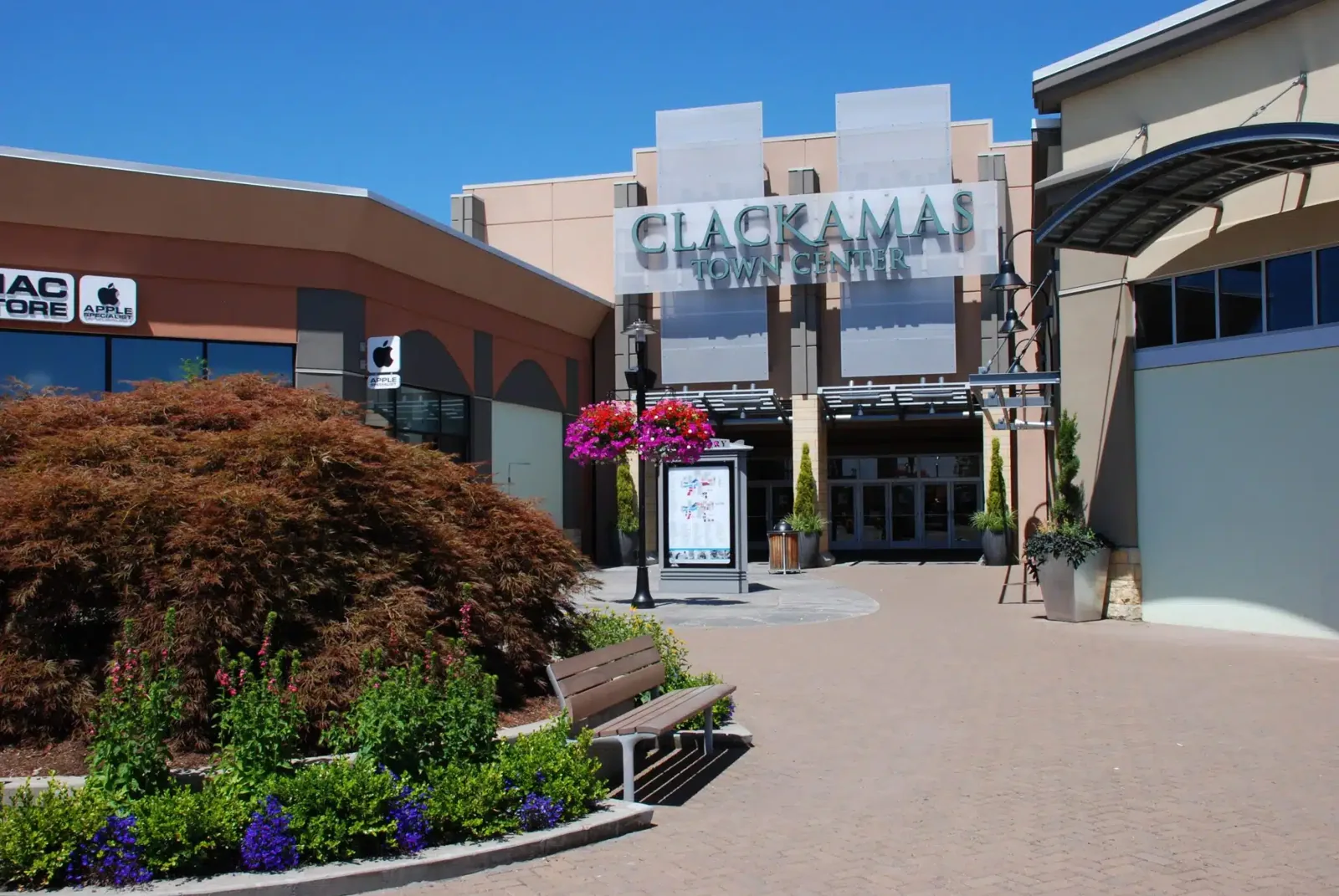
Freight movement is a corridor-wide consideration, not a building-level schedule. We confirm receiving hours, delivery paths, and lift placement directly with each property. A truck route that serves the area may still be restricted at a specific lot. Before mobilization, the building contact identifies access credentials, traffic controls, loading windows, and any emergency route that must remain open.
On the roof, we mark a work zone that keeps crew movement away from fragile areas and active equipment. If a roof opening exposes insulation or deck, the sequence includes a protected closure before the end of the shift. We also review nearby air intakes, exhaust outlets, and tenant areas when removal, welding, or adhesive work is planned. These controls depend on the actual building and system, not on the street corridor alone.
The corridor connects with transit at the Gresham Regional Center and Airport MAX. We ask the site contact how employees, visitors, and deliveries enter the property and whether a temporary route change needs notice. If a neighboring project affects staging, the facility lead can update the work plan before material delivery.
Find the roof source behind a reported leak
Interior water can travel away from the roof opening before becoming visible. We record the room, timing, weather, and any recent roof or equipment work, then inspect the related roof zone. Drains, scuppers, seams, curb corners, penetrations, wall transitions, and edge metal all can shape the path. Photos should include enough surrounding context for a later visit to identify the same location.
We note whether the defect is active, has been patched before, or needs further testing. If water may be trapped below a membrane or cover layer, surface inspection alone may not settle the question. A test opening can reveal the assembly and moisture condition, but the owner authorizes the location and closing method. If infrared surveying is useful, we define what the scan can help locate and what follow-up would still be needed.
Gresham’s wet season is concentrated from fall through spring. That makes practical checks essential: clear outlets, protect opened areas, and avoid leaving a roof zone exposed at shift end.
A commercial roof inspection records the accessible assembly and visible defects. For active water entry, a leak repair assessment links interior evidence to roof observations and repair limits.
Use the survey to separate repair from renewal
A local puncture or failed flashing can be repaired if the surrounding material remains attached and the tie-in is compatible. We identify the exact system where possible, prepare the surface, and define the repair boundary. A repair scope should say which detail is corrected and which nearby conditions remain outside the work.
If similar defects show up in several zones, we examine the assembly for wet insulation, poor attachment, seam separation, or recurring drainage issues. A recover requires a suitable existing surface and a check of added height at drains, curbs, parapets, and edges. Coatings have substrate and preparation requirements; they do not resolve moisture trapped beneath the roof. When those conditions do not support renewal over the existing system, removal may be the more appropriate comparison.
Repair planning can address documented local failures. A restoration review tests whether the surface and assembly can support that scope. Replacement planning compares removal, insulation, disposal, and phased access. Cost and schedule follow measurable quantities, roof layers, detail count, traffic control, material staging, and protection below. Concealed conditions are recorded if they change the expected work.
Check where water leaves the roof
Drainage inspection follows water from the field to the outlet. We check drain bowls, strainers, overflow routes, scuppers, and low areas for debris or signs of standing water. A clear outlet today does not establish the roof's design capacity. We document what is visible and recommend further evaluation if ponding persists after routine maintenance.
Parapet corners, expansion joints, penetrations, and roof edges interrupt the field membrane. We inspect the flashing and adjacent surface for splits, loose attachment, movement, or incompatible patches. Rooftop equipment can also change access routes or concentrate foot traffic. The facility contact helps identify recent work by other trades so the roof record reflects known changes without guessing about concealed details.
The east-county corridor includes businesses connected to both I-84 and transit. Work above a building still requires controls for people and operations below. We can phase roof zones, but an acceptable phase must leave drainage functioning and provide a stable closeout. If an owner is comparing a corridor property with a site in Troutdale Reynolds Industrial Park, each inspection should use the same clear terms for access, repairs, and unresolved questions.
Make the roof record usable across locations
A property file should show the roof map, inspection date, system where identified, defect locations, photos, repair scope, and work limits. Mark the areas that were not reached. If a test opening exposes a different assembly or wet layer, note what was observed and how the opening was closed. Keep product details and contractor observations distinguishable so a future team can see which records describe specifications and which describe field conditions.
Owners with multiple locations along Sandy Boulevard can compare roof work more easily when building files share report fields. The systems, use, and access requirements may still vary. Our roof condition report can sort observations by roof zone and identify follow-up items. A maintenance visit can revisit outlets, seams, flashing, and edge details after repairs or before the next wet season.
Update the file when equipment changes, a new penetration is added, or another trade alters the roof. For facilities in Southshore Corporate Park or Gresham's Northerly Industrial Area, the same corridor coordination habits apply, but each property needs a separate access contact and condition history.
Sandy Boulevard East County Corridor FAQs
-
Does a Sandy Boulevard corridor page describe one industrial park?
No. The corridor serves multiple cities and employment areas, including Gresham, Fairview, Wood Village, and Troutdale. We confirm the specific property, roof system, and access rules before preparing a scope.
-
Can roof work proceed while freight operations continue?
We coordinate the work area, delivery windows, staging, and any lift placement with the facility contact. The sequence must protect the roof and keep approved routes available below.
-
What is the first step after a commercial leak?
Record the room, time, and any recent work above it, then arrange a roof inspection. We compare the interior report with drains, seams, curbs, and transitions and identify what is confirmed.
-
How do you decide between repair and replacement?
We inspect the extent of failure, moisture, attachment, and surrounding material. The report compares localized repair with broader options when the roof condition supports more than one path.
-
Will traffic affect a reroof schedule?
It can affect delivery and staging, so we confirm the current route and timing with the property. Metro's corridor description does not replace site-specific access approval.
Related Roofing Work
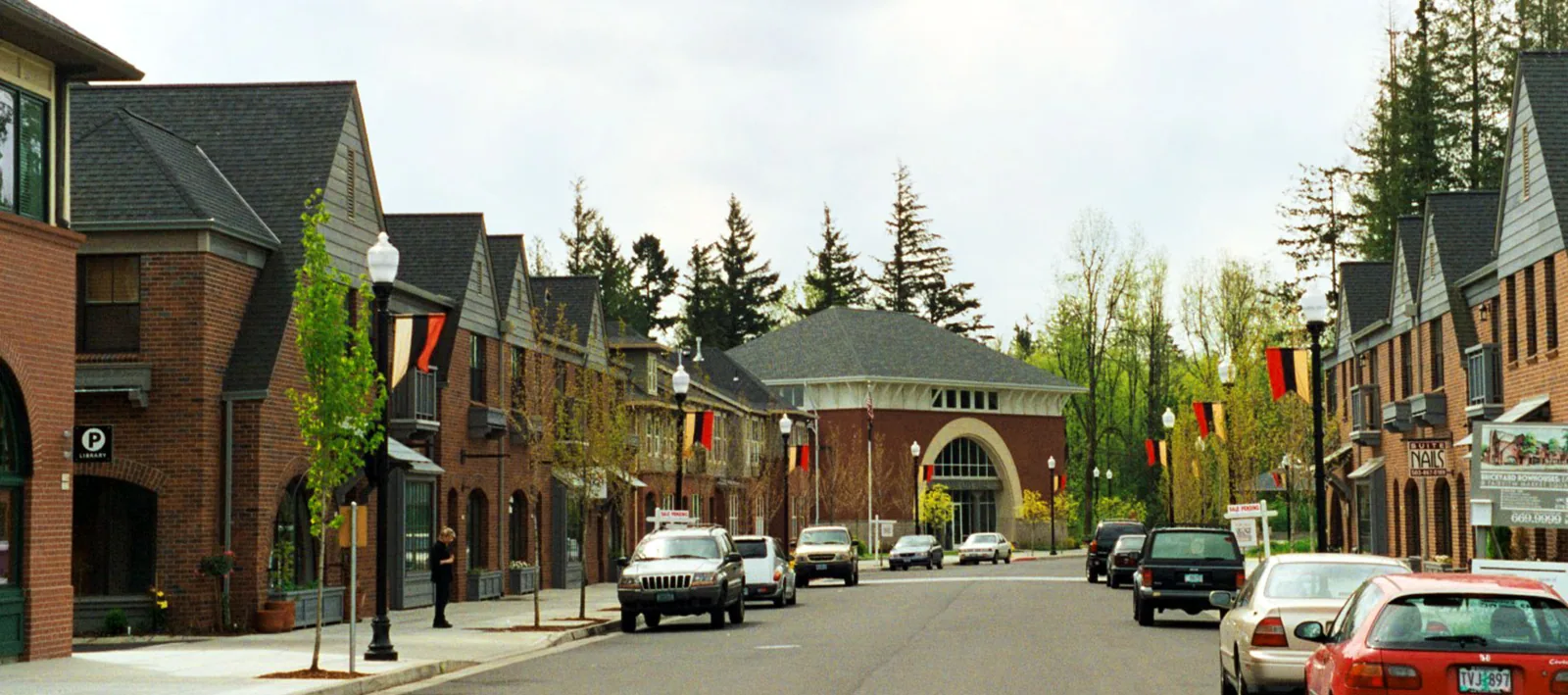
Fairview
Learn More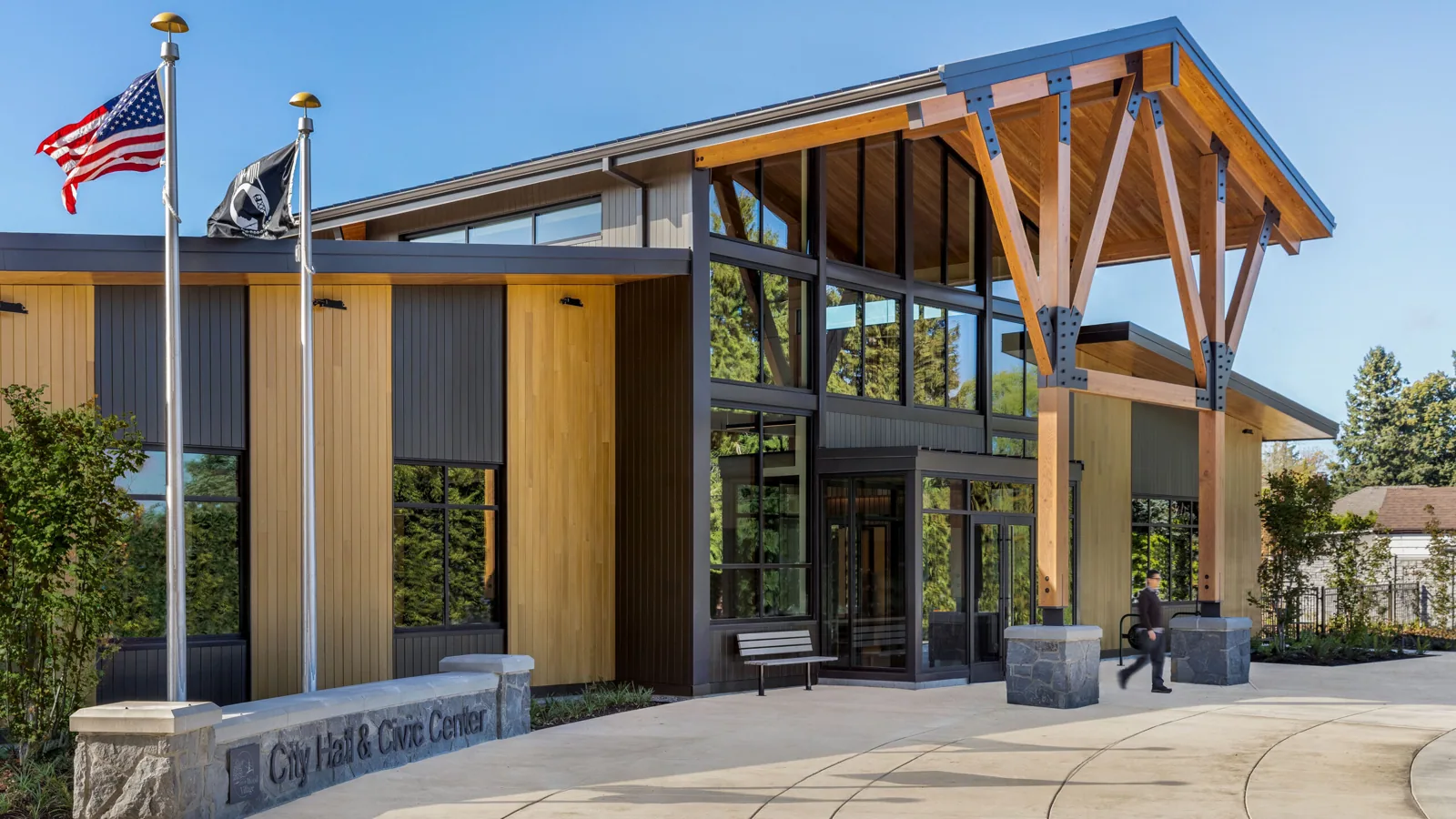
Wood Village
Learn More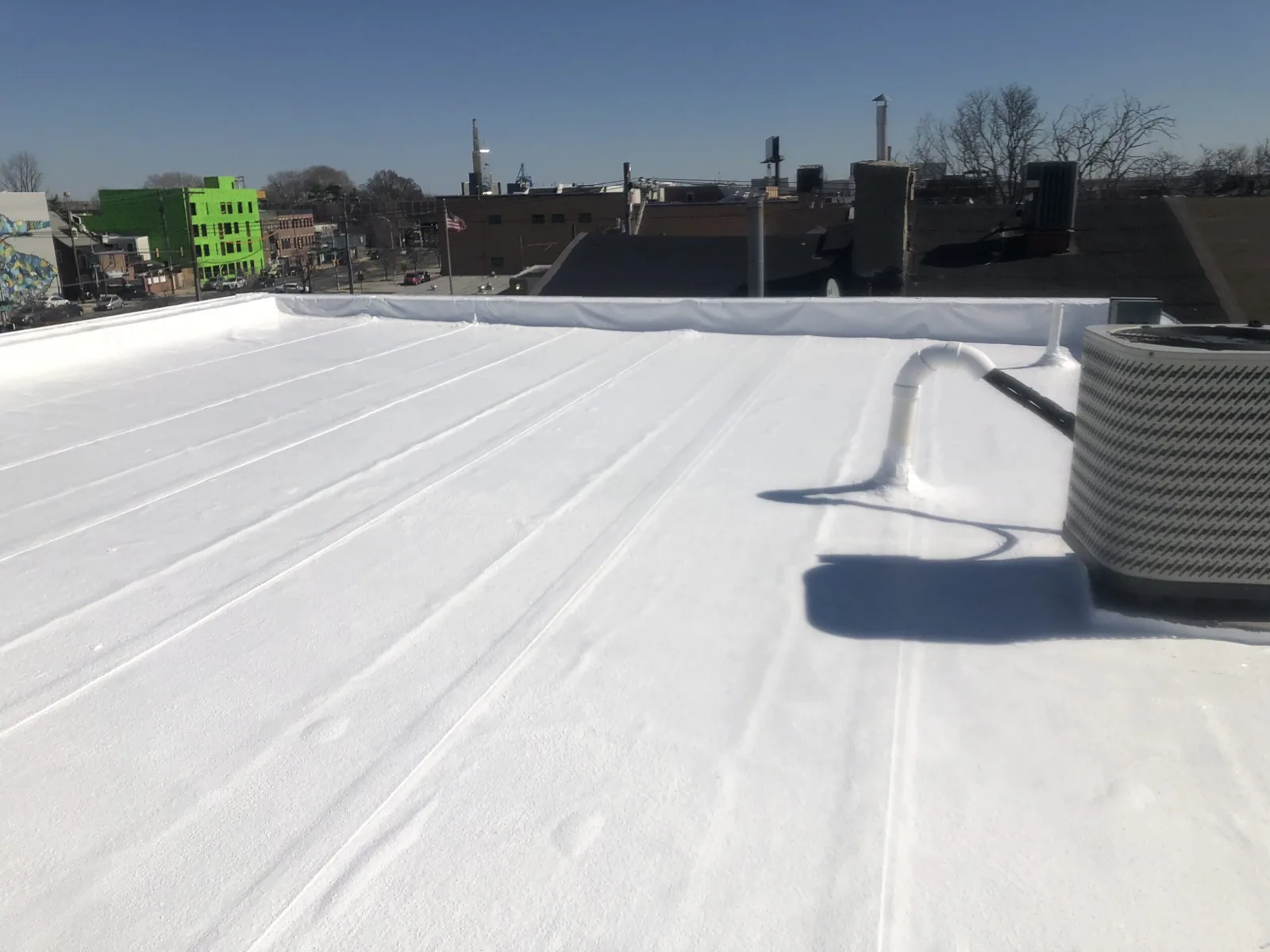
Commercial Roof Inspection
Learn More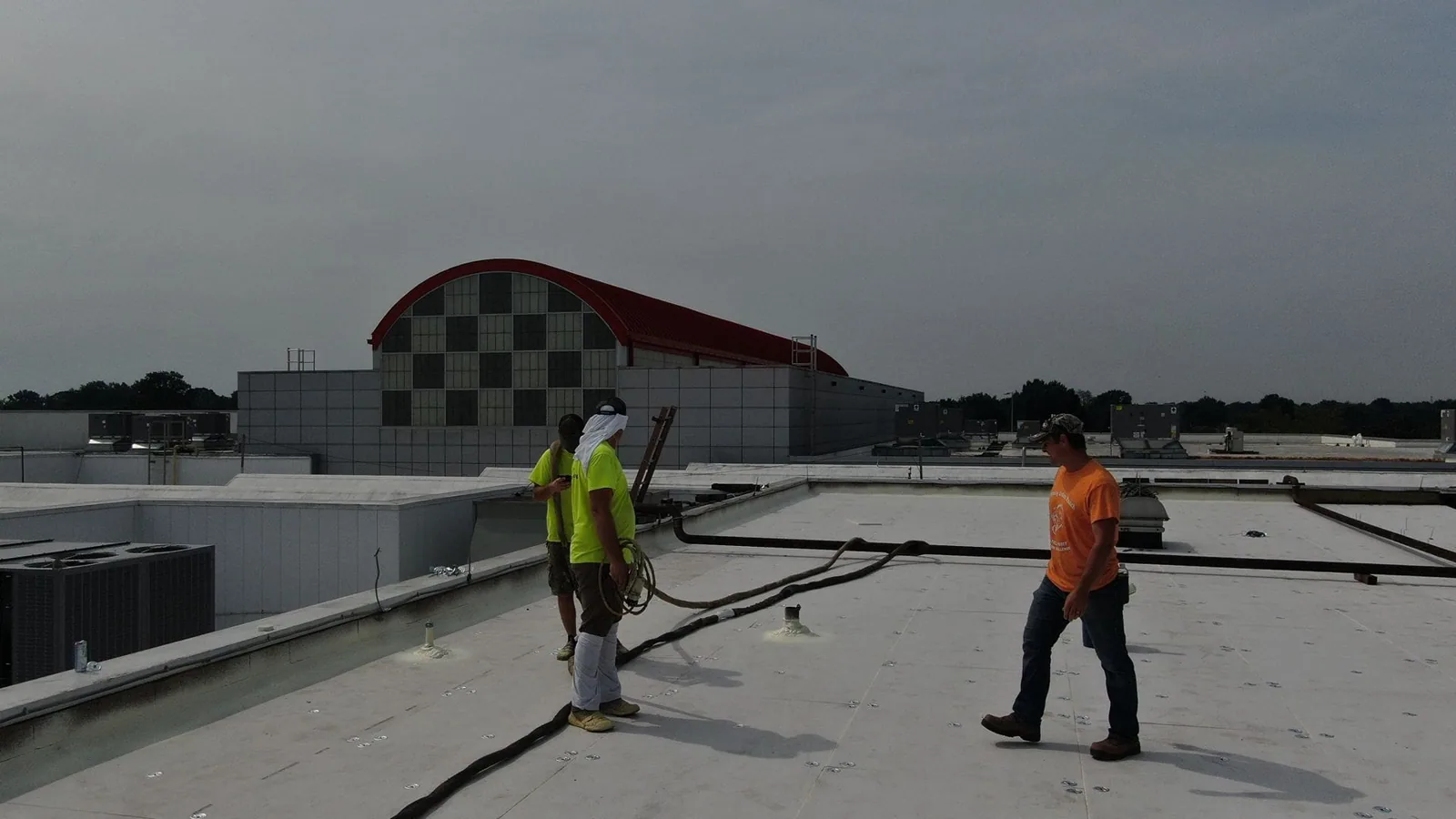
Commercial Roof Leak Repair
Learn More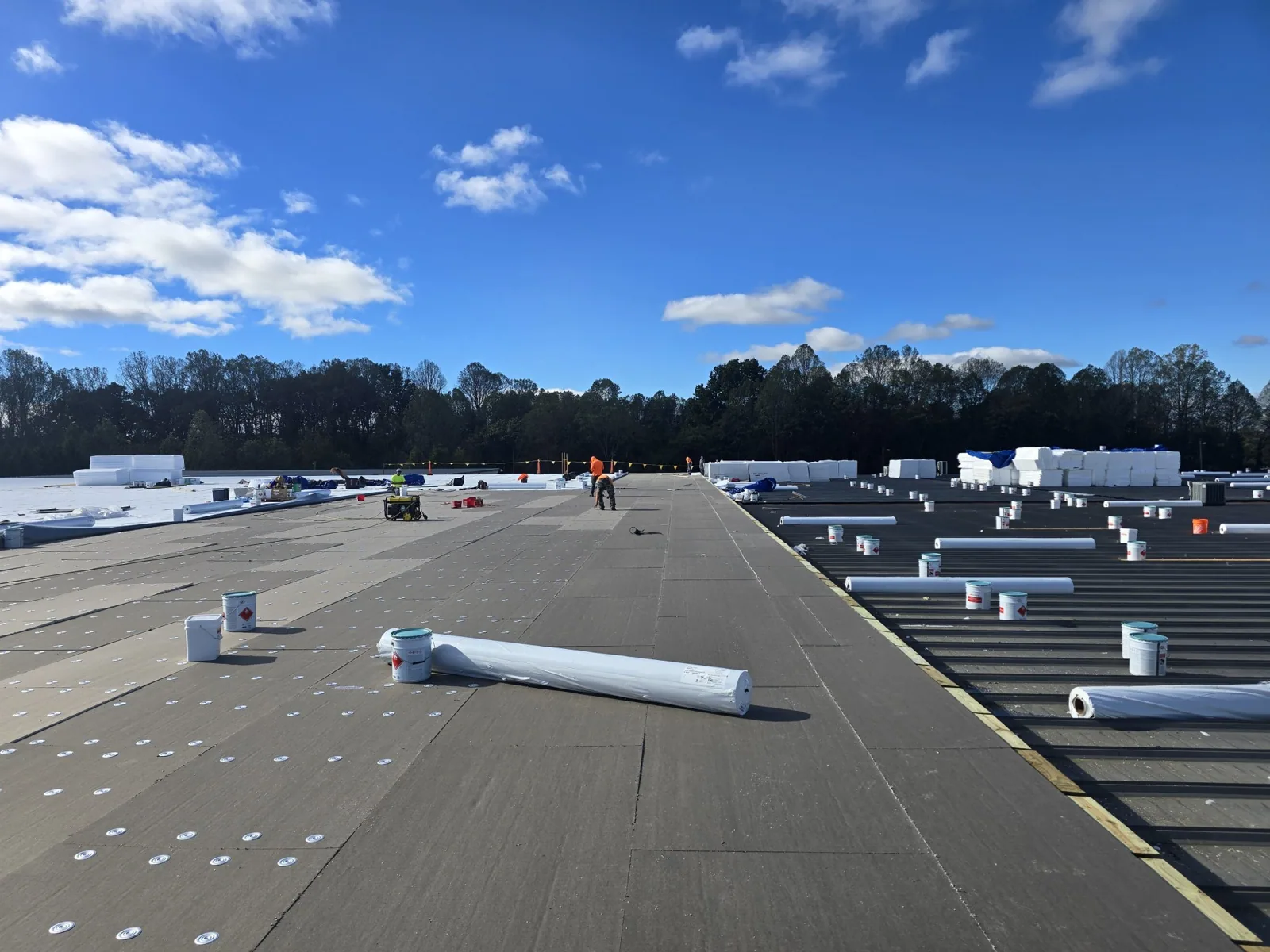
Commercial Roof Repair
Learn More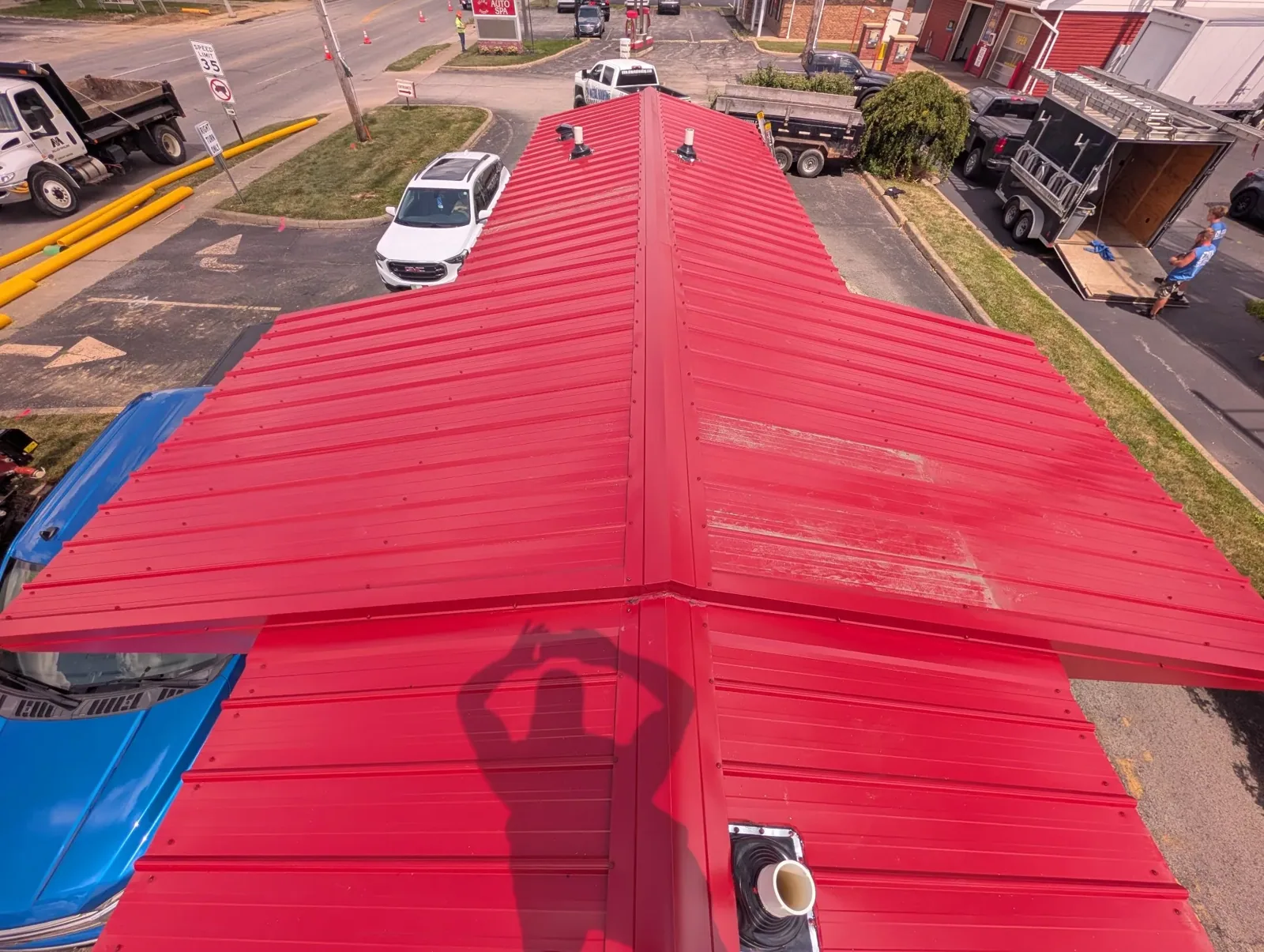
Commercial Roof Coating
Learn MorePlan a corridor roof assessment
Request a roof assessment in Gresham
We will inspect the roof, confirm delivery and access needs, and prepare a repair or replacement scope tied to the property's actual condition. Tell us about the building, the roof and what you are seeing. Call 555-555-5555, email [email protected] or send the details through our contact page and we will set up a time to walk the roof.