Commercial Roofing in Troutdale Industrial Lands, Troutdale, OR
Plan a Troutdale industrial roof inspection
- Home
- Service Areas
- Troutdale Industrial Lands
Troutdale's industrial lands are concentrated north of I-84 and include light manufacturing, warehouses, distribution centers, and service operations. The city's planning material identifies larger industrial parcels and expanding public facilities as support for additional employment use in the northern area. A commercial roof plan needs the building's actual operations and assembly. We inspect roof zones, seams, drains, flashing, and equipment transitions, then confirm access and shutdown limits with the property contact. A distribution roof may need a delivery sequence; manufacturing can require coordination around active equipment. For a site in Troutdale Reynolds Industrial Park, the same record structure helps, but each building's roof map and access route remain distinct.
Coordinate the work zone with active operations
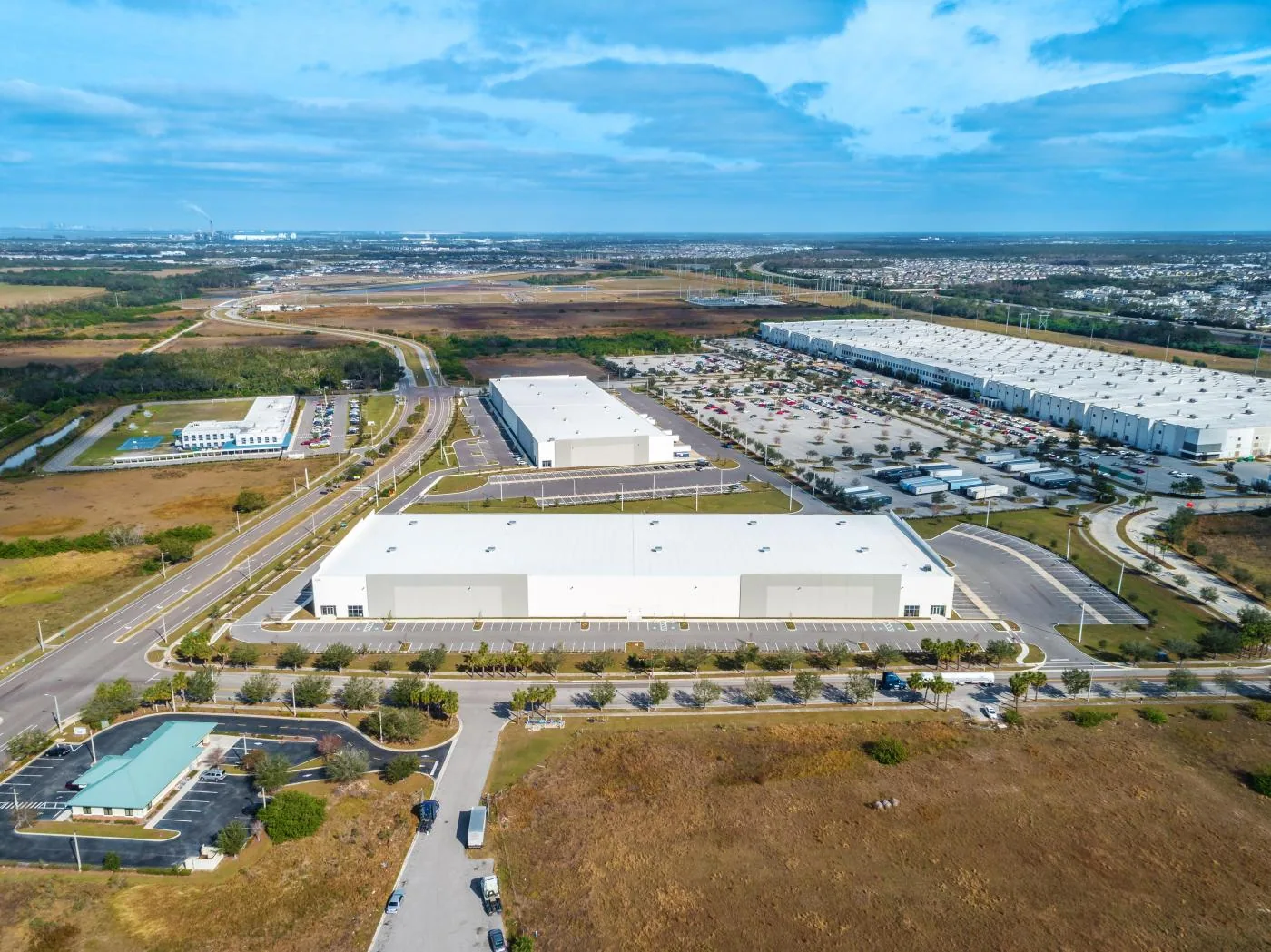
Industrial land does not describe a single use or operating schedule. Before mobilization, we ask where trucks unload, which routes must remain open, and who approves roof access. A property may have service, production, or storage areas that cannot be interrupted at the same time. The facility contact identifies occupied hours, equipment constraints, intake locations, and any restricted zones.
We map a safe route from the approved access point to the roof area. The plan covers lift or crane placement, material staging, fall protection, and protection for activity below. If membrane or insulation will be removed, we define how much area can be exposed and the closure step for the shift. The building team should know who receives the daily handoff and what condition the area must be left in. The proposal also states what must be moved or protected before work starts, who can release the next zone, and how temporary drainage stays open. Those decisions can affect both labor sequence and delivery timing. Confirming a daily decision contact keeps the work boundary and closeout instructions clear when staff change between shifts.
The city inventories commercial and industrial land for future job growth and business needs. Future planning does not establish whether a particular parcel is under construction or what its roof contains. We confirm current site activity, permits, and access with the property representative. If a project is near the Sandy Boulevard east-county corridor, freight movement may inform the delivery conversation, while lot-specific rules determine the route.
Read the roof assembly before naming a fix
We record visible roof layers where possible, then inspect field seams, drains, scuppers, parapets, curbs, skylights, pipes, and edges. A leak can enter at a transition and travel before reaching a ceiling. We compare the reported indoor location with likely roof paths and photograph each finding with a zone label. The report distinguishes an active opening from old staining, prior repair, or an area needing further evaluation.
A recover requires more than a dry-looking surface. We check attachment, moisture, existing coating, substrate, drainage, and added height at perimeters and penetrations. If a concealed layer may be wet, we identify a test opening that can answer whether the existing roof can remain. The owner approves the opening and closure method before testing. If records show a previous reroof, we compare them with the visible construction rather than assuming the record is complete.
Winter work needs an actual weather check before the roof is opened. We inspect drains and perimeter details, then use the job forecast and product requirements to set the installation window.
A roof inspection can establish accessible conditions across the building. For an active leak, a leak assessment ties the report to the roof and documents repair limits.
Separate immediate repairs from capital work
A damaged seam, puncture, or failed flashing can be a focused repair if surrounding material remains attached and serviceable. We identify the membrane, prepare the surface, and use a compatible repair detail. The work record shows which roof zone was corrected and what remains outside the repair. That boundary matters when a later call reports water in another area.
When defects recur or span several roof zones, we compare broader options after reviewing the assembly. A coating requires suitable preparation and adhesion; it cannot correct trapped moisture. A recover must account for attachment, height, drainage, and the condition of existing layers. Replacement may require removal, new insulation, disposal, and a sequence that allows business operations to continue.
Commercial roof repair can correct isolated defects. A restoration review checks whether the surface supports that approach. Replacement planning compares removal depth and phasing. Cost and timing depend on measured area, material layers, detailed transitions, access, staging, protection below, and the approved work window. Hidden conditions are addressed after removal exposes them and the owner reviews the documented change.
Keep drains and edges in the inspection
Warehouses, distribution centers, and service properties all depend on water leaving the roof. We check drain bowls, scuppers, overflow routes, and low spots, then inspect nearby seams and flashing. Debris may restrict an outlet; repeated ponding may need a broader evaluation. We describe what is visible and avoid assigning a structural cause without the required evidence.
Perimeter edges and equipment transitions take concentrated attention. We look for loose terminations, open seams, damaged curb flashing, or incompatible patches. Service traffic can abrade a membrane at the route to rooftop equipment. The facility contact can identify maintenance paths and recent work by another trade so we can compare those locations with new findings.
Troutdale's industrial district is distinct from its commercial center. If a property team also manages a business in Troutdale Town Center, each site's use and access conditions should be recorded independently. System choice follows the installed assembly; we confirm membrane identity before specifying the tie-in or ordering materials.
Keep inspection and repair evidence with the asset
A useful project file includes the inspection date, roof-zone map, observations, photos, repair scope, material data, and any limits. It should state which areas were accessible and where testing remains. If removal reveals unexpected layers or wet material, the record identifies its location and the decision made before work continued.
Industrial owners can have multiple facility and property contacts. One person should receive the closeout and maintain the service log so later crews can locate past repairs. Our roof condition report can organize photos and next steps. A planned maintenance visit can recheck drains, seams, penetrations, flashing, and roof traffic routes.
Troutdale's broader industrial planning includes larger parcels and public-facility expansion, but no citywide plan replaces the building record. Update the map when equipment moves, new curbs are added, or another project changes roof access. A current file reduces repeat investigation and helps the owner compare a service call with the last documented inspection.
Troutdale Industrial Lands FAQs
-
What kinds of commercial properties are in Troutdale's industrial lands?
The city identifies light manufacturing, warehouses, distribution centers, and service operations. The roof and access needs still vary by property, so we inspect the building before recommending a system or repair.
-
Can roofing work be phased around warehouse or production activity?
We can map work zones and coordinate deliveries, roof access, shutdowns, and daily closure with the facility contact. The approved sequence follows the operation and roof condition.
-
Can you recover an existing industrial roof?
Only if the assembly can support another layer. We check moisture, attachment, substrate, drainage, existing coatings, and added height before comparing recover with removal.
-
What should a leak report include?
Note the location, time, weather, and any recent roof or equipment work. We compare those details with seams, drains, flashing, and transitions above and nearby.
-
How are unexpected conditions handled during replacement?
We document what removal exposed, protect the open area, and review the change with the owner before extending the approved work.
Related Roofing Work
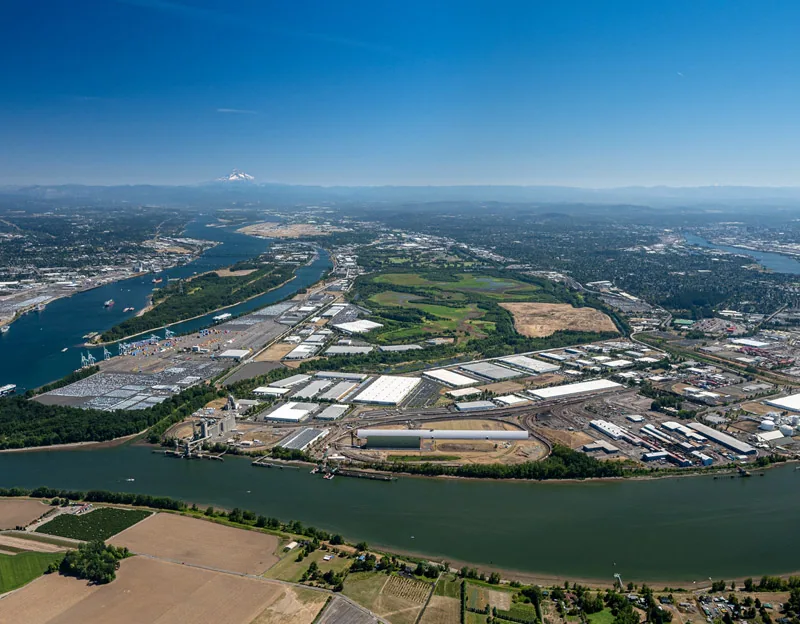
Troutdale Reynolds Industrial Park
Learn More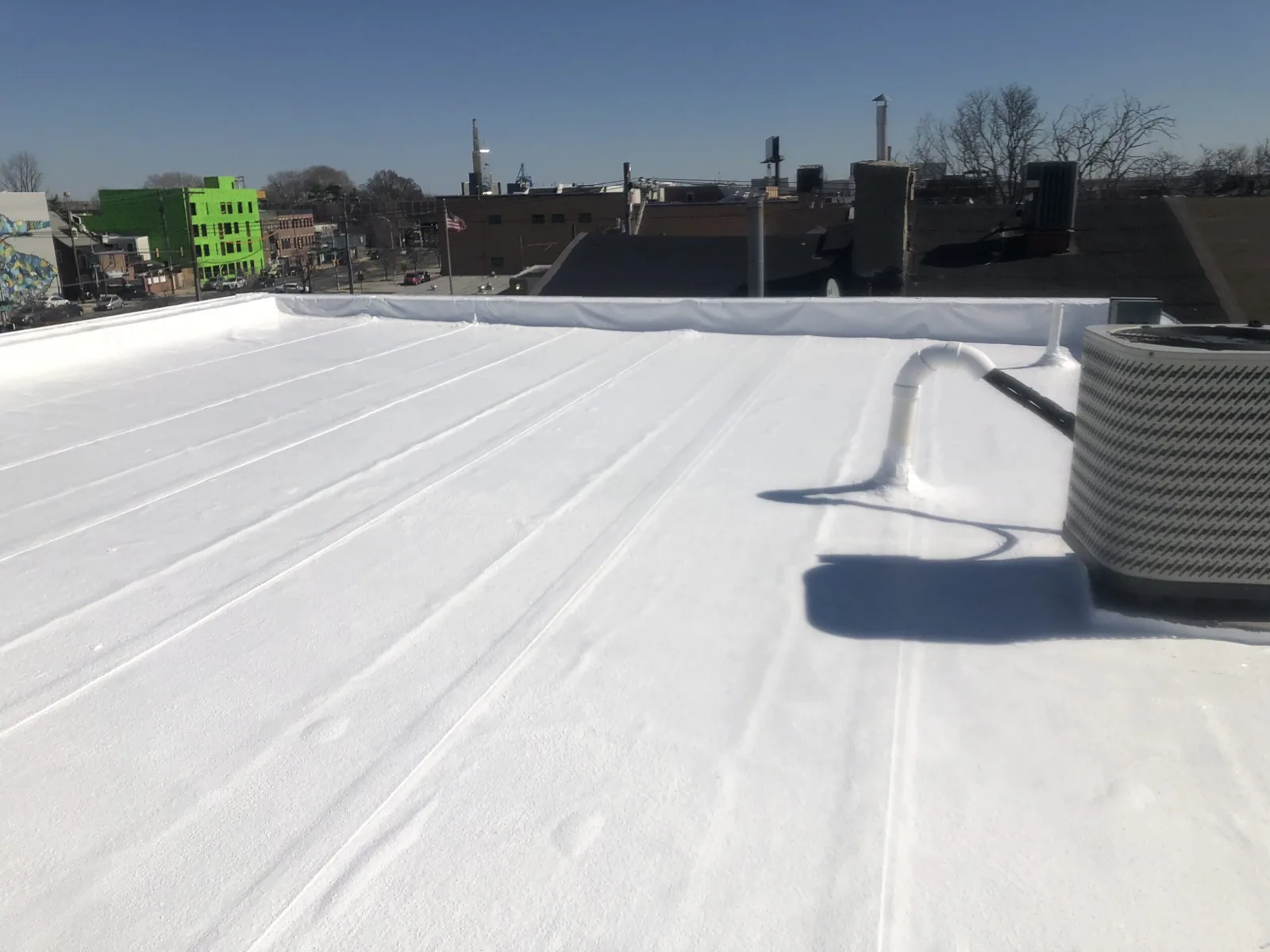
Commercial Roof Inspection
Learn More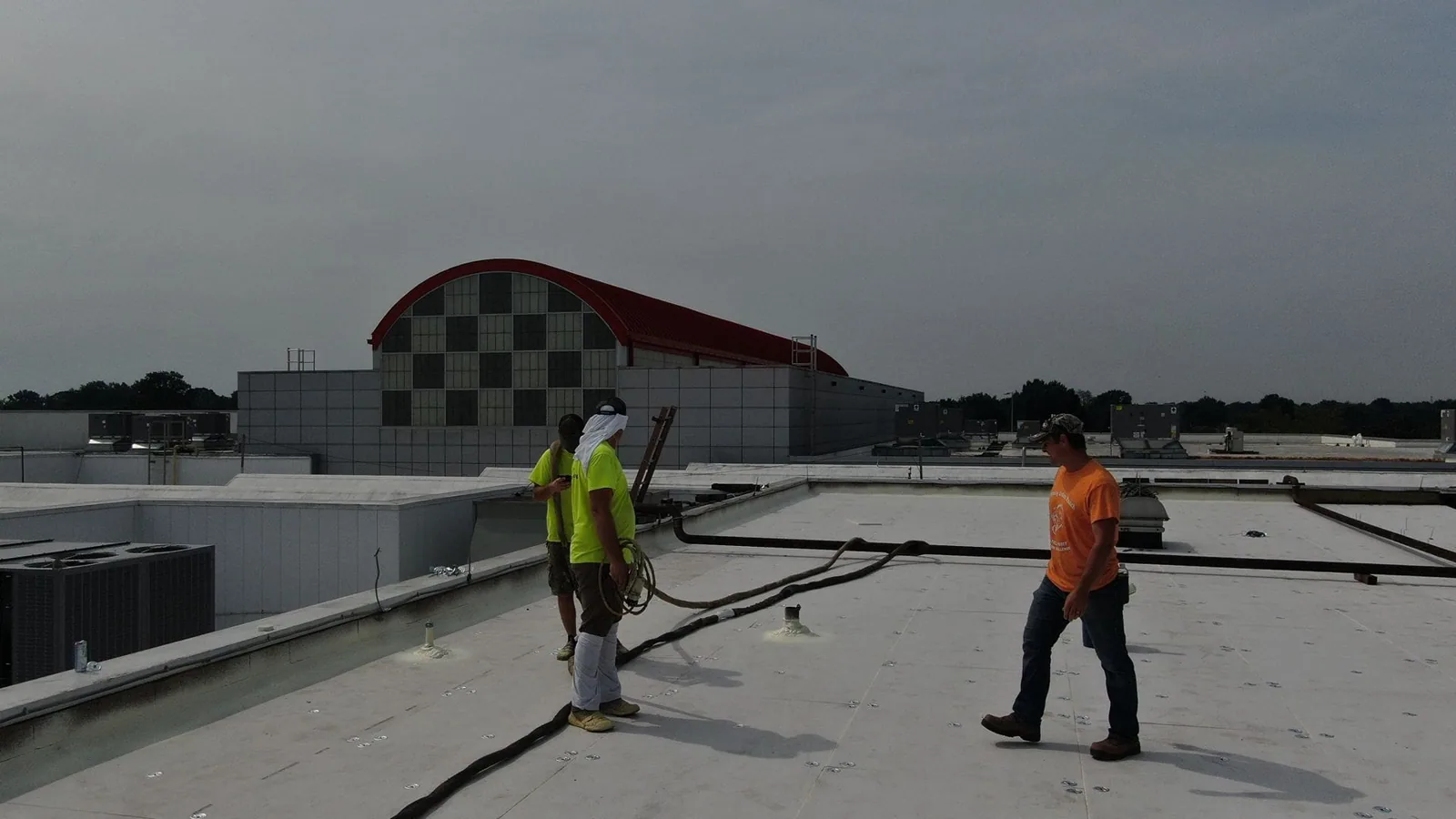
Commercial Roof Leak Repair
Learn More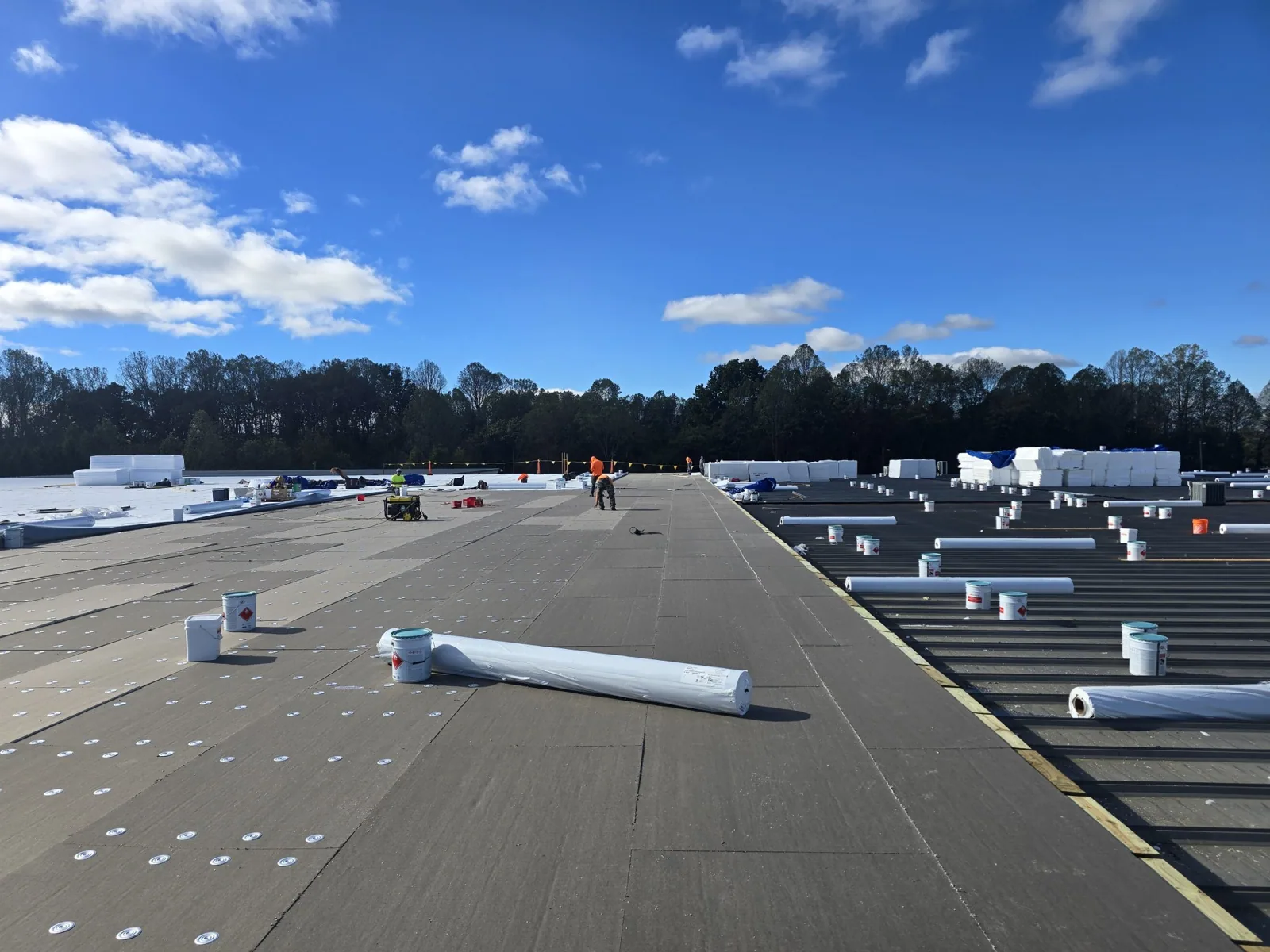
Commercial Roof Repair
Learn More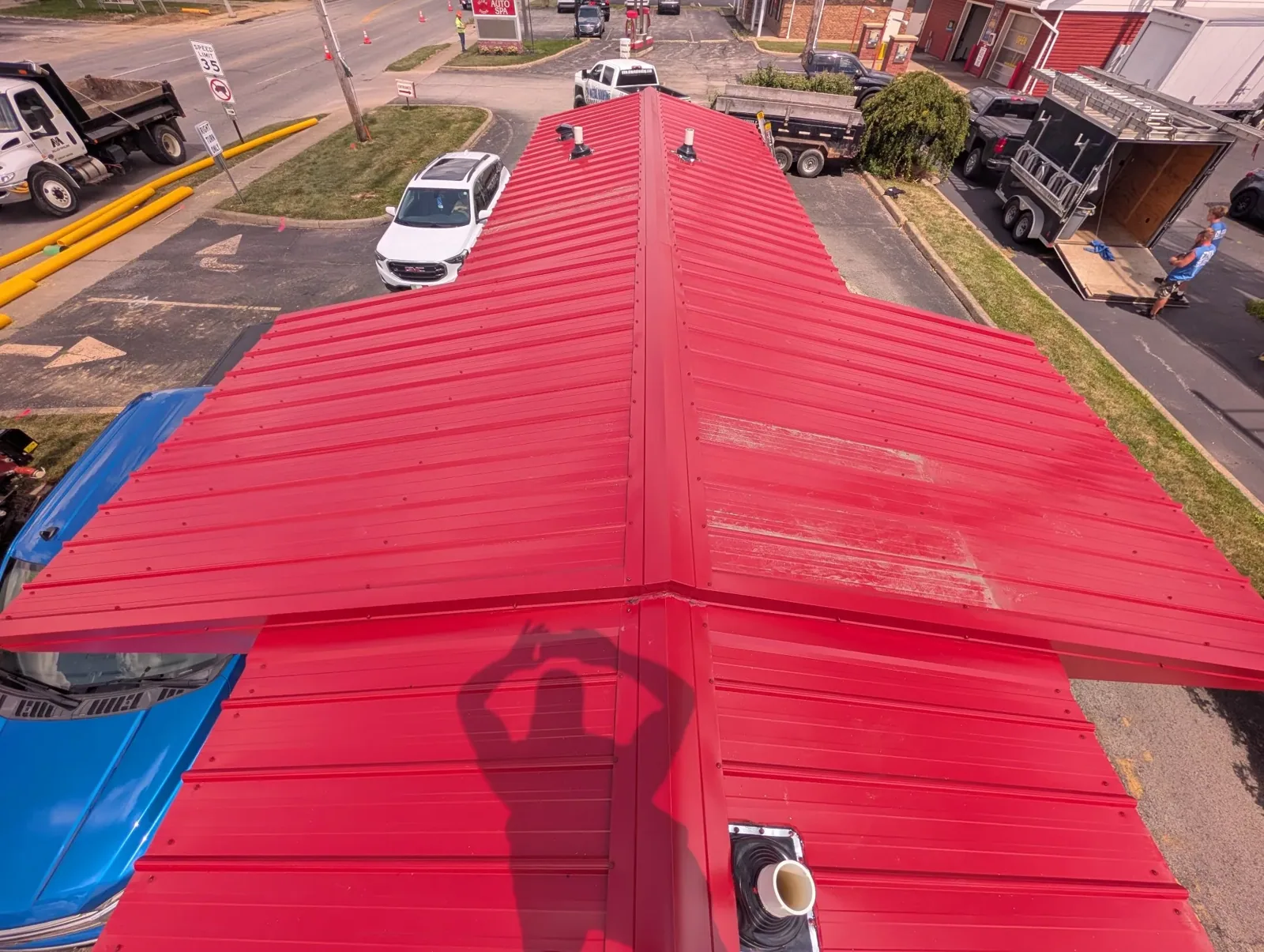
Commercial Roof Coating
Learn More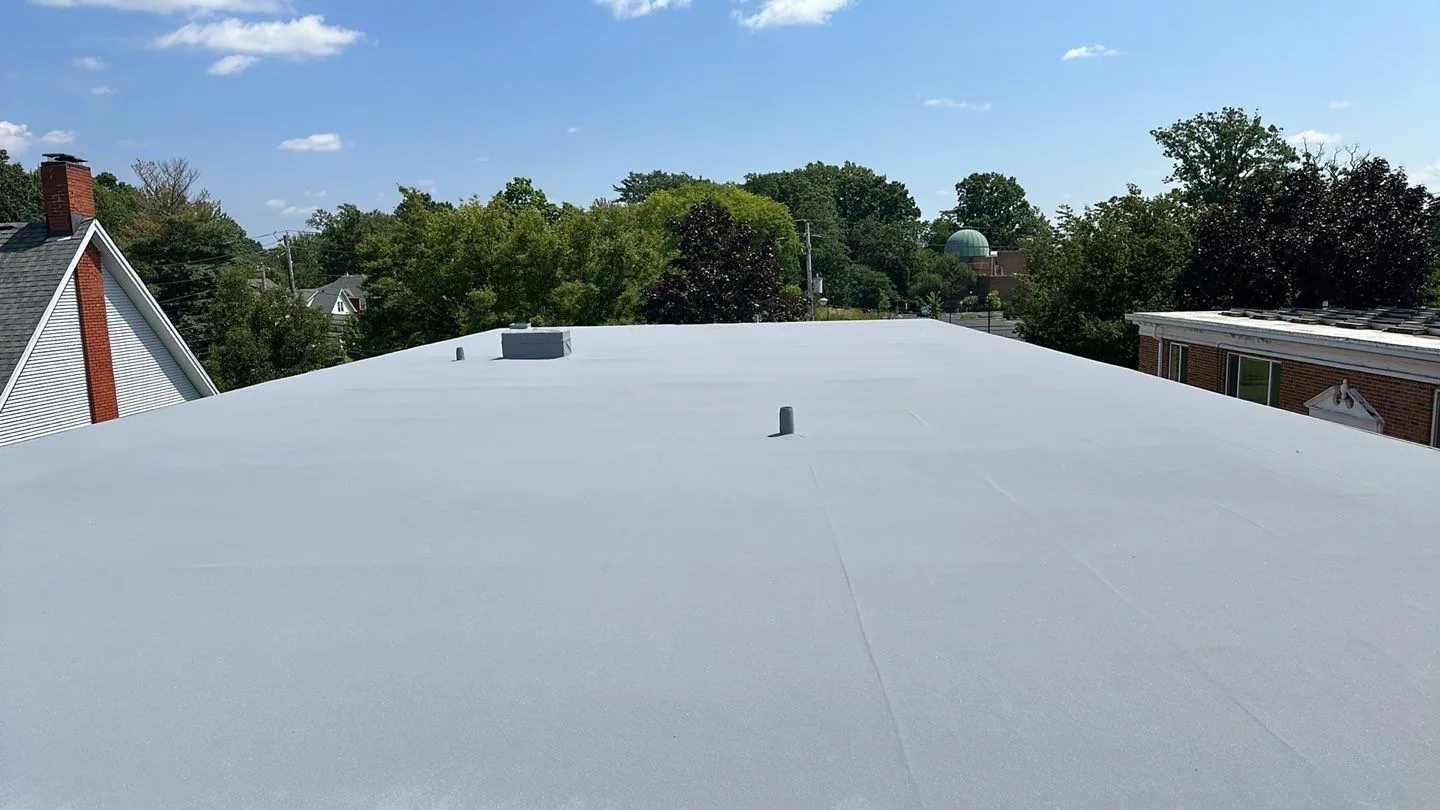
Commercial Roof Replacement
Learn MorePlan a Troutdale industrial roof inspection
Request a roof assessment in Gresham
We will map access and operating limits, inspect the roof and drainage, and prepare a documented scope for repair or renewal. Tell us about the building, the roof and what you are seeing. Call 555-555-5555, email [email protected] or send the details through our contact page and we will set up a time to walk the roof.